Lab exam 1 cards
 Call Kai
 Learn
Learn Practice Test
 Spaced Repetition
 Match
Match Flashcards
 Knowt Play
1/197

Earn XP
Description and Tags
this might possible have everything lmk if it doesnt Discord: bb8kv IG: @kvremains1
Name | Mastery | Learn | Test | Matching | Spaced | Call with Kai | Chat |
|---|
No analytics yet
Send a link to your students to track their progress
198 Terms
plasma membrane
Made up of Phospholipids and contols what enters and exits
cytoplasm
gel-like substance that fills the interior of a cell, enclosed by the cell membrane
nucleus
Control center and holds dna
rough endoplasmic reticulum
membranous organelle in eukaryotic cells characterized by a surface studded with ribosomes
ribosomes
complex molecular machines found in all living cells that serve as the primary site for protein synthesis
smooth endoplasmic reticulum
detoxification
golgi apparatus
postal service
vesicle
boxes
lysosome
the cell's primary digestive and recycling system
mitochondria
hase their own dna and structure and makes atp
centrosomes
primary microtubule-organizing center
centrioles
microtubules and facilitating cell division
cytoskeleton
provides structural support, maintains cell shape, and facilitates movement
Skeletal muscle
d: striations and looks like fish meat
F: movement and heat
L: connected to your bones

smooth muscle
D: no striations
F: involuntary digestions and other stuff
L: organs and stuff

cardiac muscle
D: branches with striations with Intercalated disc
F: involuntary movment to keep your ahh alive
L: outer lining of the heart

neuron and gilia
brain, spinal, nerves

squamous epithelial
FFFFFFFFFFFFFFFFFFFFFFFFFFFFFFFFFFFFFFFFFFFFFFF
lets things pass through
cuboidal epithelial
POLK
Secreats, absorbs, and protects
columnar epithelial
SLURP
Absorbs
simple squamous epithelial
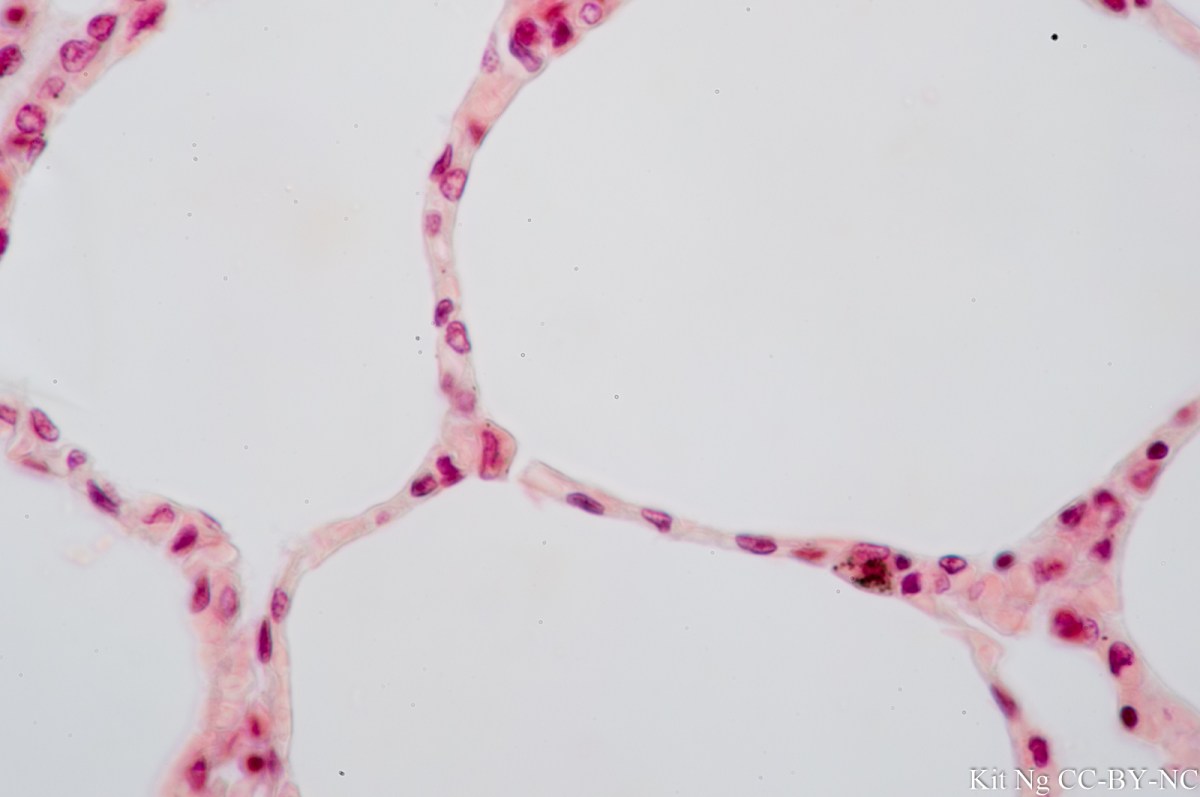
simple cuboidal epithelial

simple columnar epithelial

stratified squamous keratinized epithelial

stratified squamous epithelial

stratified cuboidal epithelial

pseudostratified columnar ciliated epithelial
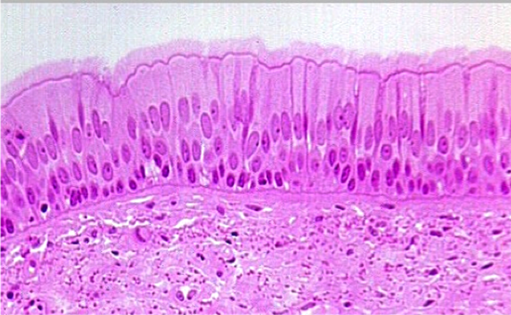
transitional epithelial
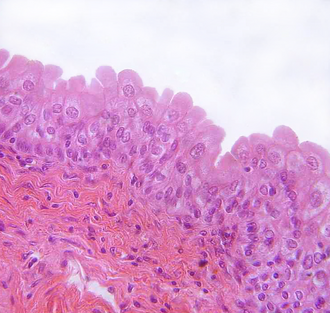
dense regular connective tissue
D: tighly packed single direction tissue
F: high tensile strength and resistance to stretching in a single direction
L: achilles

dense irregular connective tissue
d: tightly packed tissue thats all over the place
F: It offers mechanical support and stability to structures subjected to multidirectional stress
L: dermis of the skin

dense elastic connective tissue
D: high concentration of elastic fibers
F: unidirectional tensile strength
L: aorta

loose connective tissue
D: areolar tissue, is the most widely distributed type of connective tissue proper, characterized by a loose arrangement of fibers
F: binding tissues together
L: around blood vessels, nerves, and organs

areolar
D: cotten candy
F: wraps around organs and stuff to protect it
L: blood vessels, nerves, and organs

adipose
D: bubbles
F: insulation, energy, cushion
L: abdomen, thighs, buttocks, breasts, and upper arms, kidneys, intestines, and liver within the abdominal cavity

reticular
D: three-dimensional meshwork of reticular fibers composed primarily of type III collagen
F: highly cellular organs where it provides structural support and facilitates cellular movement.
L: soft organs

hyaline cartilage
D: eyes staring into your soul
F: cushion
L: ribs and nose

fibrocartilage
d: waves
F: shock absorption
L: meniscus and intervertebral disc

elastic cartilage
D: black string like fibors
F: bounce and flex
L: ear (pinna)

bone

canaliculi
A: tiny hairline channels that helps pass nutrients and helps communicates

lacuna
B: house mature bone cells called osteocytes

osteon
C: layers of the bone

concentric lamella
D: what forms the rings of osteon

central canal
E: contains blood vessels, lymphatic vessels, and nerves

blood

red blood cells
carries pure oxygen
white blood cells
kills bacteria
plasma
hold the nutrients and other stuff
platelets
builds blood clotts
ocular lense
1

objective lenses
5

slide clips
7

condenser
10
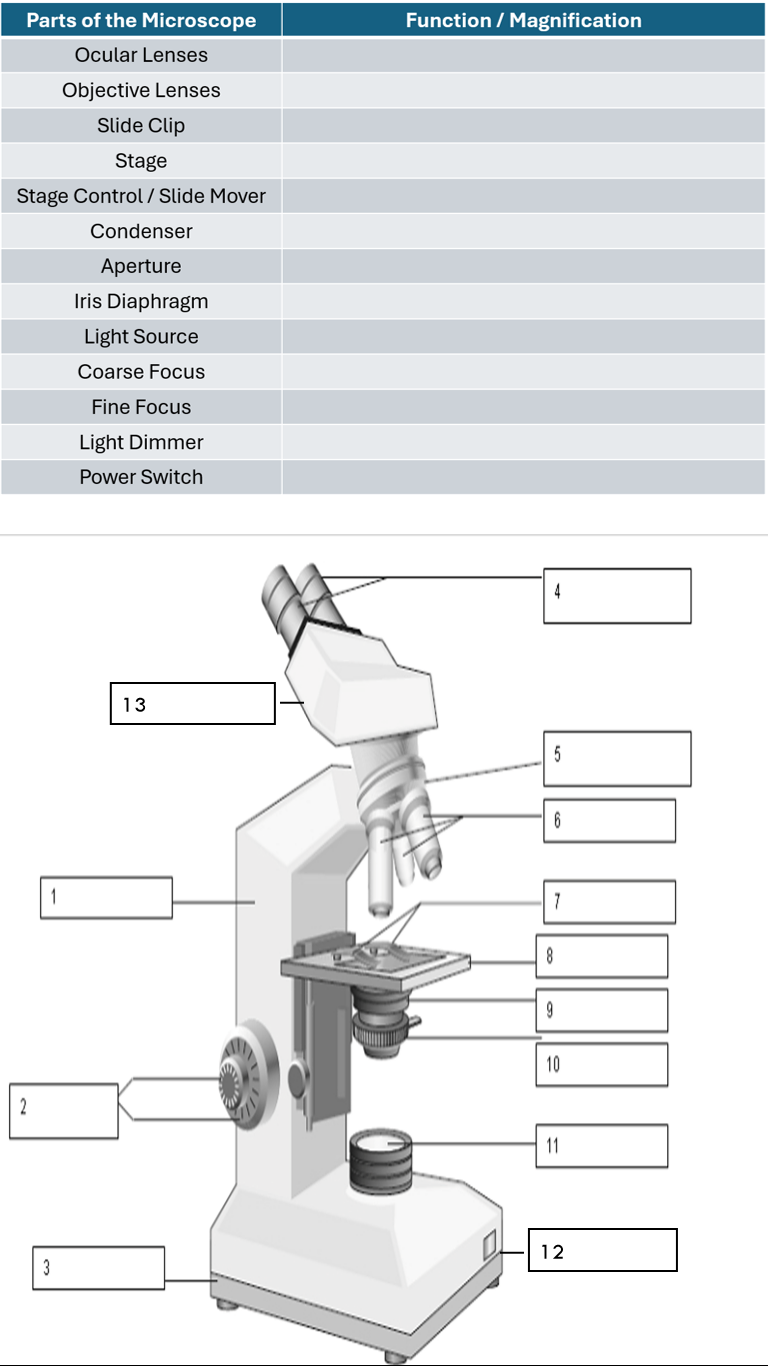
aperture
inside the hole of the stage
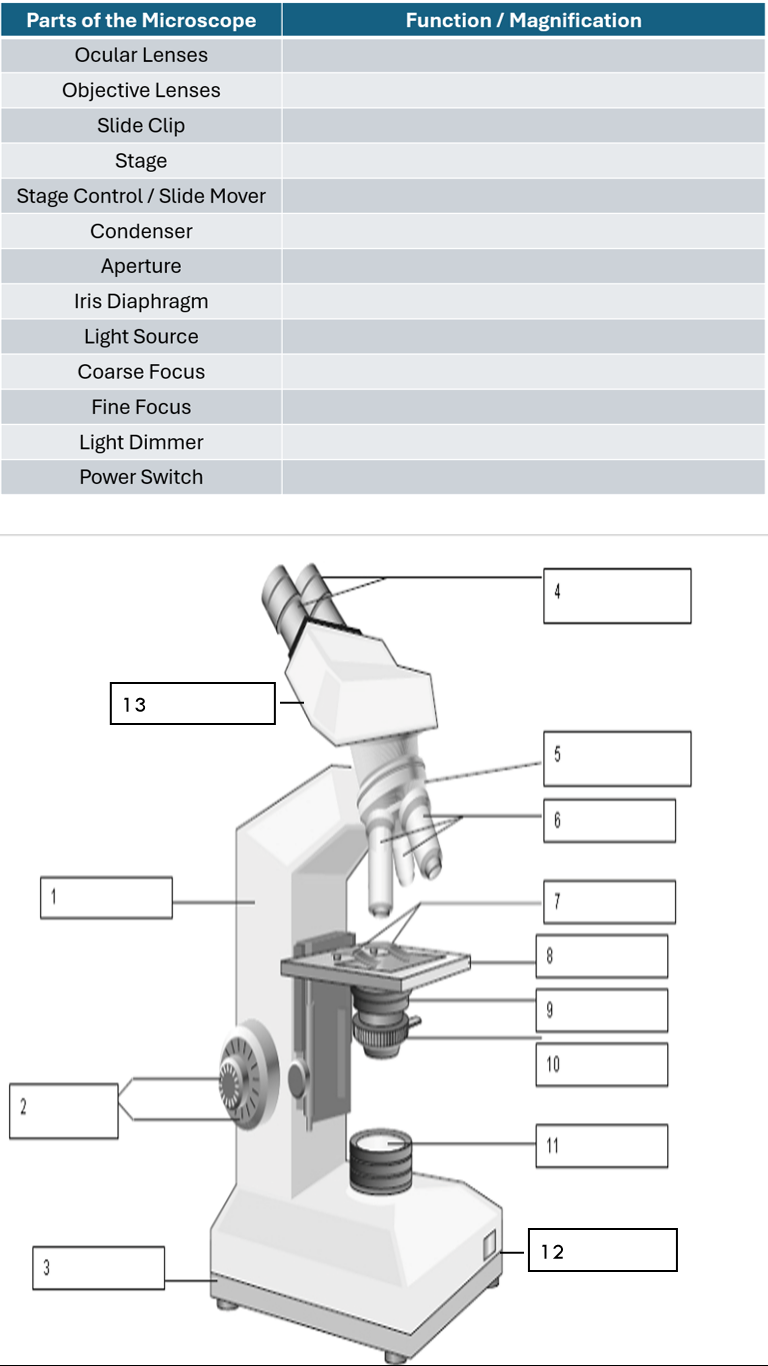
iris diaphragm
9
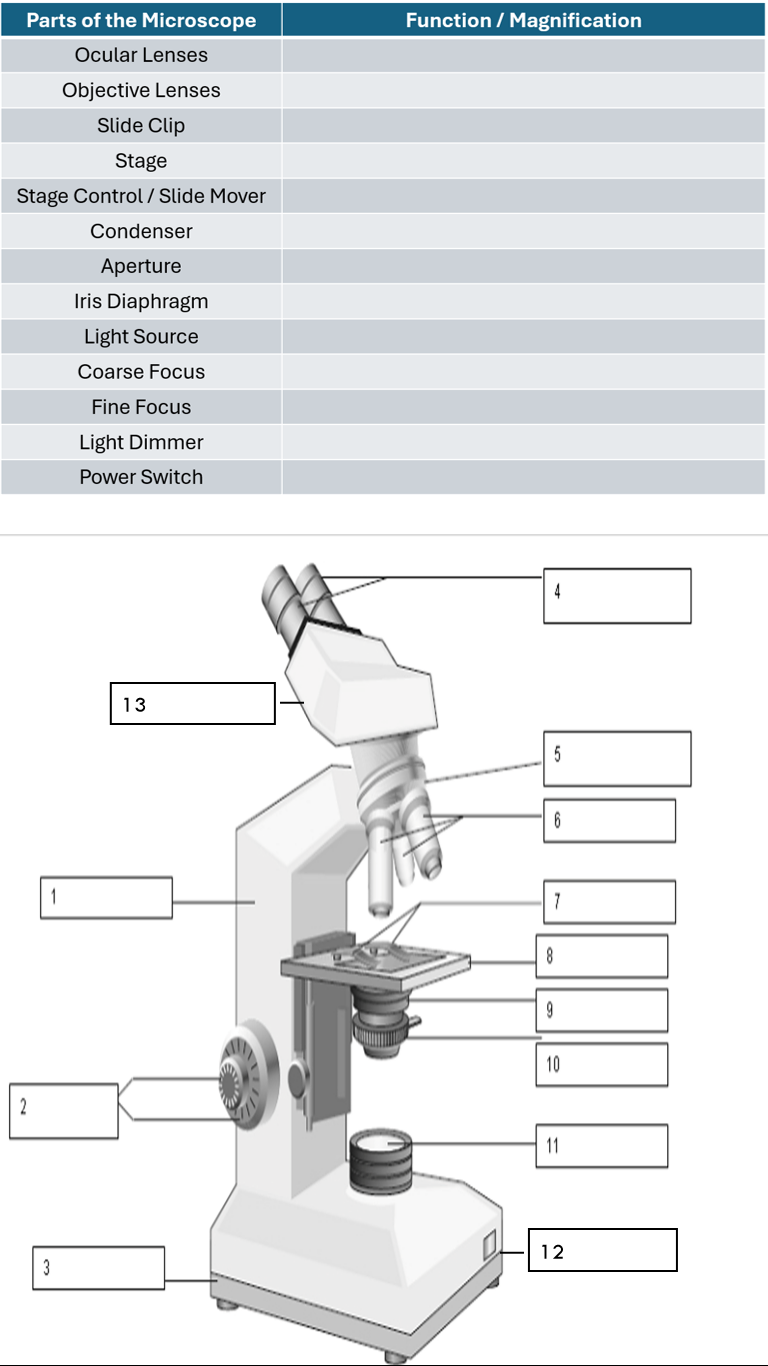
light source
11
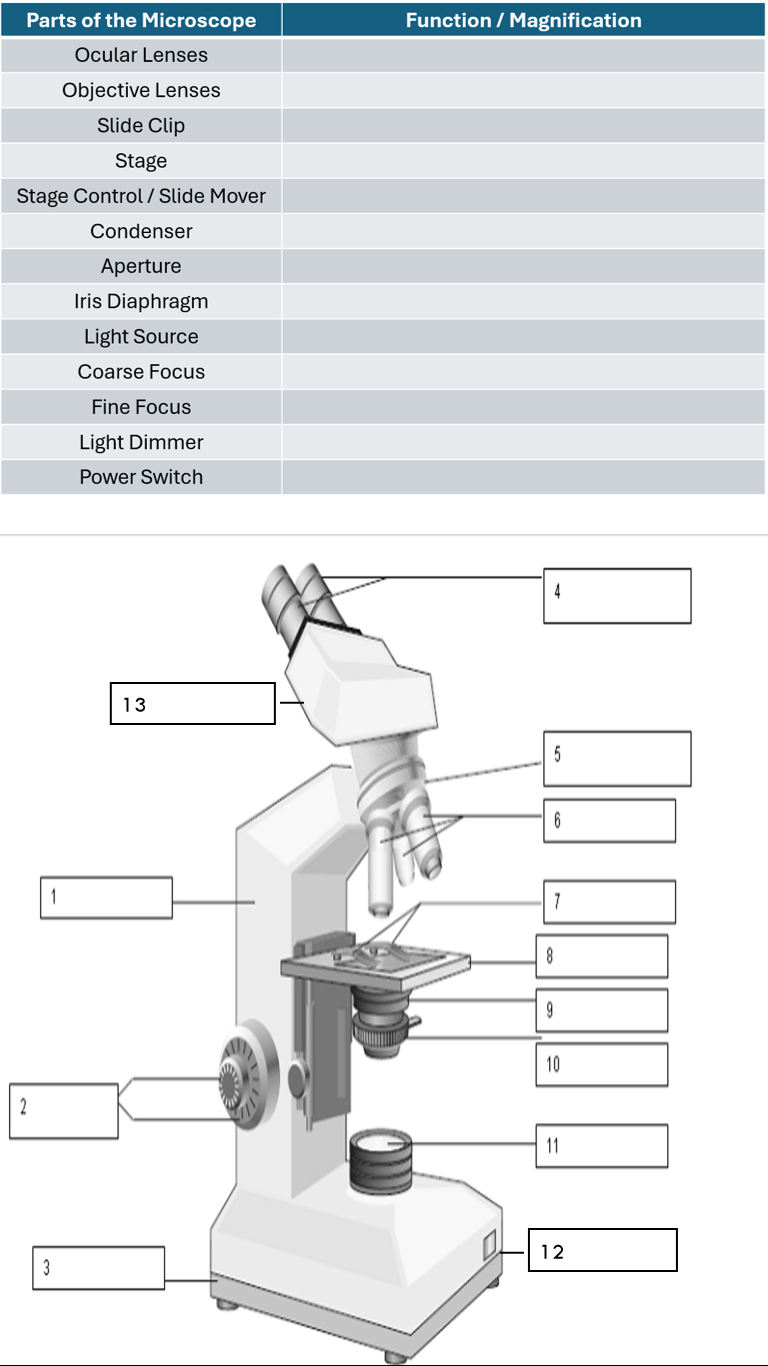
coarse focus knob
the big number 2

fine focus knob
small number 2
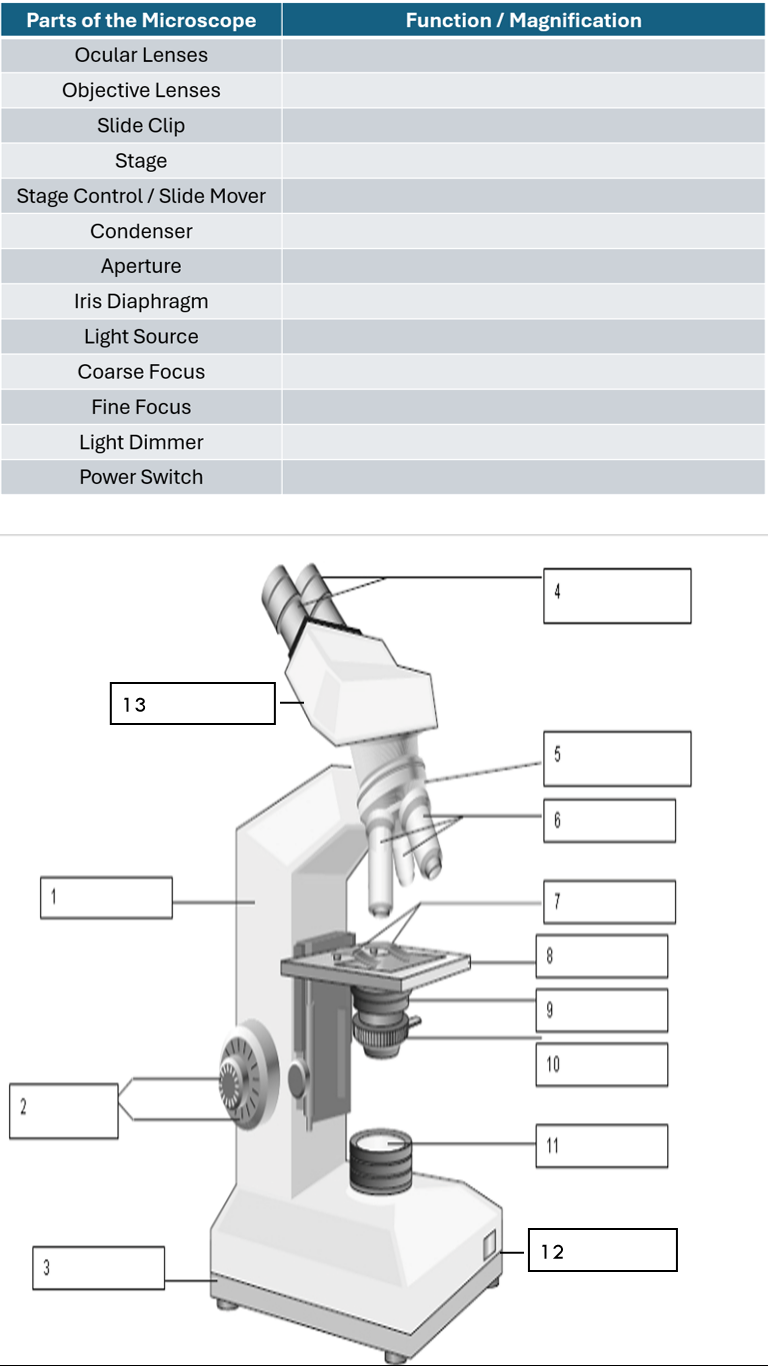
light dimmer
imagine theres a knob where number 3 is that conrols the light
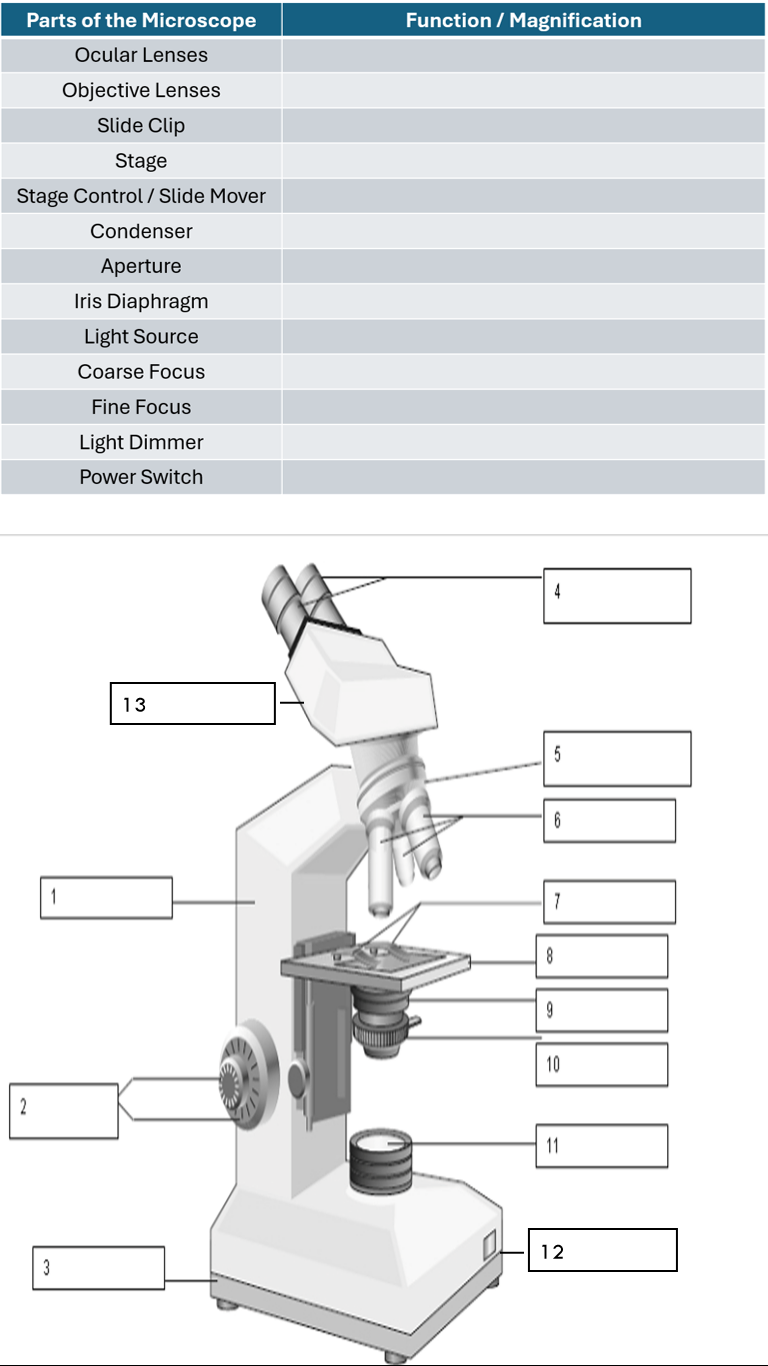
power switch
12

Integumentary system
skin, hair, nails
Skeletal system
bones, cartilage
Muscular system
muscles
Nervous system
brain, spinal cord, nerves
Endocrine system
hormones, glands
Cardiovascular system
heart, blood vessels
Lymphatic system
lymph nodes, immune defense
Respiratory system
lungs, airways
Digestive system
stomach, intestines
Urinary system
kidneys, bladder
Reproductive system
male & female reproductive organs
hair, skin, nails
Integumentary system
bones joints
skeletal system
brain, spinal cord, nerves
nervous system
pineal gland
makes Melatonin
endocrine system

pituitary gland
“Master gland”; controls growth, reproduction, metabolism, and other endocrine glands
endocrine system

thyroid gland
controls metabolism
endocrine system

thymus
helps develope t-cells
endocrine system
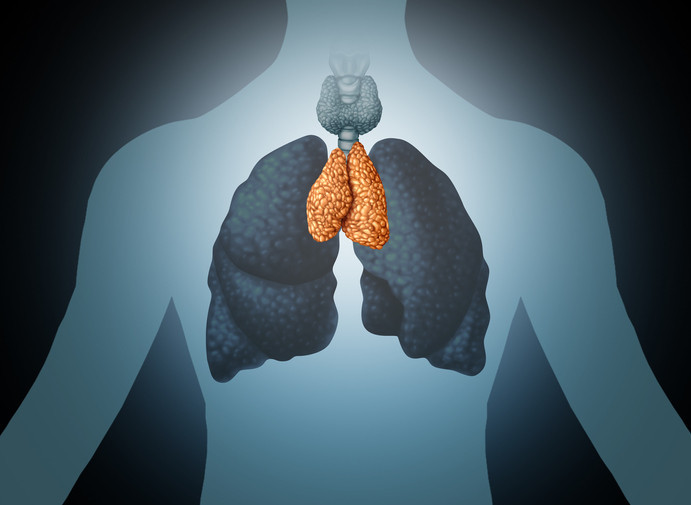
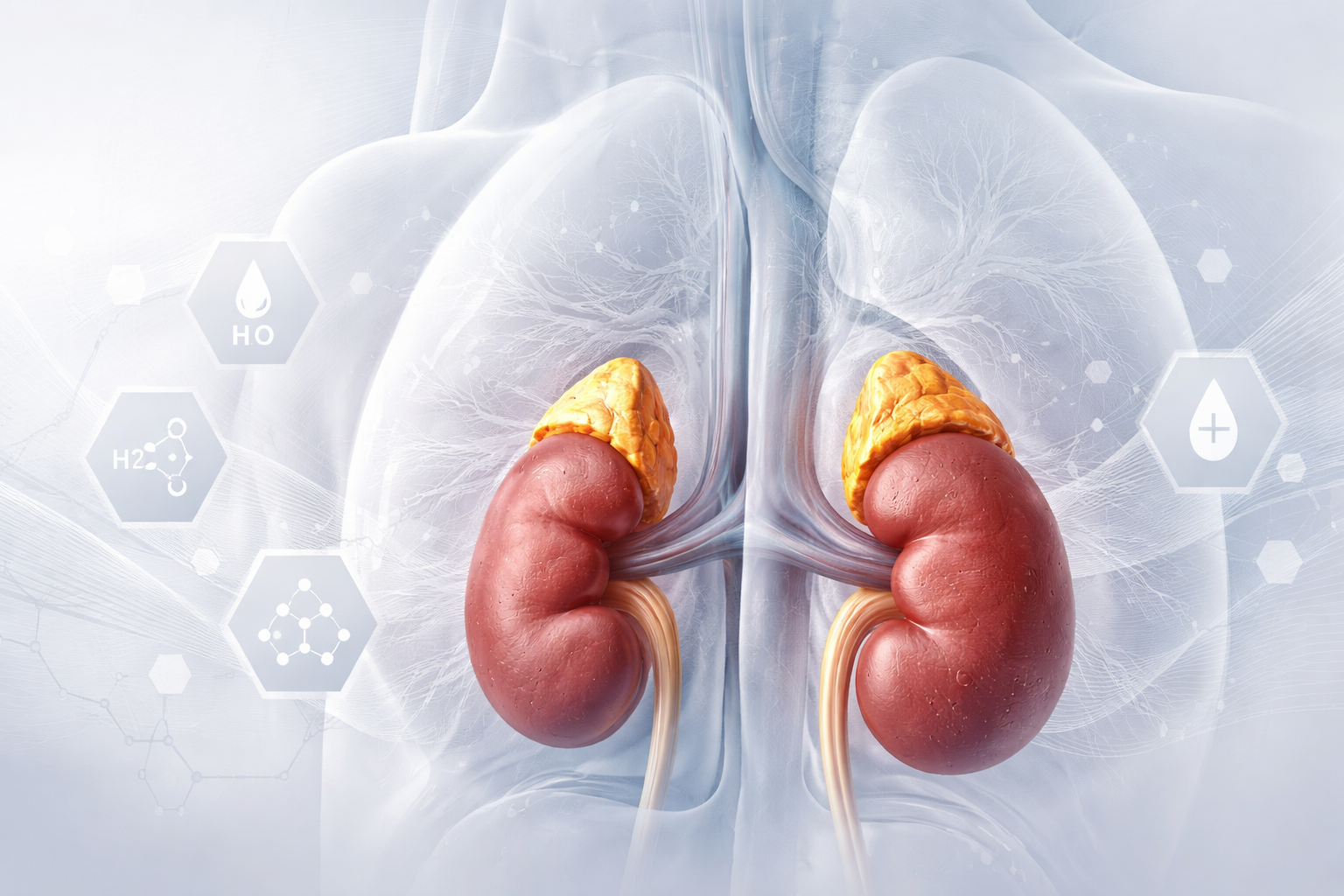
adrenal gland
prduces adrenaline
endocrine system
pancreas
endocrine system
makes insuline and glucagon

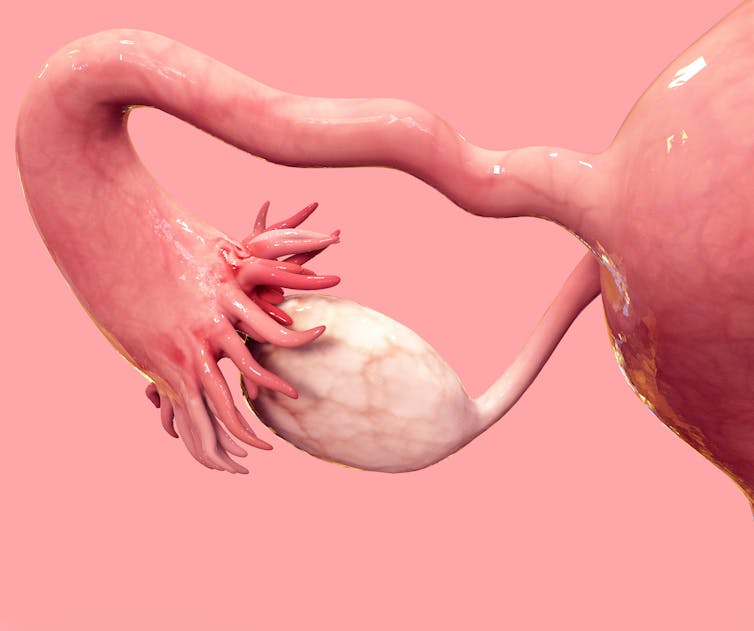
ovaries
endocrine system
produces estrogen
testes
endocrine system
produces testosterone

Heart
pumps blood
cardiovascular system
blood vessels
cardiovascular system
tunnel for blood
Red bone marrow
produces red blood cells
lymphatic system

thymus
lymphatic system
trains t-cells

lymphatic vessles
lymphatic system
transport lymph fluid
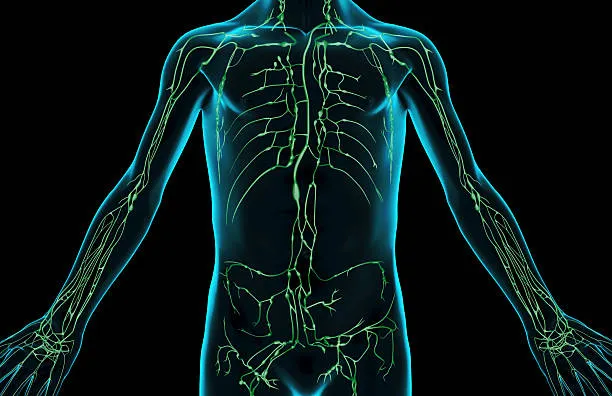
thoracic duct
lymphatic system
main lymphatic drainage channel

spleen
lymphatic system
filters blood, removes old red blood cells and cativate immune respones

lymph nodes
lymphatic system
filters lymph and house immune cells that destroy pathogens
nasal cavity
respiratory system
filters,warms, and moistens incoming air

pharynx
respiratory system
passage way for air from nose and mouth to larynx

larynx
respiratory system
produces sound and protects the air way during swallowing

trachea
respiratory system
main air way

lungs
respiratory system
performs gas exchange

bronchus
respiratory system
pranches that deliver air into lungs

diphragm
respiratory system
helps lung suck/exhaust air

oral cavity
digestive system
Begins digestion by chewing and mixing food with saliva.

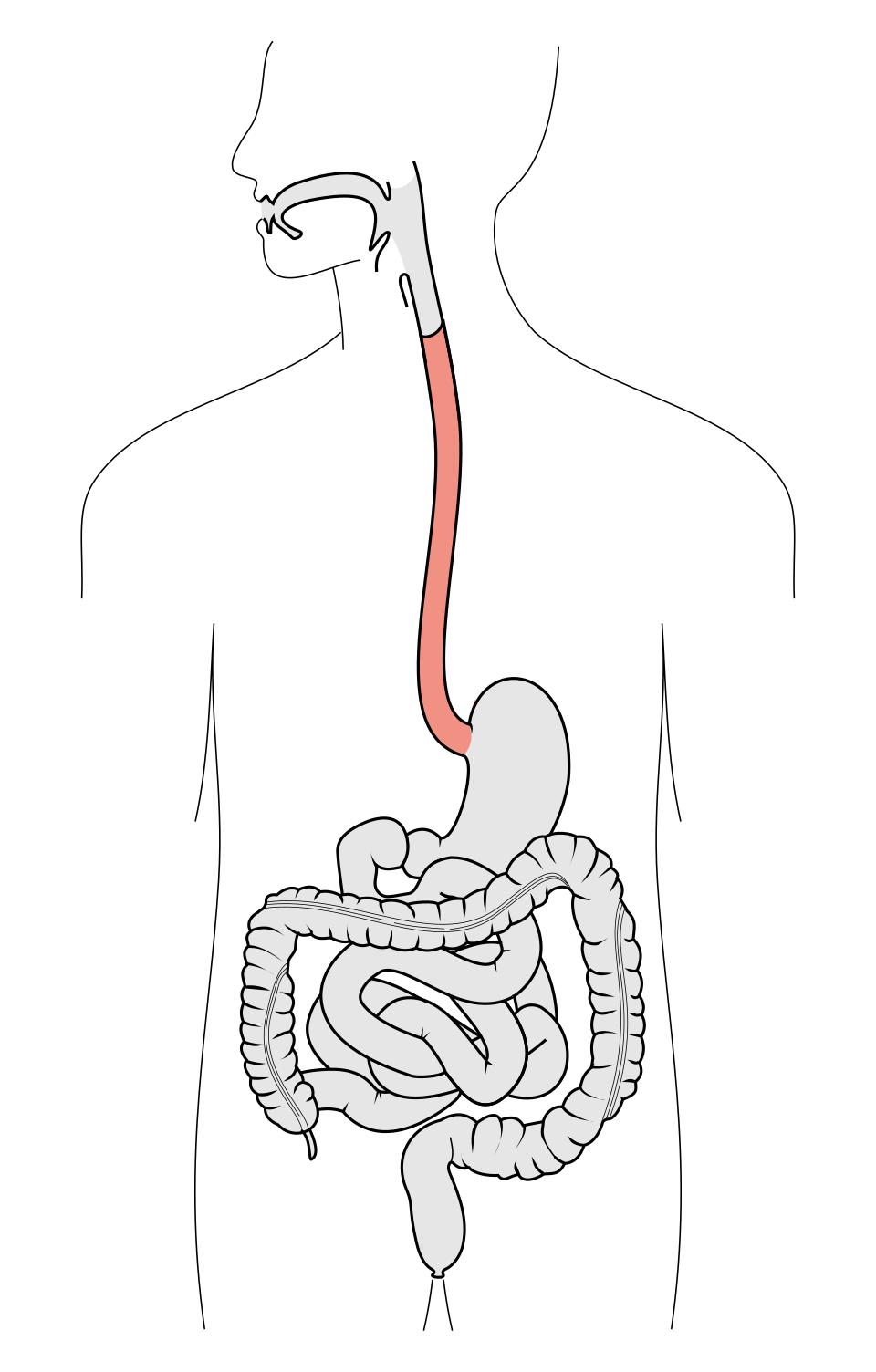
esophagus
digestive system
Moves food from the mouth to the stomach.
liver
digestive system
Produces bile to break down fats; processes nutrients.
