A&P: Cell & Mitosis, Models, Mitosis Plaque, Experiments on Cell Processes
 Call Kai
 Learn
Learn Practice Test
 Spaced Repetition
 Match
Match Flashcards
 Knowt Play
1/36

Earn XP
Description and Tags
Lab 1 slides
Name | Mastery | Learn | Test | Matching | Spaced | Call with Kai | Chat |
|---|
No analytics yet
Send a link to your students to track their progress
37 Terms
Cell
Structural and functional unit of all living things; maintain boundaries, and perform metabolic functions (three major parts: nucleus, plasma membrane, cytoplasm).
Nucleus
Contains genetic material
Chromatin: loose threadlike DNA
Chromosomes: condensed DNA
Nucleoli: protein
RNA: factories of ribosomal particles
Nuclear membrane: double layered and encloses nucleus; large pores allow RNA to exit
Plasma membrane
Boundary between inside and outside of the cell; made of a phospholipid bi-layer with proteins and potentially cholesterol and glycolipids/glycoproteins embedded
Cytoplasm
Found between plasma membrane and nucleus; cytosol is the fluid-like material that holds organelles and other cellular constituents
Ribosome
Site of protein synthesis and assembly; consists of RNA and protein
Endoplasmic reticulum (E.R.)
Tubular system for transport of cellular substances with two types:
Rough E.R. is studded with ribosomes which produce proteins for export out of cell
Smooth E.R. has no ribosomes, is a steroid-based hormone producer
Golgi apparatus
Flattened sacs that modify and package proteins
Lysosomes
Membrane bound sacs containing digestive enzymes that eliminate worn out cell structures and foreign substances
Peroxisomes
Vesicles which contain peroxide and help detoxify substances that enter the cell
Mitochondria
Site of ATP production
Cytoskeletal elements
Form internal scaffolding called the cytoskeleton
Microtubules
Produce parts of the spindle
Intermediate filaments
Help resist pulling forces on the cell
Microfilaments
Allow for cell movement and plasma membrane stability
Centrioles
Involved in direct formation of spindle, basis for cilia or flagella
Inclusions
Areas where substances are found suspended in the cytosol
Mitosis
Nuclear division
Cytokinesis
Cell/cytoplasm division
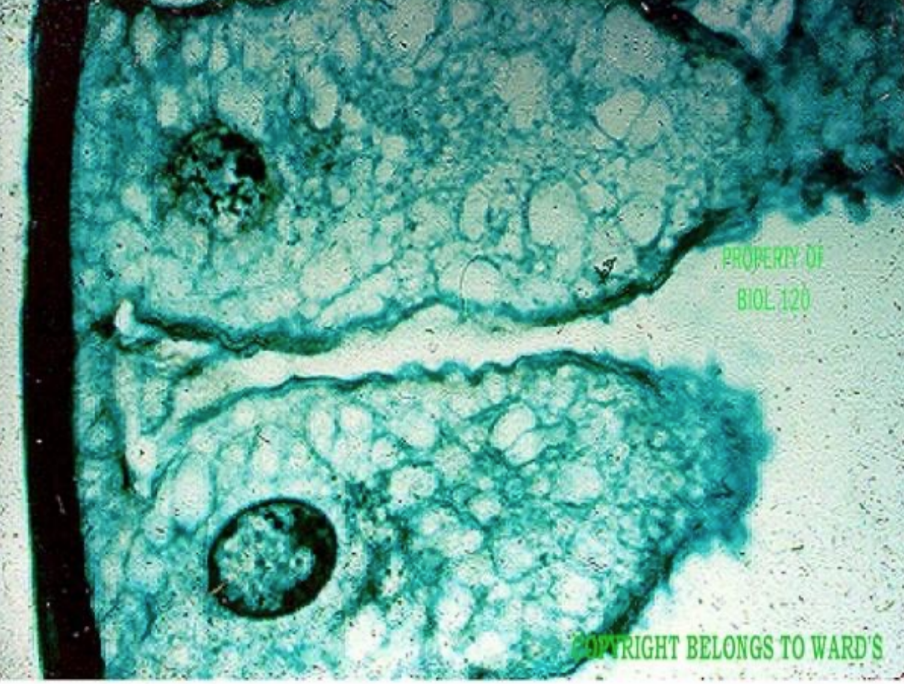
Interphase: normal cell cycle where cell grows and performs metabolic activity
G1: growth following previous cell division
S: synthesis of DNA for mitosis
G2: final preparation for division
M: Mitosis
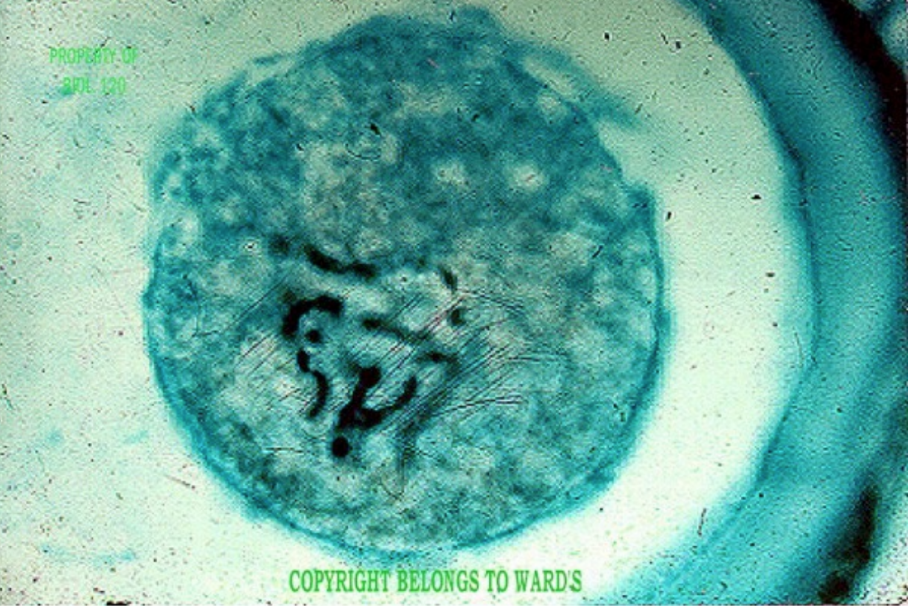
Prophase: chromatin condenses into chromosomes, nuclear envelop disintegrates, chromosomes move to opposite ends of cell

Metaphase: chromosomes line up at equator of cell, enzymes split sister chromatids from each other
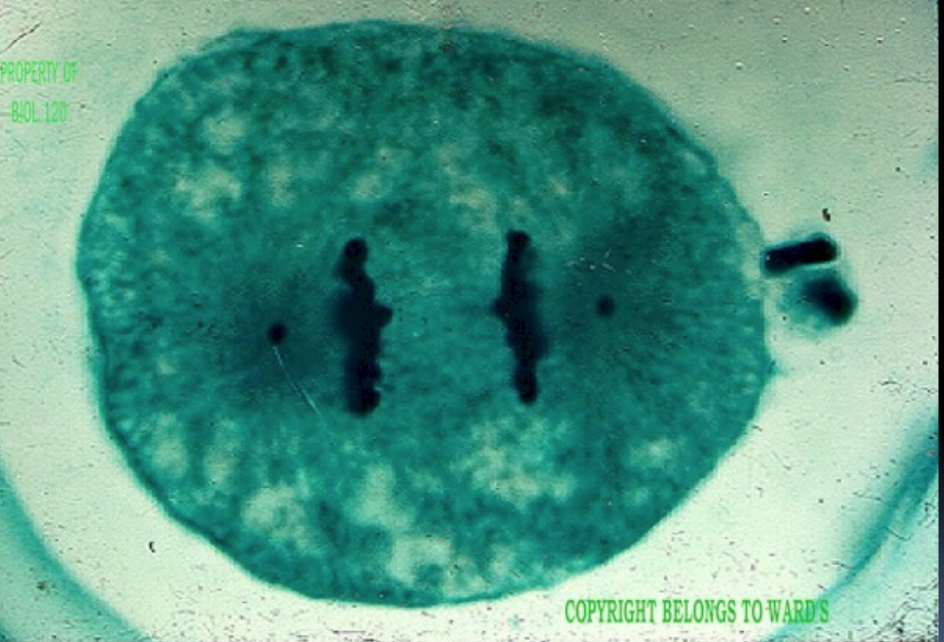
Anaphase: sister chromatids are pulled to each pole, cytokinesis starts with formation of a cleavage furrow
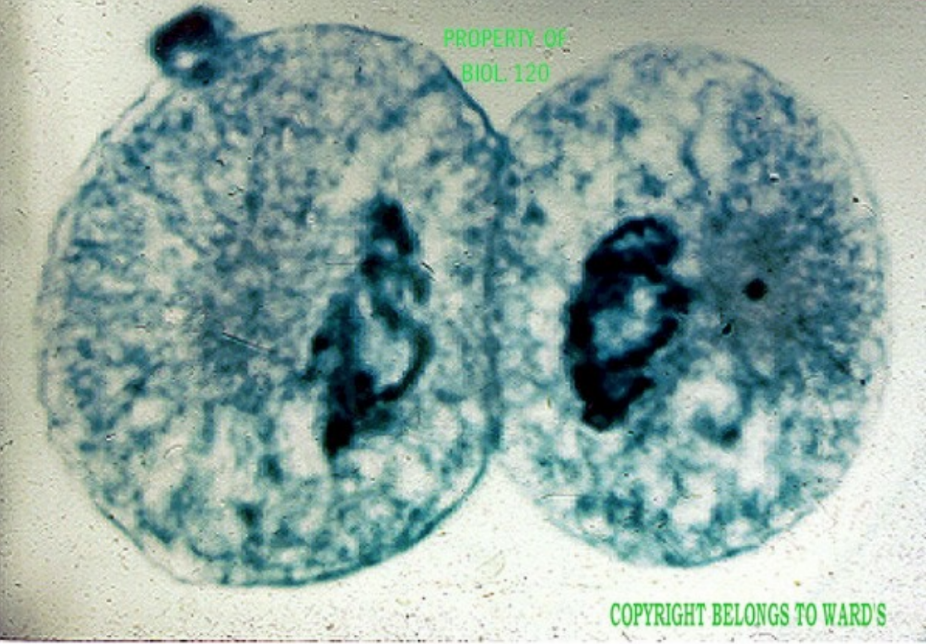
Telephase: chromosomes uncoil back into chromatin, nuclear envelope is reformed, cytokinesis continues
Passive transport
Cell does not need to provide energy
Driving force is concentration or pressure difference
Two passive processes: diffusion, filtration
Types of passive processes
Simple diffusion
Osmosis
Facilitated diffusion
Tonicity
Ability of a solution to change the shape of a cell immersed in it due to changes in the cell’s water volume; three types: isotonic, hypotonic, hypertonic
Hemolysis
Bursting of red blood cells due to excessive osmotic pressure from within
Crenation
Shrinking of cells due to loss of water
Filtrate
What is allowed to pass through filter
Retentate
What is kept from passing through the filter
Active transport
Drive directly by ATP
Requires carrier proteins (solute pump)
Independent of concentration gradients
Types of active processes
Active transport
Vesicular transport: material moves into/out of cell in membranous vesicles
Endocytosis
Movement into cell; three types: pinocytosis, phagocytosis, receptor mediated endocytosis
Exocytosis
Ejection of materials from the cell

Pinocytosis (fluid-phase endocytosis): engulfment process that uses ATP; plasma membrane sinks into the cell trapping particles which end up inside a pinocytic vesicle inside the cell
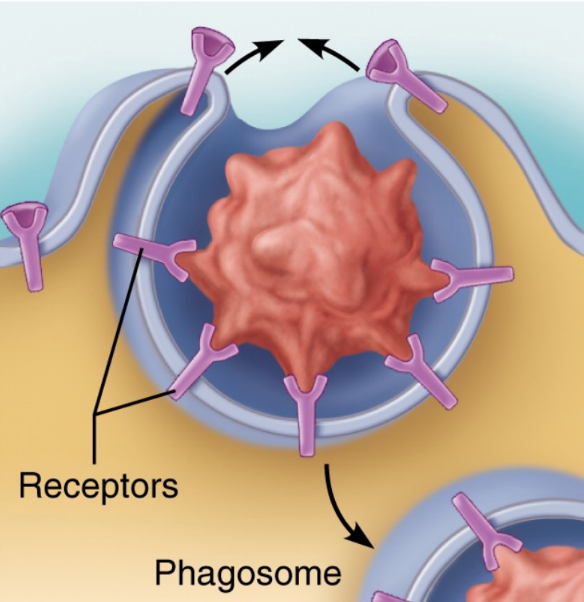
Phargocytosis: engulfment process that uses ATP; plasma membrane expands and surrounds a substance forming a phagosome (a vesicle)
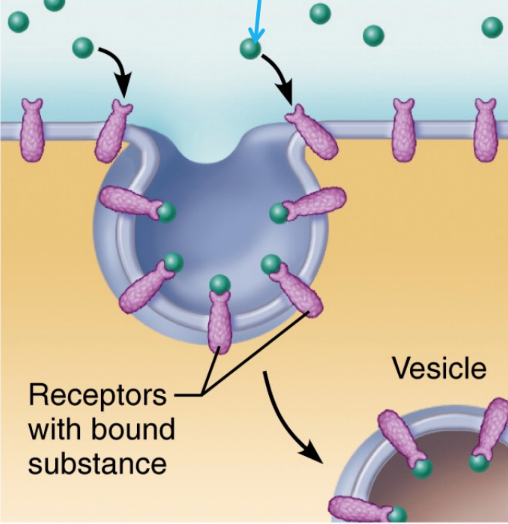
Receptor-mediated endocytosis: uses plasma membrane receptors to selectively bind to specific molecules (ligand); allows their passage via specialized vesicle