Physical Geography: Ch. 1
 Call Kai
 Learn
Learn Practice Test
 Spaced Repetition
 Match
Match Flashcards
 Knowt Play
1/49

There's no tags or description
Looks like no tags are added yet.
Name | Mastery | Learn | Test | Matching | Spaced | Call with Kai |
|---|
No analytics yet
Send a link to your students to track their progress
50 Terms
Geography
study of the earth
Physical Geography
natural and physical processes
Atmosphere
gas
Lithosphere
soil
bioshpere
living organisms
Global environmental change
human and natural-caused changes
globalization
how the interconnected world changes
Earth systems-closed system
isolated from outside influence
earth systems-open systems
energy/matter free and can be exchanged between systems
Example of open systems
oceans, waterstreams
Interconnected systems
changes affect others ex. glacier systems
Equilibrium
Balances out inputs/outputs. Same conditions
What are feedback loops in geography?
Feedback loops are processes whereby the outputs of a system influence its operations and can either reinforce (positive feedback) or counteract (negative feedback) changes in the system.
examples of open systems
glaciers, input of snow, outputof melting ice and water vapor into the atmosphere.
Another example of open systems
solar system, evolution of planets, our sun
Open systems
may get energy/mass from surrounding environment, has external interactions
Earth’s shape
imperfect shape as an oblate spheroid
Earth location
grid system of lines intersecting poles and equator
Great circle
plane that bisects a sphere, pushing through center
graticule
locations as angles, latitude angles north/south of equator
Parallel
line connects all points of same latitudes
Number of parallels
seven parallels, from equatorial down to polar
Longitude
East-West
Meridians
lines form poles, crossing to make right angles
Prime meridian
forms at 0 degrees down to 180, straight line down Earth
Rotation of earth
counter-clockwisero
rotation of earth: moon and sun
tidal effects on pull of moon/sunCcoriolis effect
coriolis effect
deflection of wind currents from sun, makes things appear as they are moving in a curve
Aphelion
rotation halfway through the year
Perihelion
rotation halfway through the year
Parrallelism
polarity of Earth’s axis, always points toward poles
season changes
declination of the sun, latitude receiving sun rays
Solar altitude
suns height over horizon
June solstice
vertical rays reach tropic of cancer
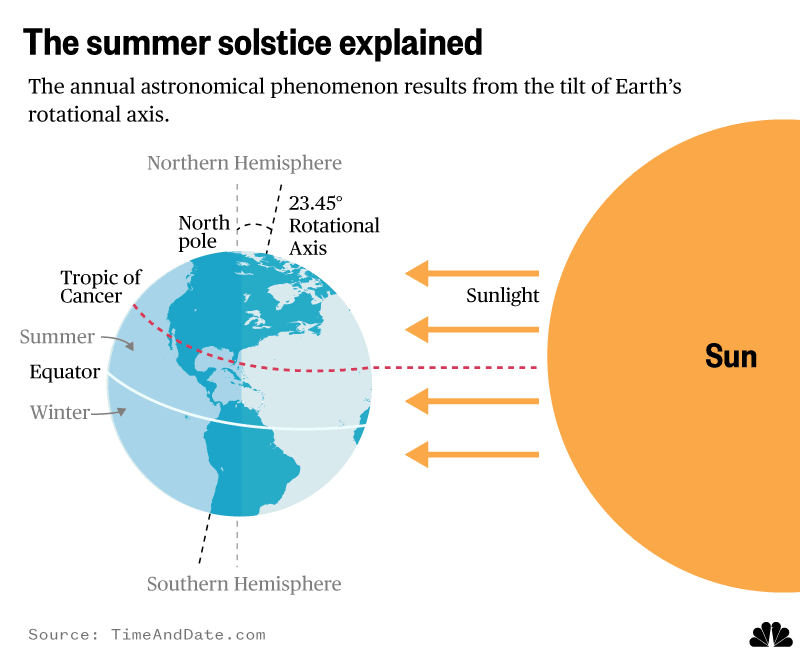
June solstice: Artic Circle
24 hours of light
June solstice: Antarctic Circle
24 hours of dark
December solstice
Rays reach Tropic of Capricorn
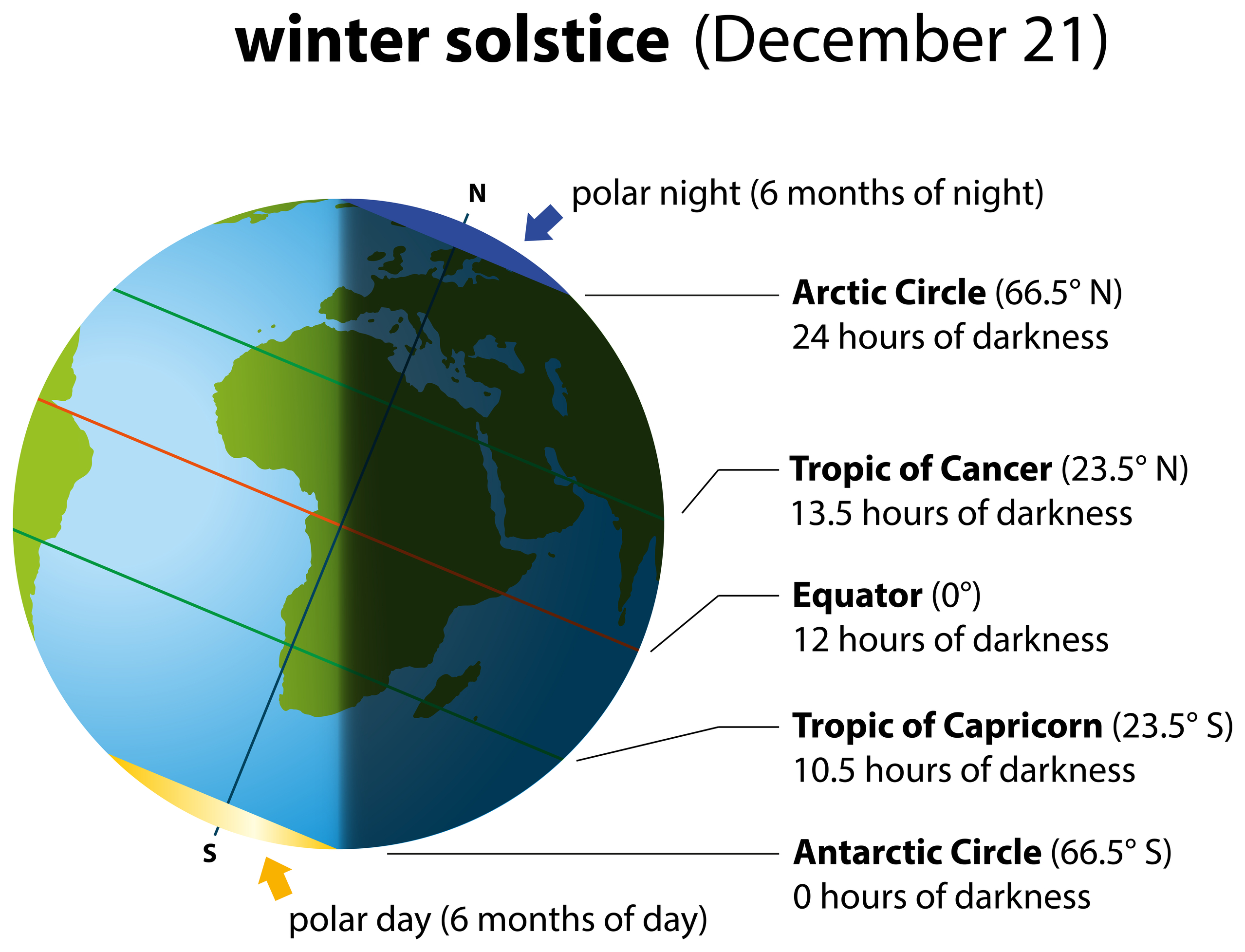
December solstice: Antartic circle
September equinox
Vertical rays reach equator, equal distribution of light and dark
March equinox
same as September, equal light and dark
Declination
Vertical rays migrate between the tropics
Day length around globe: Artic
highest, warmest temp
Day length around globe: Mid/equator
highest variation
Day length around globe: Polar
cooler temp (latitude)Cr
Cryosphere
all ice on earth
Cultural geography
human geography, looks at human history
Circle of Illumination
great circle that divides earth from light half to dark
Plane of the ecliptic
imaginary plane that passes through the sun and through every point of earth’s orbit around the sun
tilt of earth’s axis
23.5 degrees