Lesson 3: Slavery & the Civil War
 Call Kai
 Learn
Learn Practice Test
 Spaced Repetition
 Match
Match Flashcards
 Knowt Play
1/46

There's no tags or description
Looks like no tags are added yet.
Name | Mastery | Learn | Test | Matching | Spaced | Call with Kai | Chat |
|---|
No analytics yet
Send a link to your students to track their progress
47 Terms
Part 1: Slavery in America
Why is slavery considered the central cause of the American Civil War?
Slavery was at the heart of political, economic, and social conflicts between North and South.
The major question was whether slavery would expand into new territories and states.
Part 1: Slavery in America
How did Northern and Southern society differ before the Civil War?
North | South |
|---|---|
Industrial | Agricultural |
Free labour | Slave labour |
Urban | Rural |
Manufacturing economy | Plantation economy |
Part 1: Slavery in America
What was the plantation economy?
A Southern economic system based on large farms producing cash crops such as cotton using enslaved labour.
Part 1: Slavery in America
Why did slavery become even more important in the 19th century?
Cotton production expanded rapidly, making slave labour economically valuable to Southern plantation owners.
Part 1: Slavery in America
What was paternalism?
The Southern belief that slave owners were supposedly taking care of enslaved people and therefore slavery was justified.
Part 1: Slavery in America
What was Josiah Nott's theory of polygenesis?
A racist pseudo-scientific theory claiming that different races originated from different species and were therefore unequal.
Part 2: Causes of the Civil War
What were the four major causes of the Civil War?
Cultural incompatibility between North and South.
Economic rivalry.
Constitutional disagreements.
Slavery.
Part 2: Causes of the Civil War
Why did many Southerners believe the Constitution favored the North?
The North had a larger population and therefore greater political influence
making Southerners feel permanently dominated by Northern majorities.
Part 2: Causes of the Civil War
According to historians, what was the most important cause of the Civil War?
Slavery, although economic, cultural, and political conflicts intensified the crisis.
Part 3: Attempts to Avoid War
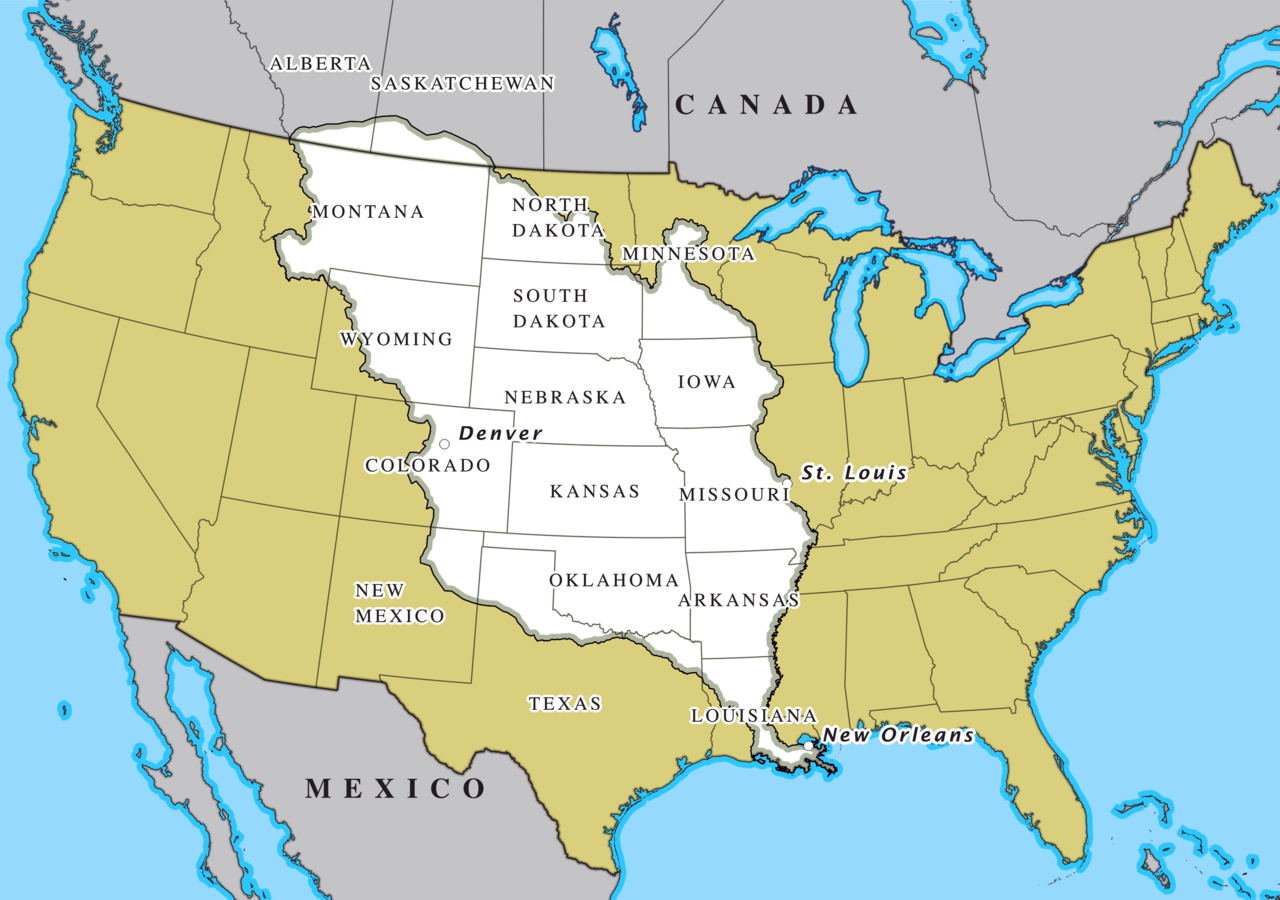
What was the Louisiana Purchase (1803)?
President Thomas Jefferson bought a vast territory from France, doubling the size of the United States.
Part 3: Attempts to Avoid War
Why did the Louisiana Purchase create a political problem?
Americans had to decide whether the new territories would become slave states or free states.
Part 3: Attempts to Avoid War
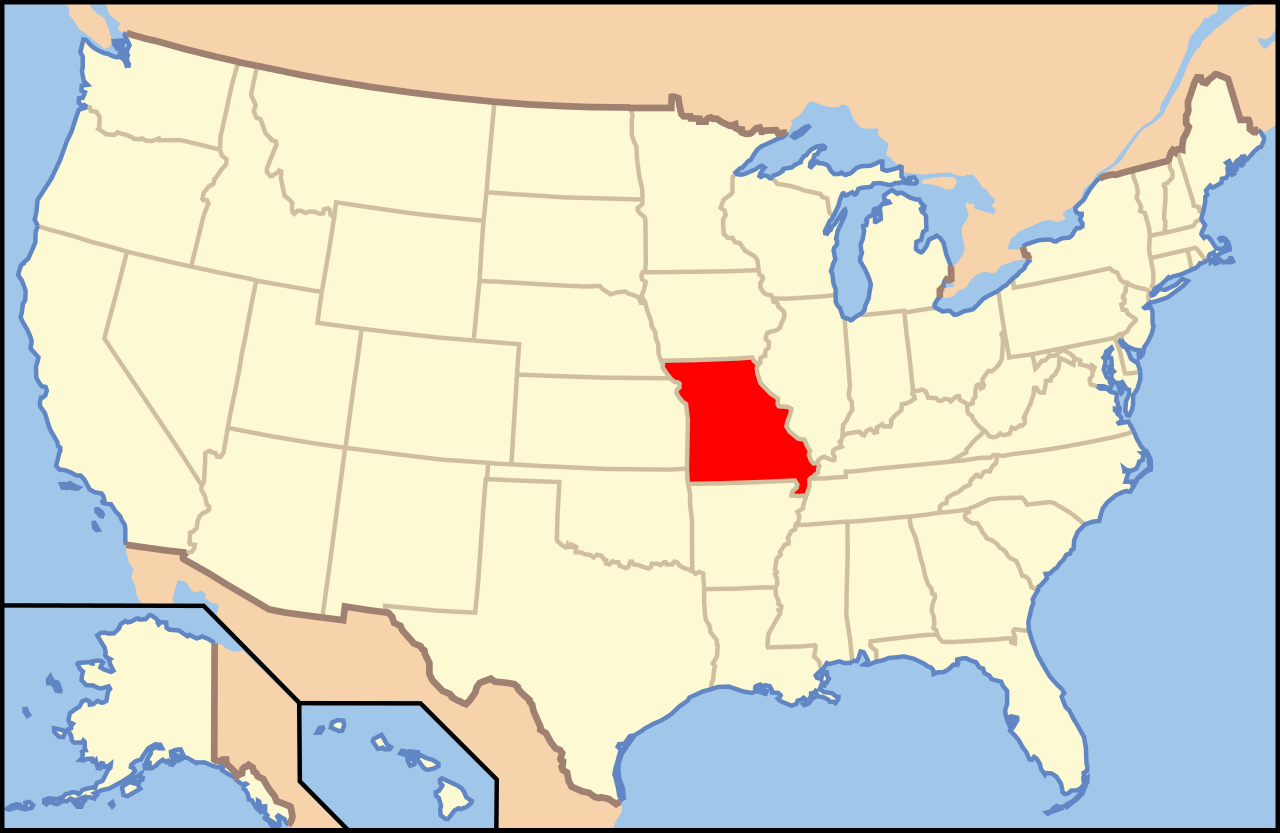
What was the Missouri Compromise (1820)? (!)
Missouri entered as a slave state and Maine as a free state.
Future territories north of Missouri's southern border would be free, while territories south of it could allow slavery.
Part 3: Attempts to Avoid War
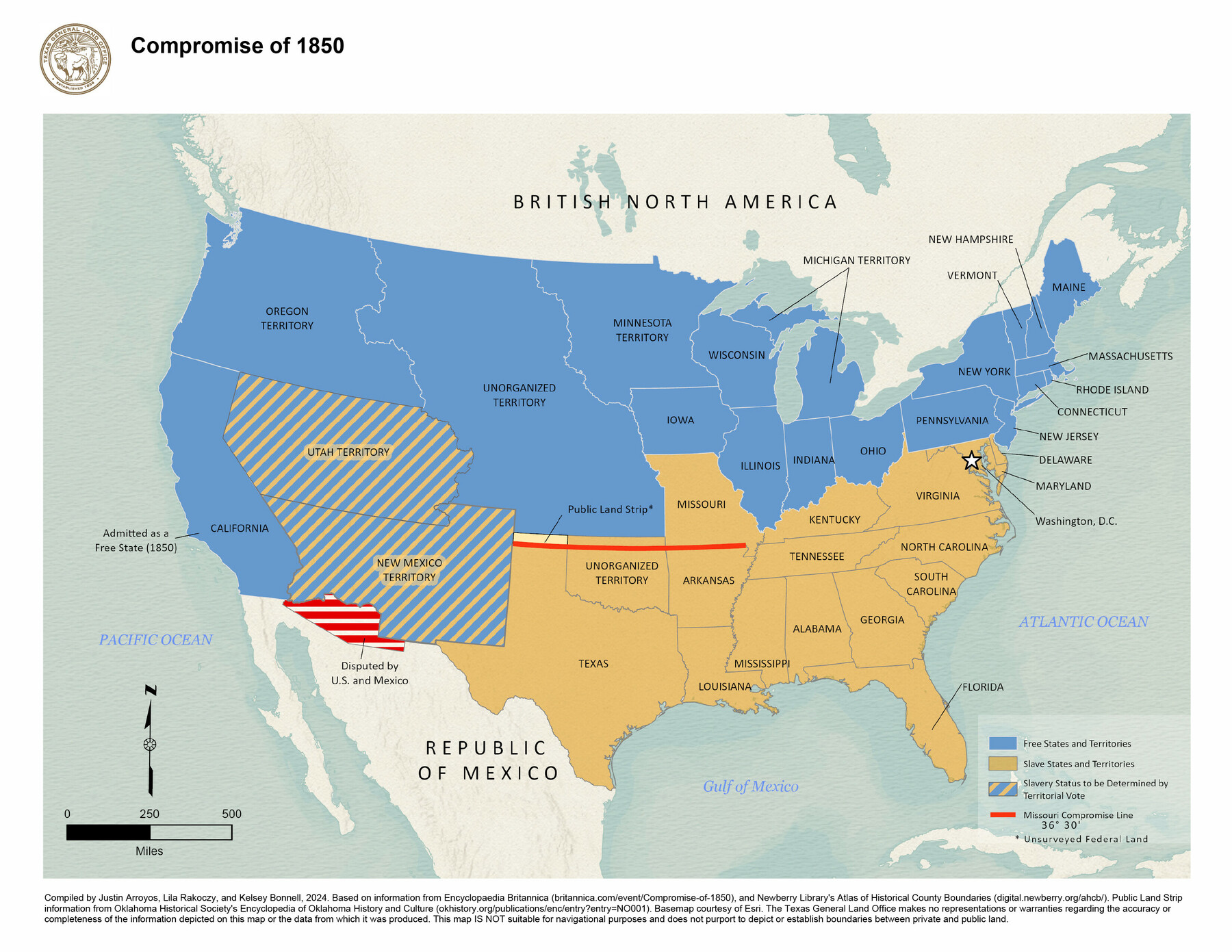
What was the Compromise of 1850?
California entered as a free state.
Utah and New Mexico used popular sovereignty.
Slave trade ended in Washington D.C.
A stricter Fugitive Slave Act was introduced.
Part 3: Attempts to Avoid War
What were the Fugitive Slave Acts?
Laws requiring escaped slaves to be returned to their owners, even if they had reached free states.
Part 3: Attempts to Avoid War
Why were the Fugitive Slave Acts controversial?
Northerners were forced to help return escaped slaves and could be punished if they refused.
Part 3: Attempts to Avoid War
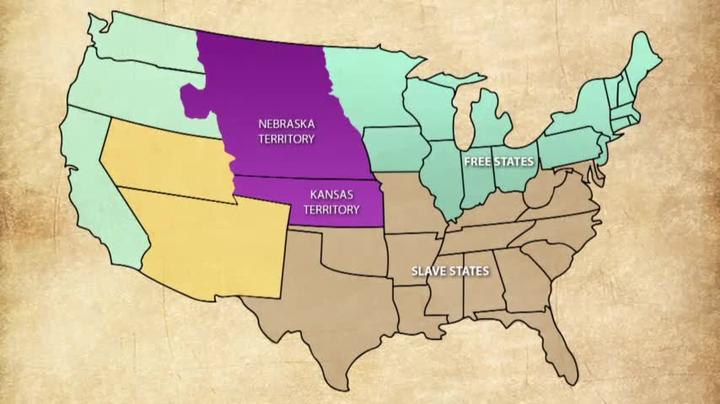
What was the Kansas-Nebraska Act (1854)?
A law allowing settlers themselves to decide whether slavery would be permitted through popular sovereignty.
Part 3: Attempts to Avoid War
Why was the Kansas-Nebraska Act important?
It effectively overturned the Missouri Compromise and intensified tensions between North and South.
Part 4: Dred Scott and Radicalization
Who was Dred Scott?
An enslaved man who argued that he should be free because he had lived in a free state.
Part 4: Dred Scott and Radicalization
What was the Supreme Court decision in Dred Scott v. Sandford (1857)?
Black Americans were not citizens.
Enslaved people were property.
Congress could not ban slavery in territories.
Part 4: Dred Scott and Radicalization
Why is Dred Scott v. Sandford considered one of the most important Supreme Court decisions?
It strengthened the Southern position, angered the North, and made compromise over slavery much harder.
Part 5: Slave Resistance
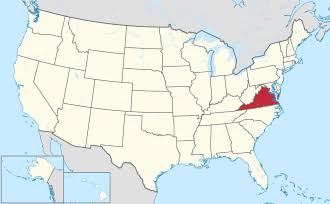
What was Nat Turner's Rebellion (1831)?
A major slave uprising in Virginia in which Nat Turner and his followers killed dozens of white people before being captured and executed.
Part 5: Slave Resistance
Who was John Brown?
A radical abolitionist who believed slavery could only be ended through violence.
Part 5: Slave Resistance
What was John Brown's Raid on Harpers Ferry (1859)?
An attempt to seize weapons and start a large slave rebellion.
Part 5: Slave Resistance
Why did Southerners fear John Brown's Raid?
They saw it as proof that Northern abolitionists wanted to destroy Southern society.
Part 6: Abraham Lincoln and Secession
Who was Abraham Lincoln?
Abraham Lincoln was elected president in 1860 and led the Union during the Civil War.
Part 6: Abraham Lincoln and Secession
What was Lincoln's primary goal at the start of the Civil War?
To preserve the Union rather than immediately abolish slavery.
Part 6: Abraham Lincoln and Secession
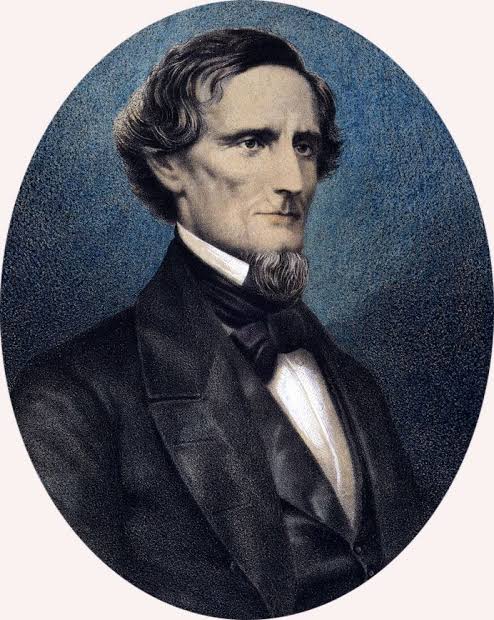
Who was Jefferson Davis?
Jefferson Davis, the president of the Confederacy during the Civil War.
Part 6: Abraham Lincoln and Secession
Why did Southern states secede after Lincoln's election?
They feared losing political power and believed slavery was threatened.
Part 6: Abraham Lincoln and Secession
What was the Confederacy?
A separate nation formed by eleven Southern states that left the Union.
Part 7: The Civil War
What was Fort Sumter?
A Union fort in South Carolina where the first battle of the Civil War took place.
Part 7: The Civil War
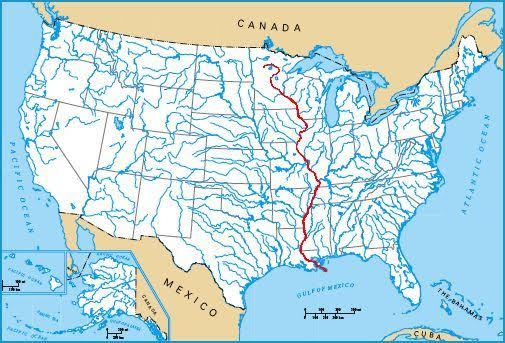
Why was the Battle of Vicksburg (1863) important?
The Union gained control of the Mississippi River and split the Confederacy in two.
Part 7: The Civil War
What was the Gettysburg Address (1863)?
A famous speech by Lincoln honoring fallen soldiers and redefining the war as a struggle for equality and national unity.
Part 7: The Civil War
What was the Emancipation Proclamation (1863)?
Lincoln's order declaring slaves in Confederate states "forever free."
Part 8: The End of the War
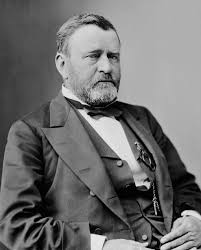
Who was Ulysses S. Grant?
The leading Union general who defeated the Confederacy.
Part 8: The End of the War
Why is Lincoln's assassination significant?
He became the first U.S. president to be assassinated, only days after Union victory.
Part 9: Reconstruction (1865–1877)
What was Reconstruction?
The period after the Civil War when the United States attempted to rebuild the South and integrate four million freed slaves into society.
Part 9: Reconstruction (1865–1877)
What were the two main goals of Reconstruction?
Rebuilding the South
Securing rights for formerly enslaved people.
Part 9: Reconstruction (1865–1877)
Who became president after Lincoln's death?
Andrew Johnson.
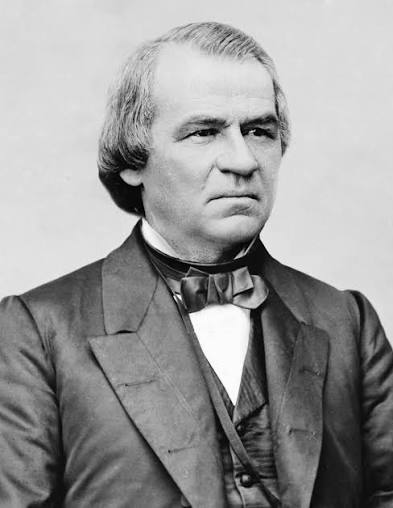
Part 9: Reconstruction (1865–1877)
What were Black Codes?
Southern laws designed to restrict the freedom and rights of African Americans after slavery ended.
Part 9: Reconstruction (1865–1877)
What was the Ku Klux Klan (KKK)?
A white supremacist organization founded after the Civil War that used violence and terror against African Americans.
Part 9: Reconstruction (1865–1877)
What were Jim Crow laws?
Laws enforcing racial segregation under the principle of "separate but equal."
Part 9: Reconstruction (1865–1877)
Why did Reconstruction end in 1877?
White Southern Democrats regained political control, leading to the rise of Jim Crow segregation.
Part 10: The Gilded Age (1877–1893)
What was the Gilded Age?
A period of rapid economic growth that appeared prosperous on the surface
but was marked by corruption, inequality, and social conflict underneath.
Part 10: The Gilded Age (1877–1893)
What is a corporation?
A legally recognized business entity that exists independently from its owners.
Part 10: The Gilded Age (1877–1893)
What was the Knights of Labor?
America's first major national labor organization, founded in 1869.
Part 10: The Gilded Age (1877–1893)
What was the Great Railroad Strike of 1877?
A major labor protest demonstrating growing tensions between workers and business owners.
Part 10: The Gilded Age (1877–1893)
What is Social Darwinism?
The belief, associated with Herbert Spencer, that competition determines success and that only the strongest individuals and businesses survive.