Exam 1 Greek and Roman architecture
 Studied by 0 people
 Call Kai
 Learn
Learn Practice Test
 Spaced Repetition
 Match
Match Flashcards
 Knowt Play
1/74

There's no tags or description
Looks like no tags are added yet.
Name | Mastery | Learn | Test | Matching | Spaced |
|---|
No study sessions yet.
75 Terms
stone socle
A type of base or pedestal often used in classical architecture, typically made of stone, that supports a column or statue.
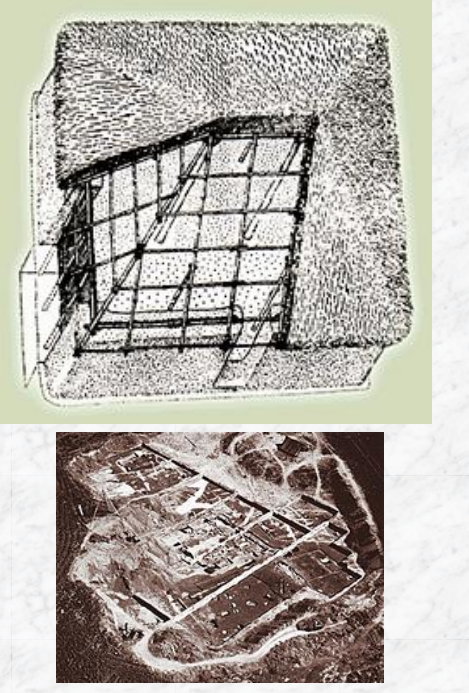
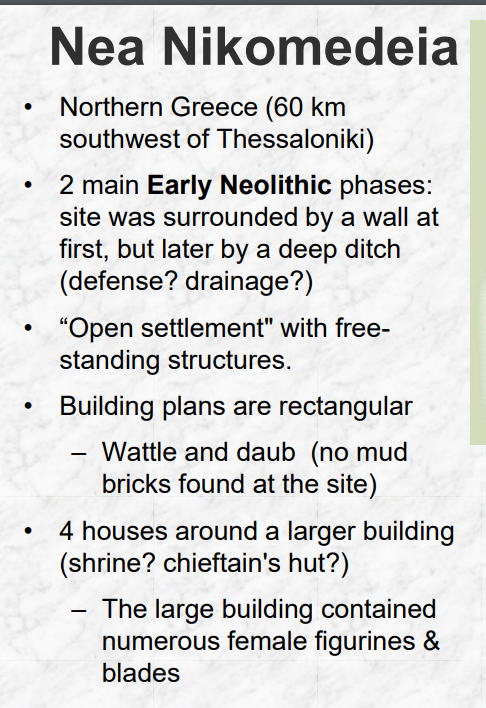
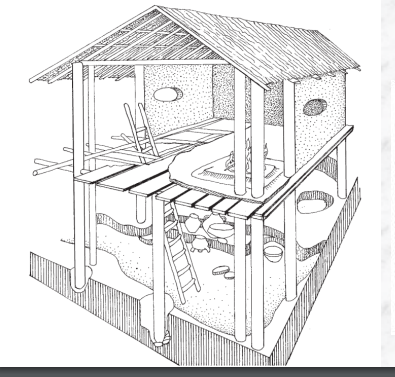
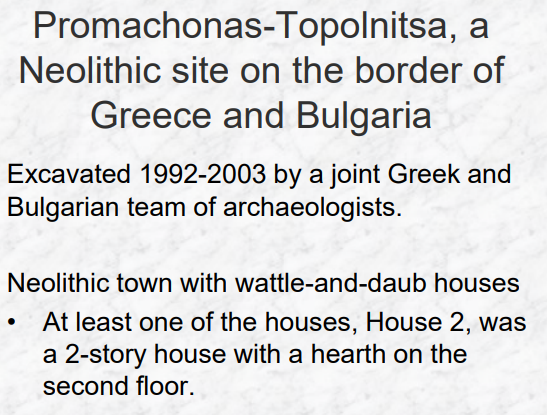
Mud brick
A building material made from a mixture of clay, water, and organic materials, formed into bricks and dried in the sun.
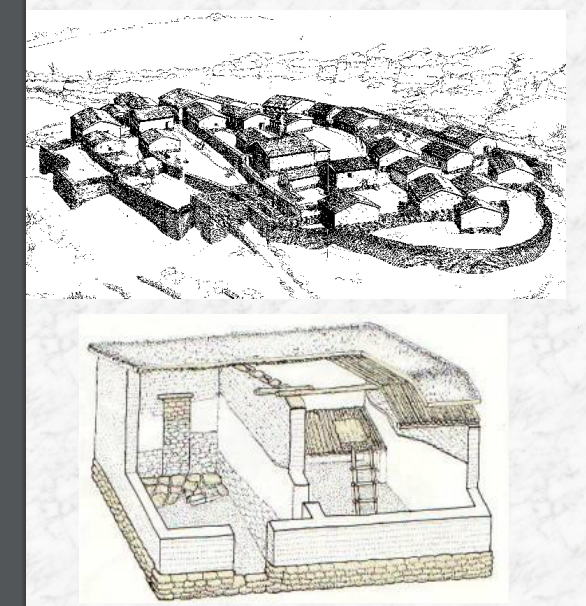
Middle Neolithic Sesklo
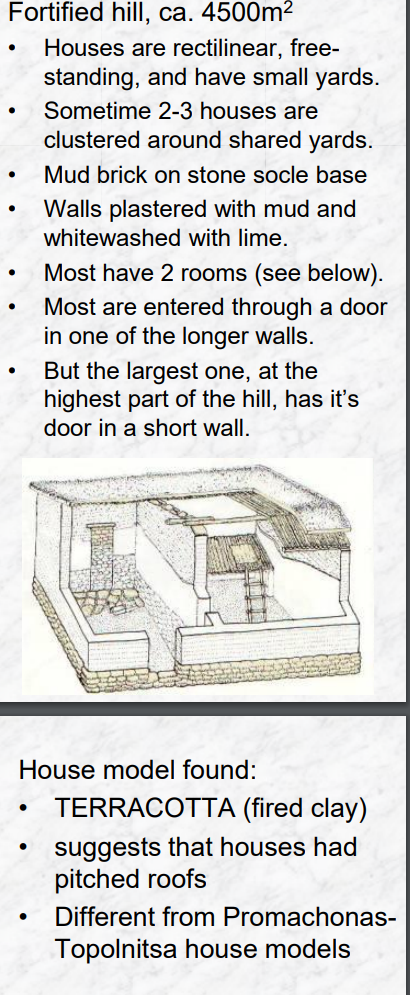
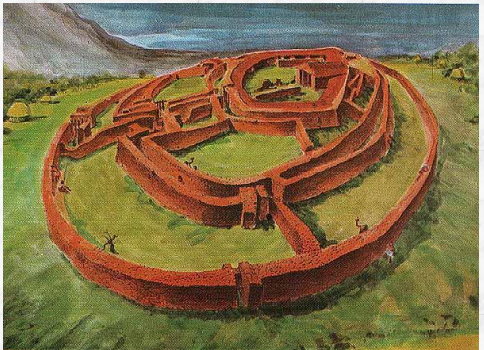
Dimini in image
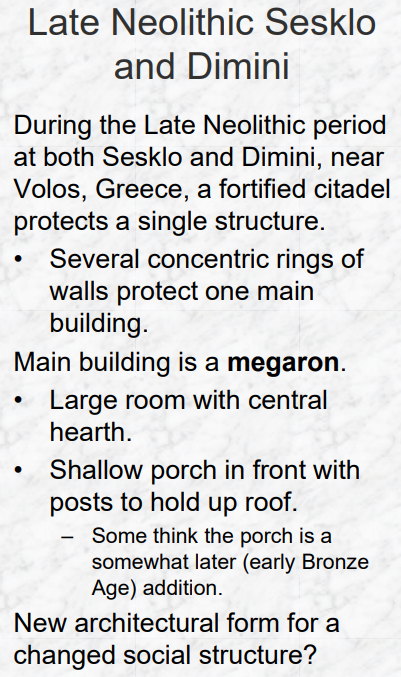
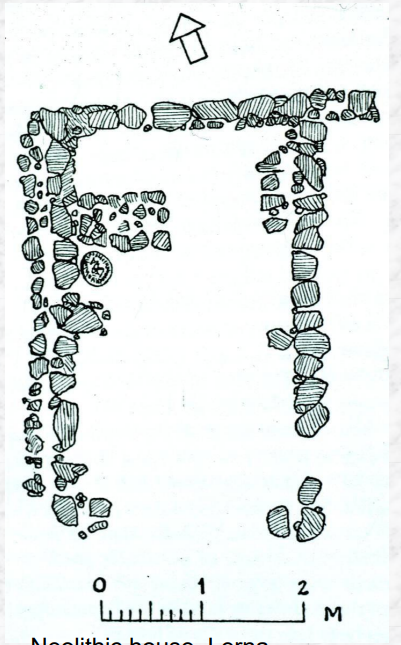
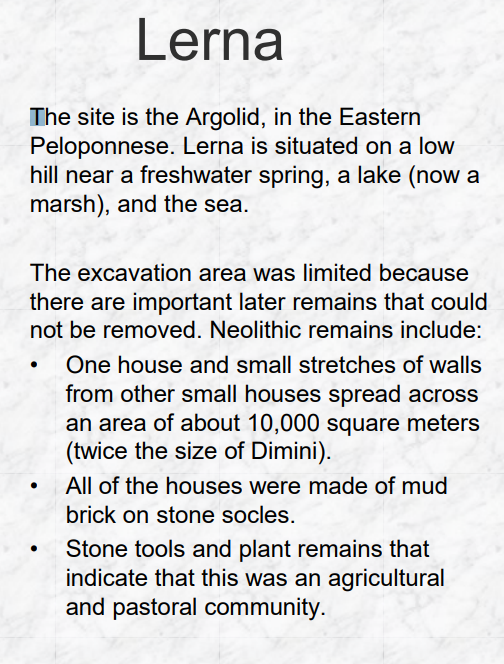
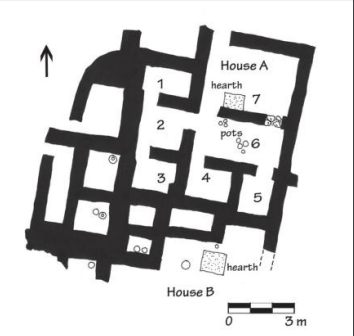
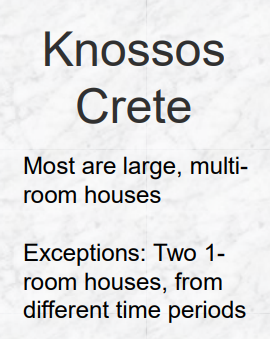
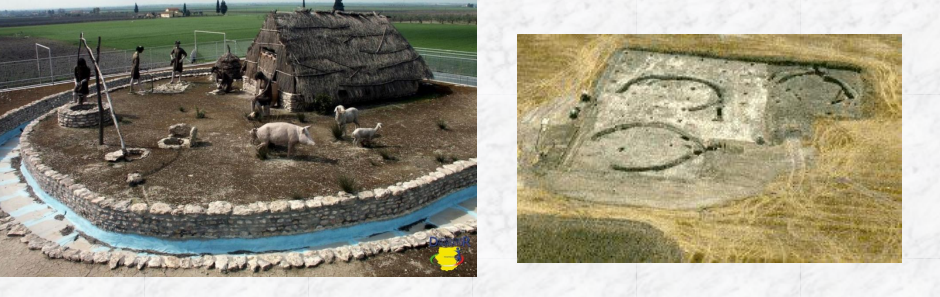
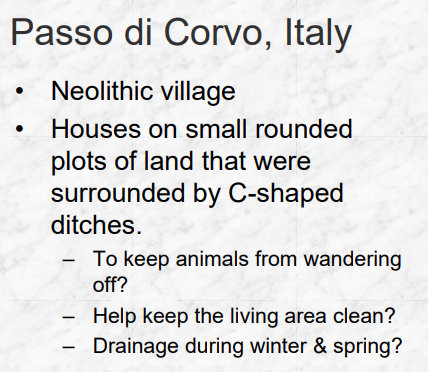
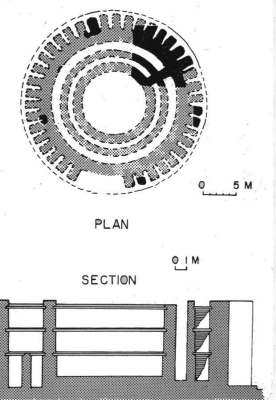
Mainland Greece Tiryns Round Early Helladic II Building
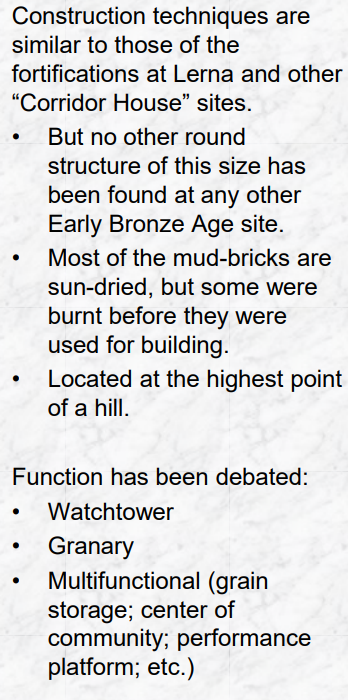
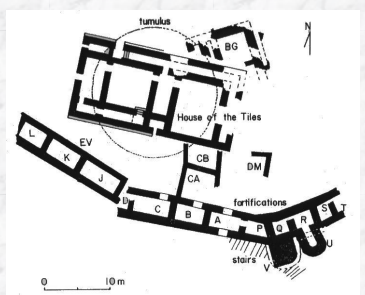
possible defensive outer wall with rooms defending a house with tilled roofing

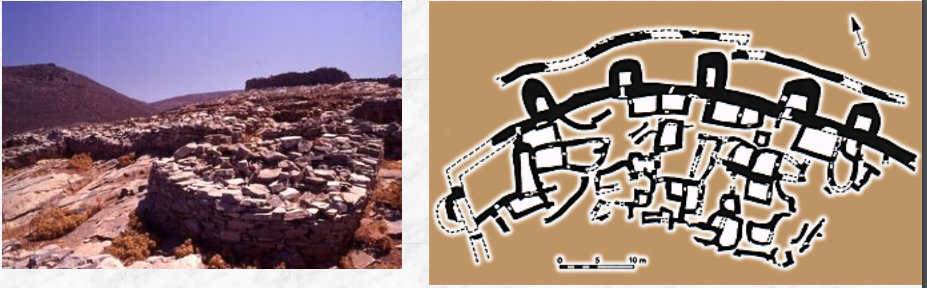
Early Cycladic Architecture: Kastri, Syros
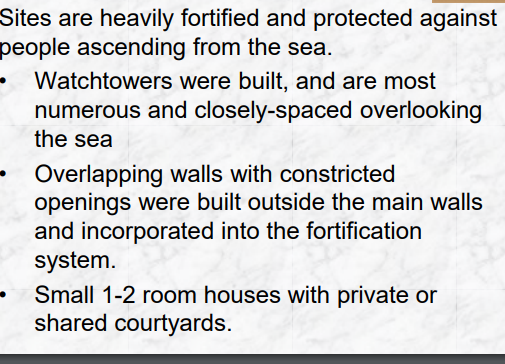
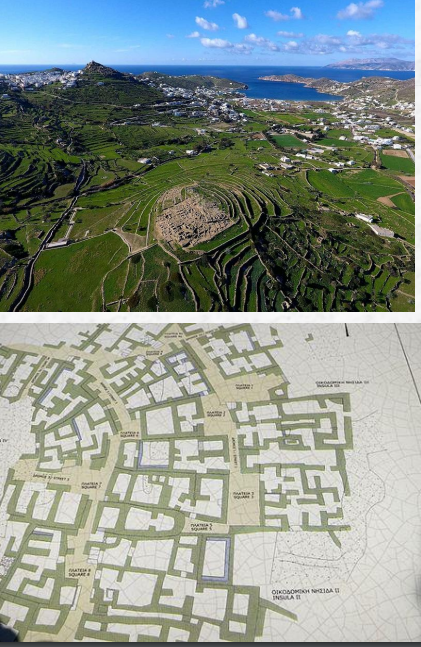
Early Cycladic Architecture: Skarkos, Ios
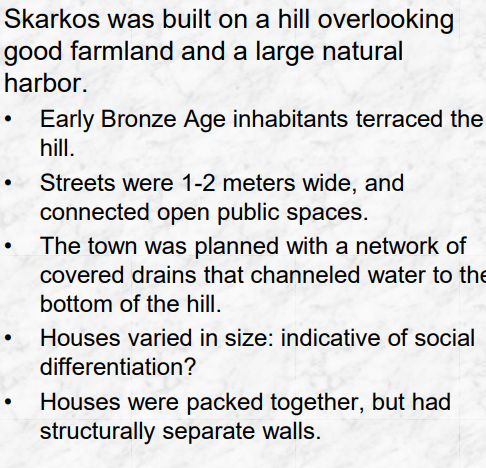
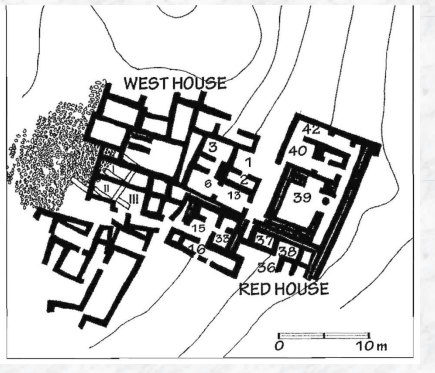
red house could have been 3 separate houses
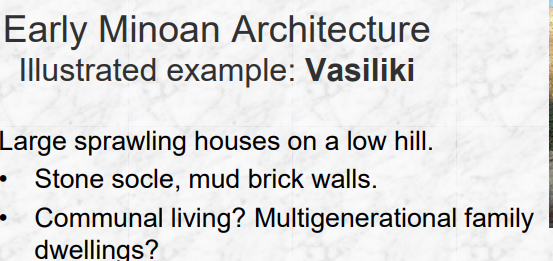
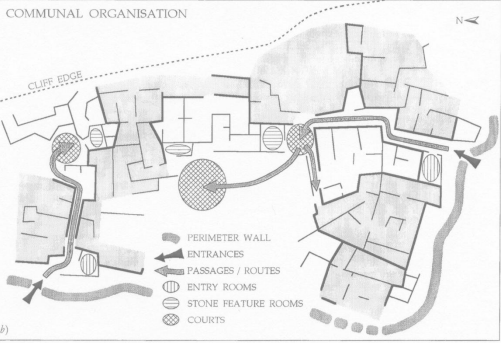
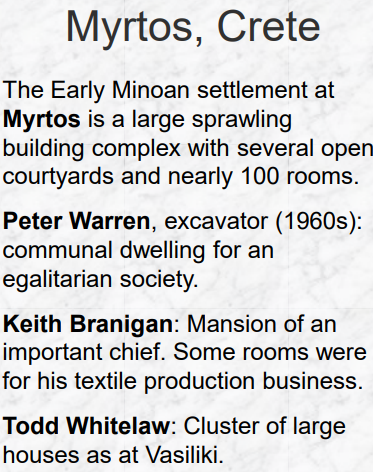
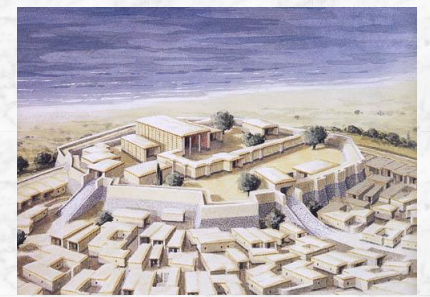
Troy: East Aegean in the Early Bronze Age
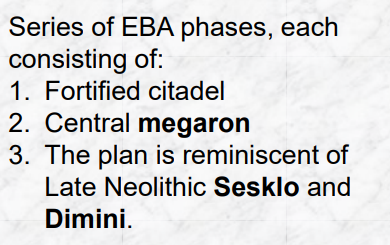
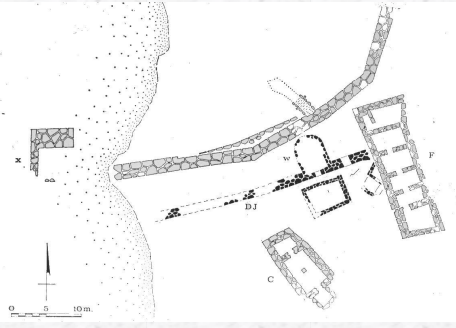
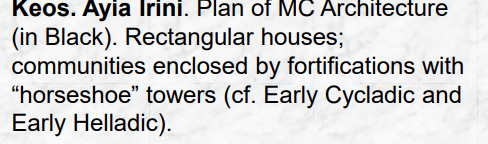
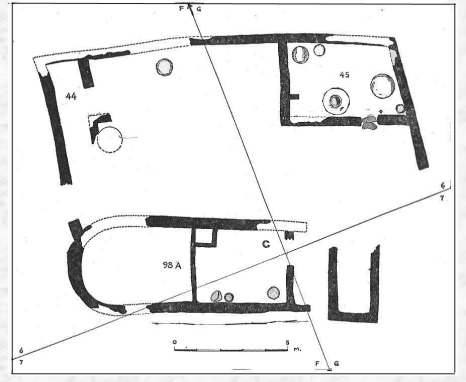
Middle Helladic Lerna: Domestic Architecture
Ashlar Masonry
A construction technique using finely cut and dressed stones fitted together without mortar, often employed in monumental buildings.
Half-Timbered
A building method that combines a frame of timber with wattle and daub or masonry infill, commonly used in medieval architecture.
Middle Helladic architecture
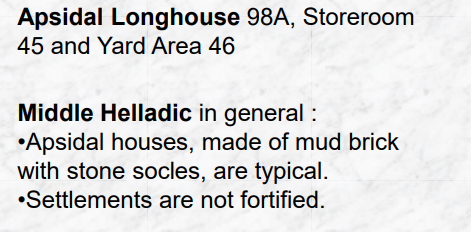
•Apsidal houses, made of mud brick with stone socles, are typical. •Settlements are not fortified.
Middle Cycladic
island
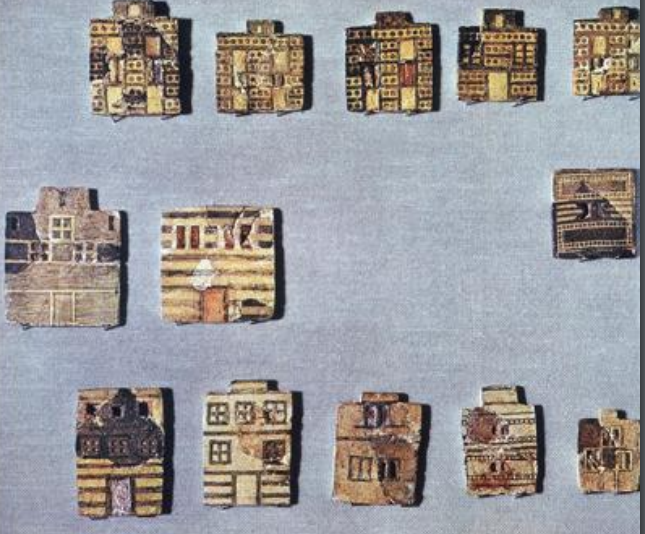
Faience plaques, show: Multiple stories, Windows, Flat roofs, Painted decoration on the exterior Attics, or possibly enclosures around staircases.
Minoan Palaces
complexes characterized by large, multi-storied structures with advanced architectural features, often serving as administrative and ceremonial centers in Minoan society.
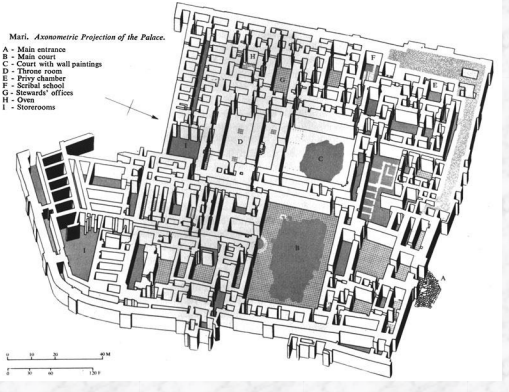
Mari (Syria), “Royal Palace of Zimri-Lim,” late 18th century (Old Babylonian Period)
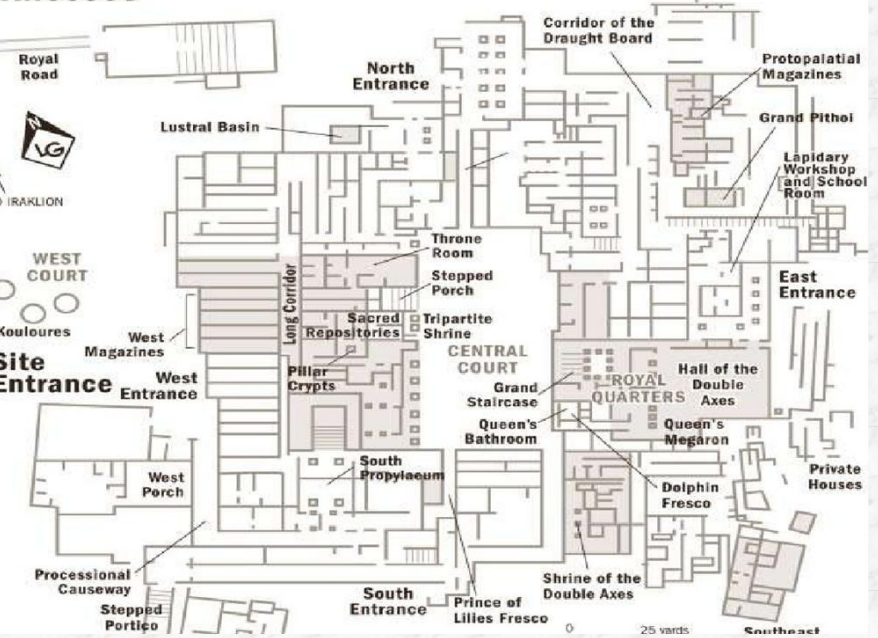
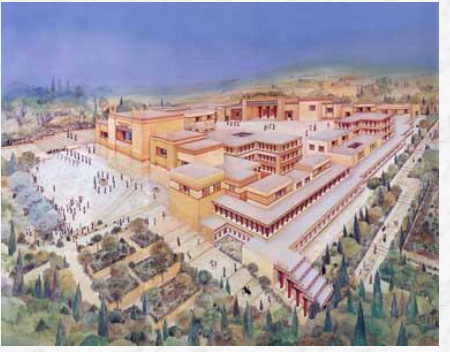
Knossos, Crete (Greece), “New Palace,” Middle Minoan III – Late Minoan I
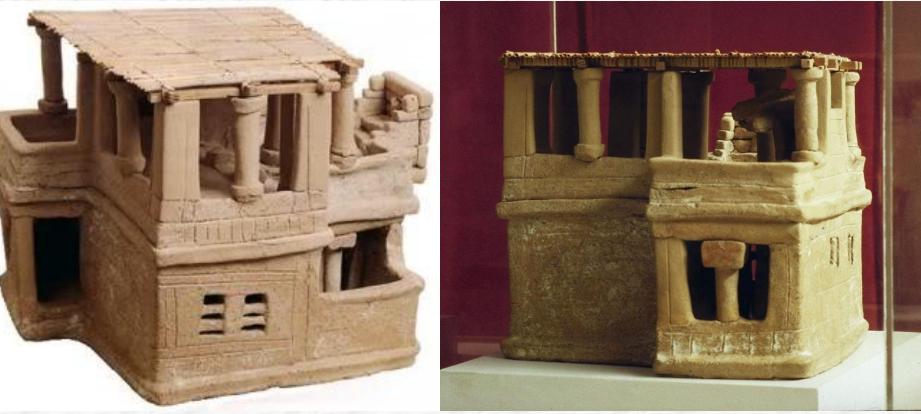
LM I Building Model found at Archanes
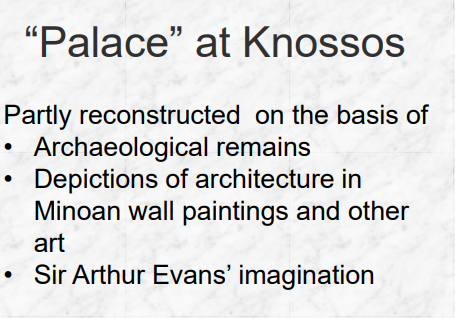
lustral basins
were large, sunken areas used for ritual purification in Minoan palaces and religious sites, often associated with water and ceremonial practices.
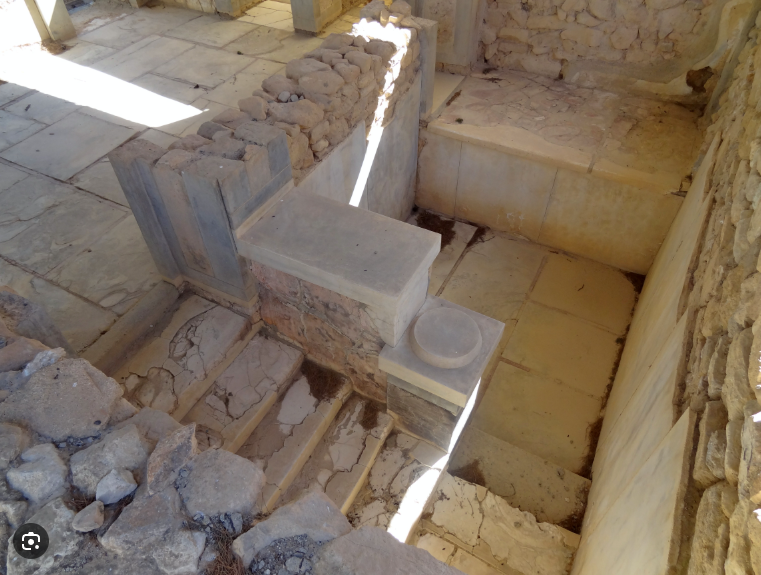
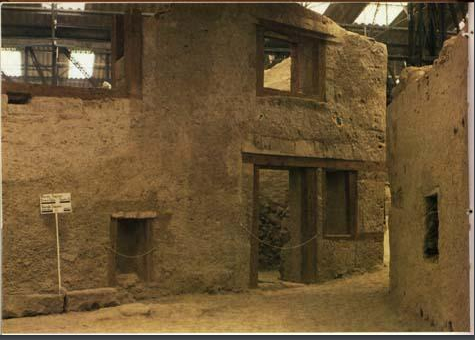
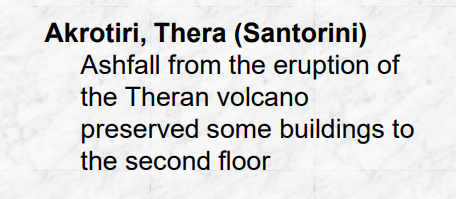
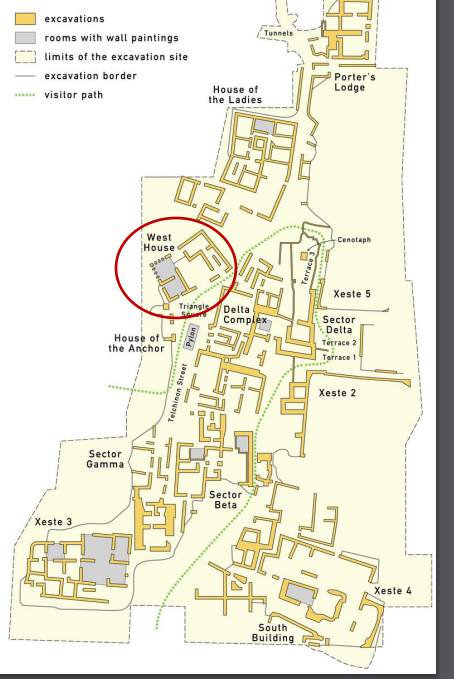
Thera, Akrotiri, abandoned because of eruption but no one died unlike Pompeii
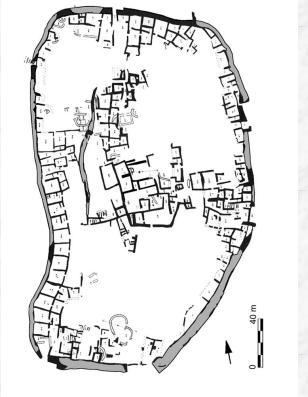
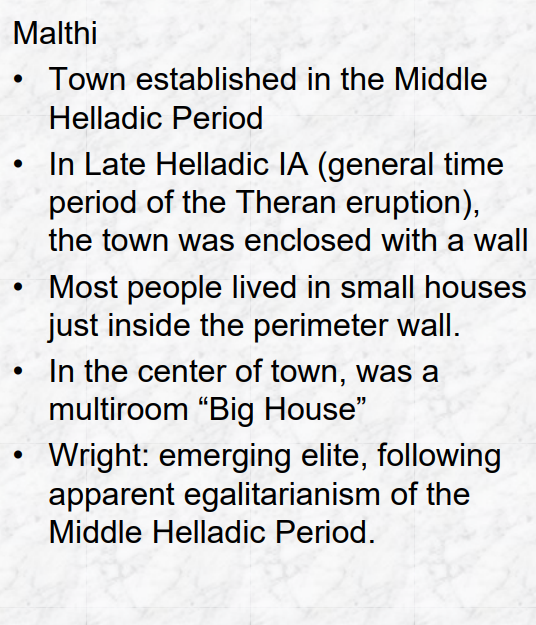
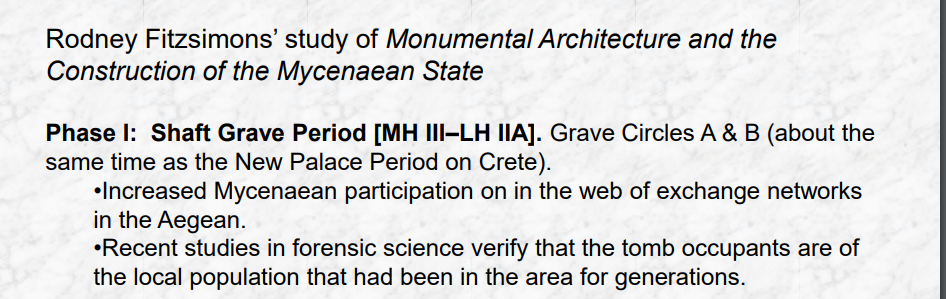
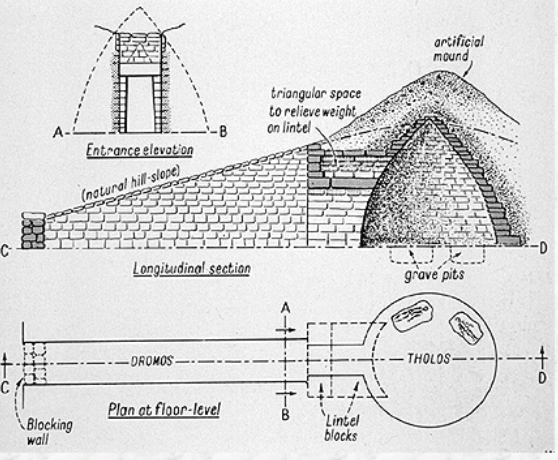
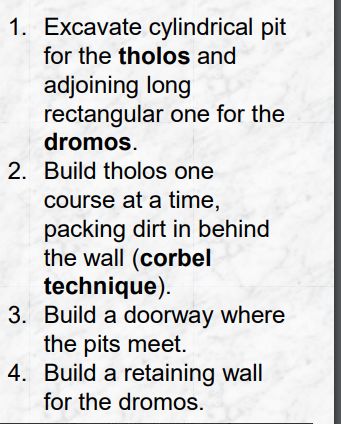
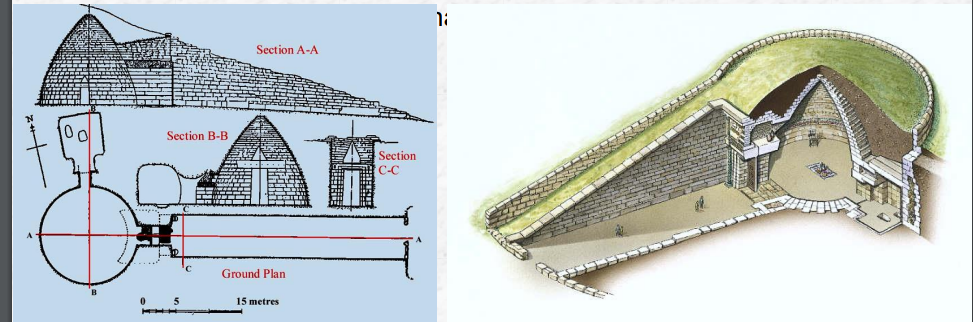
Tholos Tombs
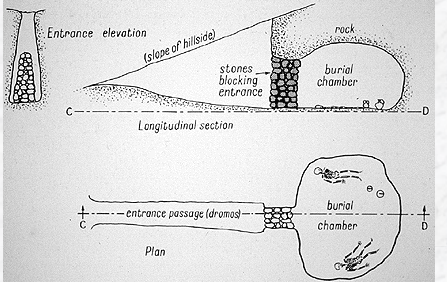
Chamber Tomb
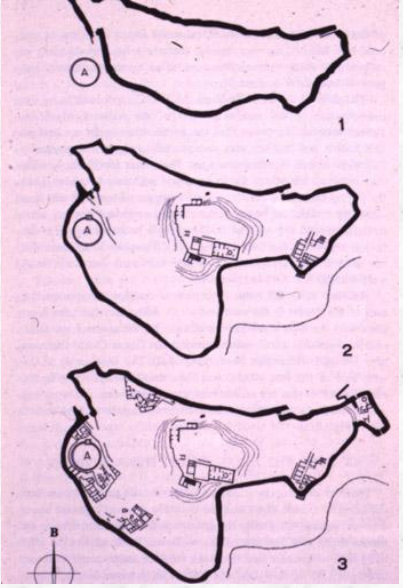
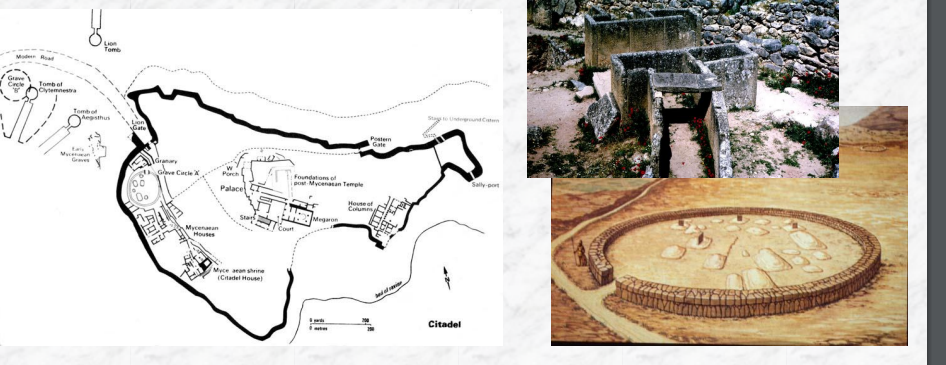
Plan of Citadel at Mycenae. phase 3 shows a staircase to get water while under siege
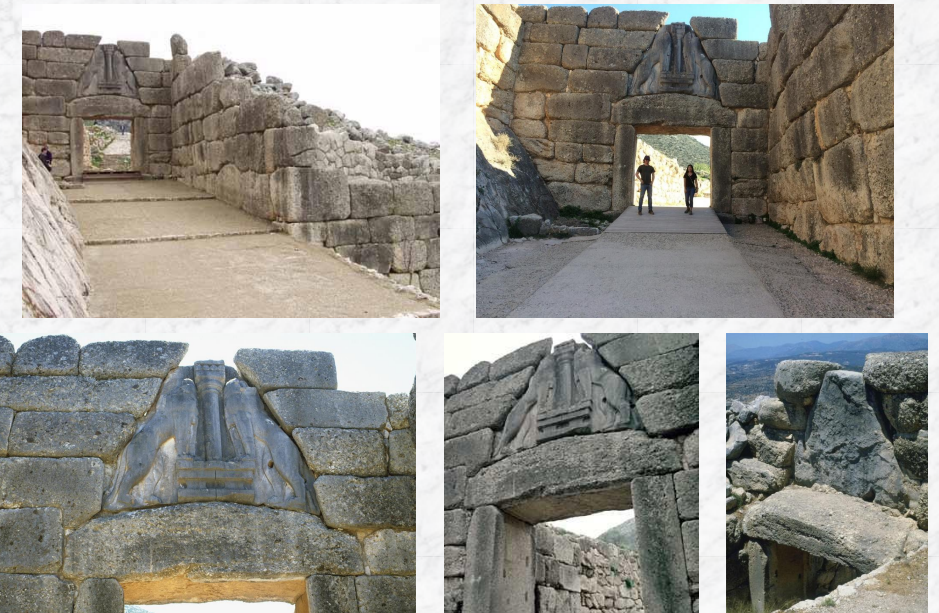
Lions gate at Mycenae defends against invasion by funneling enemy soldiers.
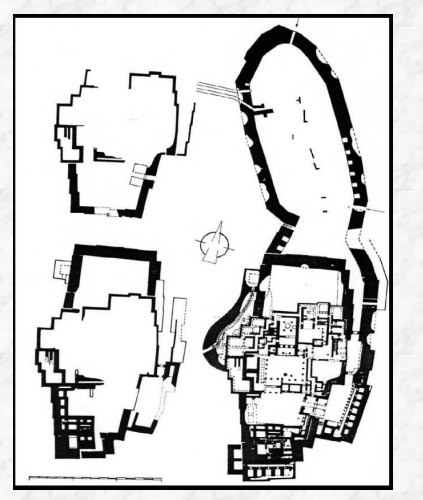
Tiryns palace had 2 underground cistern systems to retrieve water while under siege
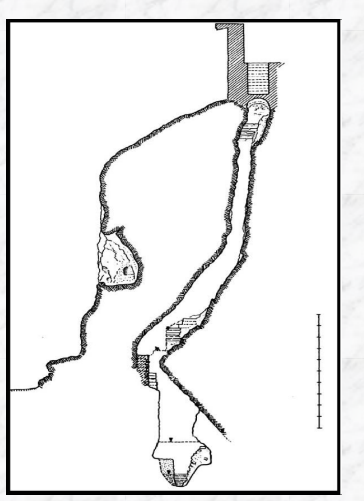
Athens had a crevasse for water access
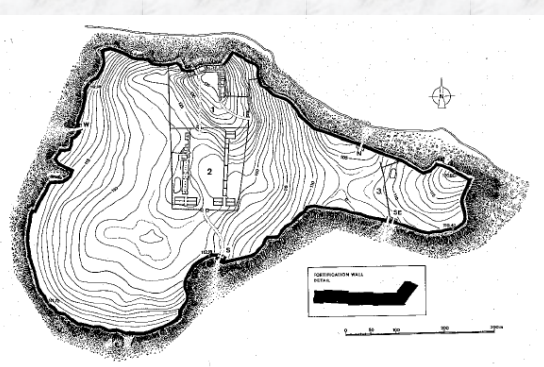
GLA professor excavated a part of this
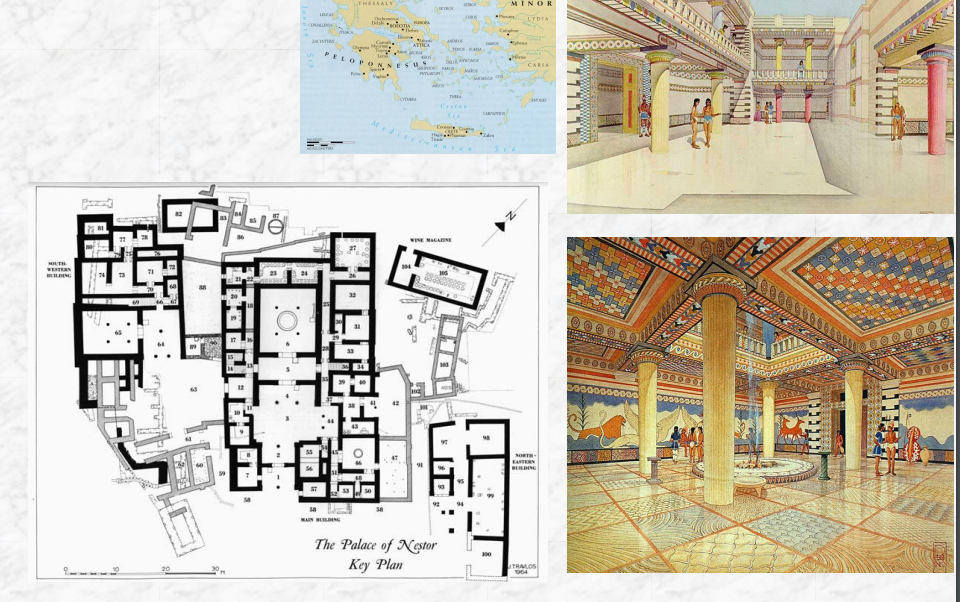
Pylos
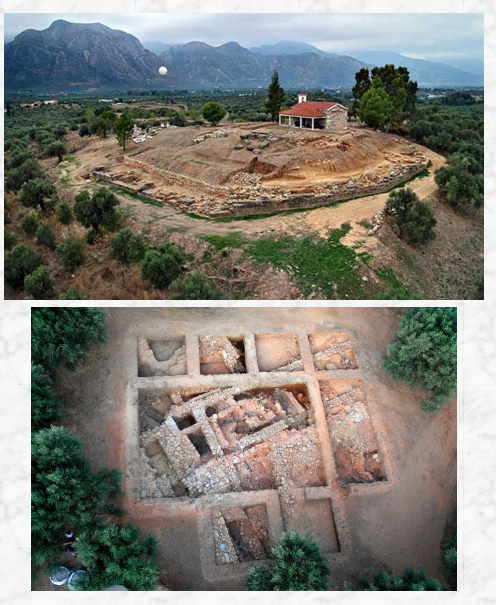
Laconia: Aghios Vassilios
Laconia: Menelaion, home of Helen and Menelaos. 3 successive “mansions” or small “palaces” have been identified at the site, built on top of each other, the earliest destroyed by an earthquake and the last by fire.
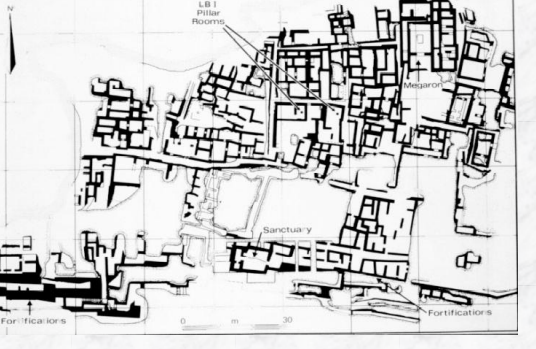
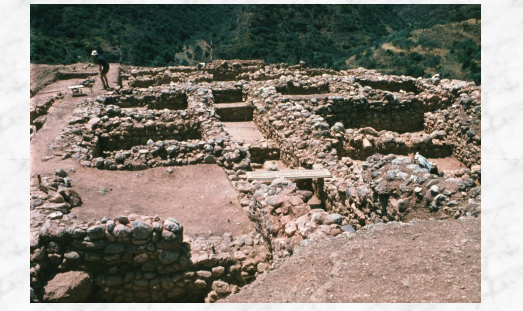
Kavousi-Kastro
refugee settlement on mountains 12th-7th c. BCE
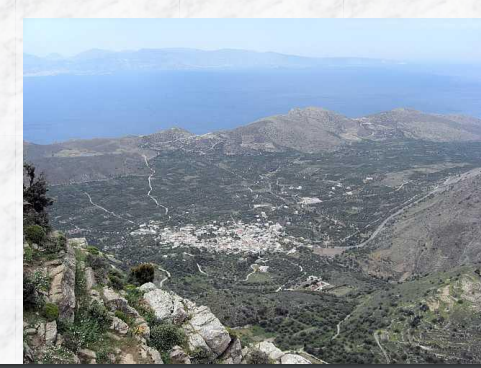
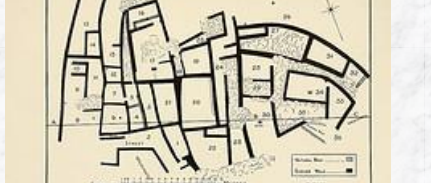
Vrokastro “Refugee Settlement” 12th-7th c. BCE
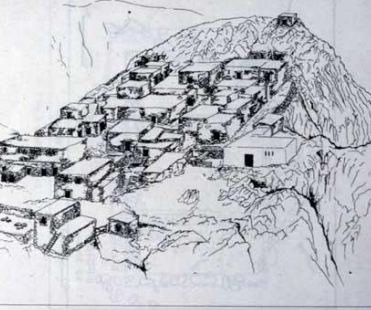
Karphi, Crete c. 1050-950 BCE
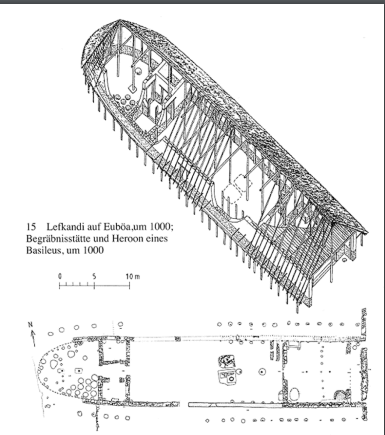
early iron age
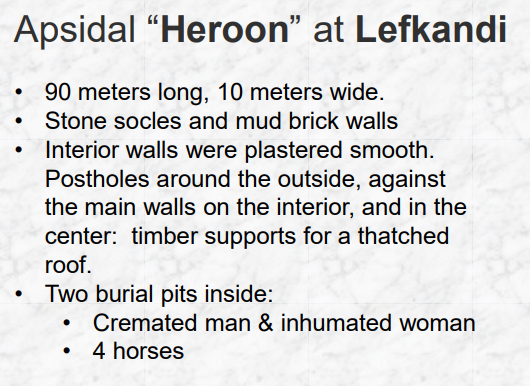
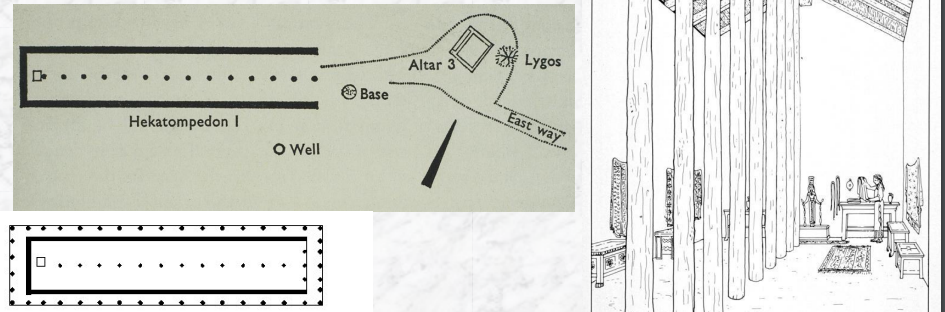
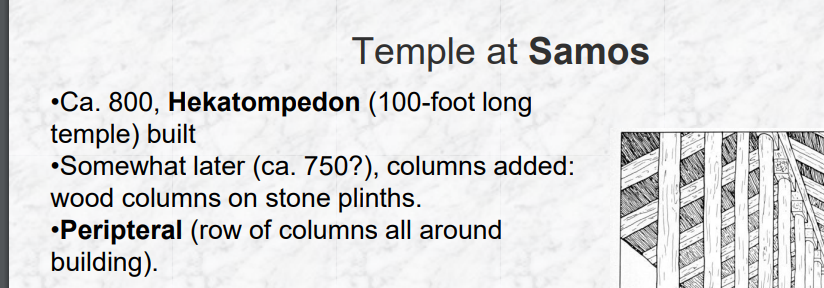
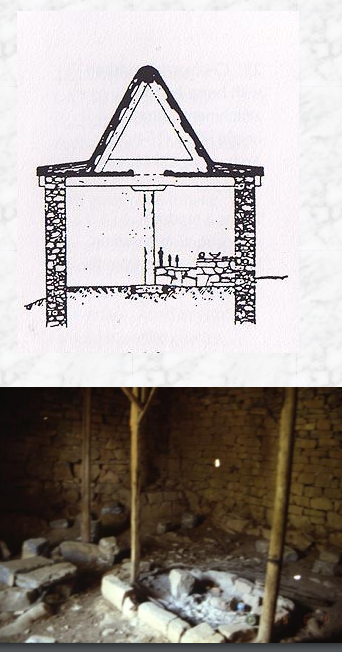
Dreros, Crete Geometric Age
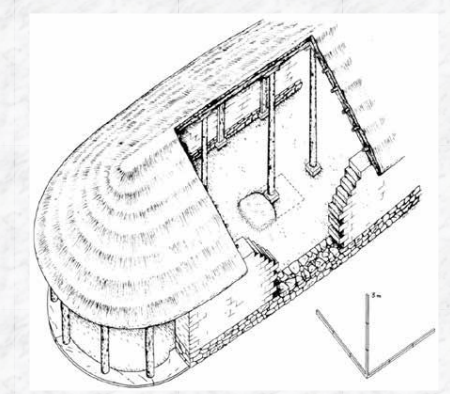
Thermon: LH III apsidal building, 9th c. rectilinear building, and 7th century temple. Temple of Apollo
Apsidal and Doric styles mesh together. Doric pillars
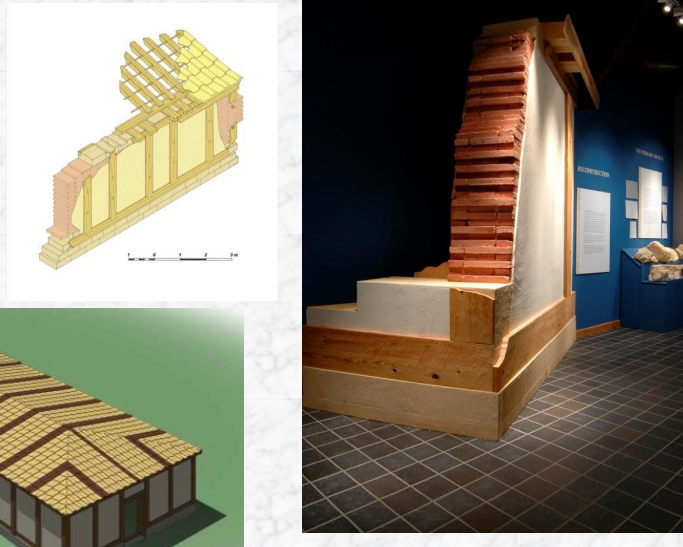
Corinth, ca. 690-680 BCE. No pillars present
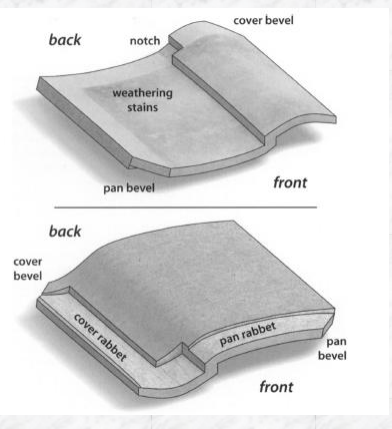
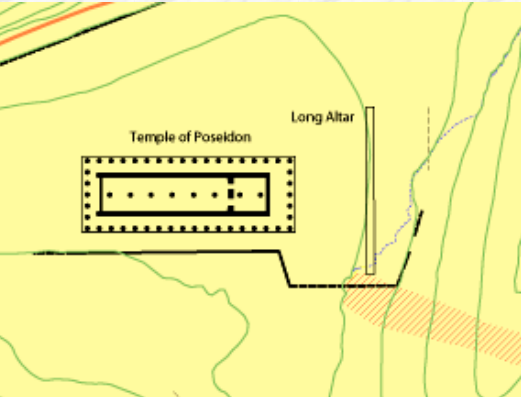
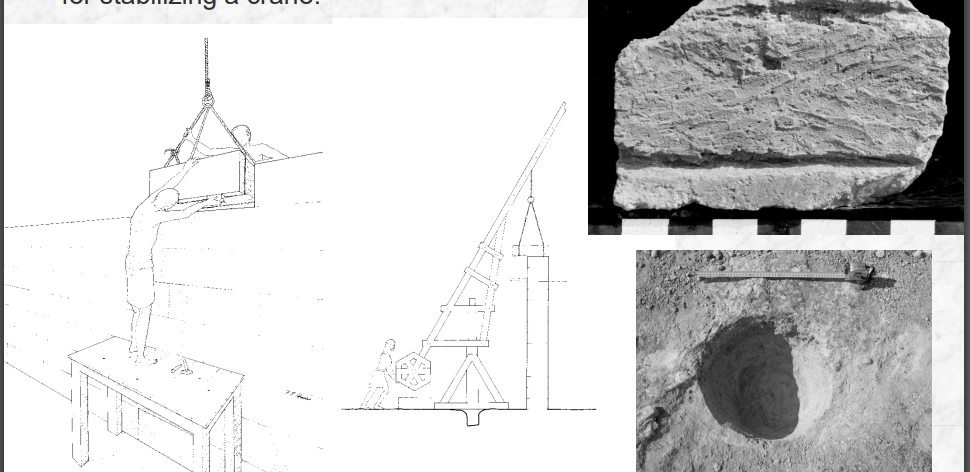
Isthmia, 690-650 BCE. Rope channels for hoisting up heavy stone blocks
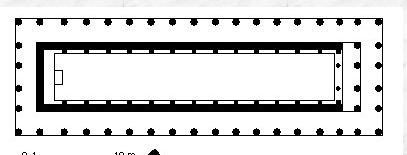
Samos, ca. 650 BCE
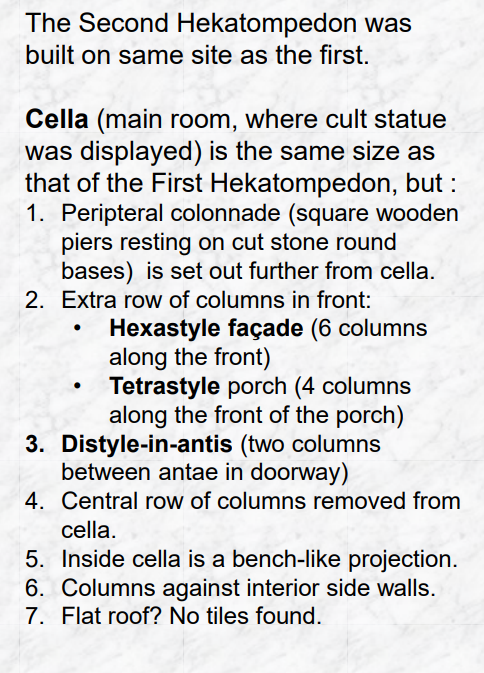
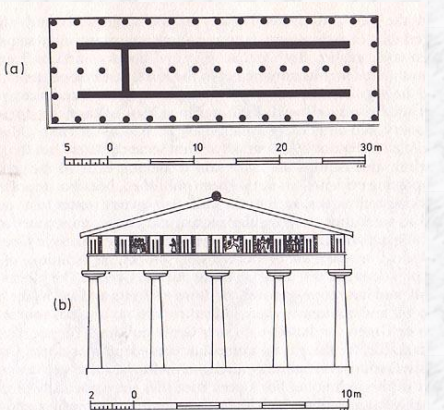
Thermon, ca. 650-625.
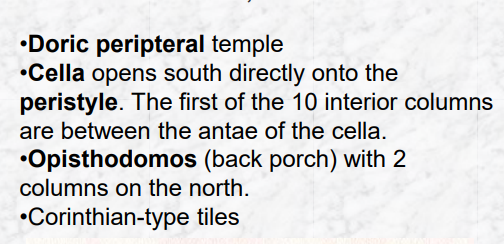
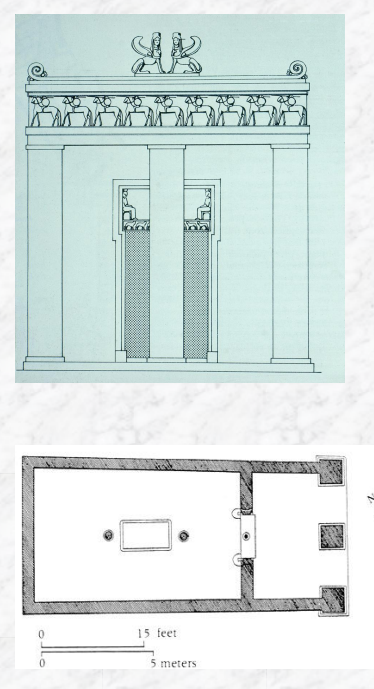
Prinias, Crete, ca. 650-625
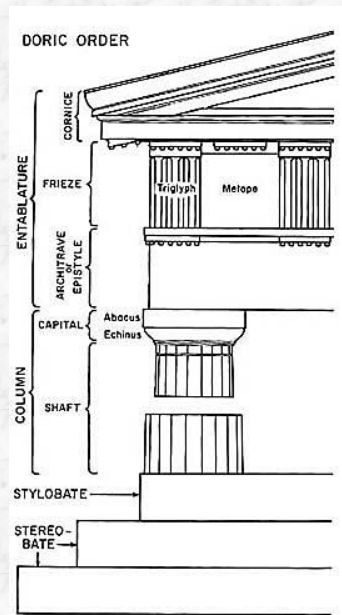
Doric Order
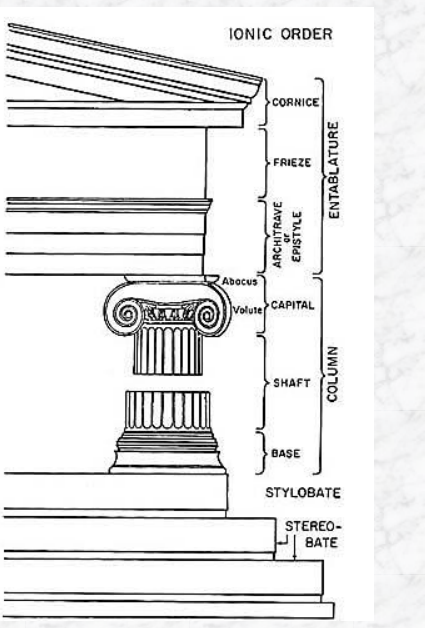
Ionic Order
used primarily for statues before used in great temples
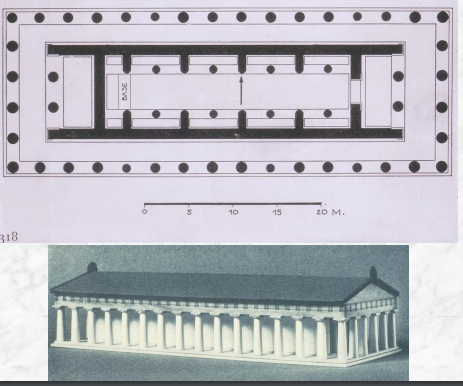
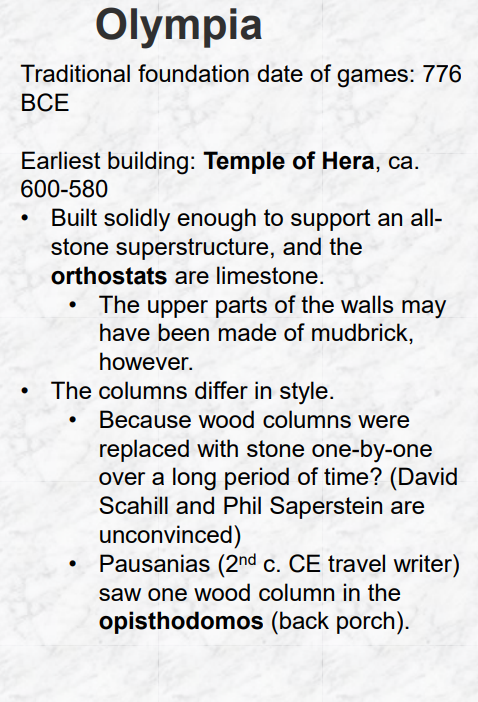
Temple of Hera
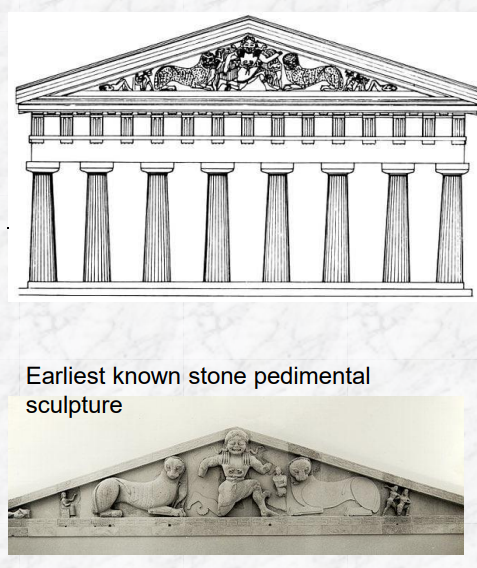
Temple of Artemis, Corfu
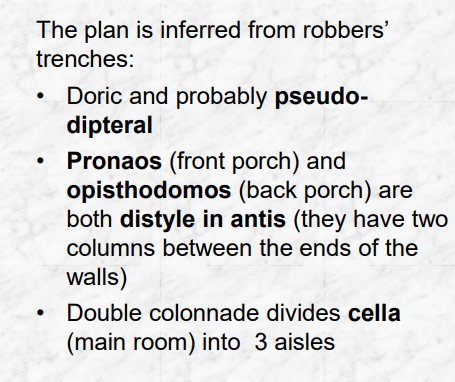
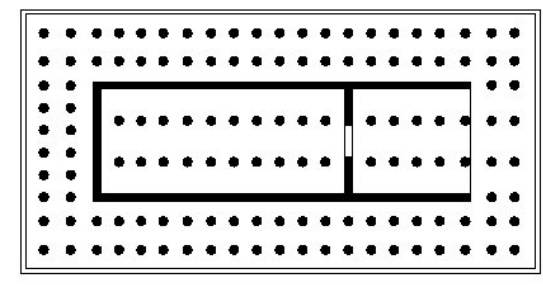
Samos, Third Heraion “Rhoikos’ Temple” c. 570-560
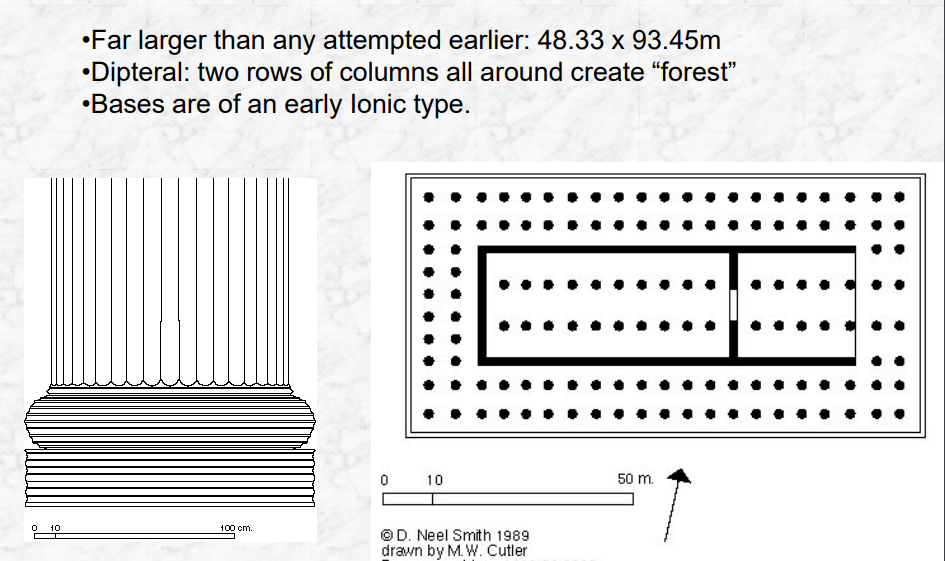
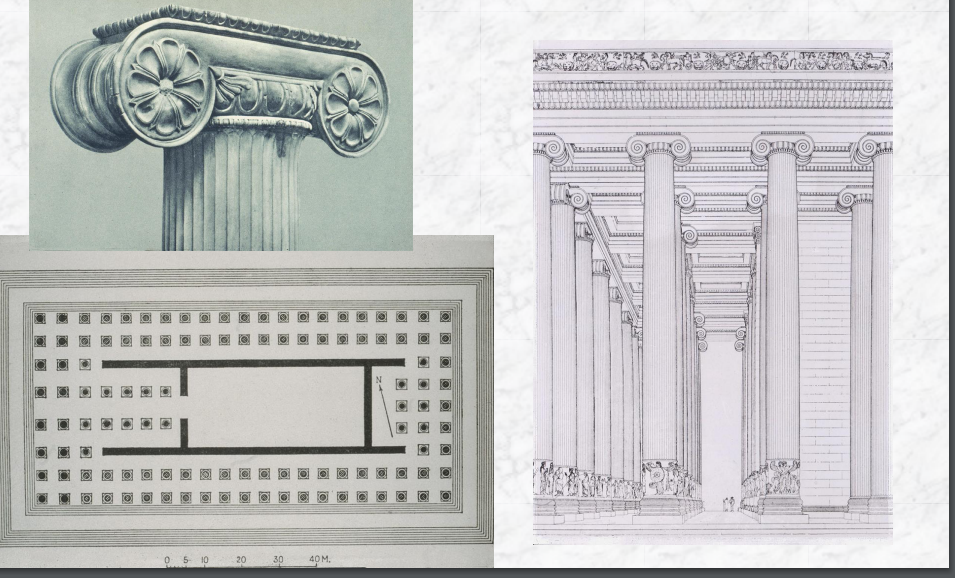
Temple of Artemis, Ephesos “Croesus Temple” c. 560
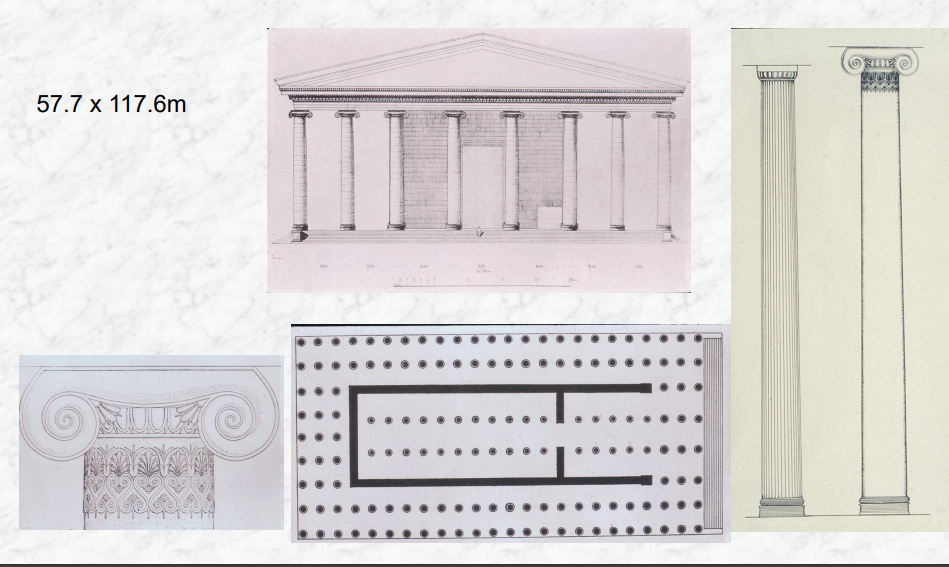
Samos, Fourth Heraion “Polykrates’ Temple” c. 525. Ionic pillars
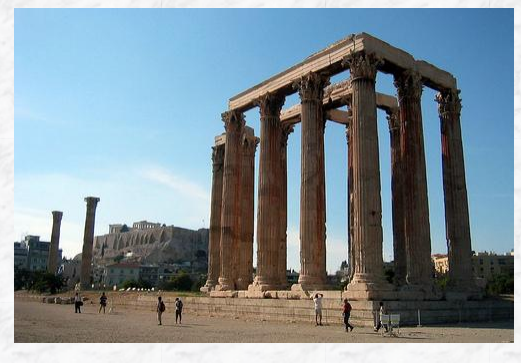
temple of zeus
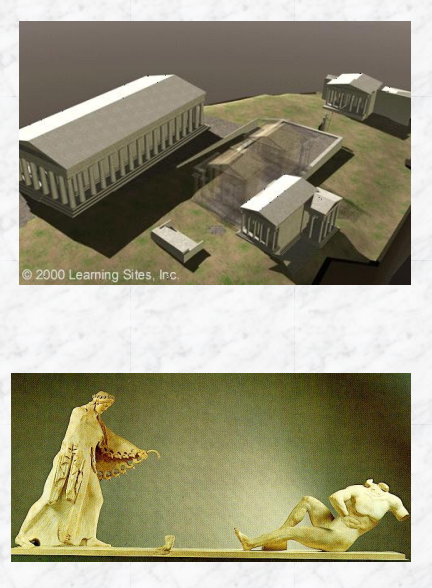
Peisistratid Tyrants: Temple of Athena, Acropolis •Predecessor of Parthenon •Very little remains
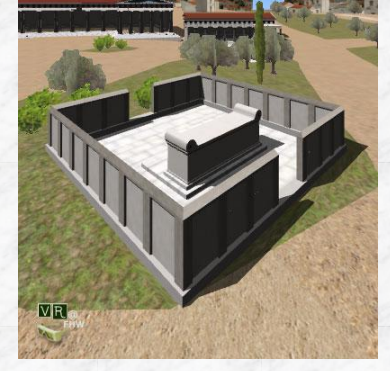
Model of the Altar of the 12 Gods.
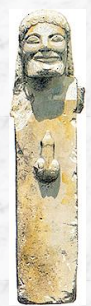
Herm, similar to those uses as distance markers for the Peisistratid Roadworks set up to connect to Athens the towns of Attica