Summer Bio Week 1
 Call Kai
 Learn
Learn Practice Test
 Spaced Repetition
 Match
Match Flashcards
 Knowt Play
1/60

There's no tags or description
Looks like no tags are added yet.
Name | Mastery | Learn | Test | Matching | Spaced | Call with Kai | Chat |
|---|
No analytics yet
Send a link to your students to track their progress
61 Terms
What does BIOtic mean?
It means that something is living (or was once alive), and is made up of cells.
6 Kingdoms of Life
Animals
Plants
Archaebacteria - “Extremophiles”
Eubacteria- disease causing
Fungi
Protist- unicellular
What does Abiotic mean?
It means something is not alive and never has been alive.
Abiotic Factors
Sunlight Energy
Water
Elements/minerals
Oxygen
What does ose refer to?
A sugar/carbohydrate
Unicellular Organisms
Paramecium, amoeba, yeast, bacteria
Mulicellular Organisms
Animals, plants, most fungi
True or False most fungi are unicellular organisms?
FALSE they are mostly multicellular
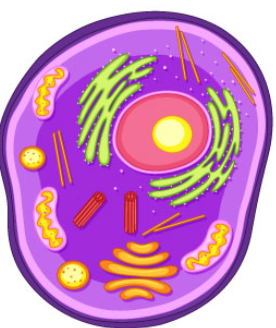
Eukaryotic Cell- “true” nucleus
DNA is protected, nucleus is surrounded by nuclear membrane, has organelles
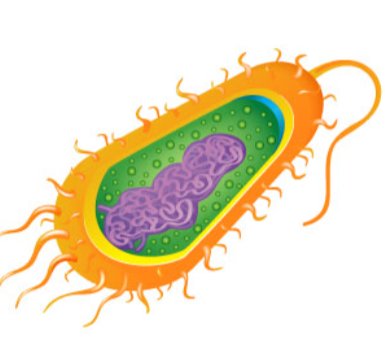
Prokaryotic- “before nuclei”
DNA floats around, no nucleus, evolved 1st
What type of cells are bacteria?
Prokaryotic
What do ALL cell types have in common?
DNA
Cell membrane/plasma membrane
cytoplasm- Nutrients of life (Nucleic acids, carbohydrates, protein, lipids)
Ribosomes
What are the Nitrogen Base pairs?
Adenine--Thymine
Cytosine--Guanine
Chromosomes
thread like structures containing DNA
Genes
Chromosomes are composed of genes- sequences of DNA that code for a certain trait
Metabolism
All the reactions that take place in an organism
Exergonic Reaction
aka: Exothermic
Releases energy making its surroundings hot
Endergonic Reaction
aka: endothermic
Absorbs energy making its surroundings cold
Anabolic/Synthesis Reactions
ENDERGONIC reactions that build complex substances form simple ones
ex: Building muscle
Catabolic/Combustion Reactions
EXERGONIC reactions that break down complex substances
ex: digestion, running
Nutrition
The way organisms access food and nutrients and then break them down into fuel
Autotrophs/Producers
Through photosynthesis plants, cyanobacteria, and some protists make their own food.
Heterotroph/Consumers
Animals, fungi, and some protists and bacteria obtain their food form other things
Cellular respiration
The process that breaks down food to release energy in the form of ATP
Aerobic Respiration
requires oxygen to beak down food and make ATP
complex organisms because it releases MAX energy
ANaerobic Respiration
no oxygen required to break down food
Unicellular organisms because it releases little energy
What type of respiration is preformed by complex organisms?
Aerobic
What type of respiration is preformed by simple organisms?
ANaerobic
Asexual Reproduction
1 parent reproduces forming an offspring identical to the parent with the same DNA
Sexual Reproduction
2 parents reproduce forming an offspring with a combo of DNA
Can different species mate and form a fertile/viable offspring?
NO! Only organisms within the same species.
Species
2 individuals that can mate and have viable offspring
Growth
An increase in cell size or number
Development
Changes that lead to maturity
Regulation
The process that allows living things to respond to different forms of stimuli
The NERVOUS system
provides the body with info about the external environment
The ENDOCRINE system
provides the body with internal info (through hormones)
The IMMUNE system
allows the body to detect foreign invaders
Do all organisms have systems that preform regulation?
No! But all living things respond to stimuli
Homeostasis
the balance and stability that our body maintains to function properly
ex- you feel cold your body works to heat you up
Population
individuals of the same species living together that can interbreed
True of False: An individuals DNA can change
False. Changes occur with new gens
Adaptations
Inherited traits that develop overtime through natural selection. These are codes in DNA that help an organism survive and reproduce better in its environment.
“Descent with Modification”
Darwin’s idea that all organisms descended from 1 common ancestor
Natural Selection
Evolution occurs via Natural Selection- the process that explains how DNA changes overtime
What can lead to variations in population?
mutations, combinations of genes
What type of traits increase in number (in terms of individuals) overtime?
favorable traits to that environment
*Can lead to a new species
Excretion
the removal of toxic waste
ex) kidneys filter waste out of blood
Transport
movement of materials through an entire organism
Enzymes
protein catalysts that start and speed up rxn’s in every living thing
*think of a large parking lot with cars, only the key to your car will unlock it→ you need very specific enzymes
Domain- Bacteria
Eubacteria (prokaryote)
Domain- Archea
Archeabacteria (prokaryote)
Domain- Eukarya
Animal, protist, plant, fungi (Eukaryotes)
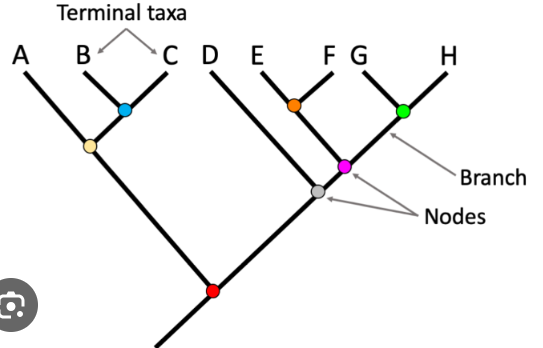
How many ancestors do species E and F share?
4
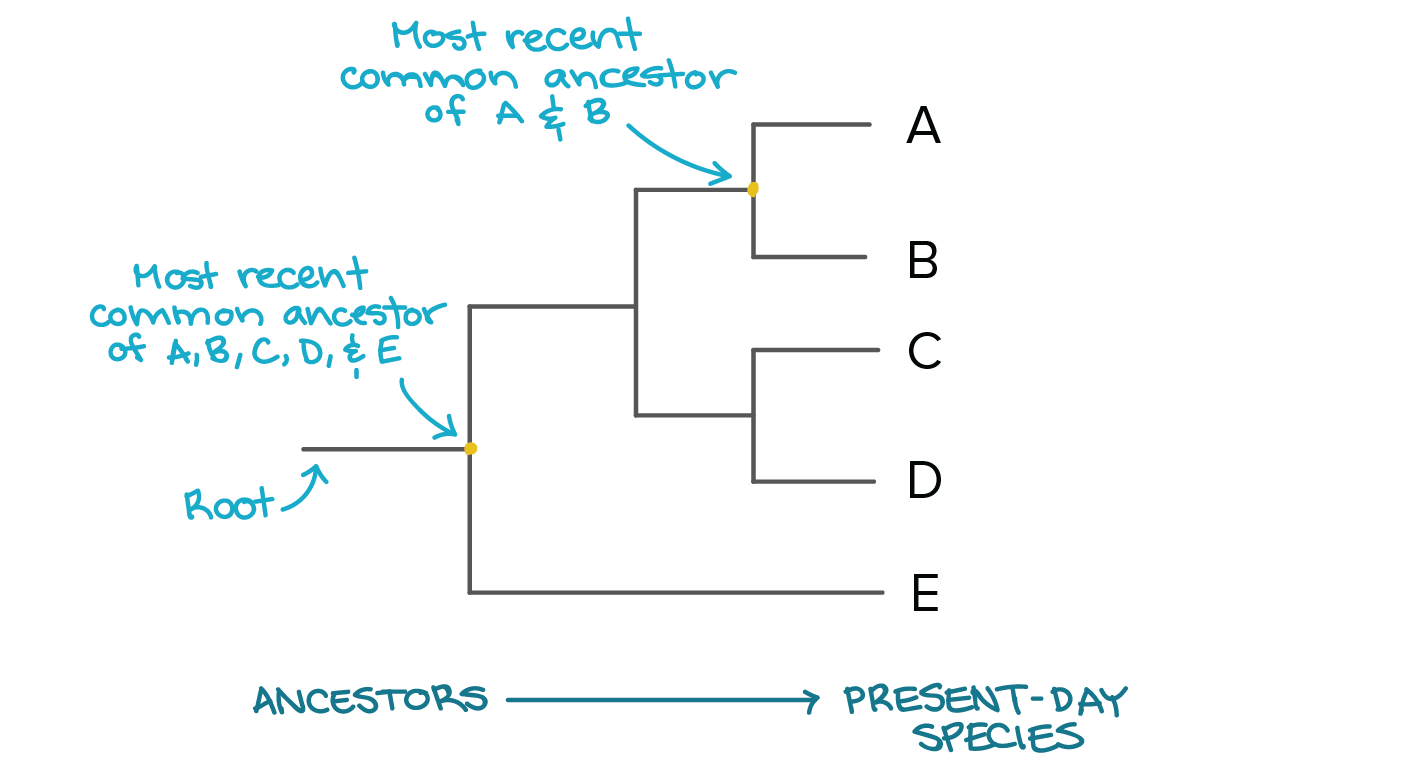
Which species is the outgroup?
E- it has the least in common with all the other species
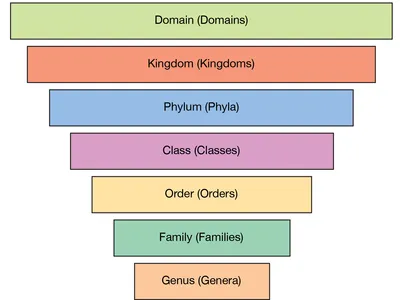
Taxonomy
organizes biological diverse groups into categories
Binomial Nomenclature
Carl Linnaeus
1) Genus name (cap)
2) Species name (lower)
*underline this when you handwrite it
Are viruses alive?
No! They can reproduce but only inside a host using host machinery (ribosomes)
What are the shared traits between living things and viruses?
DNA/RNA (genetic material)
can evolve
can reproduce
contain enzymes and lipids
What do viruses have that living lings do not?
Protein coat
Do antibiotics work on a virus?
No they are not living livings