Chapter 16: Electrophilic aromatic substitutions. Halogenation, nitration, and sulfonation. Friedel-Crafts alkylation and acylation.
 Call Kai
 Learn
Learn Practice Test
 Spaced Repetition
 Match
Match Flashcards
 Knowt Play
1/17

There's no tags or description
Looks like no tags are added yet.
Name | Mastery | Learn | Test | Matching | Spaced | Call with Kai | Chat |
|---|
No analytics yet
Send a link to your students to track their progress
18 Terms
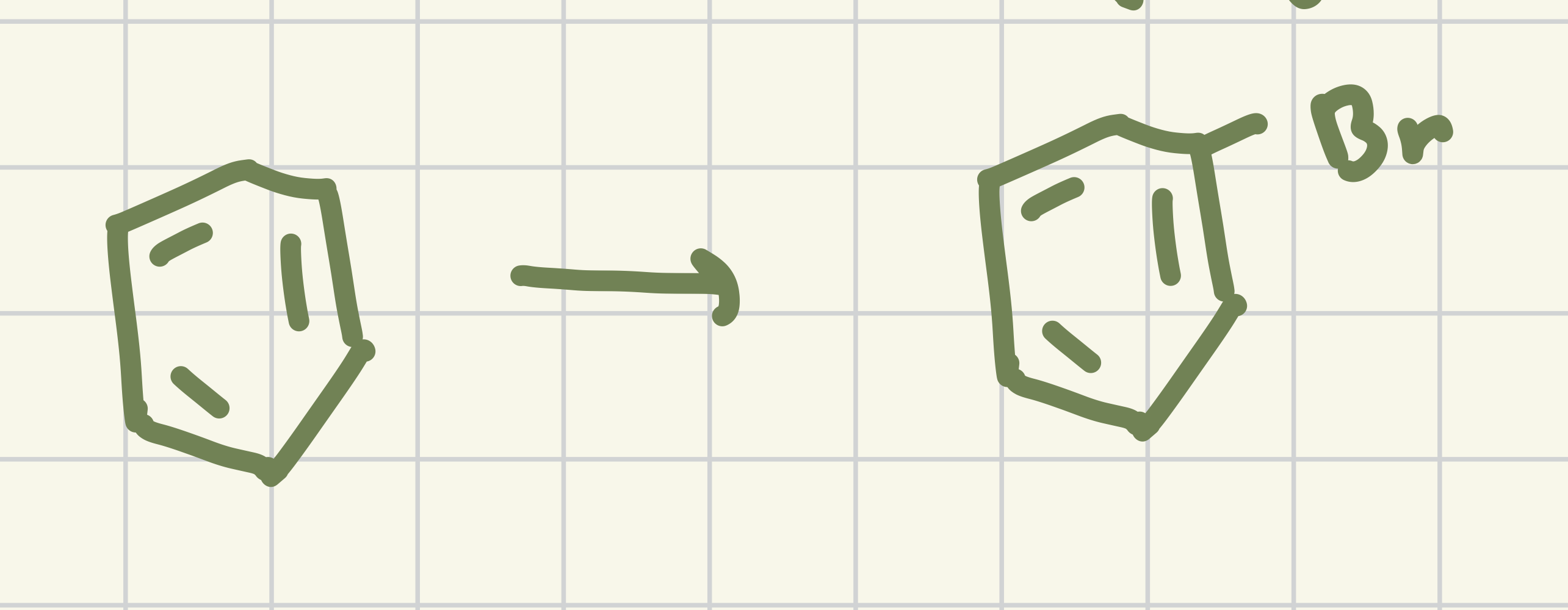
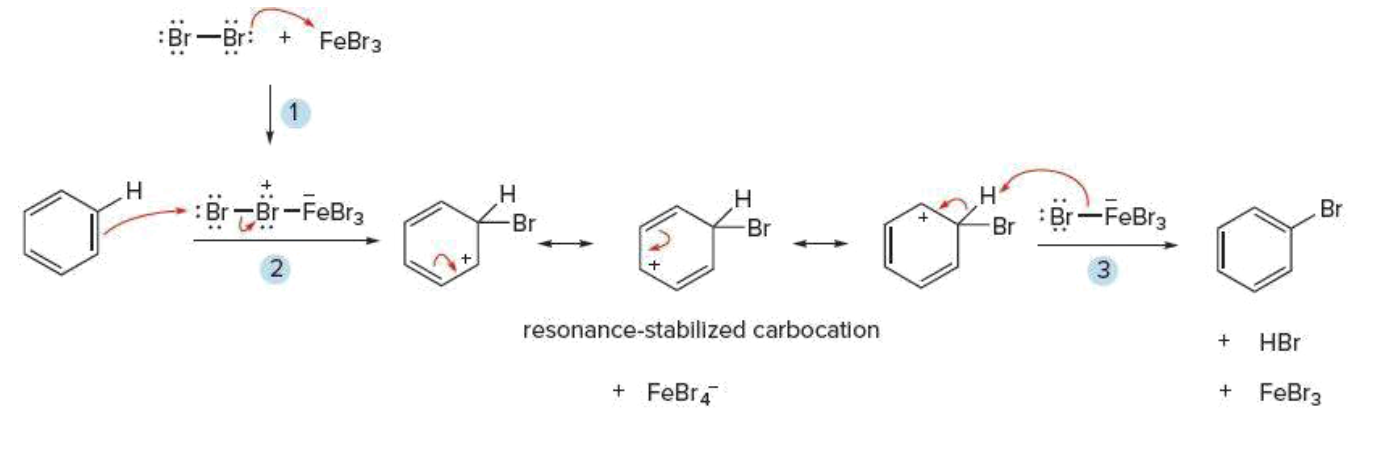
Bromination of Benzene
Lewis acid–base reaction of Br2 with FeBr3 forms a species with a br-br that is source of br+
Addition of the electrophile forms a new C–Br bond and a resonance- stabilized carbocation.
FeBr4− removes the proton on the carbon bonded to the electrophile, re- forming the aromatic ring. The Lewis acid catalyst FeBr3 is regenerated for another reaction cycle.
mechanism for the chlorination of benzene using Cl2 and FeCl3
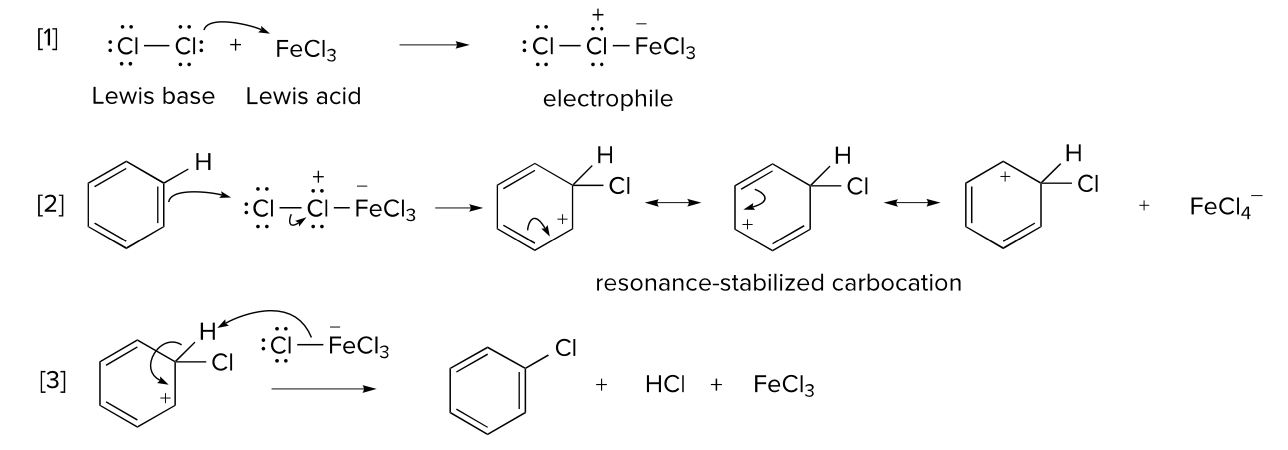
Reaction with Cl2 and FeCl3 as the catalyst occurs in two parts. First is the formation of an electrophile, followed by a two-step substitution reaction.
Nitration Electrophile Formation: NO2+
starting: HNO3

Formation of the Nitronium Ion (+NO2) for Nitration
benzene is not strong enough to attack normal HNO3, so we first have to make a stronger electrophile:
H2SO4 protonates HNO3 → H2O leaves → forms NO2+ nitronium ion.
NO2+ is the electrophile that benzene attacks in nitration.
Memory:
H2SO4 makes NO2+ by turning OH into H2O leaving group.
SO3 + H2SO4

Formation of the Electrophile +SO3H for Sulfonation
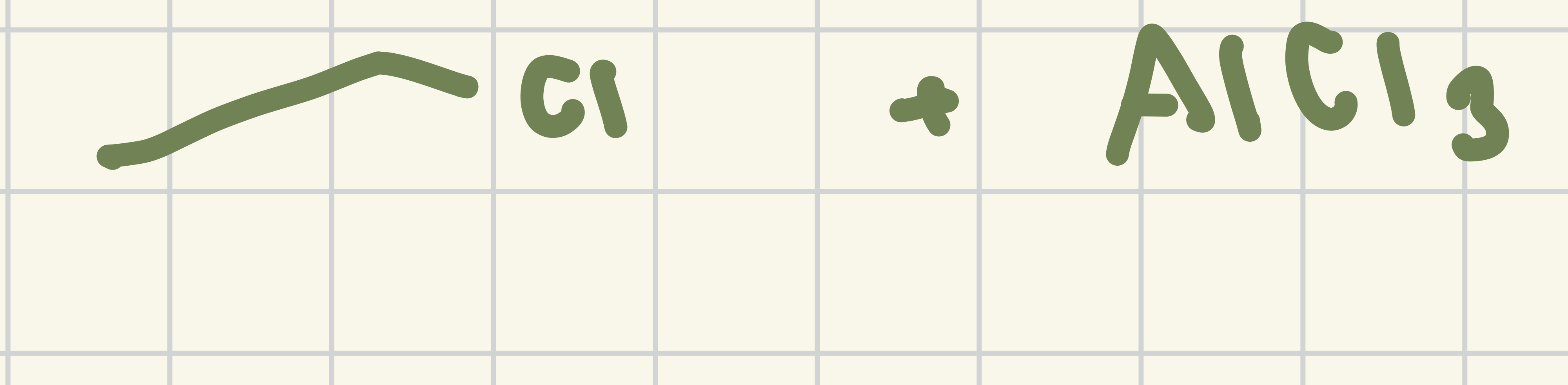
Formation of the Electrophile in Friedel–Crafts Alkylation
Possibility [1] For CH3Cl and 1° RCl serves as the electrophile for electrophilic aromatic substitution
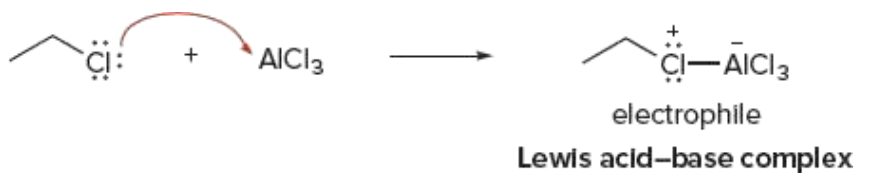
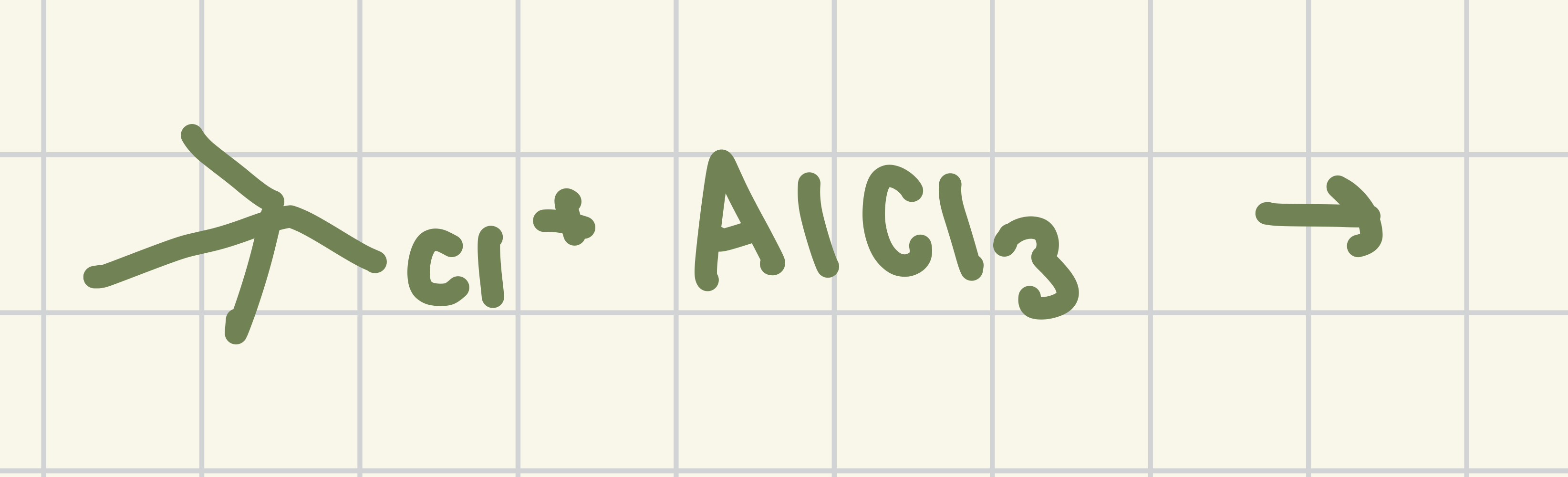
Formation of the Electrophile in Friedel–Crafts Alkylation
Possibility [2] For CH3Cl and 2°, 3° RCl
reacts further to give a 2° or 3° carbocation
carbocation formation occurs only with 2° and 3° alkyl chlorides, because they afford more stable carbocations

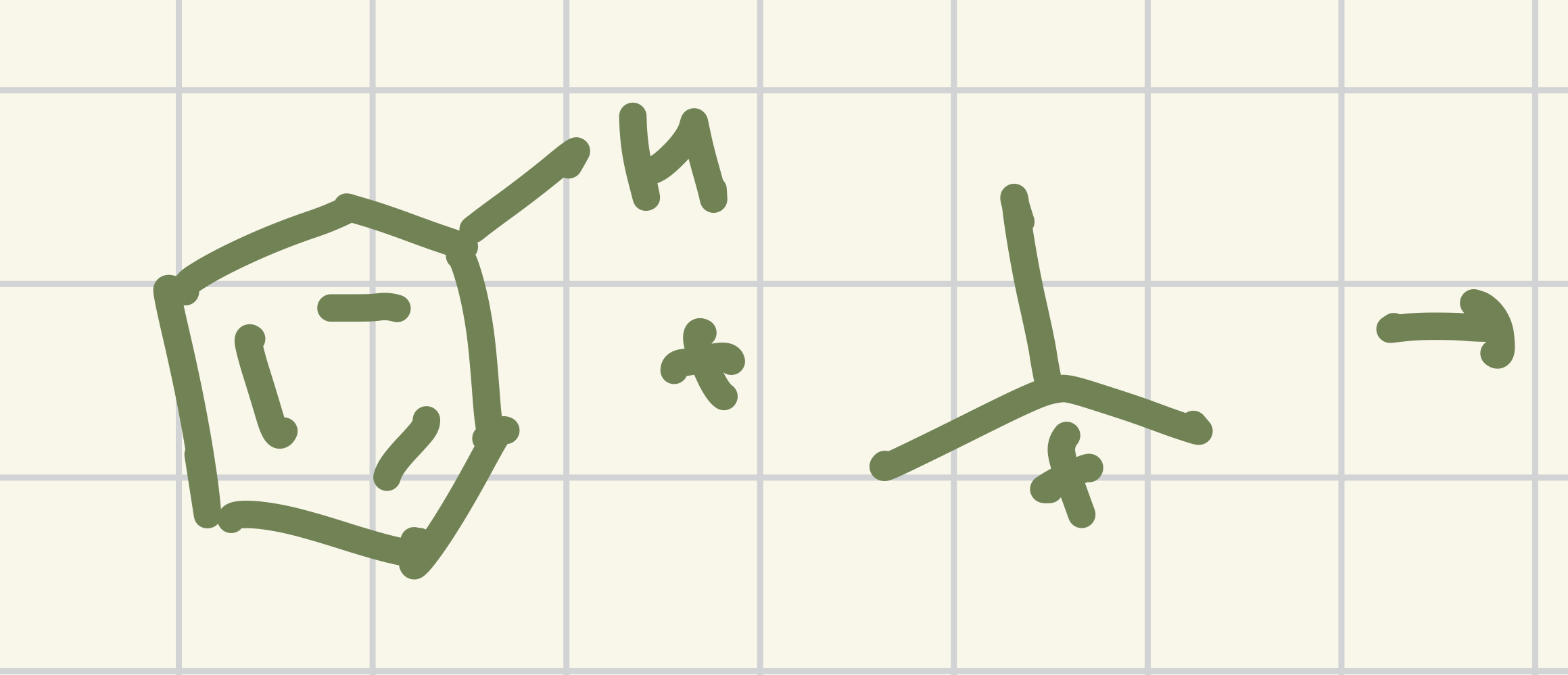

Friedel–Crafts Alkylation Using a 3° Carbocation
Addition of the carbocation electrophile forms a new carbon–carbon bond.
AlCl4− removes a proton on the carbon bearing the new substituent to re- form the aromatic ring.
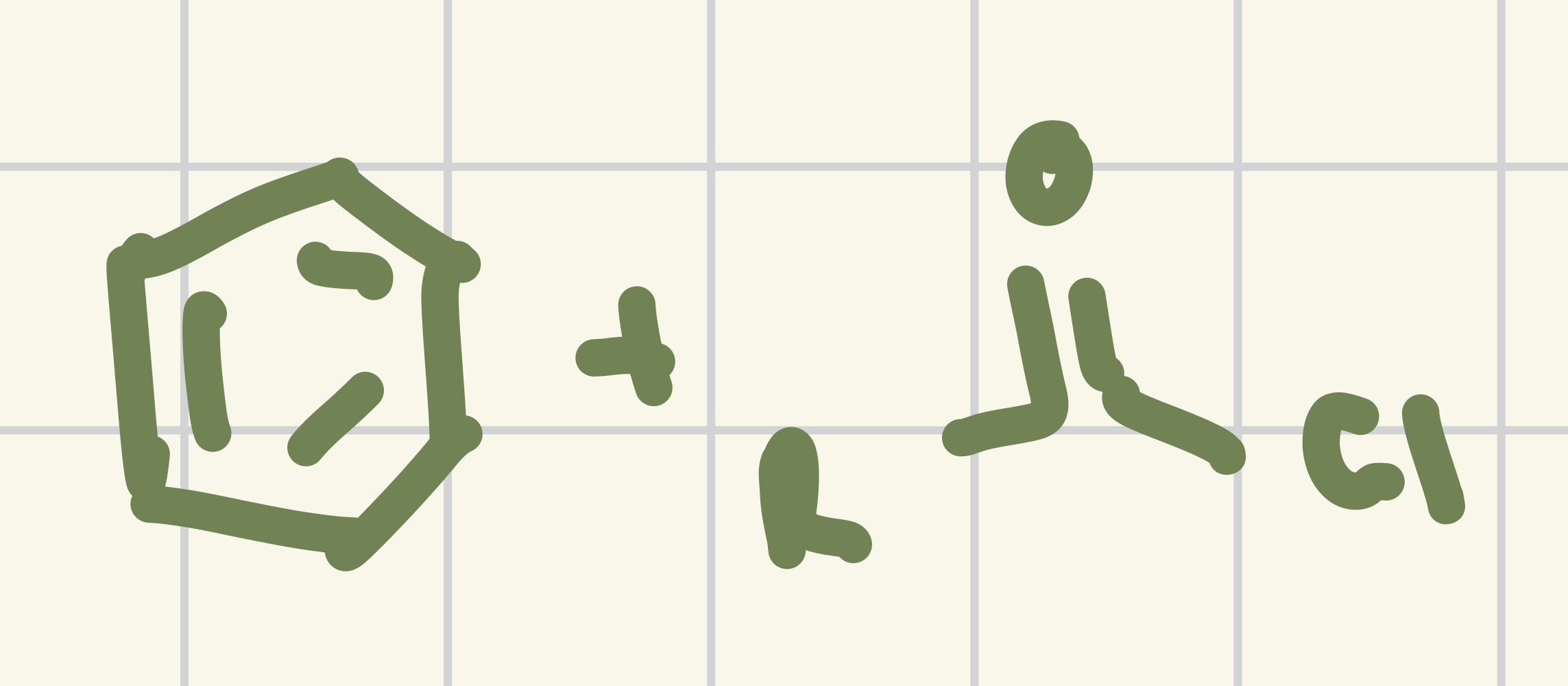
with alcl3
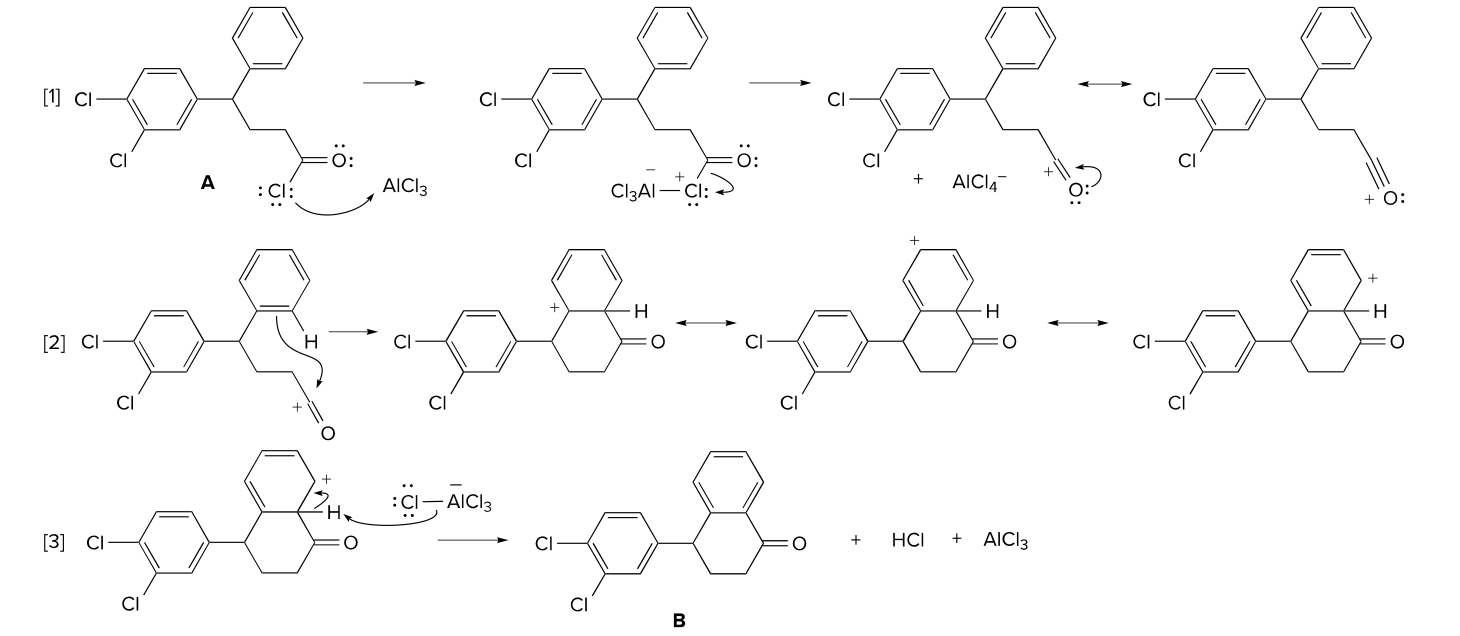
[1] Generation of the electrophile (CH3CO)+

[2] Two-step mechanism for electrophilic aromatic substitution

Formation of the Electrophile in Friedel–Crafts Acylation
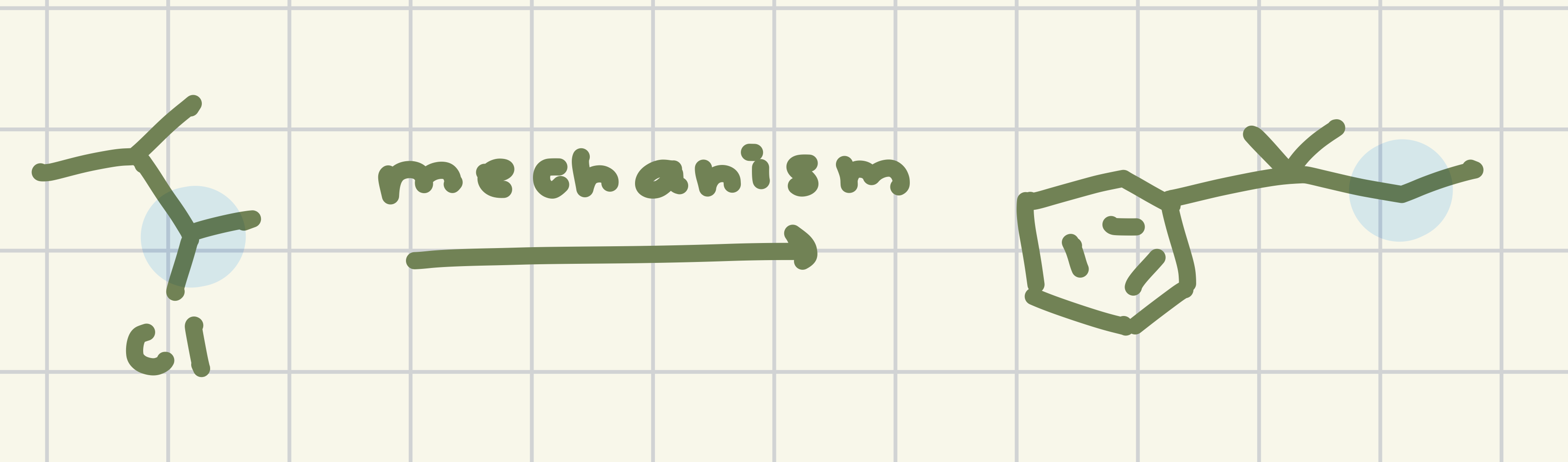
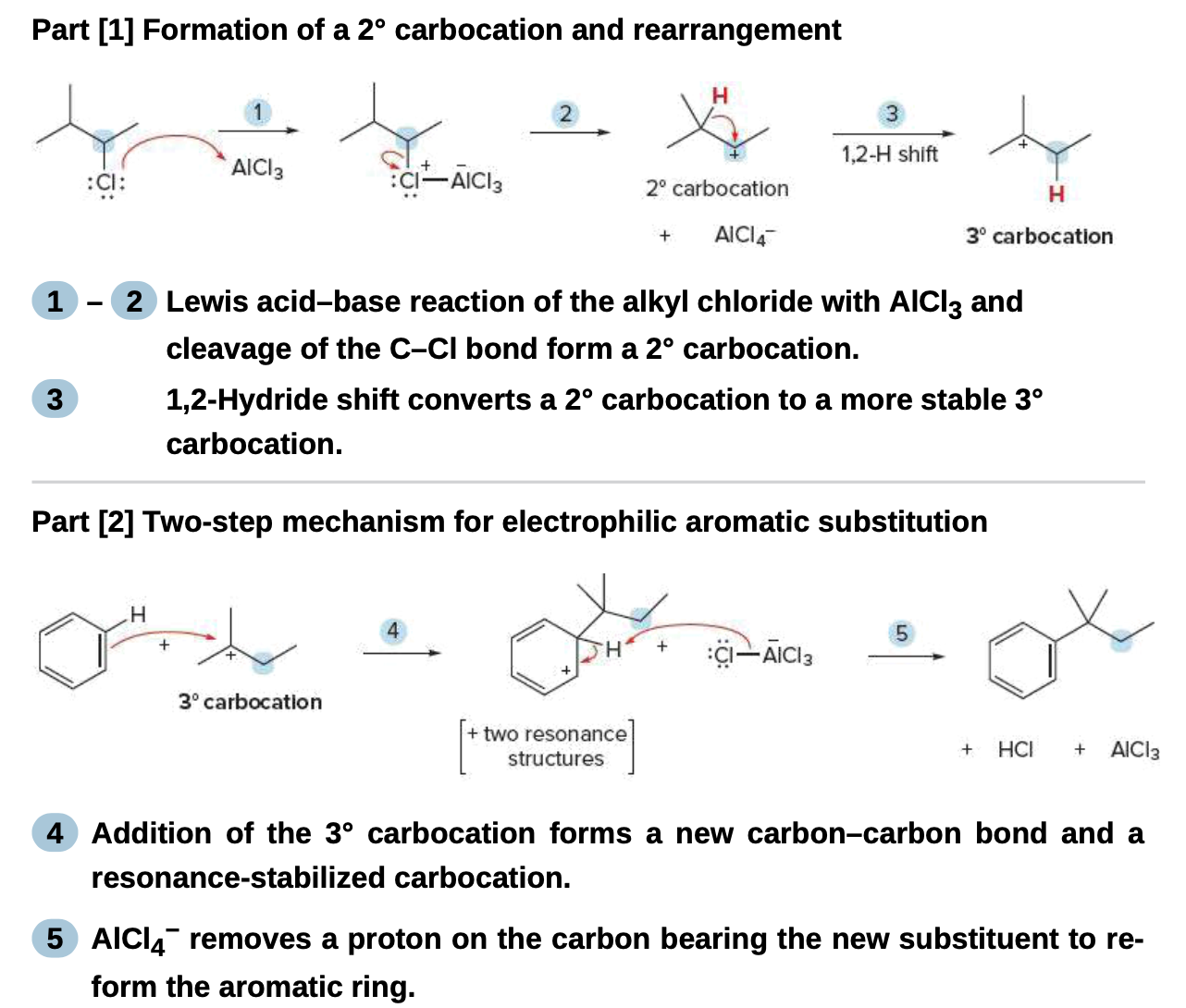
Friedel–Crafts Alkylation Involving Carbocation Rearrangement
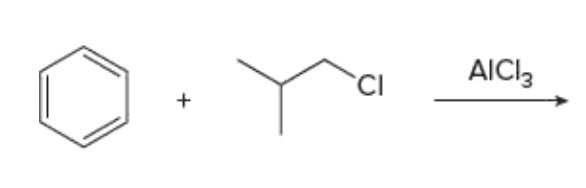
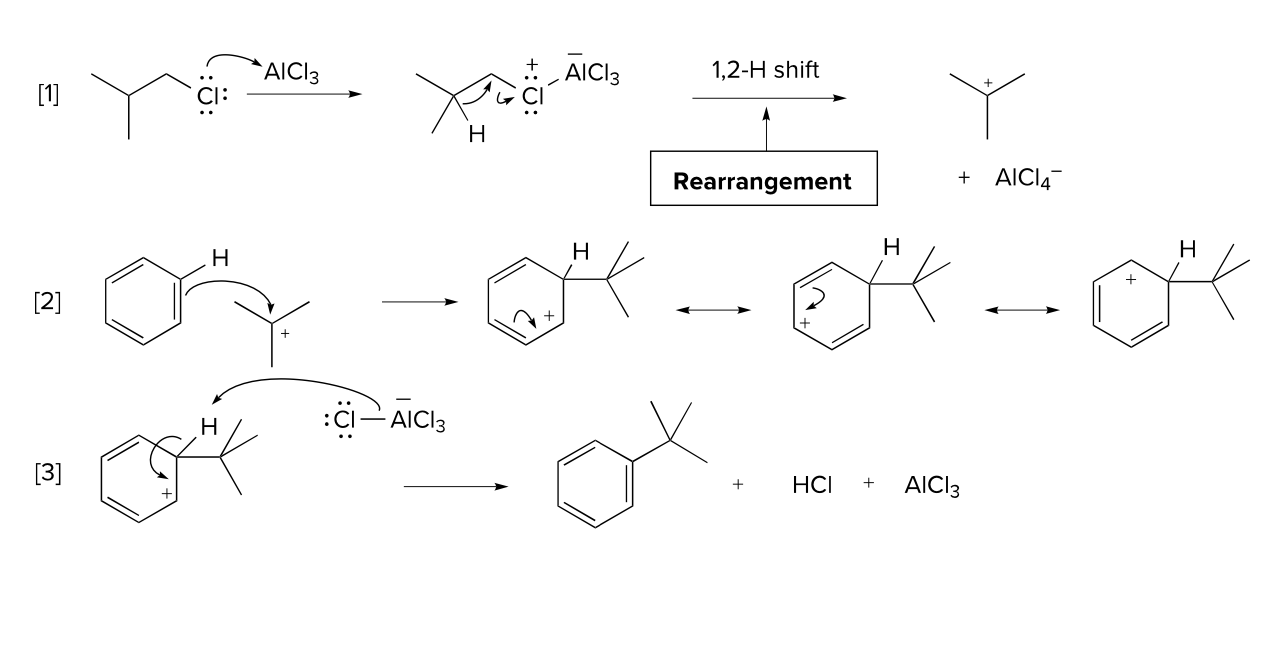
A Rearrangement Reaction Beginning with a 1° Alkyl Chloride
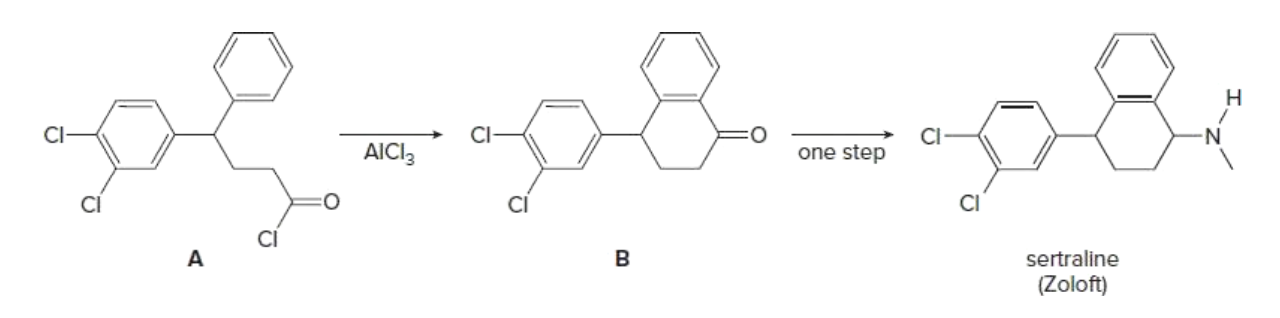
CH₃NH₂, NaBH₃CN, mild acid
The ketone reacts with NH₂ to make an imine/iminium, then the reducing agent reduces (gives H⁻ / hydride) c=n, c-n

OXIDATIVE
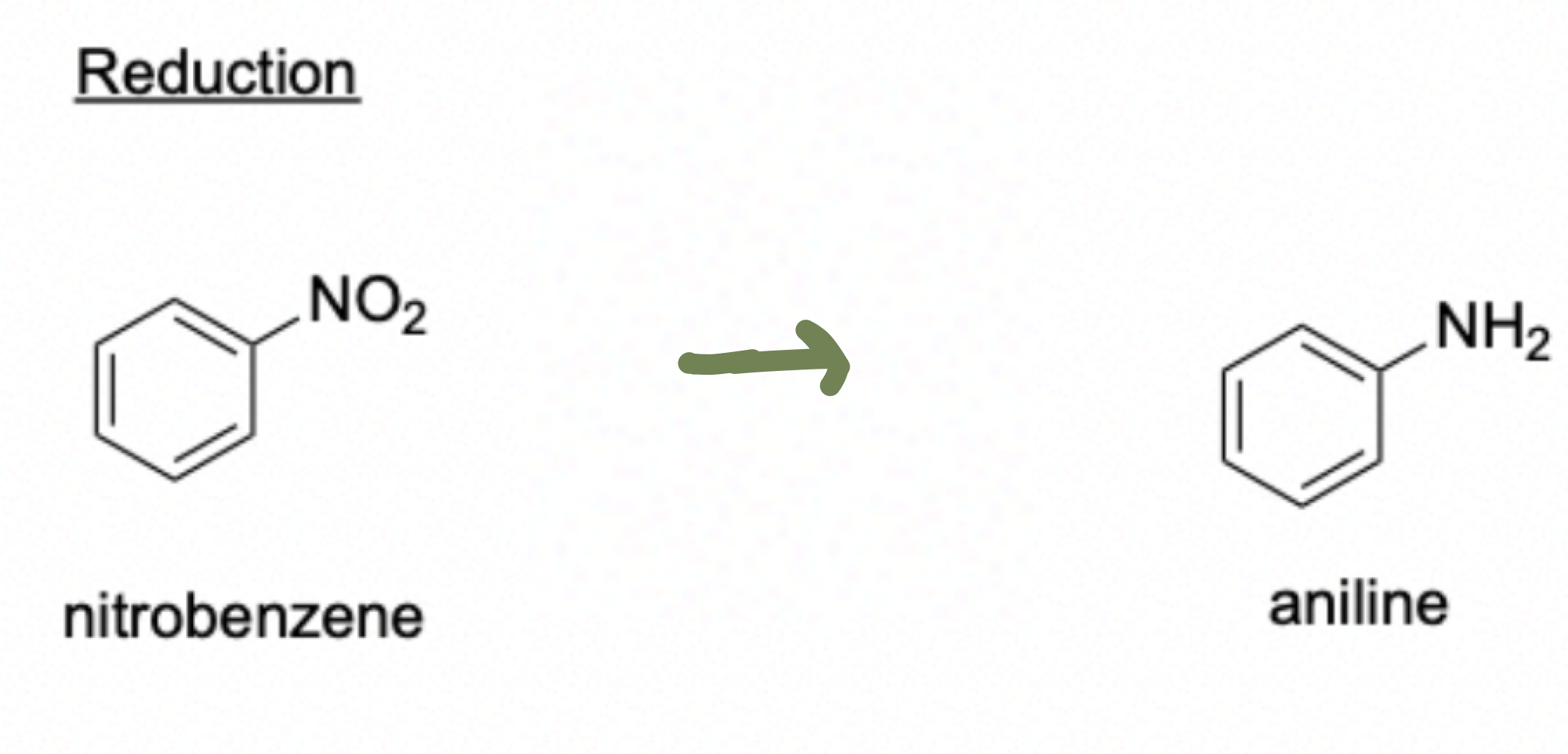
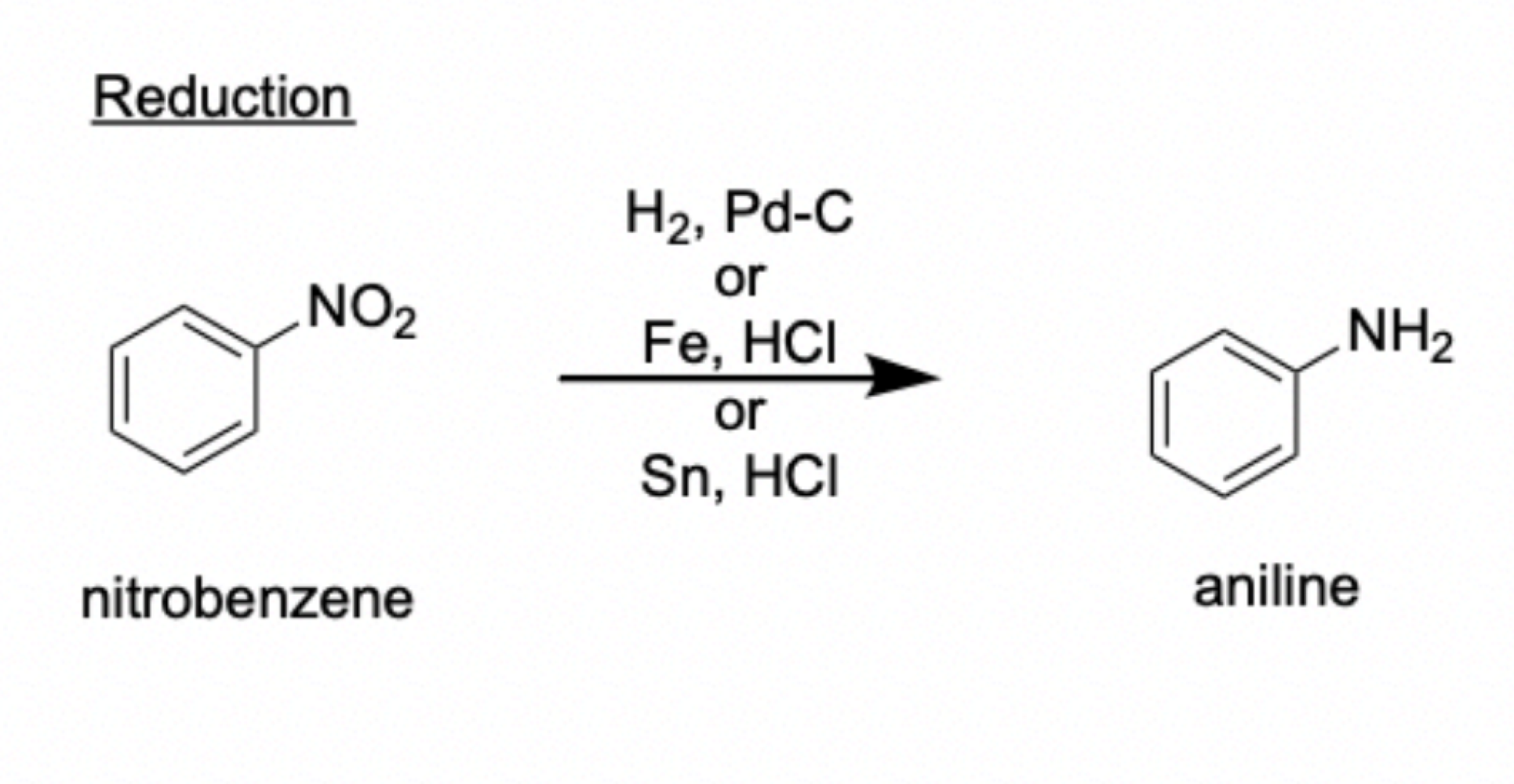
REDUCTION
EAS on disubstituted benzene: which group controls where the next substituent goes?
If both groups direct to the same spot, substitute there.
If they disagree, the stronger activator wins.
Do not substitute between two meta groups because it is too crowded.
Reactivity power: NH2 > OH > R > X > CHO > NO2
Halogens are the exception: deactivating but ortho/para directors.
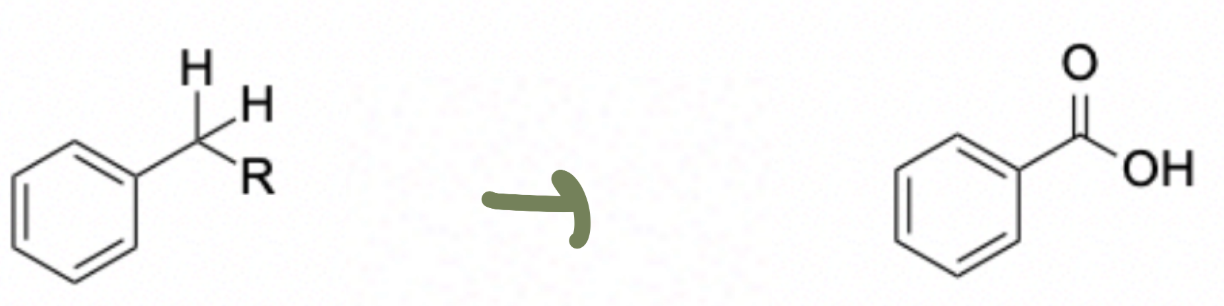
What does KMnO4, heat do to alkyl benzenes?
KMnO4/heat strongly oxidizes an alkyl side chain on benzene to benzoic acid. The side chain becomes CO2H, no matter how long it is. Must have at least one benzylic H for the reaction to work.

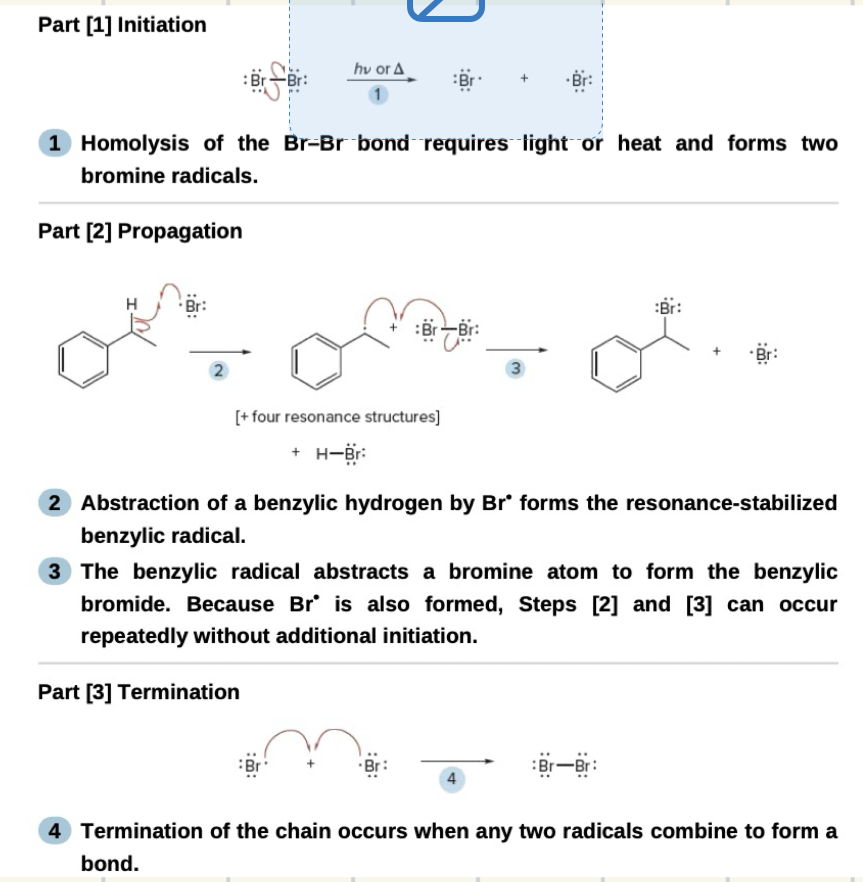
Benzylic Bromination
KOtBu
It is a strong, bulky base.
KOtBu favors E2 elimination, especially giving the less substituted alkene because it is bulky.
mCPBA reagent
Converts an alkene into an epoxide.hh