Anatomy and Physiology Unit 1
 Call Kai
 Learn
Learn Practice Test
 Spaced Repetition
 Match
Match Flashcards
 Knowt Play
1/33

There's no tags or description
Looks like no tags are added yet.
Name | Mastery | Learn | Test | Matching | Spaced | Call with Kai | Chat |
|---|
No analytics yet
Send a link to your students to track their progress
34 Terms
Explain Proximal/Distal, Medial/Lateral, Superior/Inferior, Prone/Supine
Prone - lying face down Supine - lying face up (rest on image)
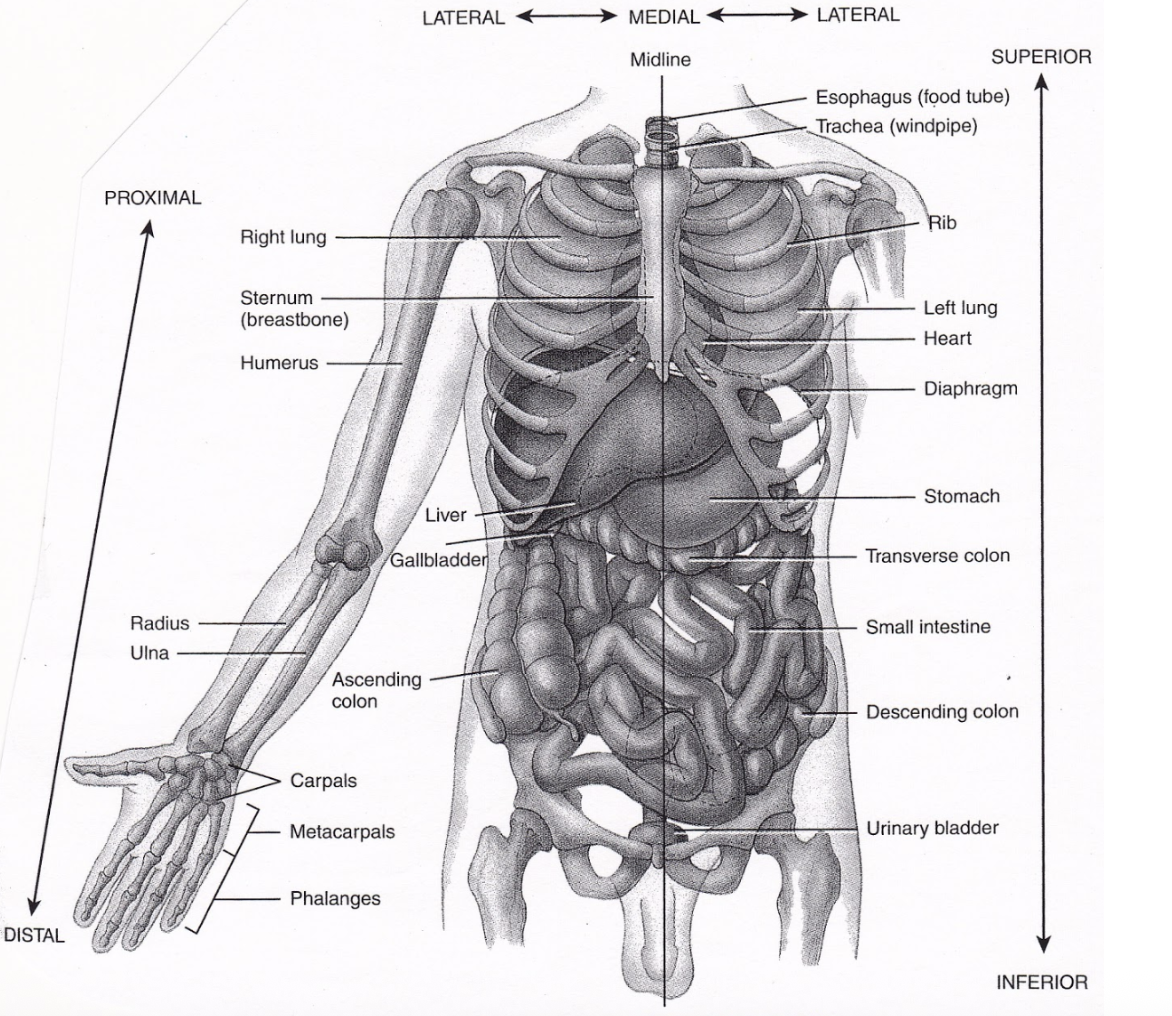
When to use proximal/distal vs superior/inferior
Proximal and Distal should be used to describe points on a LIMB
Superior and Inferior are usually used to describe points on the TRUNK
Define the sagittal plane, midsagittal plane, and parasagittal plane
Sagittal = right/left sections
Midsagittal = equal sections
Parasagittal = unequal sections
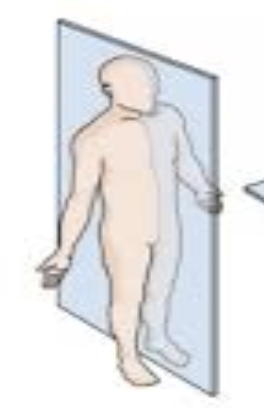
Define the coronal/frontal plane
Posterior and Anterior sections

Define the transverse plane
Superior and Inferior sections

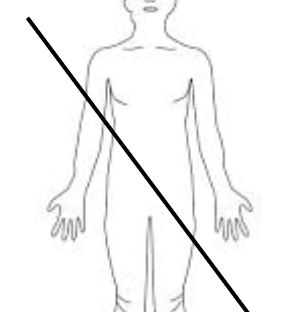
Define the oblique plane
Passes through the body at an angle that is not a right angle to other planes. "random” plane.
Name the two principal cavities
Dorsal and Ventral body cavities
What smaller cavities make up the dorsal body cavity?
The cranial cavity and vertebral cavity
(they both connect to form the dorsal body cavity)
Define the cranial cavity
It is formed by the bones of the skull, contains brain

Define the vertebral cavity
It is formed by the bones of the vertebral column and contains the spinal cord

What are the two major cavities that form the ventral body cavity?
Thoracic Cavity and Abdominopelvic Cavity
Define the term viscera
Organs withing the ventral body cavity
What cavities make up the thoracic cavity?
Pericardial cavity, right and left pleural cavities. Also contains mediastinum.
note: Pericardial cavity is located in the mediastinum.
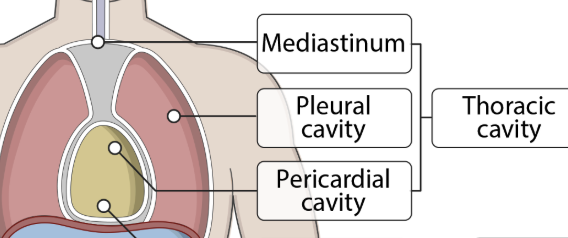
What organ does the pericardial cavity contain?
The heart
What organs do the pleural cavities contain?
The lungs
Define the Mediastinum
Mass of tissues between pleural cavities. Contains viscera such as the heart, trachea, and esophagus. It extends from the sternum to vertebral column, neck to diaphragm.

What cavities make up the abdominopelvic cavity?
Abdominal and Pelvic cavities
What organs are in the abdominal cavity?
Stomach, spleen, liver, gallbladder, small intestine, and most of large intestine.

What organs does the pelvic cavity contain?
bladder, part of the large intestine and internal organs of the reproductive system.
What organs are found in the upper right quadrant of the abdominopelvic cavity?
Most of the liver, small part of the pancreas, right kidney, gallbladder, colon
What organs are found in the upper left quadrant?
Small part of liver, most of pancreas, small intestine, left kidney, colon, stomach, spleen
What organs are found in the right lower quadrant?
colon, small intestine, right ureter, appendix, right ovary and fallopian tube.
What organs are found in the left lower quadrant?
colon, small intestines, left ureter, left ovary and fallopian tube

Name the 9 abdominopelvic regions

What is a serous membrane?
Thin sheets of epithelium and connective tissue that lines internal cavities not open to outside.
name the four serous membranes
peritoneum, pericardium, pleura, perimetrium
Describe the pericardium
it comers hear and lines mediastinum
describe the pleura
covers lungs and lines thoracic cavity
describe the perimetrium
lines the uterus
what are the two regions of the peritoneum?
Paretal and visceral
describe the parietal peritoneum
it lines the internal body wal
describe the visceral peritoneum
it covers the abdominal organs
What does it mean when an organ is retroperitoneal?
It means that it is outside of the parietal peritoneum. Organs that are retroperitoneal are kidneys, adrenal glands, pancreas, urinary bladder and parts of the intestine.
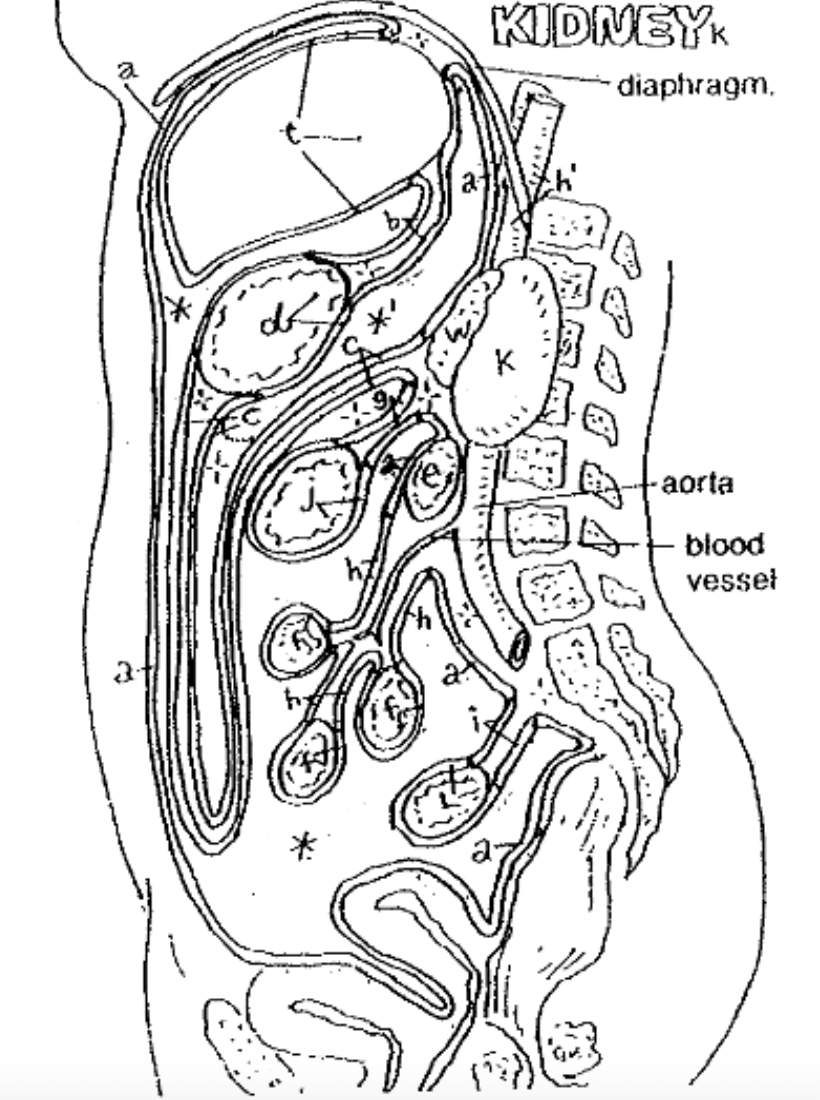
label greater omentum, lesser omentum, and mesentery
