A&P Exam 1
 Call Kai
 Learn
Learn Practice Test
 Spaced Repetition
 Match
Match Flashcards
 Knowt Play
1/59

There's no tags or description
Looks like no tags are added yet.
Name | Mastery | Learn | Test | Matching | Spaced | Call with Kai | Chat |
|---|
No analytics yet
Send a link to your students to track their progress
60 Terms
Matter:
Anything that has mass and occupies space.

Element:
A fundamental substance that cannot be broken down into simpler substances by ordinary chemical means.

4 major elements in the human body are…
Oxygen, carbon, hydrogen, nitrogen.

Most abundant element in the human body is…
Oxygen

Atom:
Smallest unit of an element that retains its properties

Proton:
Positive (+) particle in nucleus

Neutron:
Neutral (0) particle in nucleus

Electron:
Negative (−) particle surrounding nucleus

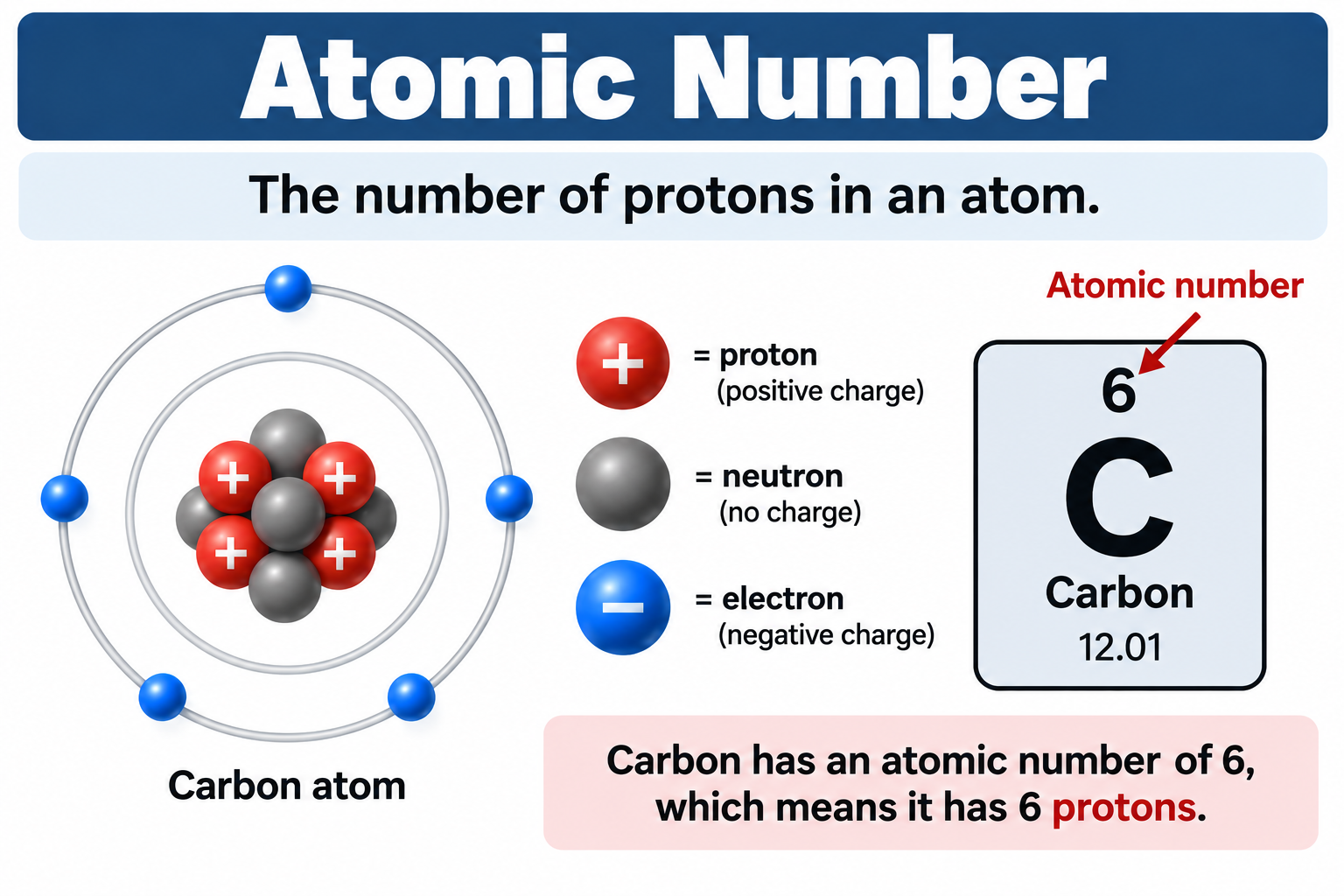
Atomic number:
Number of protons
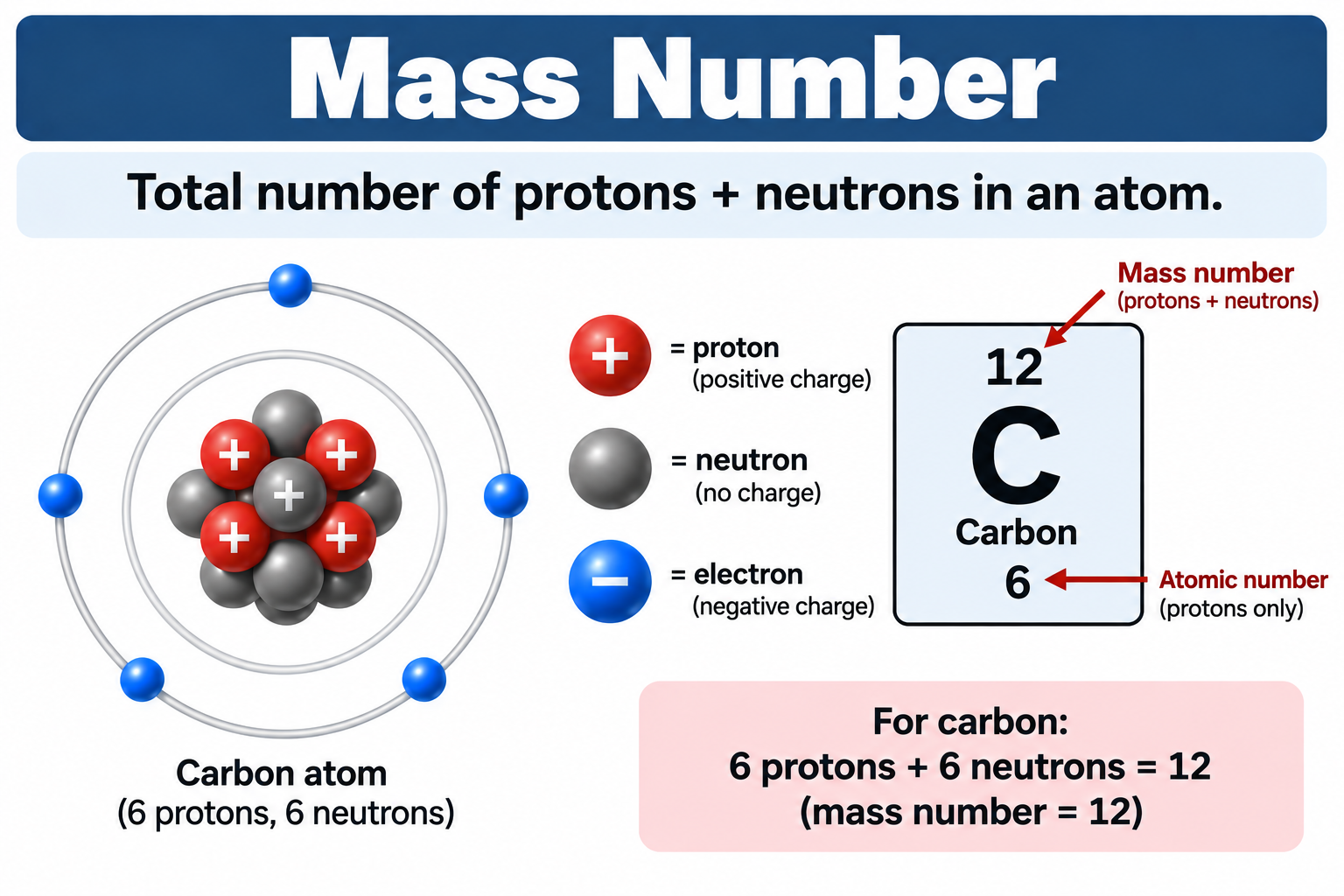
Mass number:
Protons + neutrons
Isotope:
Same element with a different number of neutrons

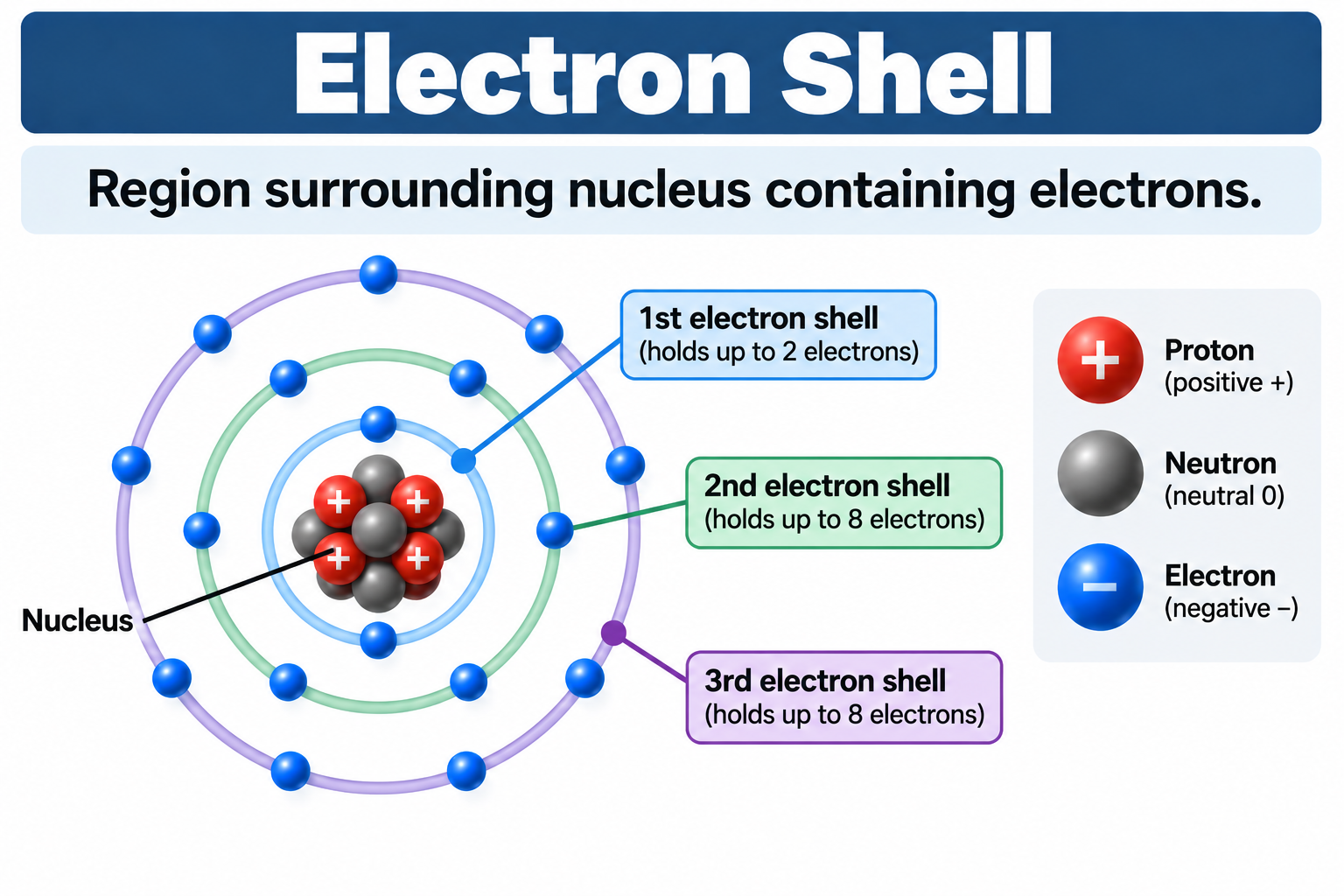
Electron shell:
Region surrounding nucleus containing electrons
Valence shell:
Outermost electron shell

First electron shell holds...
2 electrons

Subsequent shells hold...
8 electrons

What makes an atom stable?
A full valence shell

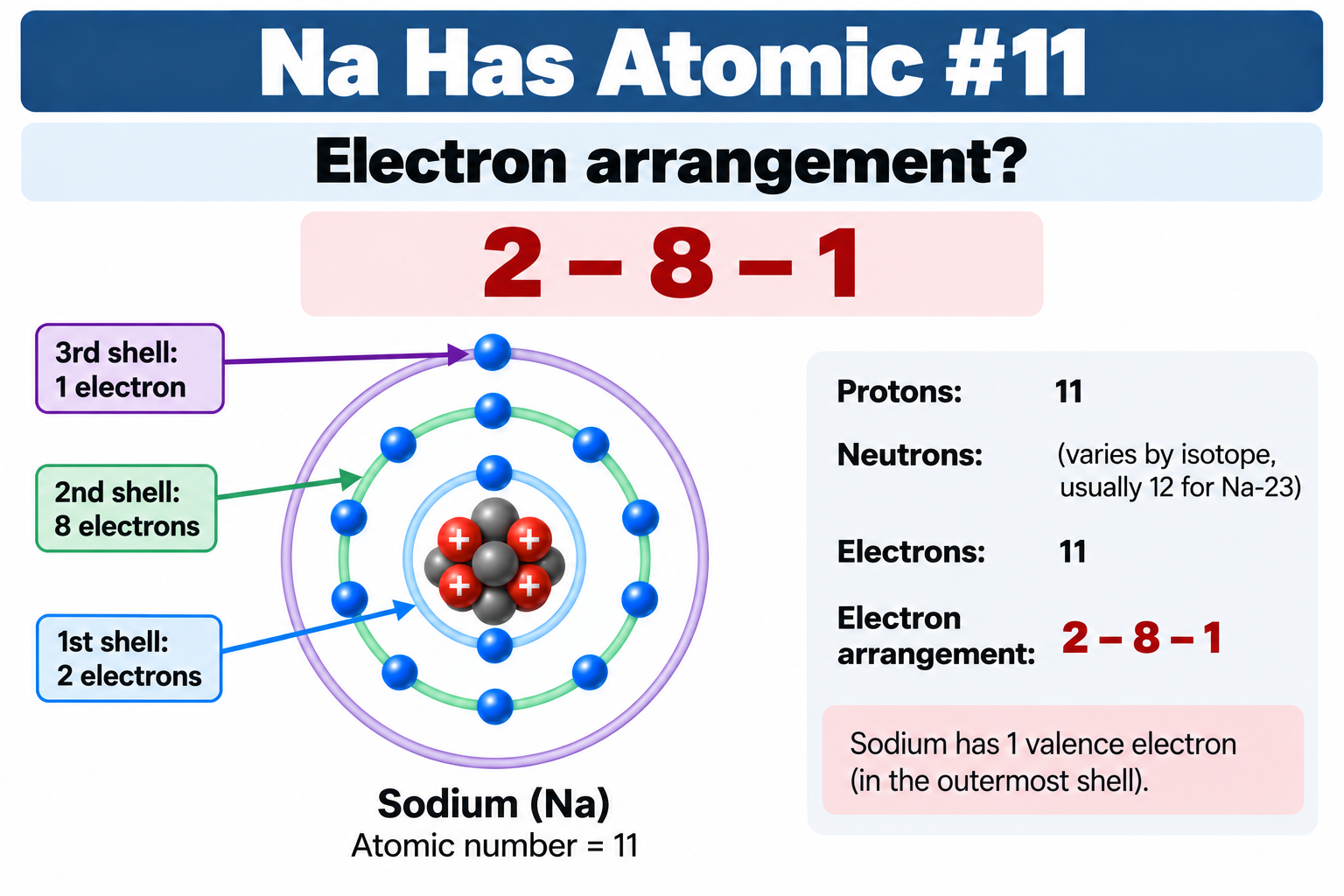
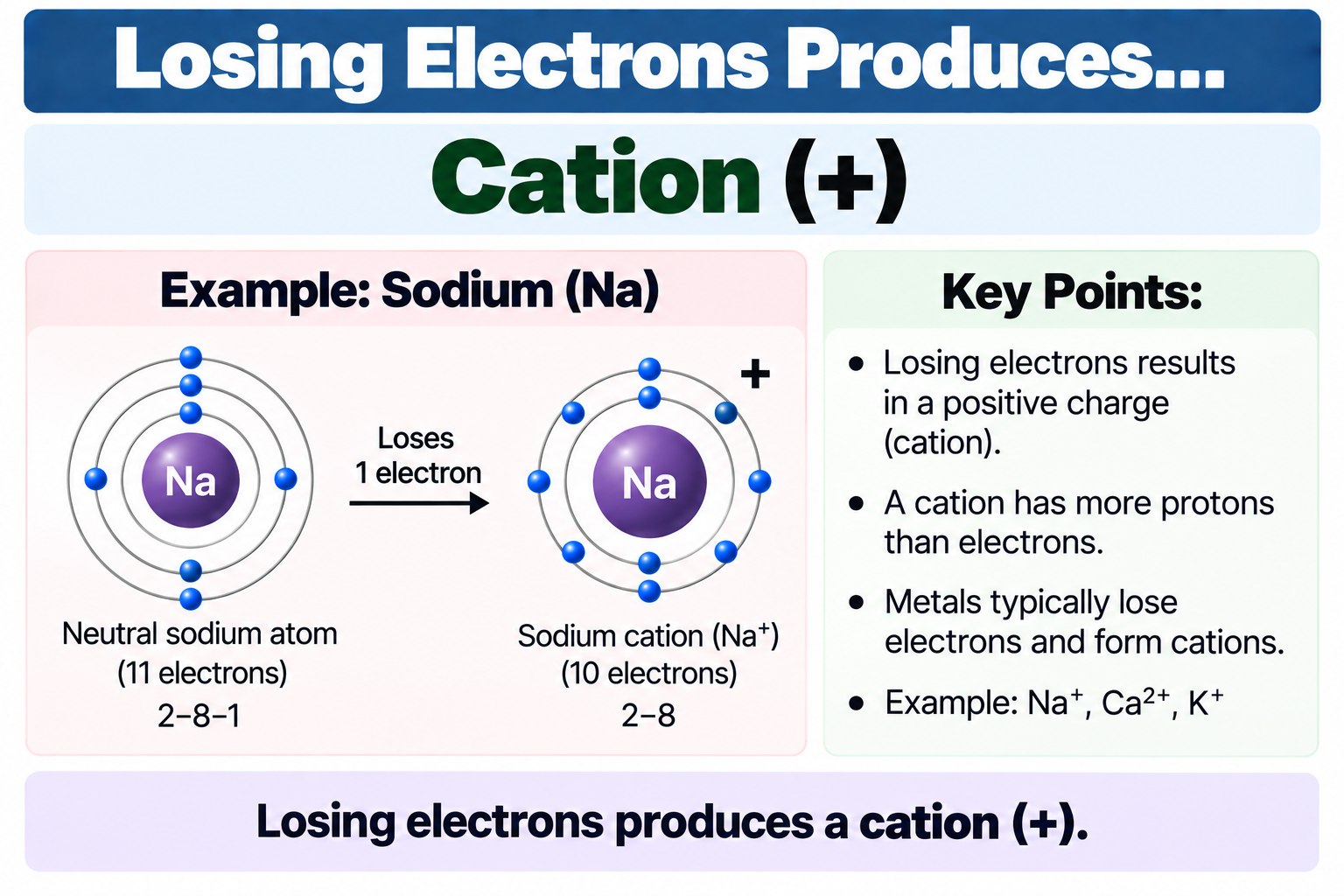
Na has atomic #11. Electron arrangement?
2–8–1
Oxygen has atomic #8. Electron arrangement?
2–6

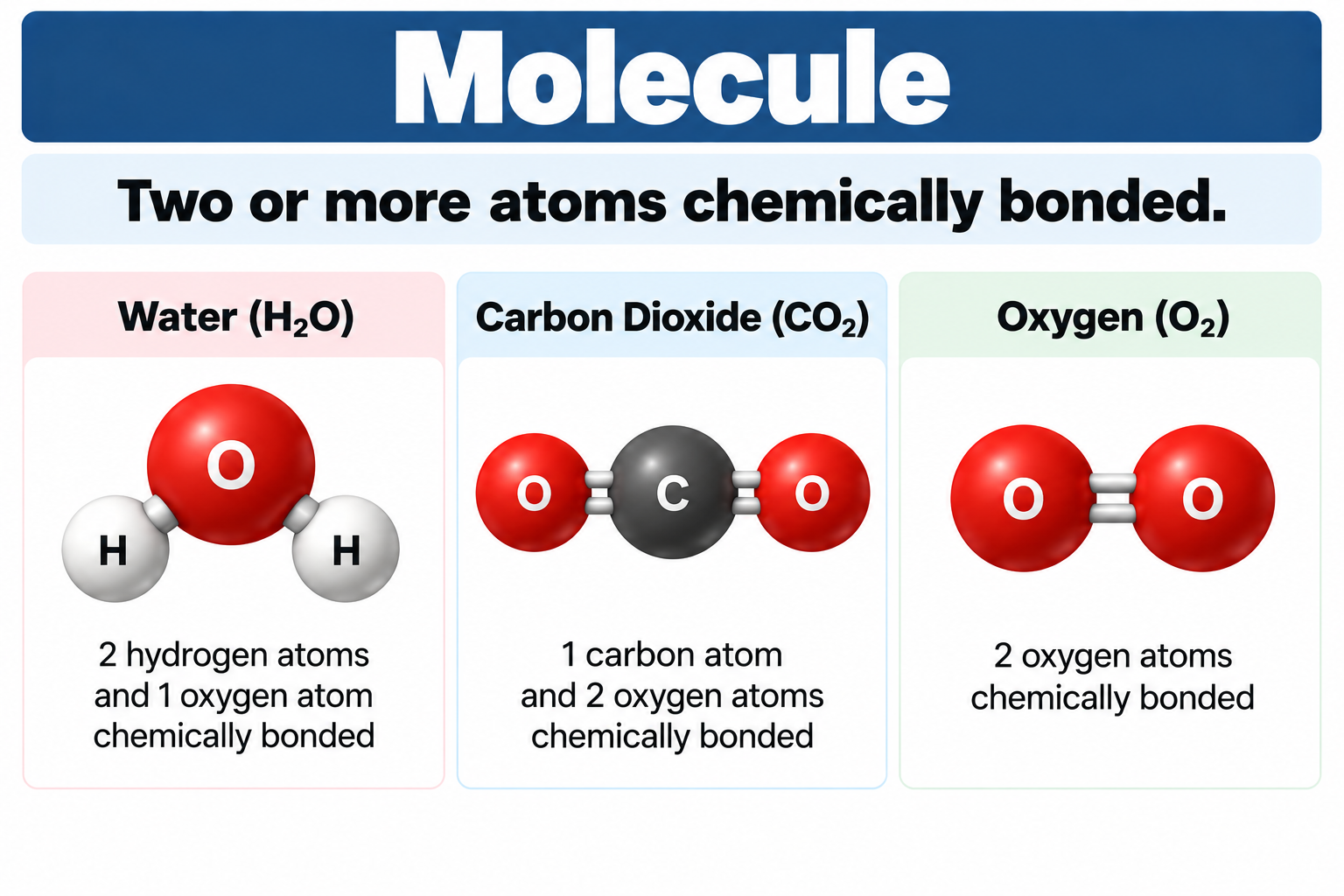
Molecule:
Two or more atoms chemically bonded
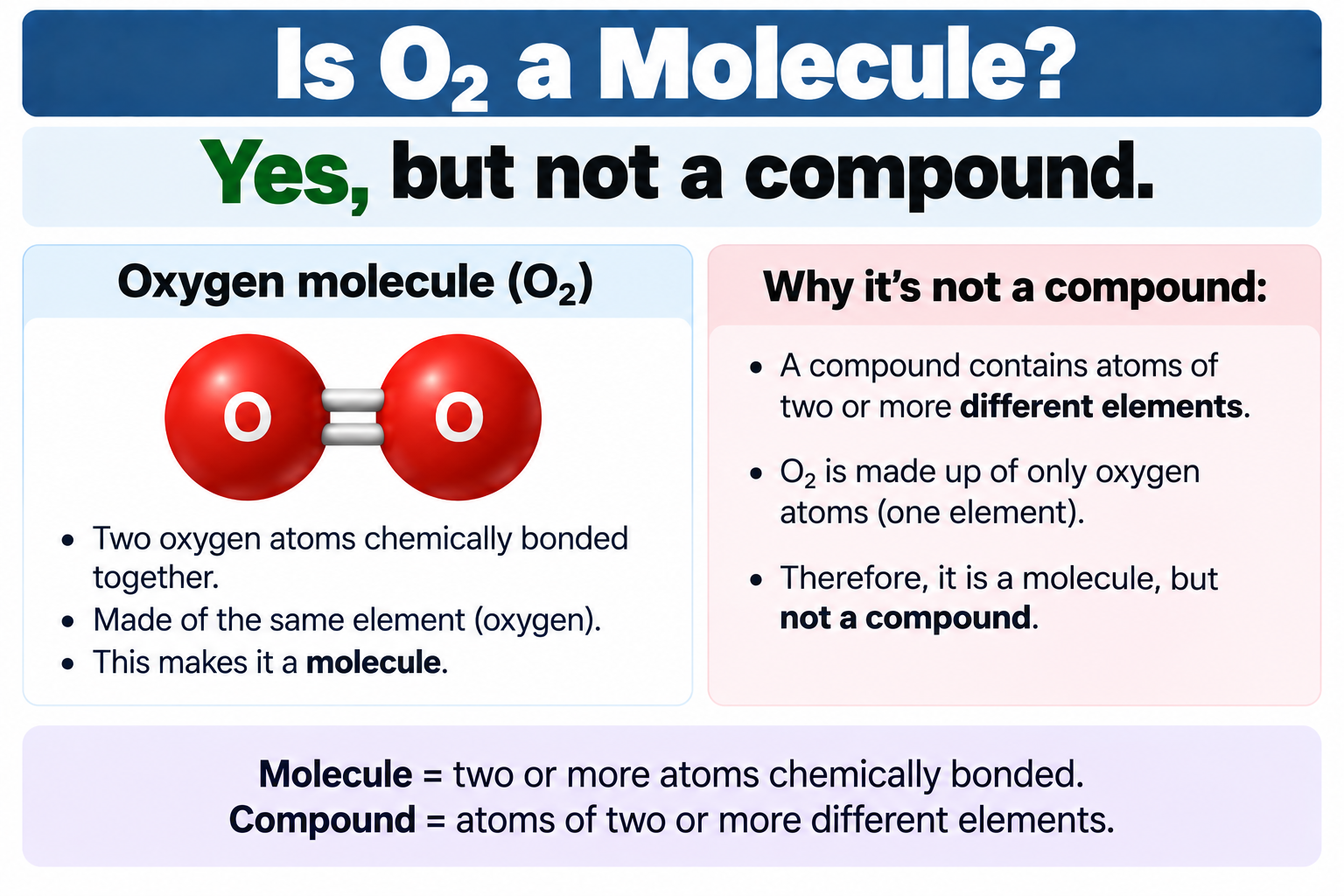
Compound:
Substance containing atoms of two or more different elements

Is O₂ a molecule?
Yes, but not a compound
Is CO₂ a molecule and compound?
Yes to both

Ion:
Atom/molecule with an electrical charge from gaining or losing electrons

Cation:
Positive (+) ion

Anion:
Negative (−) ion

Losing electrons produces...
Cation (+)
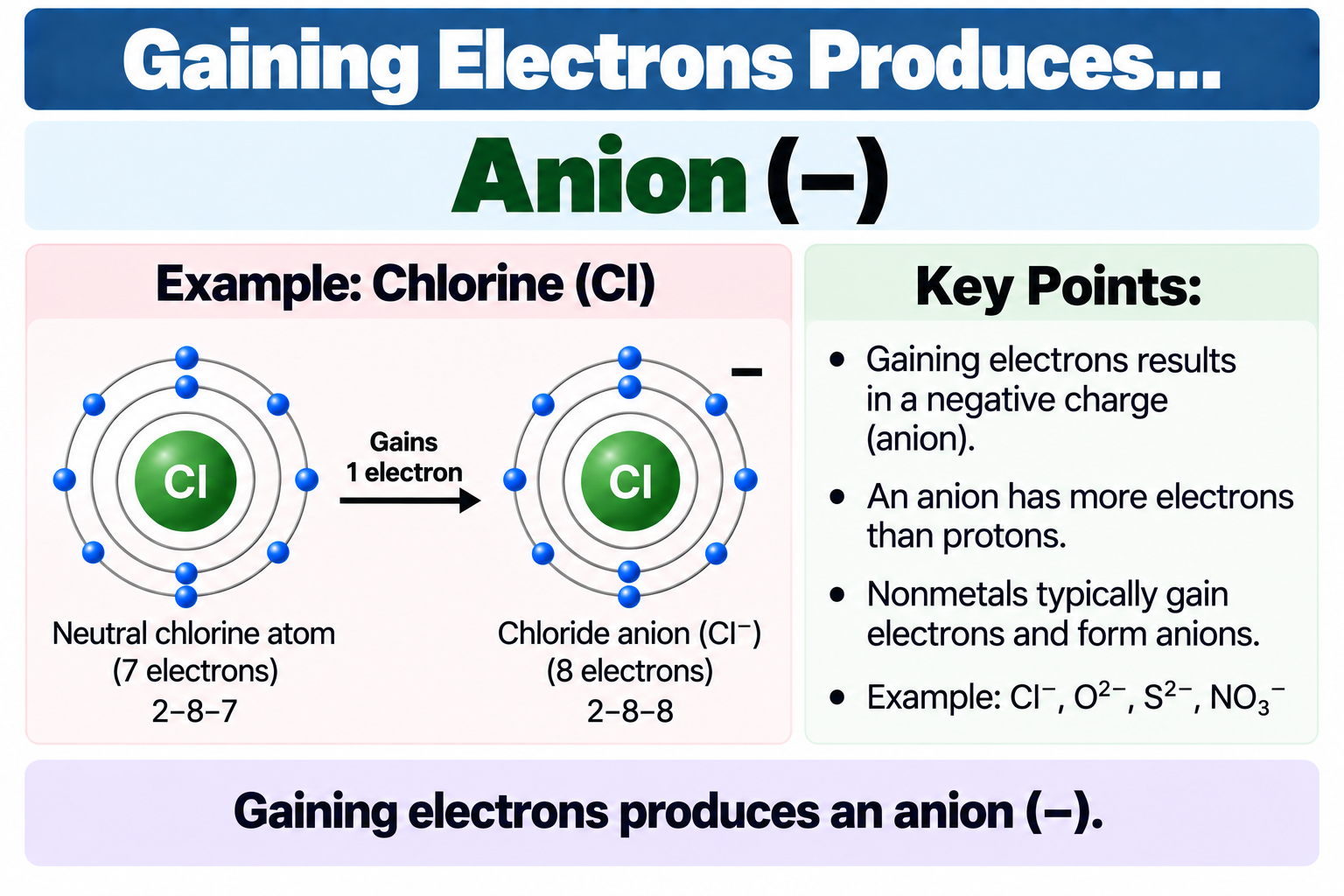
Gaining electrons produces...
Anion (−)
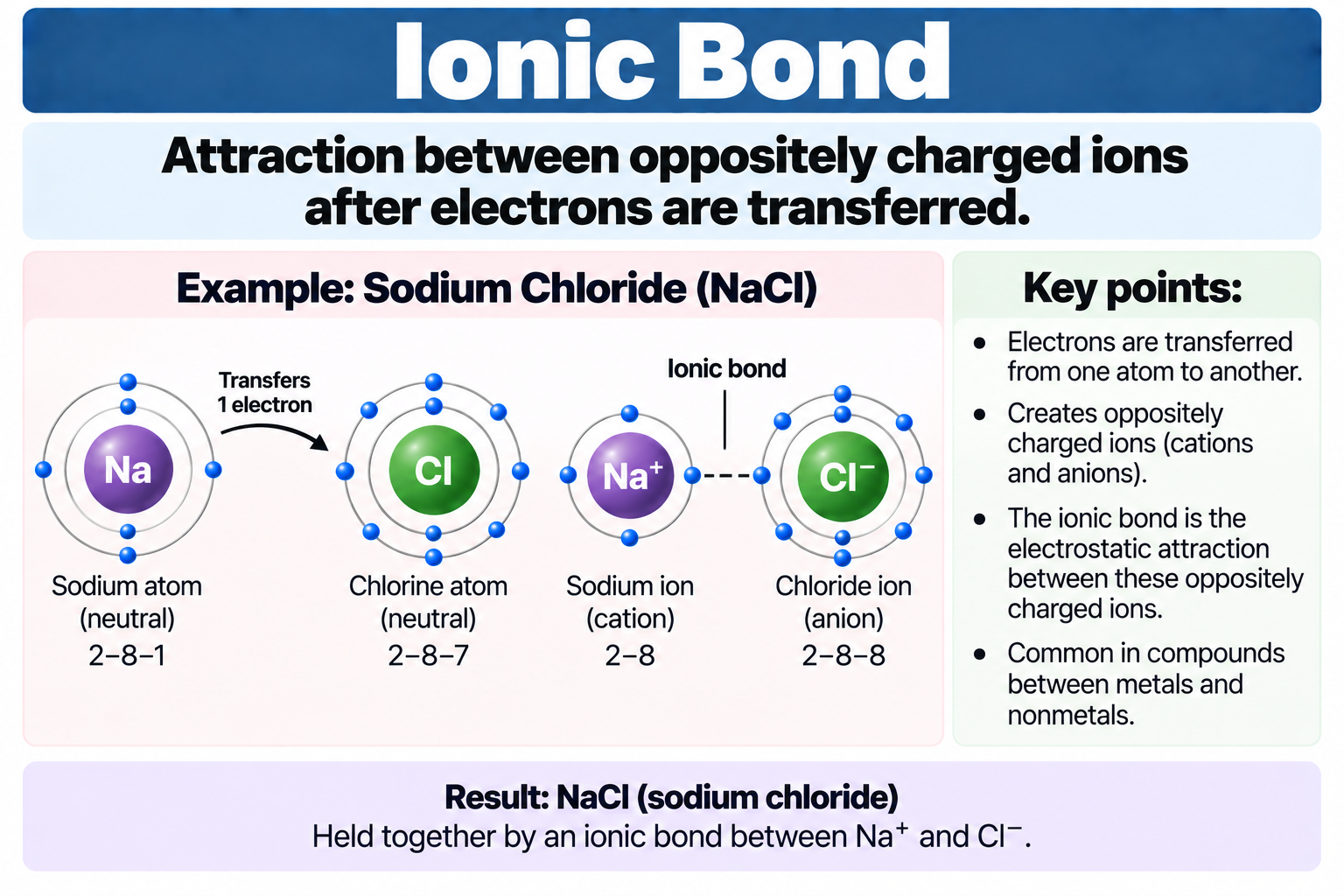
Ionic bond:
Attraction between oppositely charged ions after electrons are transferred
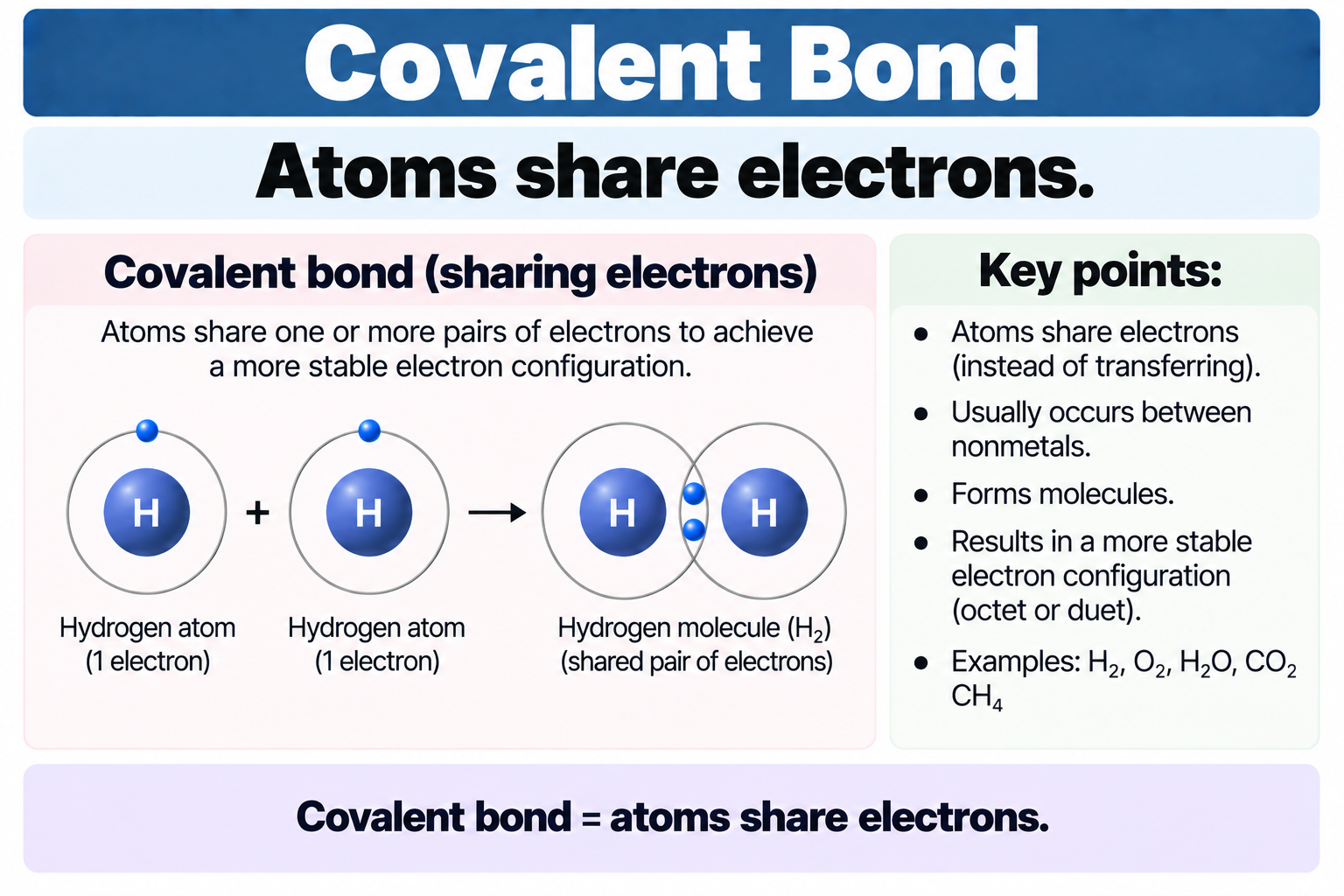
Covalent bond:
Atoms share electrons
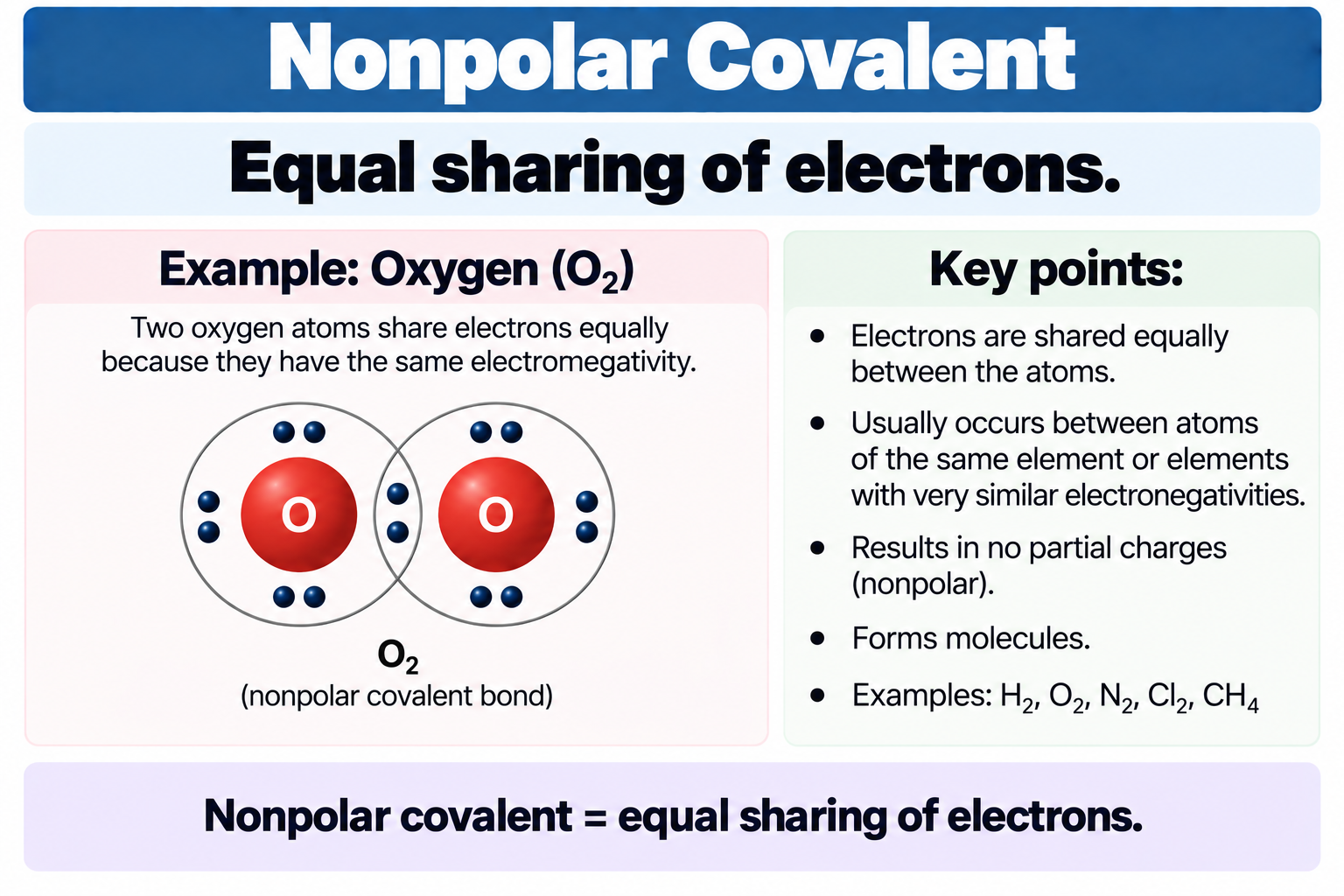
Nonpolar covalent:
Equal sharing of electrons
Polar covalent:
Unequal sharing of electrons

Hydrogen bond:
Weak attraction involving a slightly positive H and another negatively charged atom

Example of hydrogen bonding
Attraction between water molecules

Electrolytes:
Charged particles/ions in solution

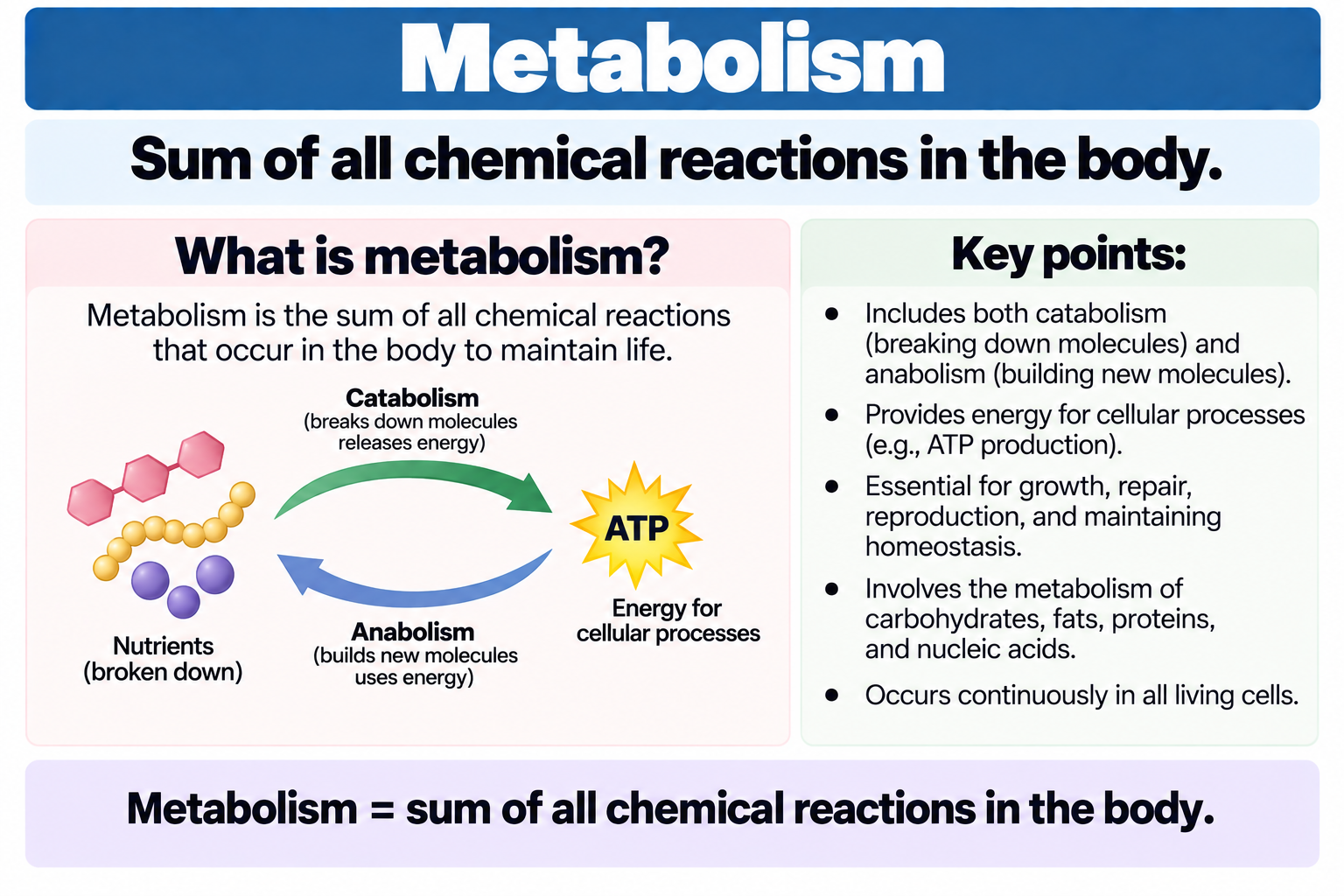
Metabolism:
Sum of all chemical reactions in the body
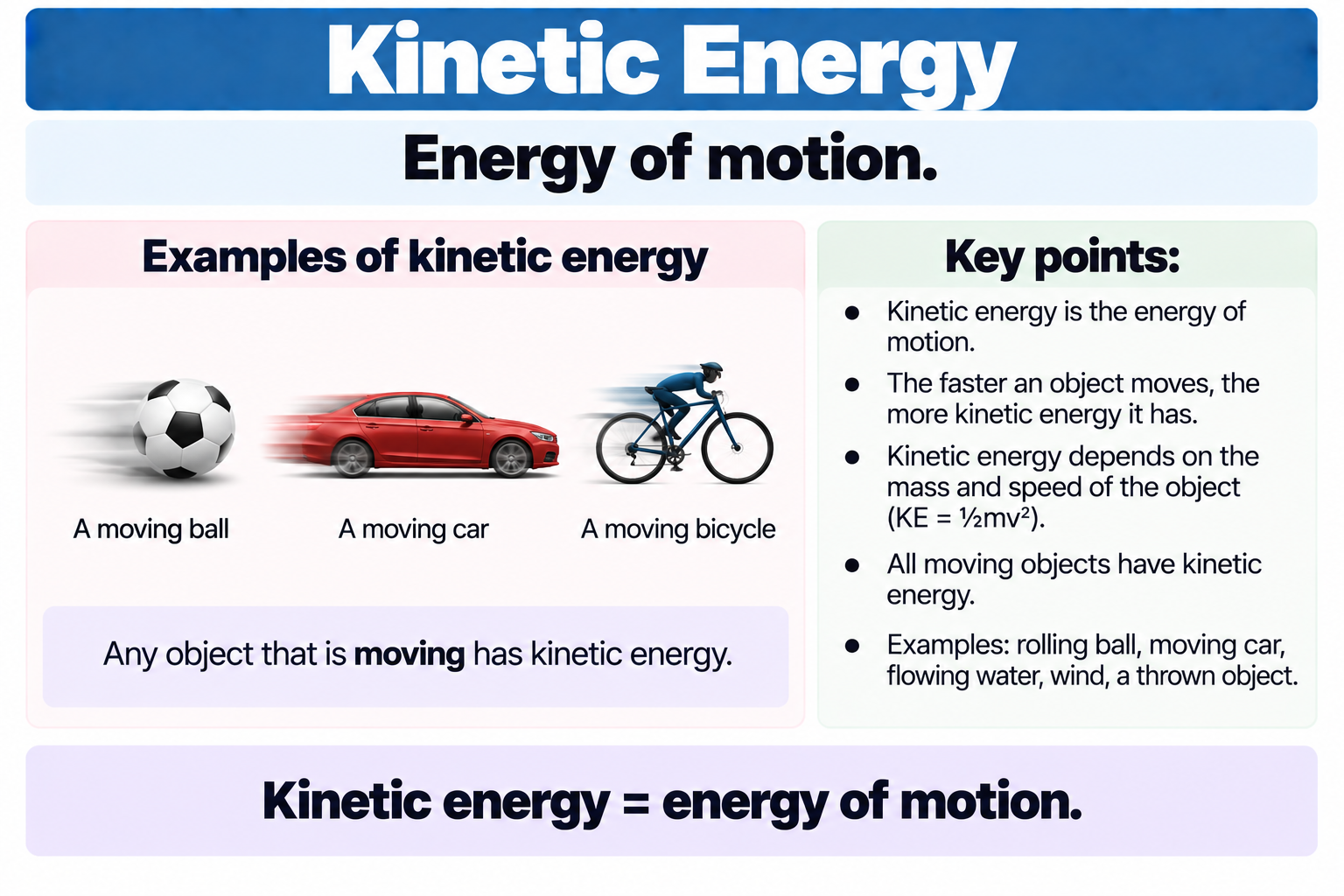
Kinetic energy is …
Energy of motion
Potential energy is…
Stored energy

Chemical energy:
Potential energy stored in chemical bonds

Reactant:
Substance present at beginning of reaction

Product:
Substance formed by a reaction

Synthesis reaction:
Smaller substances combine → larger product

Decomposition reaction:
Larger substance breaks → smaller products

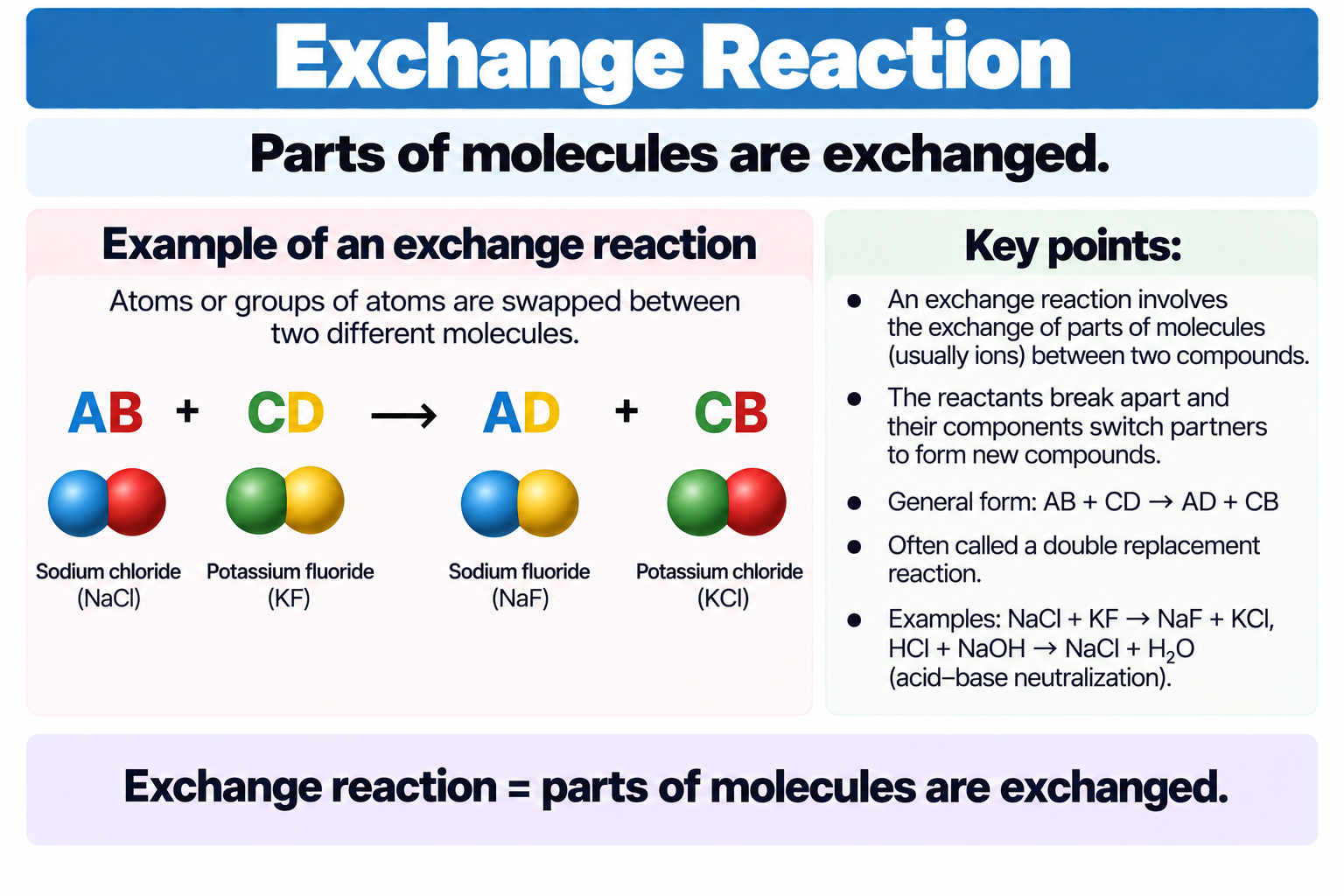
Exchange reaction:
Parts of molecules are exchanged
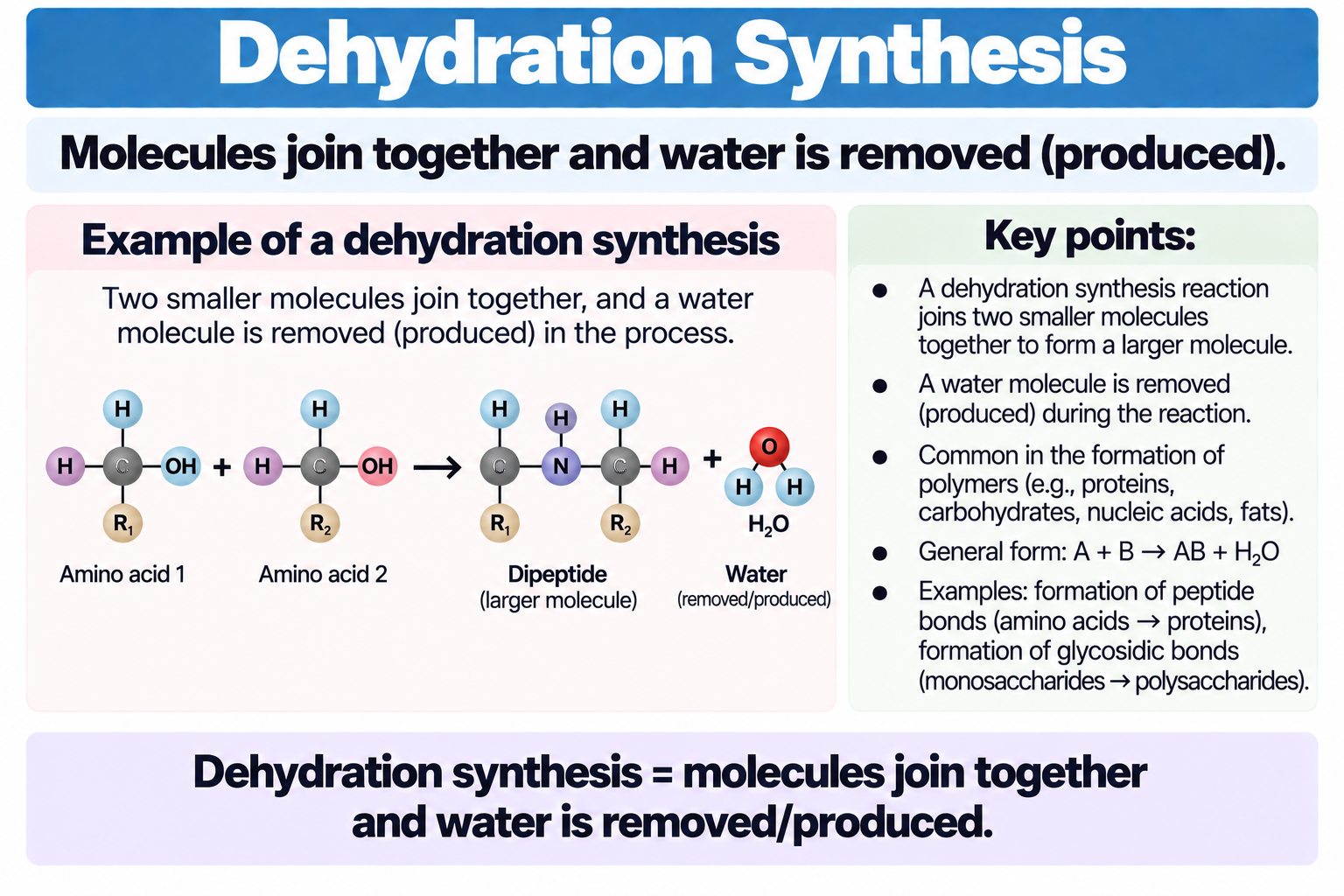
Dehydration synthesis:
Molecules join together and water is removed/produced
Hydrolysis:
Water is added to break a molecule apart

Building block of carbohydrates?
Monosaccharides

Components of triglycerides:
Glycerol + fatty acids

Building blocks of proteins?
Amino acids

Building blocks of nucleic acids are…
Nucleotides

Inorganic compound:
Generally lacks carbon-hydrogen bonds; examples include water and salts

Organic compound:
Generally contains carbon and hydrogen

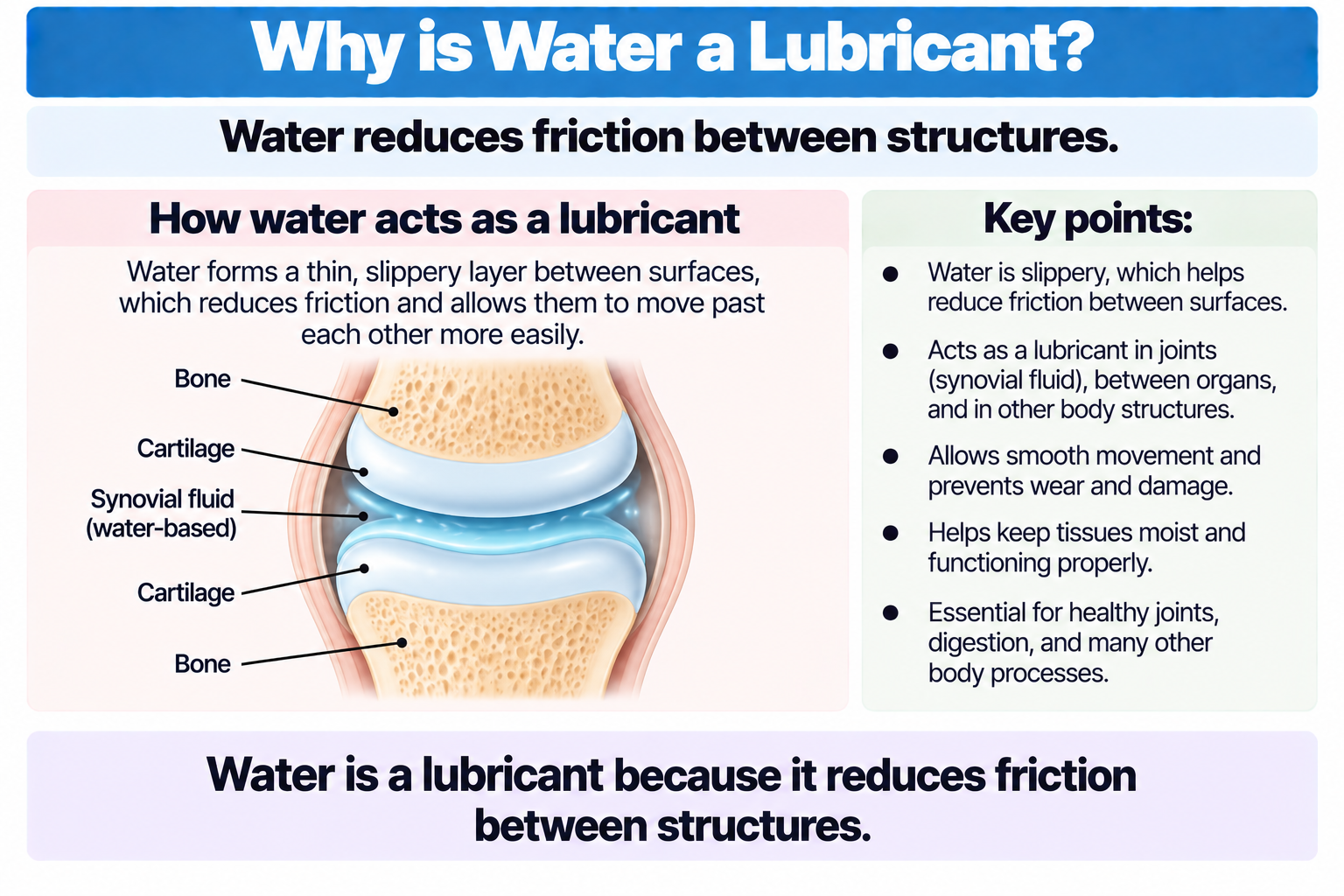
Why is water a lubricant?
Reduces friction between structures
Water as a heat sink:
Absorbs/releases heat and helps stabilize temperature

Water as universal solvent…
Dissolves many substances

Water in chemical reactions…
Participates in reactions such as hydrolysis

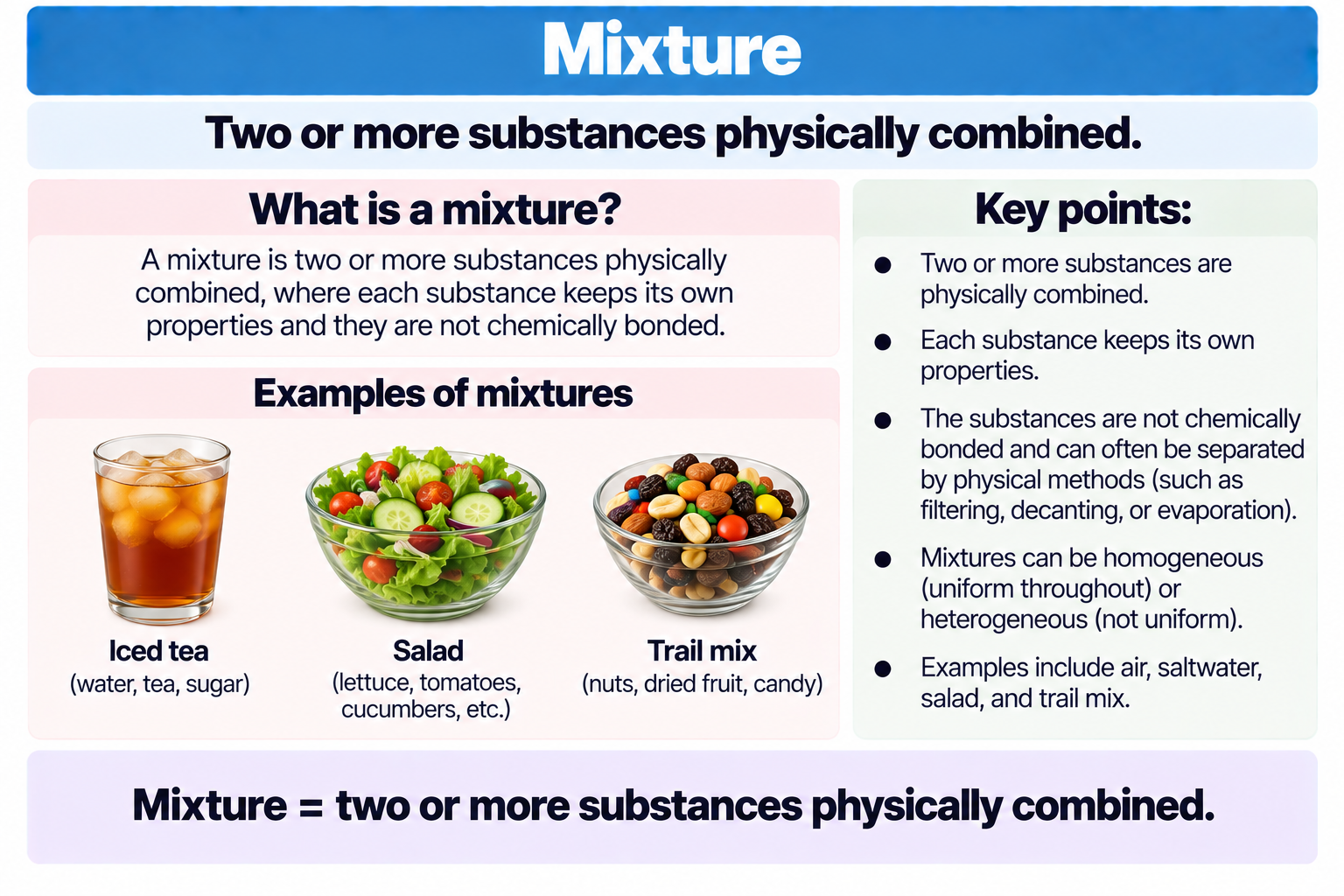
Mixture:
Two or more substances physically combined
Solution:
Homogeneous mixture

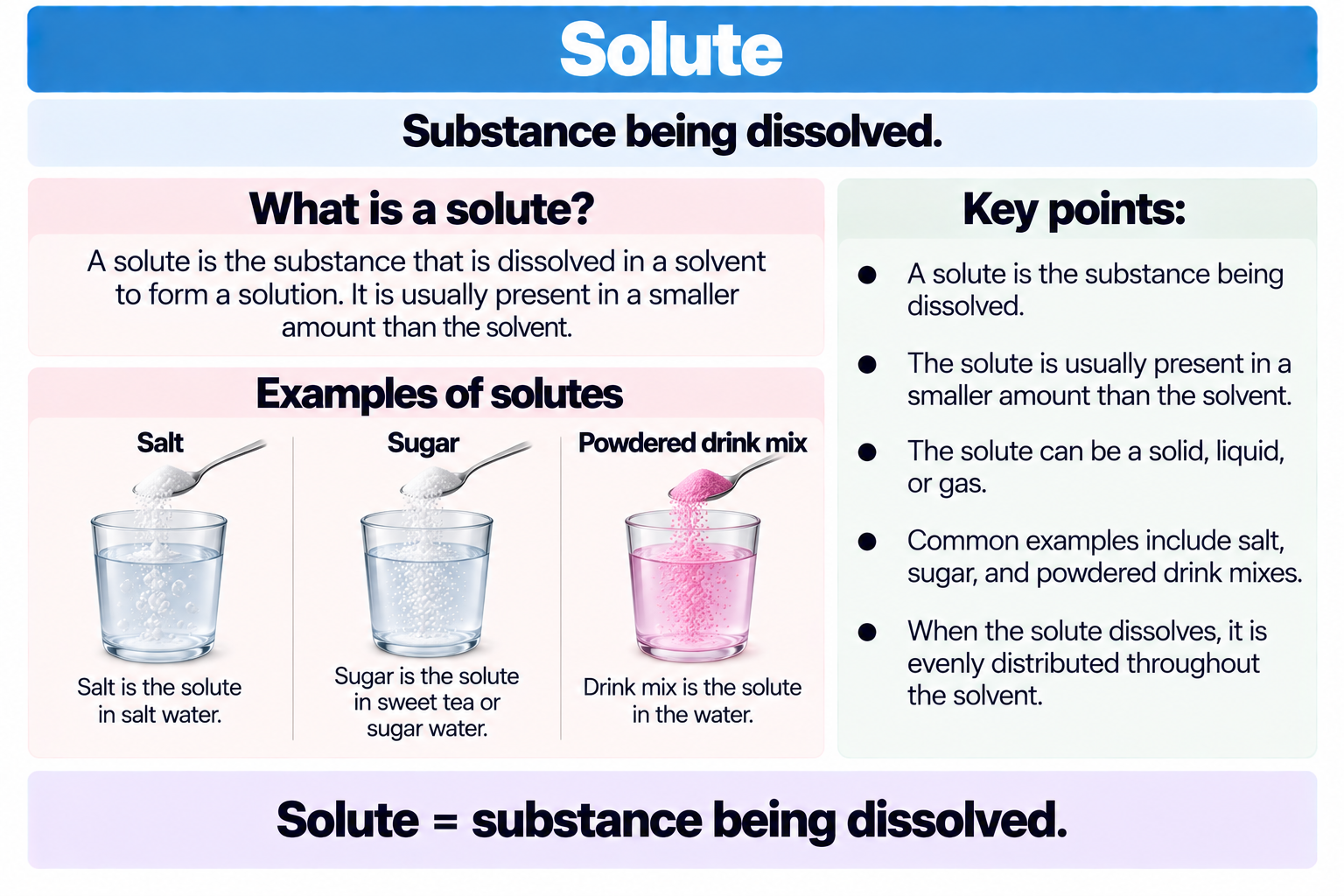
Solute:
Substance being dissolved
Solvent:
Substance doing the dissolving
