Health assessment and infection prevention/control
 Call Kai
 Learn
Learn Practice Test
 Spaced Repetition
 Match
Match Flashcards
 Knowt Play
1/58

There's no tags or description
Looks like no tags are added yet.
Name | Mastery | Learn | Test | Matching | Spaced | Call with Kai | Chat |
|---|
No analytics yet
Send a link to your students to track their progress
59 Terms
assessment
information, data, and facts about a patient, family or community that are used to identify patterns and health problems of your patient
subjective data
symptoms or feelings
things a person tells you about that you cannot observe through your senses;
objective data
direct measurements or findings resulting from observation of a patients behavior and clinical signs. This includes what you see, hear, and touch
nursing health history
Data collected about a patient's present level of wellness, changes in life patterns, sociocultural role, and mental and emotional reactions to illness.
supine
lying on the back
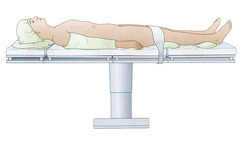
dorsal recumbent
lying on the back with knees up and feet flat on the table, best for abdominal assessment

lithotomy position
lying on back with legs raised and feet in stirrups

prone
lying face down
lateral recumbent
lying on the side. aids in detecting murmurs

inspection
deliberate observation of nonverbal expressions of emotional and mental status. Along with interacting with patients, assessing physical movements and structural components
palpitation
a physical examination method that uses the sense of touch to evaluate body tissues, organs, and overall health. touch can help you make judgements about expected and unexpected findings
percussion
tapping fingertips on skin to cause vibration in underlying tissues and organs which help determine density of tissue and identify organs or masses
Auscultation
listening to sounds within the body and observing any abnormalities
symmetry
compare both sides of body for symmetry, some degree of asymmetry is normal
general survey
physical appearance, body structure, mobility, behavior, emotional state
asepsis
Absence of disease-causing microorganisms.
Aerobic
bacteria that rely on oxygen to survive and multiply, causing disease
Anaerobic
bacteria that dont need oxygen and thrive, causing infection deep within plural cavity or joints
colonization
growth of microorganisms within a host but without tissue damage
disinfection
A process that eliminates many or all microorganisms, with the exception of bacteria spores, from inanimate objects
Health care-associated infections (HAIs)
An infection that is acquired in a hospital setting, formerly known as a nosocomial infection
personal protective equipment
Specialized clothing or equipment, worn by an employee for protection against infectious materials (as defined by OSHA).
Standard Precautions
A strict form of infection control that is based on the assumption that all blood and other body fluids are infectious.
"The 4 C's" interview
courtesy, comfort, connection, confirmation
why is confidentiality important when obtaining health history
It builds trust between patient and provider while also creating a private space for patient to explain what health changes are occuring
PQRST assessment
P - provokes (How did pain come about? What makes it better or worse?)
Q - quality of pain (dull, stabbing)
R - radiation/location (can you point to it? does anything else hurt?)
S - Severity (scale 0-10)
T - timing (when does it hurt, how long, do symptoms linger?)
components of nursing health history
biographical information, reason for seeking health care(patient's statement is not diagnostic, it is perception), patient expectations, present illness or health concerns, health history, family history, psychosocial history(stress coping, parent's support system), spiritual health, review of systems(subject data)
biographical information
Factual demographic data about the patient
-patient age, gender, address, insurance, occupation, working status, marital status
Chief concern or reason for seeking health care
the patients own words on why they are seeking healthcare which offers a place to focus and explore patients concern
Present illness/health concerns
- Collect essential & relevant data about a patients illness or sickness
- P / Q / R / S / T
past health history
a holistic view of a patients past healthcare experiences and current health habits, gather information, history, allergies, and lifestyle patterns
family history
information about immediate family and blood relatives. determine if patient is at risk for illnesses of genetic nature and identify areas of health promotion
Psychosocial History
information about a patients support system and weather a patient has experienced recent loss. This includes how they cope with grief
Spiritual Health
ask about a patients beliefs along with any rituals or practices that may impact their care while in a healthcare setting
review of systems
a collection of subjective information from patients about any health related issues in their body. During this assessment you will understand normal body functioning for the patient and understand any changes
Observation of Patient Behavior
Look for a patient's verbal and nonverbal behaviors to add depth to data and make better clinical judgements about a patients condition
areas of general appearance and behavior
gender and race, age, signs of distress, body type, posture, gait, body movements, hygiene and grooming, dress, body odor, affect and mood, speech, sign of patient abuse, substance abuse
during health history, the nurse realizes that the nurse and patient dont share a common language. Her son is present and offers to translate. What is the most appropriate actions to take and explain why
Politely decline, get translator because family members may include their own opinions reducing the accuracy of translated information from patient
What is chain of infection
infectious agent, reservoir, portal of exit, mode of transmission, portal of entry, susceptible host
When should soap and water be used instead of hand sanitizer
soap and water should be used if hands are visibly soiled or exposed to spore forming organisms (C.Diff)
how long should you wash your hands with soap and water to effectively remove germs
hand washing should be completed for 20 secs to effectively remove germs
six situations in which healthcare workers should perform hand hygiene
1. Before, after, between patient contact
2. Before putting on sterile gloves
3. After contact with body fluids or excretions
4. Hands are visibly dirty
5. After contact with surfaces/objects in patients room
6. After removing gloves
What areas of the hand are commonly missed during hand washing
fingertips, thumbs, wrists, and the area inbetween fingers
standard precautions
CDC precautions used in the care of all patients regardless of their diagnosis or possible infection status; this category combines universal and body substance precautions
what do you use for standard precautions
-depends on task being preformed
mainly gloves
-can be gown, gloves, or mask
what type of patient or disease do you use with standard precautions
all patients in all settings regardless of assumed infection status
are there any barriers or protection conditions for standard precautions
depends on task being preformed
What do you use for airborne precautions
N95 mask for TB
mask or respiratory protection device
What type of patient or disease do you use airborne precautions with
measels, chicken pox, disseminated herpes zoster, rubeola
are there any barriers or protection conditions for airborne precautions
negative airflow
what do you use for droplet precautions
surgical mask and hand hygiene
what type of patient or disease do you use with droplet precautions
influenza, group a streptococcus diptheria, pneumonic plague, rubella, mumps
are there any barriers or protection conditions for droplet precautions
private room
what do you use for contact precautions
gown and gloves
what type of patient or disease do you use with contact precautions
colonization or infection with multidrug-resistant organisms (VRE and MRSA) clostridium difficule, scabies
are there any barriers or protection conditions for contact precautions
private room
what do you use for protective environment
mask, gown, gloves
what type of patient or disease do you use with protective environment
allogenic hematopoietic stem cell transplants
are there any barriers or protection conditions for protective enviornment
positive airflow with greater than or equal to air exchanges, HEPA, filtration for incoming air