09 - C - Hawthorns (031)
 Call Kai
 Learn
Learn Practice Test
 Spaced Repetition
 Match
Match Flashcards
 Knowt Play
1/67

There's no tags or description
Looks like no tags are added yet.
Name | Mastery | Learn | Test | Matching | Spaced | Call with Kai | Chat |
|---|
No analytics yet
Send a link to your students to track their progress
68 Terms
entraîner
to fatigue, tire out
s’engénier
to exhaust oneself or overwork
leur mousse embaumée
their fragrant froth/foam
des myosotis
forget-nots
des pervenches
periwinkles
l’aubépine
The reference to hawthorns in Bible d’Amien is already a proto-Proustian idea. In his preface, MP is already working out how a flower can function as a complex sign – aesthetic, emotional, quasi-religious – at once. His preface functions as a kind of “laboratory” for the R. The hawthorns of the Vierge Dorée, a symbolic reading of nature, migrate from the Ruskin’s text to Prous't’s R.
le hasard
cosmic impersonal contingency, apart from desire and intentions. Can serve as the trigger for involuntary memory or encounters with signs (the madeleine, the uneven paving stones, the hawthorns themselves in certain readings).
l’aubépine blanche
“Mary’s thorn” or associated with the crown of thorns; hawthorn = crataegus fr κρατος, meaning thorn. At Amiens Cathedral, this symbolism is made visible in the famous Vierge dorée. Proust quotes Ruskin describing how the porch is “covered with hawthorns.” Hawthorns becomes a kind of living frame of la madone,’ welcoming, and full of grace. (Bible d’Amiens, 24, 98)
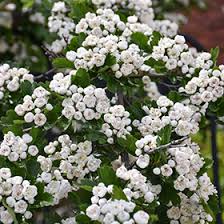
un linteau d’aubépines
lintel (horizonal beam spanning a doorway, fireplace) of hawthorns (Bibles d’Amiens, 34)
il n’entraînait pas trop
it did not tire/exert one too much (031)
l’effluve
the scent or fragrance emanating from sth
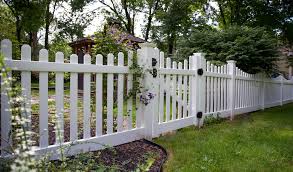
la barrière blanche
the white fence (031, JG 136)
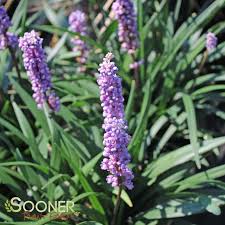
les panaches
feathery tuft tuft of flowers; like elegant headdresses.
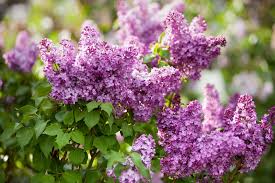
les lilas: « Leurs panaches de plumes mauves ou blanches »
their feathery tufts of mauve and white plumes
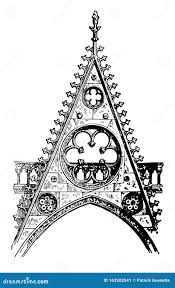
son pignon gothique
its Gothic gable
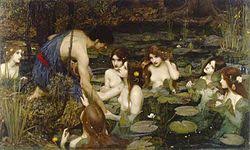
les Nymphes du printemps
Typical mythological figures — graceful, sensual nymphs associated with spring, nature, and fertility (which would have appeared vulgar in comparison with the lilacs)
les ton vits et purs des miniatures de la Perse
the sharp and un

la clôture
the boundary hedge, wall or fence of the estate
au pied de l'allée qui dominait l'étang artificiel
at the foot of the walking path overlooking the artificial pond
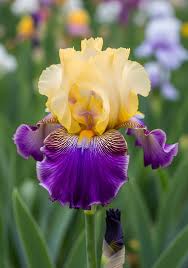
les fleurs de lis en lambeaux
the tattered iris flowers
la chance
Implying the subjective, desiring dimension of possibility or opportunity, what is at stake for the subject — hope, anxiety, social or erotic investment.
la chance terrible
the terrifying possibility (of a direct, reciprocal encounter: seeing her appear, being recognized by Gilberte). The adjective terrible registers the intense ambivalence — overwhelming desire mixed with dread.
un agrément passage
a passing pleasure
un calcul
a scheme, plan
déjouer
to thwart
j'aurais voulu que leurs calculs fussent déjoués
I wished their plans had been thwarted
un couffin
a wicker fishing basket
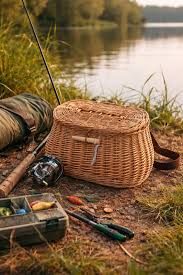
quand tout d'un coup, j'aperçus sur l'herbe, comme un signe de sa présence possible, un couffin oublié à côté d'une ligne dont le bouchon flottait sur l'eau
when I suddenly noticed on the grass, as if a sign of her possible presence, a forgotten basket beside a fishing line whose bobber was floating on the water,
la solitude environnante
surrounding sollitude
prévenir Mlle Swann que le poisson mordait
to advise Miss Swann that the fish were biting
le petit chemin qui monte vers les champs
the small path that leads up to the fields

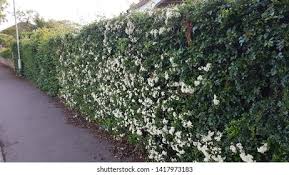
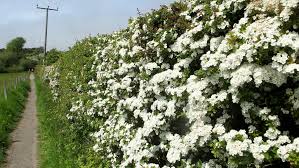
« Je le trouvai tout bourdonnant de l'odeur des aubépines. »
I found it all buzzing with the scent of the hawthorns. Synesthesia: Proust constantly blends senses. The heavy, heady fragrance of hawthorns feels vibrating, alive, and overwhelming — almost audible. The word makes the invisible scent palpable and dynamic, as if the air itself is trembling and humming with perfume.
une jonchée
a think cluster
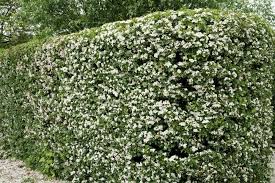
« La haie formait comme une suite de chapelles qui disparaissaient sous la jonchée de leurs fleurs amoncelées en reposoir ; »
“The hedge (of hawthorns) formed as it were a series of chapels, which disappeared under the strewn mass of their flower, heaped up like a side-altar” An architectural metaphor: each section of flowering bush looks like a little chapel or shrine. The blossoms are so abundant they almost hide the structure of the hedge. The hawthorn flowers are piled like offerings on a sacred altar.
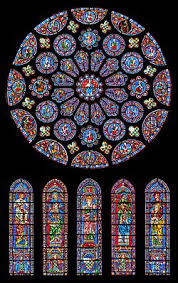
une verrière
a stained-glass window (un vitrail)
un quadrillage de clarté, comme s'il venait de traverser une verrière ;
a bright lattice-work, as if it had passed through a stained-glass window
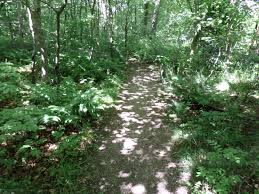
au-dessous d'elles, le soleil posait à terre un quadrillage de clarté, comme s'il venait de traverser une verrière ;
“below them, the sun cast a pattern of dappled light on the ground, as if it had just passed through a stained-glass window”; Gothic cathedral in miniature. quintessential Proust turns a natural, humble thing into something religious, artistic, and transcendent. The hawthorns become a living cathedral, blending nature, Catholic ritual, and medieval art in one ecstatic vision.
onctueux
rich, oily (evoking holy oils and anointing before a statue of the Virgin)
les nervures
the ribs of the staments of a flower, stone ribs of flamboyant Gothic windows
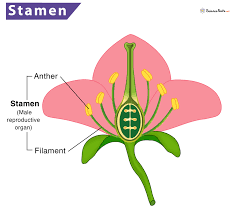
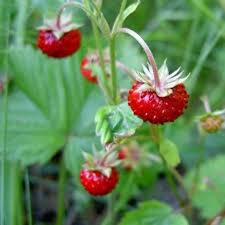
le fraisier
wild strawberry plant, associated with lushness and natural beauty, symbolizing sweetness and fertility
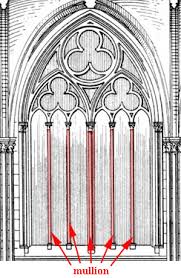
les meneaux
mullions (narrow vertical bars that divide Gothic windows into smaller panes)
la rampe du jubé
the balustrade of the rood screen
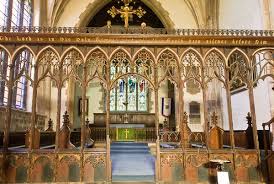
« leur parfum s'étendait aussi onctueux, aussi délimité en sa forme que si j'eusse été devant l'autel de la Vierge, et les fleurs, aussi parées, tenaient chacune d'un air distrait son étincelant bouquet d'étamines, fines et rayonnantes nervures de style flamboyant comme celles qui à l'église ajouraient la rampe du jubé ou les meneaux du vitrail et qui s'épanouissaient en blanche chair de fleur de fraisier. »
Their fragrance spread as unctuous, as clearly outlined, as if I had been standing before the altar of the Virgin, and the flowers, equally adorned, each held with an air of absentmindedness its sparkling bouquet of stamens, fine and radiant veins in a flamboyant style like those that, in the church, pierced the rood screen or the mullions of the stained-glass window and that blossomed into the white flesh of strawberry flowers.” Proust fuses together religious devotion, Gothic architecture and sensual, almost erotic, sense of nature. The hawthorns are simultaneously a cathedral, a Virgin’s altar, and a living, breathing, flesh-like organism.
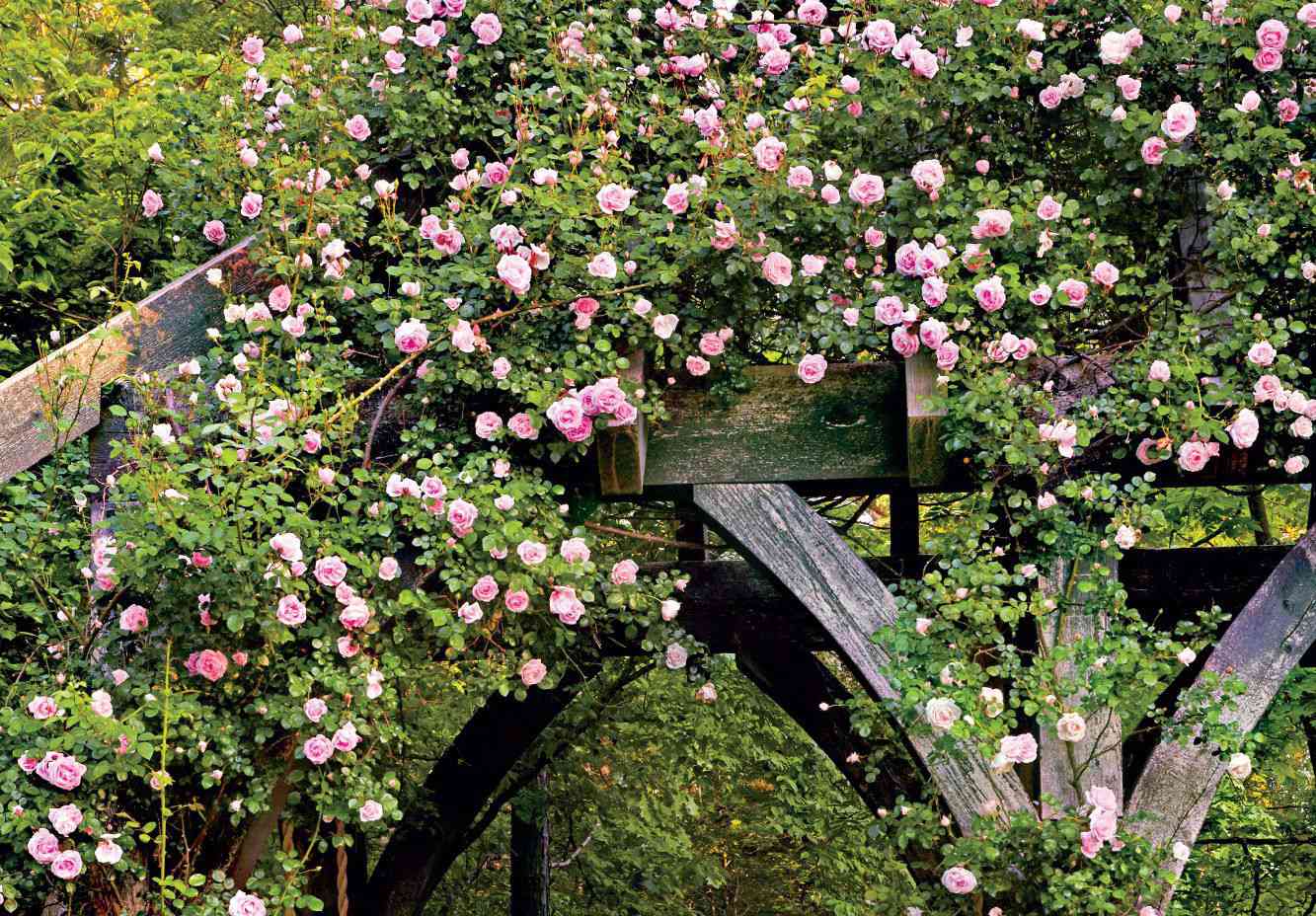
les églantines
wild rambling roses that grow along hedges.
les paysannes
country girls
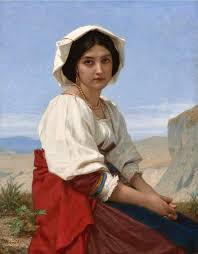
« monteraient elles aussi en plein soleil le même chemin rustique »
“they too would climb the same rustic path in the full sun.”
« en la soie unie de leur corsage rougissant »
in the plain silk of their blushing bodices: a beautiful personification: the wild rose is imagined as a young peasant girl wearing a plain, smooth silk bodice (“corsage unie”) that is blushing (pink).
« qu’un souffle défait »
“which a (single) breath undoes” — a phrase capturing the fleeting nature of beauty and life.
« Combien naïves et paysannes en comparaison sembleraient les églantines qui, dans quelques semaines, monteraient elles aussi en plein soleil le même chemin rustique, en la soie unie de leur corsage rougissant qu'un souffle défait. »
“How naive and rustic, in comparison, would seem the wild roses that, in a few weeks, would also climb the same rustic path in full sunlight, their smooth, silken bodices reddening as if undone by a breath of wind.” By comparison, the hawthors will make the wild roses seem simple, innocent, and rustic. The hawthorns bloom first, then the wild roses a few weeks later) and Proust’s constant blending of botanical observation with erotic and social metaphors (clothing, blushing, breath as a caress).
« Mais j'avais beau rester devant les aubépines à respirer, à porter devant ma pensée qui ne savait ce qu'elle devait en faire, à perdre, à retrouver leur invisible et fixe odeur, à m'unir au rythme qui jetait leurs fleurs… »
“But it was in vain that I lingered before the hawthorns, to breathe in, holding them before my mind, which didn't know what to do with them, losing and regaining their invisible and fixed scent, uniting myself to the rhythm that scattered their flowers”; M walks with his family near Tansonville where he encounters a flowering hawthorn hedge. He becomes entranced by its beauty, scent, and religious/artistic associations (likened to chapels, altars, the Virgin Mary, and flamboyant Gothic style), and then sees a rarer pink hawthorn. This scene intertwines with his first glimpse of Gilberte Swann.
« …ici et là, avec une allégresse juvénile et à des intervalles inattendus comme certains intervalles musicaux, elles m'offraient indéfiniment le même charme avec une profusion inépuisable, mais sans me le laisser approfondir davantage, comme ces mélodies qu'on rejoue cent fois de suite sans descendre plus avant dans leur secret. »
…here and there with youthful exuberance and at unexpected intervals like certain musical interludes, they offered me the same charm endlessly with inexhaustible profusion, but without letting me delve into it further, like those melodies that are played a hundred times in a row without ever descending deeper into their secret.
le talus
an embankment or slope, often covered with vegetation, that supports a path or road.
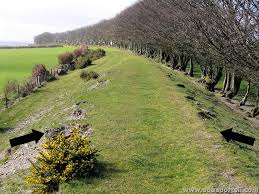
« l'immense étendue où déferlent les blés »
the vast expanse where the wheat rolls in waves.
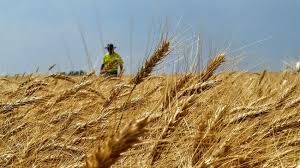
« où moutonnent les nuages »
where the clouds billow

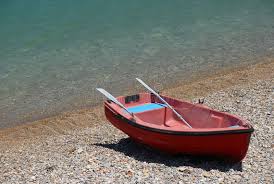
« le première barque échouée »
the first beached rowboat
« Puis je revenais devant les aubépines comme devant ces chefs-d'oeuvre dont on croit qu'on saura mieux les voir quand on a cessé un moment de les regarder »
Then I would return to the hawthorns as to those masterpieces which one believes one will see better when one has stopped looking at them for a moment,
mais j’avais beau me faire un écran de mes mains
“but no matter how much I made a screen with my hands…” A very touching, childlike gesture: he cups his hands around his eyes to block out everything else and see only the hawthorns.
« le sentiment qu’elles éveillaient en moi restait obscur et vague… »
“the feeling they awakened in me remained obscure and vague, seeking in vain to detach itself, to adhere to their flowers.” Despite this intense concentration) the feeling they awaken in him remains obscure and vague.
« cherchant en vain à se dégager, à venir adhérer à leurs fleurs »
“seeking in vain to detach itself, to to come and adhere/cling to their flowers.” The emotion is trying in vain to free itself (“se dégager”) and to attach itself (“adhérer”) to the visible flowers. There’s a powerful feeling, but it floats between him and the hawthorns — it cannot fully connect with their physical beauty.
« Elles ne m’aidaient pas à l’éclaircir, et je ne pouvais demander à d’autres fleurs de le satisfaire »
“They did not help me to clarify it, and I could not ask other flowers to satisfy it.” The hawthorns themselves offer no explanation. And the narrator cannot turn to any other flowers to fulfill or satisfy this mysterious longing. The narrator experiences an overwhelming, almost mystical emotion in front of the hawthorns, but he cannot grasp what that emotion really is. The beauty is intense, yet it remains just out of reach — a perfect early example of the Proustian theme of the gap between sensation and understanding. This passage marks one of the first major aesthetic revelations** in the novel: beauty that is deeply moving but still incomprehensible to the young Marcel. It will take the entire Recherche (and involuntary memory, art, and time) for such feelings to finally become clear.
une parure de fête
a festive outfit

un jour quelconque
a day like any other
un caprice contingent
a fleeting whim
une toilette pour une grande fête
an outfit for a grand celebration
rien à leur gourmandise
nothing to their appetite
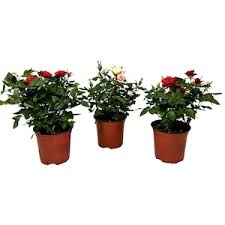
ces petits rosiers aux pots
these small rose bushes in pots
Intercalé dans la haie
interspersed in the hedge
en souriant dans sa fraîche toilette rose
smiling in her fresh pink attire/outfit