AP Chemistry Summer Work Test
 Call Kai
 Learn
Learn Practice Test
 Spaced Repetition
 Match
Match Flashcards
 Knowt Play
1/67

There's no tags or description
Looks like no tags are added yet.
Name | Mastery | Learn | Test | Matching | Spaced | Call with Kai | Chat |
|---|
No analytics yet
Send a link to your students to track their progress
68 Terms
What are significant figures?
Significant figures are the reported digits in a number that contribute to its precision, including all non-zero digits, any zeros between significant digits, and trailing zeros beyond the decimal. Placeholder zeroes are not significant.
Rounding rules for adding and subtracting
The answer must have the same number of decimal places as the measurement with the fewest decimal places
Rounding rules for multiplication and division
When multiplying or dividing measurements, the answer must have the same number of sig figs as the measurement with the fewest number of sig figs
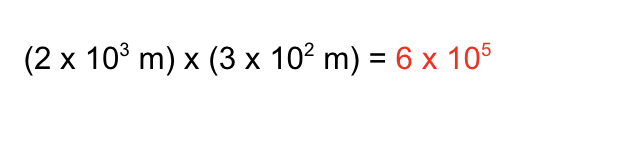
Multiplication in Scientific Notation
For multiplication, multiply the coefficients and add the exponents.
Division in Scientific Notation
For division, divide the coefficients and subtract the exponents.

SI unit for length
Meter (m)
SI unit for time
Second (s)
SI Unit for Mass
Kilogram (kg)
SI Unit for Temperature
Kelvin (K)
SI Unit for electric current
Ampere (A)
SI Unit for amount of substance
Mole (mol)
SI Unit for luminous intensity
Candela (cd)
How are prefixes used to describe base units?
Prefixes are used to denote multiples or fractions of base units in the SI system, allowing for easy representation of large or small quantities. They are based on factors of ten and can be converted by multiplying or dividing by factors of 10 (move decimal point right or left!)
What is kilo (k)?
The prefix Kilo- (k) represents a factor of 103, meaning it denotes one thousand of a unit in the SI system.
What is hecto- (h)?
The prefix Hecto- (h) represents a factor of 102, meaning it denotes one hundred of a unit in the SI system.
What is deka- (da)?
The prefix Deka- (da) represents a factor of 101, meaning it denotes ten of a unit in the SI system.
What is deci- (d)?
The prefix Deci- (d) represents a factor of 10−1, meaning it denotes one-tenth of a unit in the SI system.
What is centi- (c)?
The prefix Centi- (c) represents a factor of 10−2, meaning it denotes one-hundredth of a unit in the SI system.
What is milli (m)?
The prefix Milli- (m) represents a factor of 10−3, meaning it denotes one-thousandth of a unit in the SI system.
What is micro (µ)?
The prefix Micro- (µ) represents a factor of 10−6, meaning it denotes one-millionth of a unit in the SI system.
What is nano (n)?
The prefix Nano- (n) represents a factor of 10−9, meaning it denotes one-billionth of a unit in the SI system.
What are derived units and examples?
Derived units are units formed by combining SI units. Examples include the amu for molar mass (g/mol), the L (dm³) for volume, and the g/mL for density.
What does accuracy refer to?
Accuracy refers to how close a measurement is to its accepted value.
What does precision refer to?
Precision refers to how close a series of measurements are to each other.
How do you calculate percent error?

Covalent bonds
In a covalent bond, two atoms share valence electrons
A molecule is formed when two or more atoms bond covalently
Covalent bonds form between two nonmetals
Naming covalent compounds
The first element is named first, using the entire element name.
The second element is named using its root and adding the suffix -ide.
Prefixes are used to indicate the number of atoms of each element that are present in the compound.
Ionic bonds
An ionic bond is formed when one atom transfers electrons to another, resulting in the attraction between oppositely charged ions.
These bonds only form between metals and nonmetals.
Naming Ionic Compounds with 2 Elements
To name a compound that contains 2 elements:
Identify the cation and anion
Name the cation first, followed by the name of the anion with an -ide ending
What is different about transition metals in nomenclature?
The name of metals with two or more positive ions (cations) use a Roman numeral to identify ionic charge.
Polyatomic ions
Ions made up of more than one atom
Acts as an individual ion in a compound and its charge applies to the entire group of atoms
Never change the subscripts of the atoms within the polyatomic ion!
Naming Binary Acids
A binary acid contains hydrogen and one other element
The first word has the prefix hydro- to name the hydrogen part of the compound. The rest of the word consists of a form of the root of the second element plus the suffix -ic.
The second word is always acid.
Naming Oxyacids
An oxyacid contains both a hydrogen atom and an oxyanion
First, identify the oxyanion present. The first word of an oxyacid’s name consists of the root of the oxyanion (including per or hypo if it’s part of the name) and a suffix
-ate becomes -ic
-ite becomes -ous
The second word is always acid.
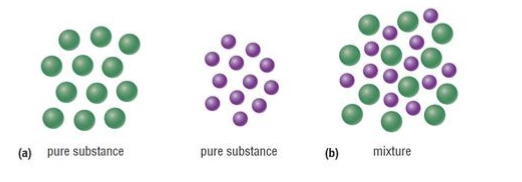
Pure substance
A material with a uniform and unchanging composition, consisting of only one type of particle. Ex: element

Mixtures
A mixture is a combination of two or more pure substances in which each substance retains its individual chemical properties
Most everyday substances occur as mixtures, and it is difficult to keep any substance pure
Heterogenous mixture
A mixture that does not blend smoothly throughout, and in which the individual substances remain distinct.
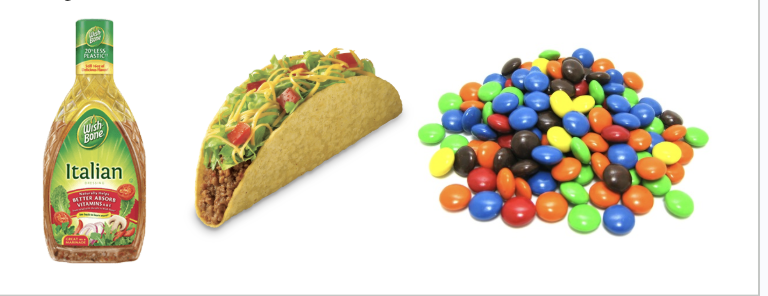
Homogeneous mixture
A homogeneous mixture is a mixture that has constant composition throughout; it always has a constant phase
Solutions
A homogeneous mixture where one substance (the solute) is dissolved in another (the solvent), resulting in a uniform composition. Can be solids liquids or gases
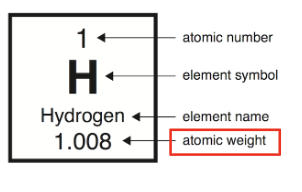
Atomic number
The atomic number is the number of protons in an element.
In a neutral atom (total charge of 0), the number of protons = the number of electrons
All elements are defined by the number of protons they have

Mass of protons
approximately 1 amu
Mass of neutron
approximately 1 amu
Mass of electron
approximately 0 amu
How to find atomic mass
The atomic mass (atomic weight) = number of protons + number of neutrons
Relative abundance of isotopes
The relative abundance of isotopes refers to the percentage of each isotope of an element compared to the total amount of all isotopes. This value is crucial for calculating average atomic mass.
Why do atoms gain/lose electrons?
To have complete valence shells of electrons.
What is a cation?
An atom that has lost an electron to become positively charged
What is an anion?
An atom that has gained an electron to become negatively charged
Where are electrons in the atom?
Electrons are found in orbitals surrounding the nucleus, occupying specific energy levels.
Where are neutrons in the atom?
Neutrons are located in the nucleus of the atom, alongside protons, and they contribute to the atomic mass.
Where are protons in the atom?
Protons are located in the nucleus of the atom, along with neutrons, and they determine the atomic number.
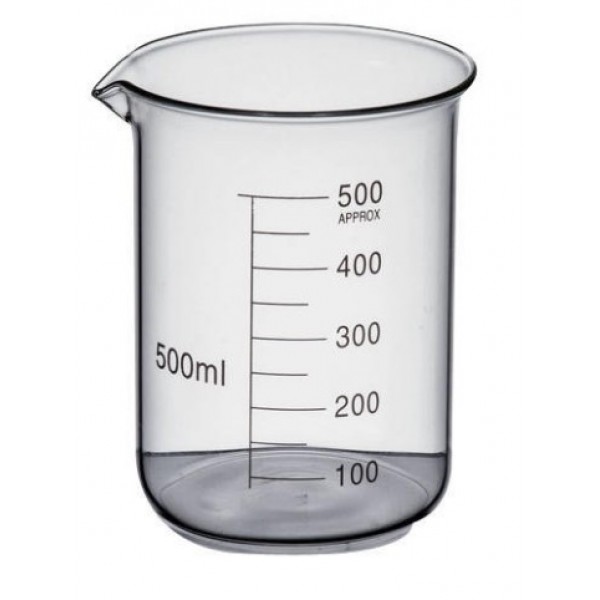
What is a beaker used for?
A beaker is a laboratory vessel used for holding, mixing, and heating liquids. It typically has a cylindrical shape and a spout for pouring.
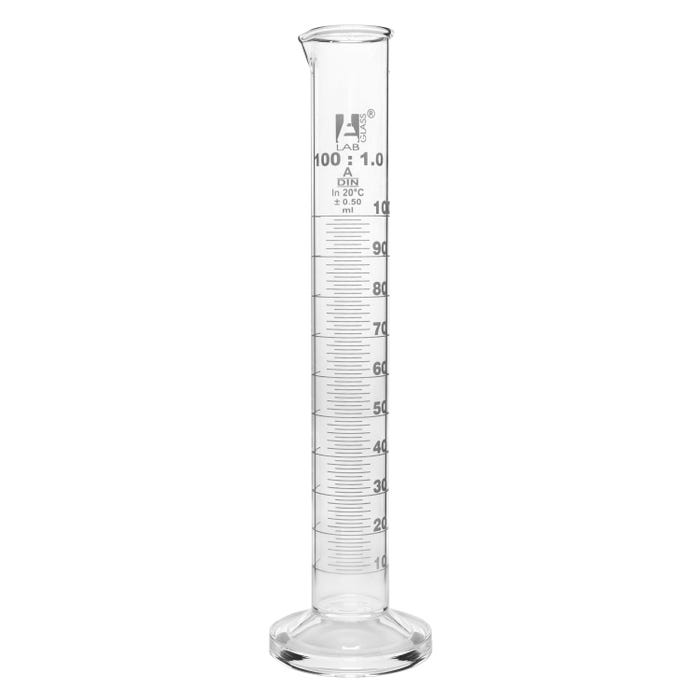
What are graduated cylinders used for?
Graduated cylinders are used for measuring the volume of liquids. They typically have markings along the side to indicate different volumes.
What is a buret used for?
A buret is a laboratory instrument used for dispensing precise volumes of liquids (e.g acids), particularly in titrations. It features a long, cylindrical tube with a stopcock at the bottom to control the flow.

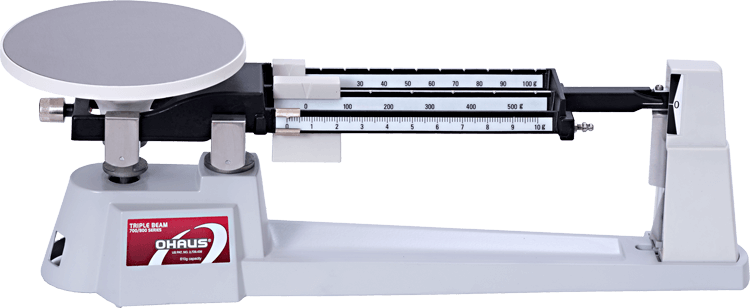
What is a balance used for?
A balance is used to measure the mass of substances accurately.
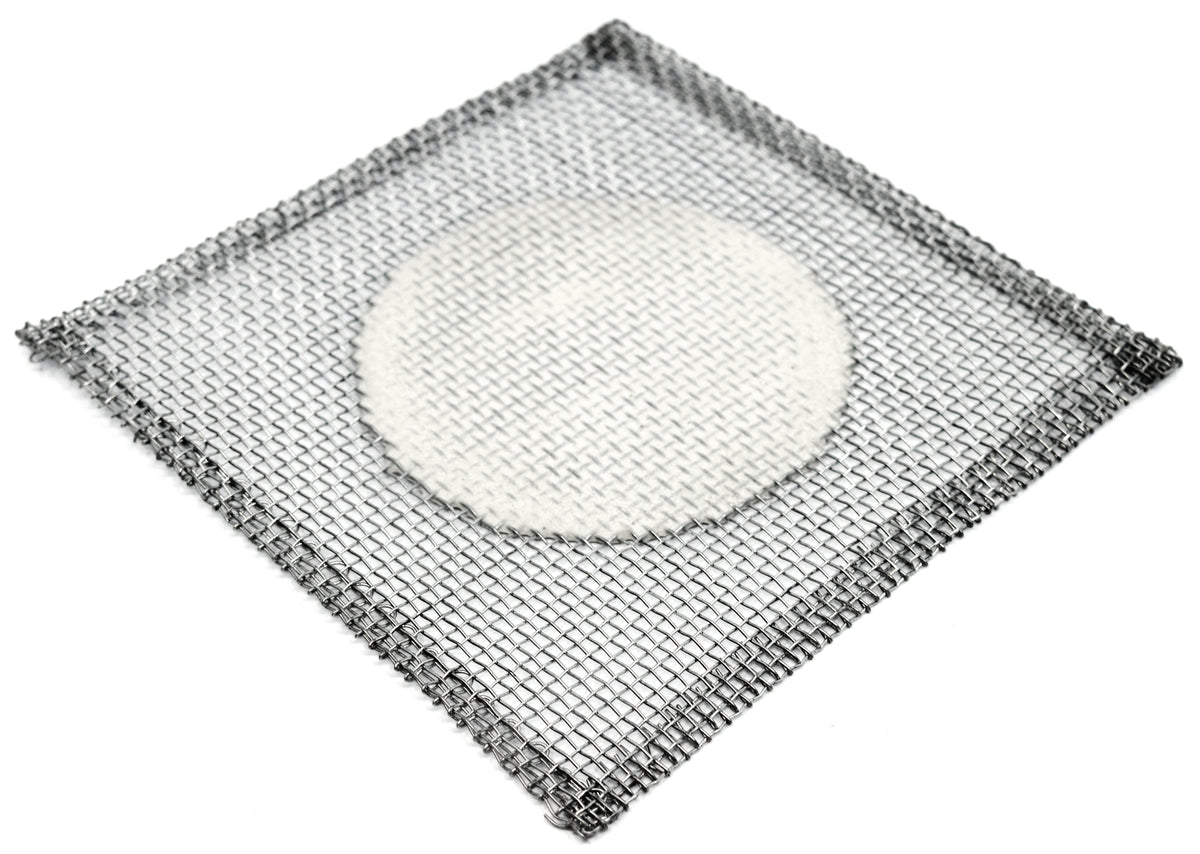
What is wire gauze used for?
Wire gauze is used to provide a stable platform for heating substances, distributing heat evenly and preventing breakage of glassware.
What is a ring stand used for?
A ring stand is used to hold glassware and keep gear steady.

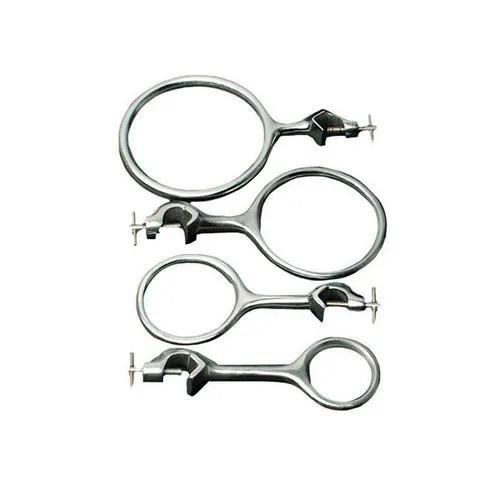
What is an iron ring used for?
It attaches to a ring stand to hold and support glassware securely above a work surface.
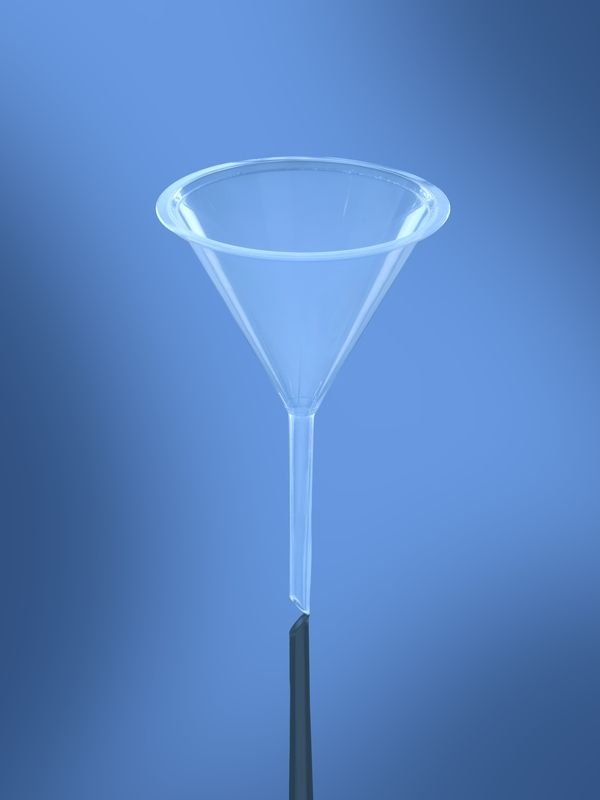
What is a funnel used for?
A funnel is used to channel liquids or powders into containers with a small opening, or to hold filter paper.
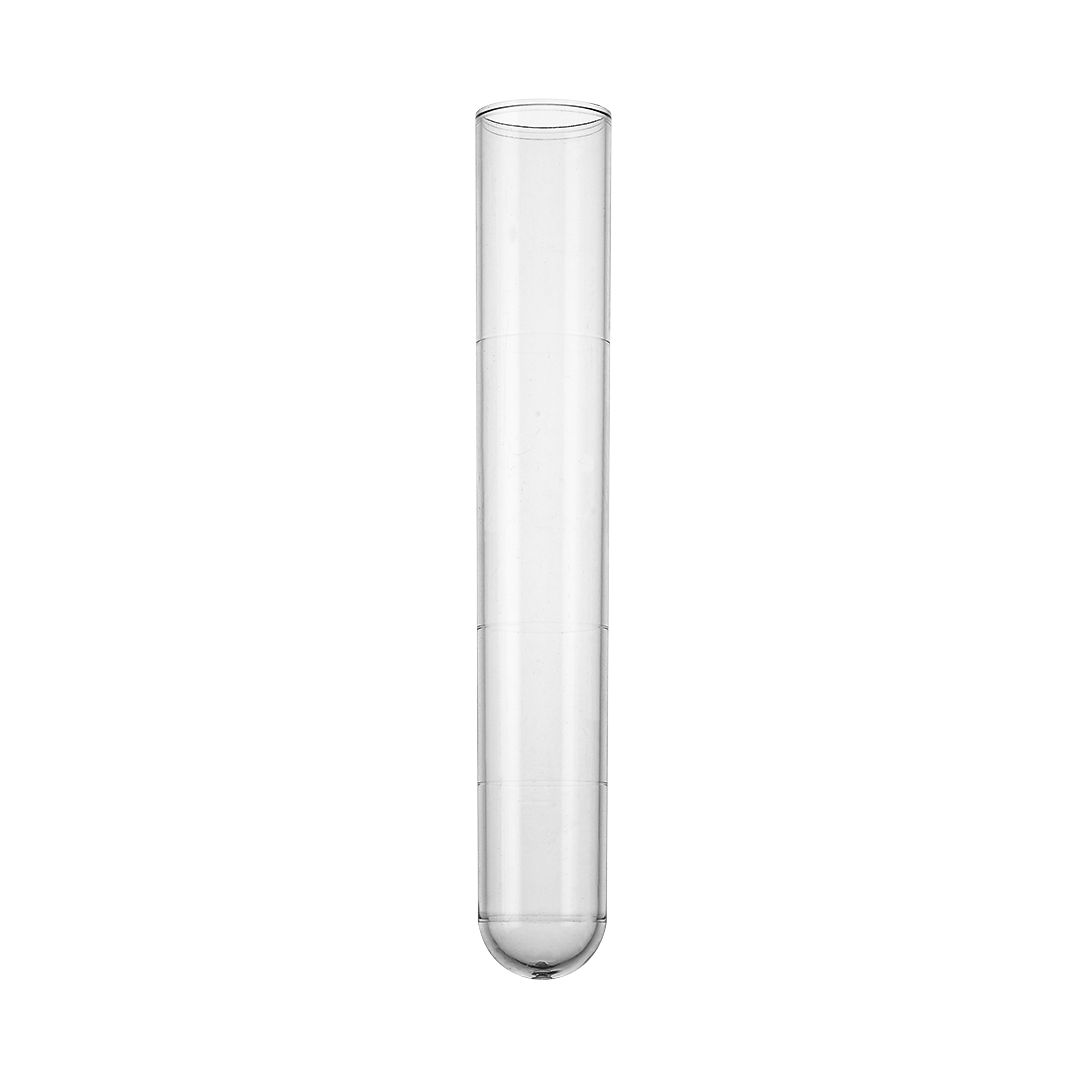
What is a test tube used for?
A test tube is used to hold, mix, or heat small quantities of substances in chemical experiments.
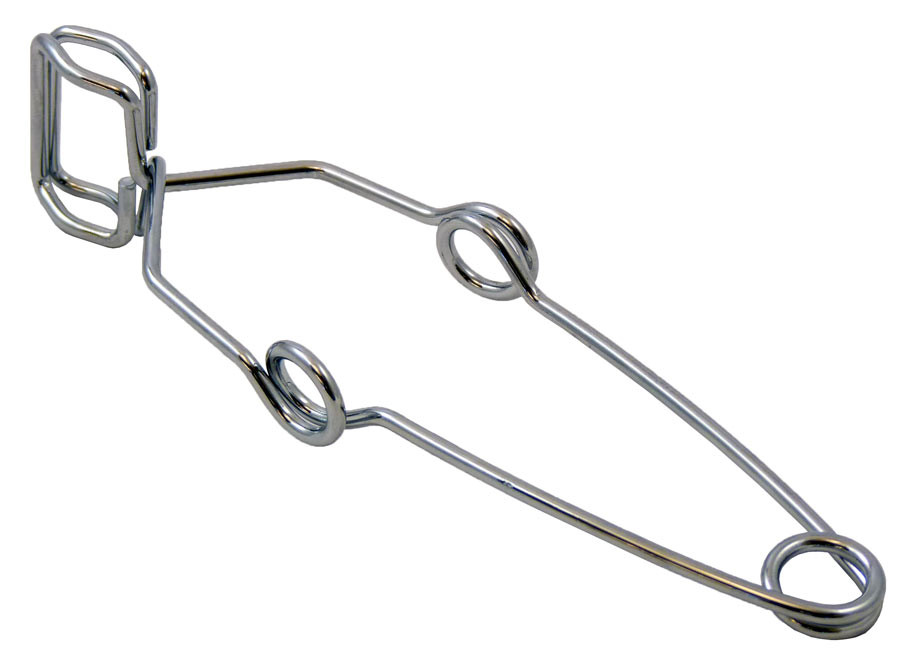
What is a test tube holder used for?
A test tube holder is used to securely hold test tubes, especially when being heated.
What is a test tube rack used for?
A test tube rack is used to hold multiple test tubes securely in an upright position.

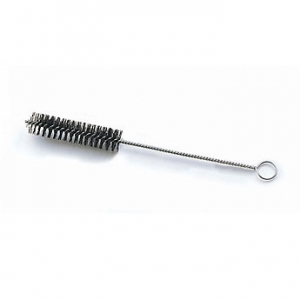
What is a wire brush used for?
A wire brush is used for cleaning and scrubbing the surfaces of test tubes and other glassware.
What is a watch glass used for?
Used to evaporate liquids, hold solid samples for weighing, cover beakers, or heat small amounts of powder.

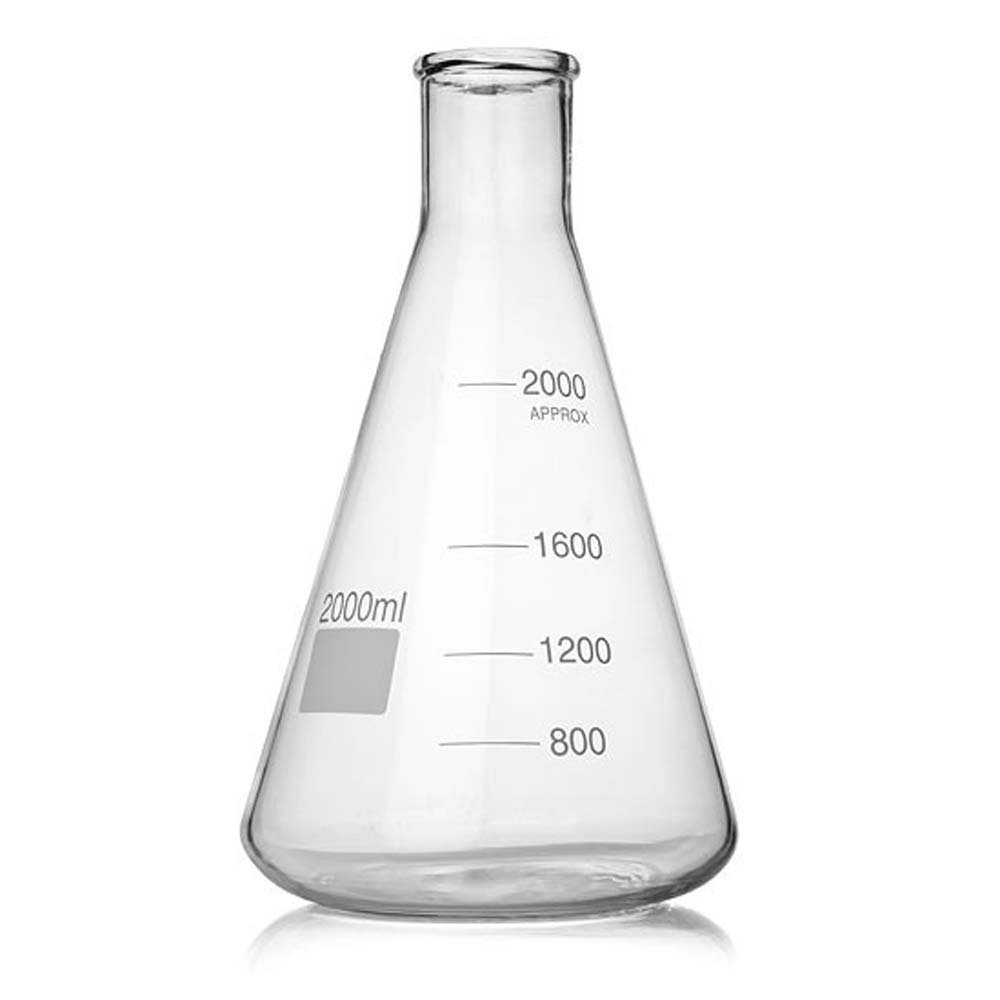
What is an Erlenmeyer flask used for?
A narrow-mouthed container used to mix, heat or store substances, often used when a stopper is required.
What are tongs used for?
Tongs are used for grasping and holding hot or heavy items in the laboratory, like beakers.

What is a mortar and pestle used for?
Used to grind chemicals to powder
Covalent compound prefixes (1-10)
Mono- = 1
Di- = 2
Tri- = 3
Tetra- = 4
Penta- = 5
Hexa- = 6
Hepta- = 7
Octa- = 8
Nona- = 9
Deca- = 10
How do you calculate increasing number of atoms?
You can calculate the increasing number of atoms in a mole by using Avogadro's number, which is approximately 6.02×10²³ atoms per mole. This allows you to determine the total number of atoms based on the number of moles of a substance.