Lecture 3: Disorders of the Joints
 Call Kai
 Learn
Learn Practice Test
 Spaced Repetition
 Match
Match Flashcards
 Knowt Play
1/67

There's no tags or description
Looks like no tags are added yet.
Name | Mastery | Learn | Test | Matching | Spaced | Call with Kai | Chat |
|---|
No analytics yet
Send a link to your students to track their progress
68 Terms
non-inflammatory joint disease
developmental
degenerative joint disease (DJD) → most common!
inflammatory joint disease
infectious
immune-mediated → primary idiopathic, reactive polyarthritis
common infectious DDx in dogs
distemper
bacteria → staphylococcus, streptococcus (most common)
mycoplasma, bacterial L forms
Borrelia burgdorferi
leishmania
tick borne → ehrlichia spp., RMSF, anaplasma spp.
common infectious DDx in cats
calicivirus, feline syncytium-forming virus, feline infectious peritonitis
bacteria pasteurella multocida, others (anaerobes)
mycoplasma, bacterial L-forms
DJD
chronic progressive disorder of joints
articular cartilage damage and degenerative proliferative changes in the periarticular tissues
any breed (C/F), any size and age can be affected
what are the most commonly identified underlying causes of DJD?
joint instability, trauma, and developmental orthopedic diseases
what is the most common location of DJD?
hips
clinical signs of DJD
insidious onset of signs confined to the musculoskeletal system with no systemic signs
lameness, stiffness, sometimes only after exertion, muscle atrophy
prevention and treatment of DJD
weight management
exercise and physical fitness
pharmaceuticals
physical rehabilitation
complementary therapies
weight management for DJD
altered biomechanics associated with overweight/obese BCS or joint incongruity negatively affects normal movement → chronic pain and dysfunction
what NSAIDs are we targeting for OA?
COX-2
if NSAID ratio is < 1 =
COX-1 selective
if NSAID ratio > 1 =
COX-2 selective
what is the minimum washout period between NSAIDs?
72 hours
NSAIDs differ in their
potency, duration, and side effects
grapiprant
NSAID with unique mode of action → targets the EP4 receptor of PGE2
NSAIDs are ideal for long-term treatment due to
safety profile
all NSAIDs have the potential to cause
GI side effects ranging from gastric ulceration to erosion
do not use NSAIDs in these patients
dehydrated, hypotensive, concurrent steroids, geriatrics with co-morbidities
screen prior to NSAID tx
good history and discuss adverse effects
pre-treatment → CBC, chemistry, UA
recheck bloodwork 7-14 days later then every 6 months
managing OA in cats
NSAIDs use with extreme caution in cats (limited hepatic glucuronidation)
meloxicam (Metacam, robenacoxib (onsior) are approved for use in cats but must be used with caution
use judiciously as part of multimodal therapy plan
omega-6 fatty acids
linoleic acid → arachidonic acid → pro-inflammatory (eicosanoids, prostaglandins, leukotrienes, thromboxanes)
omega-3 fatty acids
alpha-linolenic acid → EPA → DHA → minimally inflammatory (eicosanoids) and inflammation resolving (resolvins, protectins)
good omega ratio
O6:O3 is 3:1, 4:1
omega fatty acids
supplementation of EPA/DHA produces anti-inflammatory effects and helps break cycle of cartilage destruction
supplementation through joint diets is more client friendly
oral formulations of OA agents
glucosamine, chondroitin sulfate
green lipped mussel
pentosan
injectable formulations of OA agents
polysulfated glycosaminoglycans
hyaluronic acid
opioids for OA
butorphanol (mild to moderate pain)
methadone
hydromorphone
buprenorphine
morphine
tramadol (oral)
fentanyl
novel adjunctives for OA
ketamine CRI → NMDA receptor inhibitor
amantidine → NMDA antagonist
amitriptyline → TCA with pain modulating properties
gabapentin → associated with NMDA receptors
lidocaine
joint injections
stem cell therapy, platelet rich plasma, autologous conditioned serum
hyaluronic acid, corticosteroids
synovetin-OA
uses radio-synovia-orthesis to break the cycle of pain and inflammation for chronic OA patients
novel radioisotope is injected into the joint, engulfed by macrophages and synoviocytes, which causes apoptosis
newest drugs for chronic OA
frunevetmab (cats) and bedinvetmab (dogs) → species-specific anti-NGF monoclonal antibodies
1x month injection
not for acute or neurologic pain
route of infection of septic arthritis
hematogenous
direct inoculation → penetrating joint wounds are common, often resulting in single joint infection
spread from local, adjacent tissue
what organisms are most common in septic arthritis in dogs?
staphylococcus spp, streptococcus spp and coliform organisms
what are the most common organisms for septic arthritis in cats?
pasteurella spp
septic arthritis is more common in
large-breed dogs
diagnosis of septic arthritis
radiographs of affected joint
arthrocentesis with joint fluid analysis
aerobic and anaerobic cultures of joint fluid
goal for treatment of septic arthritis
rapidly resolve infection, decrease inflammatory compounds in joint (enzymes, fibrin)
treatment of septic arthritis
start antibiotics as soon as cultures are collected
initial choice pending culture and sensitivity should be broad spectrum, beta-lactamase resistant antibiotic
acute cases of septic arthritis can be managed
medically with caution
chronic infections, foreign bodies, immature animals with open growth plates should have
immediate surgical management
tick borne polyarthritis - Lyme
borrelia burgdorferi → spirochete related to leptospira and treponema
worldwide distribution
90% of lyme disease is diagnosed in 10 northeastern US states
what is the most common signs of Lyme in dogs?
lameness and/or myalgia
true or false: most dogs infected with Lyme are asymptomatic.
true
clinical signs of Lyme
lameness and/or myalgia
acute onset with lethargy, inappetence, ± fever, lymphadneopathy
joint swelling in one or more joints, painful on palpation
how does Lyme affect joints?
spirochetes colonize synovial membrane and activate IL-8, which is a potent chemotactic factor for neutrophils
affected joints characterized by marked fibrin effusion, neutrophilic infiltration, thickened synovial membranes
lymphocytes and plasma cells replace neutrophils in chronically infected joints
treatment for lyme
history → recent tick exposure in an endemic region
clinical signs
positive serology
prompt response to antibiotic therapy
tests for lyme
ELISA → most commonly used screening test for antibodies, non-specific cross reactivity
IDEXX snap 4dx plus test (qualitative)
tests for antibodies against unique outer surface protein (C6 peptide)
does not react to vaccine-induced antibodies
for acute infections of lyme, treatment includes
tetracyclines
lactams
for chronic/refractory cases of lyme, treatment includes
azithromycin
3d generation cephalosporins
steroid therapy for lyme
should be used with caution
low dose anti-inflammatory doses only
immunosuppressive doses exacerbate infection
Rickettsial polyarthropathy
RMSF caused by rickettsia rickettsii
ehrlichia canis
ehrlichia ewingii
anaplasma phagocytophilum
polyarthropathy is largely due to
immune complex deposition in synovial membranes
CBC abnormalities for rickettsial polyarthropathy
thrombocytopenia common
RMSF is most likely to be associated with
more significant systemic disease due to vasculitis
diagnosis of tick borne polyarthritis
screening serology
fourfold rising IgG titer over 2-3 weeks
joint taps with cytology may be useful, especially in acute phase of the disease course when serology is still negative
PCR to confirm
response to therapy
treatment of tick borne polyarthritis
tetracyclines for 3 or more weeks
concurrent glucocorticoid therapy if antimicrobial therapy alone does not eliminate the fever, lameness, and joint swelling
feline polyarthropathy
mycoplasma gatea and mycoplasma felis
bacterial L-form secondary to bite wounds
septic arthritis secondary to foreign bodies or bite wounds
infectious polyarthropathy is more common in cats than dogs
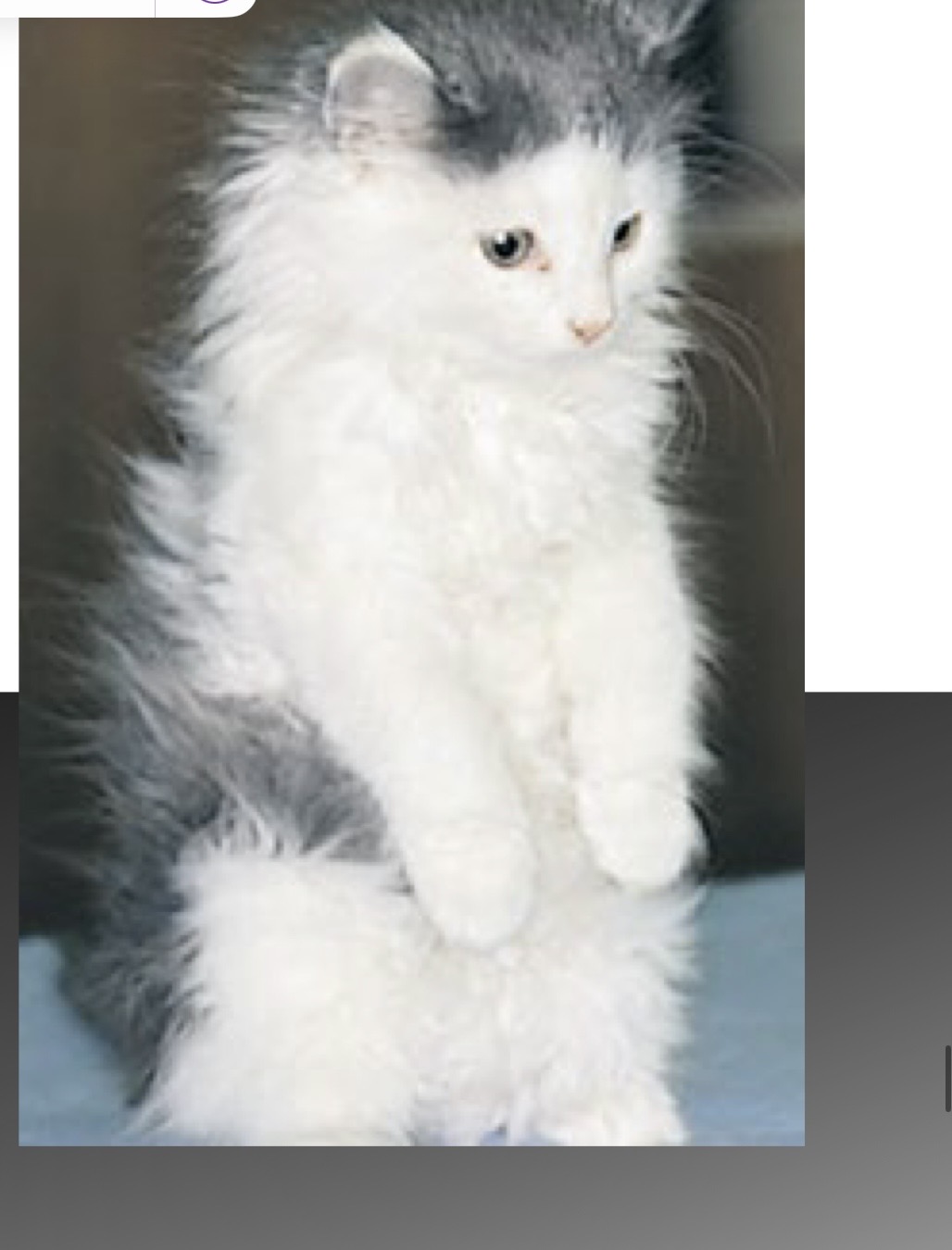
this 10-week old kitten has joint swelling and fever 1 week after MLV vaccination. Thoughts?
calicivirus
what accounts for 25% of all nonerosive immune-mediated polyarthritis cases?
reactive polyarthritis
reactive polyarthropathy
chronic, bacterial, fungal, or rickettsial infections
neoplasia
drug administration
numerous systemic diseases
idiopathic immune-mediated nonerosive polyarthritis is diagnosed only by
ruling out other causes of polyarthritis and it’s the most common form of polyarthritis in the dog NOT CATS
clinical signs of idiopathic immune-mediated nonerosive polyarthritis
cyclic fever, stiffness and lameness, multiple joints affected
diagnosis of IMPA
synovial fluid analysis, failure to ID other infectious causes
treatment of IMPA
empirical treatment with doxycycline while awaiting the results of synovial fluid cultures
treatment of IMPA
rapid and complete response to antibiotics makes it unlikely IMPA
cornerstone of therapy → prednisone
what is the most common polyarthritis in dogs?
IMPA
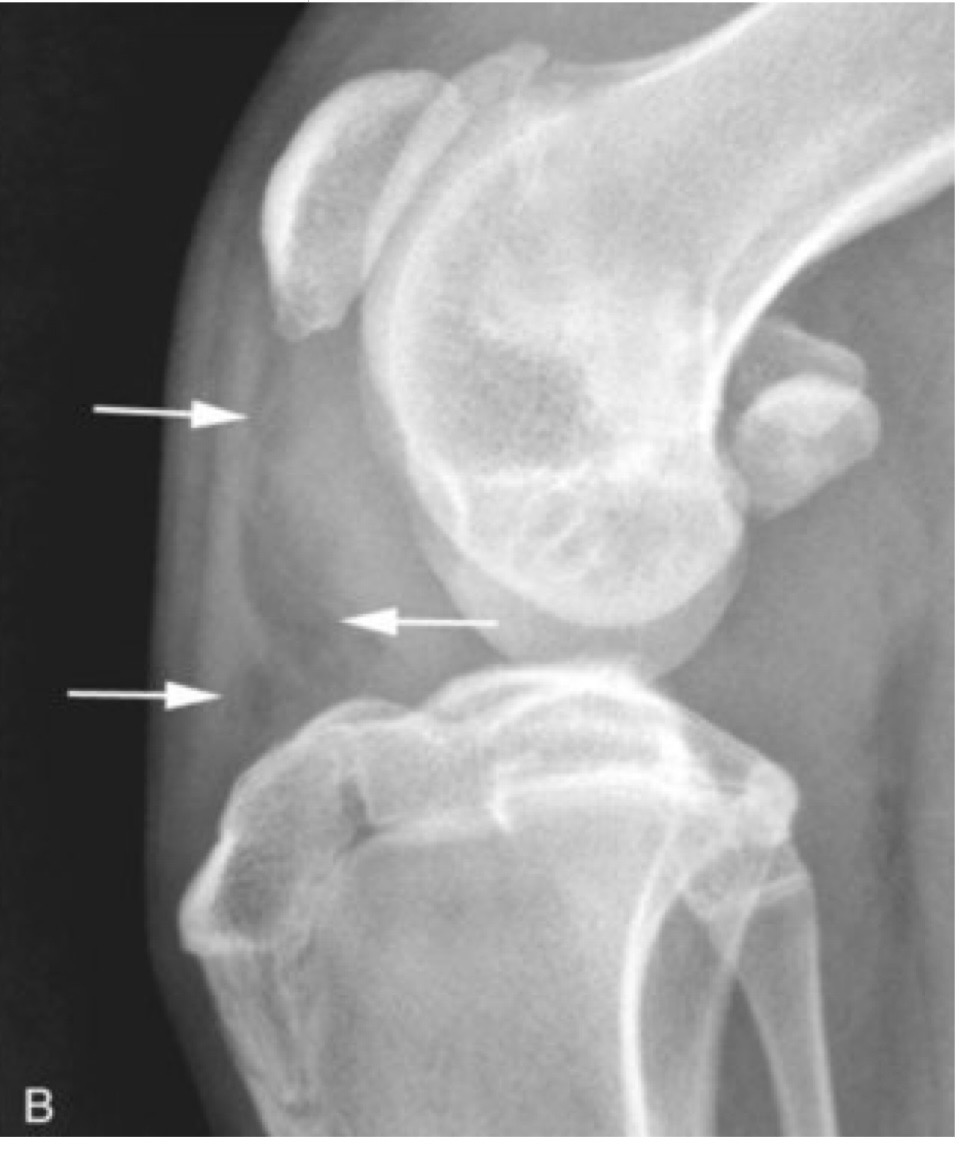
what is this showing?
joint effusion