3.5 HSM and TPM/CPU Features/Expansion Cards
 Call Kai
 Learn
Learn Practice Test
 Spaced Repetition
 Match
Match Flashcards
 Knowt Play
1/17

There's no tags or description
Looks like no tags are added yet.
Name | Mastery | Learn | Test | Matching | Spaced | Call with Kai | Chat |
|---|
No analytics yet
Send a link to your students to track their progress
18 Terms
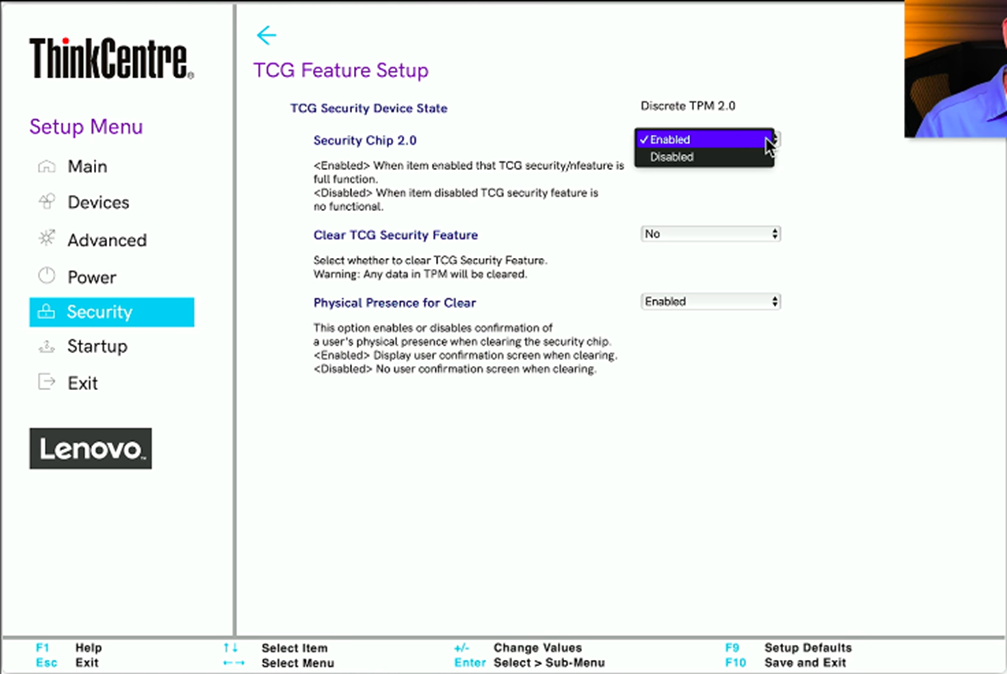
What is a TPM?
Trusted Platform Module
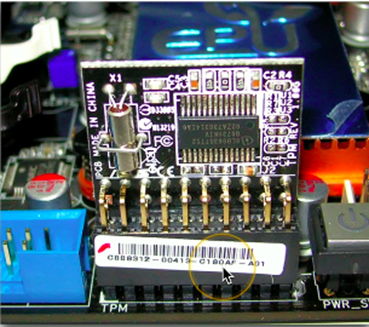
What are key features of TPM?
Hardware-based cryptographic processor
Stores encryption keys securely on a single device
Includes random number generator & key generation
Unique key tied to the device (can’t be moved)
What is an HSM?
Hardware Security Module
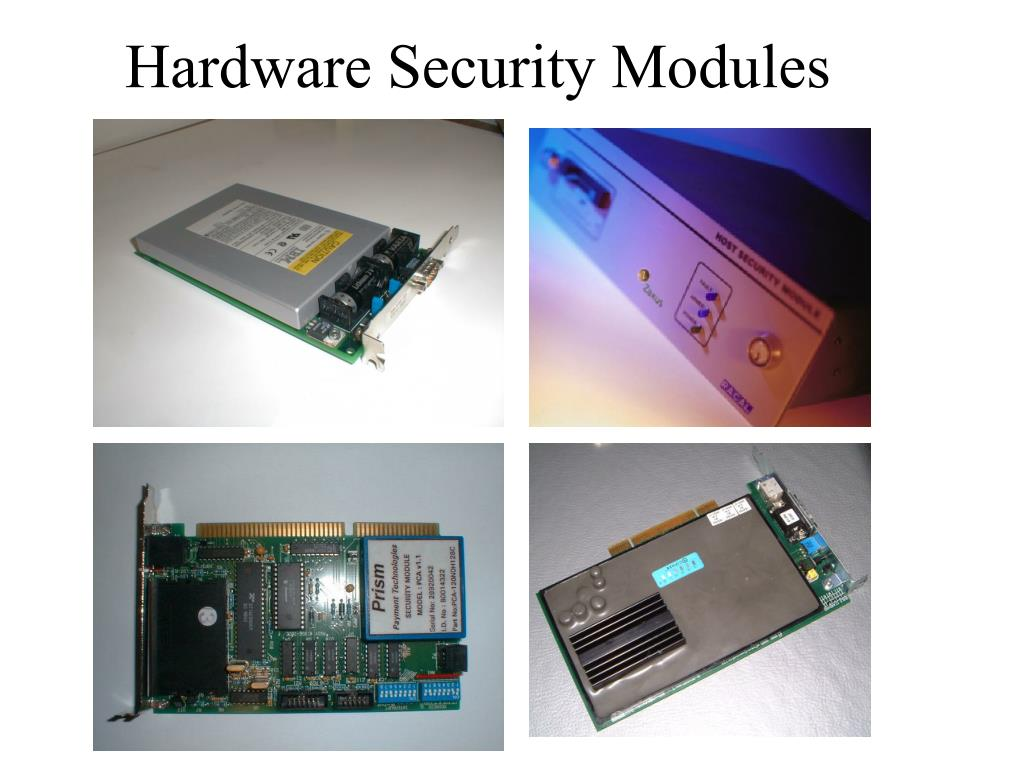
What are key features of HSM?
Dedicated device to secure encryption keys
Used across multiple systems
Common in data centers / serversCentralized key storage & backup
Performs cryptographic operations
Can be a plug-in card or external device
TPM vs HSM?
TPM → single device, built-in, local security
HSM → multiple devices, centralized, enterprise use
TPM ≠ replacement for HSM
What is the difference between 32-bit and 64-bit CPUs?
Determines how much data the CPU can process at once
32-bit → ~4 GB RAM limit
64-bit → supports much more memory (theoretical limit is huge)
What are OS and application compatibility differences for 32-bit vs 64-bit?
32-bit OS → runs only 32-bit apps
64-bit OS → runs 32-bit + 64-bit apps
Drivers must match OS (x86 vs x64)
What is ARM architecture?
CPU design by Arm Ltd. (licensed to manufacturers)
Uses simplified instructions (RISC) (reduced instruction set computer)
Low power, low heat
Where is ARM commonly used?
Mobile devices and IoT
Increasingly used in laptops/desktops
Efficient performance per watt
What are CPU cores?
Individual processing units inside a CPU
Allow multiple tasks at once
Examples: dual-core, quad-core, octa-core
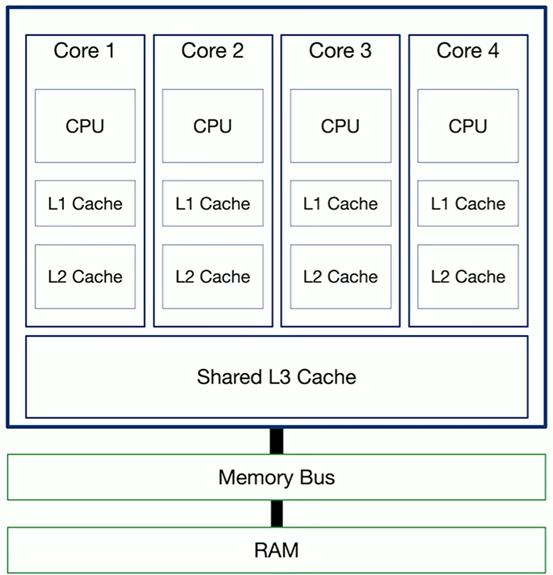
How do CPU cores and cache work together?
Each core can have its own cache
Cores may also share cache
Cache improves speed by storing frequently used data
What are expansion cards?
Add functionality to a computer
Installed in motherboard expansion slots
Modular and easy to install
OS usually installs drivers automatically
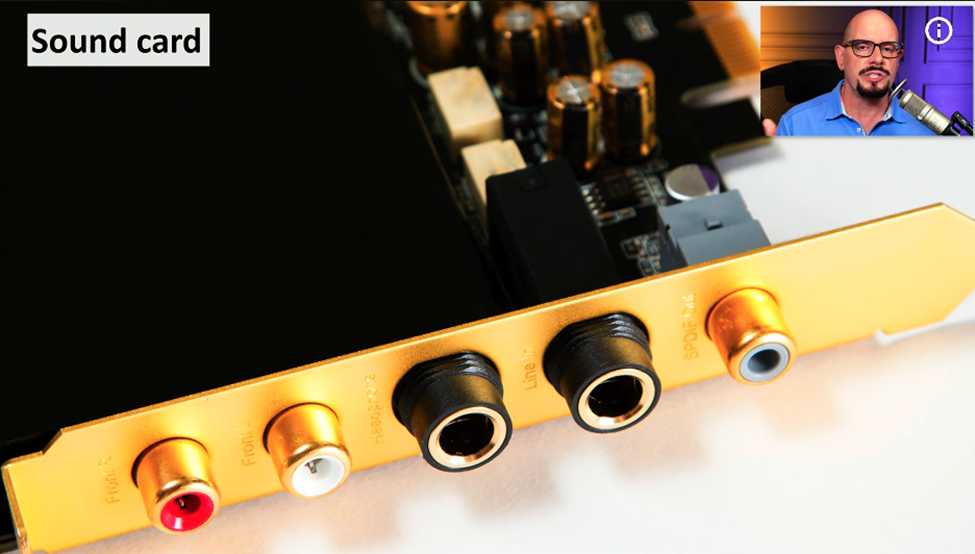
What connections/features do sound cards provide?
Audio out, headphone, line-in, digital audio
Used for recording, podcasting, music production
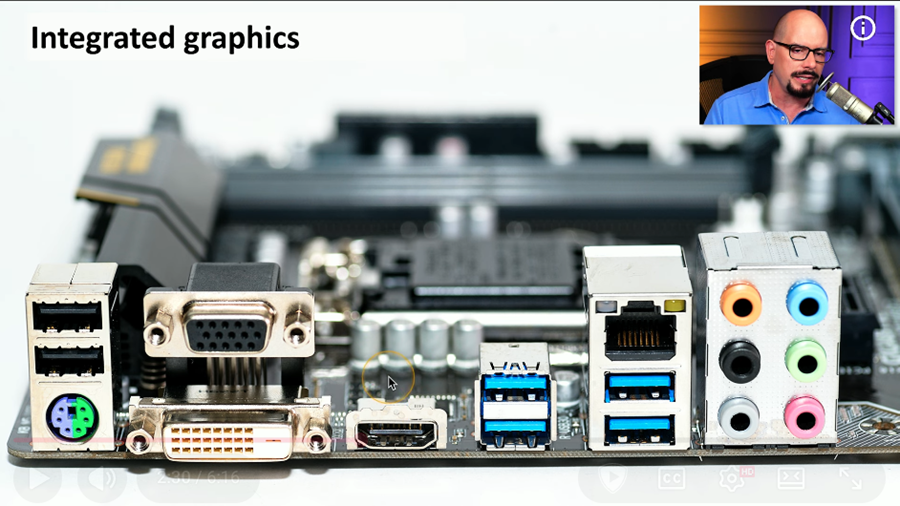
What is the difference between integrated and discrete graphics?
Integrated → built into CPU, uses system RAM
Discrete (GPU) → separate card, high performance, uses VRAM (Video RAM)
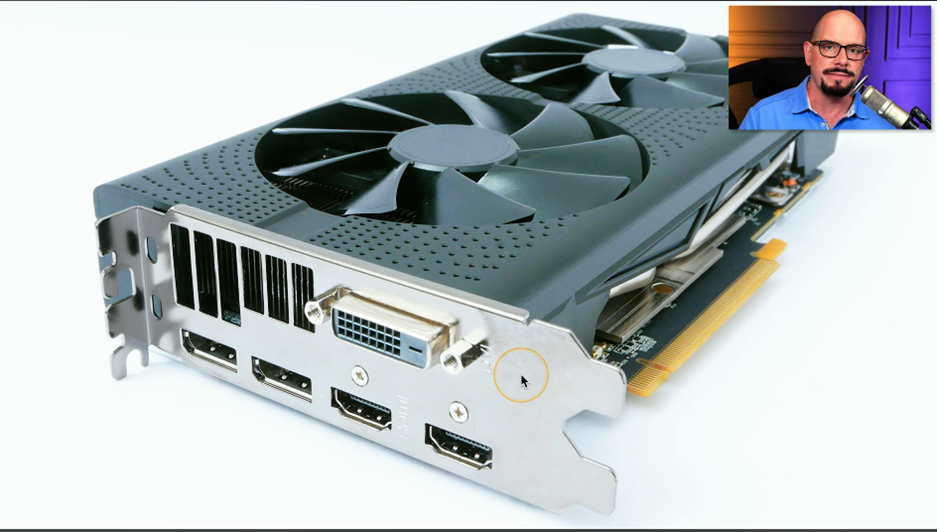
Why use a dedicated video card (GPU)?
Better performance for gaming/video editing
Has its own memory (VRAM)
Provides its own display outputs (HDMI, etc.)
What is a capture card?
Expansion card for video input
Used for streaming and external cameras
Installs via PCIe
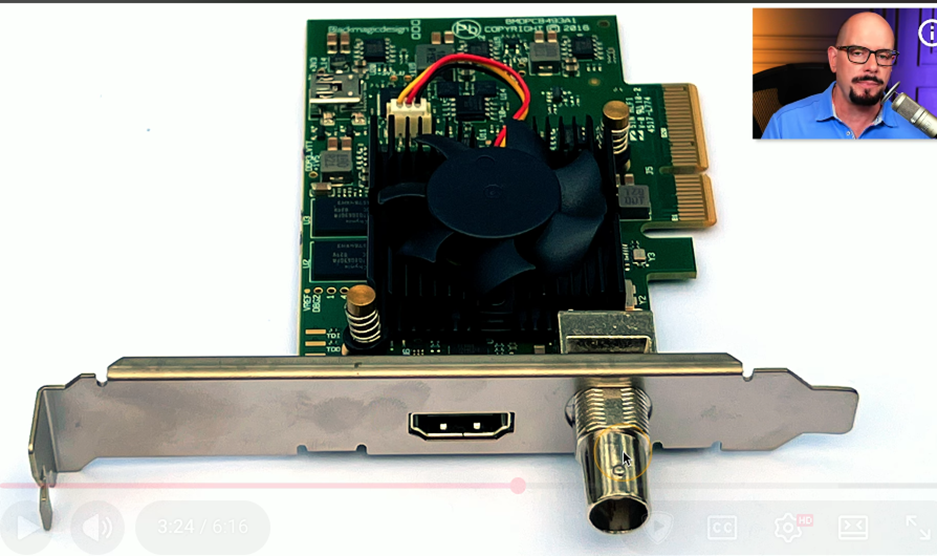
What are key features of capture cards?
Handles high video bandwidth
Inputs like HDMI, SDI
Requires strong performance for real-time video
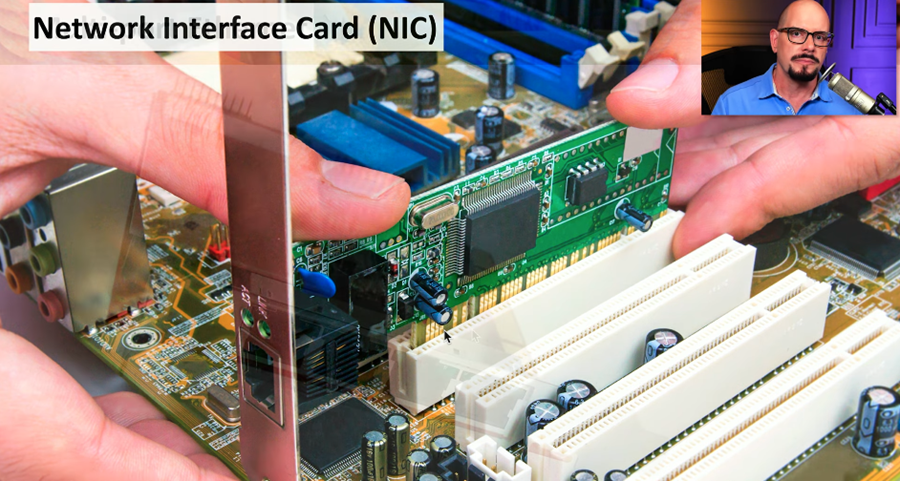
What is a Network Interface Card (NIC)?
Provides network (Ethernet) connectivity
Can be added if motherboard lacks ports or needs more