Human Evolution Biology NCEA Level 3
 Call Kai
 Learn
Learn Practice Test
 Spaced Repetition
 Match
Match Flashcards
 Knowt Play
1/22

Earn XP
Description and Tags
Key Terms Definitions
Name | Mastery | Learn | Test | Matching | Spaced | Call with Kai | Chat |
|---|
No analytics yet
Send a link to your students to track their progress
23 Terms

Acheulean Tools
Advancement of Oldowan tools resembling flattened handaxes, first used by Homo Erectus.

Arboreal
Refers to tree-dwelling, or spending most time above the ground amongst the trees.

Bipedalism
The act of walking upright on two legs, or two limbs.

Cultural evolution
The passing on of knowledge from one generation to another through means other than DNA, such as social interaction.

Foramen magnum
The hole in the bottom of the skull that allows the spinal chord to pass through. Evolved from rear position to central position at base of skull to support upright walking.
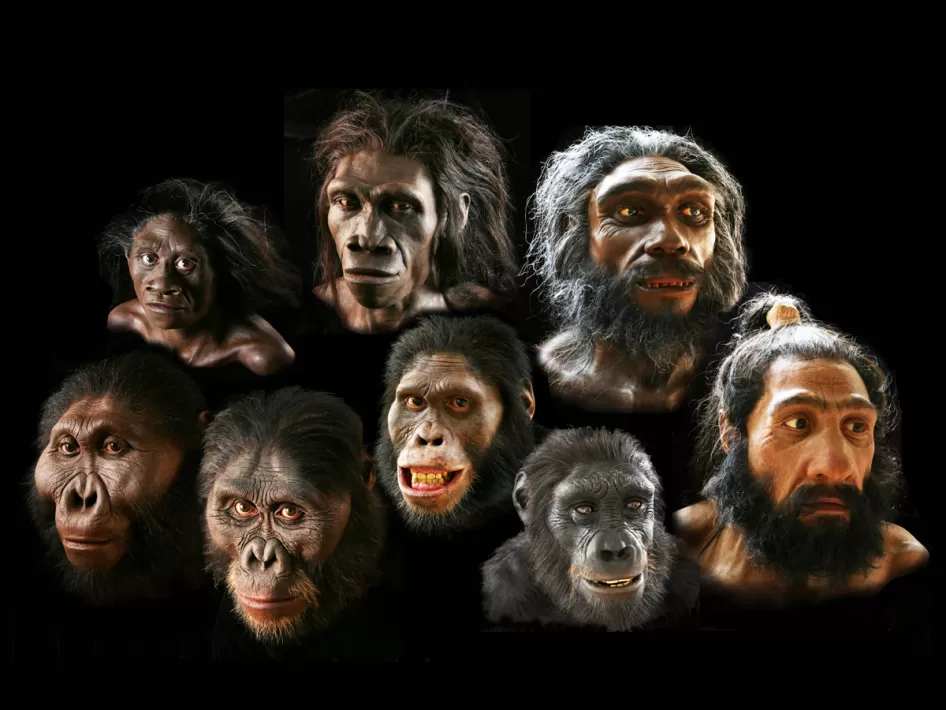
Hominids
The group of primates made up of hominins and the great apes, such as gorillas, chimpanzees, orangutans, and gibbons.
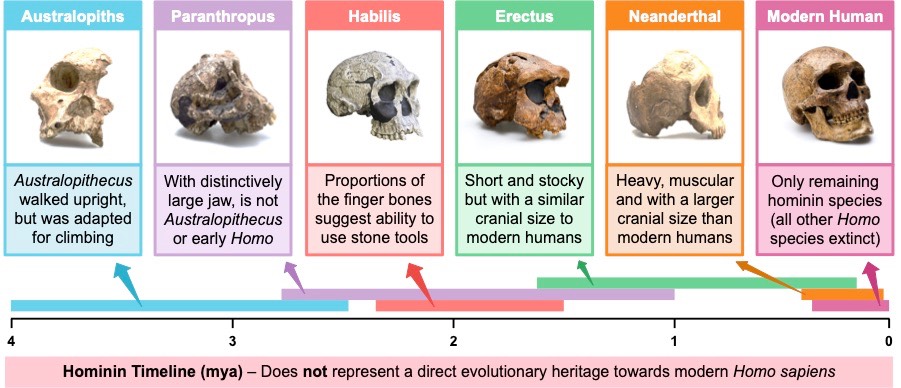
Hominins
The group of primates made up of humans and our most recent, closely related ancestors.

Mitochondrial DNA
The small, circular DNA found in the mitochondria of cells, which replicates independently on nuclear DNA.

Mousterian tools
Carefully shaped stone tools often combined with other materials, first used by the Neanderthals.
Multiregional theory
The model of dispersion whereby Homo Sapiens evolved from Homo Erectus simultaneously in different locations around the globe after Homo Erectus left Africa.

Nuchal crest
The part of the skull where the neck muscles attach to hold up the head.

Oldowan tools
The oldest tools used by hominins, first used by Homo Habilis, made from stones with chips on one side.
Out of Africa theory (Replacement theory)
The model of dispersion whereby Homo Erectus first evolved into Homo Sapiens while still in Africa, and then some Homo Sapiens left Africa and colonised other locations around the globe.

Quadrupedalism
The act of walking on four legs, or four limbs.

Upper paleolithic tools
Advanced tools made from a variety of materials, such as animal bone and hide, used by Neanderthals and Homo Sapiens.

Valgus angle
The inward slant of the femur (thigh bone) from hip to knee. Places feet over body’s centre of gravity for efficient and stable upright walking.

Zygomatic arches
Cheek bones. Served as an anchor to make room for powerful jaw-chewing muscles.

Non-opposable big toe
A toe that can not move toward or cross over the other toes to grasp or hold objects. Allows for more stable upright walking.
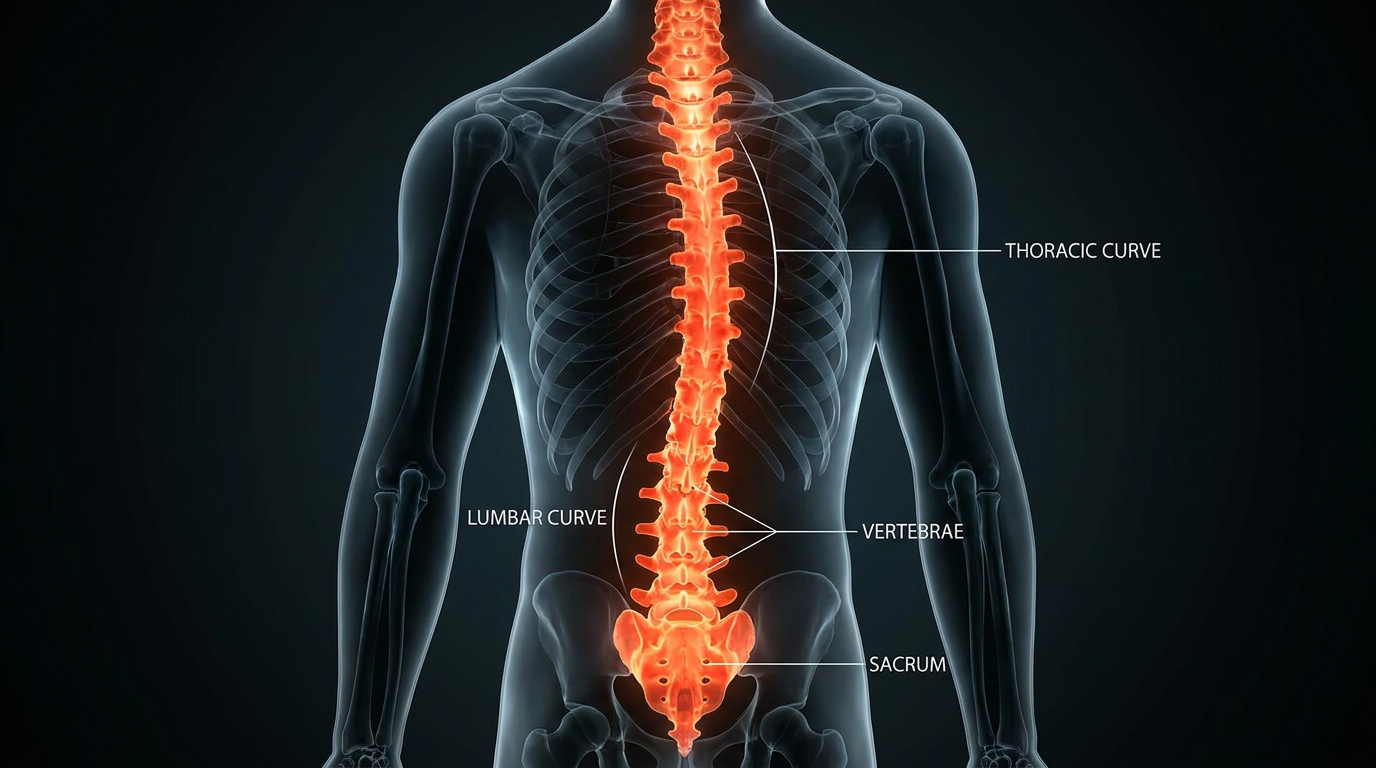
S-shaped spine
Allows efficient bipedal walking by balancing body weight over the hips and absorbing walking shock.

Pelvis
Evolved to short, broad, basin-like shape to support upright walking.

Foot arch
Acts as shock absorber and stiff spring that stores and releases kinetic energy for efficient bipedal movement.

Cranium
Dramatic increase in brain size and shift towards flatter face and rounder skull.
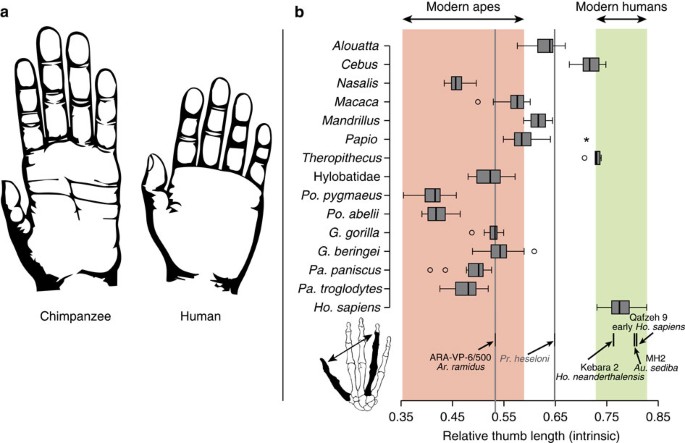
Opposable thumb
Thumb lengthened and became more robust, allowing for more precise handling.