- Pathogen & Disease -
 Call Kai
 Learn
Learn Practice Test
 Spaced Repetition
 Match
Match Flashcards
 Knowt Play
1/14

Earn XP
Description and Tags
UNIT 4 Bio
Name | Mastery | Learn | Test | Matching | Spaced | Call with Kai | Chat |
|---|
No analytics yet
Send a link to your students to track their progress
15 Terms
Zoonoses ?
Infectious diseases that can be transmitted from one vertebrate group to another.
Pathogen ?
An infectious agent that causes disease
Viral structural features :
Protein coat (capsid) and nucleic acid (DNA/RNA)
Relatively small: 30-300 nanometers
Recognize and bind to receptors
Requires host cell to replicate
Examples of diseases caused by virus :
Influenza 🐷→ 🧑
Ross River Virus 🌾
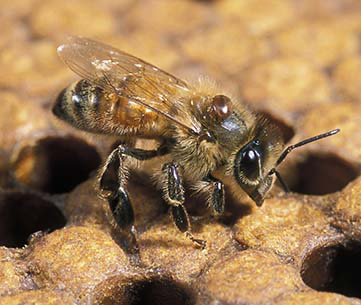
Viral disease of Honeybees 🐝
Ross River Disease
Indirect via vector → female mosquito & reservoirs 🦟
Via skin during blood feed, saliva into human ; blood into mosquito
IMPACT - rash on limbs, painful swollen joints, fever and headaches 🤒
Not contagious ❌

Deformed Wing Virus
Indirect => varroa bite into bee (vector)
Direct => transmission from Queen bee to offspring 👑 🐝
Varroa bites into them and transmits virus into blood of bee
IMPACT -
stressing them out 😵💫, shriveled wings, bloated abdomens , decreased size …
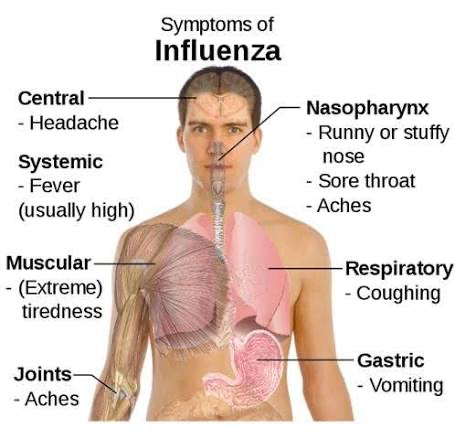
Influenza
Direct → skin-to-skin
Indirect → fomite transfer, objects …
It replicates in epithelial cells through respiratory system
IMPACT :
Lethargy , cough, sneeze , fever
Bacteria features :
PROKARYOTIC
Uni - cellular
No membrane bound organelles
Circular DNA & plasmid
Flagella for movement
1-10 micrometers
cell wall (peptidoglycan)
Tuberculosis (TB)
Direct → Close contact
Indirect → Droplets from fomites
Entry via respiratory
Replication in alveolar macrophage
Exit via cough / sneeze
IMPACT
Persistent cough 😷, sputum 🩸, fever, loss of weight
Crown gall of plants
Direct → roots touching
Indirect → Human activities (from vehicle )
Enters through a wound
Induced growth of tumor-like galls around the stem. This is done when it inserts gene into genome of host cell causing the rapid growth of cells.
IMPACT
‘Gall‘ is formed (undifferentiated cells) and stunted growth . Death 😔🍃🪦

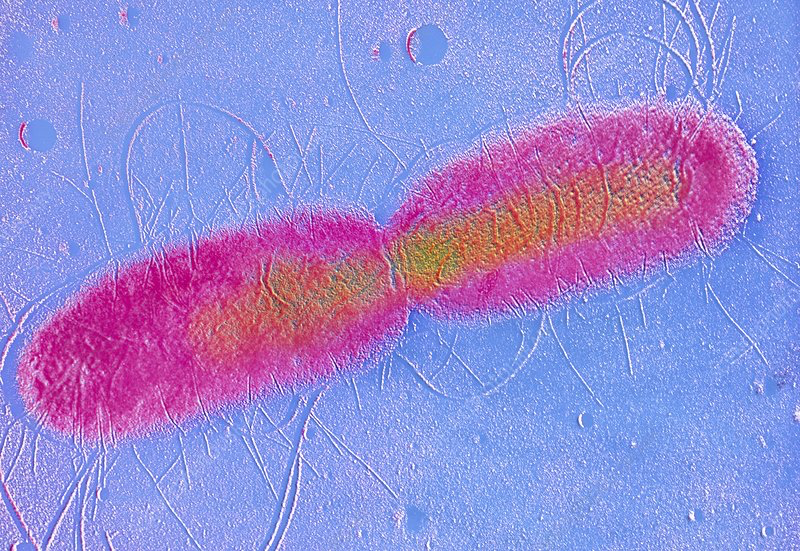
Bacteria reproduction by Binary fission
One cell splits into two identical daughter cells. 👧 👧 !
Binary fission begins when the DNA of the bacterium doubles in quantity then divides into two (replicates) 🧬→ 🧬
The bacterial cell then elongates and splits into two daughter cells, each with DNA that is identical to that of the parent cell
Fungi
UNICELLULAR & MULTICELLULAR
Cell walls (Chitin)
Zoospores a motile, asexual reproductive spore
Hyphae filaments (mycelium)
Micro-flaments (Hyphae)
Chyridiomycosis 🍄
Indirect → water or soil borne (spores motile)
Direct → Skin 🐸
Via motile zoospores which enter susceptible host skin
IMPACT :
Amphibian skin is hardened, blocked gas exchange and lethargy
Protists
2 um to 1000 um
unicellular & multicellular
Cell wall
Eukaryotes with membrane bound organelles
Asexual & Sexual reproduction
Plasmodium are animal -like
Cillia, flagella, pseudopodia can be present
Zoospores
Malaria ⭕
Indirect → Vector
Direct → Mixing of fluids
Female pregnant mosquito during blood feed
Saliva containing protist enters blood stream through exchange of fluids 🦠💧< — >🩸
IMPACT :
Fever and chills
Fatigue
Anemia
Death