avian and reptile
 Call Kai
 Learn
Learn Practice Test
 Spaced Repetition
 Match
Match Flashcards
 Knowt Play
1/38

There's no tags or description
Looks like no tags are added yet.
Name | Mastery | Learn | Test | Matching | Spaced | Call with Kai | Chat |
|---|
No analytics yet
Send a link to your students to track their progress
39 Terms
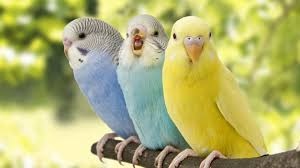
budgie
origin
how many years in captivity
features of males and females
origin is australia
can live 10-15 years in captivity
males have a blue cere at the top of their beak
females and juveniles have a brown pink cere
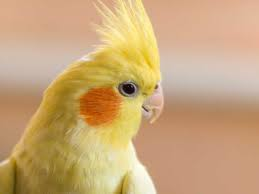
cockatiel
origin
how many years in captivity
feature of adult male
feature of female
originate from australia
15-25 years in captivity
adult males have bright red cheeks
females have paler cheeks and bar like markings under the wings and tail
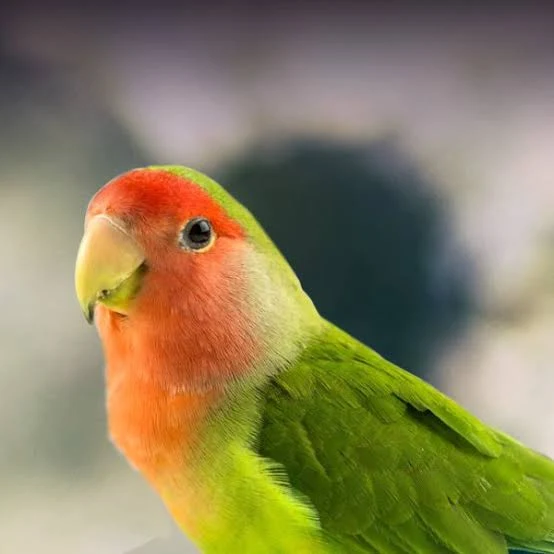
lovebird
origin
origin africa
pair bonding
number of different species
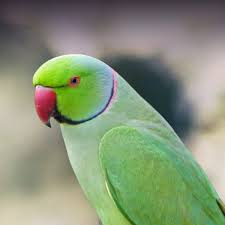
ringneck parakeet
africa and indian subcontinent
wild population in the uk
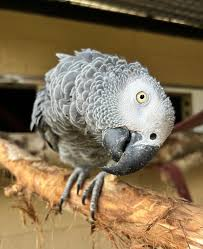
african grey parrot
what are the 2 types
how many years in captivity
equatorial africa
larger congo grey and the smaller timneh grey
40-60 years in captivity
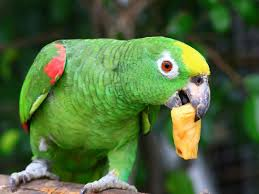
amazon parrot
origin
lifespan in captivity
central and south america
50-80 years in captivity
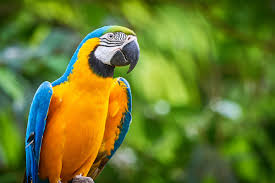
macaw
central and south america
powerful beak
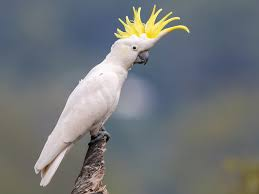
cockatoo
size
origin
behavioural features
medium large
origin australia
intelligent
loud and demanding
passerines and pigeons
passerines include canaries and finches and blackbirds
social
parrot behaviour
head bobbing can indicate anxiety or be a precursor to regurgitation in an adult bird
adult birds regurgitate to their mate as a normal behaviour and some will to human if no avian mate
snakes
variety of habitats
diurnal or nocturnal
some are active, many sit and wait to ambush prey
may kill prey by constriction or venom
male snakes have a longer tail which is wider just below the cloaca
probing the hemipenes is the best method for sexing a snake
in males a probe will pass 9-12 scales
in females it will only pass 4-6 scales
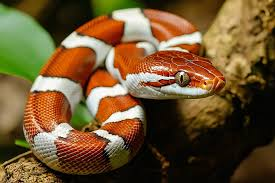
corn snake
origin
pattern and where
how many years in captivity
origin north america
variety of colours
most have a classic checkerboard pattern on their ventrum
15-20 years in captivity
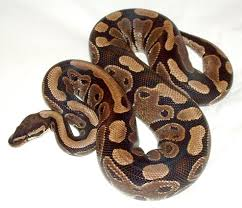
royal python
origin
what do they do when threatened
how many years in captivity
west and central africa
curl into a ball when threatened
20-30 years in captivity
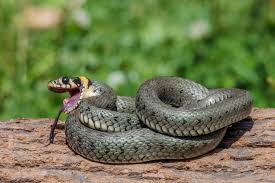
grass snake
non venomous
Uk
green colour with a yellow and black collar, pale ventrum and dark markings down the sides
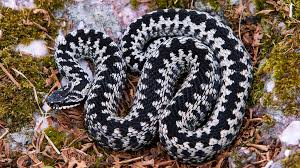
adders
colour
pattern
eye colour
only venomous snake found in the uk
grey colour, distinct dark zig zag pattern down its back
red eyes
lizards
variety of habitats
diurnal or nocturnal
range of defensive
some may drop their tail
bearded dragon
origin
how many years in captivity
australia
bear can puff up and darken
7-12 years in captivity
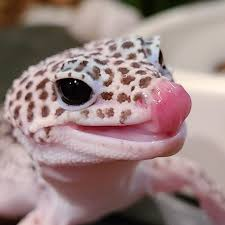
leopard gecko
origin
years
afghanistan, pakistan, iran, india, nepal
crepuscular lifestyle in crevices between rocks and dry grassland and desert regions
6-15 years
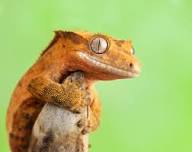
crested gecko
origin
nocturnal diurnal or crepuscular
eye
how many years in captivity
new caledonia
nocturnal
no true eyelids unlike leopard gecko
clear spectacle over its eye like a snake
15-20 years in captivity
iguana
where
nocturnal diurnal or crepuscular
where found normally
central and south america
diurnal
often found up trees and near water
chameleon
origin
africa, some parts of southern europe and southern asia
colour changing
blue tongued skink
origin
nocturnal diurnal or crepuscular
where usually found
australia
blue tongue
diurnal
often found on the ground under bark and vegetation
sexing a lizard
varies between species
in some soecies males have larger femoral pores and hemipenile bulges at their tail base with a groove in between
chelonians
reptiles with shells
species specific behaviours eg biting and climbing
most withdraw into shell when threatened
some may hibernate
tortoise
live on land
some hibernate, some do not
common species that hibernate include the hermanns, spur thighed and horsfield
terrapin
semi aquatic living in or around fresh or brackish water
often have flatter shells than tortoise to be more streamlined for swimming
turtle
marine env
spend most of their lives at sea only returning to land to lay eggs
limb are adapted for swimming with a flipper like appearance
sexing a tortoise
adult males usually have longer tails
males may also have a concave plastron to enable mounting
bird handling
keep restraint period short to prevent stress and overheating
do not compress the keel as birds do not have a diaphragm- sternal movement of keel is needed for breathing
ensure cannot flap wings and damage self
parrot behaviour
raise their crest of feathers when excited, stressed or greeting
when relaxed feathers lie flat
pinning eyes show stress
parrot handling
parrots have a kinetic joint connecting their top and bottom beak which allows them to put a great force on any item in their beak
usually need to restrain head
most need to be towel wrapped
ideally approach and restrain head first before putting in transport container
step by step parrot handling
gather towel in dominant hand and restrain from behind, holding the head in your hand, thumb and finger angled upwards under the bottom beak
forceful hold may be required as they have very flexible necks and can reach down to bite
with your less dominant hand let the birds feet perch on
DO NOT hold the front of the bird as this could compromise their breathing. due to their strong beaks parrots can hold their whole body weight by their head so can be held like this
bird of prey handling
use a towel and grip the birds feet from behind holding their wings closed with the weight of the towel and your arms
one foot in each hand is best to avoid instinct of gripping one foot onto their other, risking puncture wounds
avoid holding the bird at eye level as some use a stabbing motion with their beak and face
protect flight feathers during handling and time in hospital- tail guards may be needed
passerine handling
assess from distance first
can move quickly when trying to catch
ideally use paper towel or similar rather than bare hands to reduce feather damage
only handle for very short times and oxygen supplementation may be necessary
control wings and head with one hand
chicken and waterfowl handling
often well handled so minimal restraint needed
restrain wings to stop flapping when lifting or restraining
towels can be useful
ducks and geese are more likely to bite so control head as needed
snake behaviour
many docilefast erractic movements= stress
some bend into an S shape as if going to strike
snake handling
if small well handled snake, scoop from underneath and support body
if larger more aggresive snake:
restrain head first then second hand or person on body
for long snakes always have multiple people helping support the body
snake hooks can be used with care
lizard handling
most easily handles by scooping them up from underneath and supporting the body
a towel cna be used for feisty lizards such as iguanas which often whip their tails
some are able to drop their tails if threatened eg geckos
compression on the eyes can elicit a vago vasal response which will reduce heart rate and resp rate and temporarily immobilises the animal.
blindfold with cotton wool balls over the eyes can be used
chelonian handling
normal defensive strategy is to withdraw into the shell
scoop tortoises up from underneath and support body
lifting up and turning over is stressful so keep in normal position as much as possible
turtles can bite and scratch