Adv EP Lesson 7: Biophysics of Ablation Energies
 Call Kai
 Learn
Learn Practice Test
 Spaced Repetition
 Match
Match Flashcards
 Knowt Play
1/42

There's no tags or description
Looks like no tags are added yet.
Name | Mastery | Learn | Test | Matching | Spaced | Call with Kai | Chat |
|---|
No analytics yet
Send a link to your students to track their progress
43 Terms
pulsed field ablation
The use of pulsed electric fields to ablate cardiac tissues, through the mechanism of irreversible electroporation.
irreversible electroporation
When cells are exposed to high electric field gradients, this induces a permanent hyperpermabilization of the cell membrane, which leads to cell death.
how does coagulum and char affect the catheter electrode?
makes flow of energy inefficient and raises the overall system impedance and limit power delivery
purpose of irrigated catheters
address challenges associated with tissue overheating and inefficiencies to help RF energy and tissue heating deeper into tissue
contact force sensor equipped RF catheters allow for
measurement of real-time contact force between the catheter tip electrode and cardiac tissue
contact force
measurement of pressure of catheter tip against tissue
contact forcing sensing RF catheters (purpose, application, assumptions)
help physicians understand how much pressure needs to be applied to targeted tissue to form an efficacious lesion
open irrigated RF platforms
tensile strength of tissue is constant during energy delivery and tissue thickness is uniform
historical progression of cryoablation
mixture of salt solution and crushed ice to reduce tumor size and pain
introduction of cooling gases
introduction of freezing devices cooled by Joule-Thomson effect
cryogenic agents
liquid nitrogen, argon, nitrous oxide
liquid nitrogen specification
used for direct application
argon specification
surgical applications
nitrous oxide specifications
permitted construction of diverse delivery instruments such as needles, probes, balloons
joule-thomson effect
the change in temperature that happens when a real gas or liquid expands through a valve, regulator, or porous plug without any heat entering or leaving the system
medtronic cryoablation system
liquid nitrous oxide is kept under high pressure until it reaches the tip chamber where it expands and transforms from liquid to gas
reaction is heat drawing not creating so cold is not added to the tissue to create a lesion, instead heat is drawn away
cryo leads with a wave of
hypothermia
extracellular ice destroys cells by
formation of ice crystals in the extracellular space as the temp drops, creating an osmotic imbalance that causes the cell to dehydrate and shrink
creation of high concentration of solutes in the cell which triggers a cascade of biophysiological changes that result in cell death
intracellular ice destroys cells by
rupture of the cell membrane
damage to intracellular structures
recrystallization
overall free energy of the crystalline structure reduced with larger, fewer crystals
necrosis
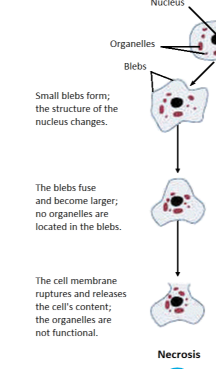
apoptosis
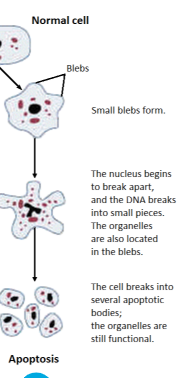
factors influencing cryo lesions
temp, cooling rate, thawing rate
most beneficial cooling rate for cell death
fast cooling rates because more likely to result in cell death in a short time span
most beneficial thawing rate for cell death
slower warming is best for cell death as ice crystals grow and create shearing destruction
how does repetitive freeze cycles influence cryolesions
enhances irreversible cell death via ice formation
how does tissue contact influence cryolesions
better contact = optimal withdrawal of heat
enhances rate of cooling/ice formation
how does local heat sink influence cryolesions
circulating blood flow warms the area being cryoablated and reduces the ability of the catheter to remove heat
how does freeze duration influence cryolesions
prolonged exposure to hypothermic and sub zero temperatures increases likelihood of permanent injury
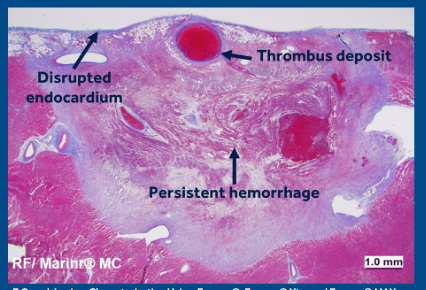
RF ablation

cryoablation
RF adds heat causing direct cell injury with
resistive heating
conducting heating
leading to hyperthermic coagulation necrosis
cryoablation removes heat causing direct cell injury with
hypothermia
ice formation
apoptosis
necrosis
sequence of cryoablation for inadvertent AV block

what does cryo preserve in a cell
ECM and doesn’t denature proteins
connective tissue
differences in cryo and RF and what they give less risk to
cryo: thrombus
RF: phrenic nerve palsy
what do we target with PFA
the irreversible electroporation zone
electroporation zone depends on electric pulse parameters
thermal damage
irrerversible electroporation
reversible electroporation
which of the electric pulse parameters does the cell survive in
reversible electroporation

more in-depth parameters of your electroporation zone
A- the amplitude of the waveform
B – the pulse duration of the waveform
C – the interphase delay between pulses
D – the delay before the next positive pulse
monophasic pulses
long, positive pulses delivered to a catheter electrode array.

next step of monophasic pulses and why
monophasic pulse train

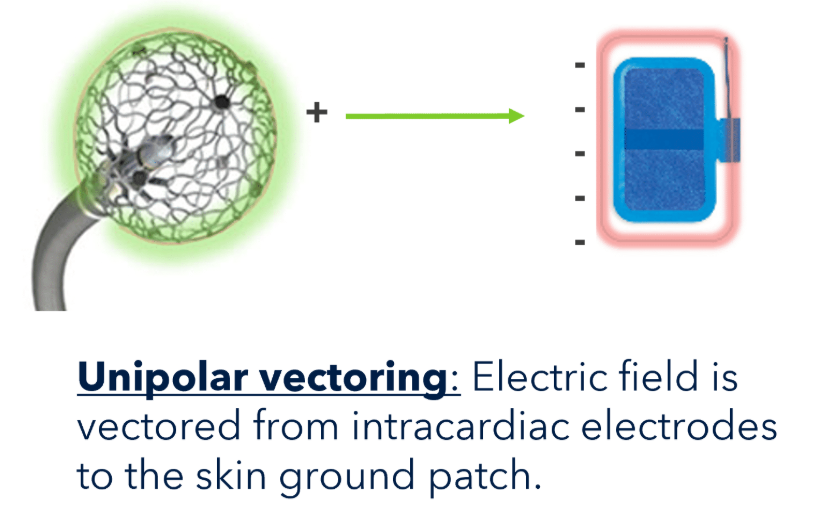
unipolar energy vectoring
In a unipolar vectoring configuration, the electric field is vectored from intracardiac electrodes to the skin ground patch on the patient.
biphasic vs bipolar
biphasic refers to the positive and negative components of the waveform, bipolar refers to how the energy is vectored.
bipolar vectoring
In a bipolar vectoring configuration, the electric field is vectored from electrodes that neighbor each other directly on the catheter.
