Cell Adaptation
 Call Kai
 Learn
Learn Practice Test
 Spaced Repetition
 Match
Match Flashcards
 Knowt Play
1/12

There's no tags or description
Looks like no tags are added yet.
Name | Mastery | Learn | Test | Matching | Spaced | Call with Kai | Chat |
|---|
No analytics yet
Send a link to your students to track their progress
13 Terms
What is the definition of Pathophysiology?
Pathophysiology is the study of functional changes in cells, tissues and organs altered by disease or injury
What is the definition of Pathology?
Pathology is the study of physical changes in cells and tissues associated with disease
What is the definition of Congenital?n
Congenital means a condition that is present at or before birth
Why do cells adapt?
Cells adapt to maintain their function when introduced to stress
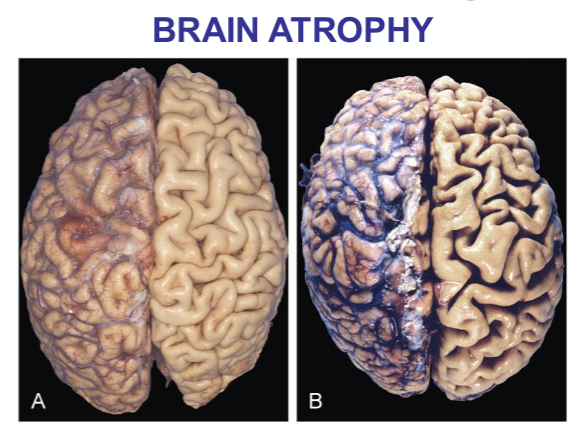
What is Atrophy as well as normal and pathological examples of this?
Atrophy is a decrease in cell size
Normal example: thymus gland
Patholo1gical examples: muscles, brain
What is Hypertrophy and examples of this?
Hypertrophy is an increase in cell size
Occurs in skeletal muscle and heart muscle, which cannot undergo mitosis
What is Hyperplasia and examples of this?
Hyperplasia is an increase in the number of cells
The liver, which can regenerate 50% within a month, breast growth, and wound healing
What is Metaplasia and an example of this?
Metaplasia is the reversible replacement of a cell type
In smokers, replacement of simple ciliated columnar cells along the respiratory tract with stratified squamous epithelial cells

What is Dysplasia and examples of this?
Dysplasia is abormal changes in size, shape and organization of mature cells
Associated with cancerous cells in the cervix or respiratory tract
Is Dysplasia reversible or not?
Dysplasia is reversible, but only if the causative stimulus is removed
What is Endogenous Intracellular accumulation?
Endogenous intracellular accumulation is caused by something normally produced by the cell
Substance is produced faster than it is used
Example: In alcoholics an impaired liver is unable tor process all the fatty acids delivered to it, causing a storage of excess triglycerides (fatty liver)
Pigments: Lipofuscin, a yellow/brown “wear and tear” pigment from undigested material left over from normal cell turnover.
What is Exogenous Intracellular Accumulation?
Exogenous intracellular accumulation is from an external source
Examples include: coal dust and tattoo pigment
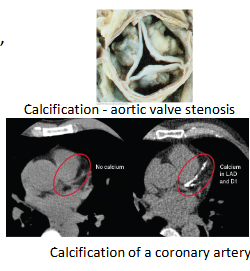
What is Calcification? Some examples of this?
Calcification is a buildup of calcium salts in tissues.
It can occur in damaged tissues or normal tissues (hyperparathyroidism)