CHEM 111 1.1-1.6, 2.1-2.4
 Call Kai
 Learn
Learn Practice Test
 Spaced Repetition
 Match
Match Flashcards
 Knowt Play
1/16

Earn XP
Description and Tags
vocab
Name | Mastery | Learn | Test | Matching | Spaced | Call with Kai | Chat |
|---|
No analytics yet
Send a link to your students to track their progress
17 Terms
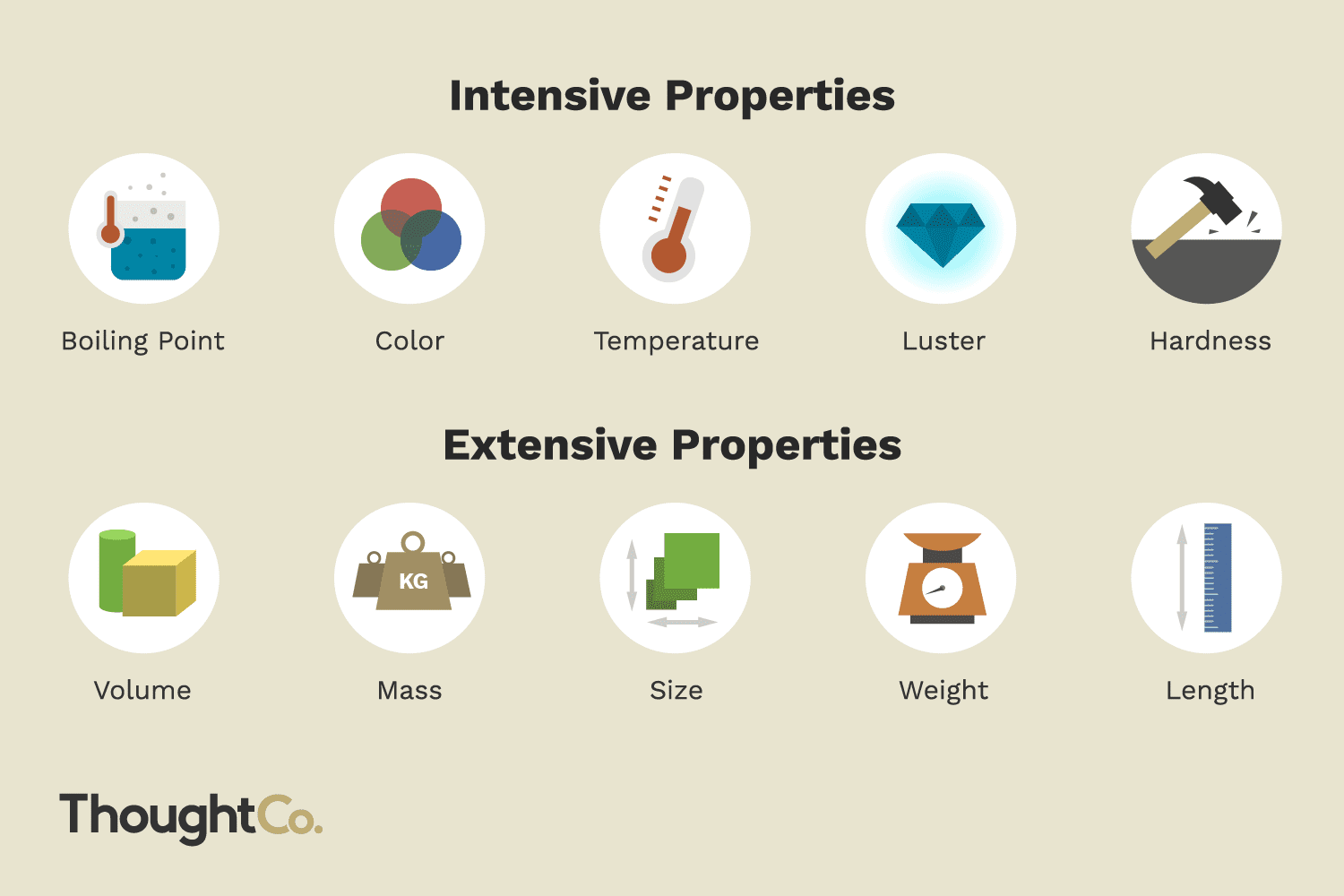
intrinsic characteristics of an element
do NOT depend on the amount/size of sample
ex: density, mp, bp, pH, color
homogeneous mixture
uniform composition
appears visually same throughout
also called a SOLUTION
ex: gatorade
heterogeneous mixture
composition varies
ex: oil + vinegar, or milk (smaller fat particles but still separate in mixture)
pure substances
cannot be broken down into simpler substances through chemical change
1 type of element
compound
pure substances that CAN be broken down through chemical change
2+ types of elements
ex: H2O
density
D=M/V
g/cm³ (s, l)
g/L (g)
accuracy vs. precision
accurate: result is close to real/accepted value
precise: results are close to each other but not the accepted value
ALWAYS sig figs
non-zero digits
captive 0s
trailing 0s (to right of decimal point or w/ scientific notation!!)
NEVER sig figs
leading 0s
trailing 0s (w/o decimal point or scientific notation)
adding/subtracting sig figs
same # of sig figs after decimal as value w/ least digits after the decimal point
multiplying/dividing sig figs
same as term w/ least sig figs
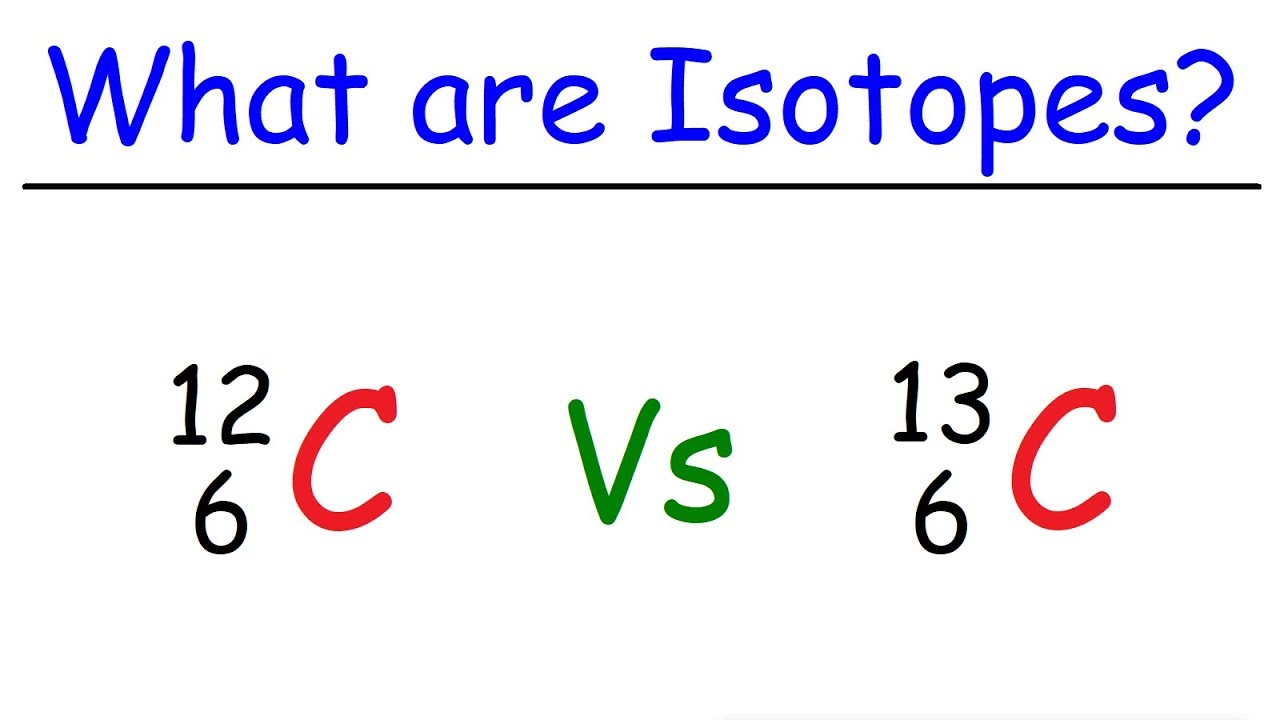
isotopes
atoms of SAME element
differ in mass
ex:
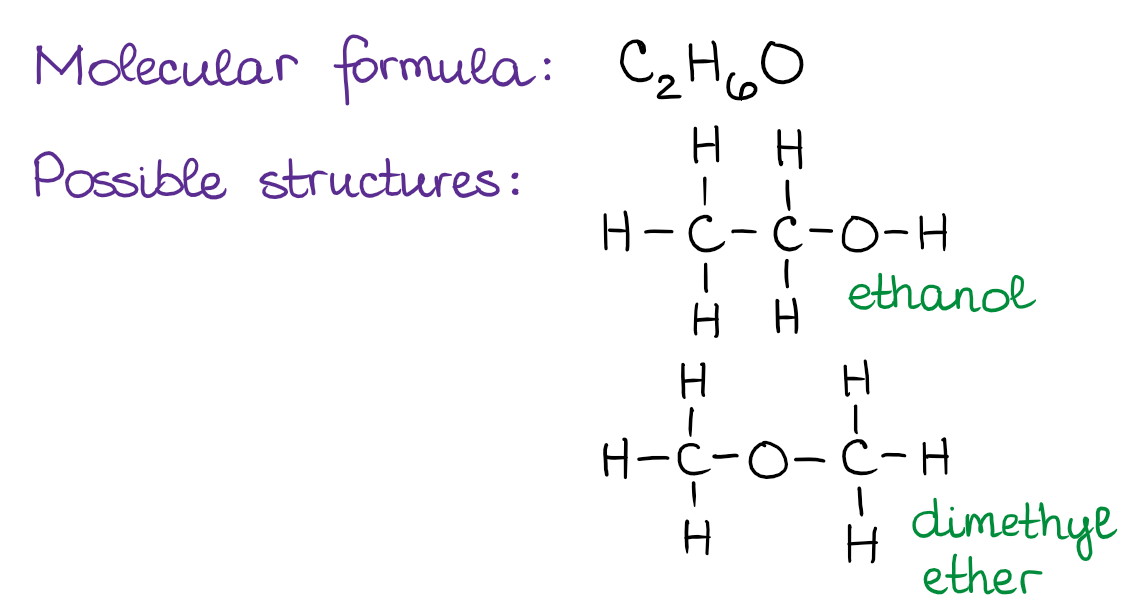
isomers
compounds w/ SAME chemical formula
different molecular structures
atomic mass
(avg atomic mass of the isotopes of an element)
avg atomic mass = sum of(%abundunce x atomic mass of isotope)
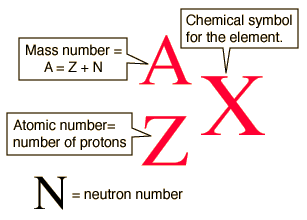
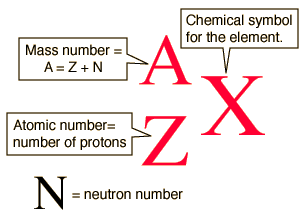
mass #
protons + neutrons

atomic #
unique for every element!
protons
charge
protons - electrons