ADMET: Absorption: Administration Routes
 Call Kai
 Learn
Learn Practice Test
 Spaced Repetition
 Match
Match Flashcards
 Knowt Play
1/81

There's no tags or description
Looks like no tags are added yet.
Name | Mastery | Learn | Test | Matching | Spaced | Call with Kai | Chat |
|---|
No analytics yet
Send a link to your students to track their progress
82 Terms
ADMET Overview
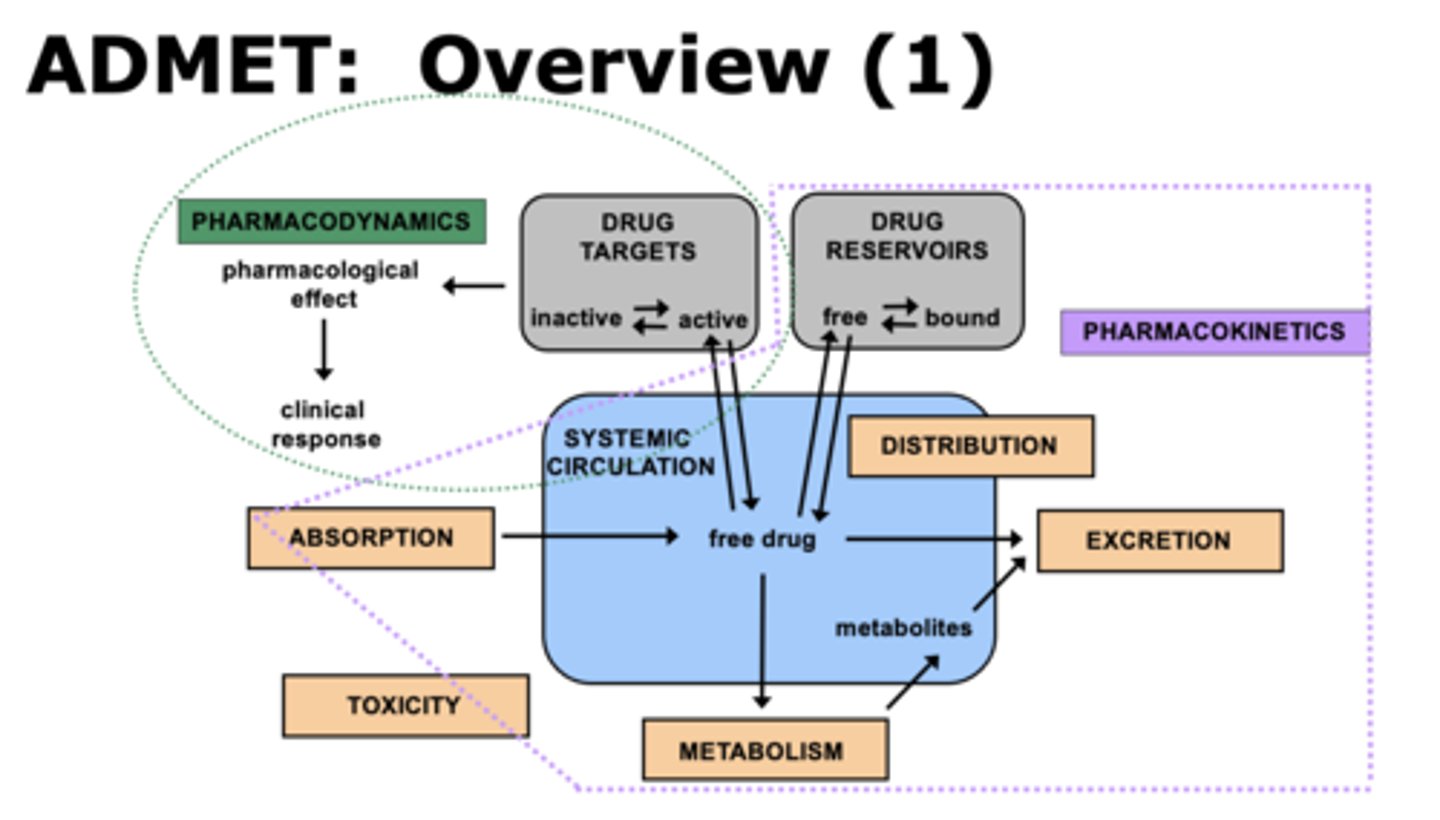
Absorption: Why do we care about routes/Sites of Administration? (2)
- Ensuring that the drug gets to the site of action
- administering drug through an incorrect route is a common source of medication errors & can cause patient harm
Objective
What are the sites of enteral sites of administration?
Enteral:
- oral (PO)
Objective
What are the sites of parenteral sites of administration? (5)
Parenteral:
- Intramuscular (IM)
- Intrathecal (IT)
- Intravenous (IV)/Intraarterial (IA)
- Subcutaneous (SC, SubQ, SQ)
- Intraarticular injections
Objective
What are the sites of topical (mucus and other membranes) sites of administration? (9)
- Buccal/sublingual (SL)
- Intraaural/Auricular/Otic (AD, AS, AU)
- Intranasal (IN)
- Intraocular/Ophthalmic (OD, OS, OU)
- Intrauterine (IU)
- Intravaginal (PV)
- Pulmonary/Inhalation (Inh.)
- (Ano) Recta (PR)
- Transdermal/epidermal (TD)
Objective
Enteral/oral: The absorption pattern is ___________ and dependent upon many factors
Variable
The BA range of enteral/oral drugs
<1-100%
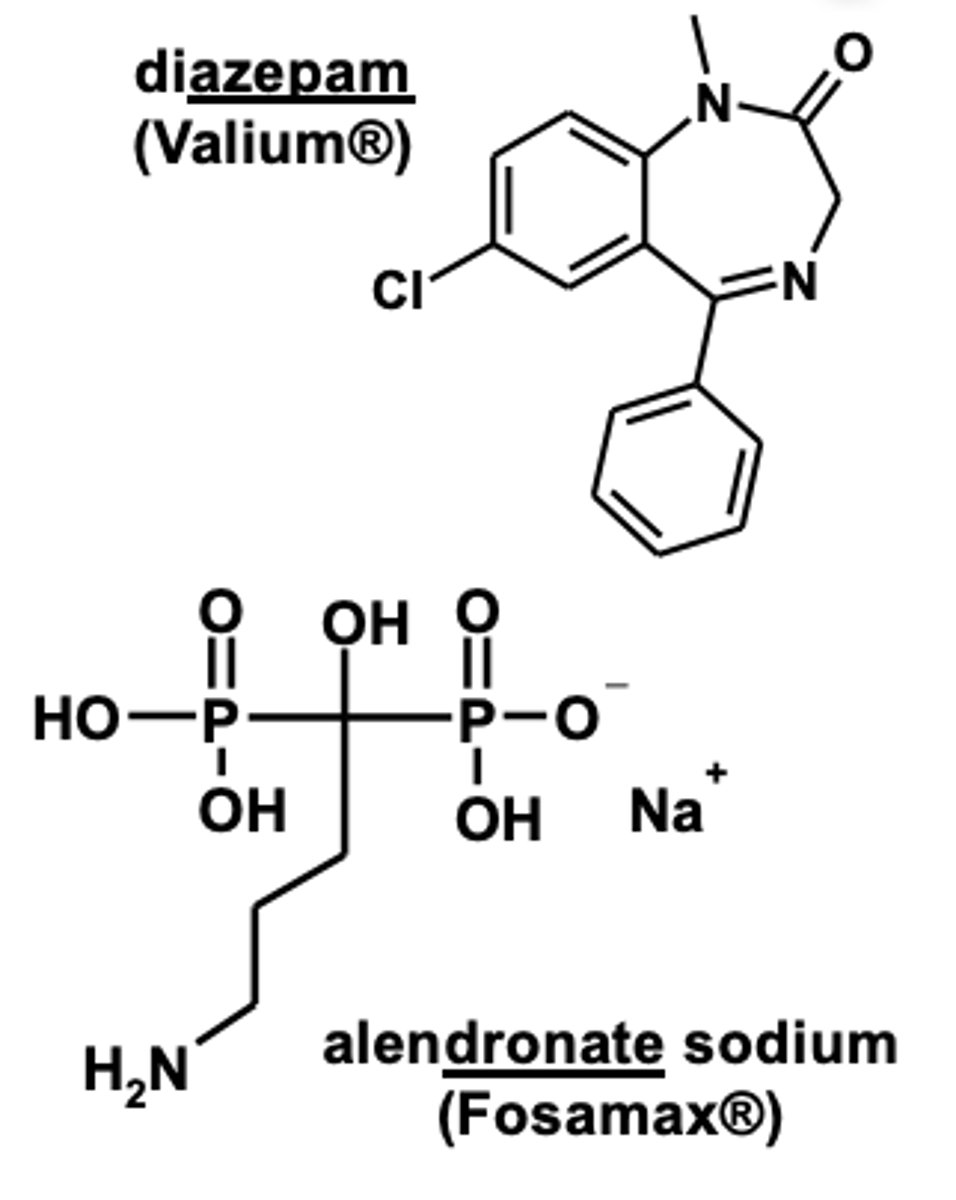
Enteral/oral drugs and BA examples (2)
Diazepam: 100% oral BA
Alendronate: <0.7% oral BA
Objective
Enteral/oral drugs: Special Utility
- Most ____________ and _________
- Usually the _______ route
- Best route for the treatment of ___________ diseases
- In most cases can be ________-administered
- most convenient & economical
- safest route
- GI diseases
- patient-administered
Objective
What are limitations and precautions of enteral/oral drugs? (4)
- Requires patient cooperation (antipsychotics and pediatrics)
- Poorly soluble, slowly absorbed, unstable
- extensive first-pass effect
- potential issues in vomiting/diarrhea
Example of what enteral/oral drugs can be used for
gastroesophageal reflux disease (GERD) & peptic ulcer disease (PUD) (omeprazole (Prilosec®), sucralfate (Carafate®))
Objective
Intramuscular: The absorption pattern is _______________ (from aqueous solutions)
prompt
Objective
Intramuscular: The absorption pattern is ________ (from repository/depot preparations)
slow
Intramuscular BA range
75-100% BA
Objective
Special utility: Intramuscular can be used with moderate (max 3 mL for adults)....
- volumes, oily vehicles, some irritants, depot (sustained-release) injections
Objective
Limitations/Precautions of IM:
- Usage may be limited during ____________ therapy
- May interfere with certain ____________ tests
- Most cases, require another _______ to administer
- limited during anticoagulant therapy
- diagnostic tests
- require another person to administer
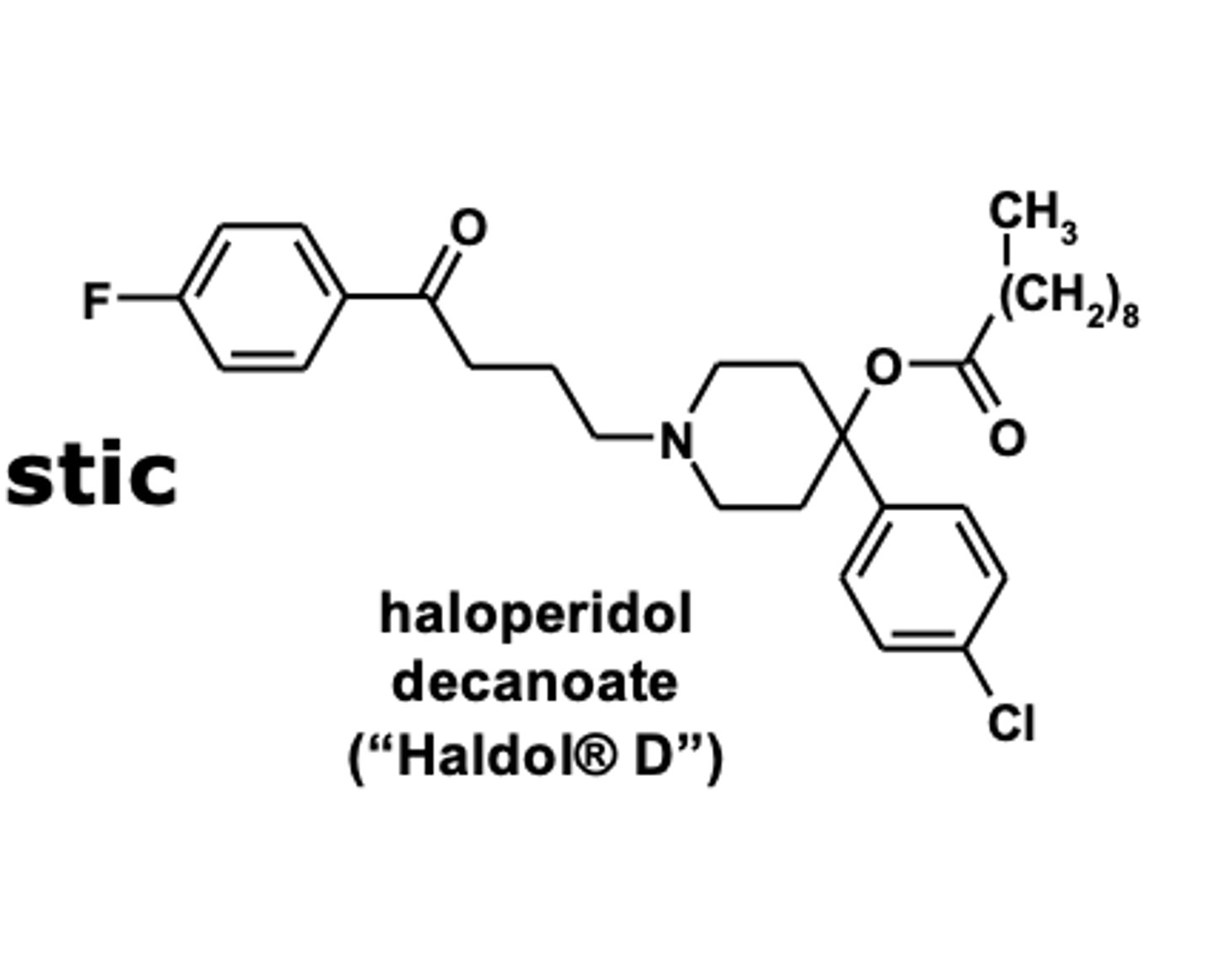
IM drug examples
triptorelin pamoate (Trelstar Depot®), haloperidol decanoate (“Haldol® D”)
Objective
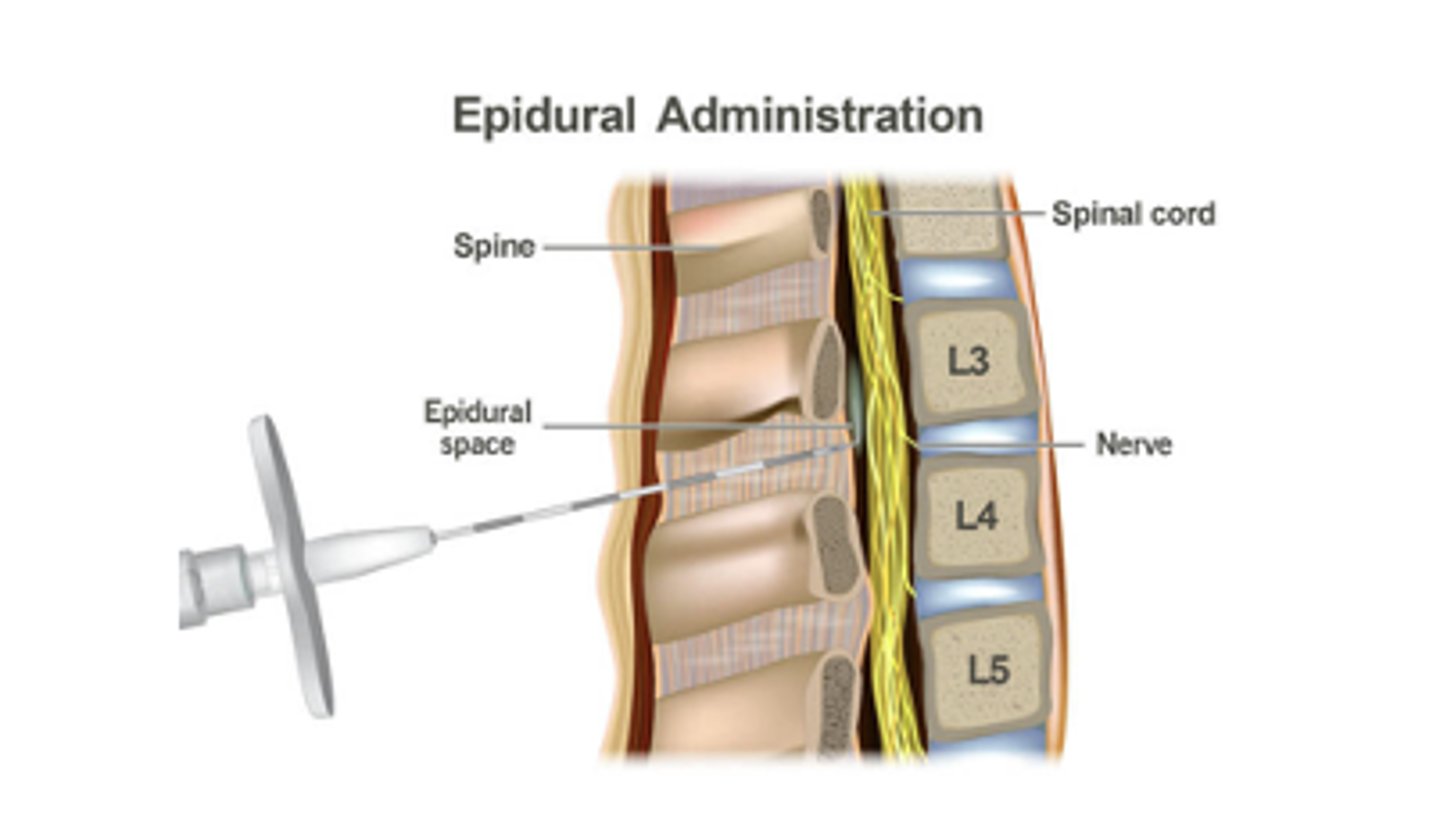
Intrathecal absorption pattern:
Very prompt
Intrathecal BA range
100% availability in the CNS
Objective
Intrathecal special utility
- Intrathecal provides a _______ & _______ _________ of pain perception
- allows for ____________ the drug concentration in the CNS
- fast & effective spinal block
- maximizing the drug concentration in the CNS
Objective
Limitations/precautions of Intrathecal
- caution of volumes/rate of administration due to increased ______________
- requires specialized _____________ for administration
- potential issues relating to ________ puncture, risk of ________, loss of ________, ___________, _________-
- increased intracranial pressure
- specialized medical assistance
- dural puncture, risk of infection, loss of pressure, headaches, dizziness
Examples of intrathecal drugs
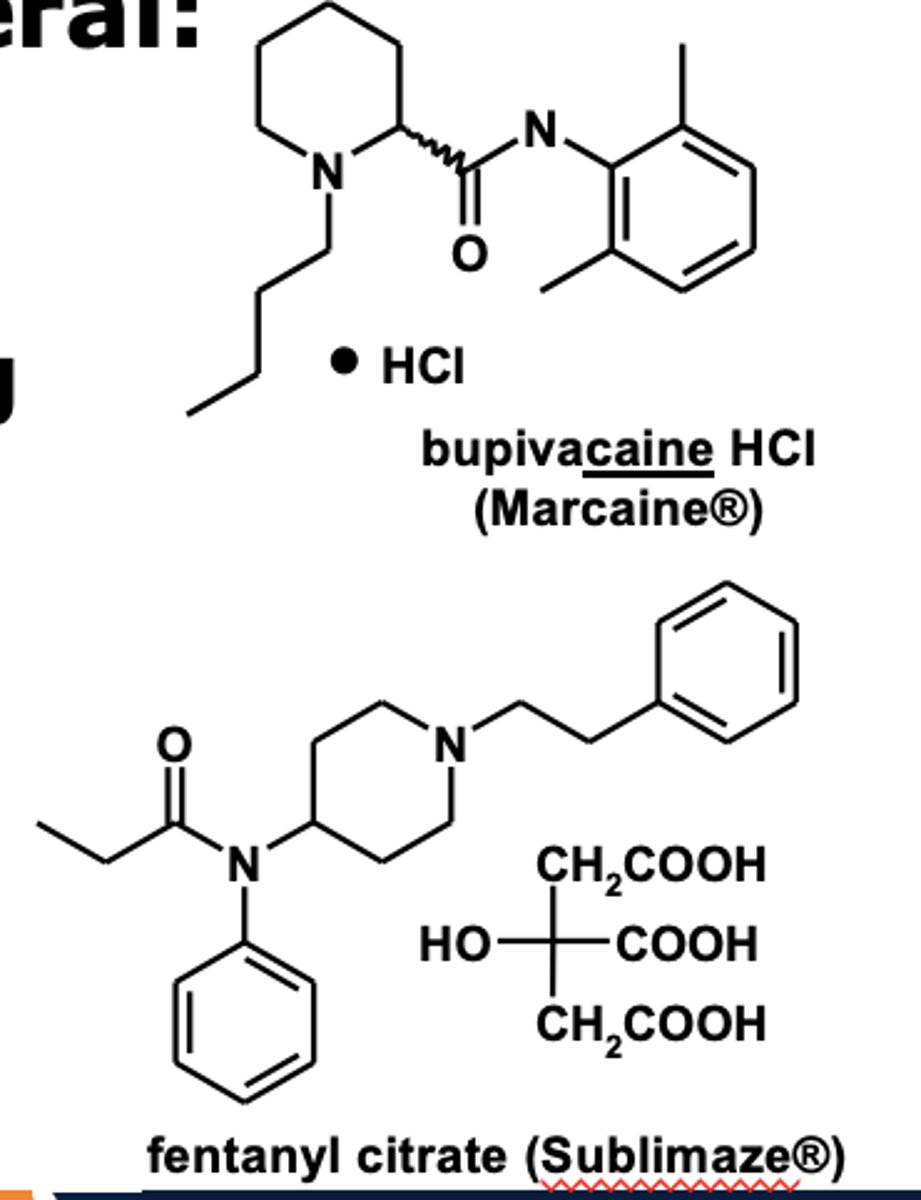
- Epidural pain relief in birthing (e.g. bupivacaine HCl (Marcaine®), fentanyl citrate (Sublimaze®))
- Intrathecal administration of brain cancer treatments (Gliadel® wafers impregnated with carmustine/BCNU)
Objective
Intravenous/intraarterial absorption pattern: Avoids need for _________ and _________
- dissolution and absorption
What is the BA range of intravenous/intraarterial drugs?
100% BA
T/F: The effects of intravenous/intraarterial drugs can be slow
FALSE
their effects can be immediate (can be good or bad)
Objective
Intravenous/intraarterial special utility
- Intravenous/ intraarterial are one of the best routes for _________________
- can be used with larger _____________ and _________
- can be used for larger ________ and _________
- best routes for emergency medications
- larger volumes (liters) and irritants (diluted)
- larger peptides and proteins
Objective
Limitations/precautions of Intravenous/intraarterial
- Nor suitable for _________ soluble or _________ agents/vehicles
- most cases require ________ administration
- usually requires another person and _______________ for administration
- increased risk of ______________
- poorly soluble or insoluble agents/vehicles
- require slow administration
- medical supervision
- adverse events
Examples of Intravenous/intraarterial drugs
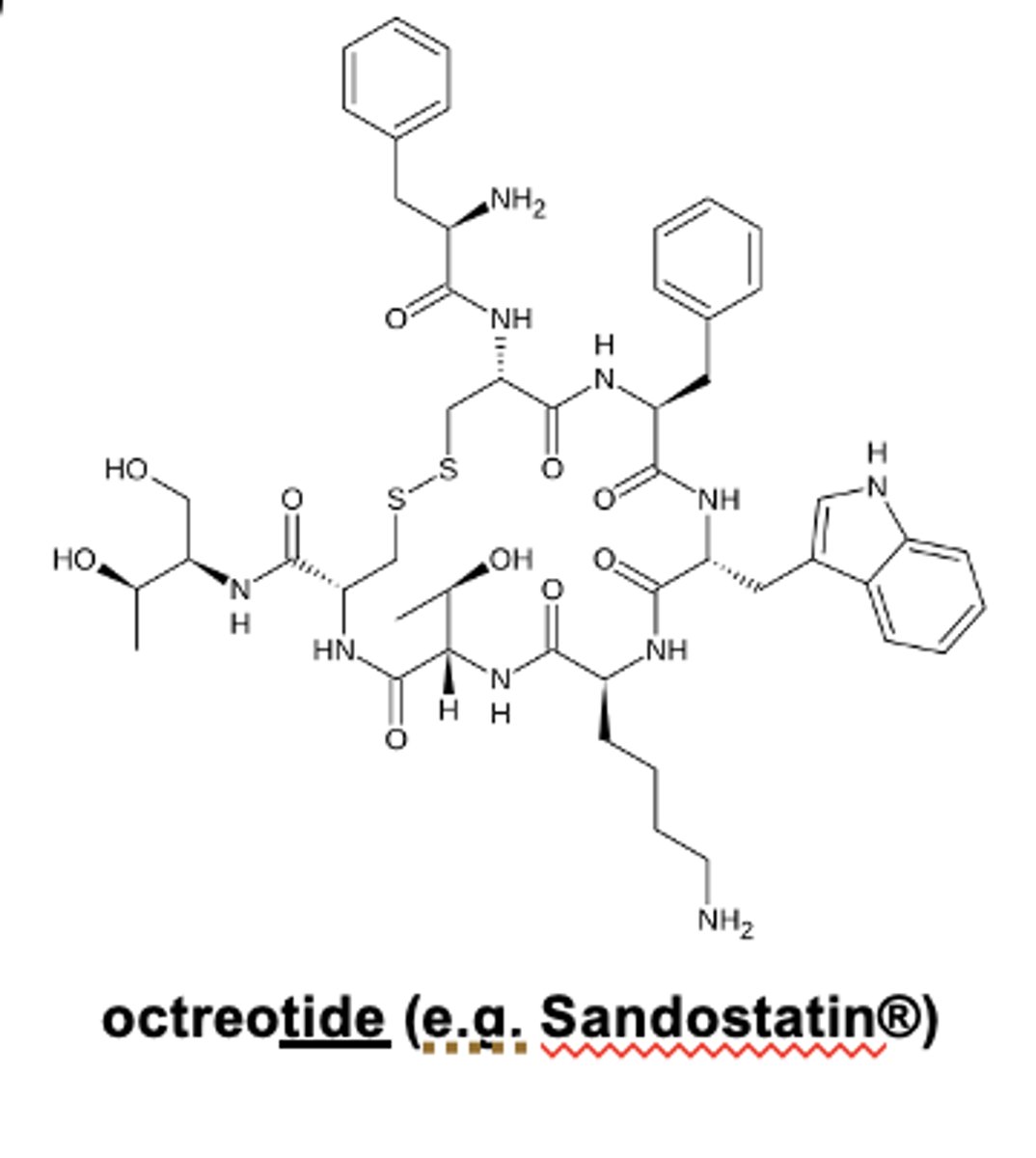
eptifibatide (Integrilin®), octreotide (e.g. Sandostatin®)
Objective
Subcutaneous absorption pattern: ___________ (from aqueous solutions)
Prompt
Objective
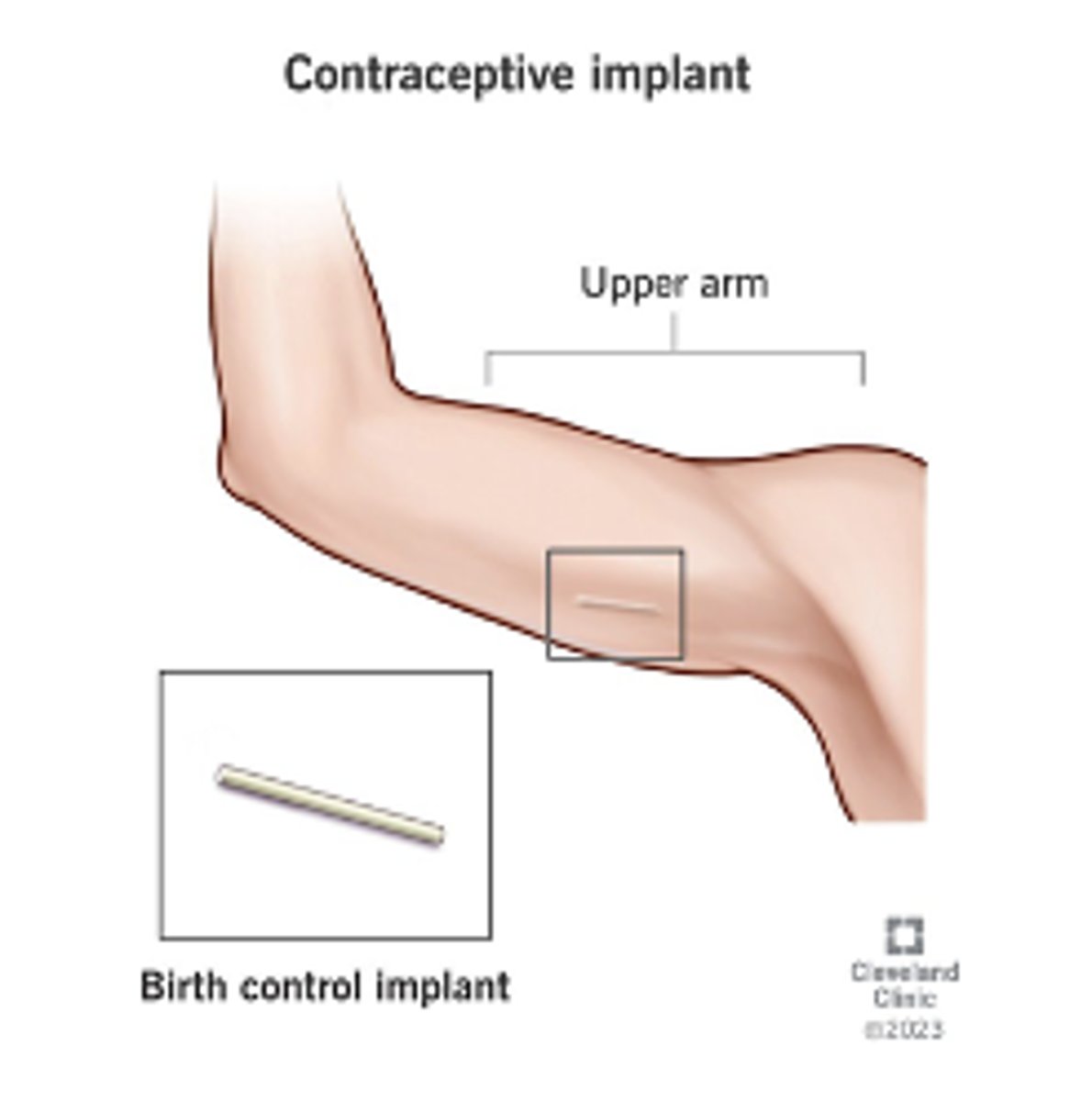
Subcutaneous absorption pattern: ___________ (from repository/depot preparations)
Slow
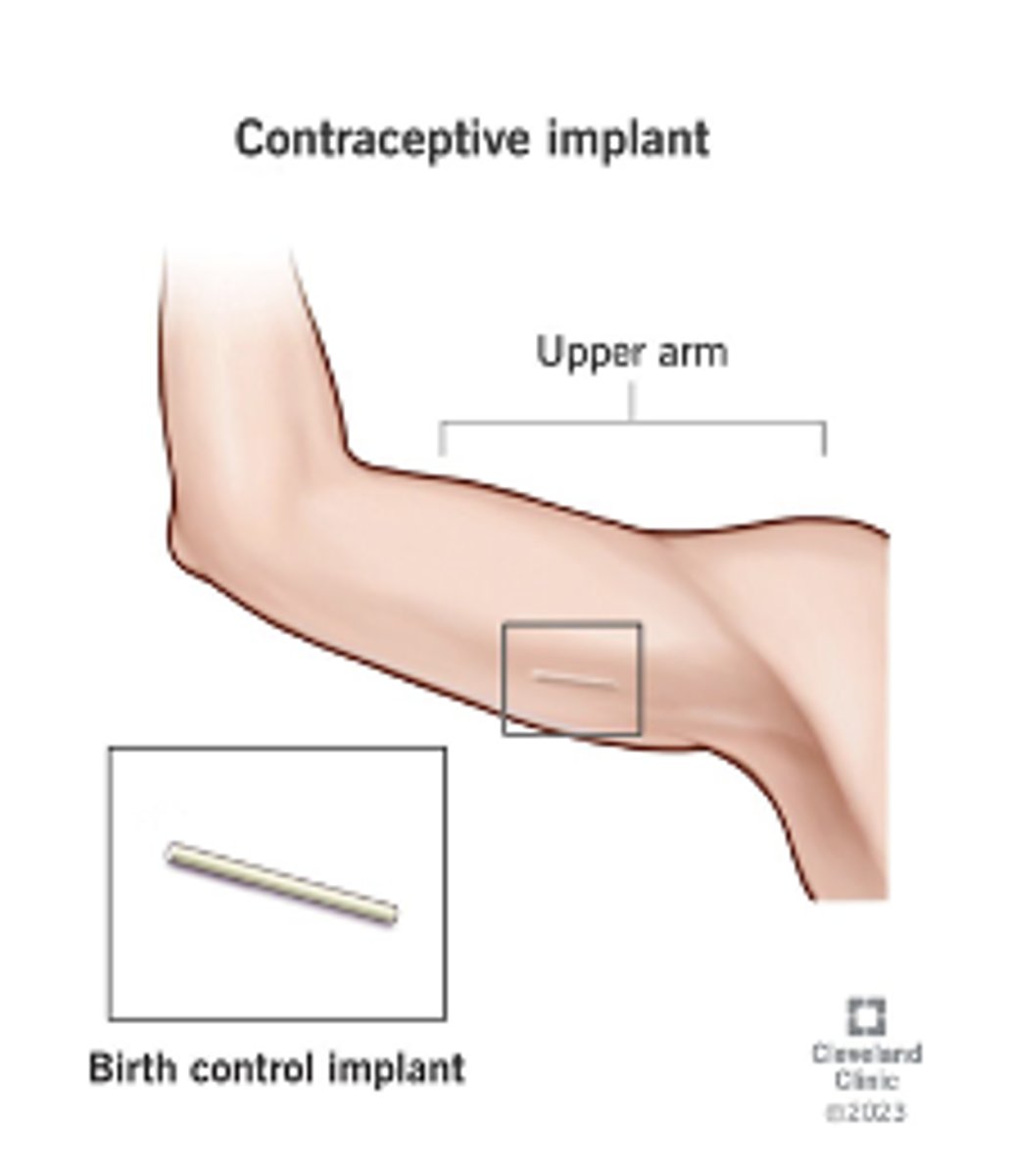
Subcutaneous BA range
75-100% BA
Objective (special utility)
T/F: Subcutaneous in most cases can be self-administered by patient with no other assistance needed
TRUE
Objective (special utility)
Subcutaneous can be used for some relatively ____________ suspensions and for ____________ of solid pellets (e.g. testosterone pellets (Testopel®))
- insoluble
- implantation
Objective
Limitations/precautions of subcutaneous
- Volumes are limited to ________ or less
- Possible injection site issues: ________, __________, _______, ________
- 2 mL or less
- irritation, infection, necrosis, pain
Examples of subcutaneous drugs
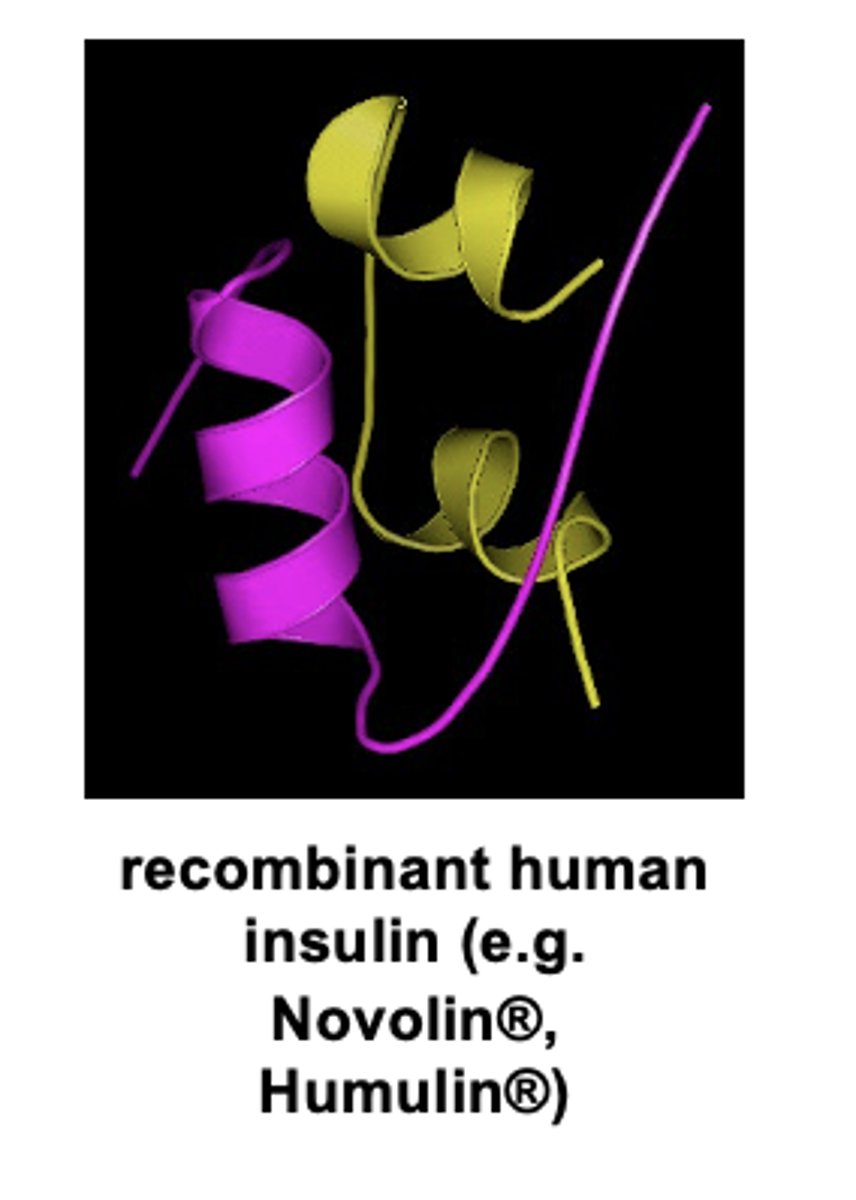
- recombinant human insulin (e.g. Novolin®, Humulin®)
- somatropin / recombinant human growth hormone (rhGH, Serostim®)
Objective
Absorption pattern of sublingual/buccal
Prompt
Sublingual/buccal BA range
60-80% BA
Objective
Sublingual/buccal special utility
- Sublingual/buccal can be ______-administered by patient
- can be used in patients who can't _______
- best route for the treatment of _____________________
- avoids ______-______ clearance
- self-administered
- can't swallow
- peridontal diseases
- avoids first-pass clearance
Objective
Limitations/precautions of sublingual/buccal:
- Volumes are ____________
- Potential for patient to ____________ medicaiton
- limited
- swallow medication
Examples of sublingual/buccal drugs
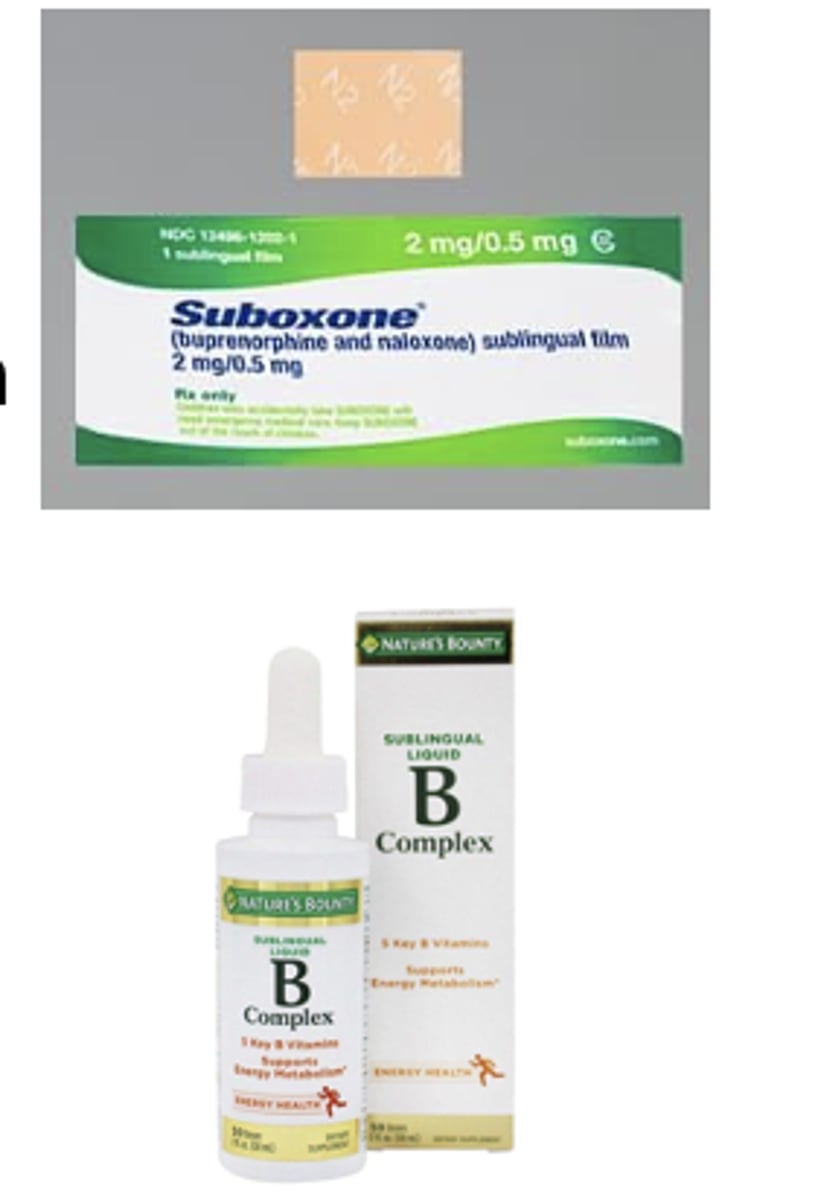
- Buprenorphine + naloxone buccal film, SL film, SL tablets (Suboxone®)
- Cyanocobalamin (vitamin B12) sublingual tablets & spray
- Nitroglycerin sublingual products (e.g. Nitrostat®)
Objective
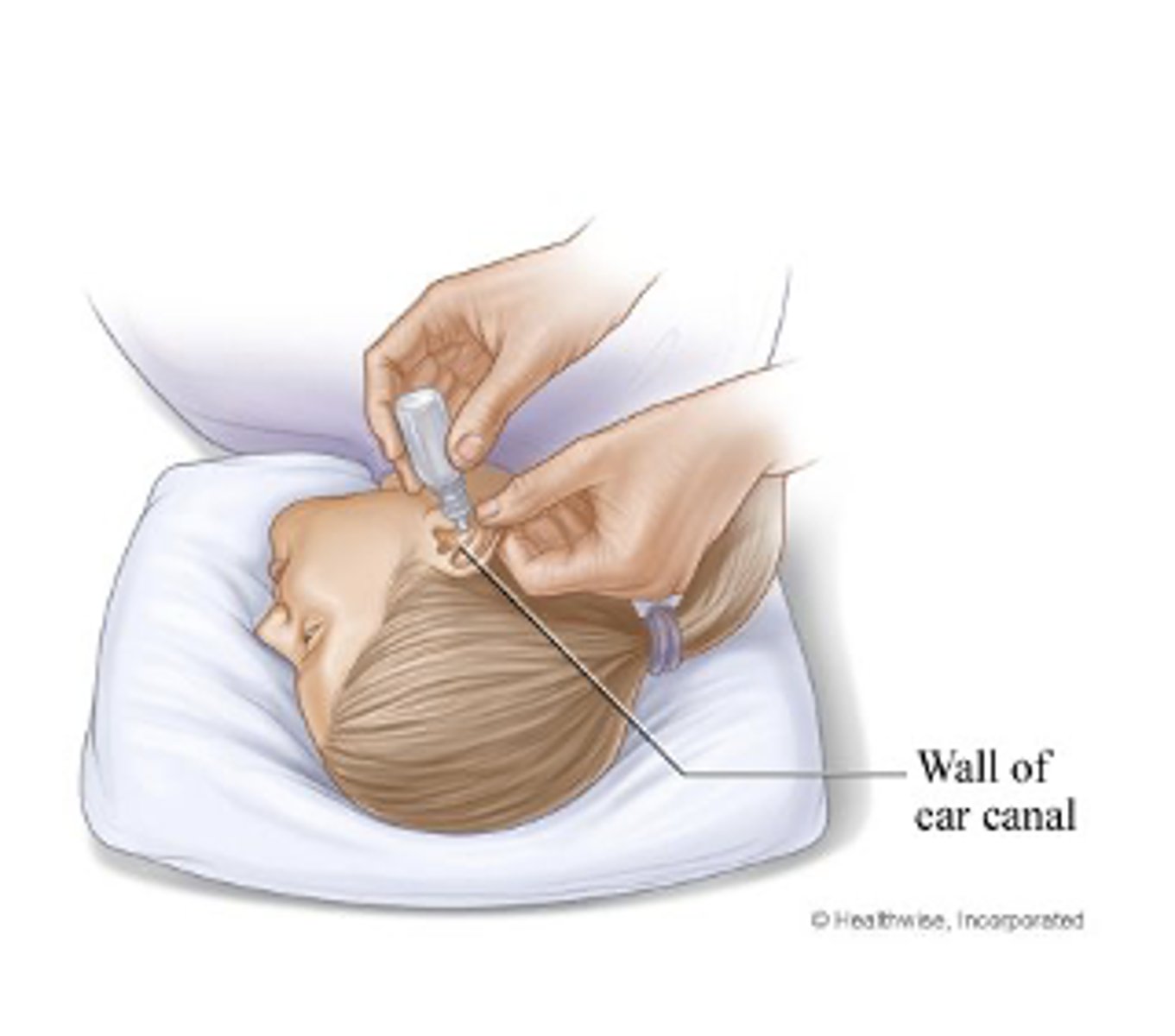
Intraaural/otic absorption pattern: _________ (local) to ___________ (systemic)
- moderate (local)
- poor (systemic)
T/F: Intraaural/otic have a very unlimited BA
FALSE
Very limited bioavailability
Objective
Intraaural/otic Special utility:
- Best route for the treatment of......
ear-related diseases
(e.g. earaches, ear infections)
Objective
Limitations/precautions of intraaural/otic:
- Limited __________
- Potential for ___________
- Caution in patients with ___________ tubes
- May require ___________ for administration
- limited volumes (mLs)
- irritation
- myringotomoy tubes
- assistance
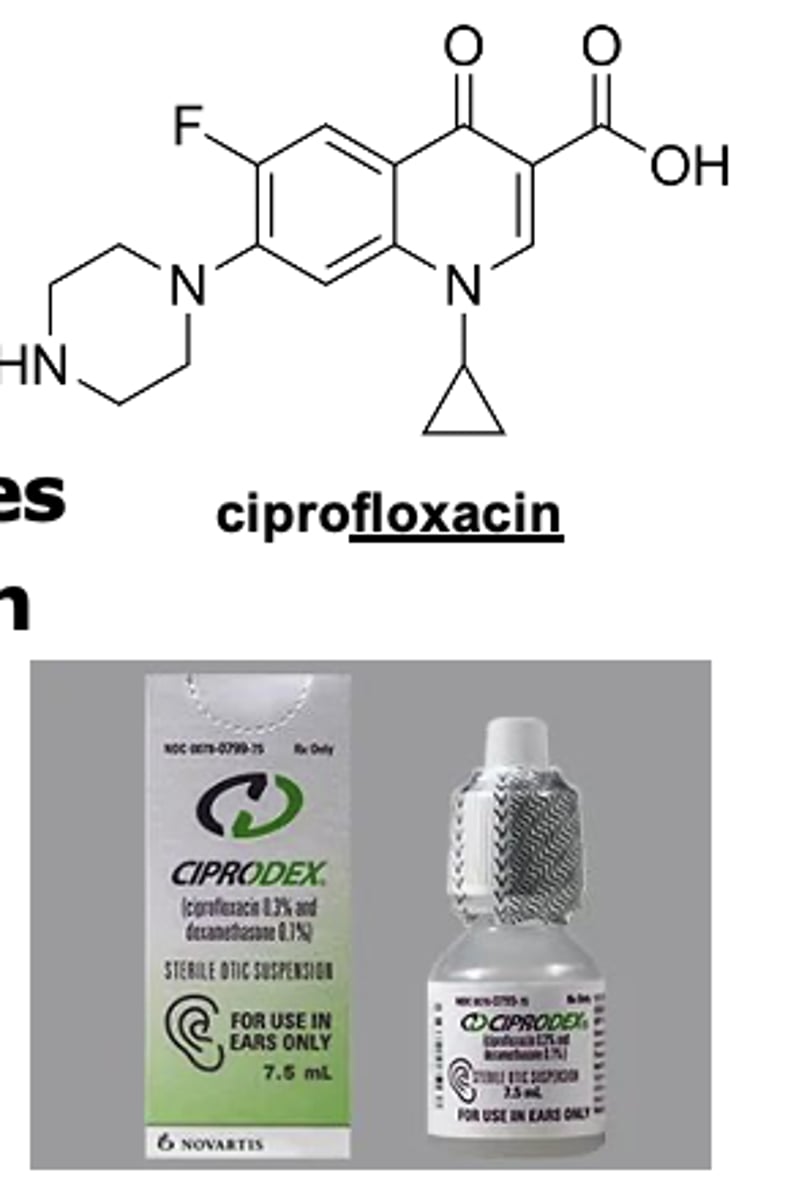
Examples of intraaural/otic drugs
- Ciprofloxacin + dexamethasone otic drops (Ciprodex®)
- Hydrocortisone + glacial acetic acid otic drops (Vosol HC®)
Objective
Intranasal absorption pattern
Prompt
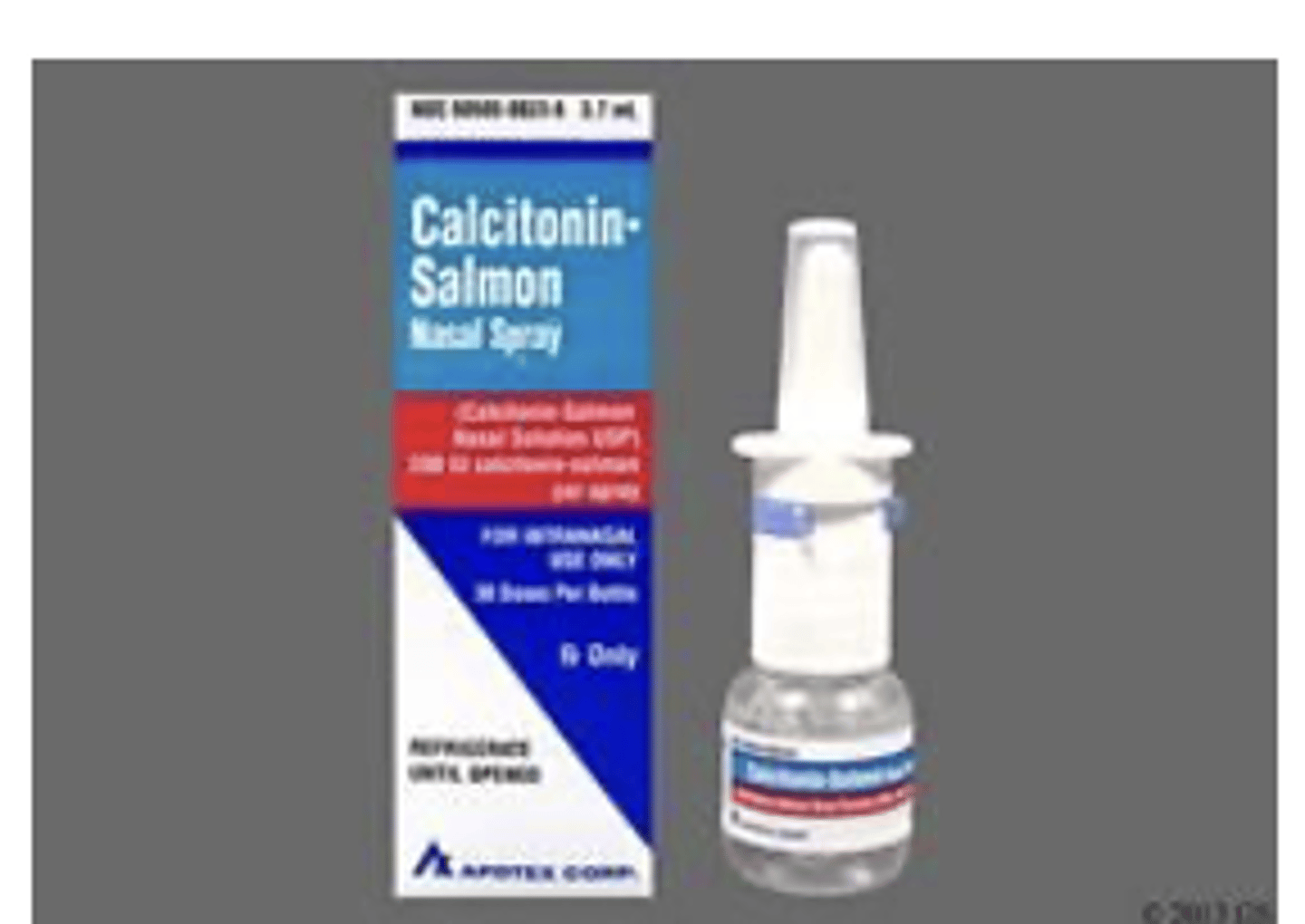
Intranasal BA range: Depending on the agent, BA can be up to......
90%
Objective
Intranasal special utility
- Best route for the treatment of.......
- _____ for patients to administer
- nasopharyngeal diseases (e.g. sinus infections, congestion, allergies)
- easy
Limitations/precautions of Intranasal:
- _______ volumes (sprays/drops)
- Potential for ______ and _________
- limited volumes
- irritation & nosebleeds
Examples of intranasal
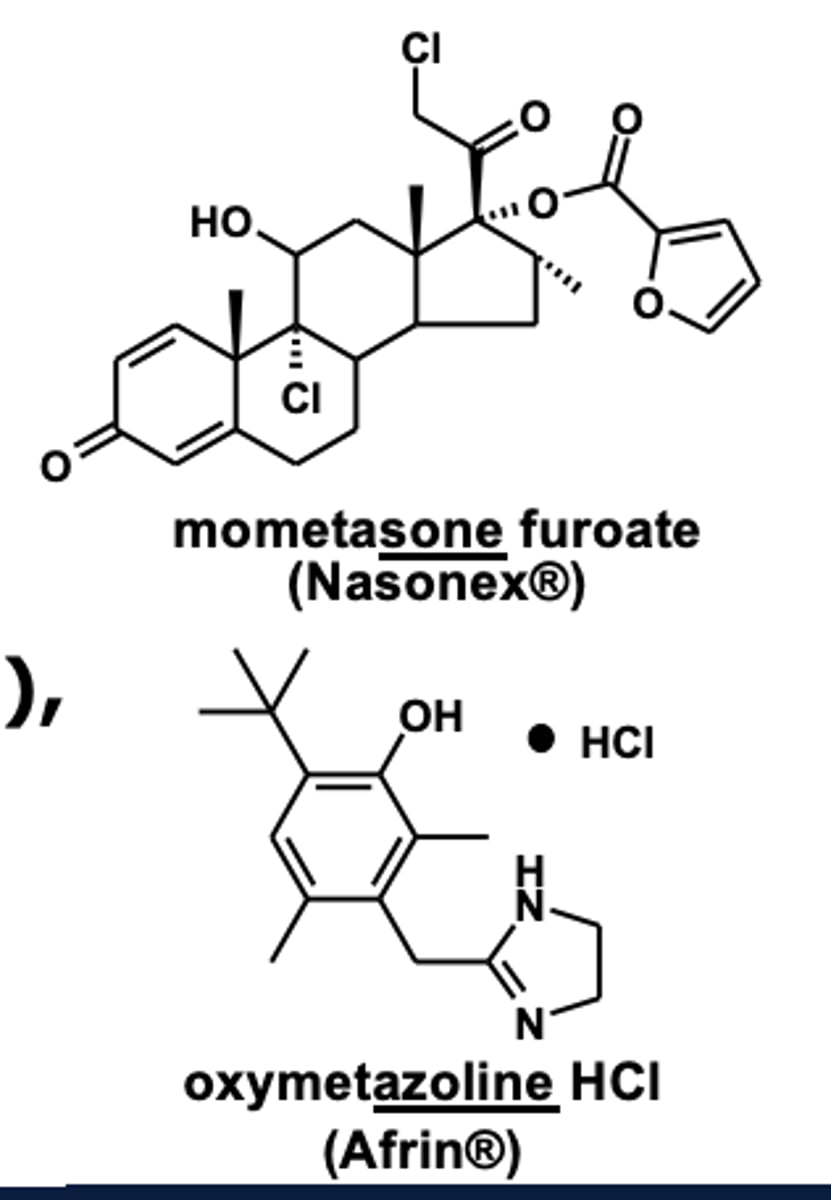
- Nasal steroid sprays for treatment of allergic rhinitis (triamcinolone acetate (Nasacort®), mometasone furoate (Nasonex®), etc.)
- Nasal decongestant sprays (e.g. oxymetazoline HCl (Afrin®))
- Miscellanous agents (desmopressin acetate (DDAVP® nasal spray))
Objective
Ocular absorption pattern
prompt
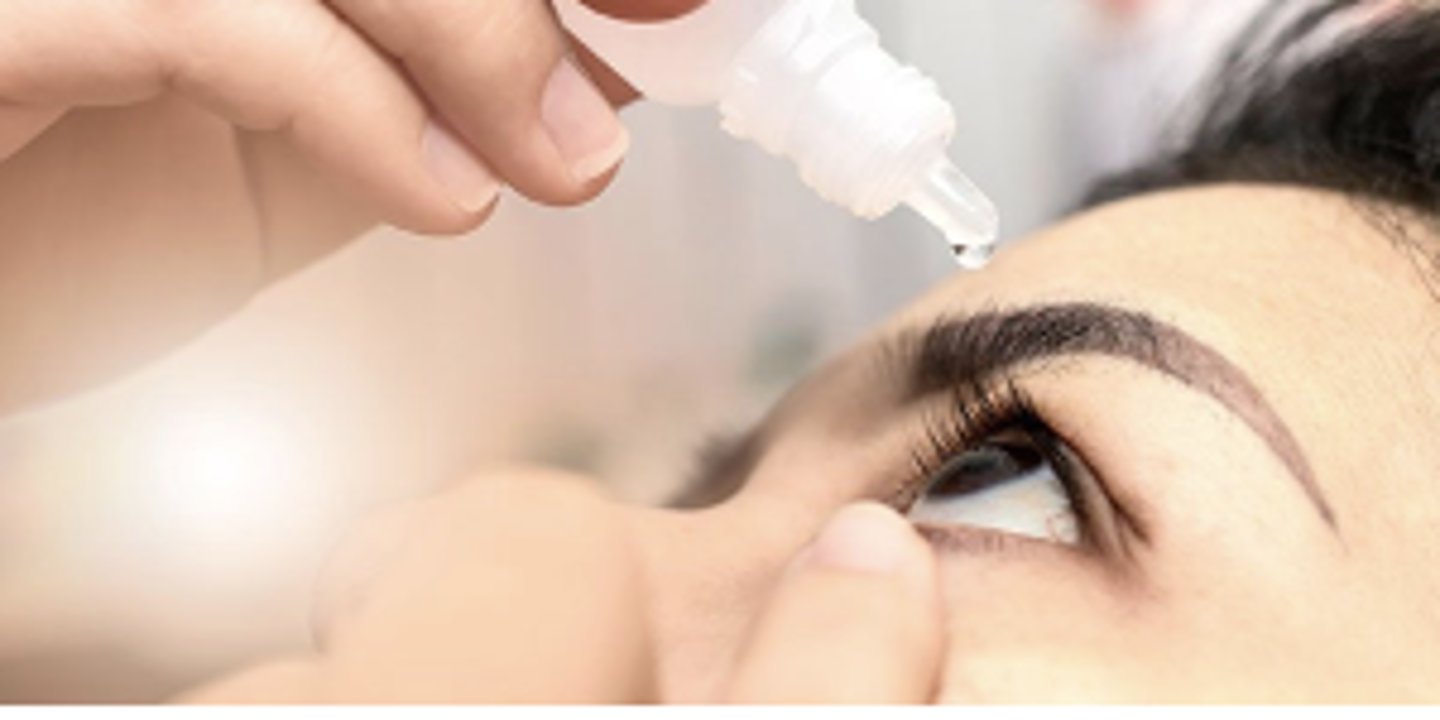
Ocular BA range: Depending on the agent, _____________ is usually very good, and systemic BA can be ________ than expected
- local absorprtion
- higher
Objective
Ocular special utility
- Ocular is the best route for treatment of _______________
- Usually easy for patients to __________
- treatment of ocular diseases (e.g. eye infections, allergies, conjunctivitis, glaucoma)
- self-administer
Objective
Limitations/precautions of Ocular:
- Limited ________ (drops)
- Potential for __________ and _________ issues
- Potential for __________ effects
- limited volumes
- irritation and visual issues
- systemic effects
Examples of ocular drugs
- Ophthalmic preparations for treatment of glaucoma (timolol maleate (Timoptic®))
- Anti-infective eye drops (tobramycin (Tobrex®))
- Ophthalmic drops for treatment of irritation (tetrahydrozoline HCl (e.g. Visine® Original eye drops))
Objective
Pulmonary/Inhalation absorption pattern
Prompt
Pulmonary/inhalation BA range: Depending on the agent, local absorption is usually very __________ and systemic BA can be ____________%
- very good
- 5-100%
Objective
Pulmonary/inhalation special utility
- Pulmonary/inhalation is the best route for the treatment of ____________
- depending on the _________ method and _______ of PT, can be easy for PT to self-administer
- treatment of pulmonary diseases (e.g. asthma, COPD)
- delivery method and age
Objective
Limitations/precautions of pulmonary/inhalation:
- Limited ______ (max of few mL (nebulizer))
- Possible __________
- Absorption----->__________ effects
- limited volumes
- irritation
- systemic effects
Examples of pulmonary/inhalations Part 1
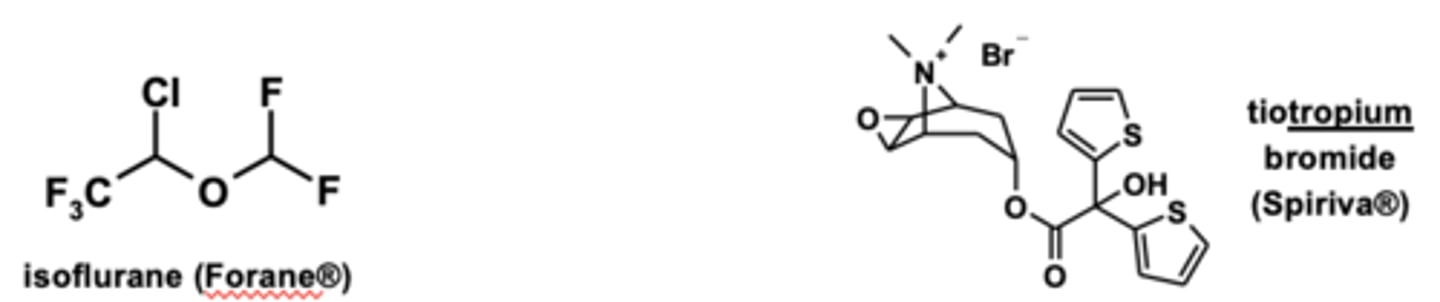
- Inhaled beta-agonists & anticholinergics for the treatment of COPD (salmeterol xinafoate (Serevent®), tiotropium bromide (Spiriva®))
- Inhaled anesthetics (e.g. isoflurane (Forane®))
Examples of pulmonary/inhalations Part 2
- Inhaled steroids for the treatment of COPD (fluticasone propionate (Flovent®), triamcinolone acetonide (Azmacort®))
- Miscellanous agents (e.g. dornase alfa (Pulmozyme®))
Objective
(Ano) Rectal absorption pattern
Prompt
Rectal BA range: depending on the agent, local absorption is usually very _________, systemic BA can be ___________%
- very good
- 30-100%
Objective
Ano/rectal special utility
- Rectal is the best route for the treatment of ____________
- Provides an _____________ route when oral administration isn't feasible
- Avoids most of ________________ effect
- treatment of anorectal diseases (e.g. hemorrhoids)
- alternative route when oral administration isn’t feasible (unconscious, seizures, vomiting, etc.)
- Avoids most of first-pass effect
Objective
Limitations/precautions of rectal:
- Limited ___________
- Irritation
- Absorption---> __________ effects
- Absorption can be ___________ and __________
- difficult to administer if patient has _____________
- limited volumes
- irritation
- systemic effects
- irregular & incomplete
- diarrhea
Examples of rectal drugs
- Anorectal steroid products for irritation (hydrocortisone acetate + pramoxine HCl (e.g. Proctofoam-HC®))
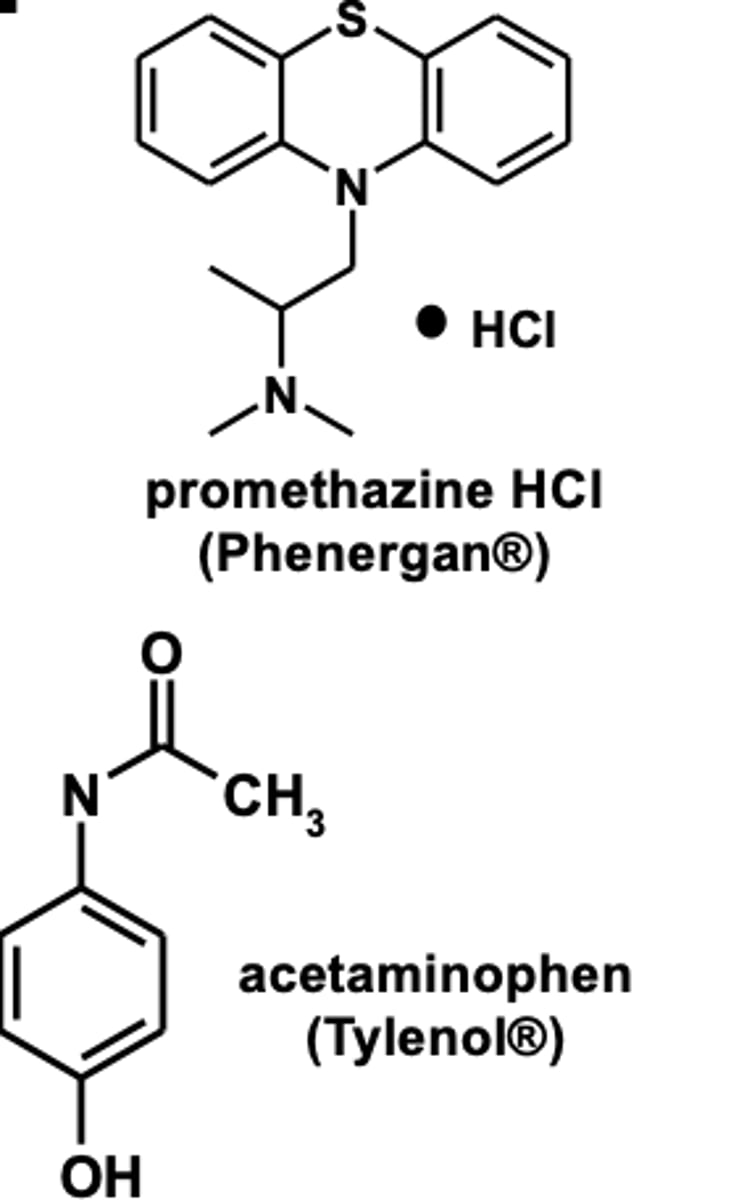
- Antinausea suppositories (promethazine HCl (Phenergan®))
- Pediatric antipyretic products (acetaminophen (Tylenol®))
Objective
Intravaginal absorption pattern
Prompt
Intravaginal BA range: Depending on the agent, local absorption is very _________, and systemic BA can be up to ______%
- very good
- up to 100%
Objective
Intravaginal special utility:
- Intravaginal is the best route for the treatment of ____________
- usually can be _____-_____________ by PT
- treatment of vaginal diseases (e.g. vaginal infections, vaginal atrophy)
- self-administered
Objective
Limitations/precautions of intravaginal:
- Limited ______/____________ (grams)
- Possibility for ____________
- Absorption---->____________
- limited volumes/amounts
- irritation
- systemic effects
Examples of intravaginal drugs
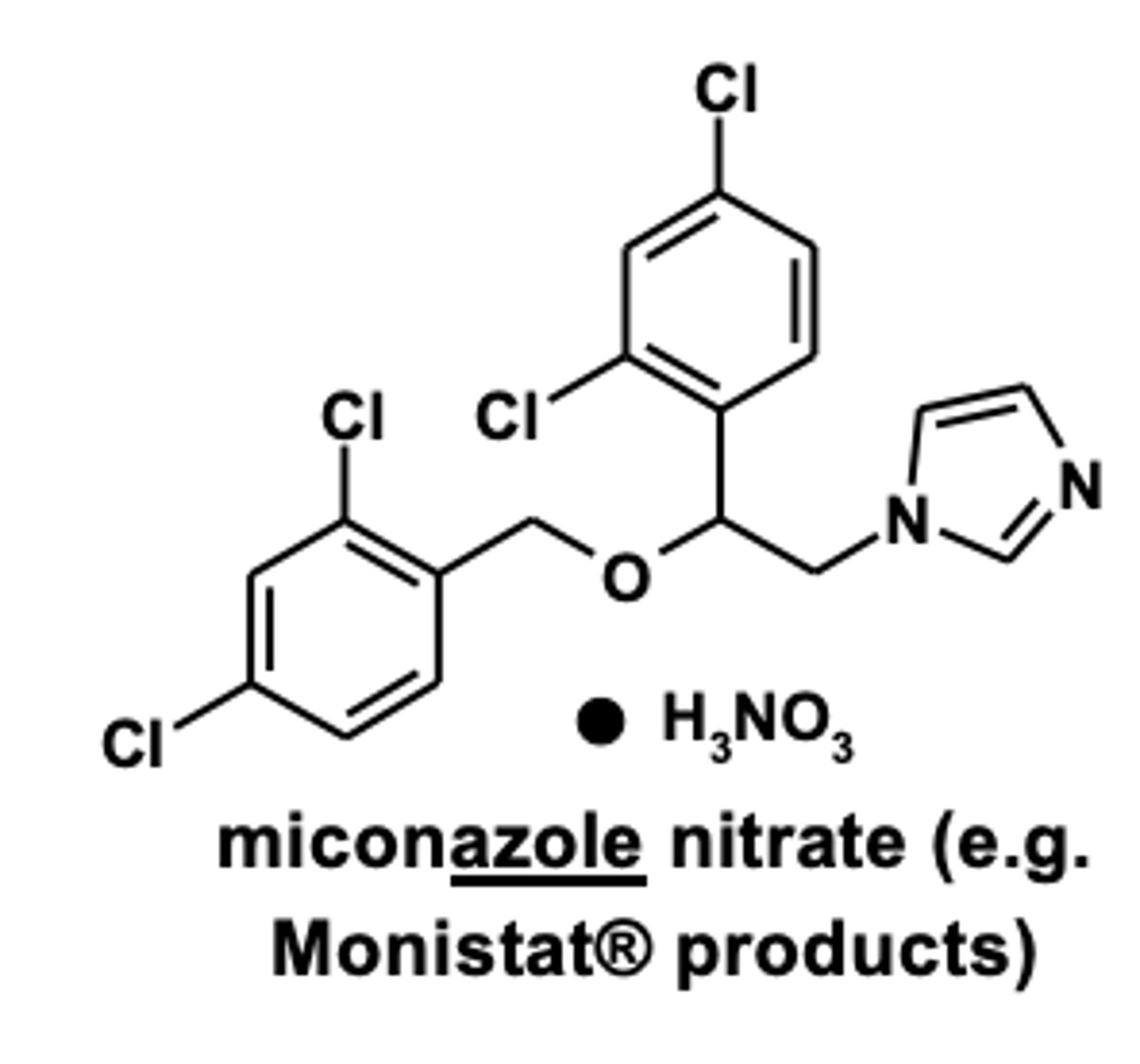
- Vaginal anti-infective agents (miconazole nitrate vaginal cream (Monistat 7®))
- Topical hormone products for vaginal atrophy (progesterone vaginal gel (Crinone®))
Objective
Epidermal/transdermal Absorption Pattern: Can be _________, depending upon condition of _________
- What does the best absorption occur with?
- variable, depending on skin condition
- best absorption occurs with lipid-soluble agents
Epidermal/transdermal BA range: Depending on agent/formulation, BA can be as high as _______%
100%
Objective
Epidermal/transdermal special utility
- Epidermal/transdermal is the best route for the treatment of _____________
- usually can be ____-_______ by patient
- Convenience
- dermatalogical diseases (e.g. skin infections, psoriasis, rashes)
- self-adminsitered
- Convenience: transdermal multi-day patches
Objective
Limitations/precautions of epidermal/transdermal
- Limited _________/__________ (grams/drops)
- Possible __________
- _________ of patches
- Affected __________ area
- ____________ absorption reported for some patches
- limited volumes/amounts
- possible irritation
- detachment of patches
- affected surface area
- variable absorption
Epidermal/transdermal examples
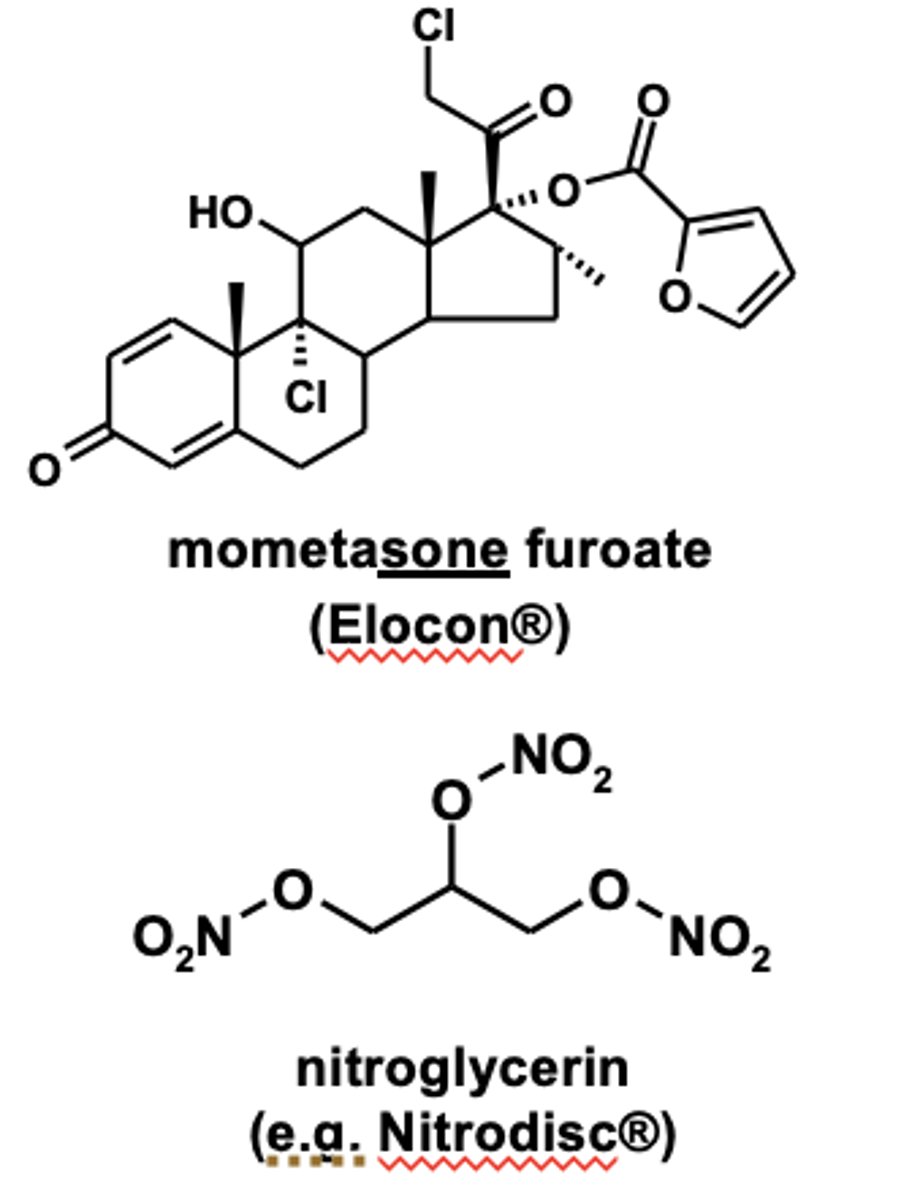
- Topical steroid formulations (mometasone furoate (Elocon®))
- Topical antibiotics & antifungals (e.g. mupirocin (Bactroban®), miconazole (Micatin®))
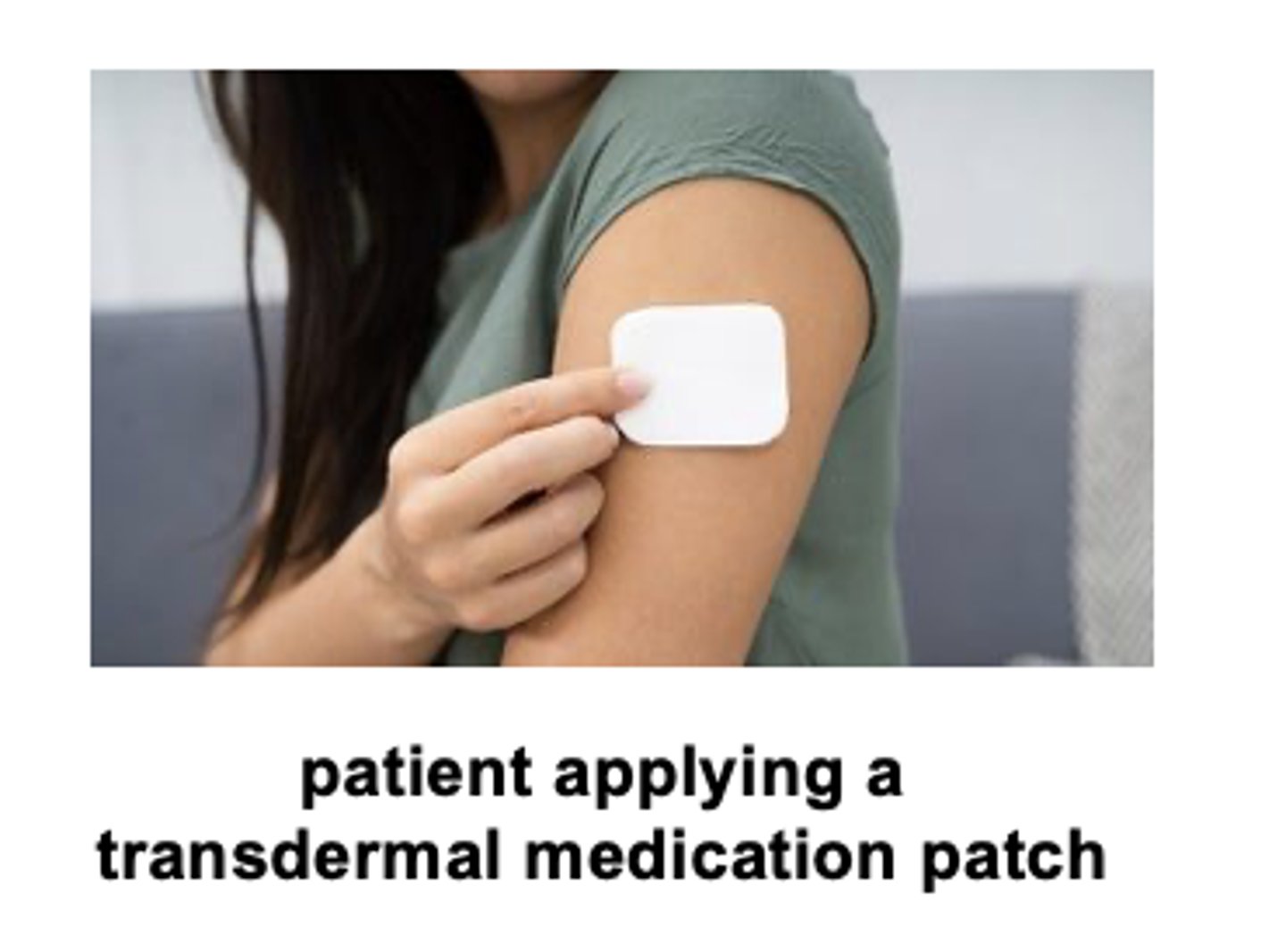
- Transdermal patches (scopolamine (Transderm-Scop®), nitroglycerin (e.g. Nitrodisc®))
Choices for routes/sites of administration: Disease state
Put drug at site of action, if possible
Choices for routes/sites of administration: Urgency: quickest routes for drug delivery are...
Quickest routes for systemic drug delivery are typically IV, SL (also IM epinephrine)
Choices for routes/sites of administration: Sustained action (days-weeks)
IM depot injections, some transdermal patches, SC pellets
Choices for routes/sites of administration: Convenience and safety:
- PO (especially XL/XR/SR/ER dosage forms)
- transdermal/epidermal
Choices for routes/sites of administration: Avoiding first-pass effect
IV, SL, PR
Choices for routes/sites of administration: Larger (liter) volumes
IV