QD (1,1.1,1.2)
 Call Kai
 Learn
Learn Practice Test
 Spaced Repetition
 Match
Match Flashcards
 Knowt Play
1/148

There's no tags or description
Looks like no tags are added yet.
Name | Mastery | Learn | Test | Matching | Spaced | Call with Kai | Chat |
|---|
No analytics yet
Send a link to your students to track their progress
149 Terms
DOCUMENT (General Definition)
Documentum means a lesson
Docere means to teach
Comes from a Latin word “_______" means a ______.
French word “______” means to ______.
Is any material that contains a mark, symbol or sign, either visible, partially visible or invisible that may presently or ultimately convey a meaning or a message to someone.
LEGAL DEFINITION of DOCUMENT
It is any written statement by which a right is established or an obligation extinguished. (People vs. Moreno, C.A., 38 O.G. 119)
Every deed or instrumet executed by person by whom some disposition or agreement is proved, evidenced or set forth (People vs Nillosquin, CA 48 O.G. 4453)
In relation to Criminal Jurisprudence under the best evidence rule, document refers to any physical embodiment of information of ideas (e.g. a letter, a contract, a receipt, a book of account, a blue print, or an X-ray plate)
Documentary Evidence
Any media by which informatrion with legal significance can be preserved and introduced as evidence in a court proceeding. (NOT HEARSAY)
Standard Document
Questioned Document
Two Categories of Document
Standard Document
Document in which the origin is known can be proven and can legally be used as sample to compare with other things in question.
a. Collected or procured standard
b. Requested/Dictated
Types of Standards
Collected or procured standard
Standard specimen obtains from a file of document executed in the regular course of man's activity or a person's day to day business, official, social, or personal activities.
Requested/Dictated
Is a standard document which is made upon request (prepared at one time). Are those which are given or made upon request for purposes of making a comparative examination with the request writing.
Contemporary document
documents which are not more than five (5) years before or after.
Questioned Document
Is a document that is questioned because of its origin, its contents, or the circumstances regarding its production arousing serious suspicion as to its genuineness or it may adversely scrutinized simple because it displeases someone.
A document to which an issue has been raised or which is under scrutiny. The focal point of the examination and to which the document examiner relies as to the extent of the problem.
Also known as disputed document or Unkown documents or specimens
one in which the facts appearing therein are not true, and are contested either in whole or in part with respect to its authenticity, identity, or origin. It may be a deed, contract checks, visas, application form, certificates, etc.
(specific)
Disputed Document
is a term suggesting that there is an argument or controversy over the document.(general)
Public Document
Official Document
Private Document
Commercial Document
Electronic Document
Legal Classification of Documents:
Public Document
Is a document created, executed or issued by a public official in response to the exigencies of the public service, or in the execution of which a public official intervened.
Is any instrument authorized by a notary public or a competent public official, with the solemnities required by law.
Official Document
Is a document which is issued by a public official in the exercise of the functions of his office. An ________is also a public document as a larger classification.
any instrument issued by the goverment or its offices having the authority to do so and the offices, which in accordance with their creation they are authorized to issue. The offices must issue the document in the performance of their duties.
Private Document
A deed or instrument executed by a private person without the intervention of a notary public or other person legally authorized, by which documents, some disposition or agreement is proved, evidenced or set forth.
Commercial Document
Is any document defined and regulated by the Code of Commerce or any other commercial law.
or any Mercantile Law containing dispoition of Commercial rights or obligations
Elecronic Document
SEC 7, RA 8792
exists only in electronic form such as data stored on a computer, network, back-up, archive or other storage media. E.g. e-mails, instant messages, ecalendars, audio files, and other types of digital data. (governed by RA _____)
Note: Legal Recognition of Data Messages and ___________ Documents (________) Electronic documents shall have the same legal effect, validity, or enforceability as any other document or legal writing
1. Document with questioned Signature (most common)
2. Document containing fraudulent alteration (any form of changes either an addition or deletion to the contents of a document.)
3. Holograph Document
4. Document questioned as to the material used in their production.
5. Documents questioned as to their age or date.
6. Documents involving typewriting
7. Document which may identify a person through handwriting
8. Genuine documents erroneously or fraudulently attacked or disputed
9. Documents containing printing or type prints.
Classes of Questioned Documents
Document with questioned signatures
this is one of the most common types of questioned documents.
examples include ______ on checks, contracts, wills, deeds and other legal or commercial papers where the _______’s validity is disputed.
Questioned documents alleged to have been containing fraudent alterations
these documents have been tampered with through erasures, additions, substitutions, or other modifications that change the documents’s original meaning or value
Questioned or disputed holographic wills
a document completely written, prepared and signed by the person himslef without the assistance of any person (not even a witness) or even a lawyer.
Holograph/ Holographic Document
a document that is completely written and signed by one person
dervied from the latin words “holo” means “whole/entire/complete” and “Graphia” meaning writings or drawings”
Documents invistigated on the question of typewriting
include any document where the authenticity or source of the typewritten text is in question. This can involve analyzing the type of typewriter used, identifying specific characteristics of the text, or comparing it to known samples to determine if it was produced by a particular machine or if it has been altered.
Questioned documents on issues of their age or date
involve determining if the date was altered, if the document was created at the claimed time, or if the date is consistent with other evidence.
forensic document examiners analyze various aspect like ink, paper, and printing methods to address these issues.
Questioned documents on issues of material used in their production
this includes documents where the type of paper, ink, or other materials used in their creation is questioned, potentially to determine if they align with claimed production date.
documents of writing investigated because it is all alleged that they identify some persons through handwriting
involve questioning a document belived to be written by a known person
Criminalistics Examination
This involves the detection of forgery, erasure, alteration or obliteration of documents.
Dr. Wilson Harrison
a noted 'British Examiner of questioned documents said that an intelligent police investigator can detect almost 75% of all forgeries by careful inspection of a document with simple magnifiers and measuring tools.
Handwriting Investigation/Analysis
This is more focused in determining the author of writing. It is more difficult procedure and requires long study and experience.
Analysis (Recognition)
Comparison
Evaluation
SCIENTIFIC METHOD IN QUESTIONED DOCUMENT EXAMINATION (ACE)
Analysis (Recognition)
properties or characteristics, observed or measured.
Comparison
Properties or characteristics of the unknown determined thought analysis are now compared with the familiar or recorded properties of known items.
Evaluation
Similarities or dissimilarities in properties or characteristics will each have a certain value for identification, determined by its likelihood of occurrence. The weight or significance of each must therefore be considered.
Accuracy
Precision
The criteria of scientific examination of documents are:
Accuracy
correspondence between results obtained and the truth.
Precision
measure of the consistency of results obtained in repeated study or experimentation.
QUESTIONED DOCUMENT EXPERT
Attained the appropriate education and training;
Sufficient knowledge on the technical, of document examinations; and scientific, and legal aspects
A broad experience in handling questioned document cases.
Assurance of preparedness;
Trial fiscal or judges are infrequently confronted with document cases; consequently, they do not possess the knowledge of the documents expert's ability of the various methods that exist for determining forgeries.
Avoidance of an "OFF-HAND" opinion.
REASONS FOR UTILIZING A QUESTIONED DOCUMENT EXPERT:
Off-hand opinion
is usually a conclusion that is not. based on thorough scientific examination.
THE DANGER OF OFF-HAND OPINIONS
It has happened in some cases that an off-hand opinion, has sent an innocent man to prison, while a murderer was given a chance to escape.
System of Writing
Is the combination of the basic shape and designs of letter and the writing movement which was taught in school.
Copy book form
Is an illustration of the basic designs of letters that is fundamental to the writing system.
Writing movement
Refers to factors relative to the motion of the pen such as, pressure, rhythm, pen lifting, etc.
Writing
Is the visible result of a very complicated series of acts, being as a whole or a combination of certain forms which are the very visible result of mental and muscular habits acquired by long continued painstaking effort.
Handwriting
Is a visible effect of bodily movement which is an almost unconscious expression of fixed muscular habits reacting from fixed mental impression of certain ideas associated with script form
Writing Habits
Refers to any repeated elements of once handwriting which serves as an identifying characteristic.
Significant Writing Habits
Elements of one's writing that are sufficiently unique and well-fixed to serve as a strong basis of individuality.
Slant
Refers to the relative degree of writing inclination relative to the baseline.
Base Line
An imaginary or straight line in which the writing rest.
Cursive
Hand Lettering
Natural Writing
Disguised
Guided/ Assisted
TYPES OF HANDWRITINGS
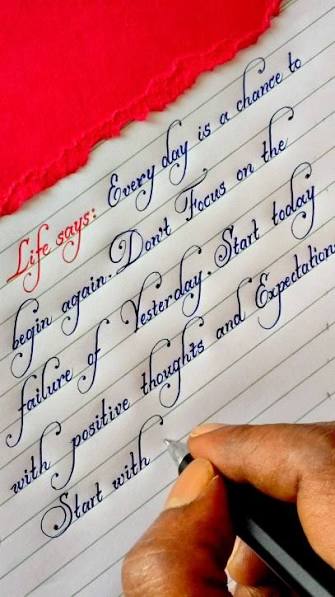
cursive
Writing in which the letters are for the most part joined together.
Dactus Link
Hand lettering
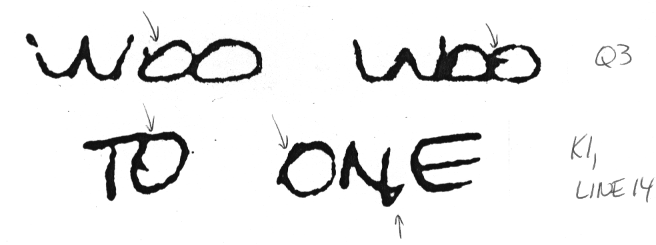
refers to writing characterized by a disconnected style. or block capitals
soemtimes reffered to as manuscript writing or letter printing
Natural Writing
a specimen of writing that is executed normally and without any attempt of altering or control its usual writing habits and quality.
Abnormal Hand Writing Habits
it is a characteristic of handwriting execution as product of consciousness
Disguised
a specimen of writing executed deliberately with an attempt of changing its usual writing habits in the hope of hiding one's identity.
Guided/assisted
a specimen of writing executed while the writer's hand is at steadied. Usually employed by beginners in writing.
Signature
A name of person signed by himself on a document as a sign of acknowledgement.
any designs or pattern written by a person in a document as representation of acknowledgement
Model signature
Genuine signature which has been used in preparing a simulated or traced forgery.
Evidential Signature
Specimen signature which was executed in particular date, particular time and place, under a particular writer's condition and for a particular purpose.
Formal or complete
Informal or cursory
Careless Scrible
Classes of Signature
Formal or complete
Used in signing very important document
class of signiture used in ackowledging important document such as will, checks, contracts and business papers.
Informal or cursory
Used for routine document
Careless scribble
Used for not so important document such as delivery of mail or receipt of purchase equipment etc.
petroglyphs or petrograms
Cave drawings are of course the most familiar of early writings. They are called __________ or _______ and was developed between 20,000 BC and 10,000 BC. These painting gradually developed into words or pictures or ideographs which were used by the Summerians, Chinese, Aztecs, Mayas, and Egyptians. Egyptian word pictures are called hieroglyphs.
phonographs
Summerians
These word pictures developed into symbols which were used to represent sounds and syllables called ________. This then developed into simplified phonetic symbols called the phonetic alphabet, an alphabet of characters intended to represent specific sounds of speech. The______are generally credited to the development of the first alphabet
22
right to left.
The Phoenician alphabet, used by the Phoenicians spread throughout the world between 1700 and 1500 BC, consisted of ___letters and was written from _______
Alpha and Beta.
24 letters
The Greek alphabet was derived from the Phoenician Alphabet and has been used by the Greeks since the 8th century.
The word alphabet stems from first two letters of the Greek alphabet: ______ Their alphabet consisted of ____ and included vowels
Reeds
China
mulberry tree
The origin of Paper is Papyrus, which was discovered by Egyptians more than 4000 years ago. It is the early surface made from grasses called ____
First paper was made in _______about 2000 years ago from the bark of ______.
Moors
Middle 8th century
the Arabs were making paper. The use of paper was introduced in Europe by the ____
Spain
England
US
Nicholas louis Robert
1150 - the first papermaking mill was established in ____
1496 - First paper mill was established in ______
1690 - Paper was introduced in the _____
1798 - French Inventor, ____________create a first practical paper molding machine
PAPYRUS
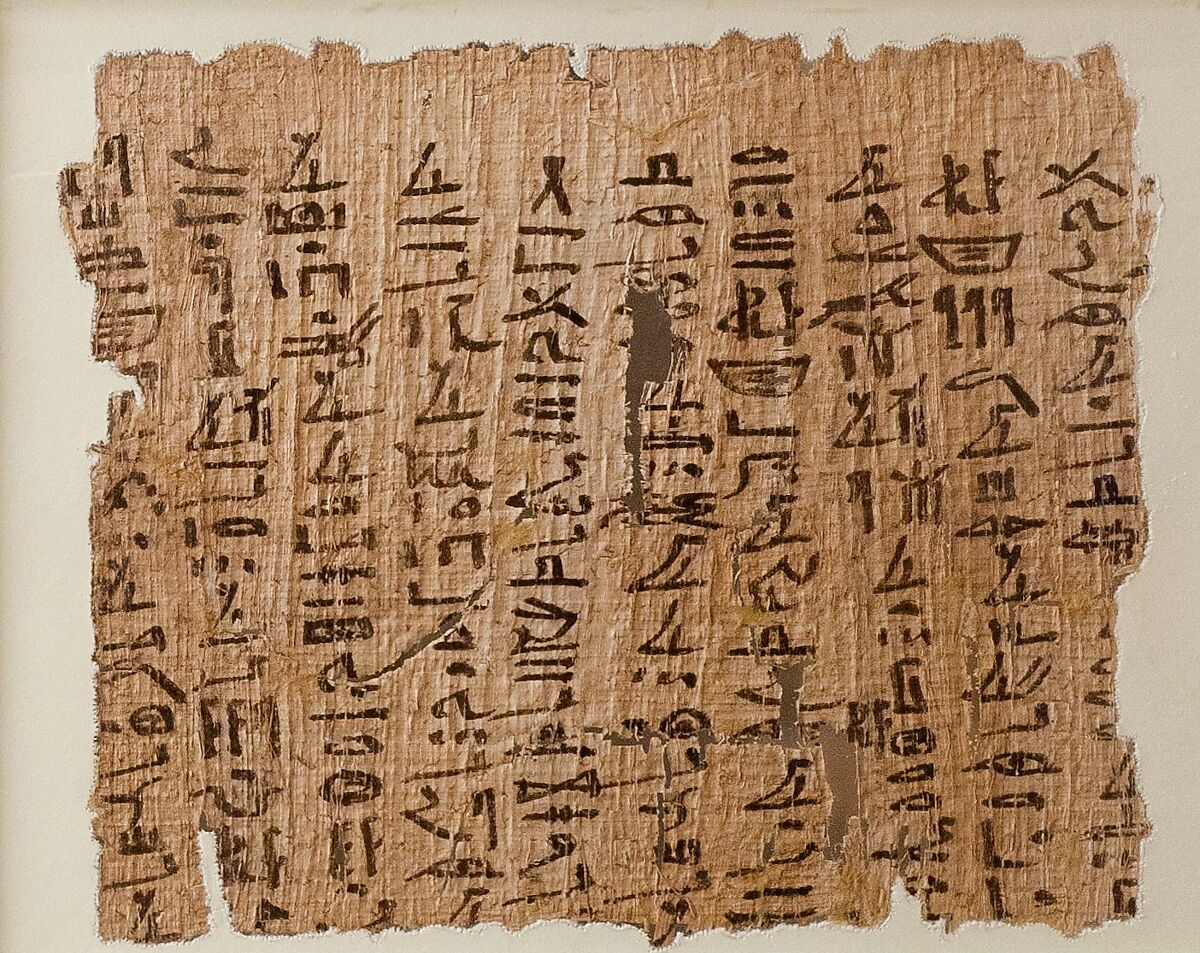
This came into use about 3,500 B.C. by the people of Egypt. Palestine, Syria, and Southern Europe used the pith (soft spongy tissue of the stem) of the sedge (grass-like herb) CYPERUS PAPYRUS to make a writing material known as _________
PARCHMENT
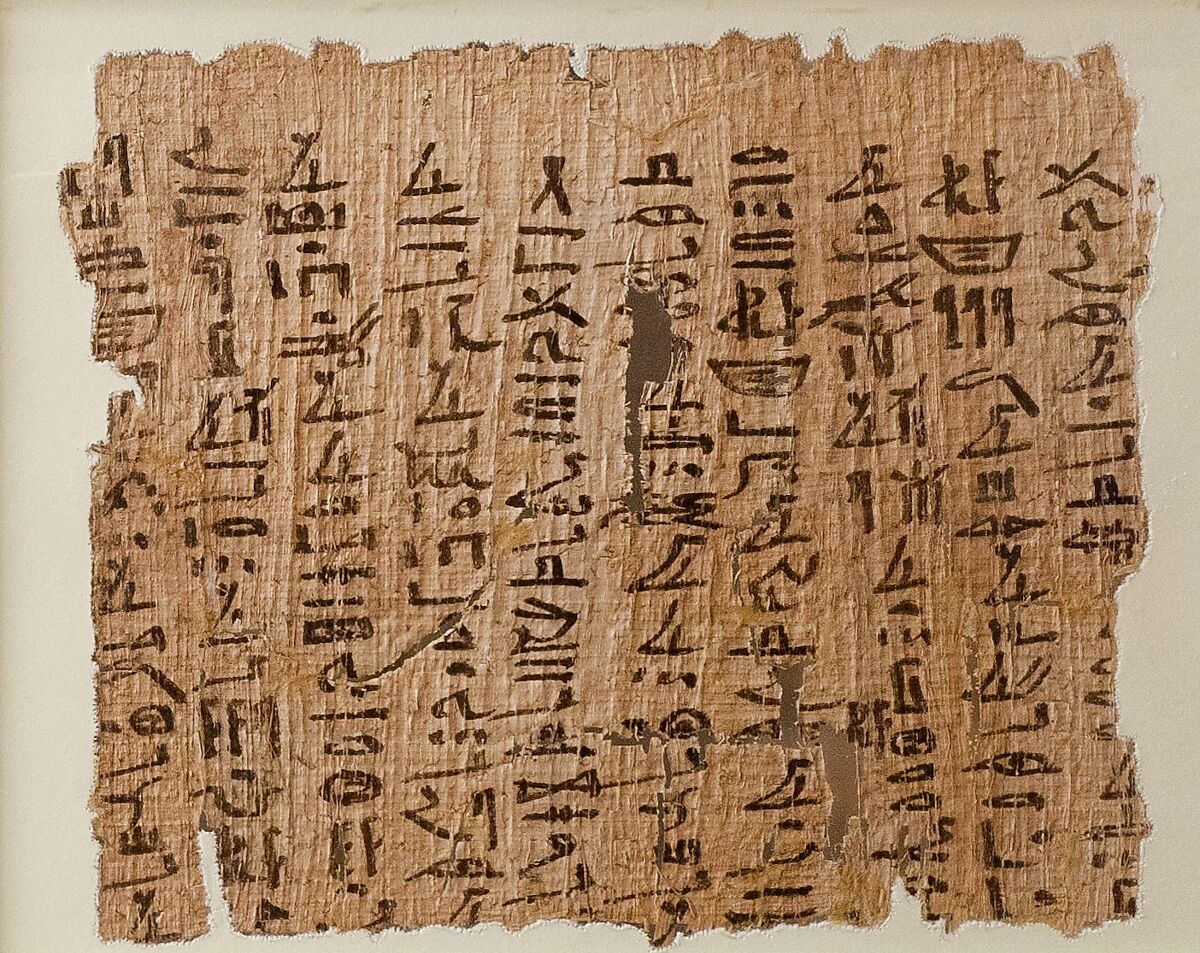
writing material made from skin of animals primarily of sheep, calves or goats. It was probably developed in the Middle East more or less contemporaneously with papyrus. It came into wide use only in the 2nd century B.C. in the city of PERGAMUM in ANATOLIA.
VELLUM
- writing materials from fine skins from young calves or kids and the term (name) was often used for all kind of parchment manuscripts, it became the most important writing material for bookmaking, while parchment continued for special manuscripts.
- Almost every portable surface that would retain the marks of brush or pen was also used as a writing material during the early period.
PEN
A tool for writing or drawing with a colored fluid, such as ink; or a writing instrument used to apply inks to the paper is a ___. It came from the Latin word "PENNA", meaning feather.
A. Reed Pens/ Swamp Reed
B. Quill Pen
C. Steel Point Pens (Brazen Pens)
D. Fountain Pens
E. Ball Point Pen
F. Fiber Tip Pen
G. Felt-Tip Markers
TYPES OF PEN
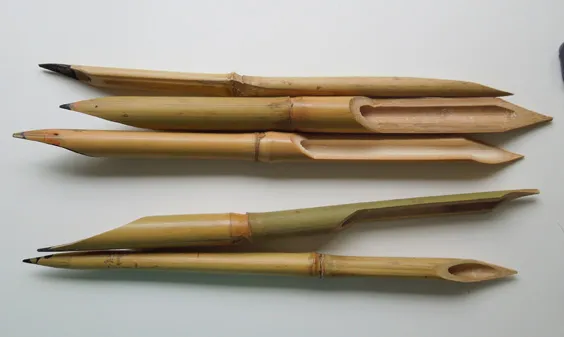
A. REED PENS/SWAMP REED
It came from especially selected water grasses found in Egypt, Armenia and along the shores of the Persian Gulf, were prepared by leaving them under dung heaps for several months.
It was the first writing tool that had the writing end slightly frayed like a brush. About 2,000 years B.C., this ____pen was first used in NEAR EAST on papyrus and later on parchment
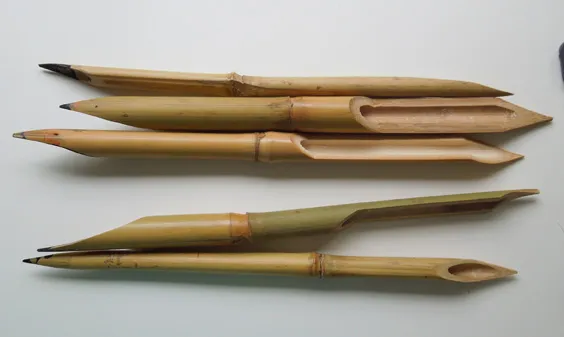
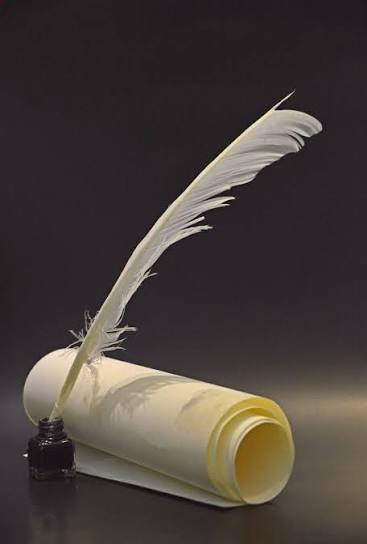
B. Quill pen
Although ______ pens can be made from the outer wing feathers of any bird, those of goose, swan, crow and (later) turkey, were preferred. The earliest reference (6th century AD) to quill pens was made by Theologian ST. ISIDORE PF SEVILLE, and this tool was the principal writing implement for nearly 1300 years.
To make a ____ pen, a wing feather is first hardened by heating or letting it dry out gradually. The hardened quill is then cut to a broad edge with a special pen *
The writer had to re-cut the quill pen frequently to maintain. its edge.
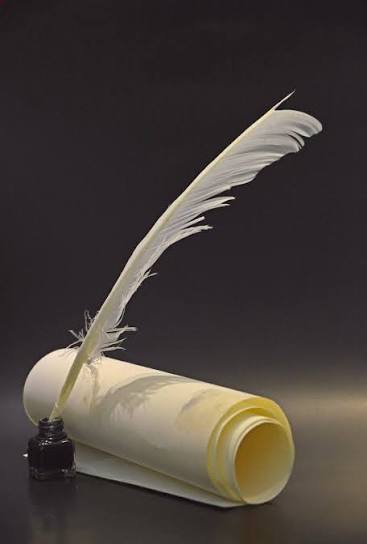
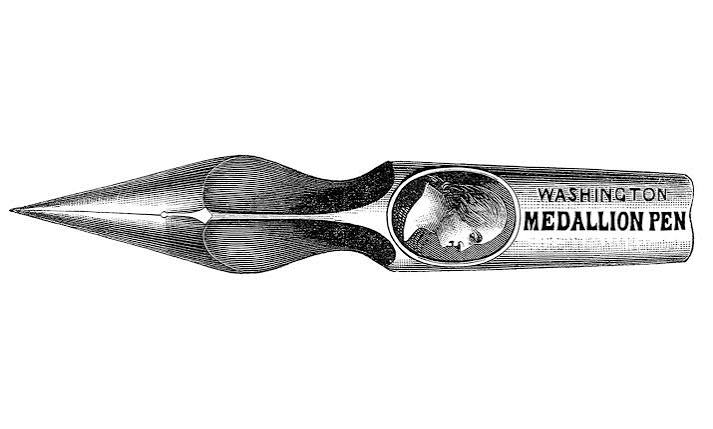
C. STEEL POINT PENS (BRAZEN PENS)
Although pens of bronze may have been known to Romans, the earliest mention of
"BRAZEN PENS" was in 1465. The 16th century Spanish calligrapher JUAB DE YCIAR mentions brass pens for every large writing in his 1548 writing manual, but the use of metal pens did not become widespread until the early part of the 19TH century.
The first patented steel pen point was made by the English engineer BRYAN DONKIN in 1803
The leading 19th century English pen manufactures were WILLIAM MITCHELL, and JAMES STEPHEN PERRY
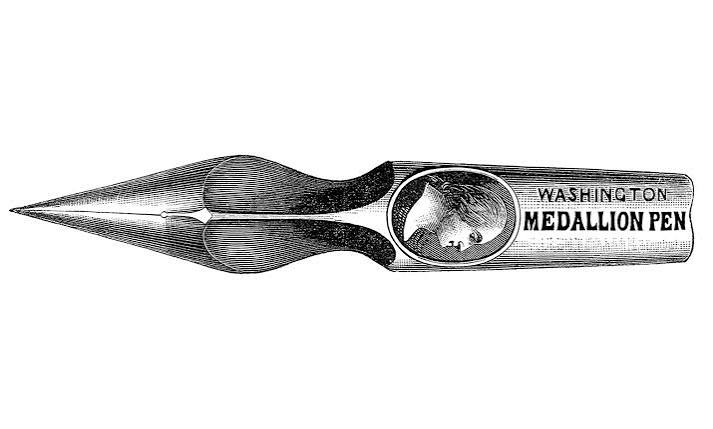
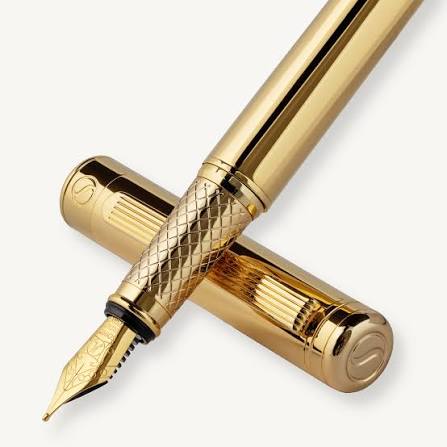
D. FOUNTAIN PENS
In 1884, LEWIS WATERMAN a New York insurance agent, patented the first practical Fountain Pen containing its own ink reservoir. Waterman invented a mechanism that fed ink to the pen point by capillary action, allowing /ink to flow evenly while writing.
By the 1920's the fountain pen was the chief writing instrument in the west and remained so until the introduction of the ball point pen after WORLD WAR II.
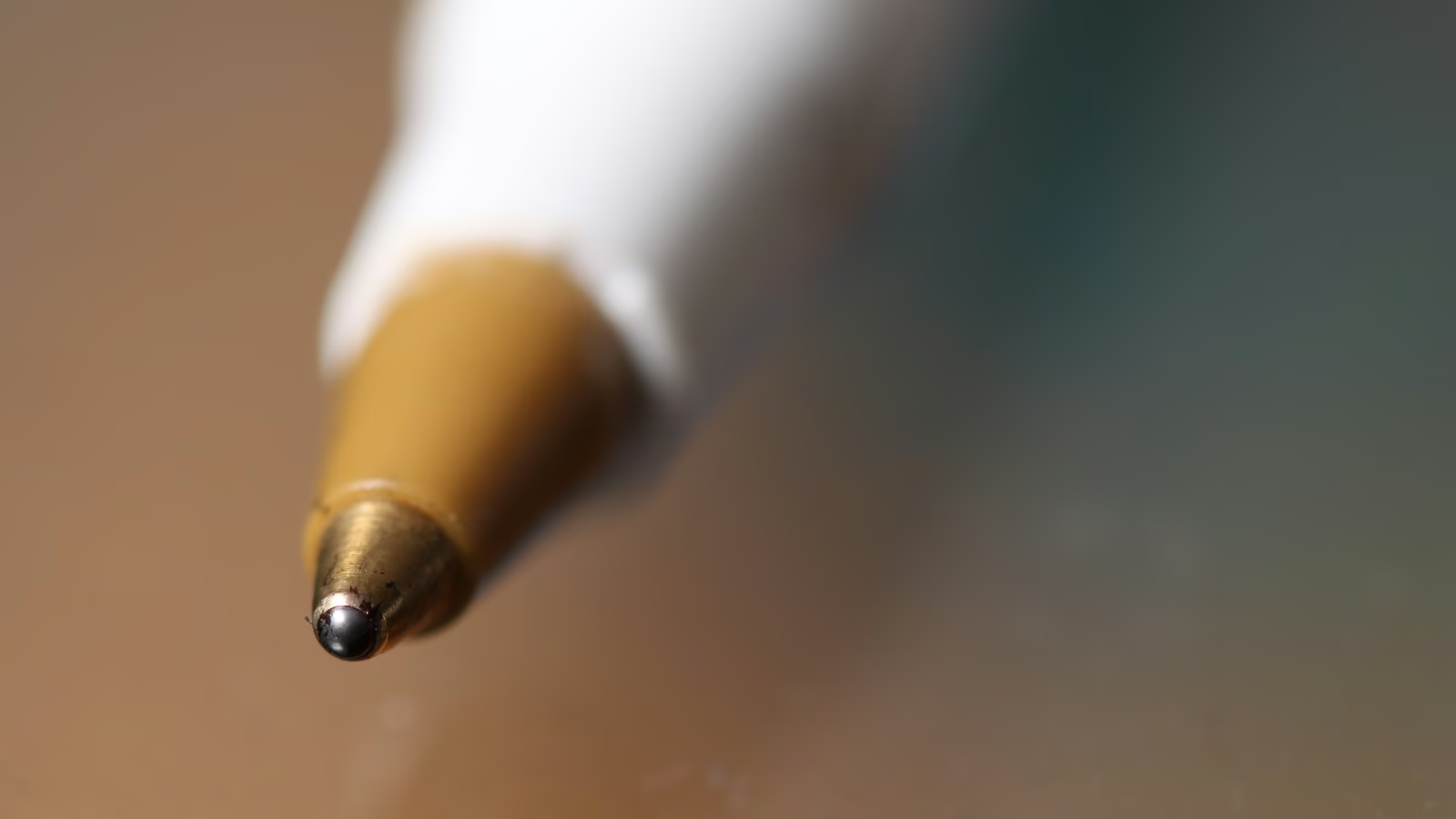
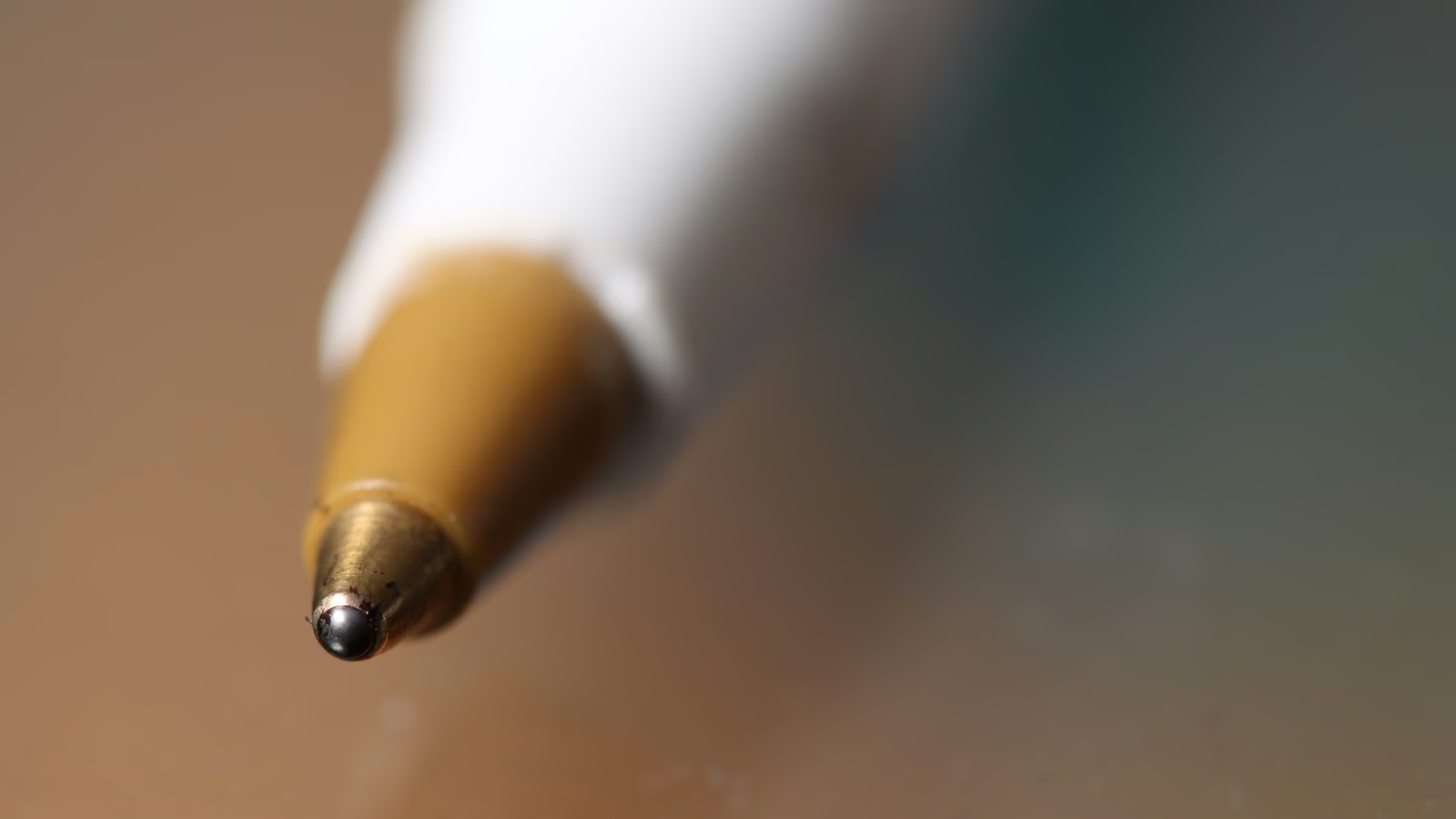
E. BALL POINT PEN:
JOHN LOUD in 1888, patented the first ball point writing tool. A ball point pen has on its point a small rotating metal ball that continuously inks itself as it turns.
The ball is set into a tiny socket. In the center of the socket from a long tube (reservoir)
As early as the 19th century, attempts had been made to manufacture a pen with a rolling ball tip, but not until 1938 did Hungarian inventor brothers LADISLAO and GEORG BIRO invent a viscous, oil based ink that could be used with such a pen. Hence, they are attributed for the invention of the first practical ballpoint pen.
1. the ink was waterproof and almost un-erasable;
2. the ball point pen could write on many kinds of surfaces; could be hold in almost any position for writing; and
3. the pressure required to feed the ink was ideal for making carbon copies.
Early ball point pens did not write well; they tended to skip, and the slow-drying oil-based ink smudged easily. However, the ball-point pen had several advantages over the fountain pen:
F. FIBER TIP PENS
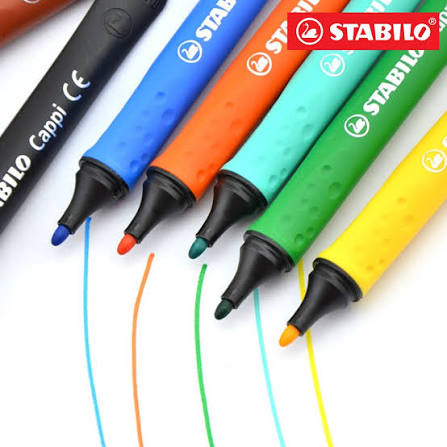
In 1963, ____ markers were introduced into the U.S. market and have since challenged the ball point as the principal writing implement. The first practical pen was invented by YUKIO HORIE of Japan in 1962.
It was ideally suited to the strokes of Japanese writing, which is traditionally done with a pointed ink brush.
Unlike its predecessors, the _______ pen uses dye as a writing fluid. As a result, the _____ pen can produce a wide range of colors unavailable in ball point and fountain pen inks. The tip is made of fine nylon or other synthetic fibers drawn to a point and fastened to the barrel of the pen.
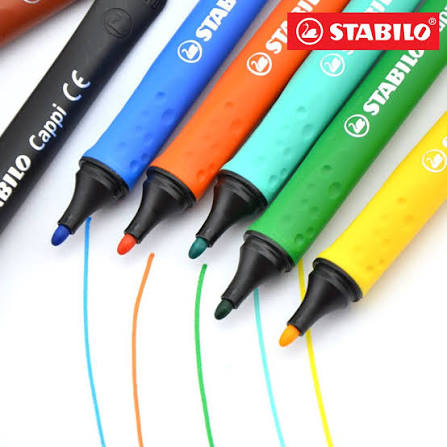
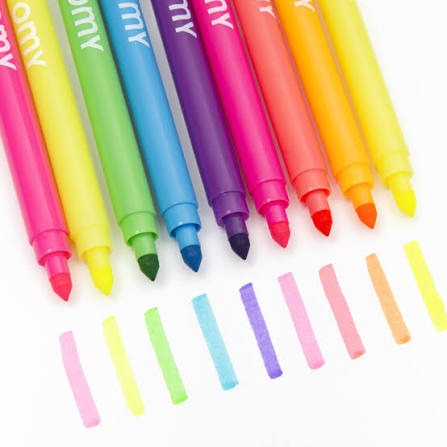
Felt-tip markers
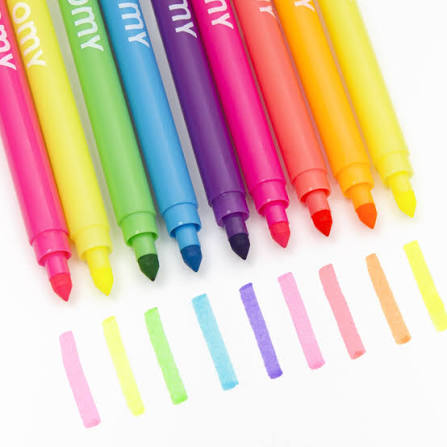
Are made of dense natural or artificial fibers impregnated with a dye. These markers can be cut to a variety of shapes and sizes, some up to an inch in width. A modification of the ball point pen using a liquid dye fed to a metal/plastic ball was introduced in the U.S. from Japan in 1973.
INK
encaustum
enque
A viscous fluid marking material or paste used for marking or writing.
derived from the Latin ______, (name given to the pigment used for colouring baked tiles) * Comes to us through the old French word _____
Indian Inks
The oldest form of ________ consisted of a suspension of carbon black (soot or lampblack) in water to which glue or a vegetable gum was added. Inks of these compositions are still on the market mostly in the shape of sticks or cakes.
Log wood Inks
These inks which were used extensively about a century ago, have now because obsolete and are no longer manufactured. They were made from an aqueous extract of logwood chips and potassium chromate. These inks will be found only on old.
Iron Gallotanate Inks
This ink has been used as writing for over a thousand years. Formerly it was made of a fermented infusion of gall nuts to which iron salts were added. The ink was composed of suspension of the black, almost insoluble ferric tannate.
Fountain Pen Inks
These inks are regarded as special_____________, and consisting of ordinary iron gallotanate inks with a lower iron content in most cases but with a higher dyestuff content than normal inks.
Dyestuff Inks
These inks are composed of aqueous solutions of synthetic dyestuffs, to which a preservative and a flux are added.
Water Resistant Writing and Drawing Inks
These inks are special group of dyestuff inks. They consist of a pigment paste and a solution of shellac made soluble in water by means of borax, liquid ammonia or ammonium bicarbonate.
Alkaline Writing Inks
These are quick drying inks which possess a ph of from 9 to about 11. They penetrate quickly through the size of the paper allowing the ink to penetrate quickly into the paper.
The dyestuff in these inks consists of acid dyes, sometimes combined with phthalo cyanide dyes.
Ballpoint Pen Inks
did not appear on the European market before 1945.
The development of the present pen was accomplished during World War II because the Army and the Air Force needed a writing instrument which would not leak at high altitude and which supplied quick drying water resistant writing.
Stamp Pad Inks
They are made with the acid of substances such as glycerol, glycol, acetin or benzyl alcohol and water. Airline dyes are added as coloring matter. For quick drying __________, more volatile organic solvents are used as acetone, ethanol, etc. As a vehicle, dextrine, gum arabic, or tannin is sometimes added. Through the addition of tannin, the stamp impression becomes water resistant after drying.
Hectograph Inks
These inks very much resemble stamp pad inks and are exclusively made with basic dyes. To the dyestuff solution several other substances are added such as glycerol, acetic acid and acetone.
Typewriter Ribbon Inks
These inks are usually composed of a blend of aniline dyes, carbon black and oil such as olein or castor oil. The two-tone ribbons however contain no dyes, but pigments suspended in oil base. This is necessary because aniline dyes tend to bleed and would cause the sharp division between the differently colored halves of the ribbon to merge
Printing inks
often consist of a mixture of colored pigments, carbon black and a "base" which may consist of oil, resins, synthetic resins or a mixture of these. It is possible to remove printing ink from a document by scrubbing the document with an aqueous solution of a suitable detergent. The rubbing and breaking up of the surface of the ink and the detergent facilitates the suspension and eventual removal of the carbon and other ingredients by the water.
Conventional or Ordinary Copy Book Form
Highly individualized or Personalized
kinds of signiture
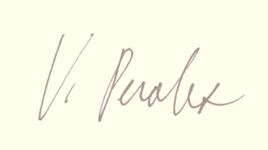
Conventional or Ordinary Copy Book Form
the letters are legible (capable of being read)
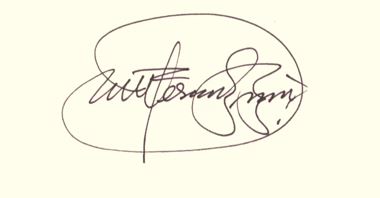
Highly individualized or Personalized
characterized by a series of intertwining strokes, ornamentation and flourishes
Forgery
Is an act of falsifying or counterfeiting any treasure or bank notes, paper bills or any documents which are payable to the bearer.
Is an act of simulating or tracing somebody's signature without the latter's consent for profit.
it is commited by any person who, with intent to defrud, signs the name of another, or a fictitious person, knowing that he has no authority to do so, or falsely makes, alters forges or counterfeits any check, draft due bill for the payment of money or property, or counterfeits or forges the seal or handwriting of another knowing the same to be fake, altered, forge or counterfeited, with intent to prejudice, damage or defraud any person.