1C - Biol 165 - The Skeletal System (bone types, joint types)
 Call Kai
 Learn
Learn Practice Test
 Spaced Repetition
 Match
Match Flashcards
 Knowt Play
1/22

There's no tags or description
Looks like no tags are added yet.
Name | Mastery | Learn | Test | Matching | Spaced | Call with Kai | Chat |
|---|
No analytics yet
Send a link to your students to track their progress
23 Terms
Axial Skeleton
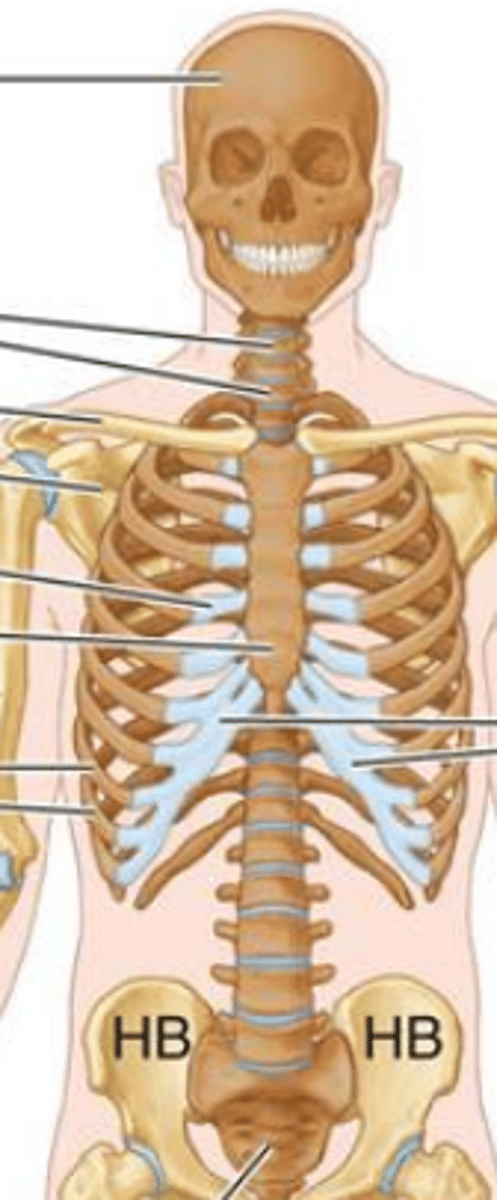
Portion of the skeletal system that consists of the skull, rib cage, and vertebral column (Cranium, Vertebral column, Thoracic cage)
Appendicular skeleton
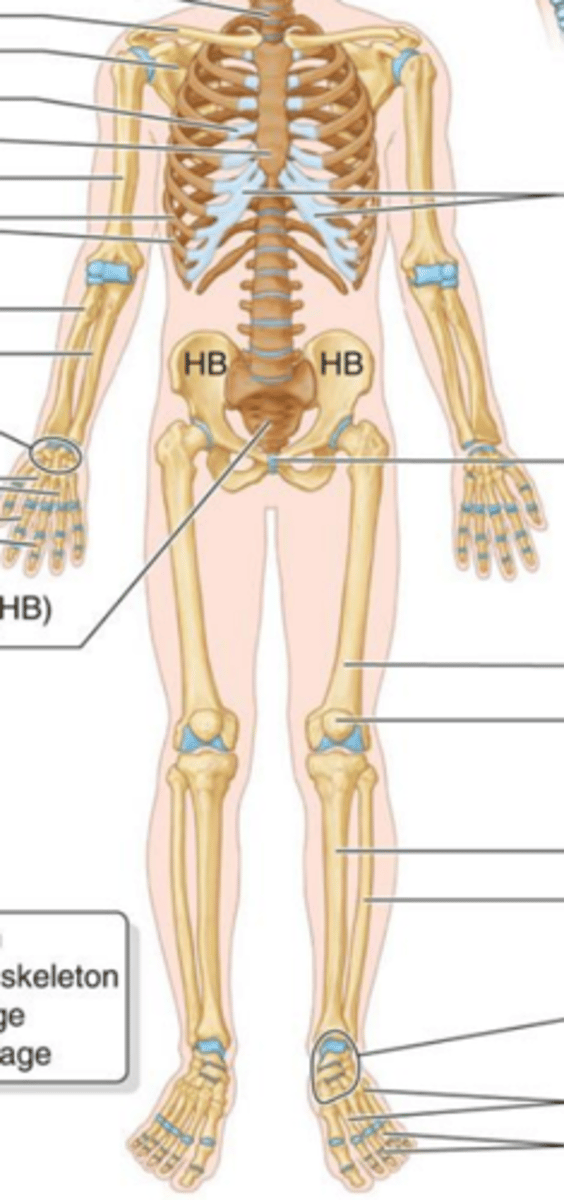
The portion of the skeleton that attaches to the axial skeleton, Upper/Lower limbs including Pectoral and Pelvic girdles.
Cartilage
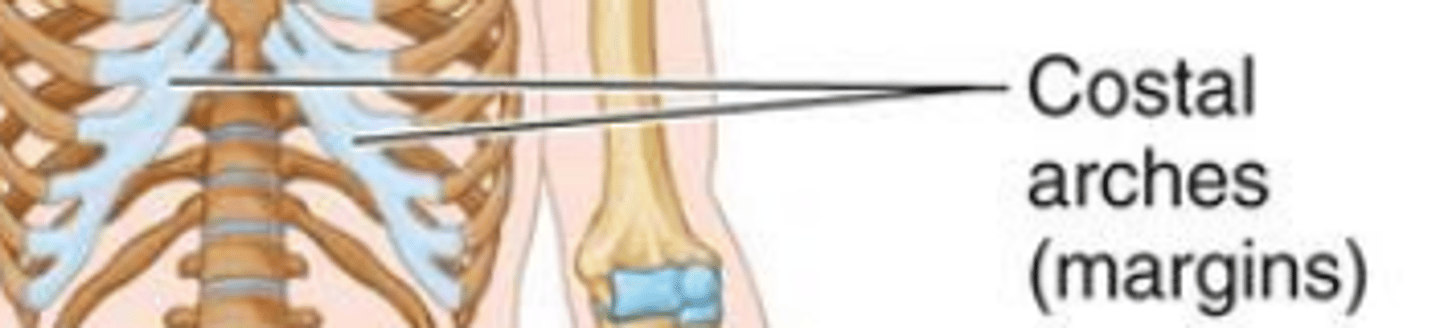
1) An avascular semirigid and resilient connective tissue that is put where more flexibility is required. ex. costal cartilage
2) Cartilage is also on the surface of bones and capps joints to create a low friction smooth surface for free movement.
3) Cartilage is more abundant in younger people that need to have more flexible bones. ( the bones in newborns are mostly cartilage)
*cartilage gets' its oxygen and nutrients through diffusion
Bone
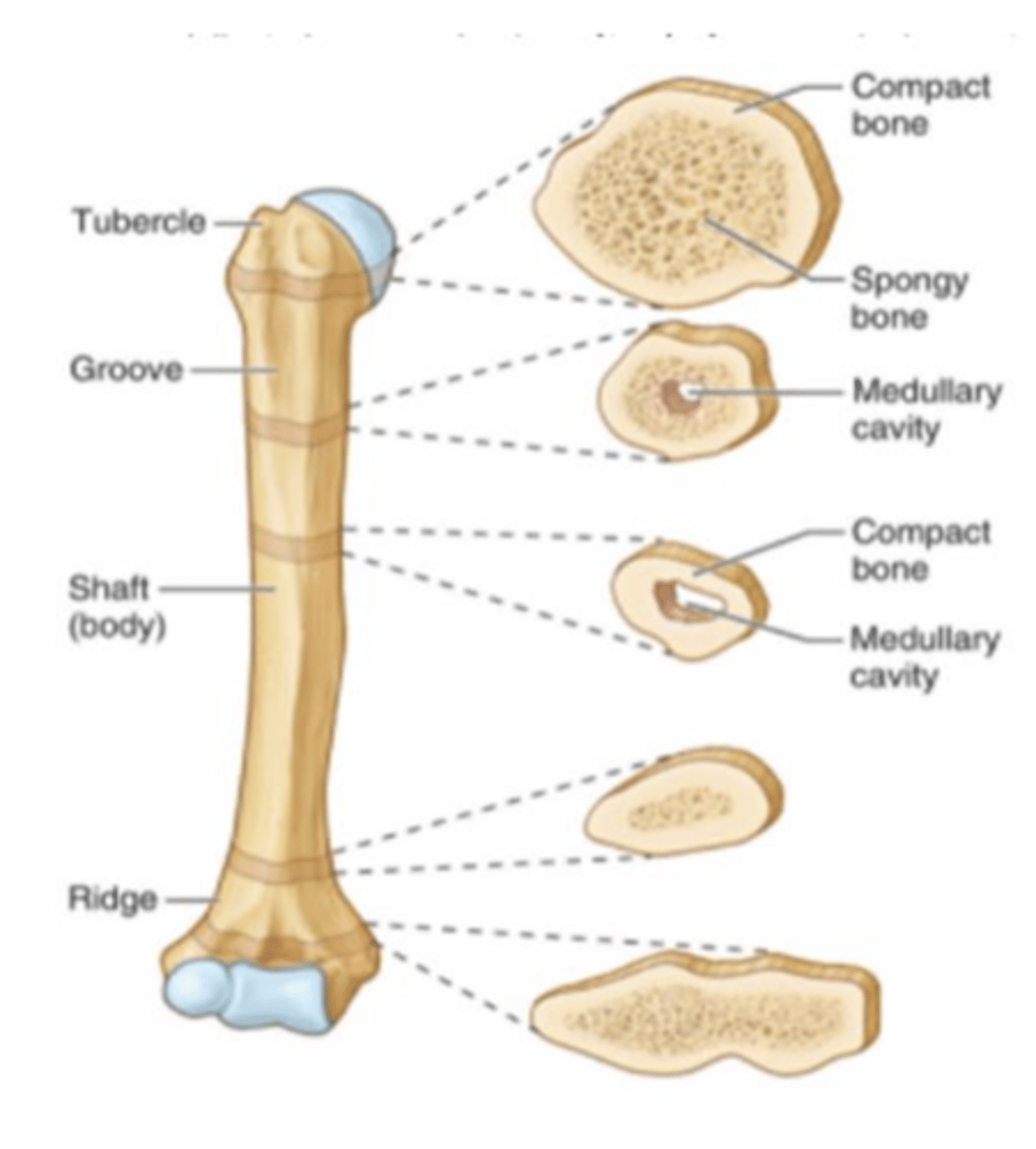
A living tissue that makes up the skeleton acting as a hard form of connective tissue. the bones store calcium and supply the body with blood cells produced by the bone marrow.
*bones are classified according to their shapes.
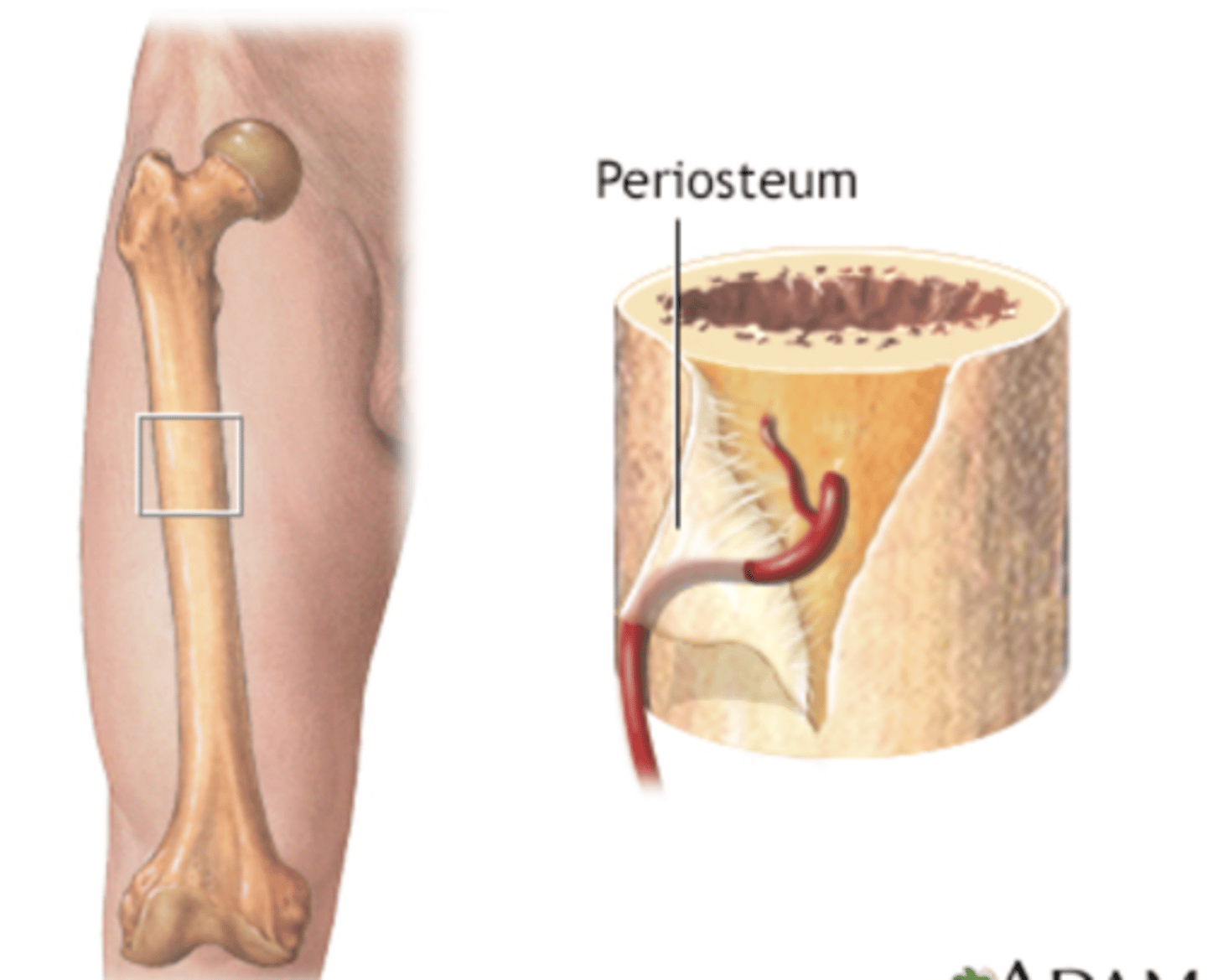
Periosteum
Fibrous connective tissue that covers each skeletal element acting like a sleeve.
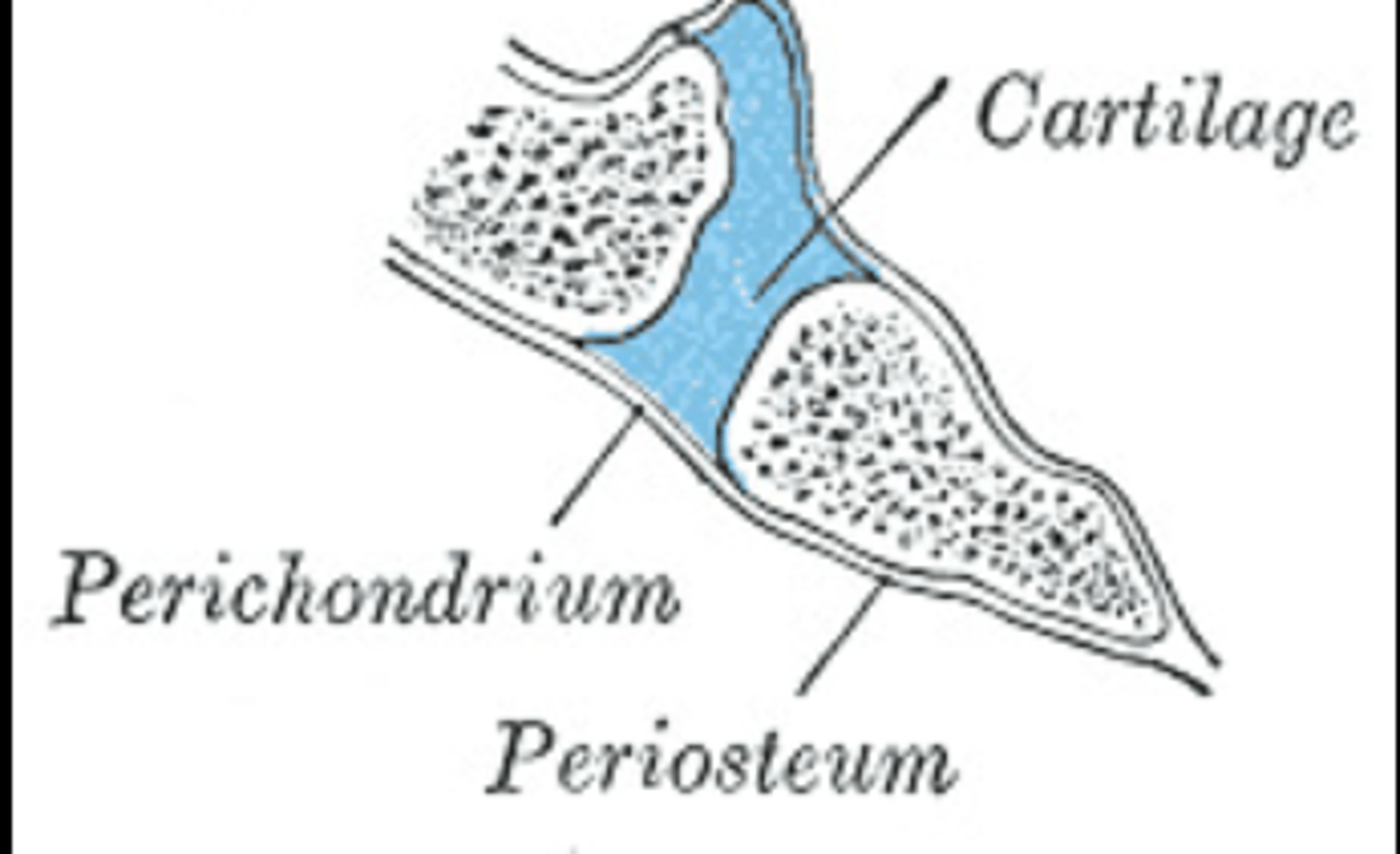
Perichondrium
Covers the articular cartilage.
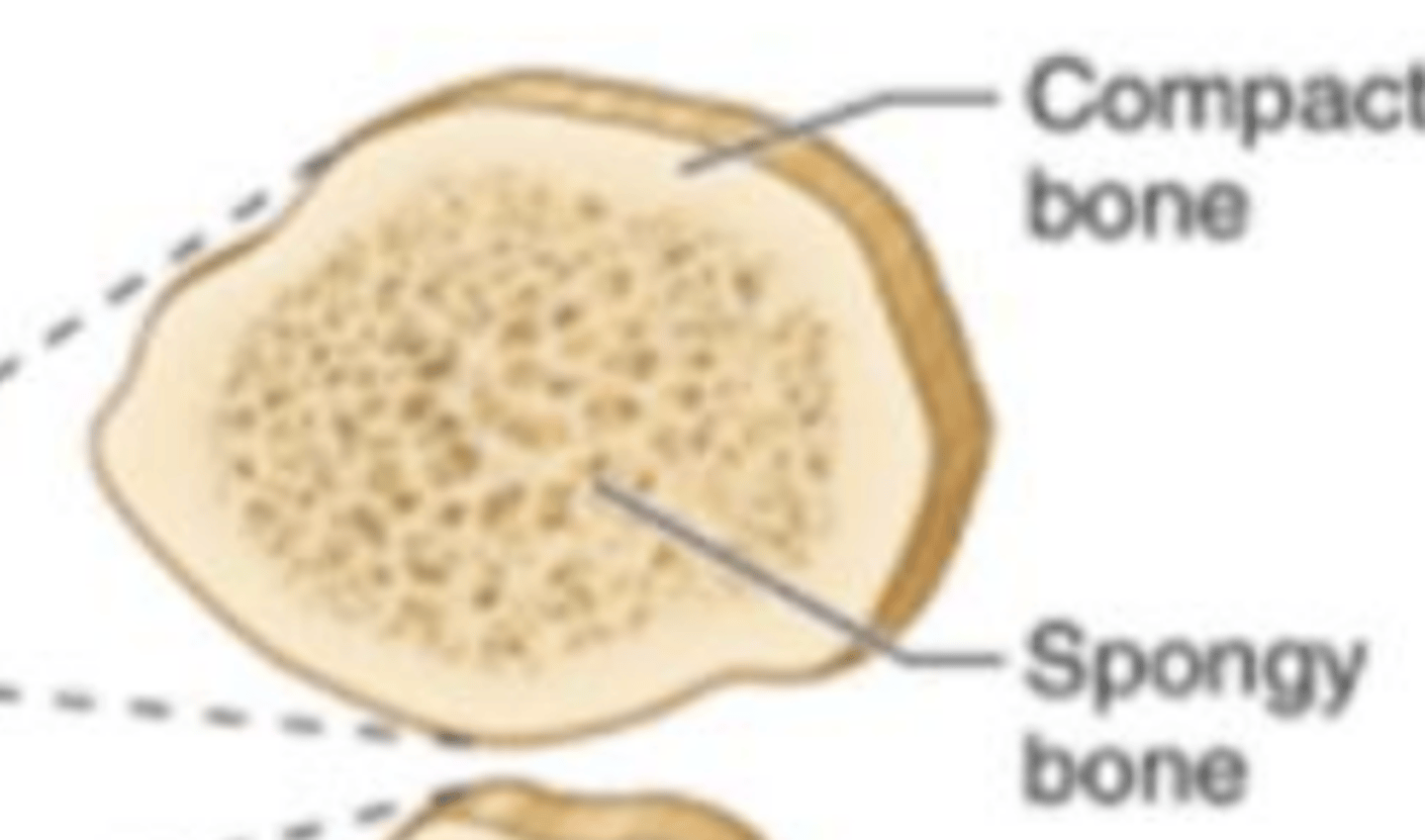
Compact bone
Hard, dense bone tissue that is beneath the outer membrane of a bone
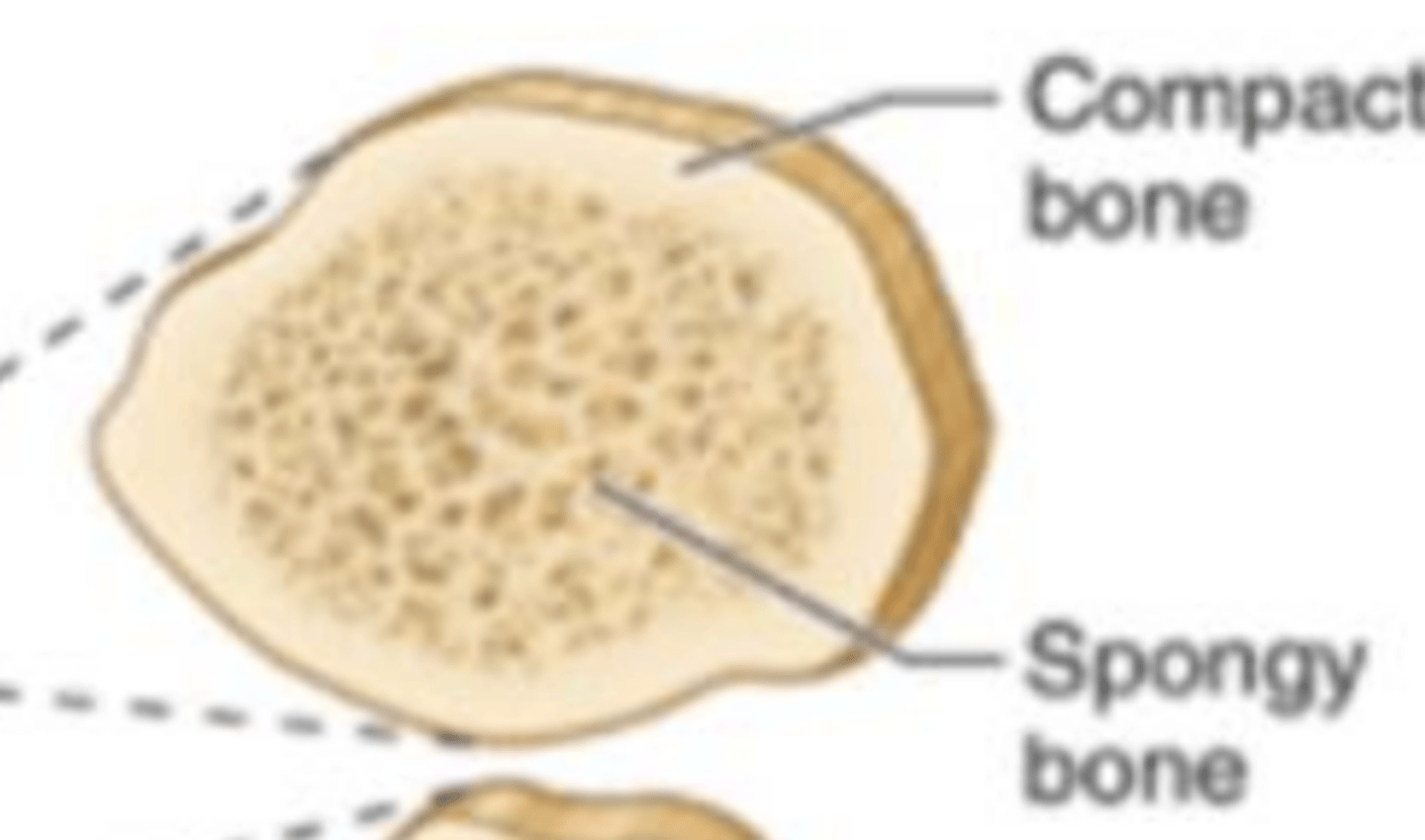
Spongy bone
Layer of bone tissue having many small spaces and found just inside the layer of compact bone.
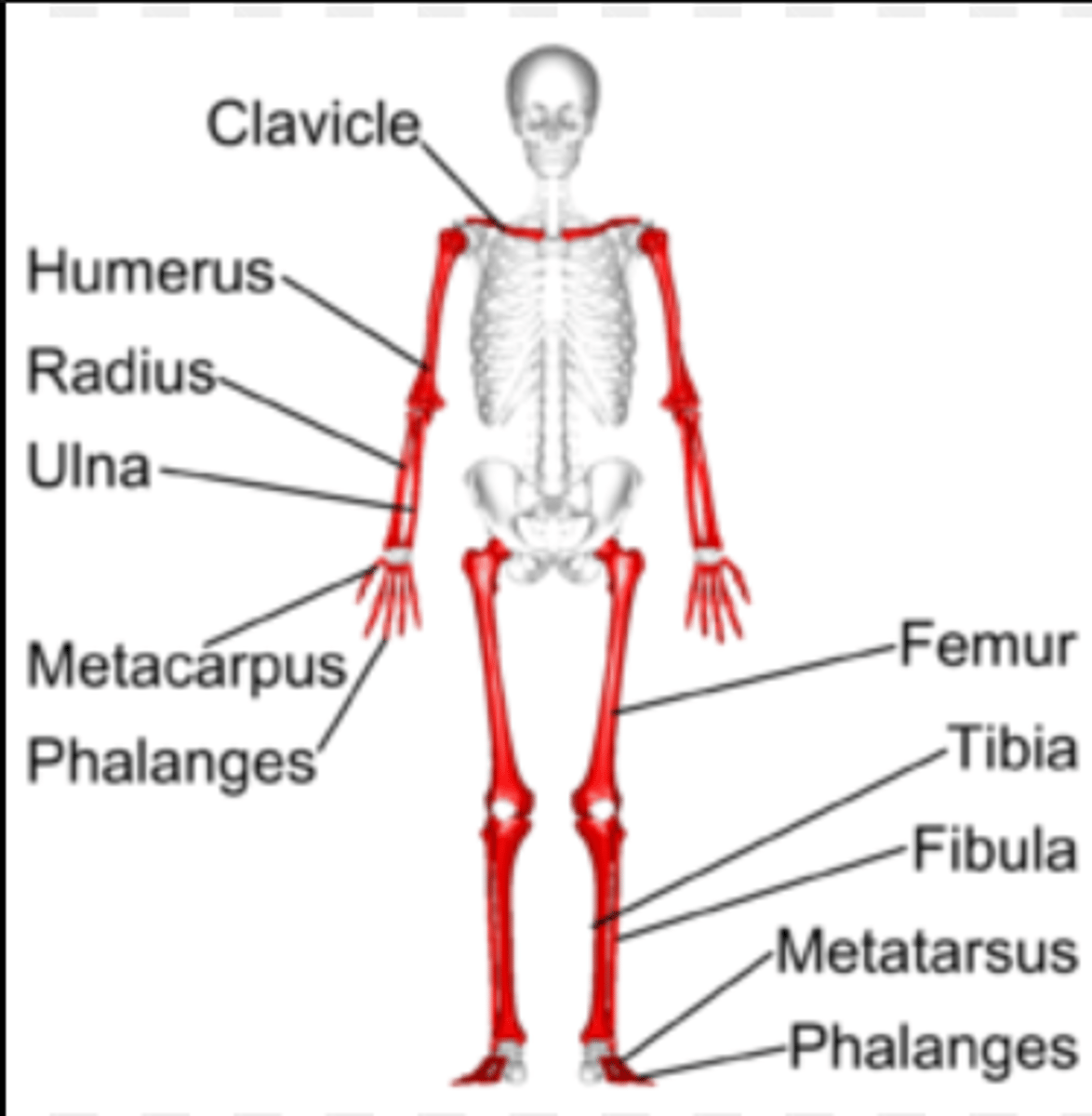
Long bones
long bones are tubular. ex. humerus in arm.
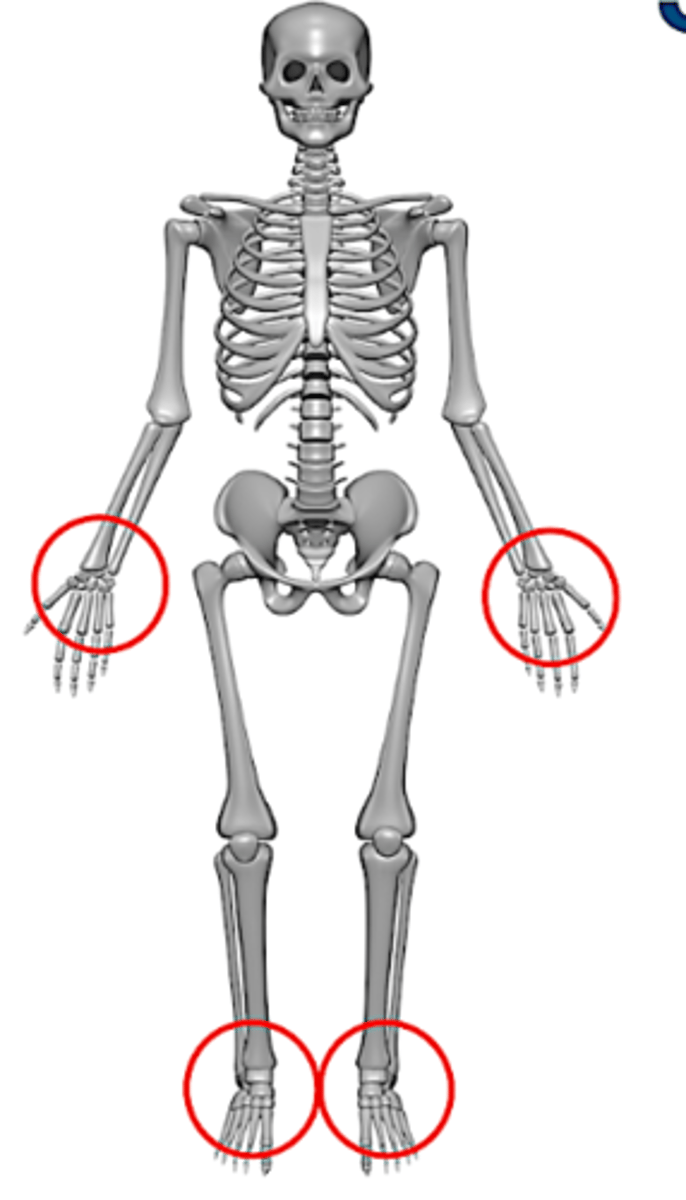
Short bones
short bones are cuboidal and are found in the ankle and wrists.
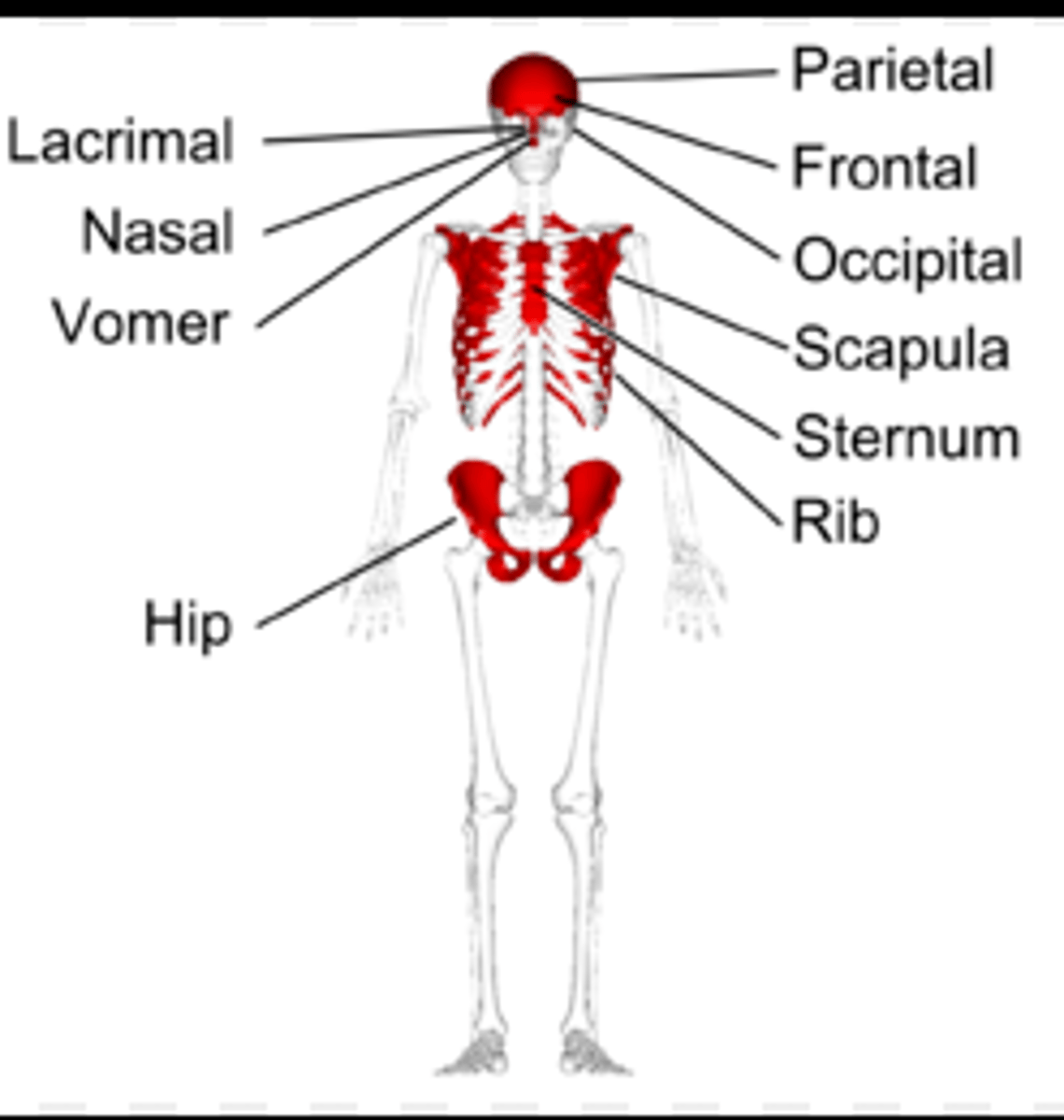
Flat bones
flab bones can protect organs, like the flat bones that protect the brain.
Irregular bones
Have alot of different shapes, the bones in the face or the vertebrae are good examples.
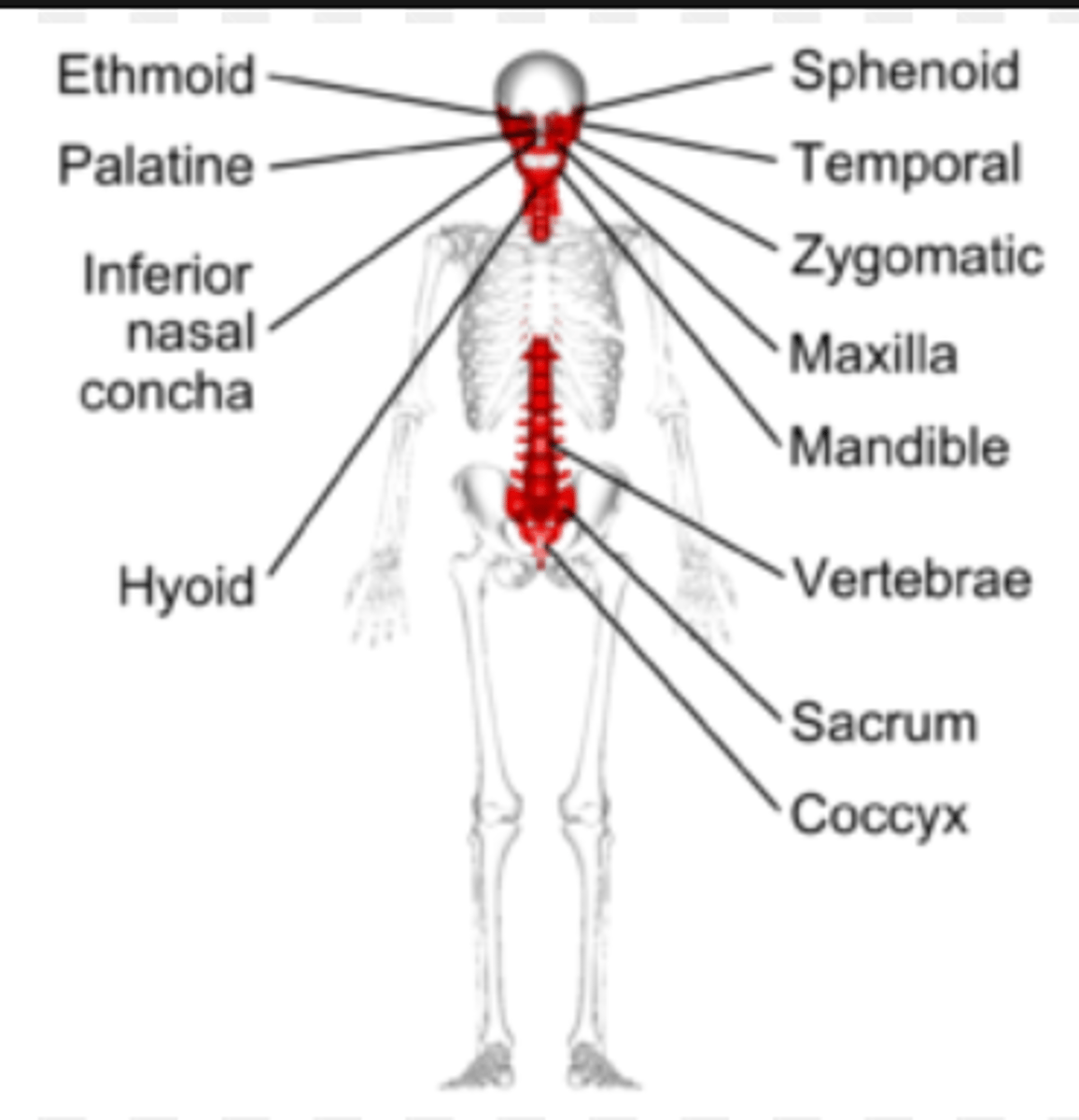
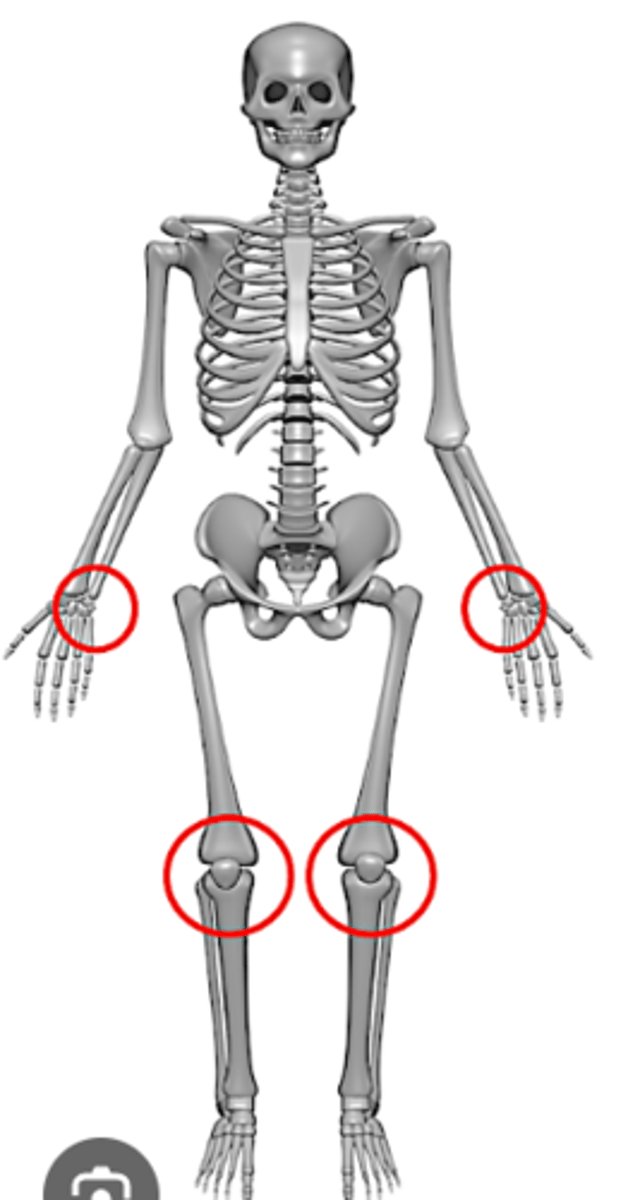
Sesamoid bones
round bones found near joints (e.g., the patella or knee caps). These bones are good at protecting the tendons from wear.
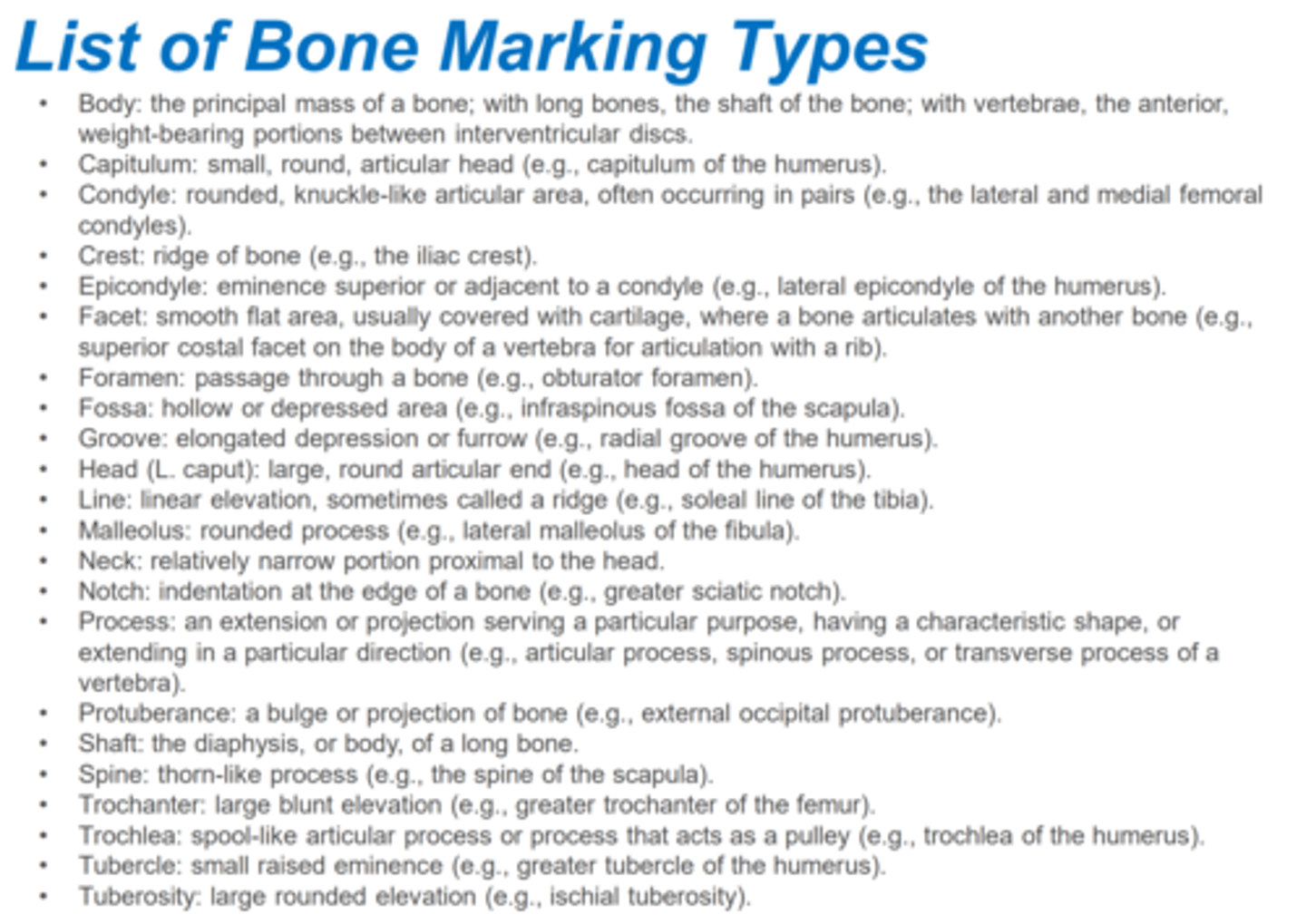
Bone markings
reveal where muscles, tendons, ligaments, and fascias were attached and where blood vessels and nerves passed.
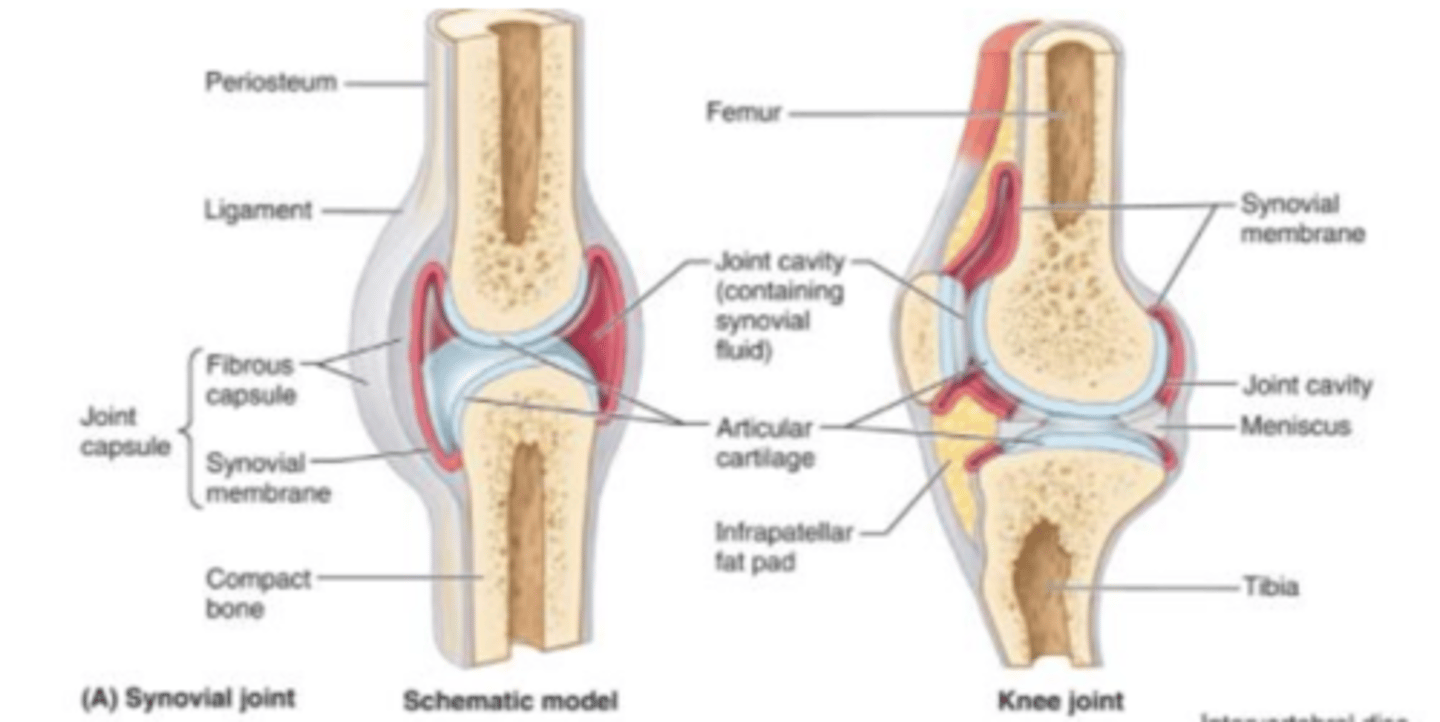
Synovial joint type
A fully moveable joint in which the synovial (joint) cavity is present between the two articulating bones.
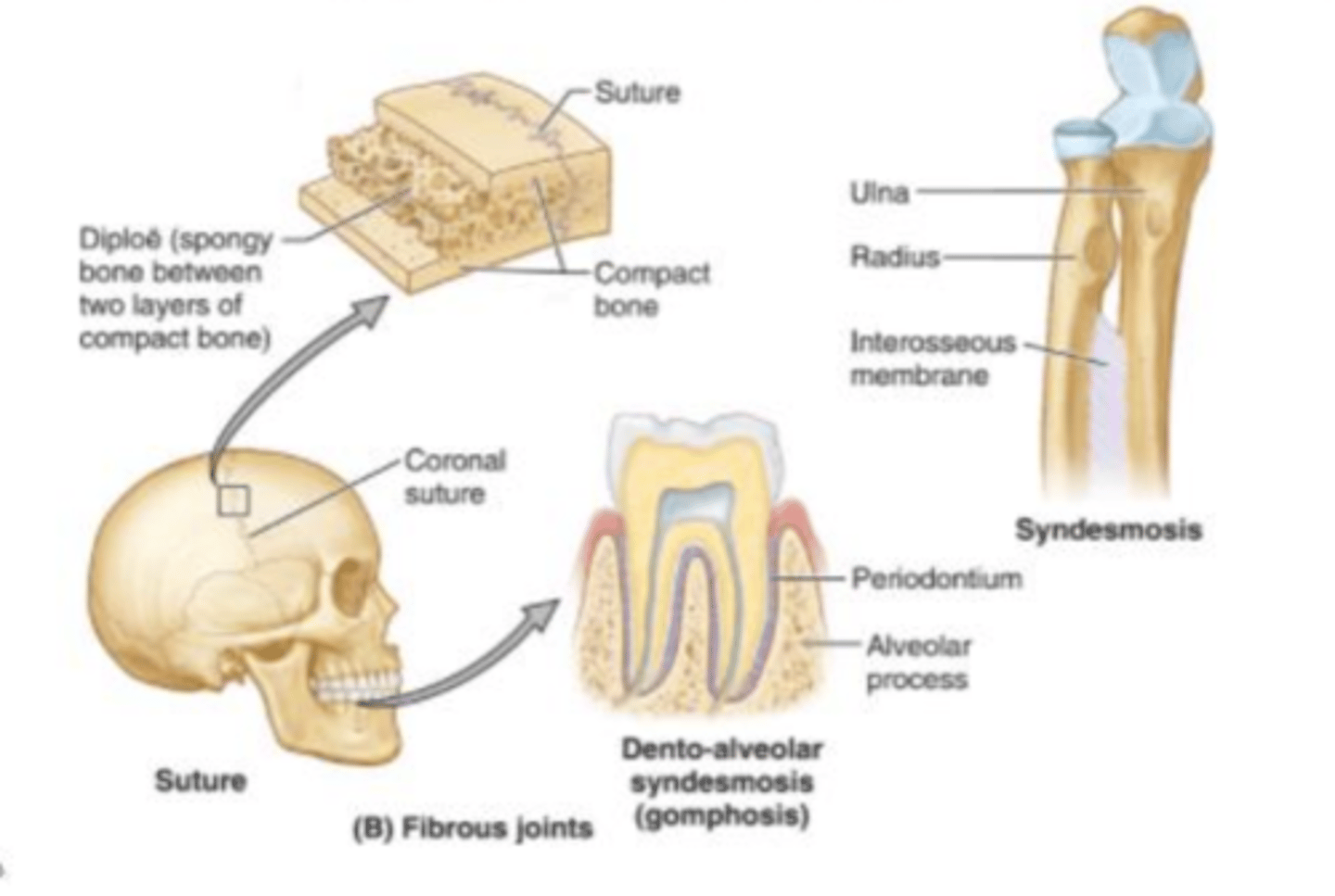
Fibrous joint type
connect bones without allowing any movement (like sutures).
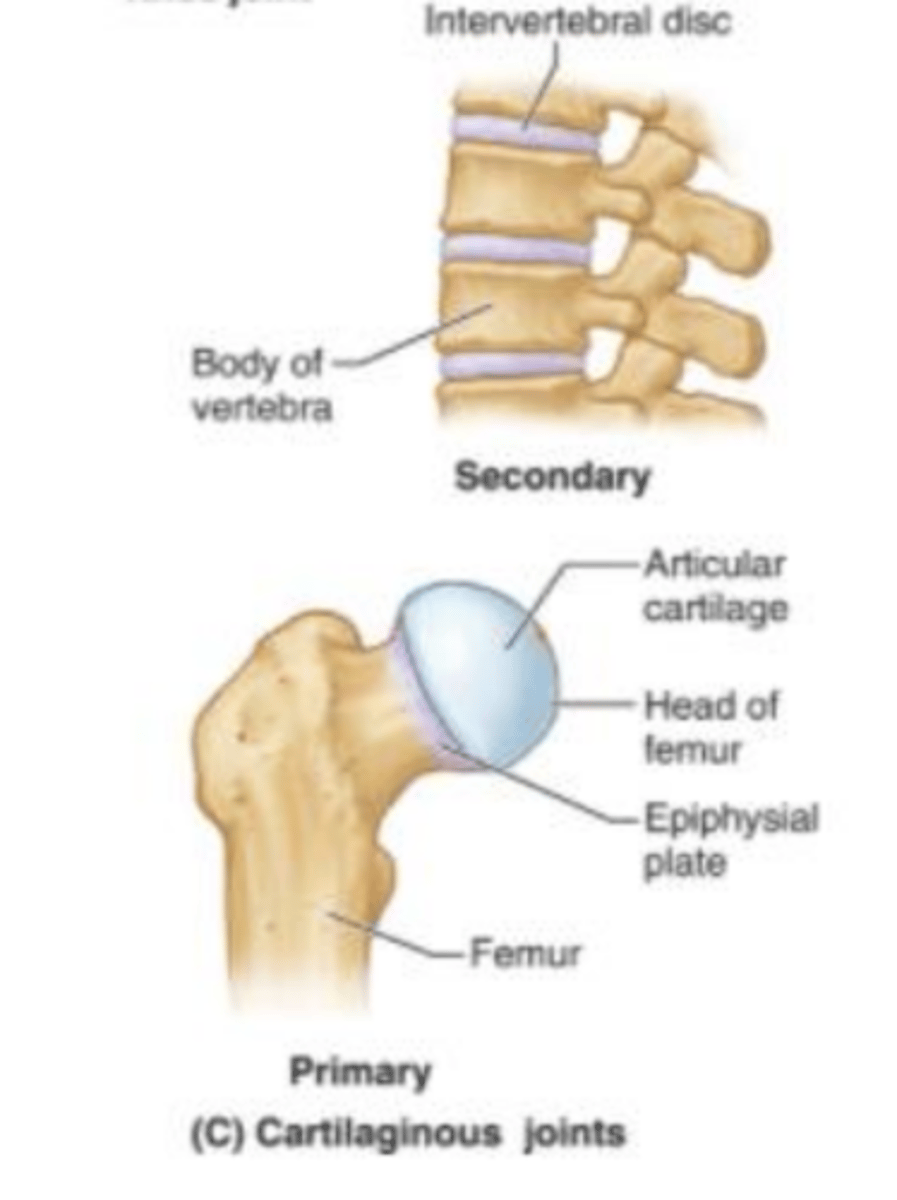
Cartilaginous joints type
allow only slight movement and consist of bones connected entirely by cartilage.
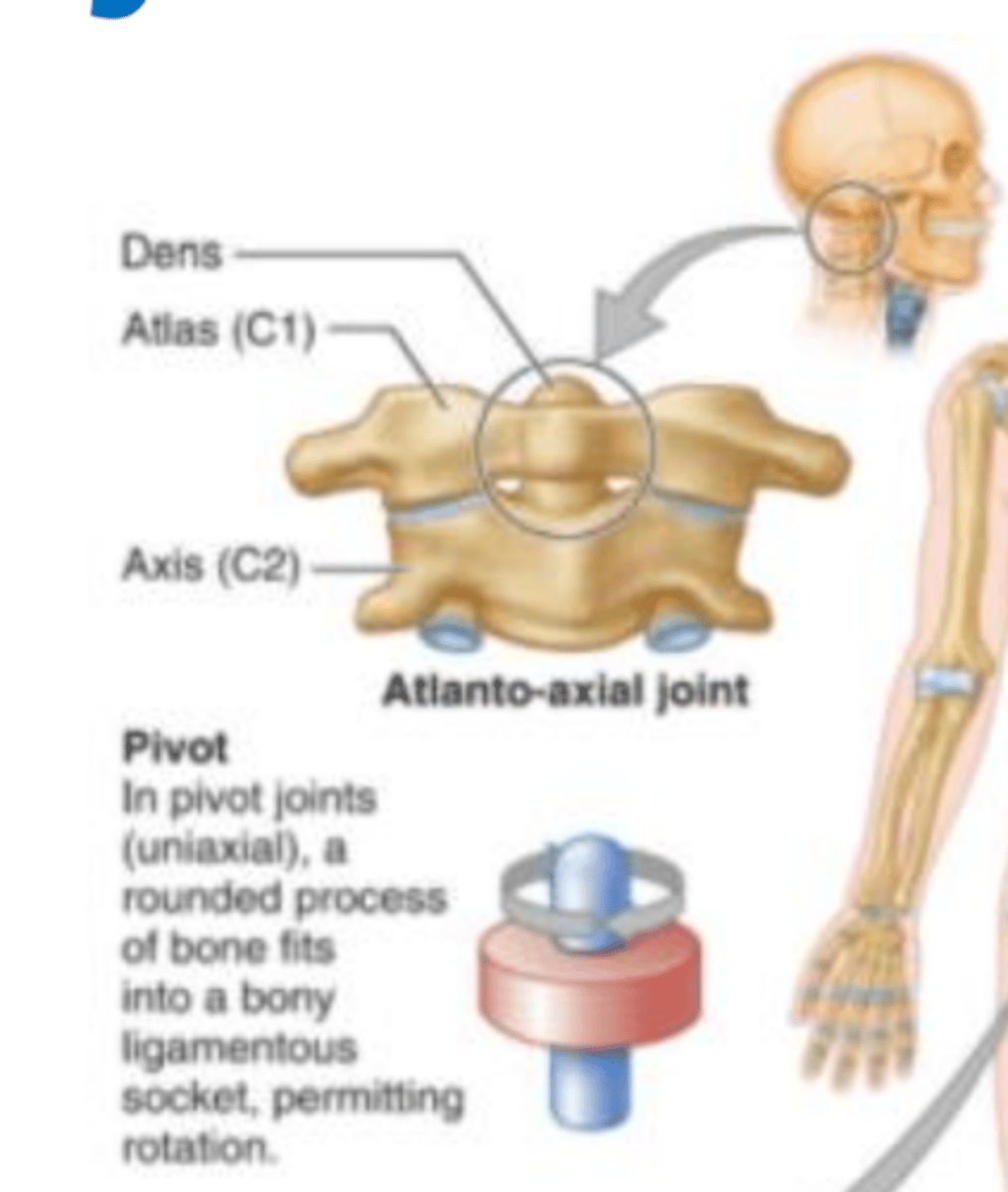
Pivot joint
(uniaxial) Atlanto-axial joint allows for rotation and is between the Atlas and Axis. It is a Pivot joint, and is a rounded bone that fits into a bony ligamentous soket allowing for rotational movement.
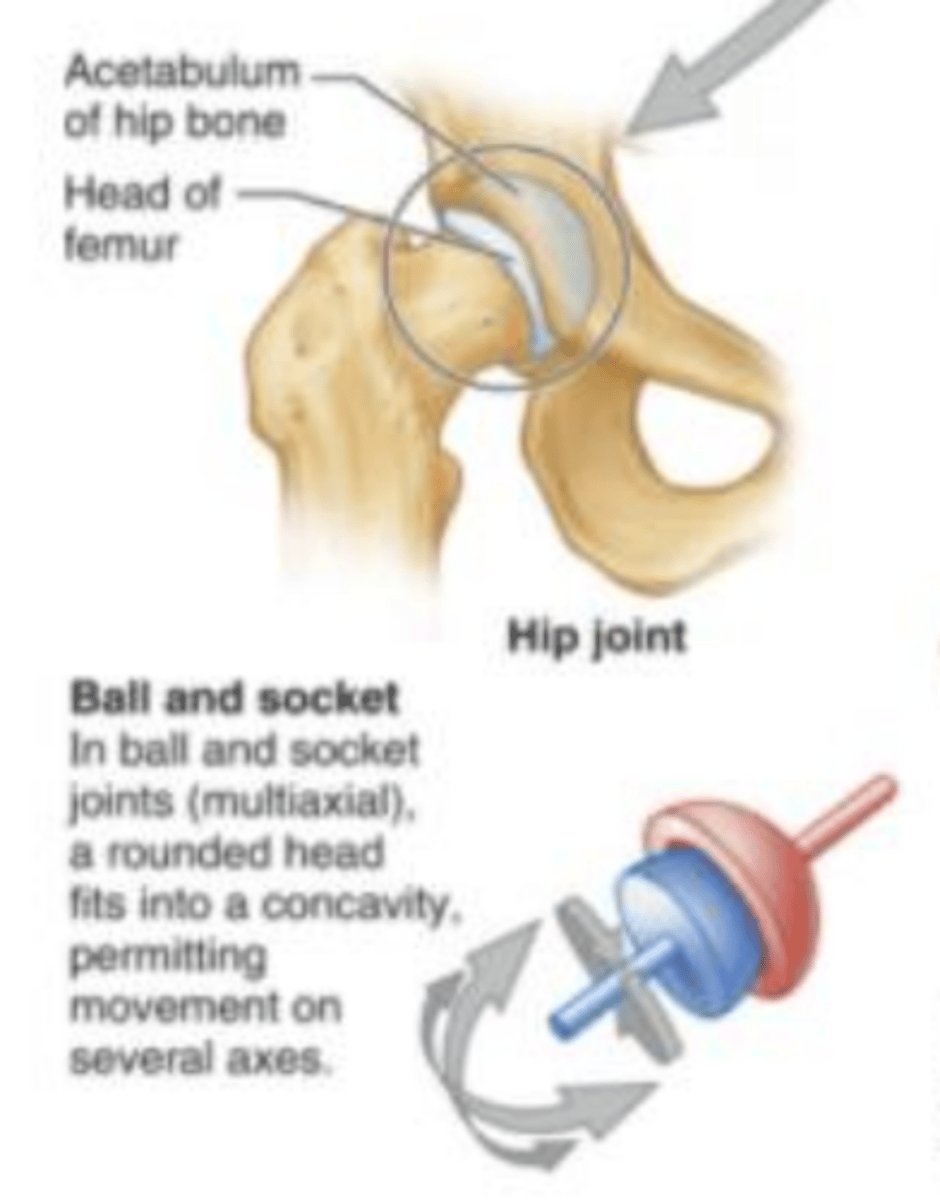
Ball and socket joint
(multiaxial) the hip joint has a rounded head that fits into a concavity, permitting free movement.
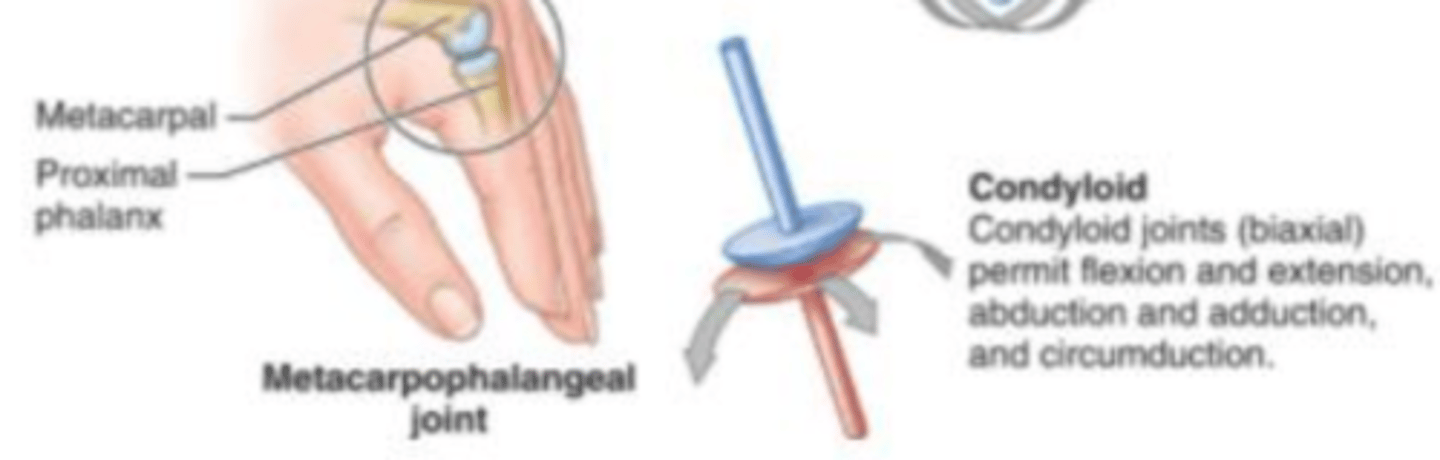
Condyloid joint
(biaxial) flexion and extension; abduction and adduction movements are possible. The joint is an oval shaped bone interacting with another bone that has a concave surface. Is present in the Metacarpophalangeal joint which is in the hand permitting the movements of the fingers.
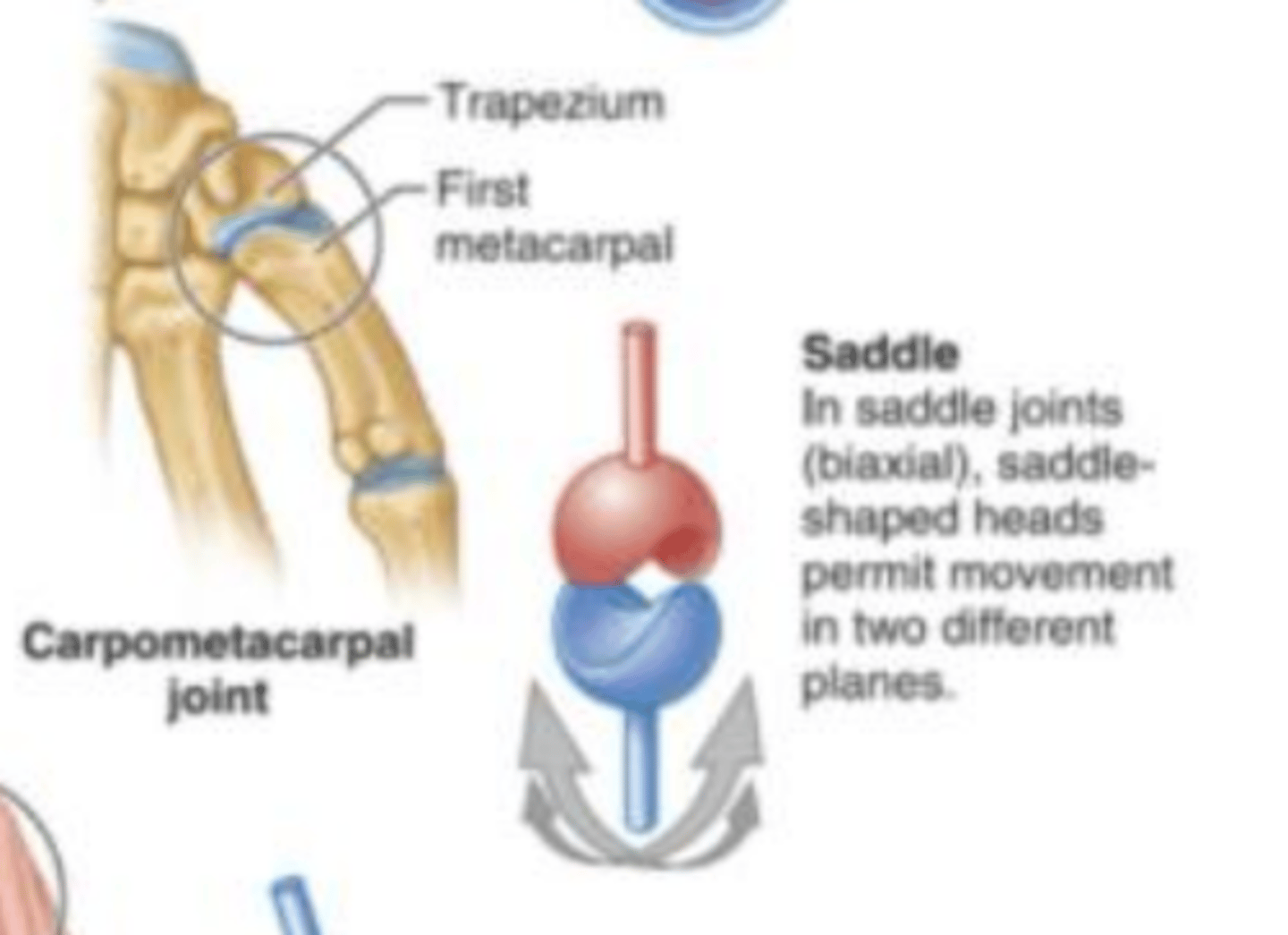
Saddle joint
(biaxial) Type of joint found at the base of each thumb; allows grasping and rotation. These joints allow for movement in 2 different planes because of the saddle shaped heads in the connecting joints.
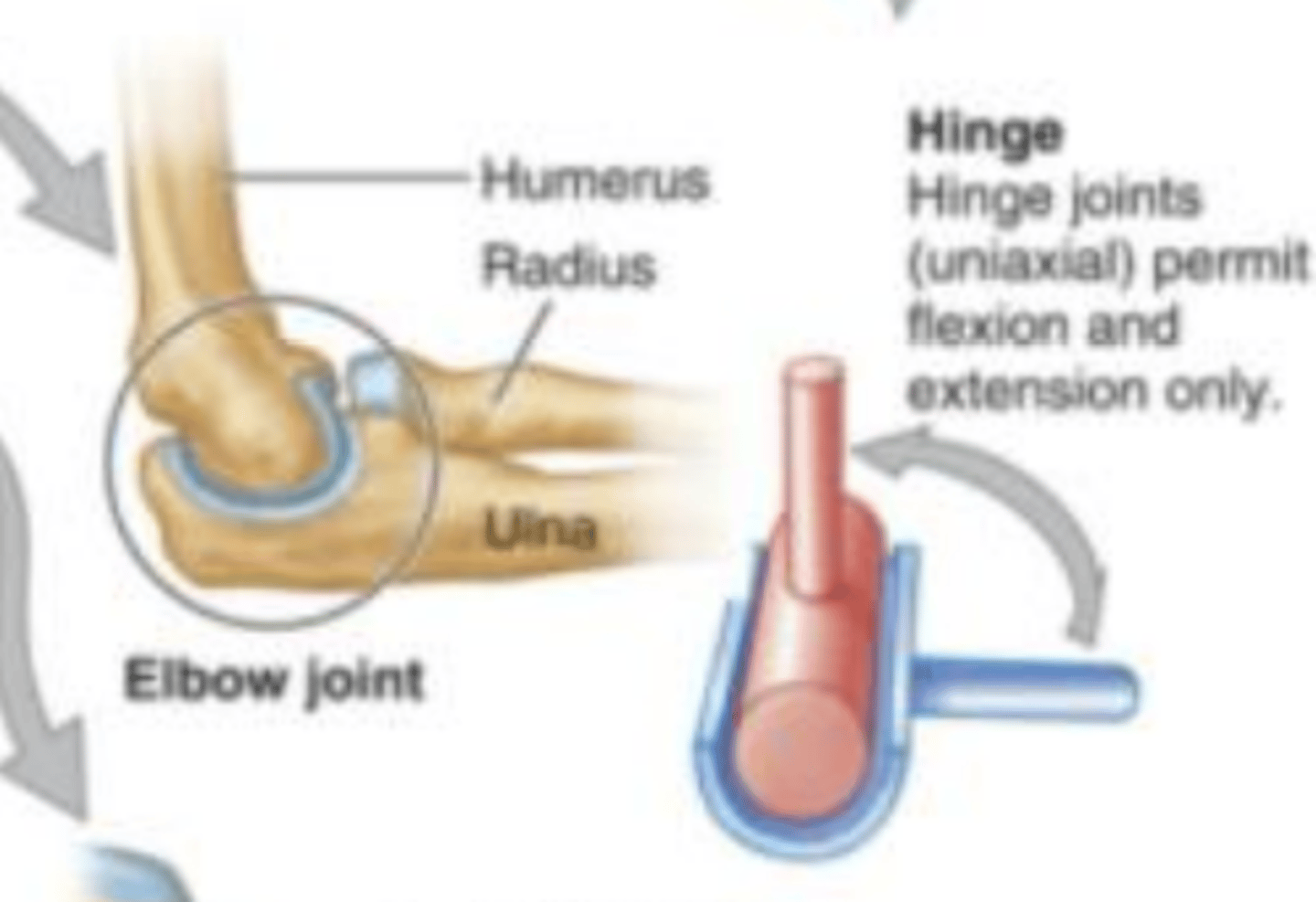
Hinge joint
(uniaxial) Joint between bones (as at the elbow or knee) that permits motion in only one plane. Flexion and extension only.
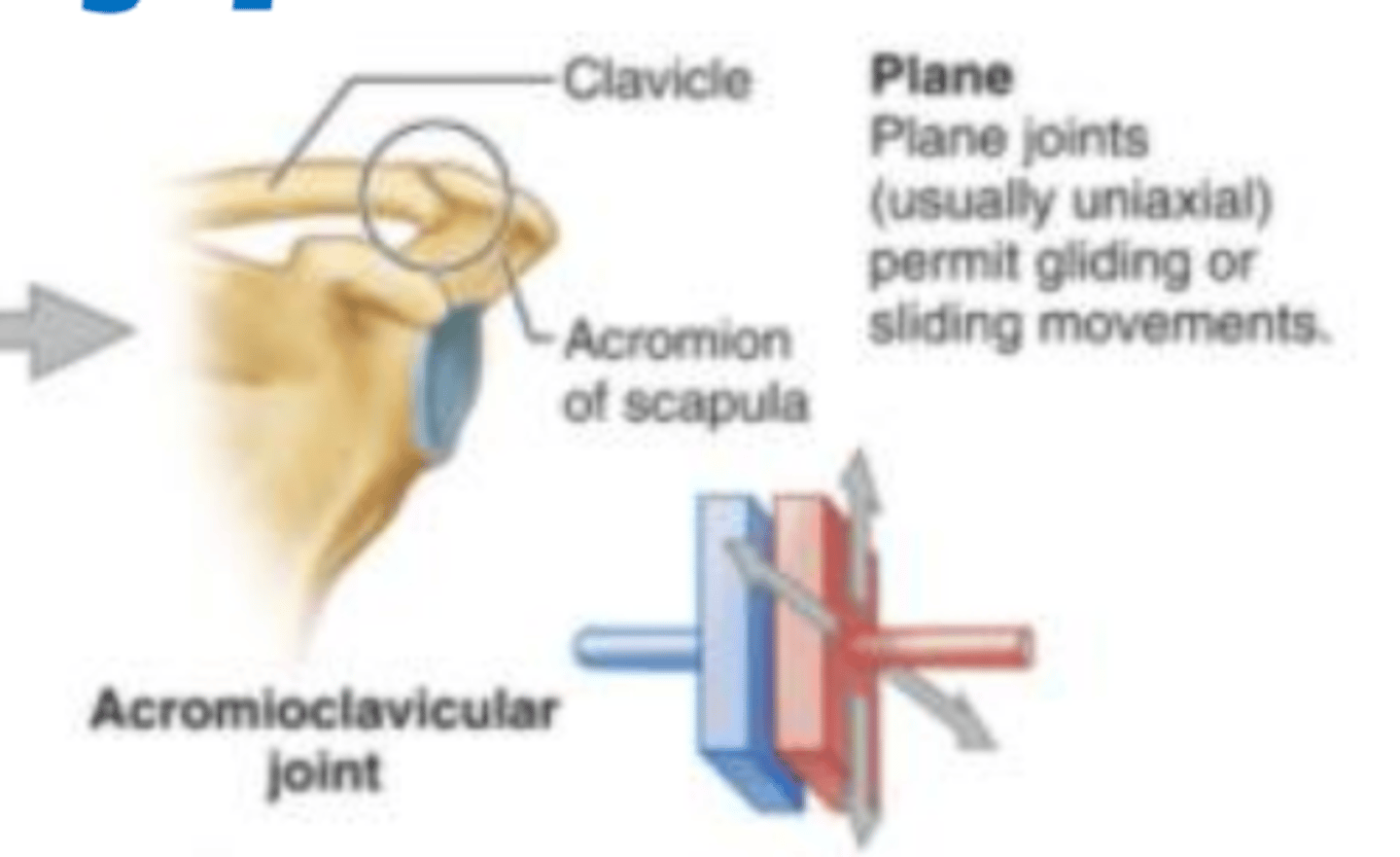
Plane joint
(usually uniaxial) short slipping or gliding movements; i.e. carpals