Lab 24 - Survey of Vertebrates
 Call Kai
 Learn
Learn Practice Test
 Spaced Repetition
 Match
Match Flashcards
 Knowt Play
1/101

There's no tags or description
Looks like no tags are added yet.
Name | Mastery | Learn | Test | Matching | Spaced | Call with Kai | Chat |
|---|
No analytics yet
Send a link to your students to track their progress
102 Terms
All the organisms of this lab report belong to the phylum _________ and the subphylum __________.
Chordata, Vertebrata
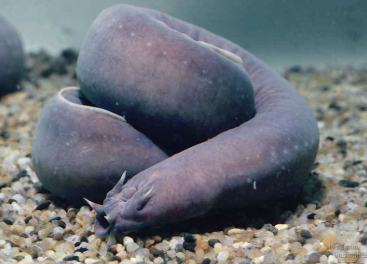
The common name of this organism is _______ and it belongs to class ________.
hagfish, Agnatha
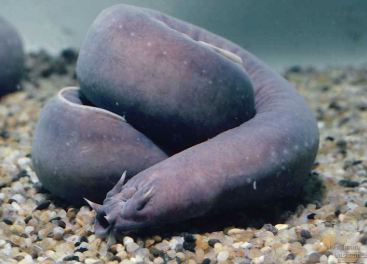
This hagfish has jaws OR no jaws, and its a _______ (type of feeder) most of the time.
no jaws, scavenger
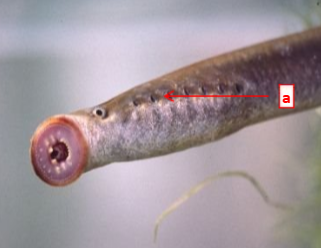
The common name of this organism is _______ and it belongs in class ________.
lamprey, Agnatha
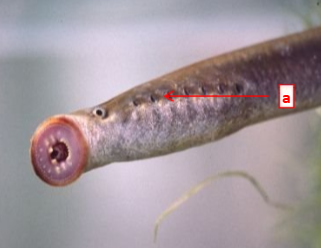
Labe structure A
gill pouches
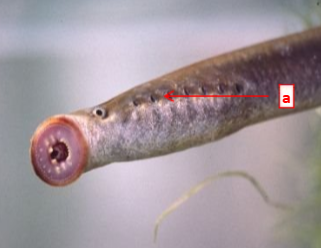
The fins of this lamprey are median OR paired OR both, and does it have jaws?
median fins, no jaws
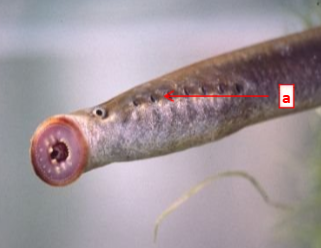
Lampreys have one nostril for ________ only, and they are free-living OR ectoparasites.
olfaction, ectoparasites
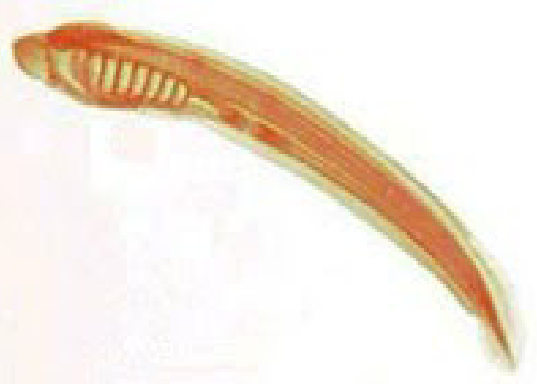
What stage of the lamprey life cycle is this?
larva
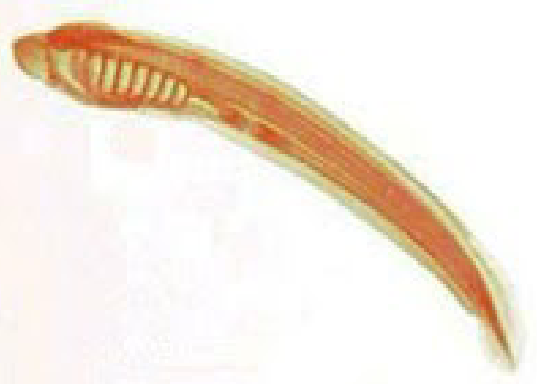
Lamprey larva are ________ (type of feeder).
suspension feeder
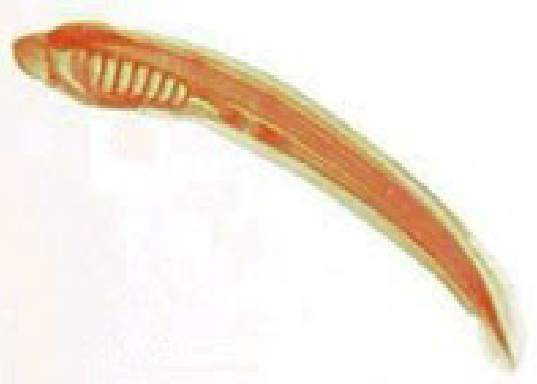
Lamprey larvae resemble a ________ (adult primitive chordate in subphylum Cephalochordata).
lancelet
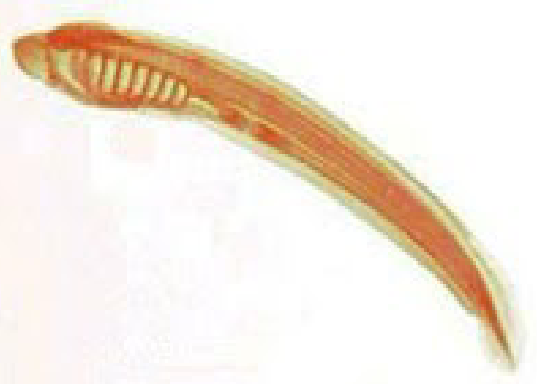
Lamprey larvae live for a ______ time than adults.
longer
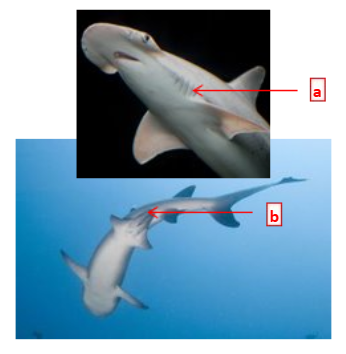
What is the common name of this organism and in what class does it belong?
shark, Chondrichthyes
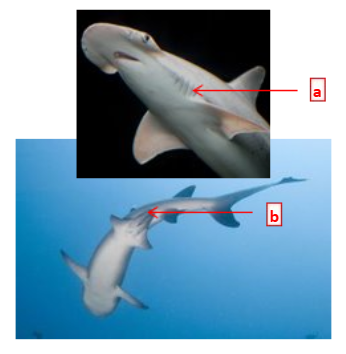
Label structure A, this where water exits
gill slits
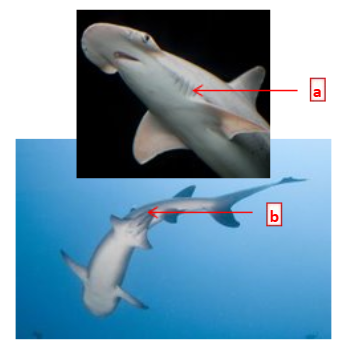
Label structure B
claspers
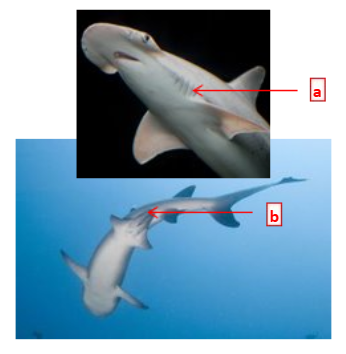
The fins of sharks are median OR paired OR both median and paired, and are jaws present OR absent?
both median and paired, jaws present
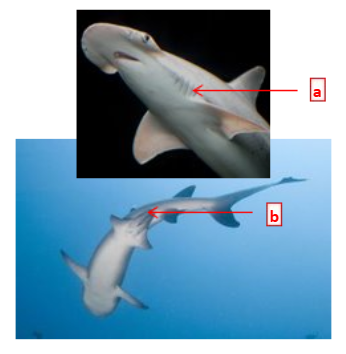
The shark to the left is _______ (gender) and its pair of nostrils are for olfaction OR breathing OR both.
male, olfaction
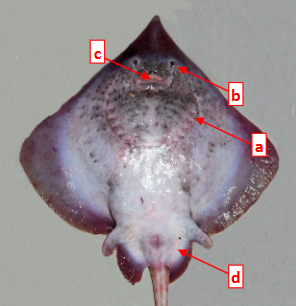
This is the ventral view of a skate. What class does it belong to?
Chondrichthyes
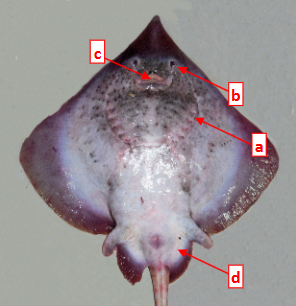
Is this a male or female? Hint: does it have claspers?
female
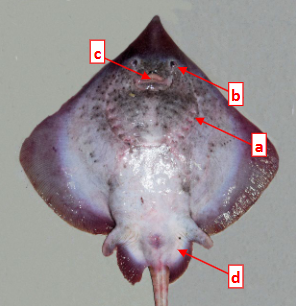
Structure A are the ______ which is where water enters OR exits.
gill slits, exits
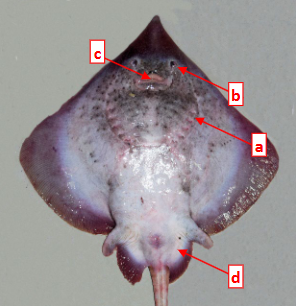
Structure B are the _______ used for olfaction OR breathing OR both
nostrils, olfaction
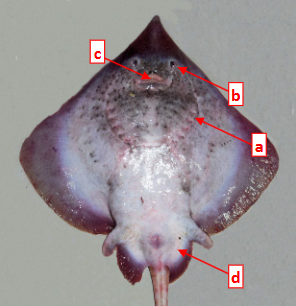
Structure C is the _______
mouth
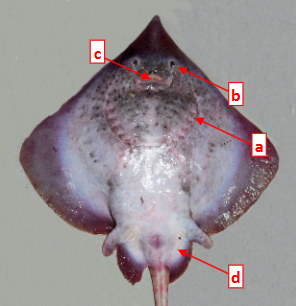
Structure D are the _______
pelvic fins
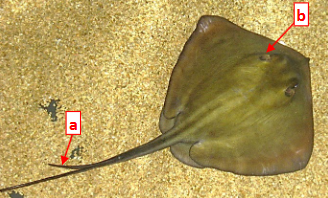
What is the common name of this organism and what class does it belong to?
stingray, Chondrichthyes
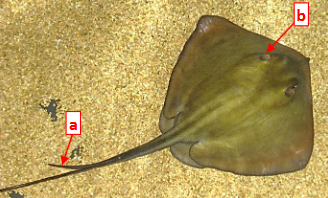
Label structure A
barb
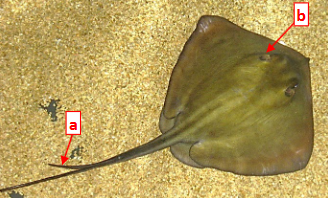
Label structure B
spiracles
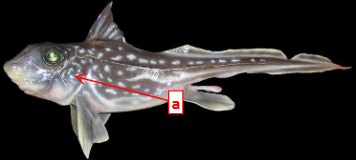
What is the common name of this organism and what class does it belong to?
ratfish, Chondrichthyes
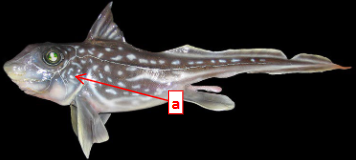
Structure A is the ________ which covers the _____.
operculum, gills
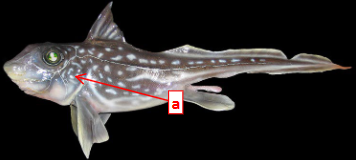
The fish is a _____ (gender) because it has _______.
male, claspers
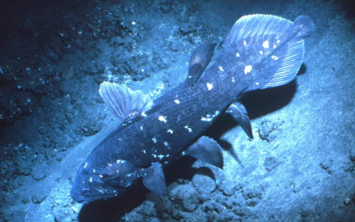
What is the common name of this organism and what class does it belong to?
coelocanth, Sarcopterygii
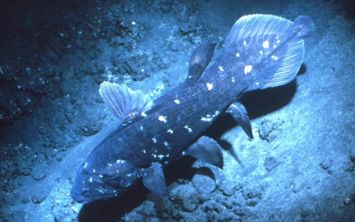
Lobed fins with supportive bones are evidence of their ancestry to ________ (vertebrates with 4 limbs).
tetrapods
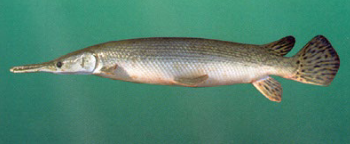
What is the common name of this organism and what class does it belong to?
gar pike, Actinopterygii
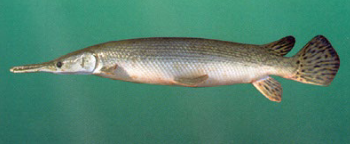
This gar pike is a primitive ray-finned fish with _______ scales.
ganoid
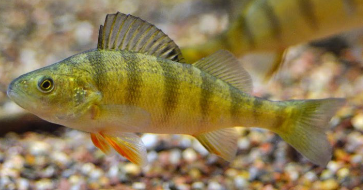
What is the common name of this organism and what class does it belong to?
perch, Actinopterygii
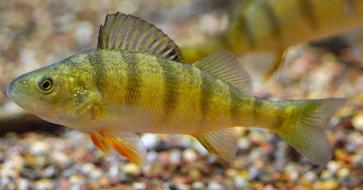
The torpedo shape of this perch provides a _______ _____ which results in speed.
streamlined body
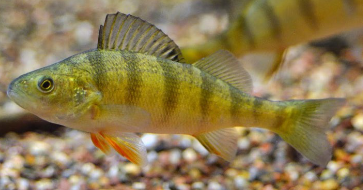
When this streamlined body shape is sacrificed, as in the next 3 examples (pufferfish, flounder, seahorse), _____ is lost in exchange for an adaptation.
speed
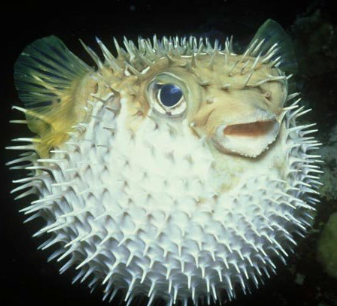
What is the common name of this organism and what class does it belong to?
pufferfish, Actinopterygii
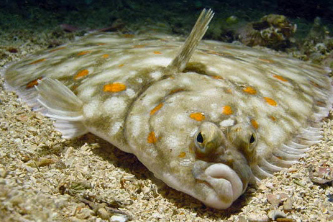
What is the common name of this organism and what class does it belong to?
flounder, Actinopterygii
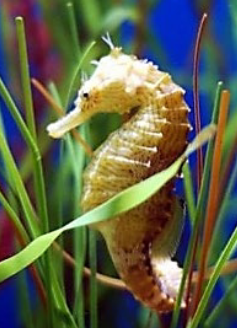
What is the common name of this organism and what class does it belong to?
seahorse, Actinopterygii
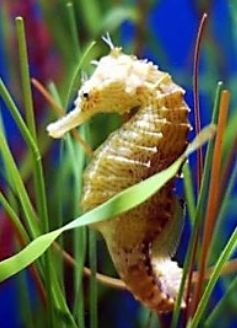
Adaptation: The tail of this seahorse is used to hold onto ______ or ______.
coral, algae
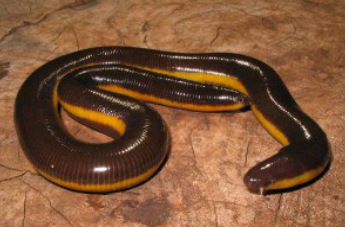
What is the common name of this organism and what class does it belong to?
caecilian, Amphibia
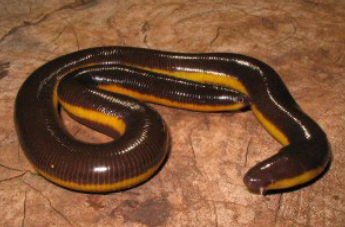
This caecilian is an amphibian with body specialized for ________ and _________ (both terrestrial and aquatic species).
burrowing, swimming
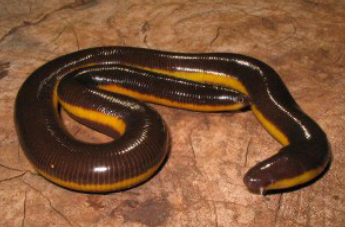
Is the caecilian endothermic OR ectothermic?
ectothermic
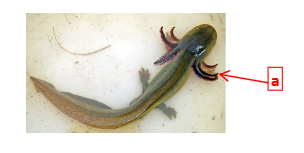
What is the common name of this organism (larval stage)?
mudpuppy
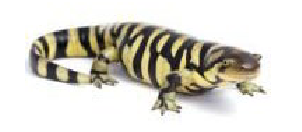
What is the name of this organism (adult)?
tiger salamander
Both the mudpuppy and salamander are in class _________.
Amphibia
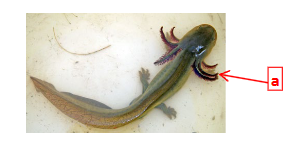
Label structure A
external gills
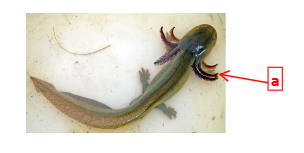
The larva may be ________ (sexually mature in larval body form) or metamorphose to adult in a _______ environment.
paedomorphism, drying
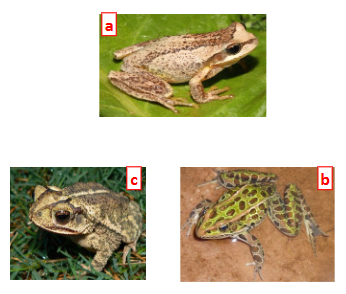
Frog A is the ______ _____ and it has toes for _____________.
tree frog, holding onto vertical surfaces
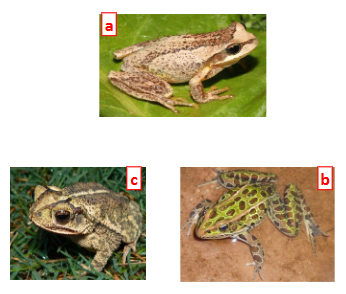
Frog B is a ________ ______ and it has ______ toes for swimming.
leopard frog, webbed
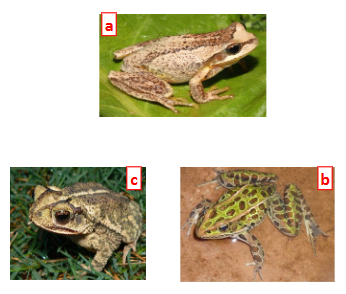
Frog C is a ______ and it has warty/thicker skin which adapts it for life on _____.
toad, land
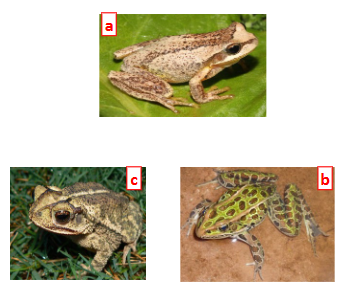
The nostrils of all these frogs are for both ________ and _______ (true of all tetrapods).
olfaction, respiration
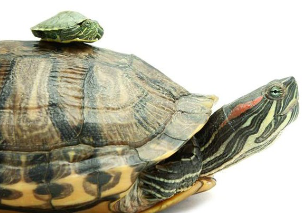
What is the common name of this organism and what class does it belong to?
red-eared slider, Reptilia
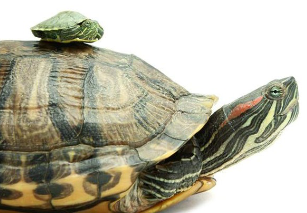
This red-eared slider has two adaptations for aquatic environments: __________ and ______ toes for swimming.
streamlined shell, webbed
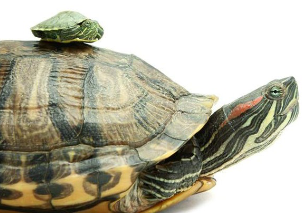
Adult male red-eared sliders have a _______ plastron.
flat
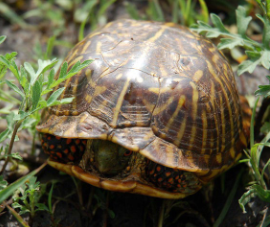
What is the common name for this organism and what class does it belong to?
box turtle, Reptilia
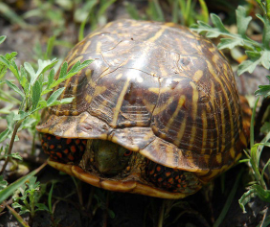
This box turtle has two adaptations for a terrestrial environment: ______ shell and hinged ______ for closing up.
domed, plastron
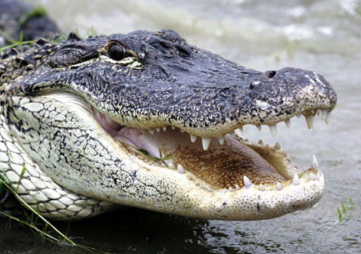
What is the common name of this organism and what class does it belong to?q
alligator, Reptilia
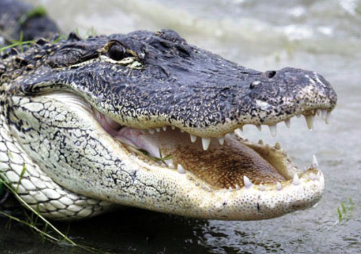
Alligators have _______ teeth (all the same shape and function).
homodont
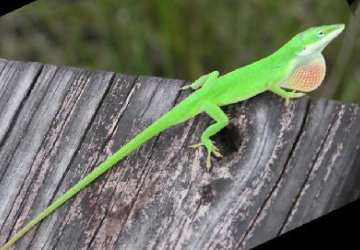
What is the common name of this organism and what class does it belong to?
anole, Reptilia
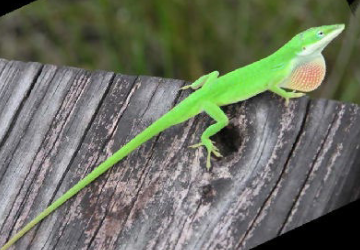
Like all reptiles, the nostrils of this anole are for ________ and ________.
olfaction, respiration
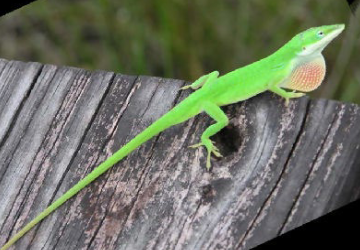
Anoles are endothermic OR ectothermic?
ectothermic
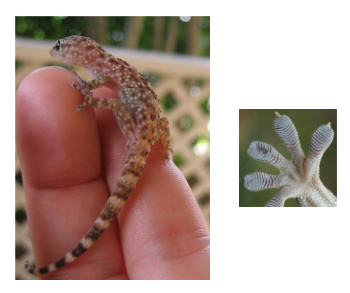
What is the common name of this organism and what class does it belong to?
gecko, Reptilia
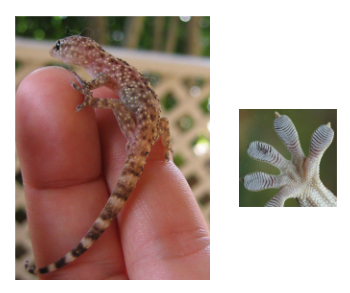
The feet of this gecko is modified for _______.
clinging to upright surfaces
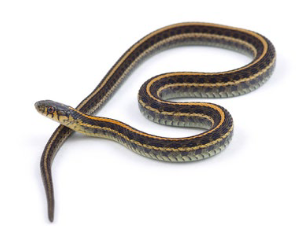
What is the common name of this organism and what class does it belong to?
garter snake, Reptilia
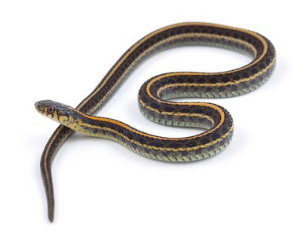
This garter (ribbon) snake is venomous OR nonvenomous.
nonvenomous
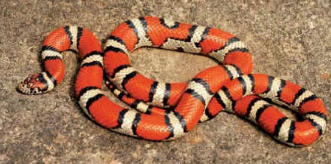
What is the common name of this organism and what class does it belong to?
milk snake, Reptilia
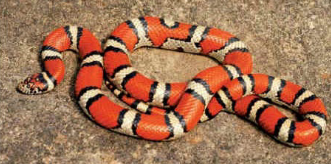
Are milk snakes venomous OR nonvenomous.
nonvenomous
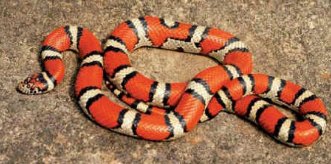
This milk snake has ________ (warning) coloration and ________ mimicry.
aposematic, Batesian
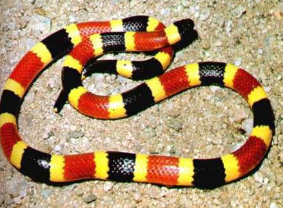
What is the common name of this organism and what class does it belong to?
coral snake, Reptilia
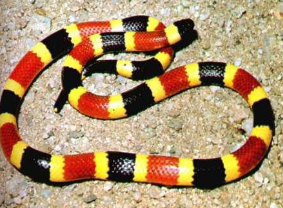
Coral snakes are venomous OR nonvenomous and have _________ (toxin type).
venomous. neurotoxin
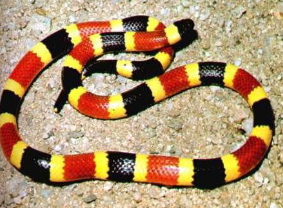
Coral snakes have __________ (warning) coloration.
aposematic
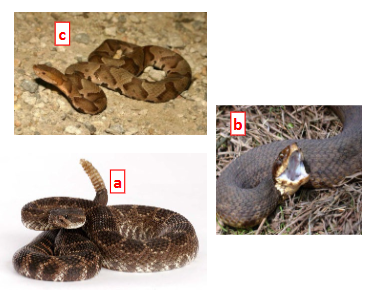
These are pit vipers (heat-sensing organs) they belong to class __________.
Reptilia
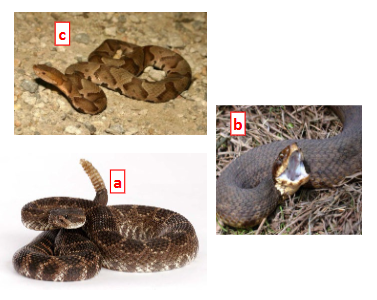
These pit vipers are venomous OR nonvenomous, and they have _______ (toxin type).
venomous, hemotoxin
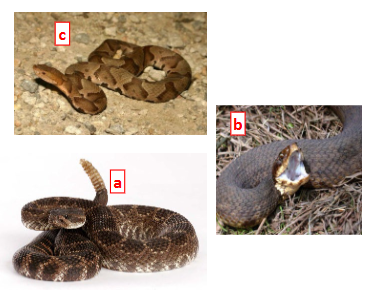
Snake A is a _______.
rattlesnake
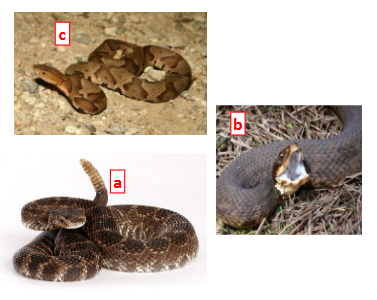
Snake B is a _________.
cottonmouth
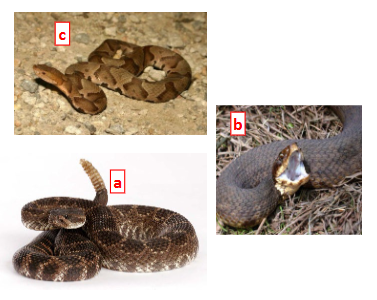
Snake C is a _________.
copperhead
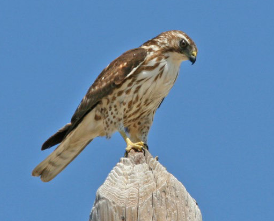
What is the common name of this organism and what class does it belong to?
hawk, Reptilia
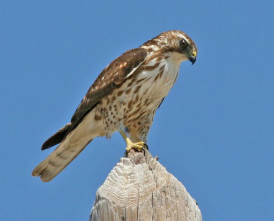
Hawks have two adaptations as a predator: hooked beak for ________ and feet with ________ for capturing prey.
ripping/tearing, talons
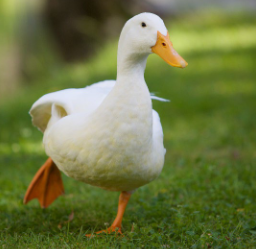
What is the common name of this organism and what class does it belong to?
duck, Reptilia
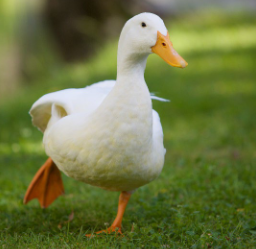
This duck has two adaptations as a water bird: _______ beak for eating plankton and ______ feet for swimming.
flattened, webbed
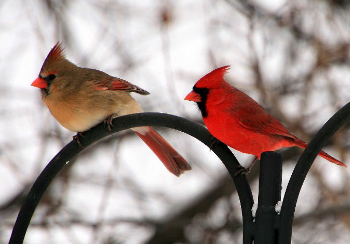
What is the common name of this organism and what class does it belong to?
cardinal, Reptilia
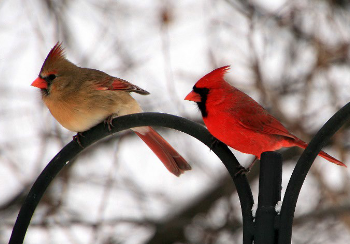
Cardinals have two adaptations: _______ beak for cracking seeds and feet for ________.
conical, perching
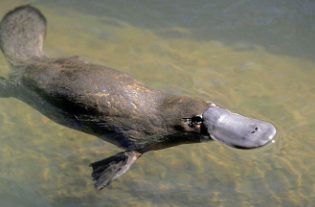
What is the common name of this organism and what class does it belong to?
platypus, Mammalia
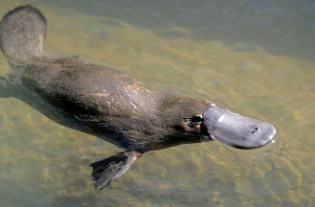
This platypus is in group _________?
monotreme
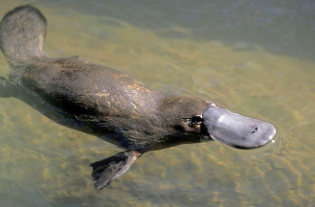
This platypus has two adaptations: _______ feet for swimming and ____ teeth (has beak instead).
webbed, no
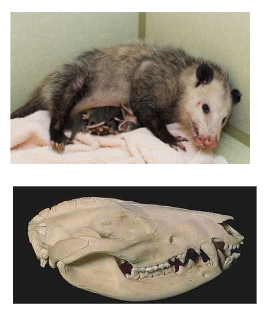
What is the common name of this organism and what class does it belong to?
opossum, Mammalia
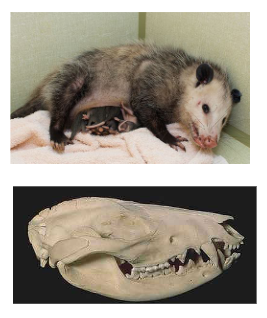
This opossum is in group _________.
marsupial
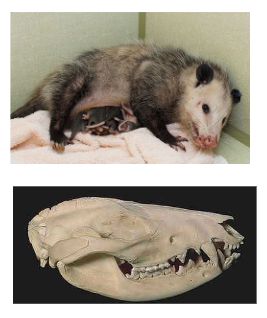
This opossum is a _______ (feeding type) with _____ canines and feet for ______.
omnivore, large, grasping
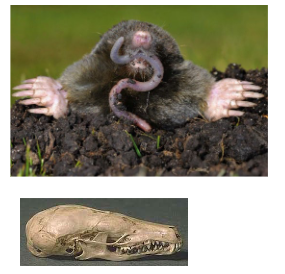
What is the common name of this organism and what class does it belong to?
mole, Mammalia
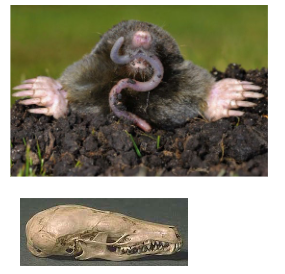
Moles are in group _________.
placental
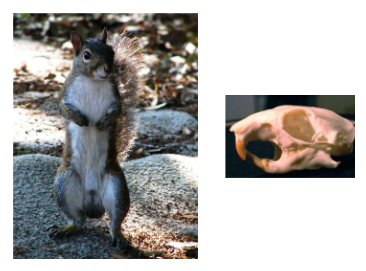
What is the common name of this organism and what class does it belong to?
squirrel, Mammalia
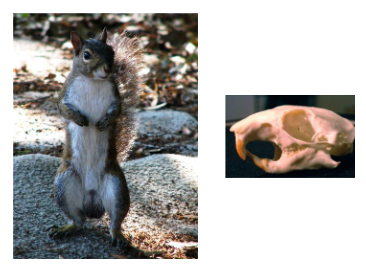
Squirrels are in group ________.
placental
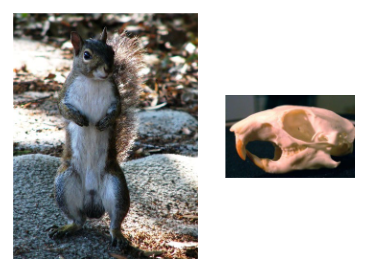
Squirrels are herbivores with OR without canines, orange incisors due to a thick layer of _______, and feet for ________.
without, enamel, grasping
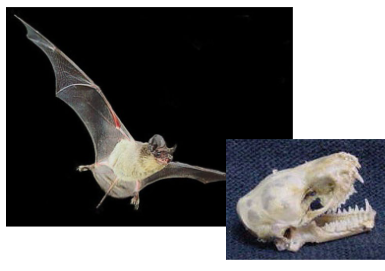
What is the common name of this organism and what class does it belong to?
bat, Mammalia
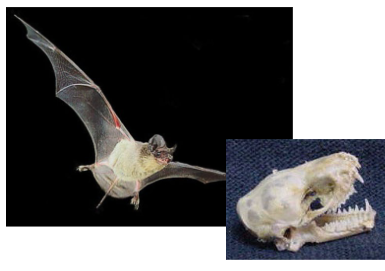
Bats belong to group ______.
placental
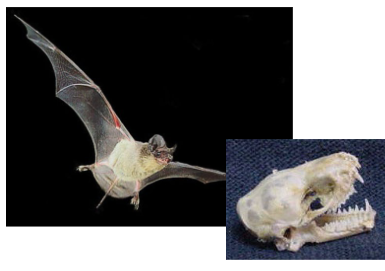
Bats have small, jagged teeth for feeing on ______ and their wings are modified _______ with a membrane between their finger bones.
insects, hands
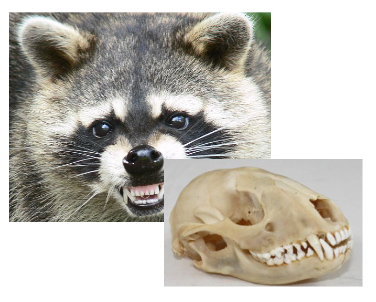
What is the common name of this organism and what class does it belong to?
raccoon, Mammalia
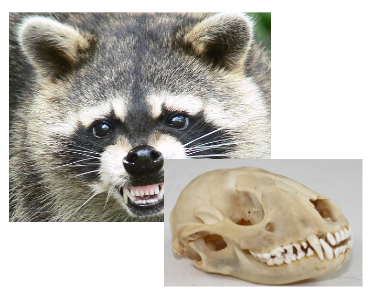
Raccoons are in group _______.
placentals
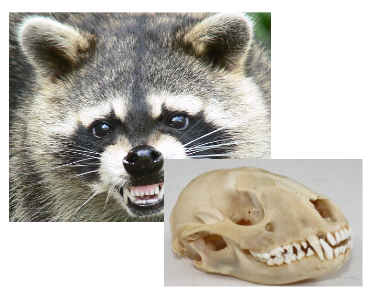
Raccoons are carnivores with big _____ and bladelike cheek teeth, and feet with _____.
canines, claws
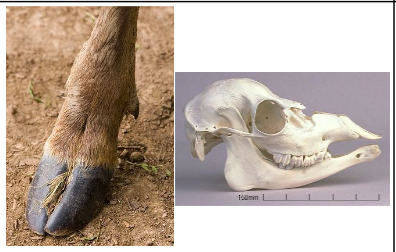
What is the common name of this organism and what class does it belong to?
deer, Mammalia