bones and the skeleton
 Call Kai
 Learn
Learn Practice Test
 Spaced Repetition
 Match
Match Flashcards
 Knowt Play
1/21

Earn XP
Description and Tags
Name | Mastery | Learn | Test | Matching | Spaced | Call with Kai | Chat |
|---|
No analytics yet
Send a link to your students to track their progress
22 Terms
osteoblasts
derive from bone lining cells, form bone matrix
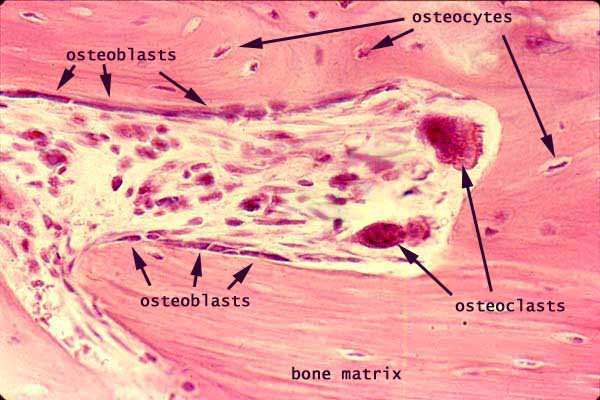
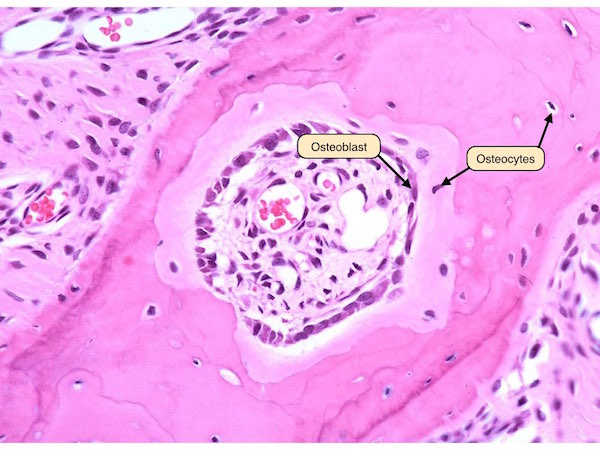
osteocytes
where
what do they derive from
what do they connect to and how
what allows molecules through
what does it regulate
in body of the bone
derive from osteoblasts
connect with neighbouring osteocytes and bone lining cells by proceses in canaliculi
gap junction allow molecules through
regulate bone modelling
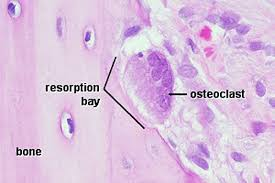
osteoclasts
what kind of cells
where do they derive from
function
large multinucleated cells
from precursor cells in blood
resorbs bone
osteogenic cell
what kind of cell
where are they located
stem cell
located in bone marrow/periosteal membrane
features of the long bone
epiphysis at each end joining neighbouring bones
articular cartilage is smooth at both ends and reduces friction
trabecular bone is highly porous and has a high surface area
diaphysis is middle
medullary cavity is hollow and contains bone marrw
endosteum is the membrane lining the inner surface
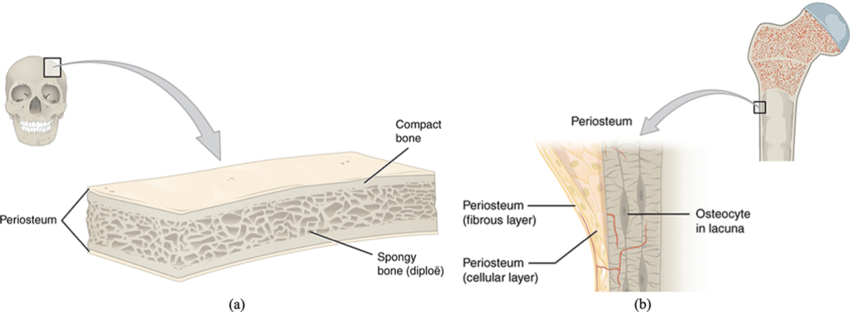
periosteum is membrane lining the outer surface
metaphysis is region between epiphysis and diaphysis
some bones are capped with a layer of synovial cartilage, designed to carry loads and bending moments over long distances
flat bones
structure
function
features
examples
2 thin layers of compact bone separated by cancellous bone
protection/ base of origin for extensor muscles
no medullary cavity
eg ribs, scapula, os coxae
short bone
structure
what is it filled with
function
roughly same size in all direction
thin cortices
completely filled with cancellous bone
no medullary cavity
designed to carry compressive loads over short distances
not much bending
eg bones of the carpus and the tarsus
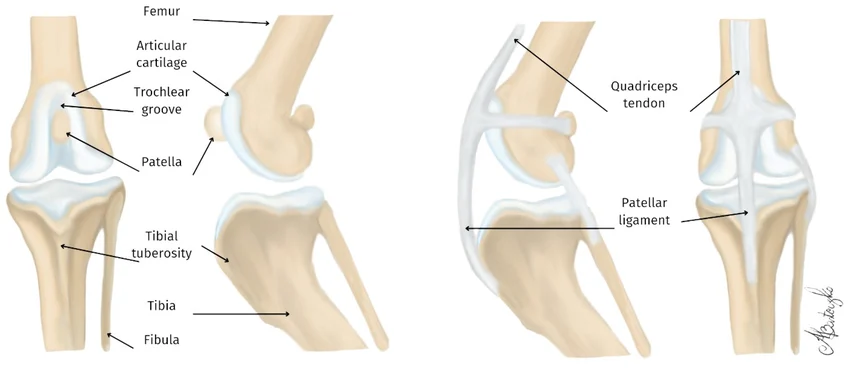
sesamoid bones
eg patellar
alter direction of tendons
give leverage to tendons
prevent excessive tendon wear
periosteum
2 layers what are they
what is it comprised of
layer of cells on outside
outer fibrous layer and inner cambium (osteogenic) layer
fibrous layer contains fibroblasts, cambium layer contains osteoprogenitor cells
blood vessels, sensory nerves, lymphatic vessels
endosteum
what does it line
features
what is it composed of
lines the inner surface of bones, eg medullary cavity
osteogenic and osteolytic
primarily composed of a single layer of bone lining cells and osteoblasts
what is the shape of the elastic fibres in the epiglottis, and how does this relate to function?
mainly irregular
dense network of branching fibres around chondrocytes
less dense towards perichondrium
allows return to normal shape after distortion
what is the annulus fibrosus
highly organized, fiber-reinforced, layered fibrocartilage that constitutes a critical component of the intervertebral disc in the spine
type i collagen
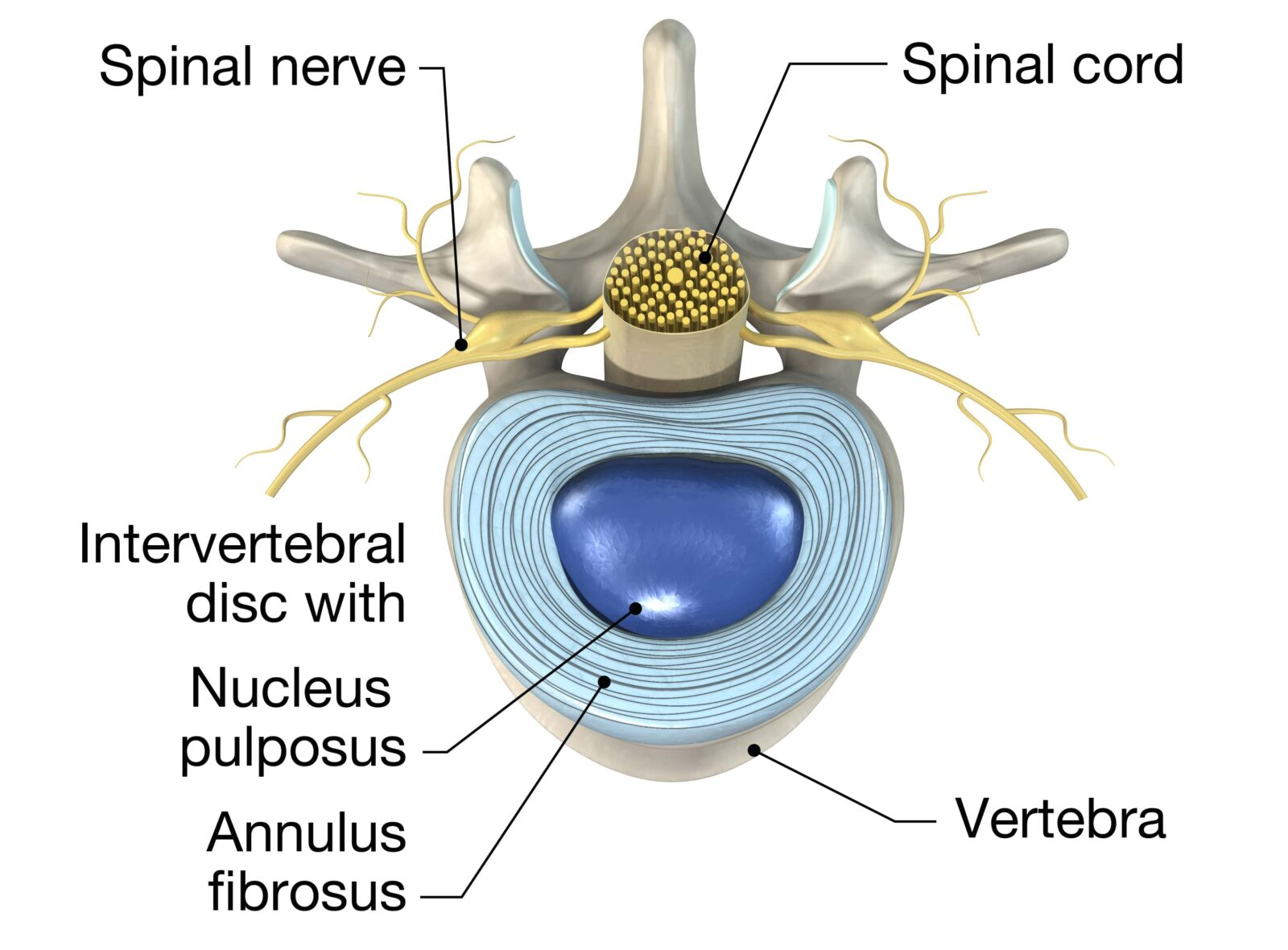
what is a slipped disk?
displacement of the nucleus pulposus
osteoprogenitor cells
cells which develop into osteoblast
from where are osteoclasts derived from
monocytes
how are canaliculi formed
contain cytoplasmic processes of the osteocytes, connected by gap junction
what are volkmanns canals
transverse links between the haversian canals
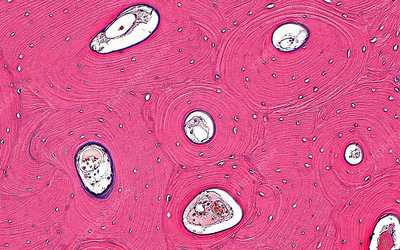
lamellar bone
arrangement
production
regular cocentric arrangement
strong
slow production during growth/remodelling
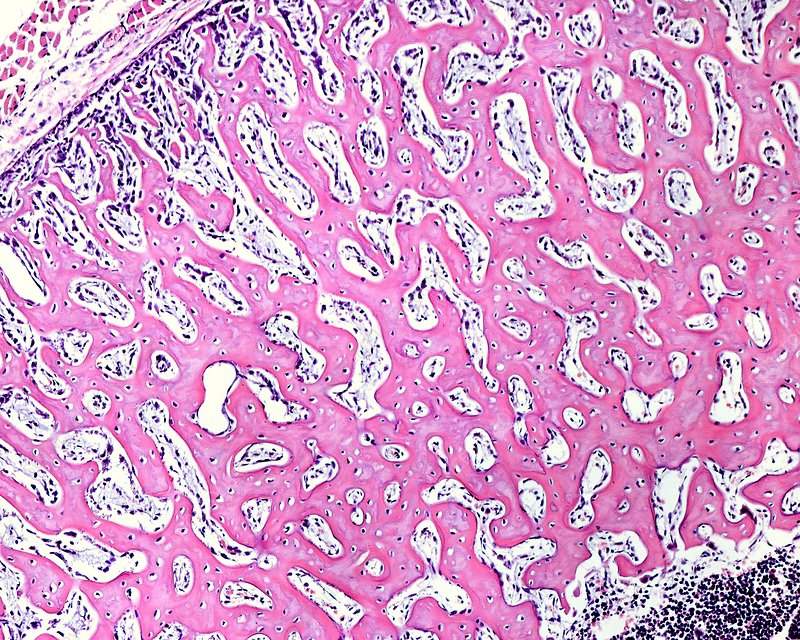
woven bone
irregular
weak
small trabeculae
produced rapidly eg in fracture healing, intramembranous/endochondral ossification)
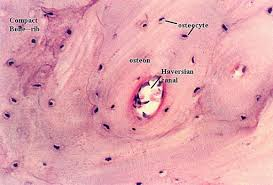
what are osteons
shape
what is in the centre and what does it contain
what is this surrounded by
what is it more resistant to
functional unit of a bone
long cylindrical structure with a central osteonal (Haversian) canal containing nerves, blood vessels and osteogenic cells
central canal is surrounded by dense cocentric lamellae of bone
there can be primary and secondary
collagen ribres run in different directions in neihbouring lamellae
more resistant to twisting force
still allows give
surface markers
leverage
muscle attachment
respons to strain within bone
articulation with other bones
moment arms
large moment arms make it possible to lift large loads with smaller forces
but
large moment arms means less absolute movement for a given force applied