BIOL112 Exam 3
 Studied by 0 people
 Call Kai
 Learn
Learn Practice Test
 Spaced Repetition
 Match
Match Flashcards
 Knowt Play
1/54

There's no tags or description
Looks like no tags are added yet.
Name | Mastery | Learn | Test | Matching | Spaced |
|---|
No study sessions yet.
55 Terms
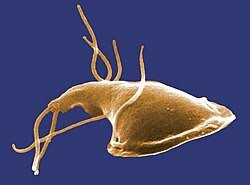
Paraphyletic group. Feeding groove, flagella
Excavata
Stramenopile, Alveolata, Rhizaria. Diverse group with hairs, alveoli, or thin pseudopods
SAR
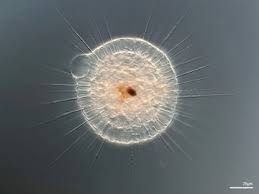
(kelp, brown algae, diatom, oomycetes) Hairy flagella; diatoms, brown algae → “Straw on a broom”.
Stramenopile
Alveoli support membrane; dinoflagellates, apicomplexans, ciliates
Alveolata
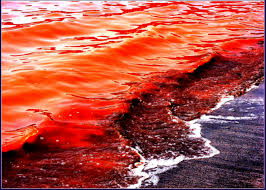
Two flagella, mixotrophic, red tides
Dinoflagellates
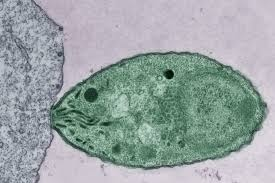
Complex structure at tip, invade host. Apex invader
Apicomplexans

Cilia for movement (ei paramecium)
Ciliates
Thin, radiating pseudopodia. radiolarians, foraminifera, cercozoa
Rhizaria
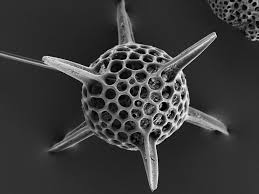
Silica skeleton (Radiant glass balls)
Radiolarians
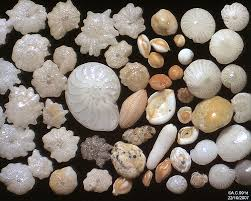
Calcium carbonate shells
foraminifera
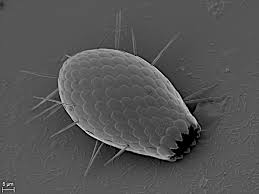
Amoeboid with filopodia
cercozoa
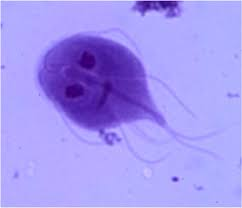
Two nuclei, no mitochondria
Diplomonads.
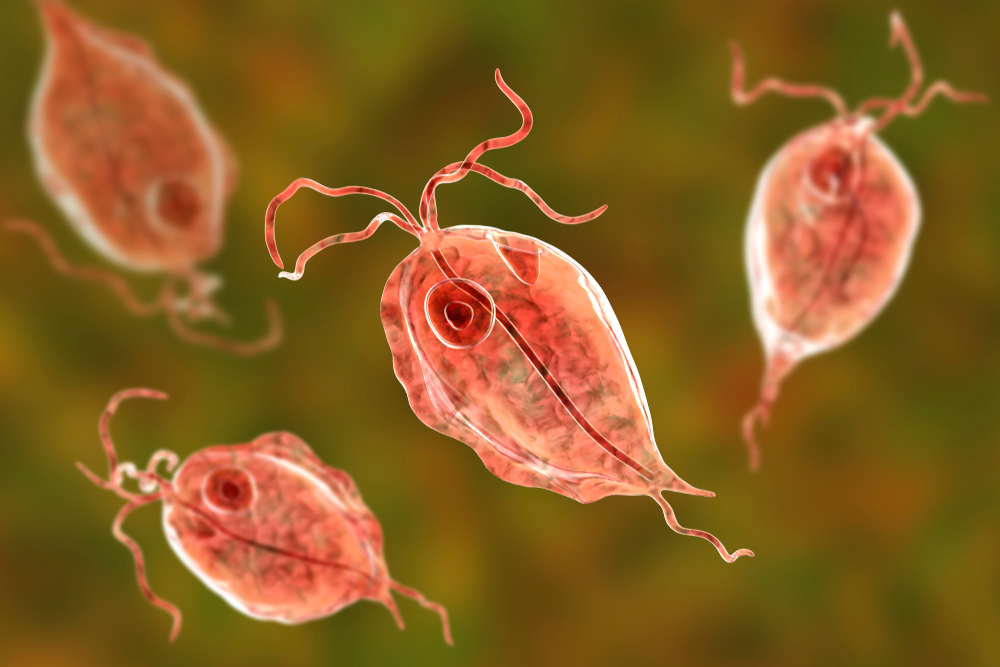
Basal body movement
Parabasalids
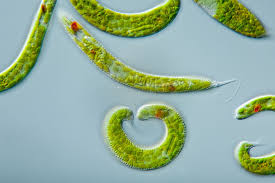
Eyespot, flagella, mixotrophic
Euglenozoa
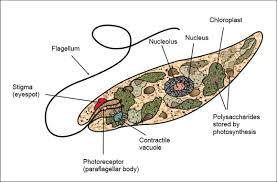
eyespot or stigma
Euglenids

Movement. Single mitochondrion, parasitic
Kinetoplastids
![<p><span style="background-color: transparent;"><span>rhodophyta [red algae], green algae. P</span></span>hotosynthetic, primary chloroplasts. Ancient Plants</p>](https://knowt-user-attachments.s3.amazonaws.com/daed8dd4-1dd6-43d3-89bc-b17d558571bf.png)
rhodophyta [red algae], green algae. Photosynthetic, primary chloroplasts. Ancient Plants
Archaeplastida
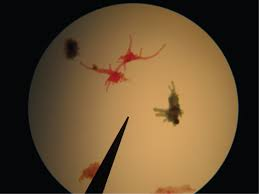
Lobe-shaped pseudopodia
Amoebozoa
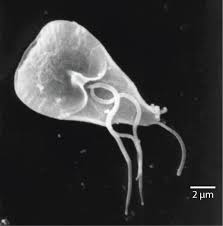
Posterior flagellum.
Opisthokonta
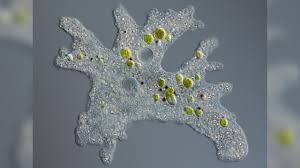
Solitary, pseudopodia for movement/feeding
Amoebas
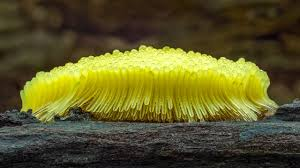
Slime mold
Liverworts, Mosses, Hornworts
Bryophyte
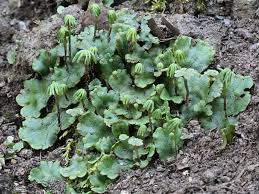
Flattened thallus or leafy, gemma cups for asexual reproduction → “Liver cups”
Liverworts
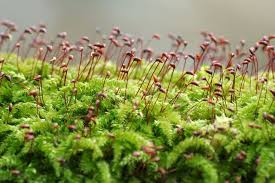
Leafy gametophytes, archegonia/antheridia
Mosses
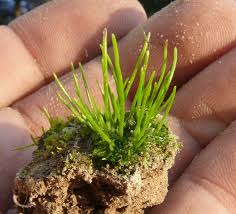
Sporophyte grows from basal region “Horns = upright spore stalks”
Hornworts
tube plants (vascular plants, xylem[water,minerals]/phloem[food]):
Tracheophyte
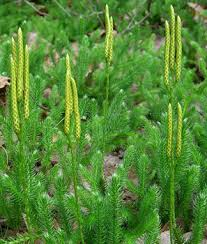
Microphyll leaves, no seeds
Lycophytes
(ferns, whisk ferns, horsetails) – Megaphyll leaves, no seeds
Pterophytes
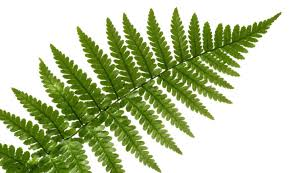
Fronds with sori, large sporophyte
Ferns
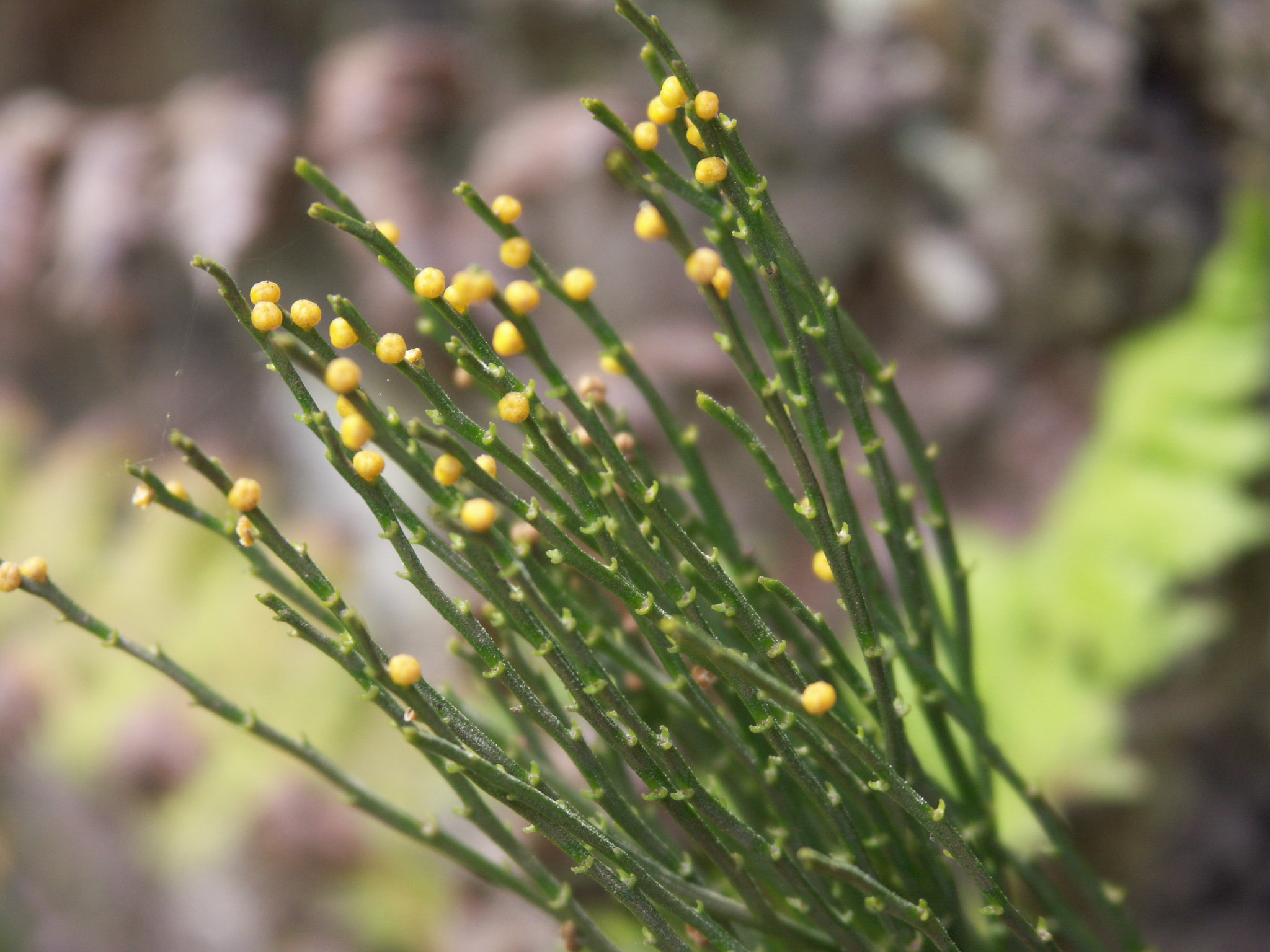
Simple, branching stems, no true leaves
Whisk ferns
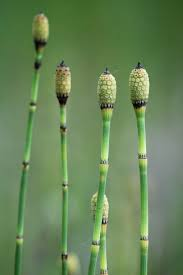
Jointed stems, silica, homosporous
Horsetails
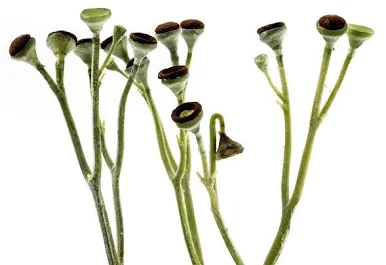
Early vascular plant, no true leaves
Cooksonia
Naked seeds, no flowers/fruits → “Gym = naked seeds”
Gymnosperms
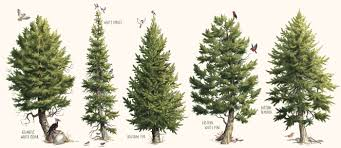
(Conifers) – Needle leaves, cones, cold/dry habitats
Coniferophyta
(Cycads) – Palm-like leaves, flagellated sperm → “Cycads = ancient palms”
Cycadophyta
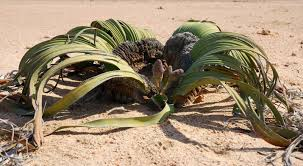
Diverse forms, some angiosperm-like features → “Gnet = weird gymnos”
Gnetophyta
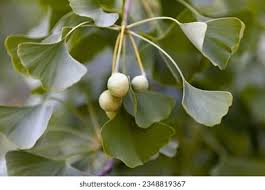
Fan-shaped leaves, motile sperm, only one living species
Ginkogophyta
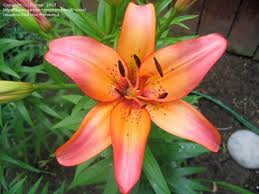
(Anthophyta) – Seeds in fruits, flowers present
Angiosperms
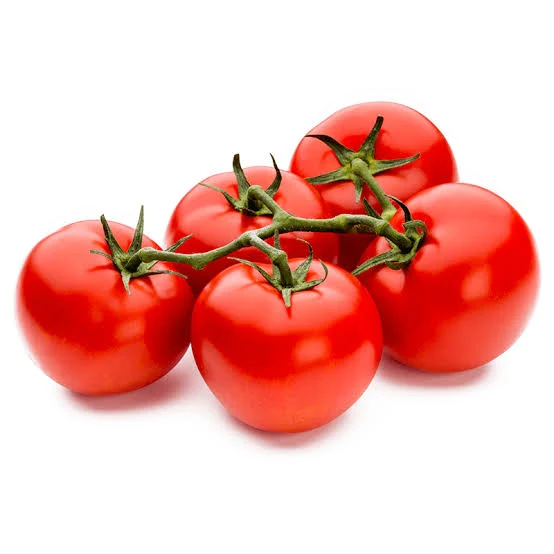
tomato. Entire ovary fleshy
True berries
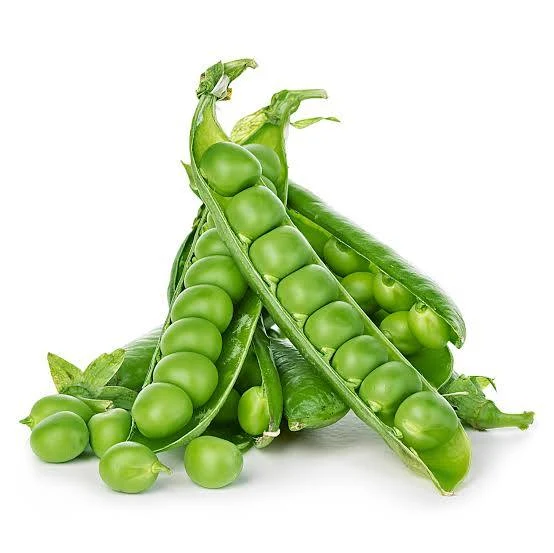
Pea. Pod splits along seams
Legumes
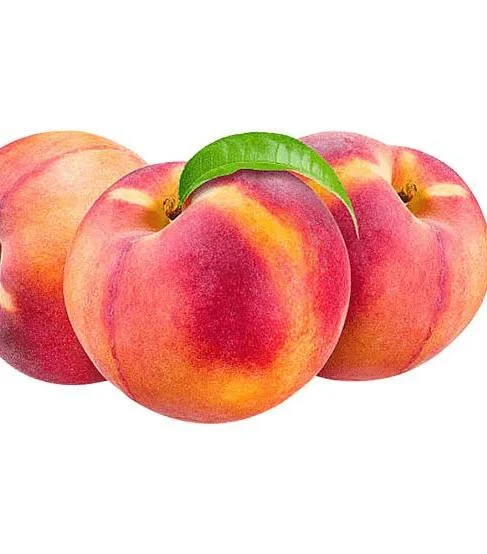
Peach. Fleshy with hard pit
Drupe
Winged for wind dispersal
Samaras

Multiple ovaries fused from one flower
Aggregate fruits
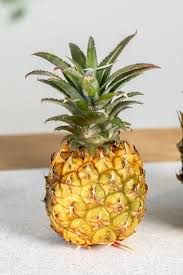
Fruits fused from many flowers
Multiple fruits
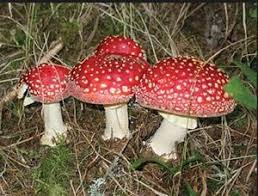
Club fungi, basidia produce basidiospores
Basidiomycota
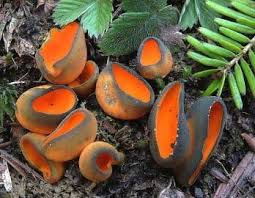
Sac fungi, asci produce ascospores
Ascomycota
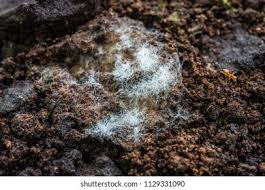
Bread molds
Zygomycota
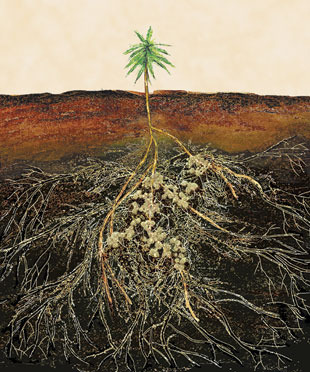
Arbuscular mycorrhizae. Symbiotic with plant roots for nutrient exchange
Glomeromycota
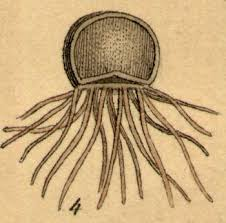
Zoospore-producing, aquatic
Chytridiomycota
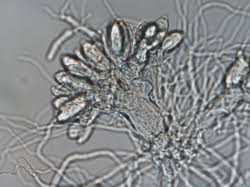
Alternation of generations
Blastocladiomycota