IV Fluid Therapy Part 1
 Call Kai
 Learn
Learn Practice Test
 Spaced Repetition
 Match
Match Flashcards
 Knowt Play
1/10

Earn XP
Description and Tags
Flashcards covering the reasons for IV fluid therapy, body fluid compartments, membrane permeability, and Starling's forces as discussed in Zuku's small animal fluid therapy lecture.
Name | Mastery | Learn | Test | Matching | Spaced | Call with Kai | Chat |
|---|
No analytics yet
Send a link to your students to track their progress
11 Terms
Hypovolemia
A fluid deficit that is reflected specifically within the vasculature.
Dehydration
A fluid deficit that is reflected in the interstitium and intracellular spaces.
Intravascular space
The body fluid compartment consisting of the space within arteries, capillaries, and veins.
Capillary membrane
The interface separating the intravascular and interstitial compartments; it is impermeable to large molecular weight particles but permeable to water, electrolytes, glucose, acetate, lactate, gluconate, and bicarbonate.
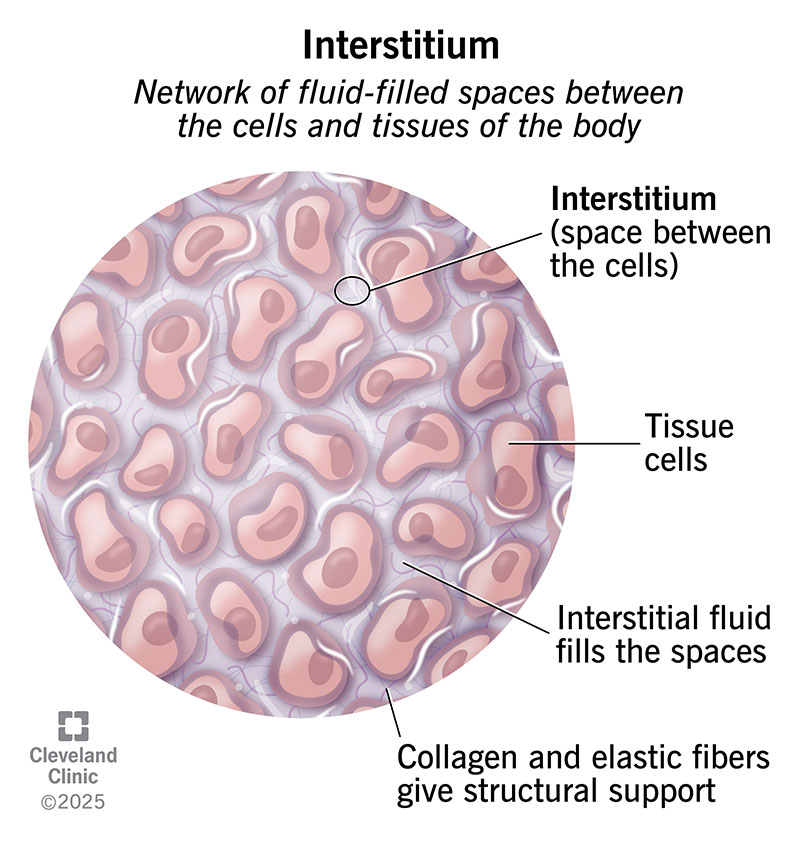
Interstitial space
The fluid compartment located between the capillaries and the cells.
Cell membrane
The boundary separating the interstitial and intracellular compartments; it is freely permeable to water, O2, and CO2 but impermeable to large and small particles without transport mechanisms like ion pumps.
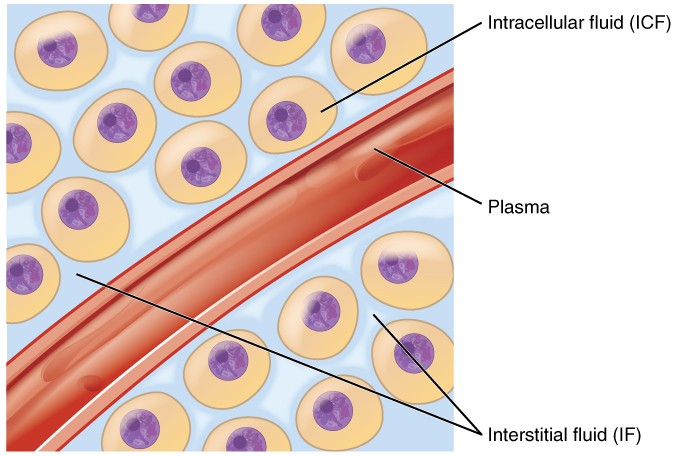
Intracellular space
The fluid compartment within the cells, which maintains a lower concentration of sodium than the extracellular space.

Hydrostatic pressure
The force generated by the pressure of fluid on capillary walls, which is governed by blood pressure (BP) and sympathetic tone.

Oncotic pressure
Also known as colloid osmotic pressure, this is the force elicited by proteins (primarily albumin, globulins, and fibrinogen) that attracts water.
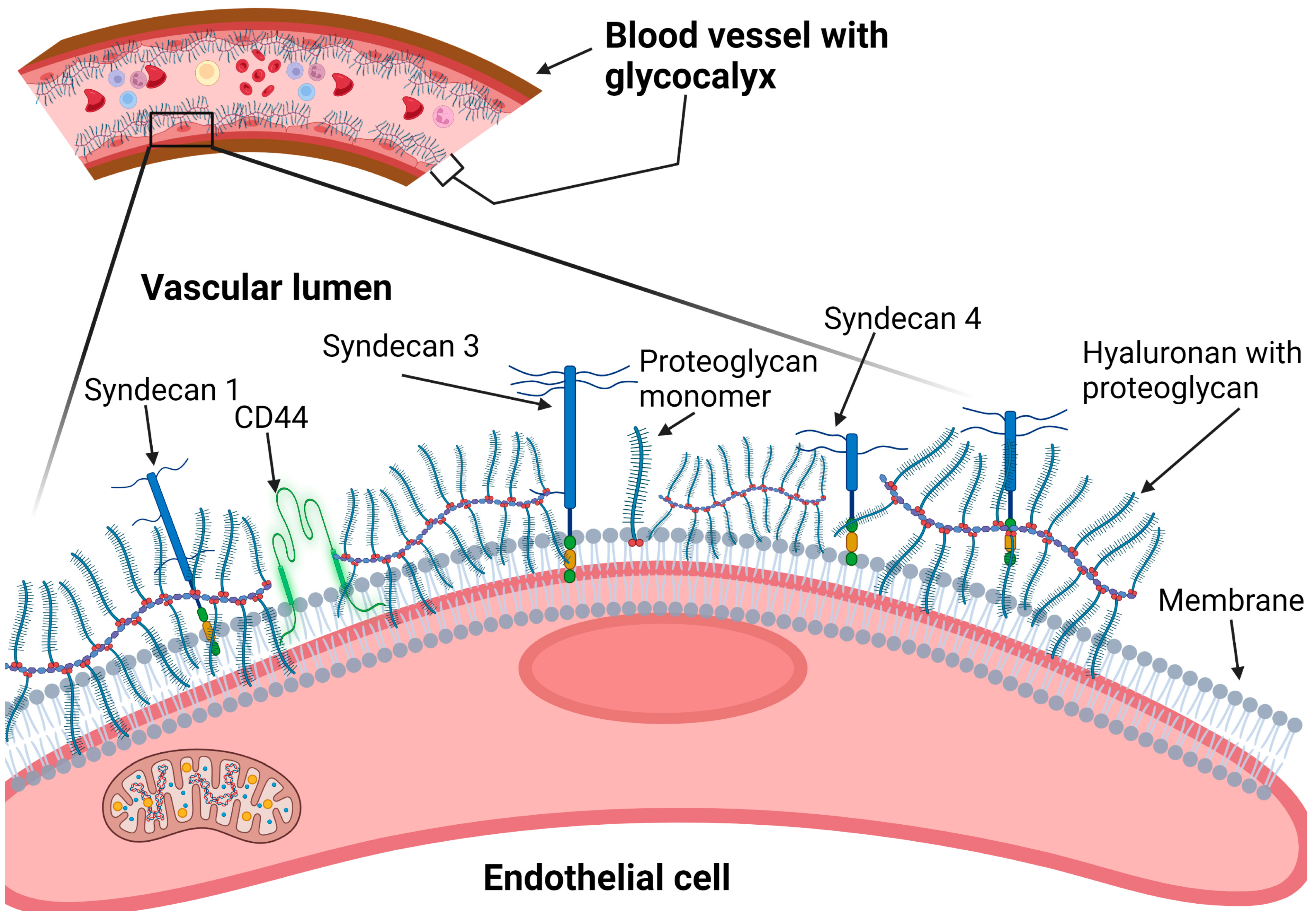
Endothelial glycocalyx
A layer of negatively charged glycoproteins lining the endothelium that helps maintain endothelial integrity, limits fluid extravasation, and modulates blood cell interactions.
CRI
Abbreviation for continuous rate infusion, a method used to administer dextrose or drugs to patients.