L3 - Archaea
 Studied by 3 people
 Call Kai
 Learn
Learn Practice Test
 Spaced Repetition
 Match
Match Flashcards
 Knowt Play
1/103

There's no tags or description
Looks like no tags are added yet.
Name | Mastery | Learn | Test | Matching | Spaced | Call with Kai |
|---|
No study sessions yet.
104 Terms
Archaea were previously thought to be?
Bacteria
What happened to determine archaea as its own separate domain of life at the end of the 20th century?
Comparing ribosomal RNA sequences.
DNA - archaea vs bacteria
In most cases, archaeal DNA exists, like in bacteria, as single circular chromosomes.
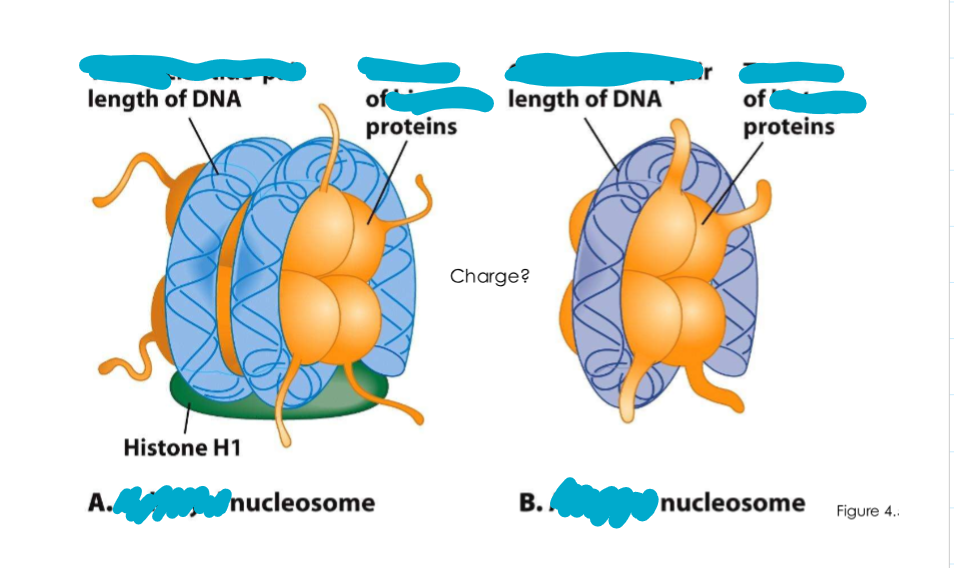
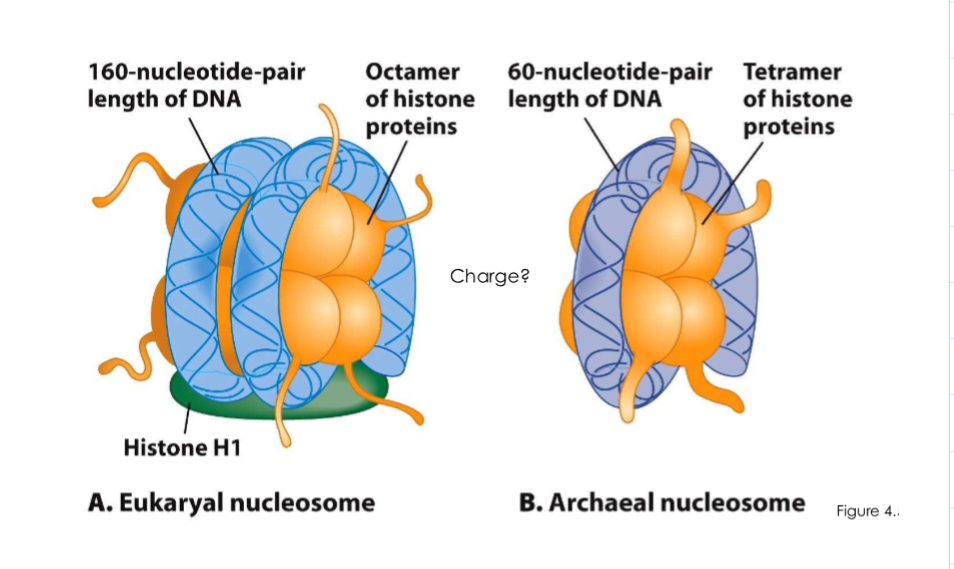
Unlike in bacteria, archaeal DNA wraps around DNA-binding proteins (histones). Same in eukaryotes.
All archaea possess what in their structure?
Plasma membrane & most have a cell wall.
The chemical position of the archaeal cell envelope is significantly similar or different from other 2 domains in several ways?
Different
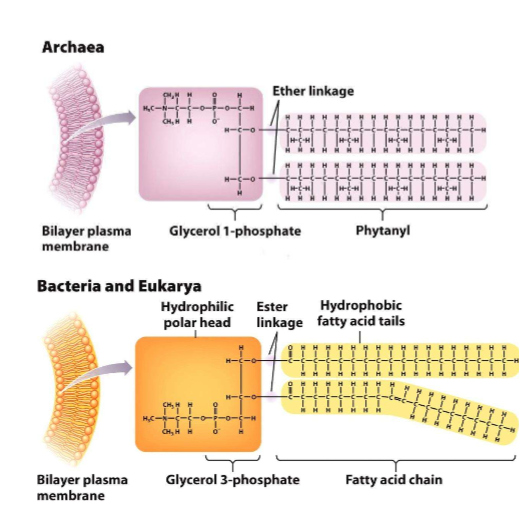
Archaeal lipids vs bacterial lipids (what kind of linkage?)
Archaeal lipids have ether linkages: offer incr stability
Bacterial lipids have ester linkages
Distinctive properties of archaea (4)
what do they look like?
where are they?
pathogens (yes/no)?
shape?
archaea look like bacteria: genetic analyses show them to be different
many live in some of the most inhospitable places on earth
no known archaeal human pathogens
bizarre shapes possible for some archaea
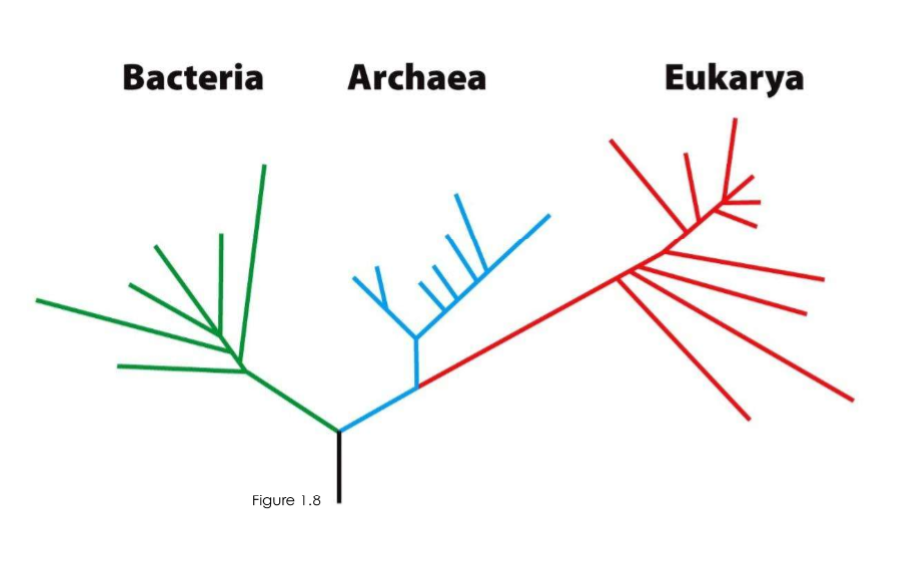
Phylogeny of archaea
Comparisons of rRNA gene sequences can establish phylogenetic “trees”. Woese & Fox began these studies in the 1970s.
First “archaea” discovered = ?
Methanogens
Is archaea more similar to bacteria or eukarya?
eukarya (used to be bacteria though back when we didn’t know)
Halobacterium salinarium
Notable growth requirements & natural habitat
3-5 M NaCl
Dead Sea, salted food
Pyrococcus furiosus
Notable growth requirements & natural habitat
100 C, hydrothermal vents
Picrophilus oshimae
Notable growth requirements & natural habitat
0.7 pH
Sulfur-rich, volcanic regions
Methanogenium frigidum
Notable growth requirements & natural habitat
15 C
Ace Lake, Antarctica
Size of archaea
Usually 0.5-5 μm in diameter. Can vary greatly (N. equitans = 0.4 μm in diameter. Thermoproteus spp. can be 100 μm long)
Shapes of archaeal cells (4)
rods, cocci, spirals (similar to bacteria)
irregular shapes (sulfolobus spp.)
rectangular shapes (thermoproteus spp.)
squares (haloquadratum walsbyi)
Cytoplasm in archaea
Cytoplasm molecules similar to bacteria.
Cytoplasm in archaea - what have been observed in some species?
Microcompartments/inclusion bodies (e.g., carbon storage, gas vacuoles)
Cytoplasm in archaea - what kind of chromosomes and what do they lack?
single circular chromosomes, lack a membrane-bound nucleus
Cytoplasm in archaea - many of the DNA replication enzymes of archaea look like?
those of eukarya
Cytoplasm in archaea - development of histones may have been…?
An early branch point event in the evolution of archaea & eukarya
Cytoplasm in archaea - are there histones?
Yes - histones are protein structures that DNA wraps around (different in archaea & eukarya)
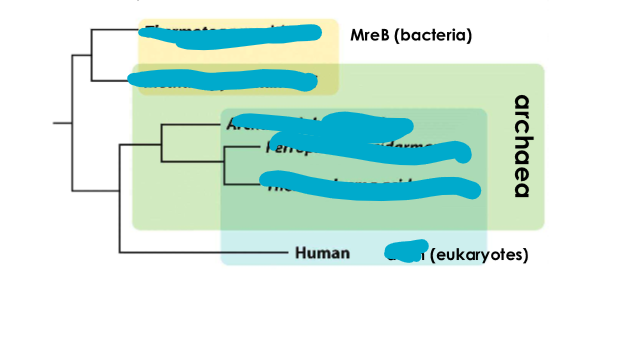
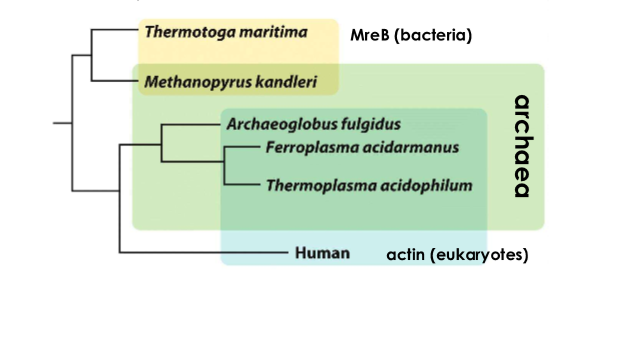
Cytoskeletal homologues found in which domains?
Archaea & bacteria, eukarya
Cytoskeleton: what resembles eukaryal actin?
Ta0583, actin homolog in thermoplasma acidophilum
Cytoskeleton: what resembles this closely in bacteria?
Cytoskeletal proteins from M. thermoautotrophicum and M. kandleri
cytoskeleton
All archaea do not possess a plasma membrane. T/F?
False
Do archaea have a cell wall and outer membrane?
Most do, yet most don’t have an outer membrane.
Archaea cell wall & outer membrane are ___ compared to their equivalents in other domains.
different
Plasma membrane
Unique bilayer construction
glycerol-1-phosphate (isomer of G3P)
phytanyl side chains (repeating isoprene units)
ether linkages (stability)
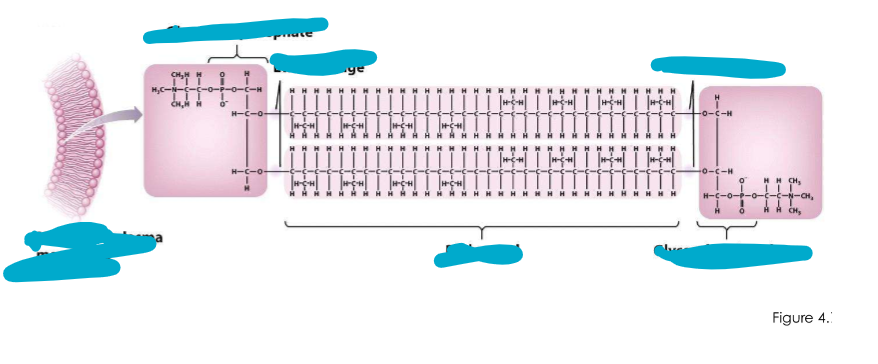
There are monolayers in some archaea. What does this mean?
what is found?
stable vs unstable? where is it found?
phosphoglycerol molecule on both ends
very stable, often seen in archaea living in high-temp
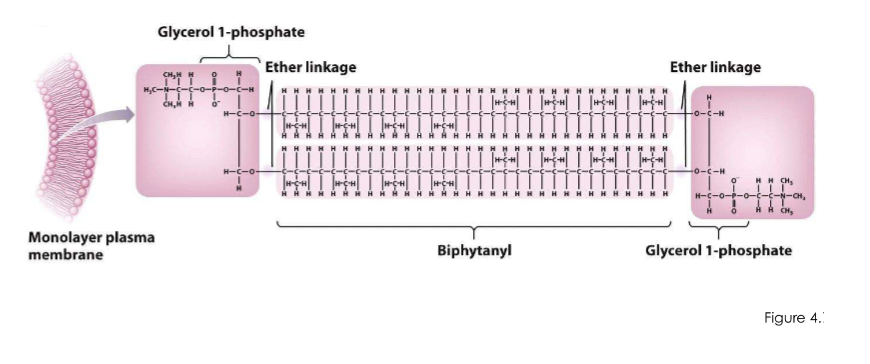
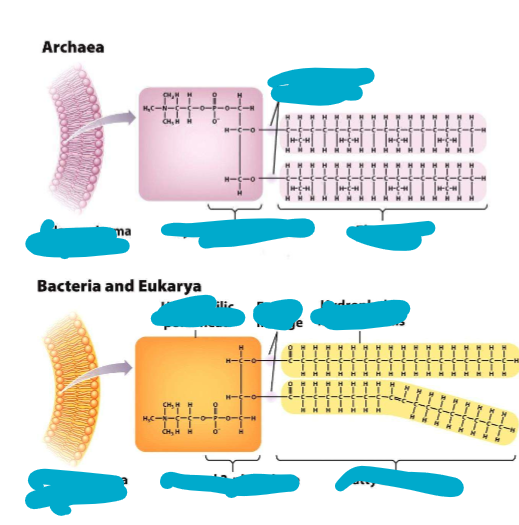
plasma membrane - archaea vs bacteria & eukarya
Ignicoccus
structure
ATP?
Is it usual or unusual?
Has an outer membrane and periplasm similar in arrangement to Gram-negative cells. ATP synthase enzymes are housed in outer membrane. Unusual, even for archaea.
Archaea cell wall are composed of?
Archaea cell surface (2)
s-layer
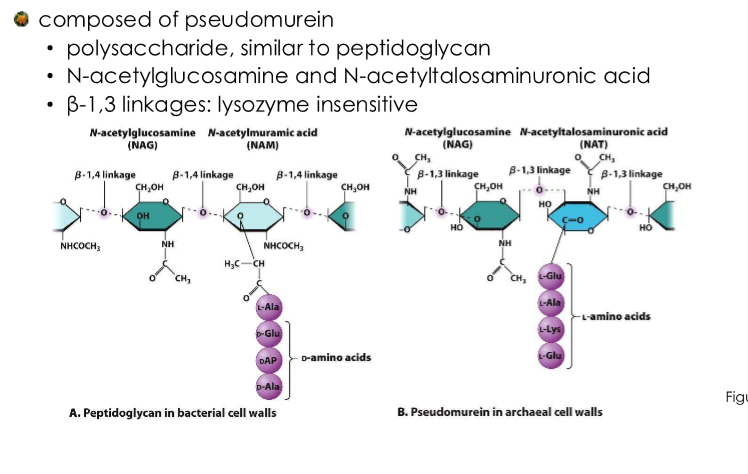
cannulae
Archaea cell surface - s-layer
protect against predation/viruses
mediate adhesion
Archaea cell surface - cannulae
hollow glycoprotein tubes
link cells togehter to form a complex network
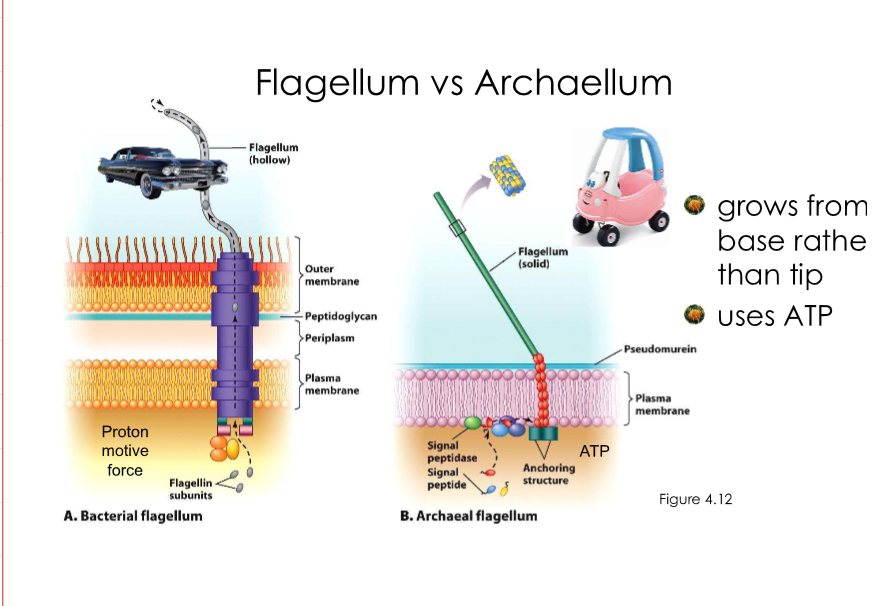
Do archaea have peptidoglycan cell walls?
no
What are cell walls made of for archaea?
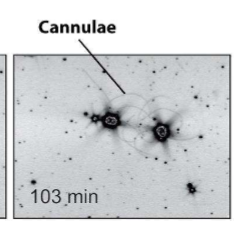
Pseudomurein (“pseudopeptidoglycan”) —similar to peptidoglycan.
Cell walls for archaea vs bacteria - pseudomurein vs peptidoglycan
For archaea, differs in that its backbone is composed of alternating molecules of NAG & NAT, which are connected by β-1,3 glycosidic linkages instead of β-1,4 linkages in bacterial peptidoglycan.
First recognized archaeal phyla (2)
Crenarchaeota & euryarchaeota
Most cultured crenarchaeotes are? Many are also?
Thermophiles or hyperthermophiles, acidophiles
Hyperthermophiles possess what ability?
Molecular chaperones that refold denatured proteins
Thermophiles or hyperthermophiles, acidophiles special adaptations
Lipid monolayer plasma membranes & thermostable proteins, which allow them to withstand conditions of extreme heat.
2 main groups of euryarchaeotal archaea
Halophiles & methanogens
Halophiles - where do they live?
Salt-loving archaea that grow in environments with a NaCl concentration of 1.5M or higher.
Halophiles - special adaptation to osmosis (water flows to where ion concentration is highest = high salt environment is a risk to cells that lose too much water & go into osmotic shock)
Halobacterium salinarum - maintains osmotic balance by keeping a higher internal concentration of K+.
Many halophiles are?
Phototrophic
Unlike most phototrophic microbes, halophiles possess…?
No chlorophyll pigments
Can halophiles adapt to their environment? Example
Yes - they can grow on organic carbon when oxygen is high, but they can also adapt to low oxygen (and perhaps low carbon) conditions by generating a proton motive force for making ATP by using a molecule called bacteriorhodospin
Methangens
Archaea that produce methane
Where do methanogens live?
Strictly anoxic (no oxygen) conditions, like lake sediments or various gastroinestinal tracts of animals.
3 new phyla now recognized
thaumarchaeota
korarchaeota
nanoarchaeota
Diversity of archaea
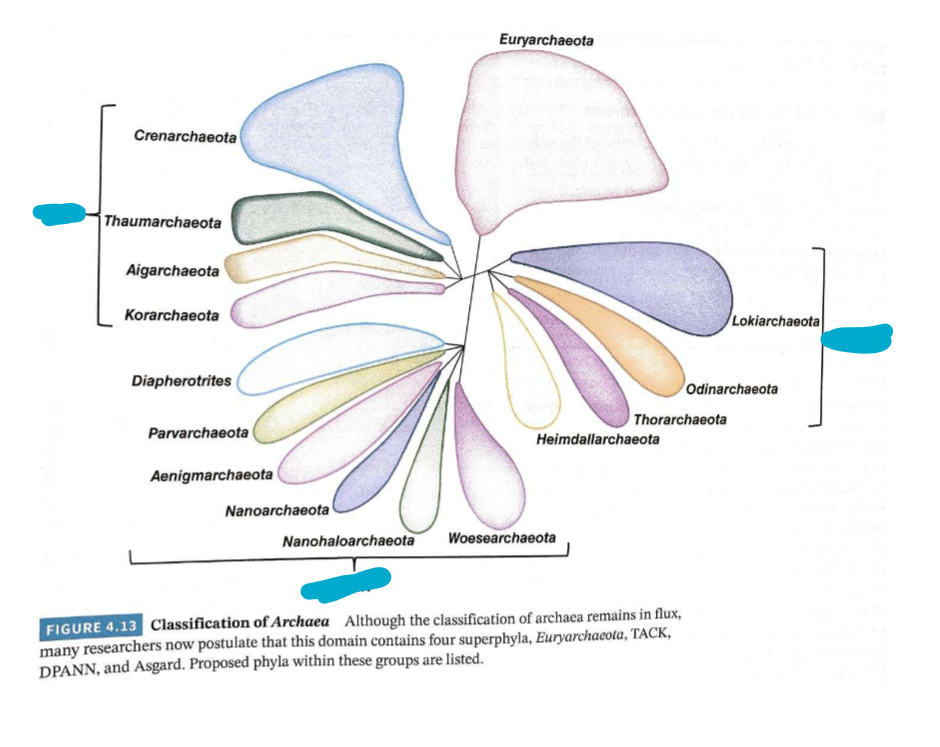
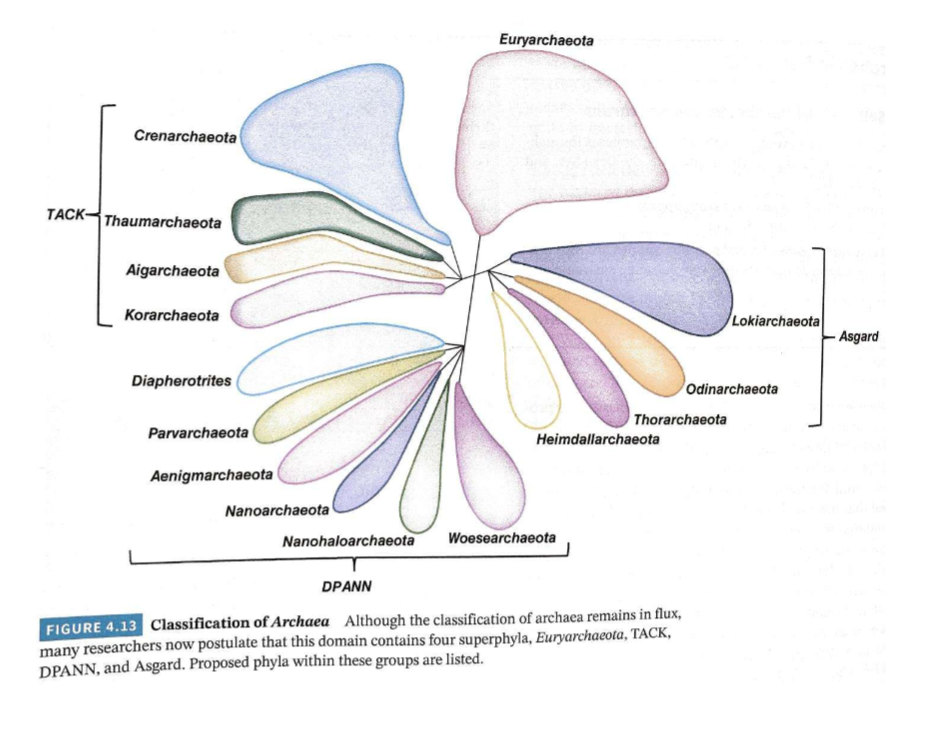
4 major phyla
4 major phyla
euryarchaeota
crenarchaeota
thaumarchaeota (low temp, former crenarchaeota, many oxizide ammonia)
nanoarchaeota (more than 1 member now!)
Many other phyla have been proposed other than the 4 major ones. What are they? (3)
korarchaeota (from rRNA sequences obtained from nonculturable microbes)
aigarchaeota
and many other candidate phyla
Crenarchaeota & types (2)
Many are thermophiles or hyperthermophiles.
Acidophiles, barophiles
acidophiles
thrive in low pH (e.g., acid main drainage)
Barophiles
Thrive in high pressures (e.g., bottom of ocean)
How do crenarchaeota adapt to survive to high temps? (5)
Tetraether lipids/lipid monolayers
modified proteins
strong chaperone protein complexes
thermostable DNA-binding proteins
reverse DNA gyrase enzyme to increase DNA supercoiling
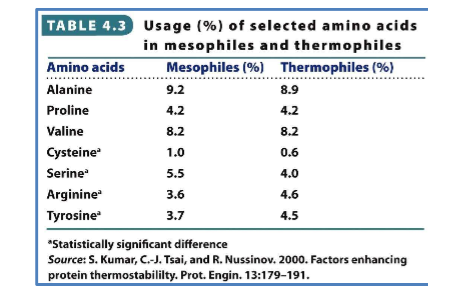
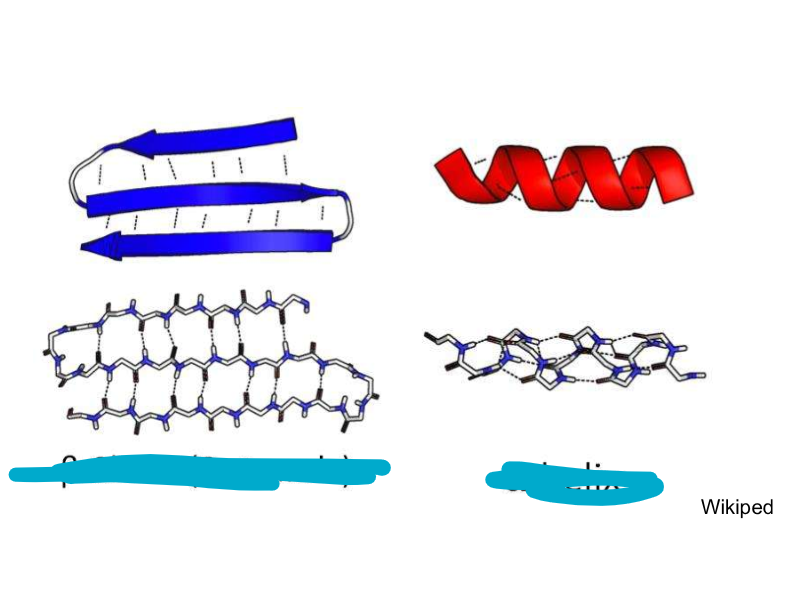
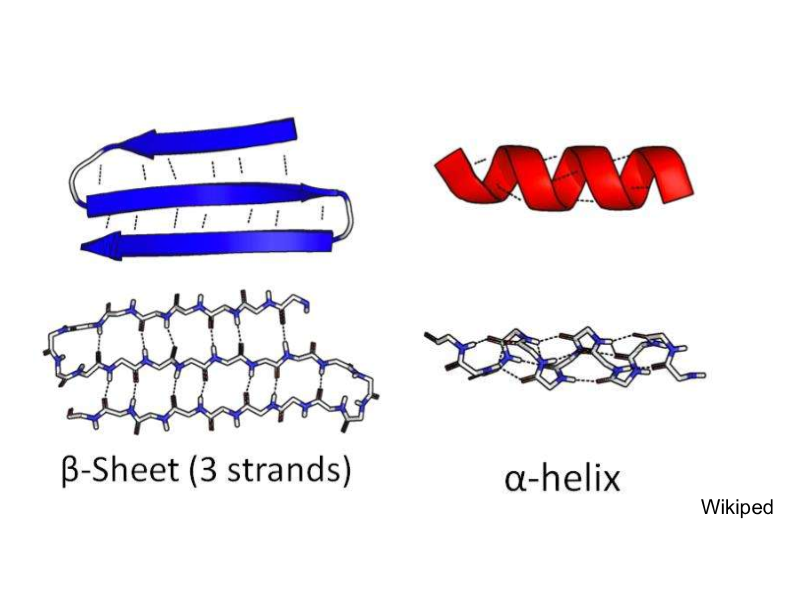
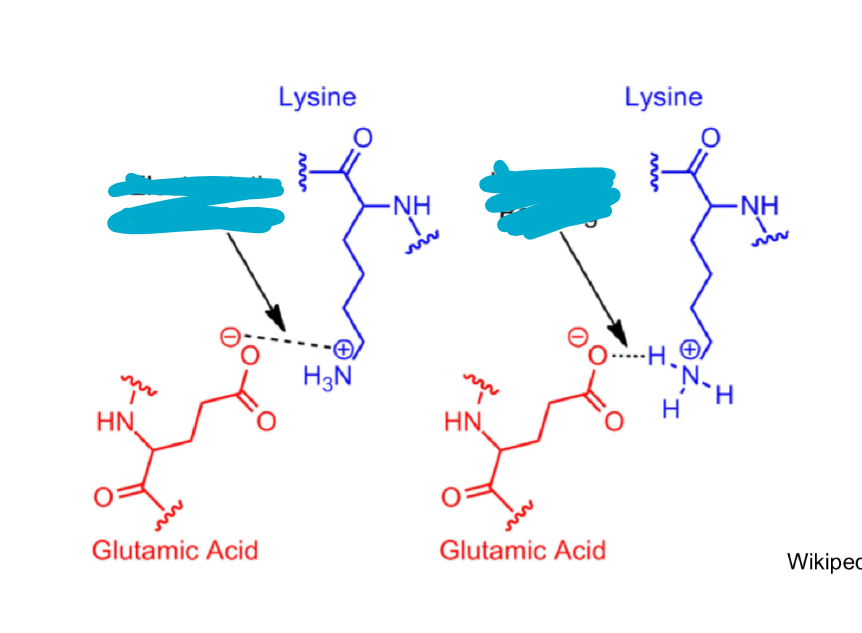
How do crenarchaeota adapt to survive to high temps?- Modified proteins (4)
more a-helical regions
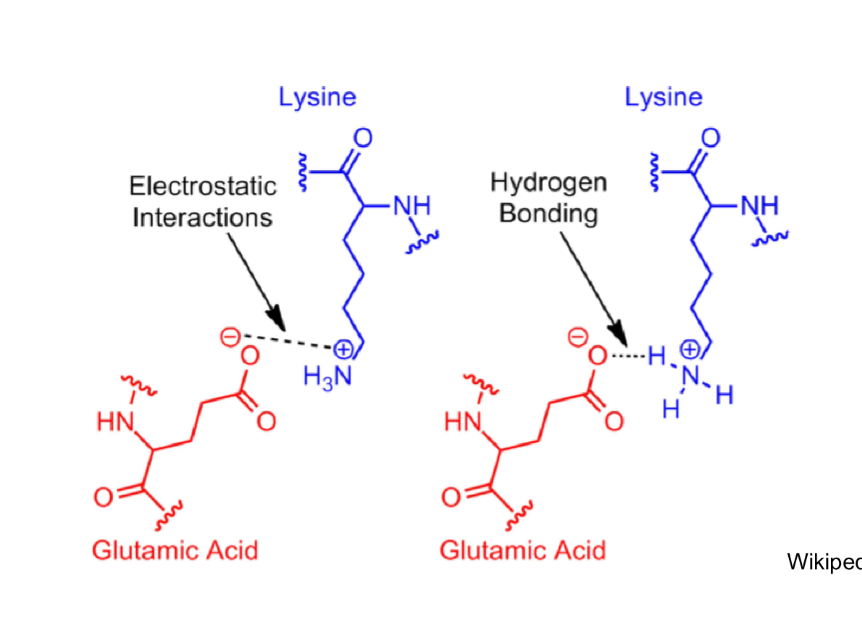
more salt bridges/side chain interactions
more arginine/tyrosine
less cysteine/serine
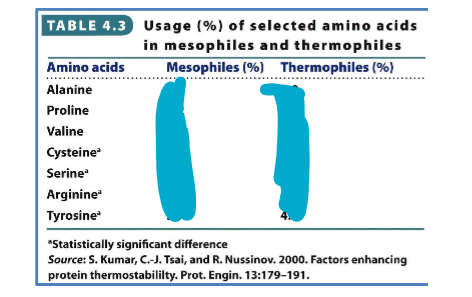
know the proportions rougly
Eyrtarchaeota (halophiles) (e.g., halobacterium)
where are they found? describe the environment & give 2 examples
require NaCl > 1.5 M
Live in high salt environments. E.g., Great Salt Lake in Utah & Dead Sea btwn Israel & Jordon
Areas vary btwn 5-34% salinity
oceans is typically 3.5% salinity (0.6M)
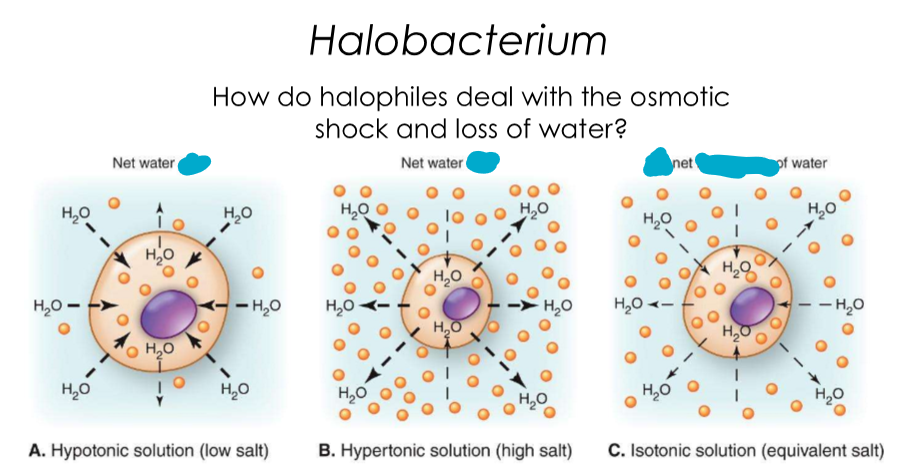
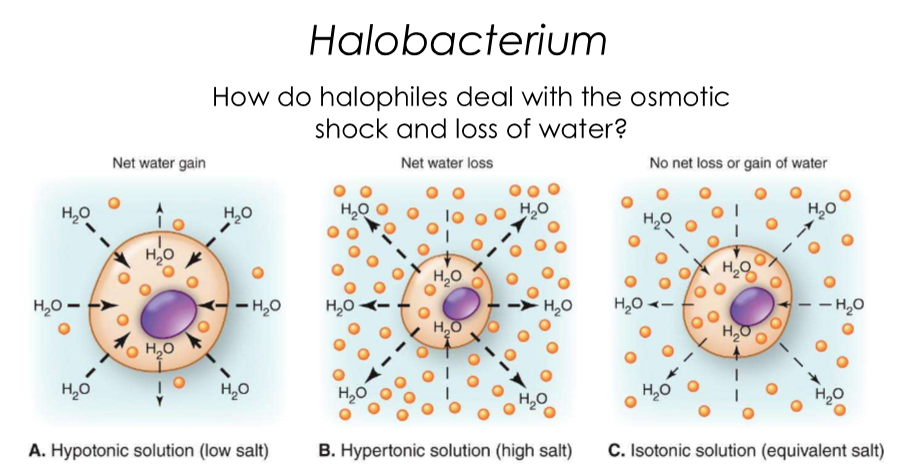
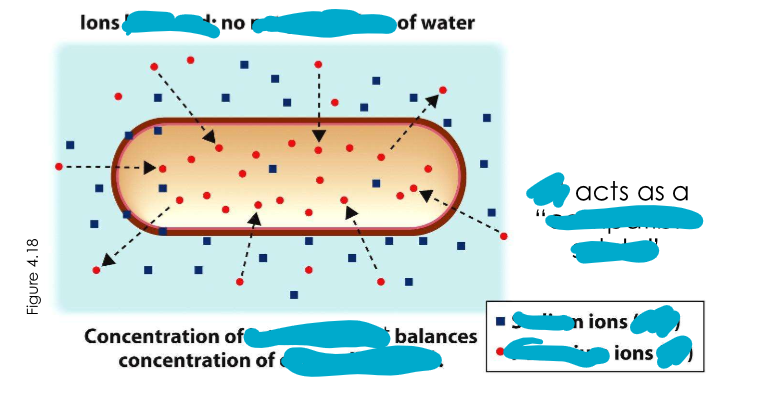
Halobacterium have very high what?
High intracellular [K+] offsets very high extracellular [Na+]
![<p>High intracellular [K+] offsets very high extracellular [Na+]</p>](https://knowt-user-attachments.s3.amazonaws.com/a81cabaa-fb52-490f-b531-60c40f868bcd.png)
Halobacterium’s high intracellular K+ concentration can cause what?
Denaturing of proteins & split dsDNA.
DNA denaturing → ?
Higher GC content (stronger bonds) (guanine cytosine)
Protein denaturing → ?
Highly acidic proteins that remain more stable in high salt environments.
Halobacterium are ____.
Phototrophic
Phototrophic
W/o chlorophyll or electron transport chain
Bacteriorhodospin
Harnesses light energy & produces a PMF (gives off reddish blue b/c retinol)
Euryarchaeota (Methanogens)
what do they reduce & produce?
energy released can be used to…?
strict ___?
found where?
reduce CO2 w/ H2, produce CH4 & H2O
fix C
anaerobes
human gut & swamp sediments
Methane produced forms what in humans & swamps?
Gas, combustible air
Methanogens possess a great deal of? But share?
Diversity, common metabolic property
Volta experiment
Volta performed this experiment ~200 yrs ago. Inverted funnel traps CH4 from methanogenic freshwater sediments. Flame ignites.
Methanogen habitats (6)
describe habitats
Anoxic sediment
Marshes, swamps, lakes, rice paddies, moist landfills
Animal digestive tracts
ruminant animal rumen (cattle, sheep, elk, deer, camels)
cecal animal *cecum (horses, rabbits)
large intestine of monogastrals (humans, swine, dogs)
Geothermal H2/CO2 sources
Hydrothermal vents
Artificial biodegradation facilities
sewage sludge digestors
endosymbionts of anerobic protozoa
termite gut symbionts
Archaea classification
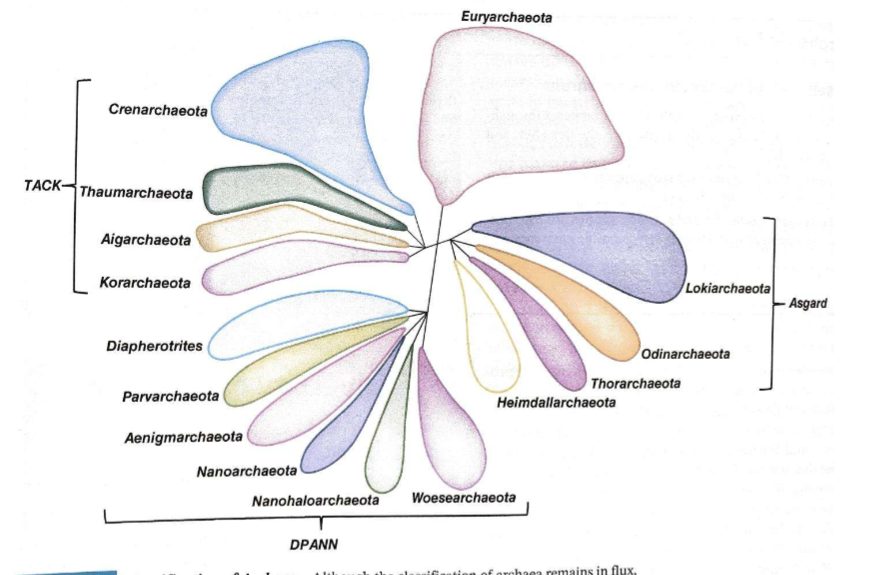
TACK superphylum (4)
Thaum, aig, cren, kor archaeota
Thaumarchaeota
Now nitrososphaerota. Separates phylum for many mesophilic crenarchaeotes. Ammonium oxidizing - important in N cycle.
Mesophiles temp vs psychrophiles
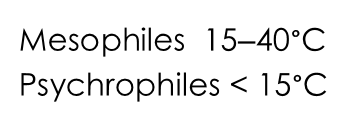
Mesophiles & psychrophiles are important for?
Biogeochem cycling of C and N in ocean.
Possible some members belong in new phylum - mesophiles and psychrophiles
cenarachaeum symbiosum resides in marine sponge
shares some genes with crenarchaeotes but also some w/ euryarchaeotes
belongs to the thaumarchaeota
Emerging phyla (2)
kor, aigarchaeota
Korarchaeota
# of rRNA sequences?
cultivation?
genome?
Distinct 165 rRNA sequences obtained from hydrothermal environments
no species have been cultivated yet
1 genome available
Aigarchaeota
cultivation?
genome?
no species have been cultivated yet
1 genome available - thermophile
DPANN superphylum
ultrasmall archaea
Nanoarchaeota
isolation?
genomes?
size?
rRNA?
nanoarchaeum equitans sole isolated member (so far)
2 other genomes available
POSSIBLY ONE OF THE Smallest living organisms on earth
distinct 165 sRNA gene sequences - classification method
Ignicoccus
Crenarchaeota
Nanoarchaeum equitans discovered where? Obligate…?
Hydrothermal vent north of Iceland. Obligate parasite of the crearchaeote, ignicoccus.
Mbp - nanoarchaeum
do they have metabolic genes?
what do they carry?
0.49 Mbp
no
genes for replication, transcription, translation
DPANN superphylum common features
cell size?
genomes
metabolism
interactions>
mutualistic or parasitic?
very small cell size (< 1μm)
small genomes (~1 Mb, can be less!)
restricted metabolisms, unable to generate basic building blocks
interspecies interactions
mutualistic
Asgard superphyluym
Consisting of a group of uncultivated archaea that includes lokiarchaeota, thorarchaeota, odinarchaeota, heimdallarchaeota. Asgard superphylum represents the closest prokaryotic relatives of eukaryotes.
Lokiarchaeota/thorarchaeota - hermophilic archaea are distinct from?
Crenarchaeota
Lokiarchaeota/thorarchaeota - group with the____ on some phylogenies. What does this suggest?
Eukaryotes. Possible closest ancestor to eukaryotes.
Genomes show eukaryote-like proteins for ___ - early stages of complex cell evolution?
Cell compartmentalization