ECON 309B Midterm
 Call Kai
 Learn
Learn Practice Test
 Spaced Repetition
 Match
Match Flashcards
 Knowt Play
1/22

There's no tags or description
Looks like no tags are added yet.
Name | Mastery | Learn | Test | Matching | Spaced | Call with Kai |
|---|
No analytics yet
Send a link to your students to track their progress
23 Terms
Economics
The study of human behavior whenever
there is choice

Methodological individualism (assumption)
The individual is the unit of analysis. Economics emphasizes that all social phenomena emerge from individuals' actions and interactions

Purposive, goal-oriented, action (assumption)
Does NOT mean people only care about money and people want to take advantage of others
Individuals economize by considering costs and benefits (assumption)
Individuals seek the desired ends in the least cost way from their perspective. Does NOT mean people never make mistakes, are automatons, or are extremely intelligent
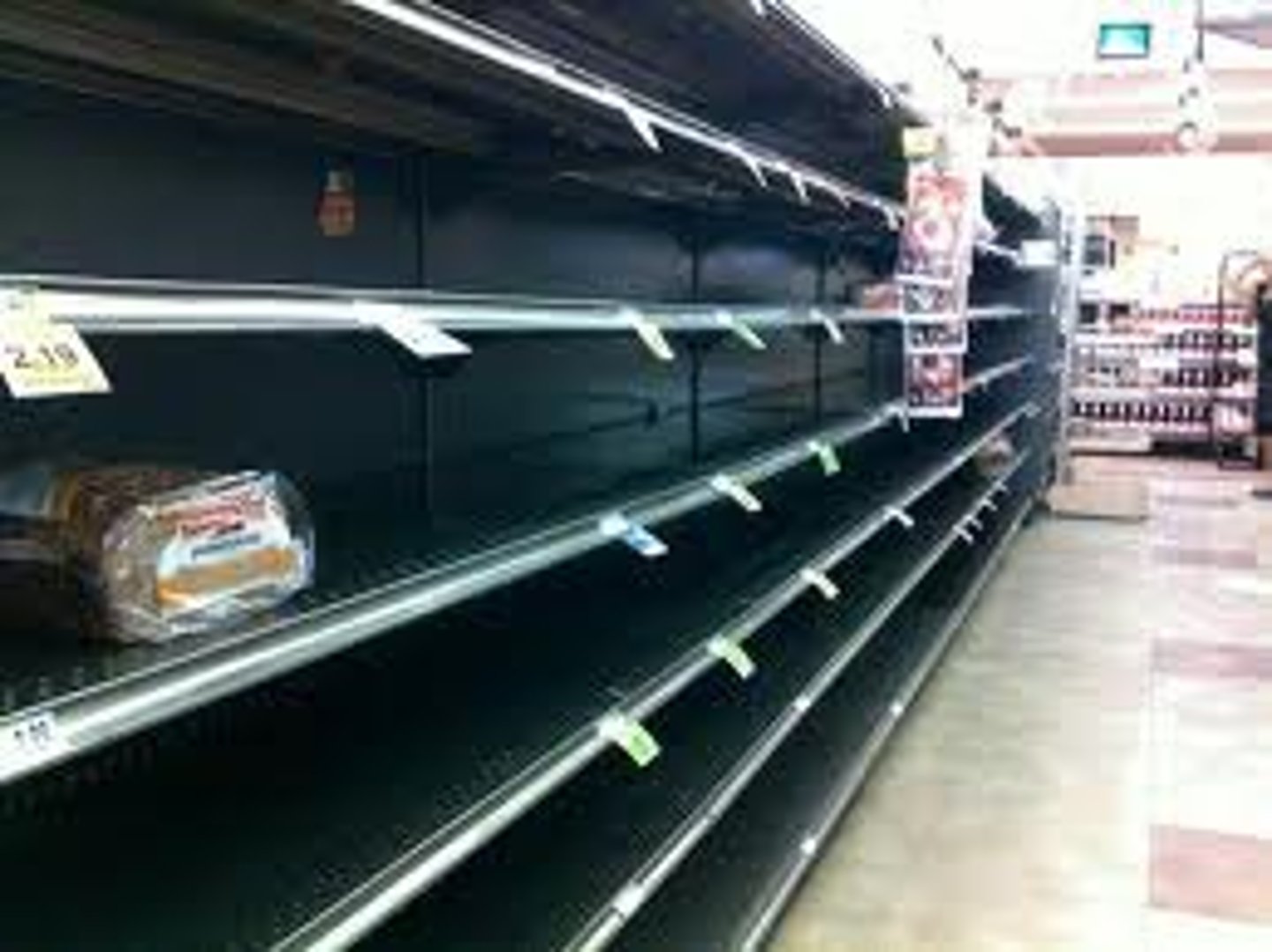
What is Scarcity?
Goods are scarce because there are more
human desires than resources for the
satisfaction of these desires freely available
in nature (CHOICE result)
Scarcity vs Poverty
Absence of poverty implies some basic level of
need has been met. An absence of scarcity would imply that all our desires for goods are fully satisfied. Poverty can be eliminated but scarcity can't
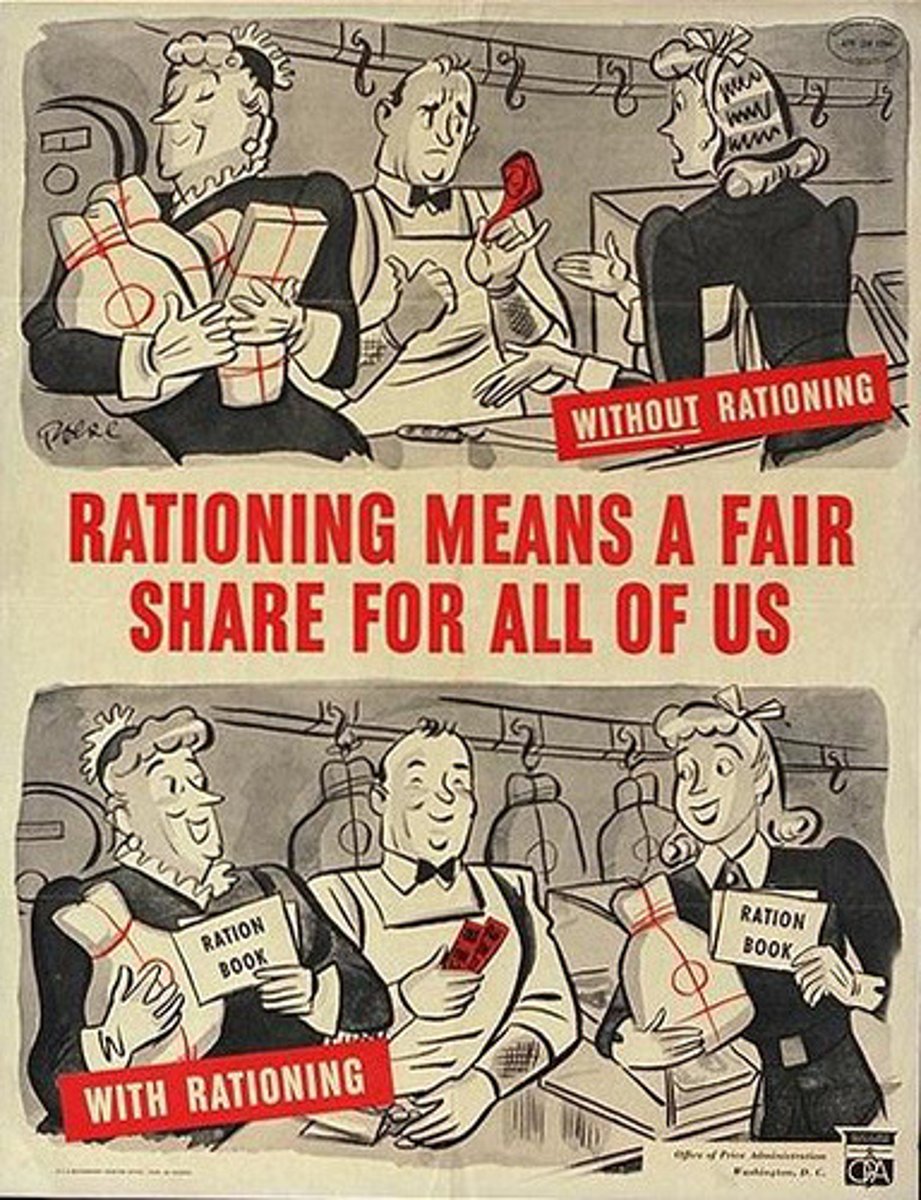
Rationing
Controlled distribution. Every society must have a means to ration scarce resources among competing uses.
Ways to Ration Goods
First-come, first served
- Lottery
- Markets
- Government
- Violence
Competition is Ubiquitous
The fact that we must choose gives rise to
competition among potential alternatives.
Why does Greed not cause Competition?
Even in a world without greed, or without businesses, where everyone cared only about others, there would still be competition because there would still be scarcity
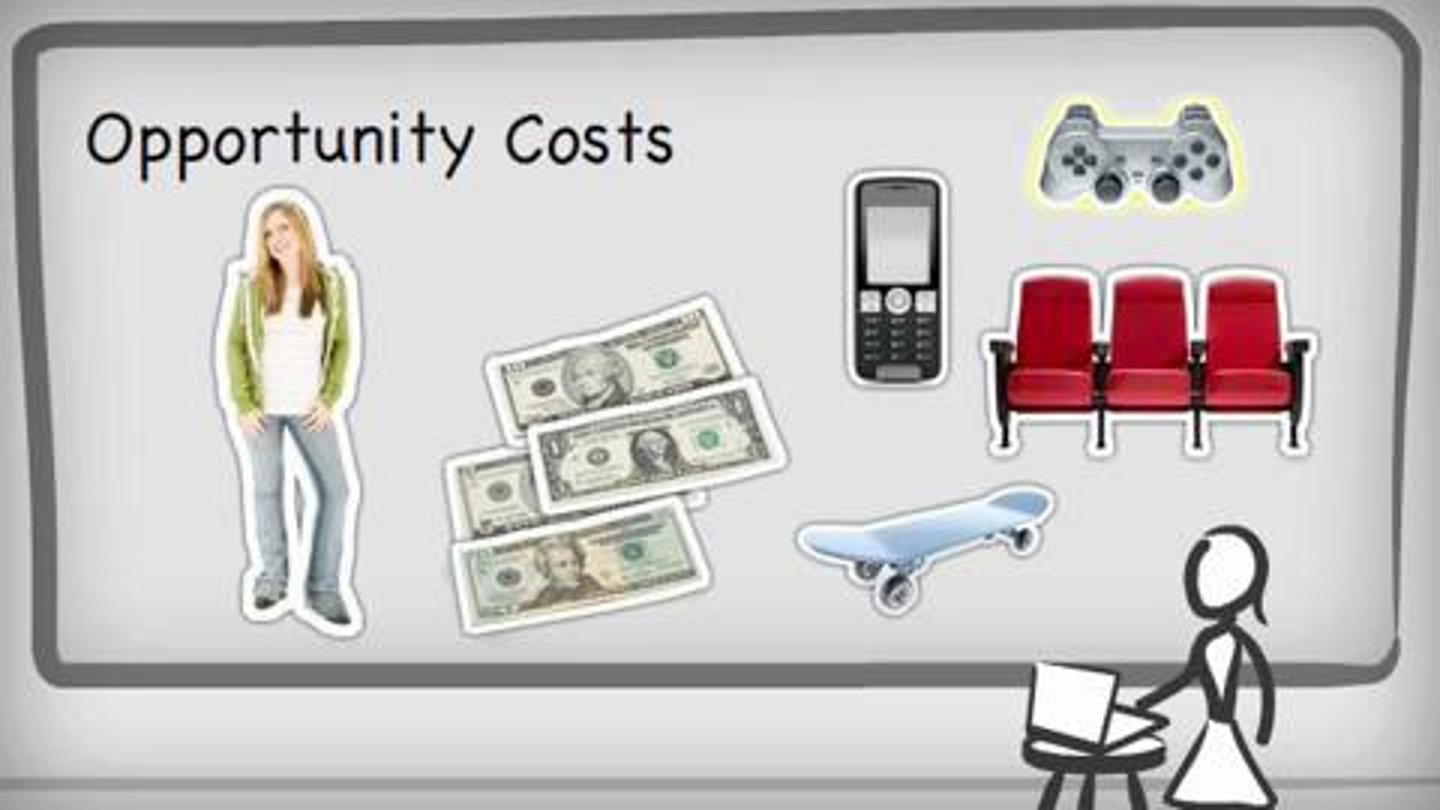
Opportunity Cost
There is no such thing as a free lunch: every
activity has a cost. This cost is whatever we give up to pursue something else.
Implications of Opportunity Cost
If everything involves a cost, and this cost is the next best alternative foregone, this implies that we must make choices about how to allocate time, resources, etc. Ex. One more hour of sleep means one less hour studying.
Marginal
An additional unit
Marginal benefits
The additional benefit from
one more unit of an activity
Marginal costs
The additional cost of one
more unit of an activity
Why Marginal Analysis?
Economics focuses on marginal costs and
benefits, and thus marginal decision making,
because this is what nearly all our actual
choices involve
- Many decisions are not "either-or"
Implications of Marginal Analysis
Individuals engage in an activity when the expected marginal benefit exceeds the expected marginal cost. Individuals refrain from an activity when the expected marginal cost exceeds the expected marginal benefit
Incentives Matter (econ principle)
When the cost of an activity increases (benefit falls) we are less likely to engage in the activity. When the cost of an activity falls (benefit increases) we are more likely to engage in the activity

Incentives Matter Examples
• Charity workers - if the cost of building a soup kitchen
in New Delhi rises, they will build fewer
• Voters - Rainy election day, turnout drops dramatically
• Why do homeowners put "this house protected by..."
signs out?
• Moral hazard - banks, kids, parties to con
The Seen & Unseen
Economics involves looking not just at the observable consequences of choices, but also the unseen consequence.
- Always ask: "And then what....?"
- Example: Bank bailouts and "too big to fail"
- Example: The "silver lining" of war and natural
disasters
Value is Subjective
The value of a good is subjective and varies
with individual preferences. Economics does NOT judge one person's preferences to be "better" or "worse" than another's

Information is Costly
Information can help us make better choices
- However, since information is scarce, uncertainty is a fact of life
Economics is
a way of thinking about the world