Comprehensive Blood Cell Types and Heart Anatomy for BIOS 255 Lab with expert curated questions and answers-Chamberlain
 Call Kai
 Learn
Learn Practice Test
 Spaced Repetition
 Match
Match Flashcards
 Knowt Play
1/20

There's no tags or description
Looks like no tags are added yet.
Name | Mastery | Learn | Test | Matching | Spaced | Call with Kai | Chat |
|---|
No analytics yet
Send a link to your students to track their progress
21 Terms
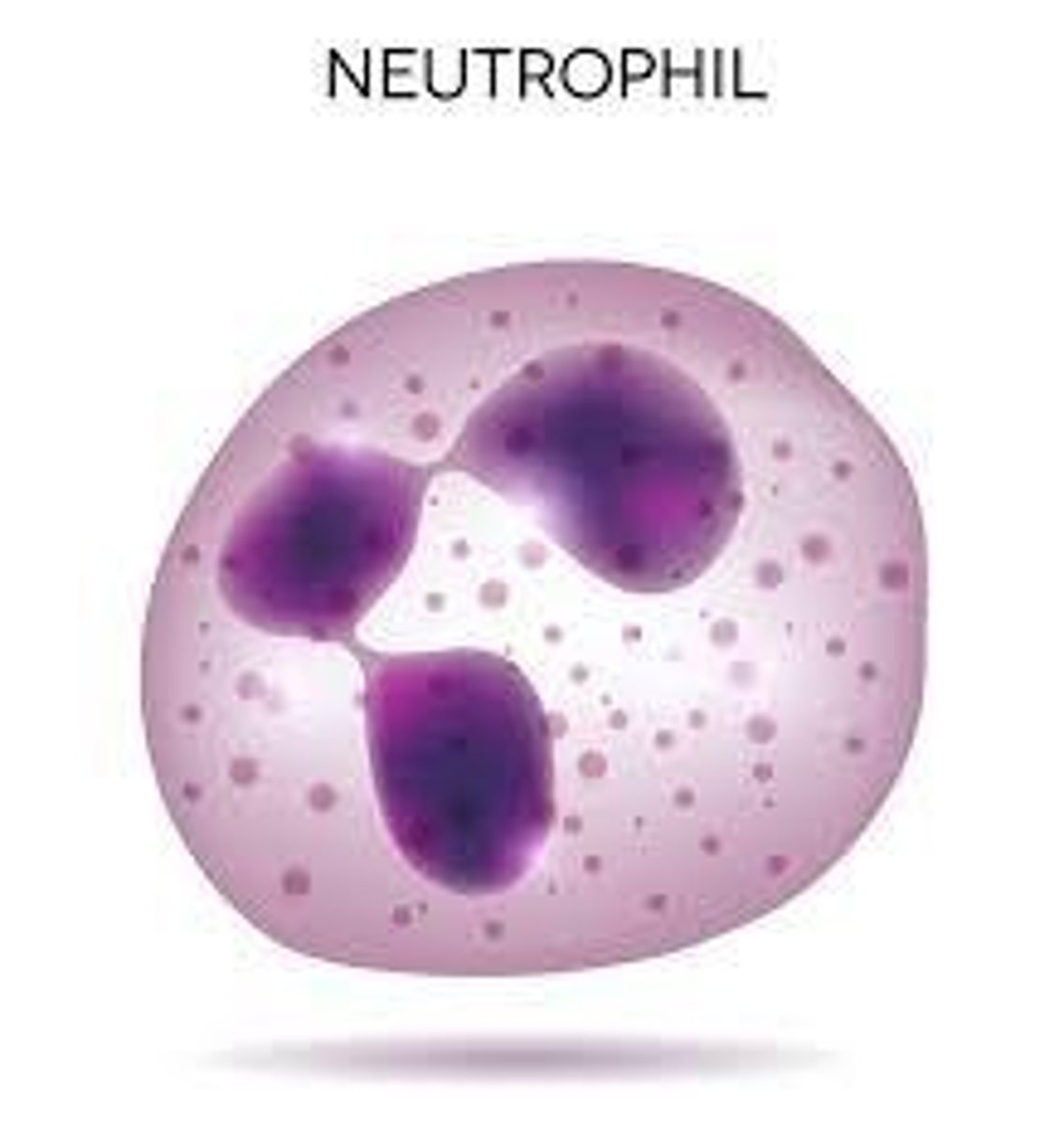
What is the function of neutrophils?
Neutrophils, also known as polymorphonuclear leukocytes (PMNs), are a type of white blood cell characterized by a nucleus with three lobes, and they play a role in fighting infections.
What are eosinophils and their role in the body?
Eosinophils are a type of white blood cell that help the body fight infections and respond to allergens.
What is the role of basophils in the immune system?
Basophils are white blood cells produced in the bone marrow, involved in allergic reactions and parasitic infections.
What are lymphocytes and their significance in the immune system?
Lymphocytes are the second most abundant leukocytes, with a nucleus that fills nearly all the cell. They play a central role in fighting infections, diseases, and foreign pathogens.
What are the two types of lymphocytes and where do they mature?
T Lymphocytes (T Cells) mature in the thymus, while B Lymphocytes (B Cells) mature in the red bone marrow and differentiate into plasma cells that produce antibodies.
What is leukopoiesis?
Leukopoiesis is the process of white blood cell formation.
What is hemostasis?
Hemostasis is the cessation of bleeding that occurs when blood vessels are damaged.
What is plasma and its composition in blood?
Plasma is a clear, light-yellow fluid that makes up 55% of blood volume and serves as the matrix component of blood.
What are formed elements in blood?
Formed elements are the cellular components of blood, constituting 45% of blood volume, including red blood cells (RBCs), white blood cells (WBCs), and platelets (thrombocytes).
What is erythropoiesis?
Erythropoiesis is the process of red blood cell formation.
What is thrombopoiesis?
Thrombopoiesis is the process of platelet formation.
What is the pathway of blood flow starting from the right atrium?
The blood flow pathway starts from the right atrium, passes through the bicuspid valve (mitral valve), and enters the right ventricle.
What are the layers of the heart wall?
The layers of the heart wall include the epicardium, myocardium, and endocardium.
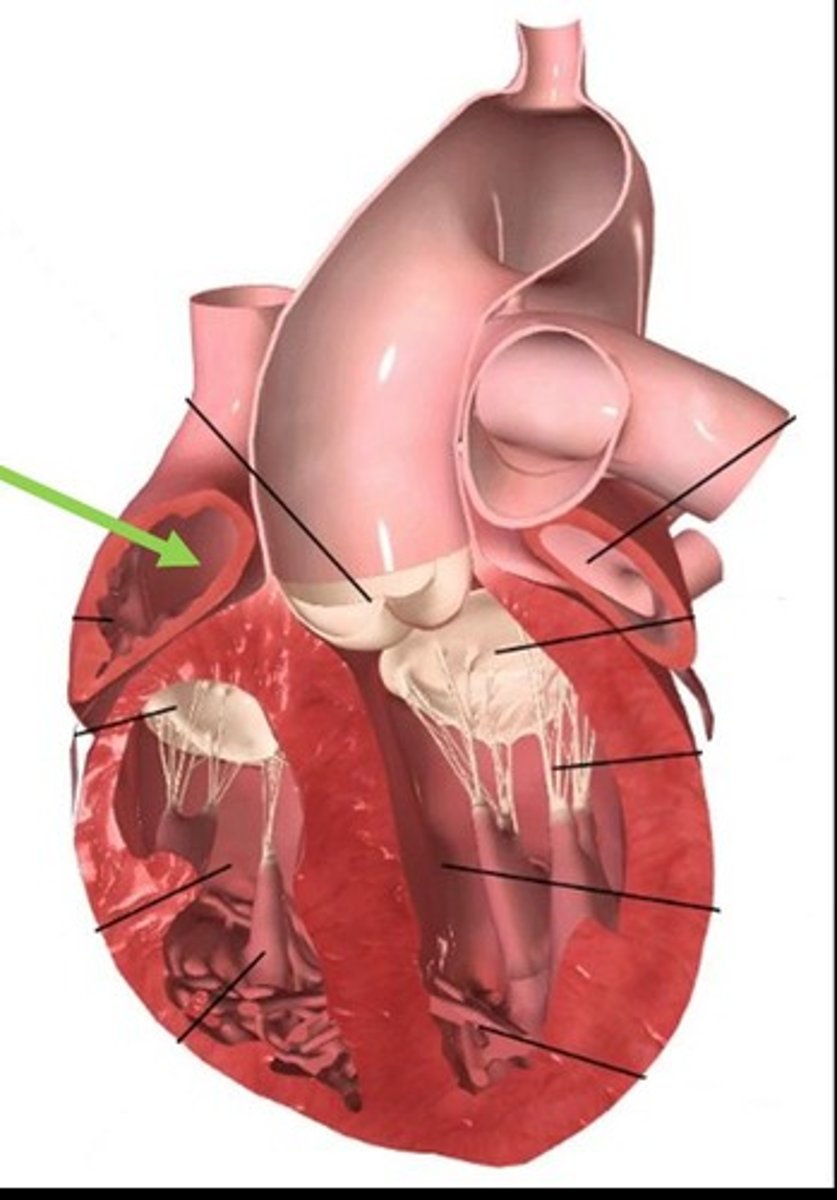
What is the myocardium and its function?
The myocardium is the middle and thickest layer of the heart wall, primarily composed of cardiac muscle tissue, and functions in pumping blood throughout the body.
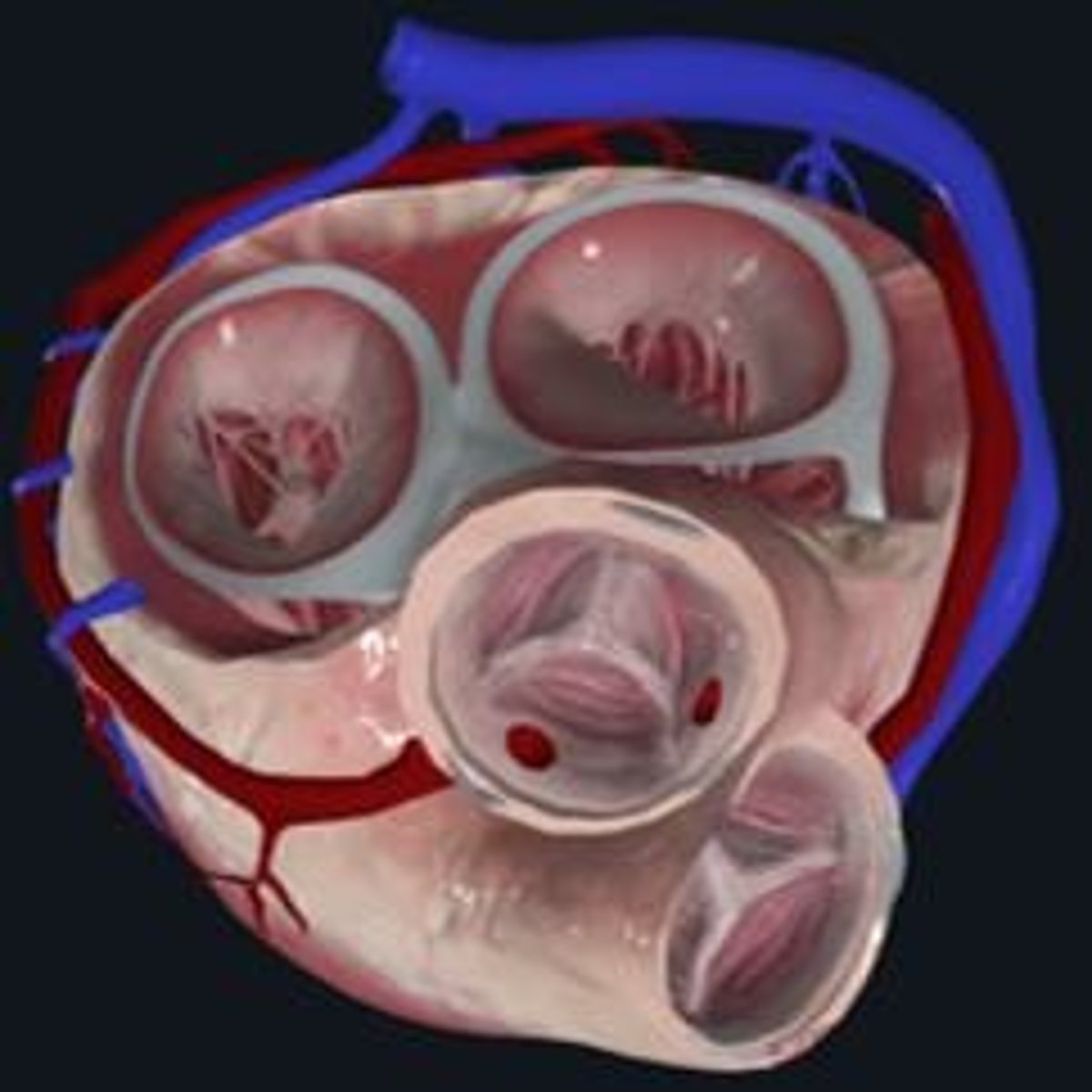
What is the role of the pulmonary valve?
The pulmonary valve controls the passageway of deoxygenated blood from the right ventricle into the pulmonary trunk.
What is the function of papillary muscles in the heart?
Papillary muscles are cone-shaped muscular projections located in the ventricles of the heart that help anchor the heart valves.
What is the larynx and its function?
The larynx, or voice box, is a hollow tube in the neck that helps with breathing and sound production.
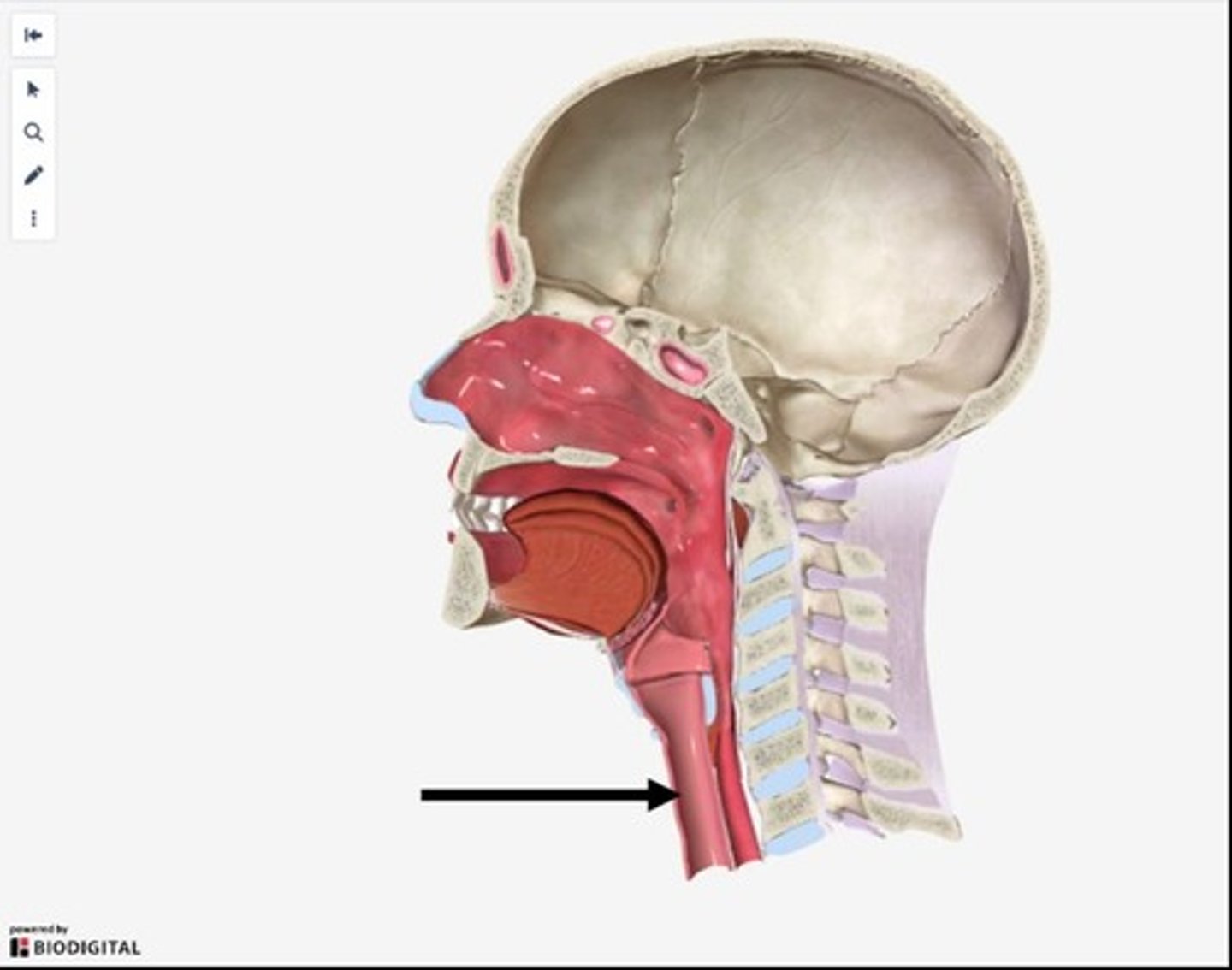
What is the carina?
The carina is the ridge at the base of the trachea where it divides into the left and right bronchi.
What is the function of the spleen?
The spleen plays a role in filtering blood, recycling iron, and supporting the immune response.
What is the role of red bone marrow?
Red bone marrow is responsible for the production of blood cells, including red blood cells, white blood cells, and platelets.
What is the function of the superior nasal conchae?
The superior nasal conchae are involved in the filtration and humidification of inhaled air.