3.4 Mass Transport
 Call Kai
 Learn
Learn Practice Test
 Spaced Repetition
 Match
Match Flashcards
 Knowt Play
1/36

There's no tags or description
Looks like no tags are added yet.
Name | Mastery | Learn | Test | Matching | Spaced | Call with Kai |
|---|
No analytics yet
Send a link to your students to track their progress
37 Terms
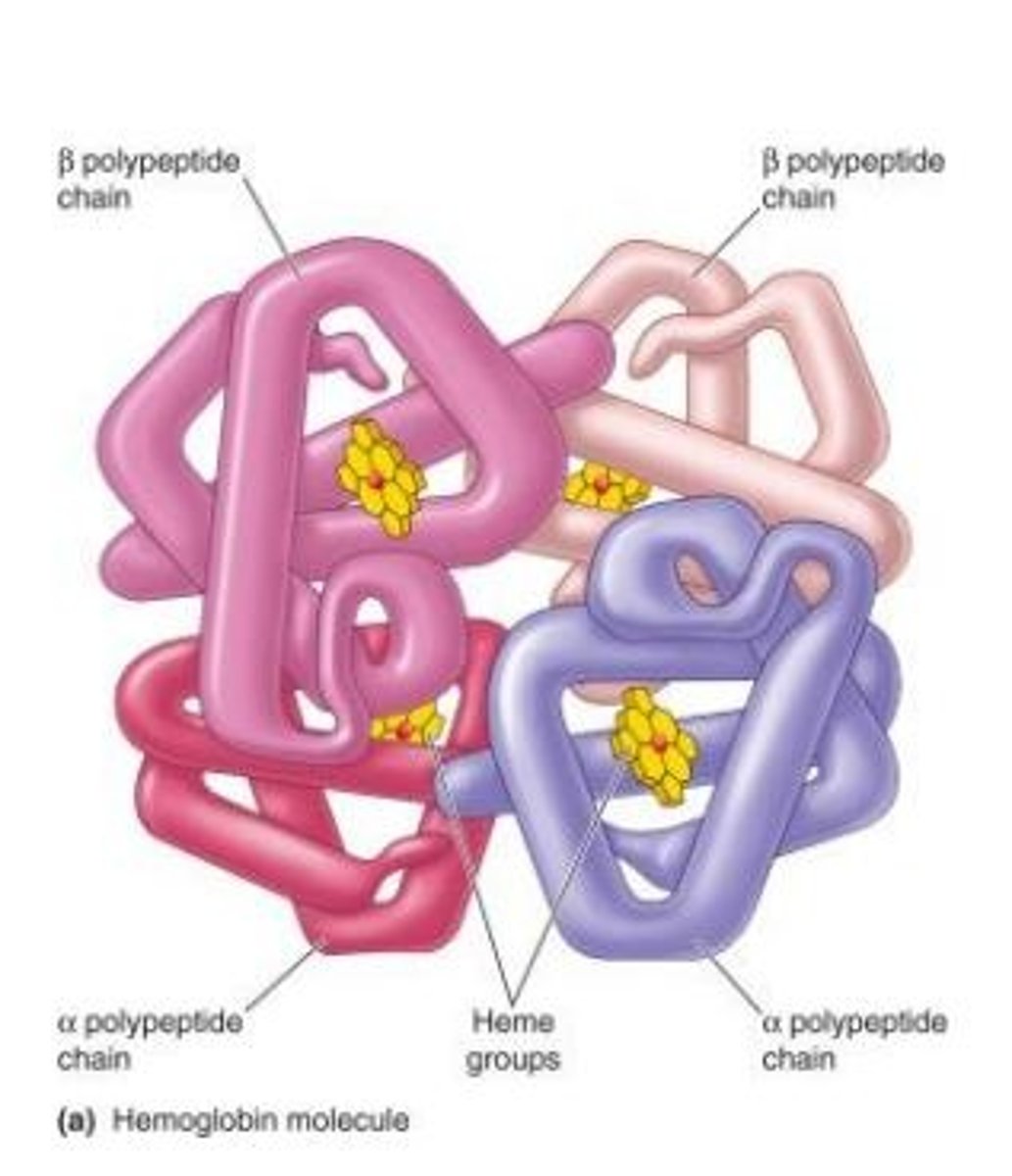
Describe the structure of haemoglobin.
● Globular, water soluble.
● Consists of four polypeptide chains, each carrying a haem group (quaternary structure).
Describe the role of haemoglobin.
● Present in red blood cells.
● Oxygen molecules bind to the haem groups and are carried around the body to where they are needed in respiring tissues.
Name three factors affecting oxygen-haemoglobin binding.
1. Partial pressure/concentration of oxygen.
2. Partial pressure/concentration of carbon dioxide.
3. Saturation of haemoglobin with oxygen.
How does partial pressure of oxygen affect oxygen-haemoglobin binding?
● As partial pressure of oxygen increases, the affinity of haemoglobin for oxygen also increases, so oxygen binds tightly to haemoglobin.
● When partial pressure is low, oxygen is released from haemoglobin.
How does partial pressure of carbon dioxide affect oxygen-haemoglobin binding?
● As partial pressure of carbon dioxide increases, the conditions become acidic causing haemoglobin to change shape.
● The affinity of haemoglobin for oxygen therefore decreases, so oxygen is released from haemoglobin.
● This is known as the Bohr effect.
How does saturation of haemoglobin with oxygen affect oxygen-haemoglobin binding?
● It is hard for the first oxygen molecule to bind.
● Once it does, it changes the shape to make it easier for the second and third molecules to bind, known as positive cooperativity.
● It is then slightly harder for the fourth oxygen molecule to bind because there is a low chance of finding a binding site.
Explain why oxygen binds to haemoglobin in the lungs.
● Partial pressure of oxygen is high.
● Low concentration of carbon dioxide in the lungs, so affinity is high.
● Positive cooperativity (after the first oxygen molecule binds, binding of subsequent molecules is easier).
Explain why oxygen is released from haemoglobin in respiring tissues.
● Partial pressure of oxygen is low.
● High concentration of carbon dioxide in respiring tissues, so affinity decreases.
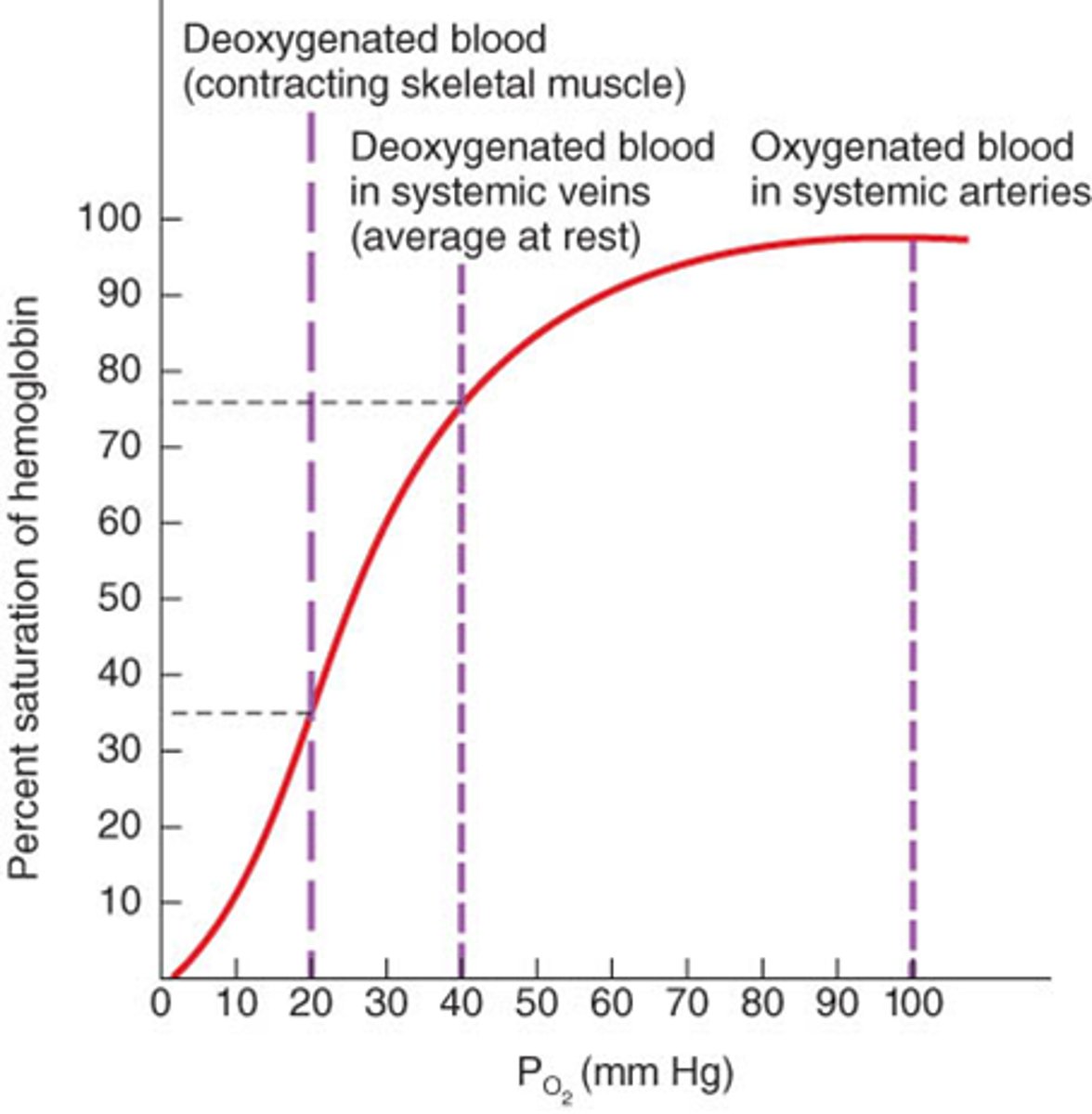
What do oxyhaemoglobin dissociation curves show?
● Saturation of haemoglobin with oxygen (in %), plotted against partial pressure of oxygen (in kPa).
● Curves further to the left show the haemoglobin has a higher affinity for oxygen.
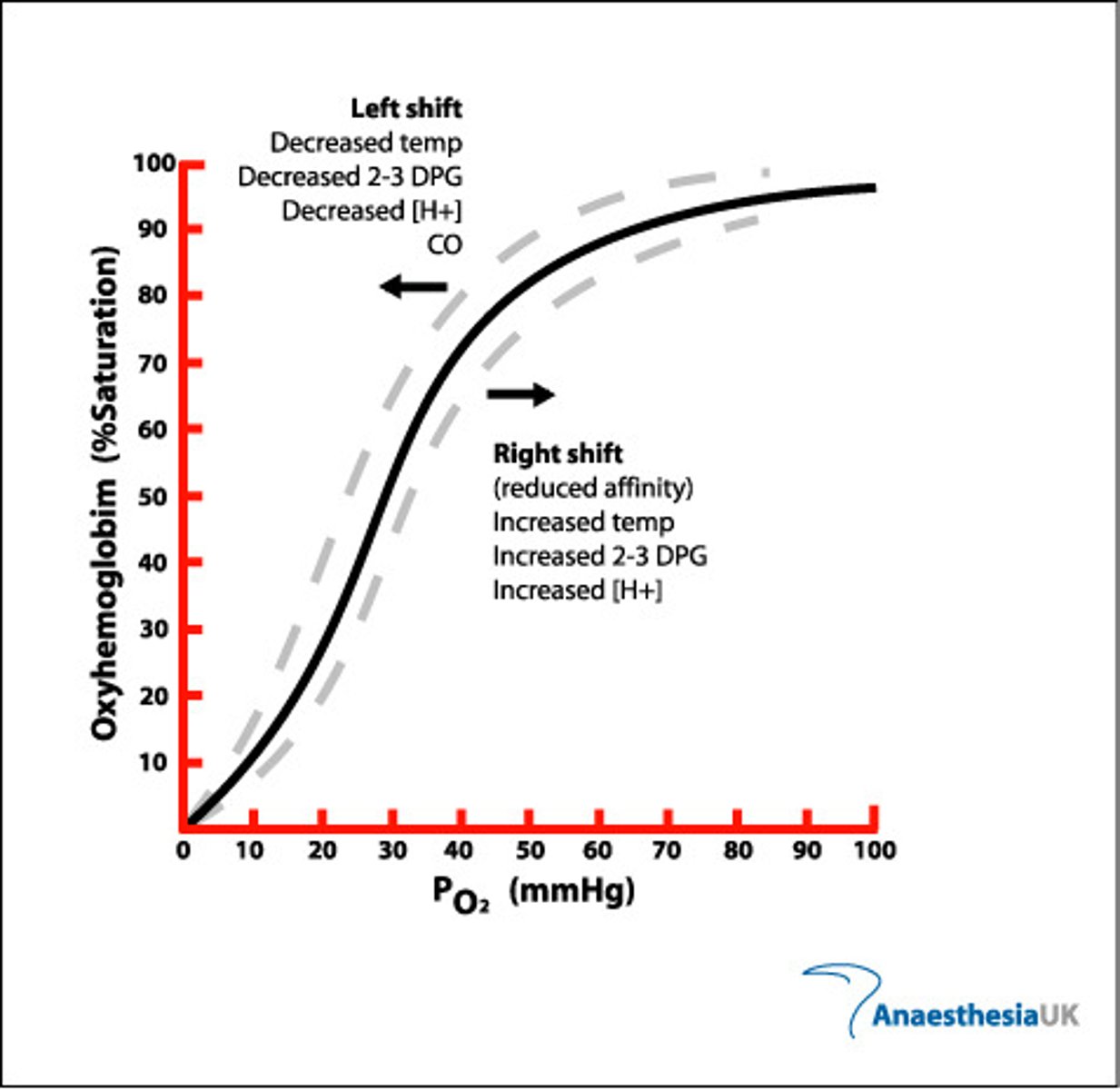
How does carbon dioxide affect the position of an oxyhaemoglobin dissociation curve?
Curve shifts to the right because haemoglobin's affinity for oxygen has decreased.
Name three common features of a mammalian circulatory system.
1. Suitable medium for transport, water-based to allow substances to dissolve.
2. Means of moving the medium and maintaining pressure throughout the body, such as the heart.
3. Means of controlling flow so it remains unidirectional, such as valves.
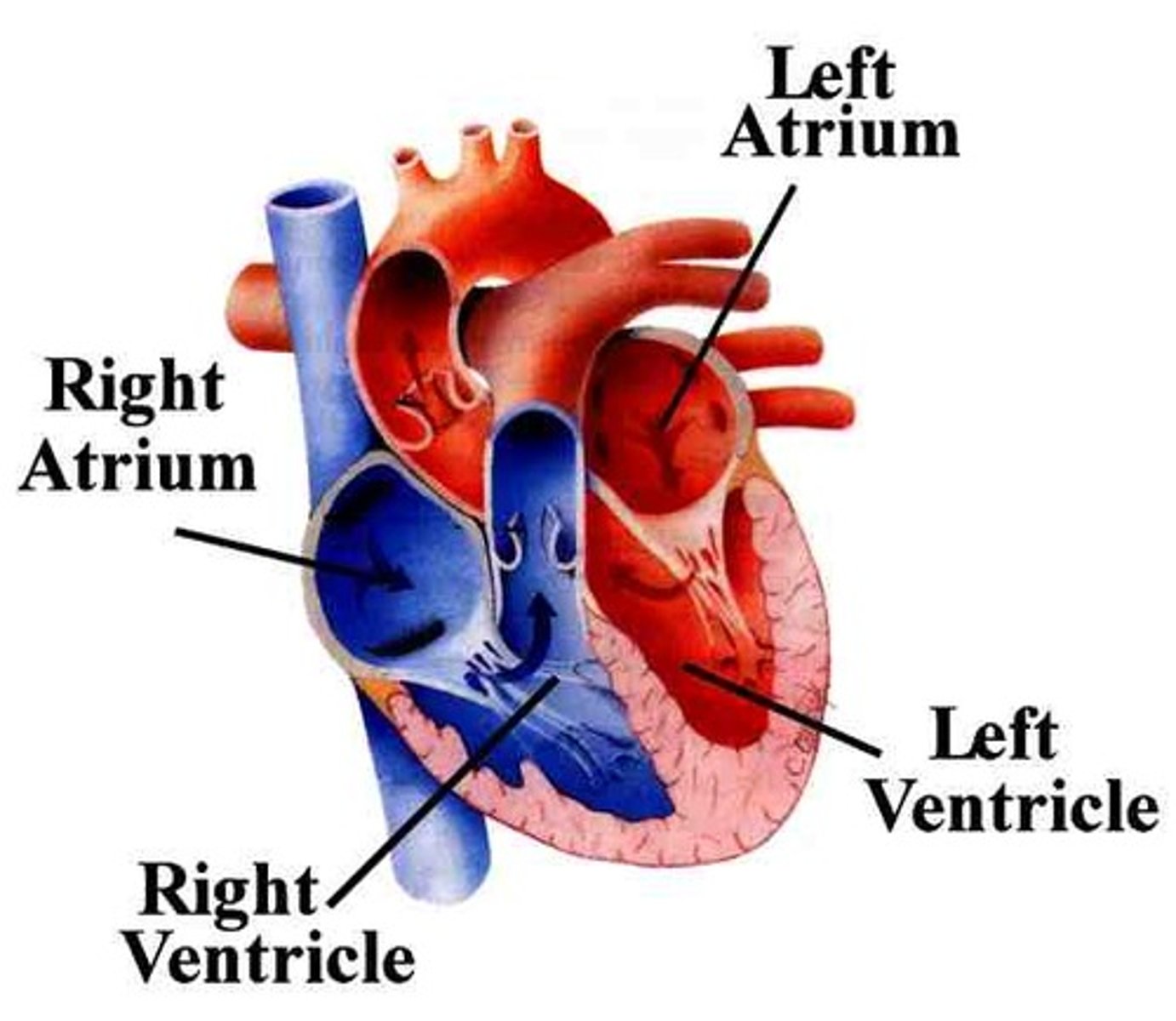
Relate the structure of the atria to their function.
Thin-walled and elastic, so they can stretch when filled with blood.
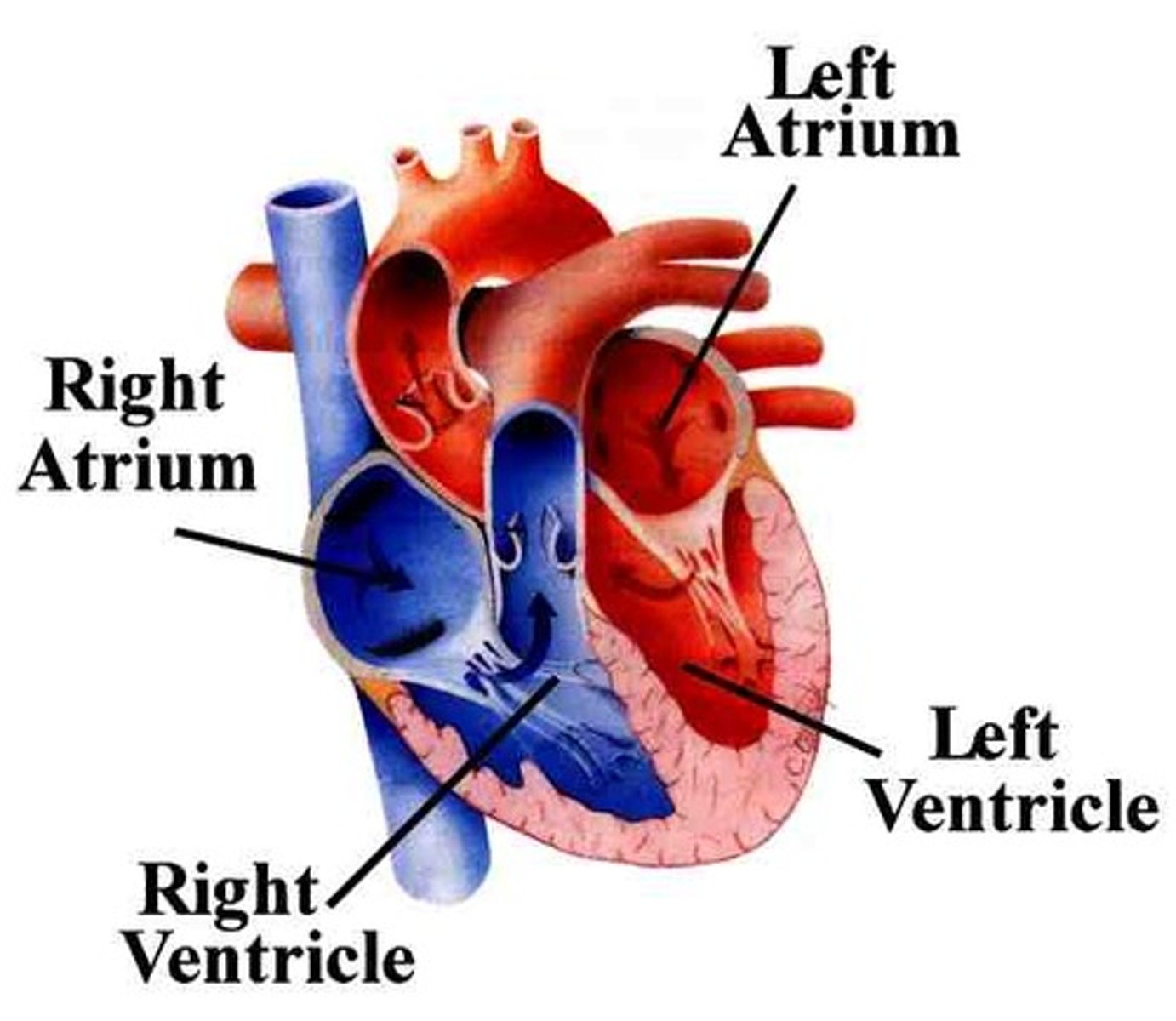
Relate the structure of the ventricles to their function.
● Thick muscular walls pump blood under high pressure.
● The left ventricle is thicker than the right because it has to pump blood all the way around the body.
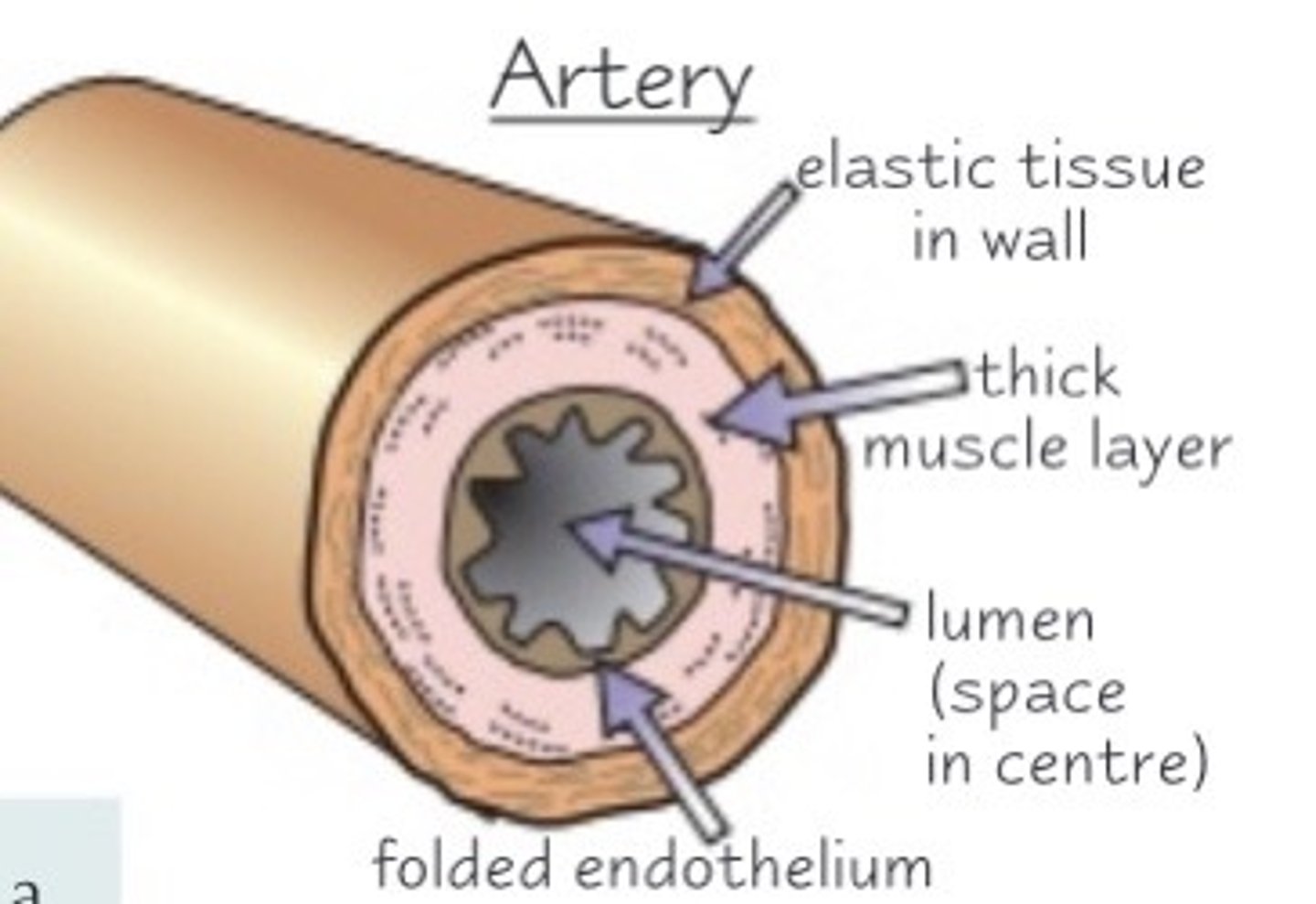
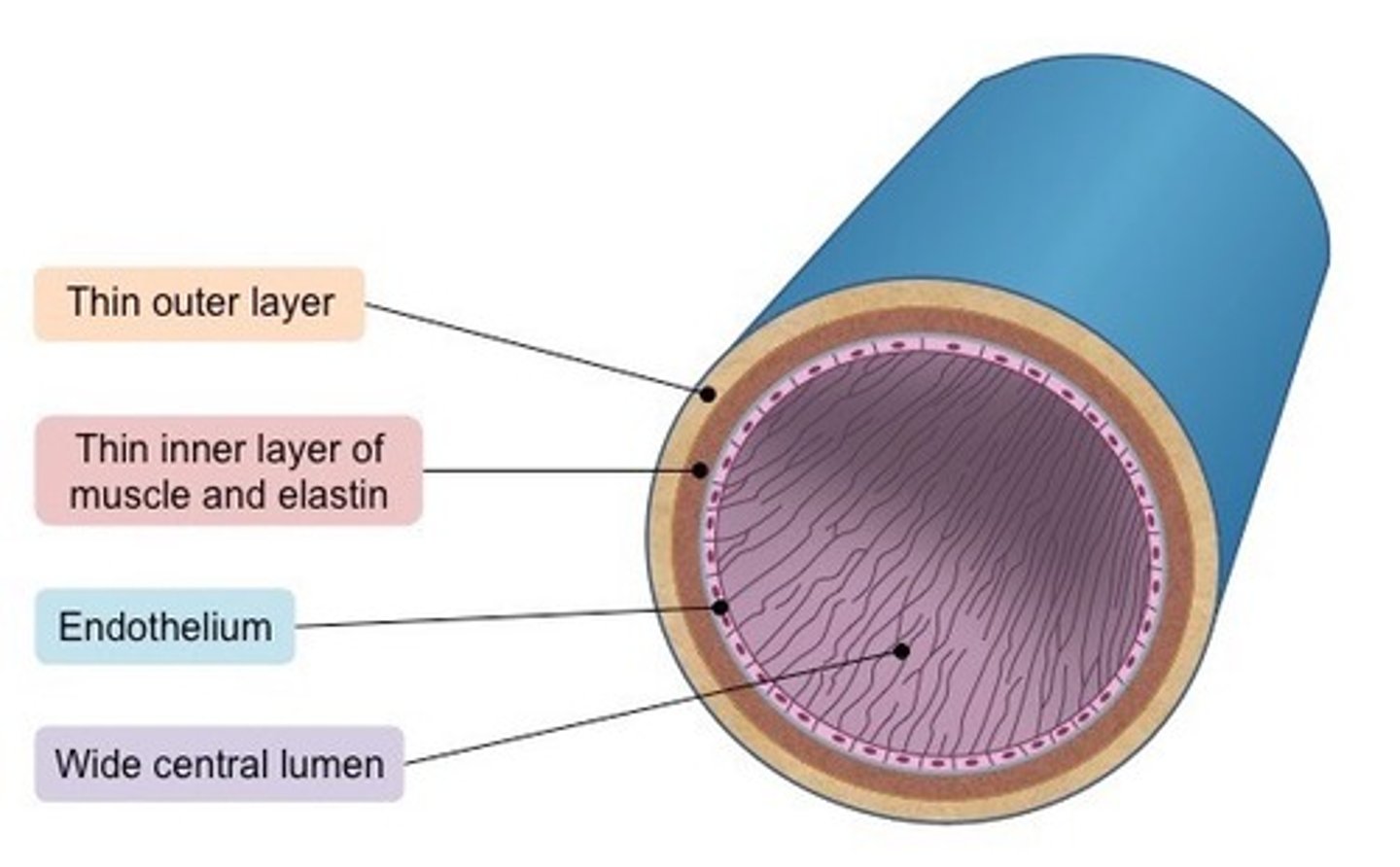
Relate the structure of arteries to their function.
Arteries have thick walls to handle high pressure without tearing, and are muscular and elastic to control blood flow.
Relate the structure of veins to their function.
● Veins have thin walls due to lower pressure, therefore requiring valves to ensure blood doesn't flow backwards.
● Have less muscular and elastic tissue as they don't have to control blood flow.
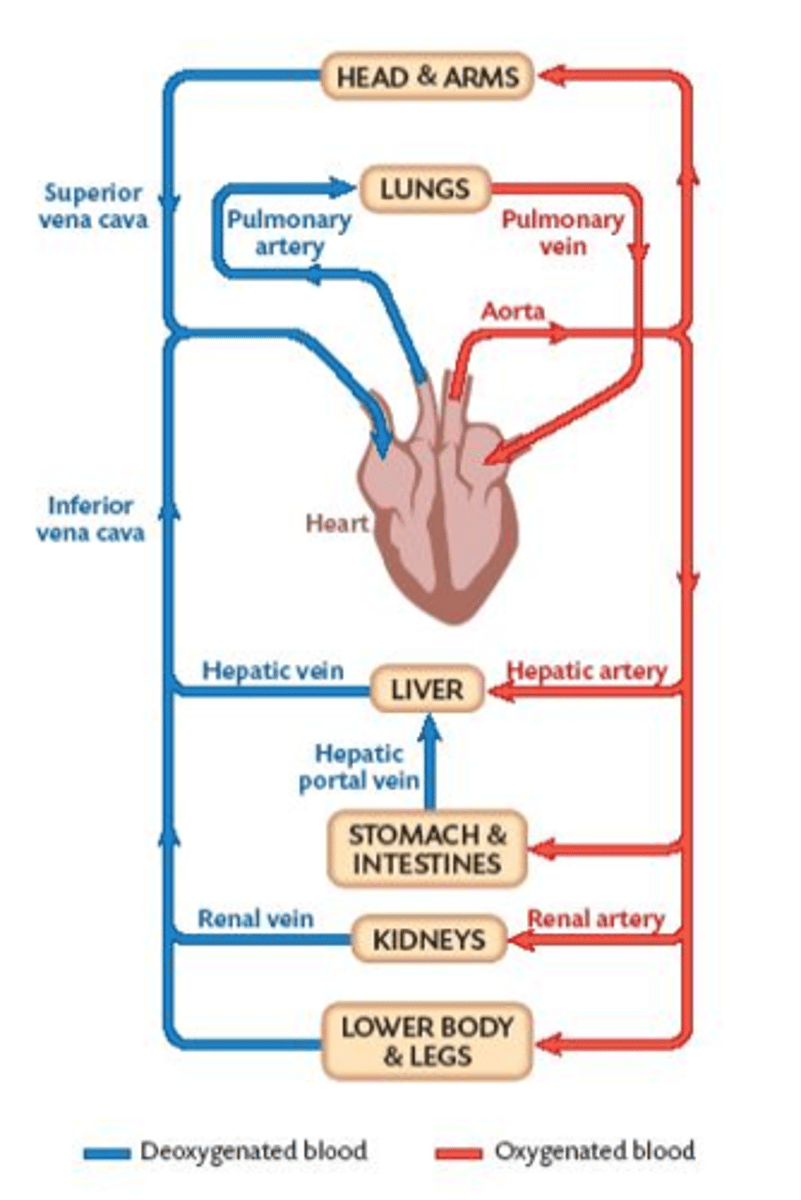
Why are two pumps (left and right) needed instead of one?
● To maintain blood pressure around the whole body.
● When blood passes through the narrow capillaries of the lungs, the pressure drops sharply and therefore would not be flowing strongly enough to continue around the whole body.
● Therefore it is returned to the heart to increase the pressure.
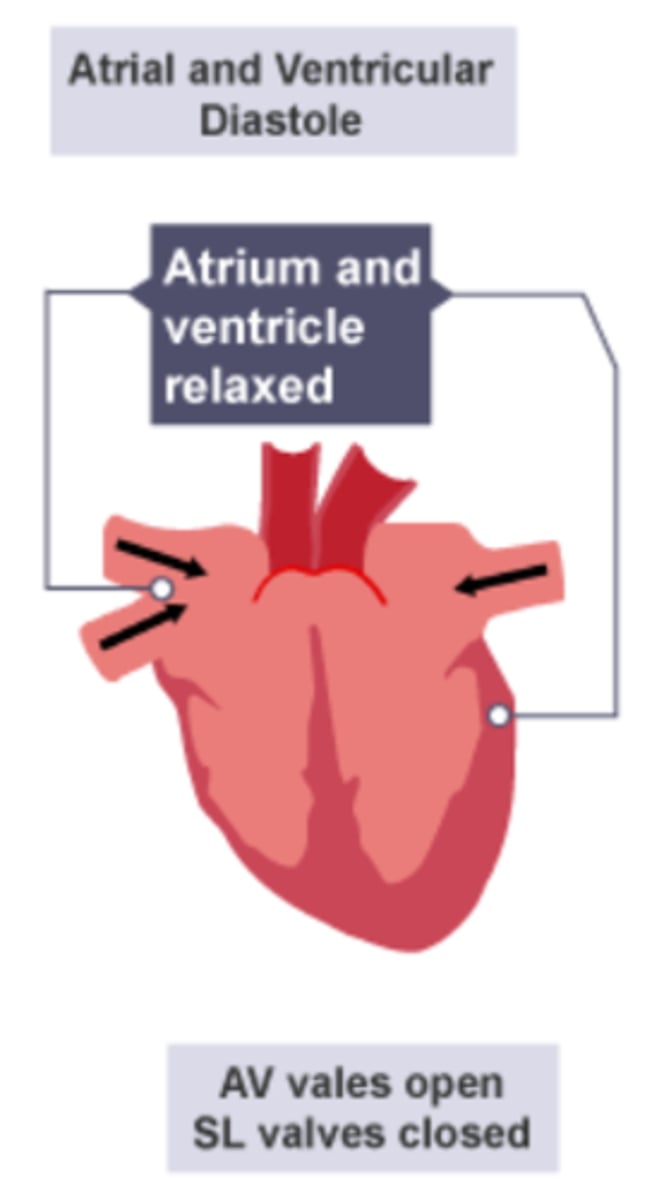
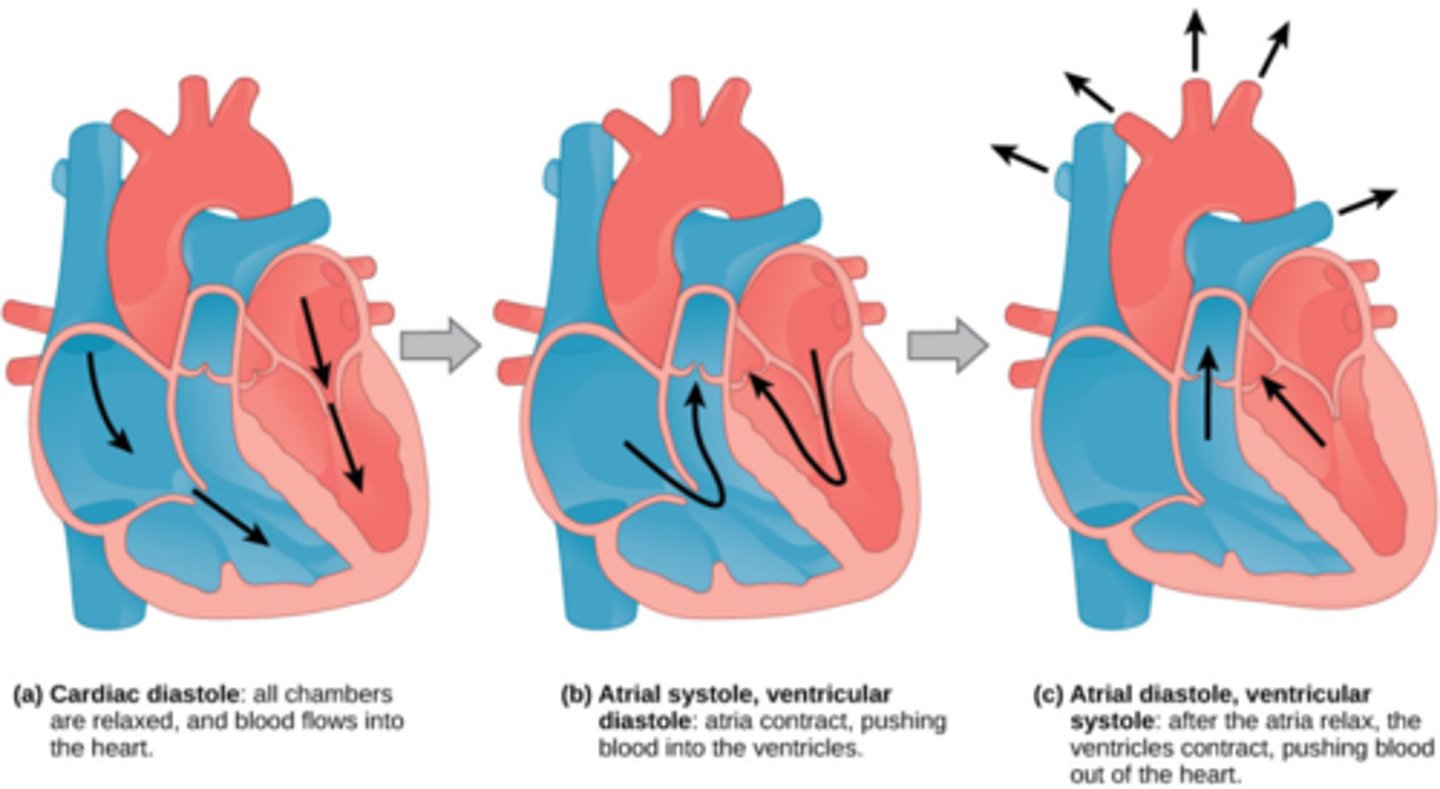
Describe what happens during cardiac diastole.
● The heart is relaxed.
● Blood enters the atria, increasing the pressure and pushing open the atrioventricular valves.
● This allows blood to flow into the ventricles.
● Pressure in the heart is lower than in the arteries, so semilunar valves remain closed.
Describe what happens during atrial systole.
The atria contract, pushing any remaining blood into the ventricles.
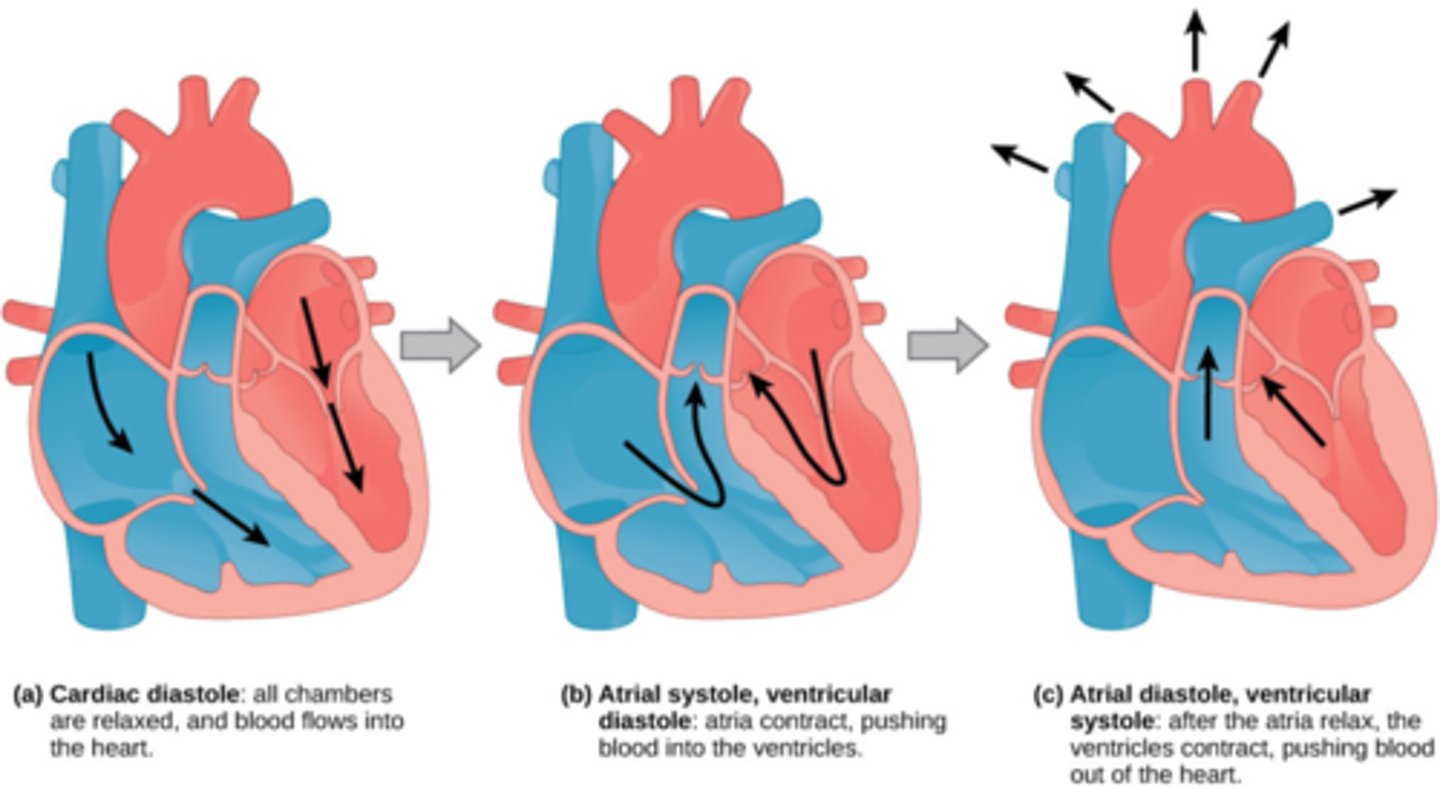
What happens when the atria contract?
The atria contract, pushing any remaining blood into the ventricles.
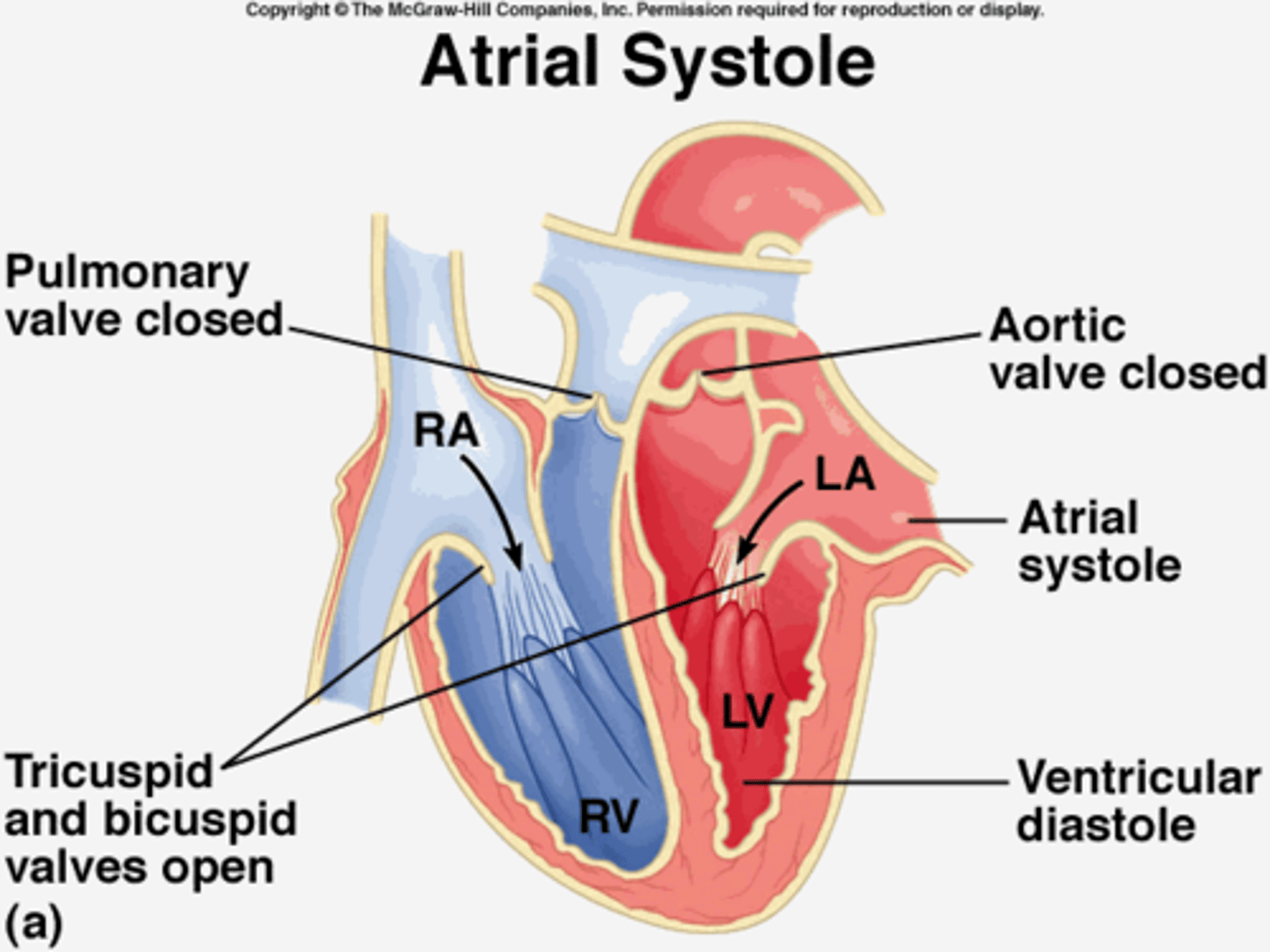
Describe what happens during ventricular systole.
● The ventricles contract.
● The pressure increases, closing the atrioventricular valves to prevent backflow, and opening the semilunar valves.
● Blood flows into the arteries.
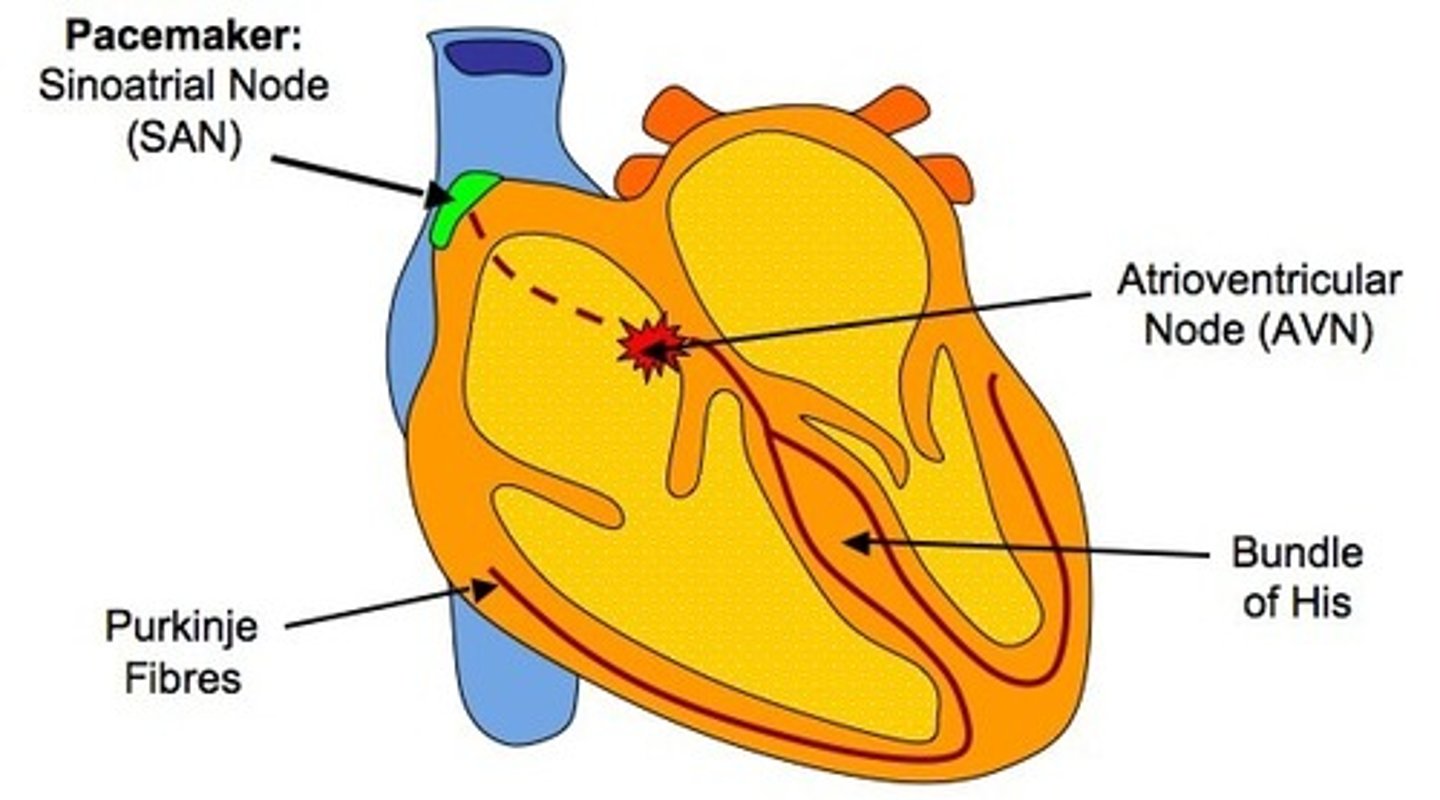
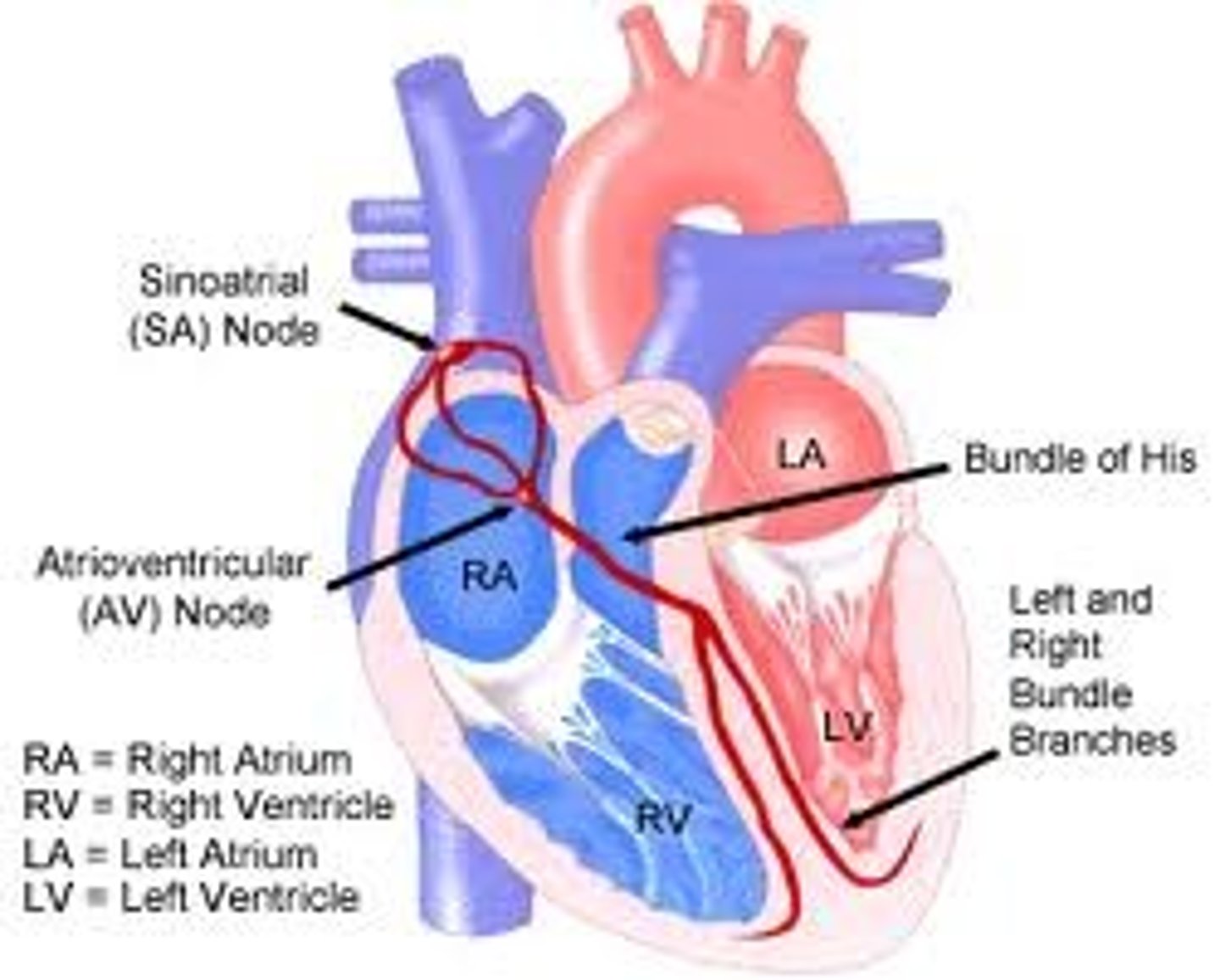
Name the nodes involved in heart contraction and where they are situated.
● Sinoatrial node (SAN)= wall of right atrium.
● Atrioventricular node (AVN)= in between the two atria.
What does myogenic mean?
The heart's contraction is initiated from within the muscle itself, rather than by nerve impulses.
Explain how the heart contracts.
● SAN initiates and spreads impulse across the atria, so they contract.
● AVN receives, delays, and then conveys the impulse down the bundle of His.
● Impulse travels into the Purkinje fibres which branch across the ventricles, so they contract from the bottom up.
Why does the impulse need to be delayed?
If the impulse spread straight from the atria into the ventricles, there would not be enough time for all the blood to pass through and for the valves to close.
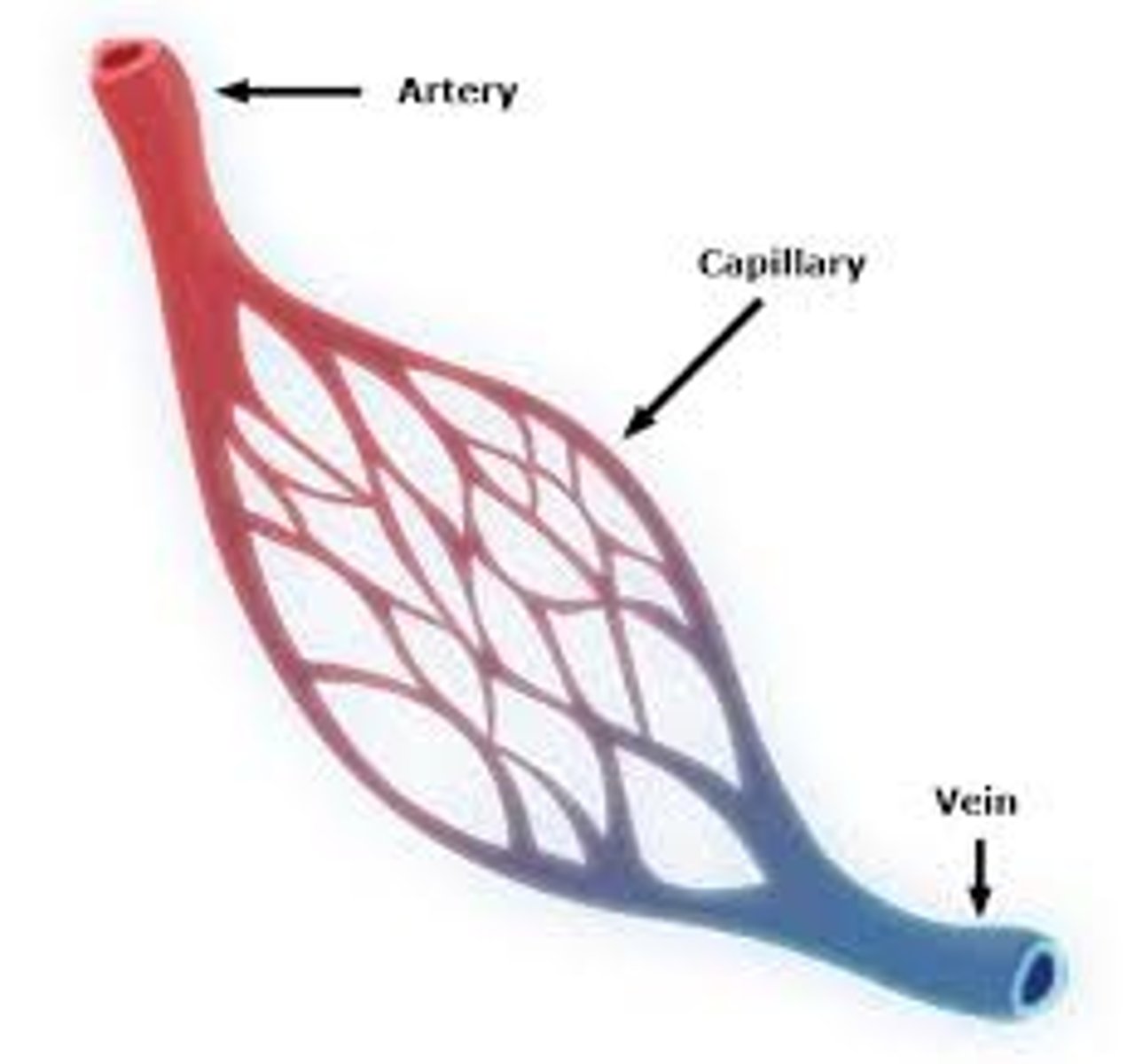
How is the structure of capillaries suited to their function?
● Walls are only one cell thick; short diffusion pathway.
● Very narrow, so can permeate tissues and red blood cells can lie flat against the wall, effectively delivering oxygen to tissues.
● Numerous and highly branched, providing a large surface area.
What is tissue fluid?
● A watery substance containing glucose, amino acids, oxygen, and other nutrients.
● It supplies these to the cells, while also removing any waste materials.
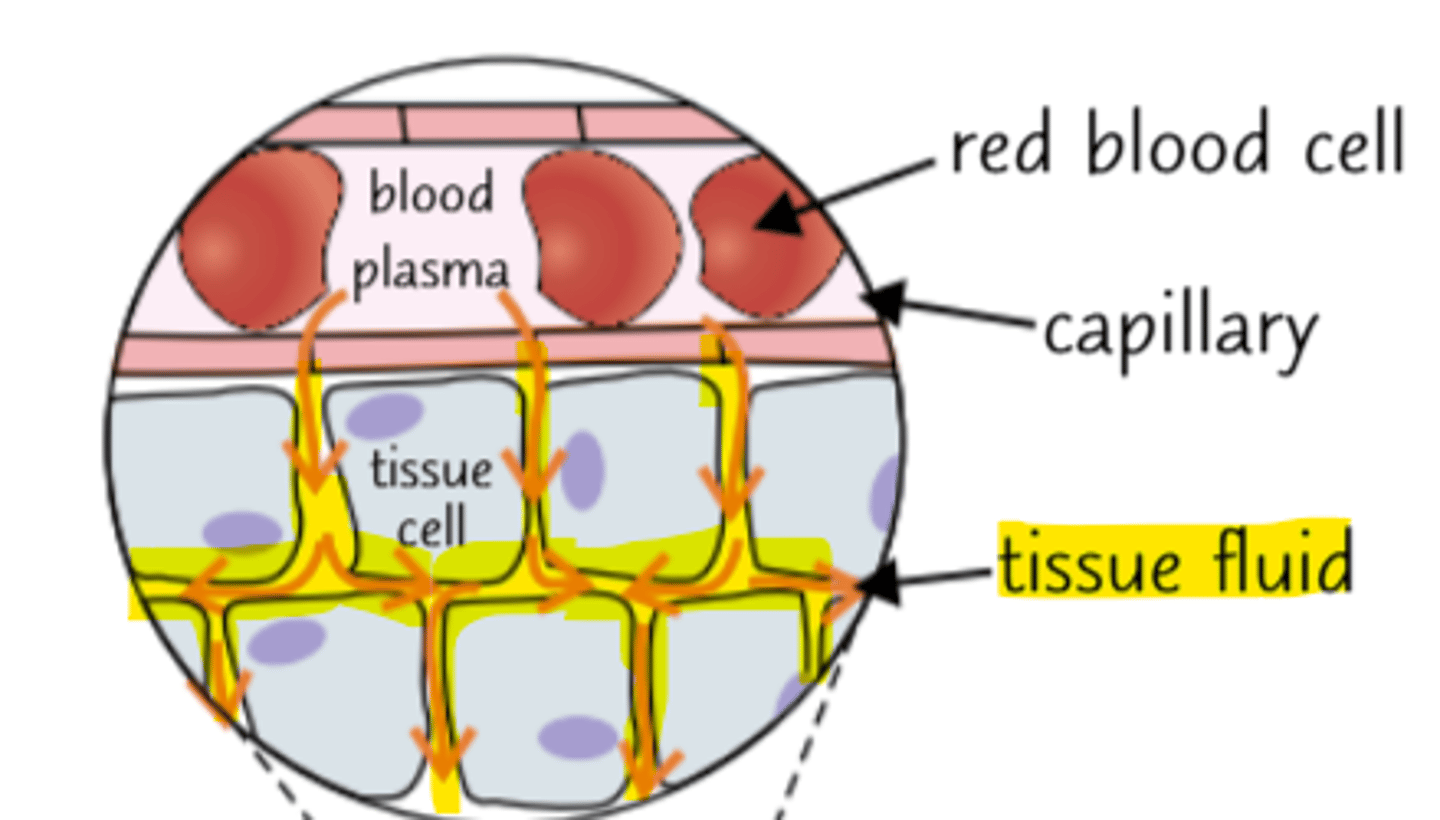
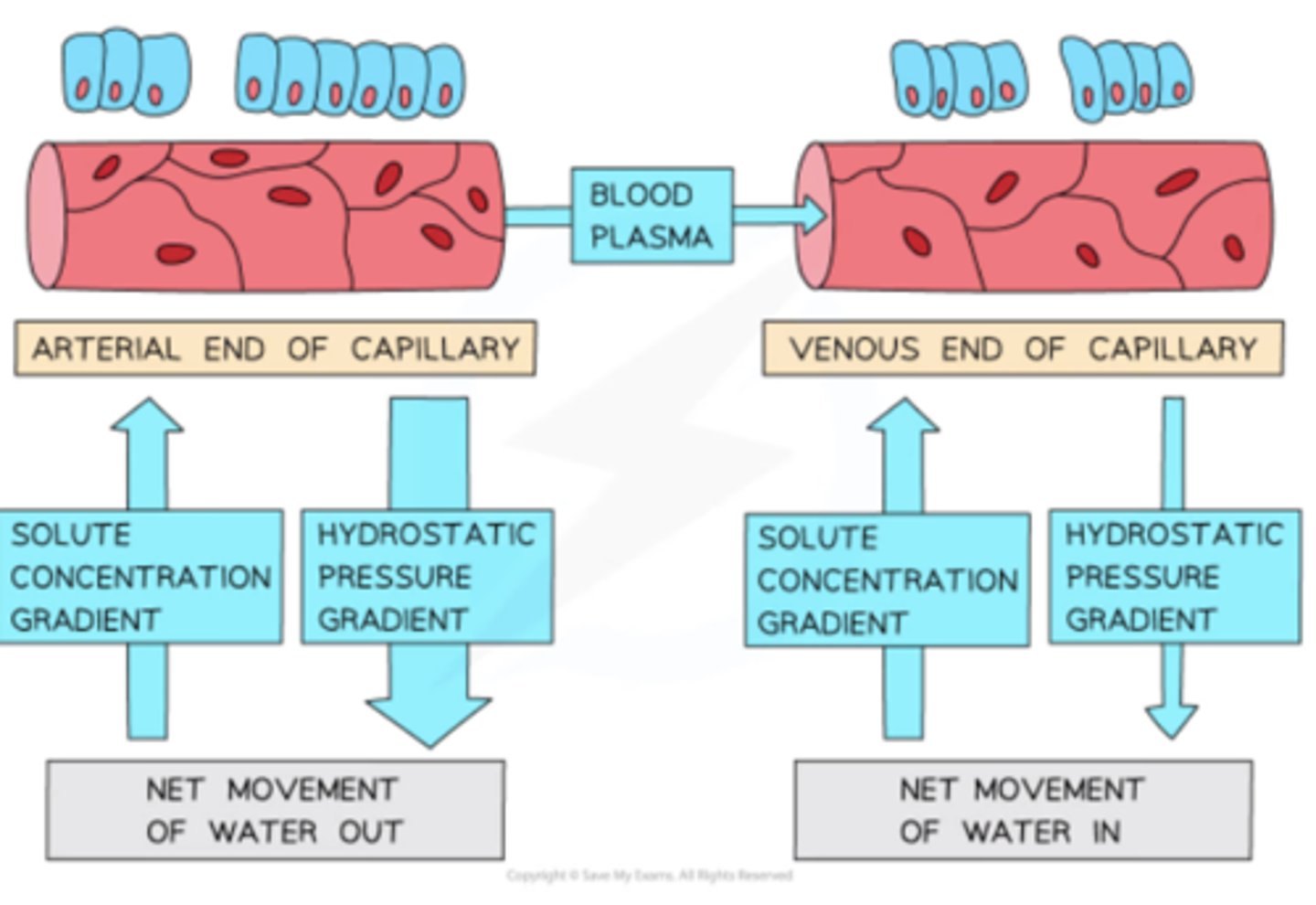
How is tissue fluid formed?
● As blood is pumped through increasingly small vessels, this creates hydrostatic pressure which forces fluid out of the capillaries.
● It bathes the cells, and then returns to the capillaries when the hydrostatic pressure is low enough.
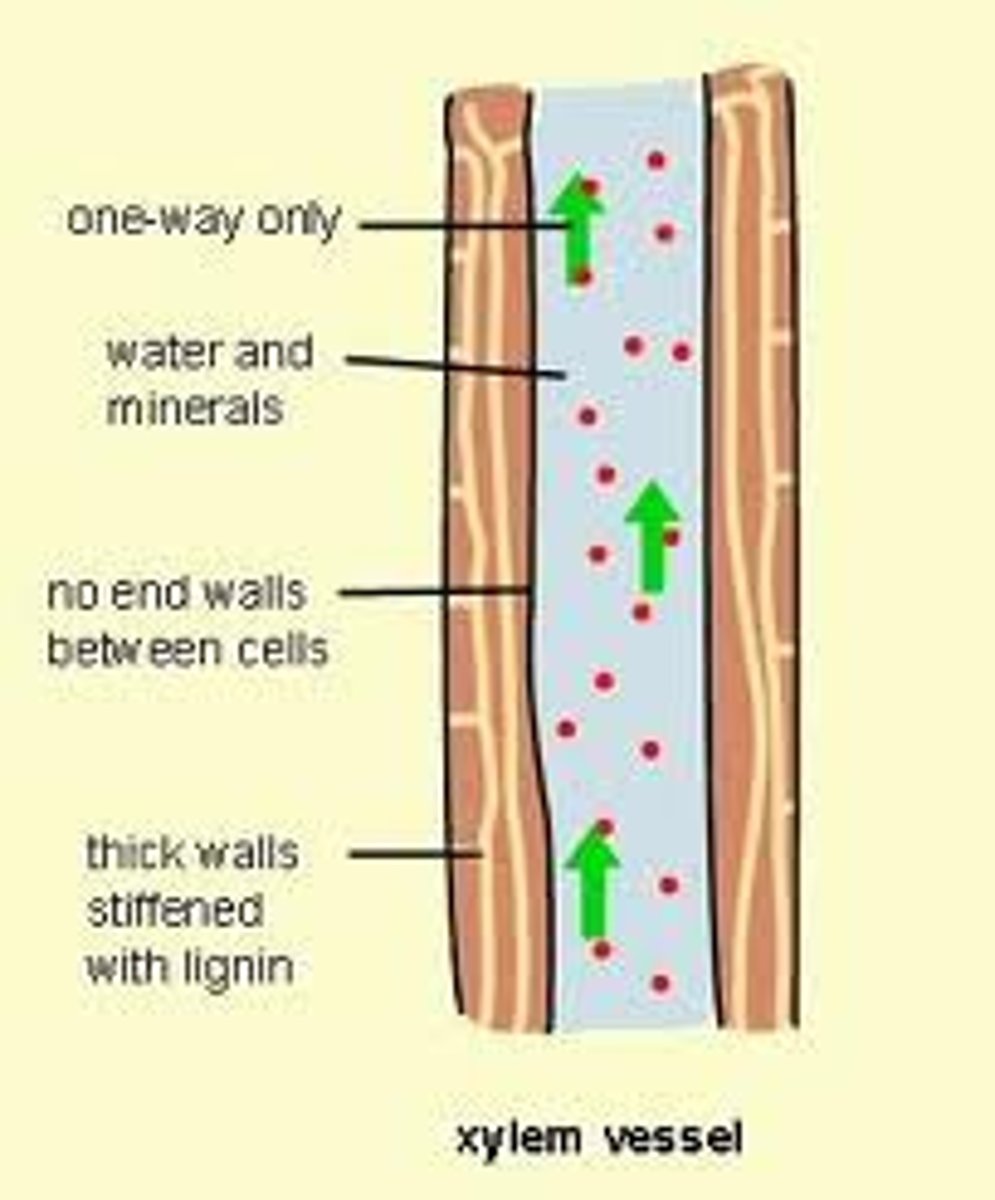
How is water transported in plants?
● Through xylem vessels
● long, continuous columns that also provide structural support to the stem.
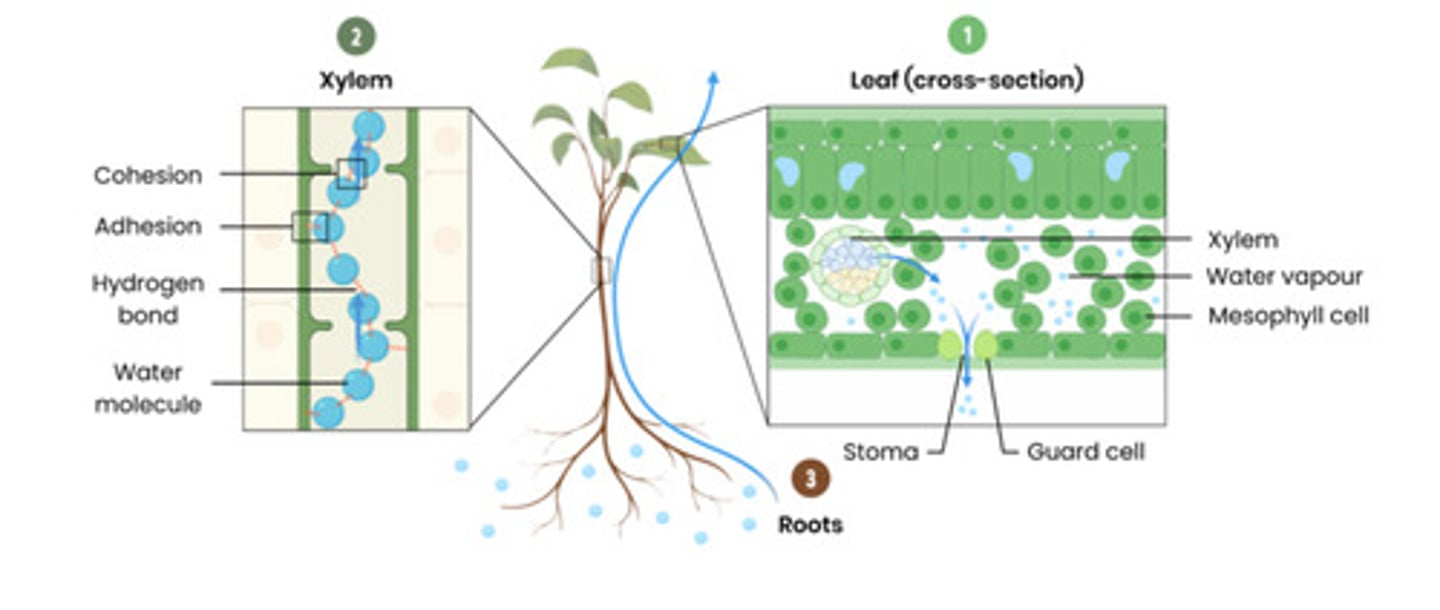
Explain the cohesion-tension theory.
● Water molecules form hydrogen bonds with each other, causing them to 'stick' together (cohesion).
● The surface tension of the water also creates this sticking effect.
● Therefore as water is lost through transpiration, more can be drawn up the stem.
What are the three components of phloem vessels?
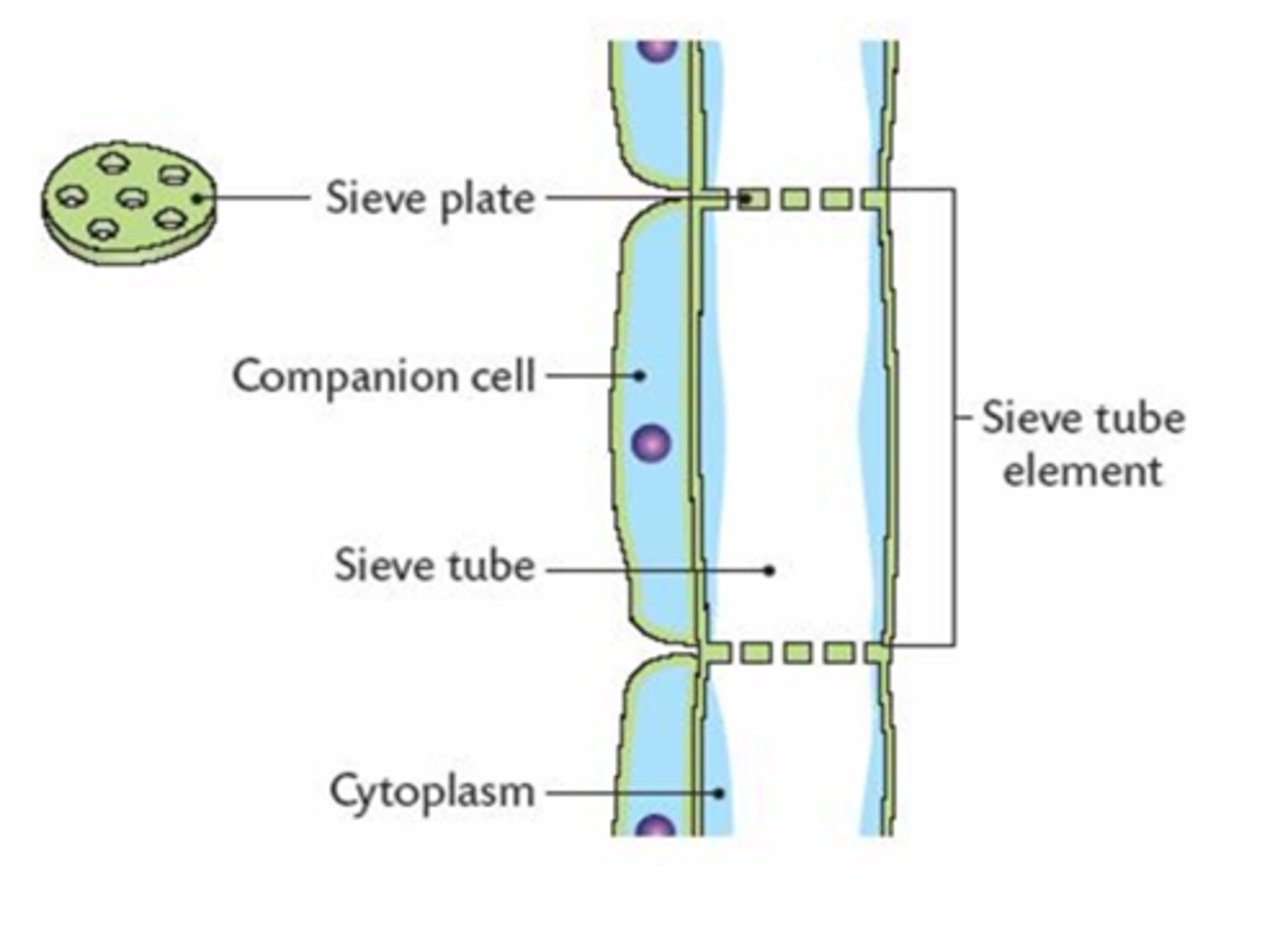
● Sieve tube elements= form a tube to transport sucrose in the dissolved form of sap.
● Companion cells= involved in ATP production for active loading of sucrose into sieve tubes.
● Plasmodesmata= gaps between cell walls where the cytoplasm links, allowing substances to flow.
Name the process whereby organic materials are transported around the plant.
Translocation
How does sucrose in the leaf move into the phloem?
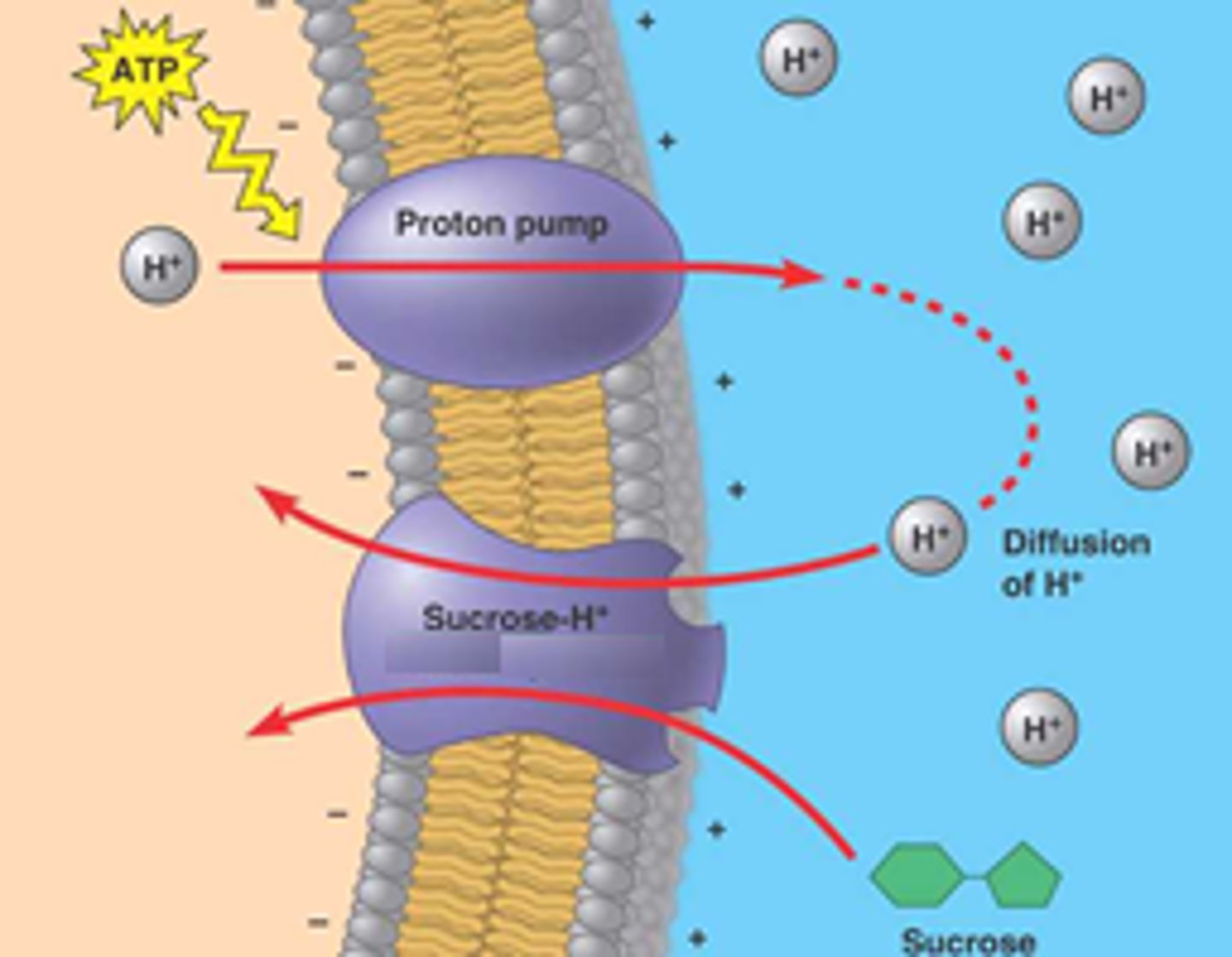
●Sucrose enters companion cells of the phloem vessels by active loading, which uses ATP and a diffusion gradient of hydrogen ions.
●Sucrose then diffuses from companion cells into the sieve tube elements through the plasmodesmata.
How do phloem vessels transport sucrose around the plant?
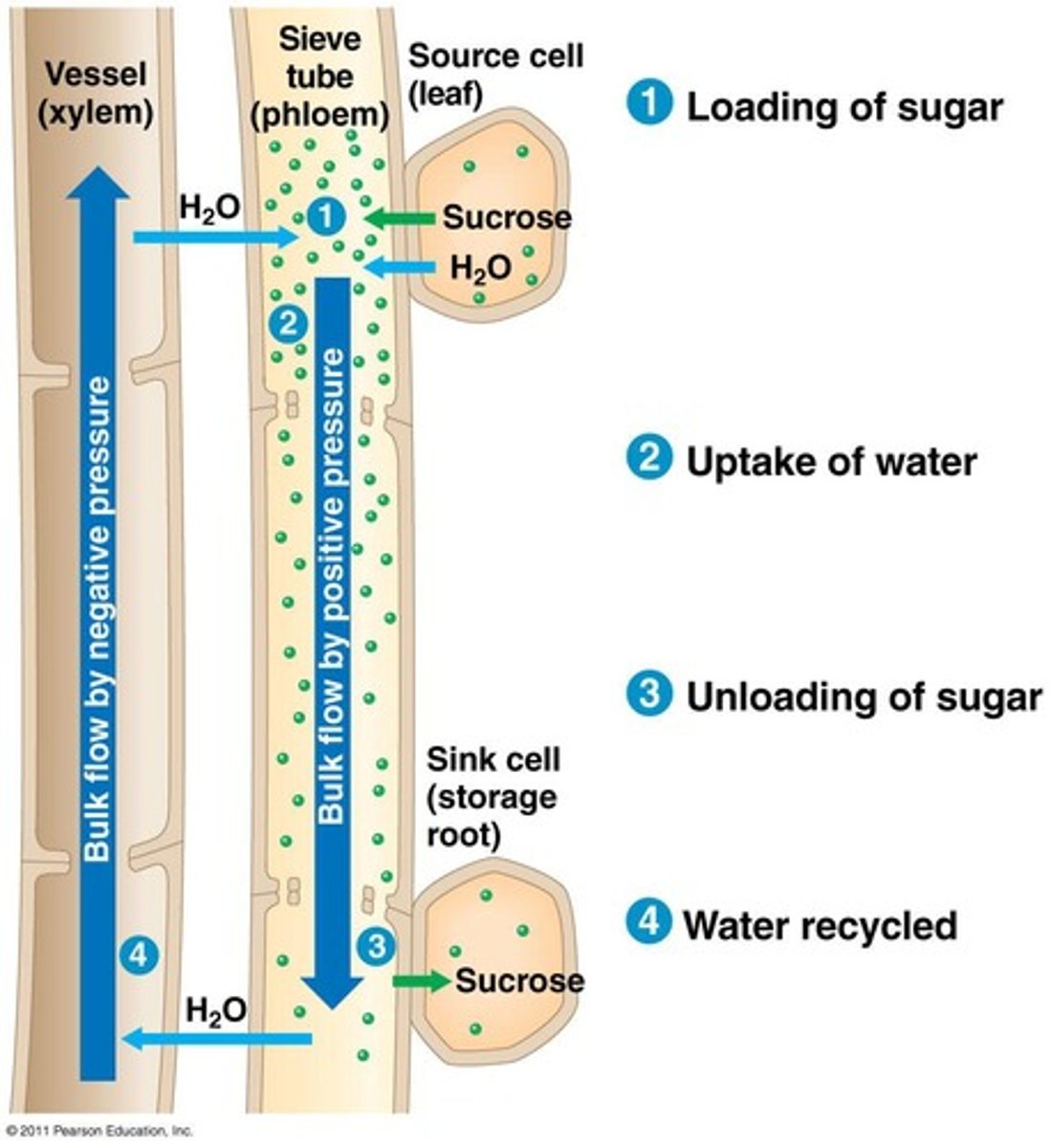
●As sucrose moves into the tube elements, water potential inside the phloem is reduced.
●This causes water to enter via osmosis from the xylem and increases hydrostatic pressure.
●Water moves along the sieve tube towards areas of lower hydrostatic pressure.
●Sucrose diffuses into surrounding cells where it is needed.
Give evidence for the mass flow hypothesis of translocation.
● Sap is released when a stem is cut, therefore there must be pressure in the phloem.
● There is a higher sucrose concentration in the leaves than the roots.
● Increasing sucrose levels in the leaves results in increased sucroses in the phloem.
Give evidence against the mass flow hypothesis of translocation.
● The structure of sieve tubes seems to hinder mass flow.
● Not all solutes move at the same speed, as they would in mass flow.
● Sucrose is delivered at the same rate throughout the plant, rather than to areas with the lowest sucrose concentration first.
How can ringing experiments be used to investigate transport in plants?
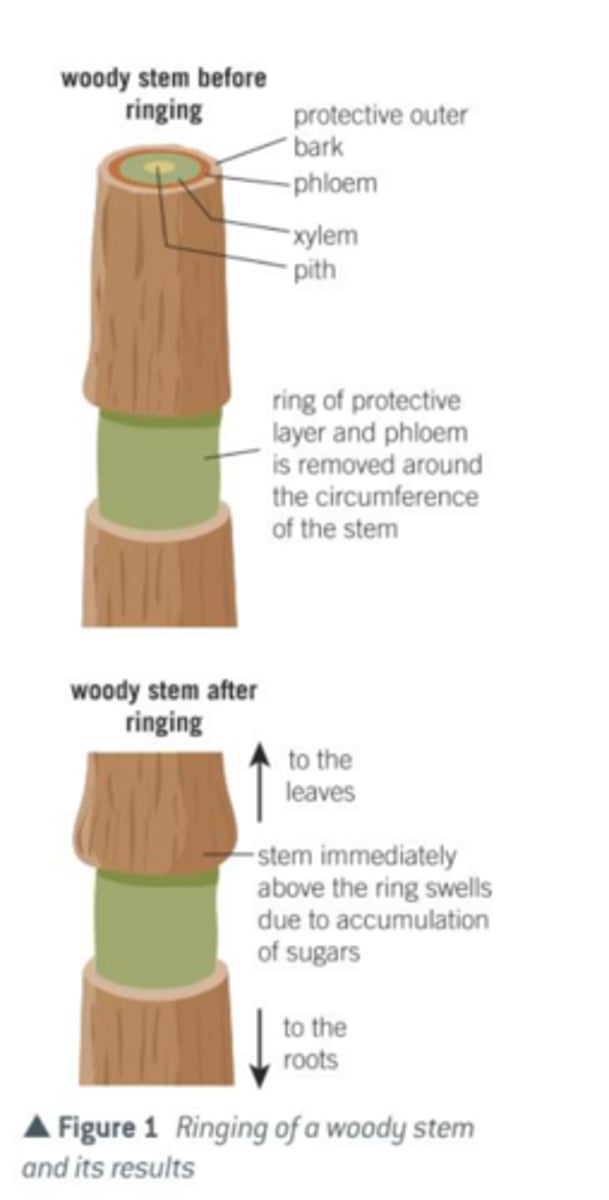
● The bark and phloem of a tree are removed in a ring, leaving behind the xylem.
● Eventually the tissues above the missing ring swells due to accumulation of sucrose as the tissue below begins to die.
● Therefore sucrose must be transported in the phloem.
How can tracing experiments be used to investigate transport in plants?
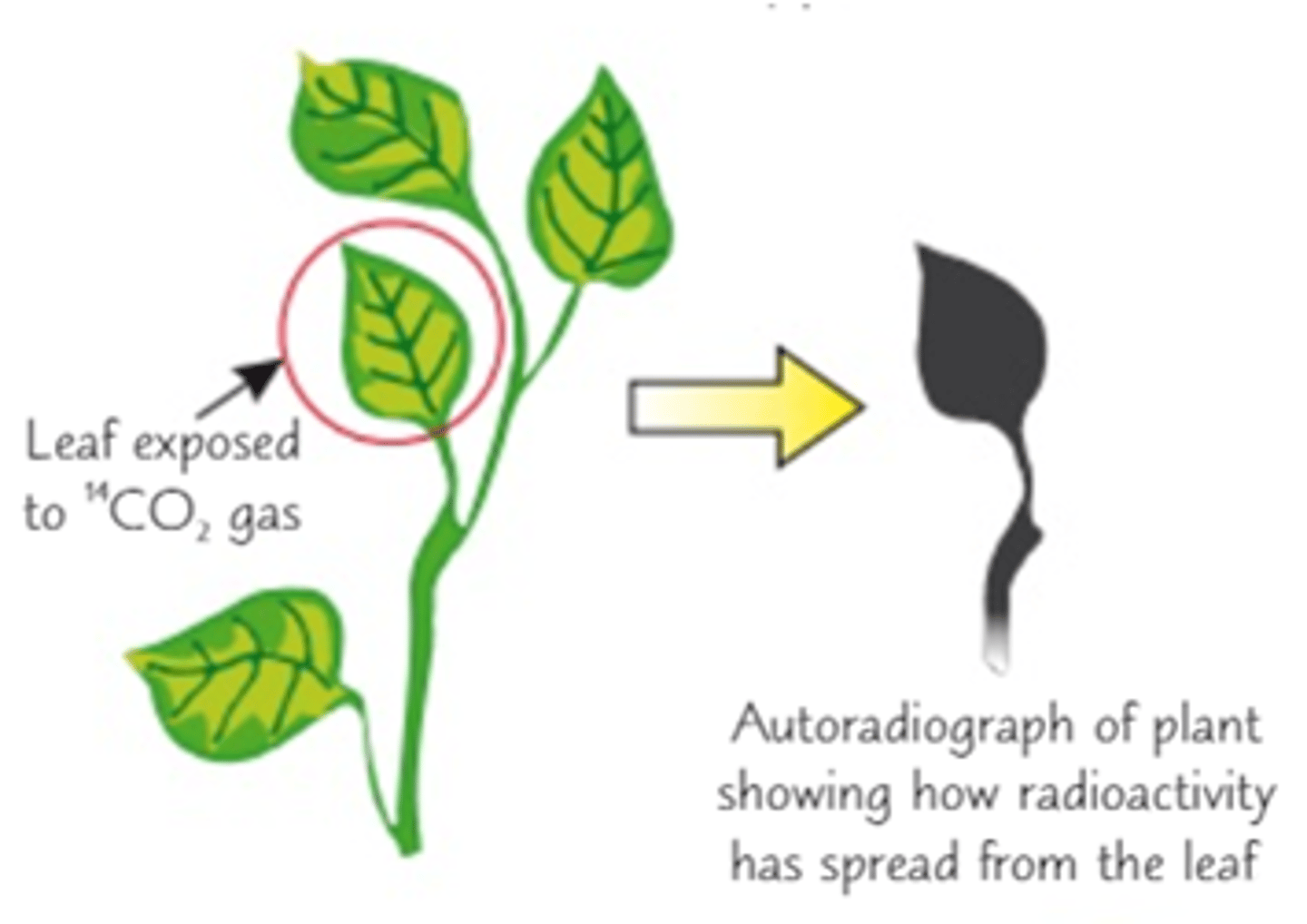
● Plants are grown in the presence of radioactive CO2, which will be incorporated into the plant's sugars.
● Using autoradiography, we can see that the areas exposed to radiation correspond to where the phloem is.