Ch.4 The Muscular System
 Call Kai
 Learn
Learn Practice Test
 Spaced Repetition
 Match
Match Flashcards
 Knowt Play
1/139

Earn XP
Description and Tags
Medical Terminology for Health Professions (did not add blue words)
Name | Mastery | Learn | Test | Matching | Spaced | Call with Kai | Chat |
|---|
No analytics yet
Send a link to your students to track their progress
140 Terms
muscle fibers
are the ling slender cells that make up muscles
fascia
is a band of connective tissue that envelops, seperates, or binds together muscles or groups of muscles
myofascial
means pertaining to muscle tissue and fascia
tendon
is a narrow band of nonelastic, dense, fibrous connective tissue that attaches a muscle to a bone
skeletal muscles
are attached to the bones of the skeleton and make body motions possibe
smooth muscles
are located in the walls of the internal organs such as the digestive tract, blood vessels, and ducts leading from glands
myocardial muscles
aka myocardium or cardiac muscle form the muscular walls of the heart
muscle innervation
is the stimulation of a muscle by an impulse transmitted by a motor nerve
neuromuscular
means pertaining to the relationship between a nerve and muscle
contraction
is the tightening of a muscle
relaxation
occurs when a muscle returns to its original form
abduction
is the movement of a limb (arm or leg) away from the midline of the body
adduction
is the movement of a limb (arm or leg) toward the midline of the body
flexion
means descreasing the angle between two bones by bending a limb at a joint
extension
increasing the angle between two bones or the straightening out of a limb
hyperextension
is the extreme or overextension of a limb or body part beyond its normal limit
elevation
is the act of raising or lifting a body part
depression
is the act of lowering a body part
rotation
is a circular movement around an axis such as the shoulder joint
circumduction
is the circular movement at the far end of a limb
humerus
is the bone of the upper arm, rotates within the shoulder joint
supination
is the act of rotating the arm or the leg so that the palm of the hand or sole of the foot is turned forward or upward
pronation
is the act of rotating the arm or leg so that the palm of the hand or sole of the foot is turned downward or backward
dorsiflexion
is the movement that bends the foot upward at the ankle
plantar flexion
is the movement that bends the foot downward at the ankle
origin
is where the muscle begins and it is located nearest the midline of the body or on a less movable part of the skeleton
insertion
is where the muscle ends by attaching to a bone or tendon
mastoid
the muscle inserts at one point of insertion into the mastoid process.
pectoralis major
is a thick fan shaped muscle situated on the anterior chest wall
lateralis
means toward the side
medialis
means toward the midline
oblique
means slammed or at an angle
rectus
means in straight alignment with the vertical axis of the body
sphincter
is a ring like muscle that tightly constricts the opening of a passageway
transverse
means in a crosswise direction
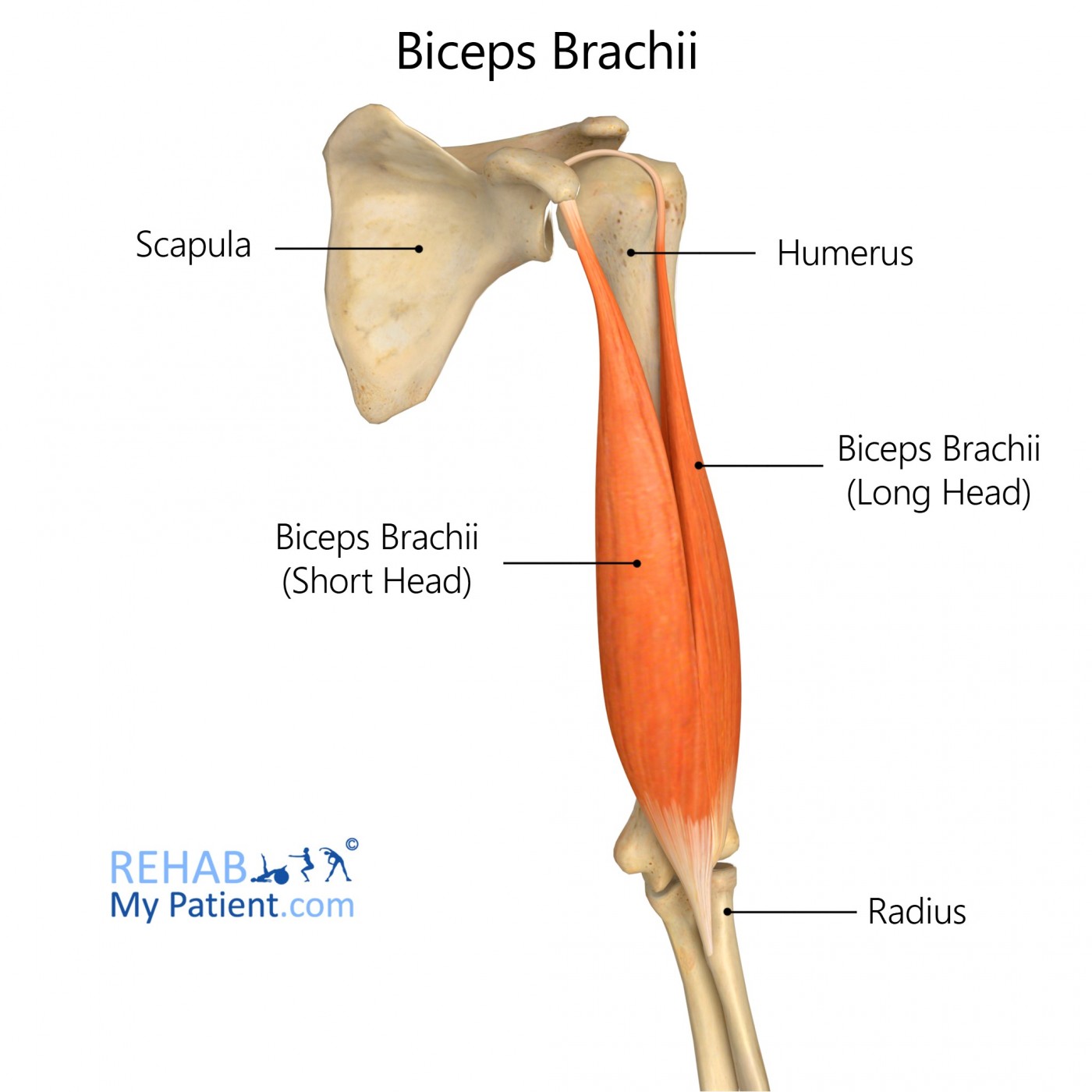
biceps brachii
aka the biceps, is formed from two divisions
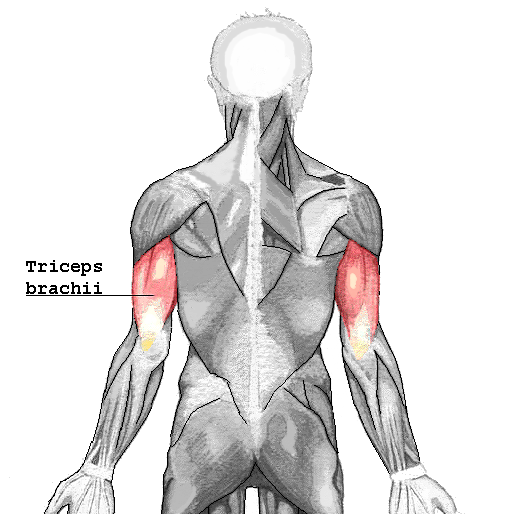
triceps brachii
aka triceps, is formed from three division
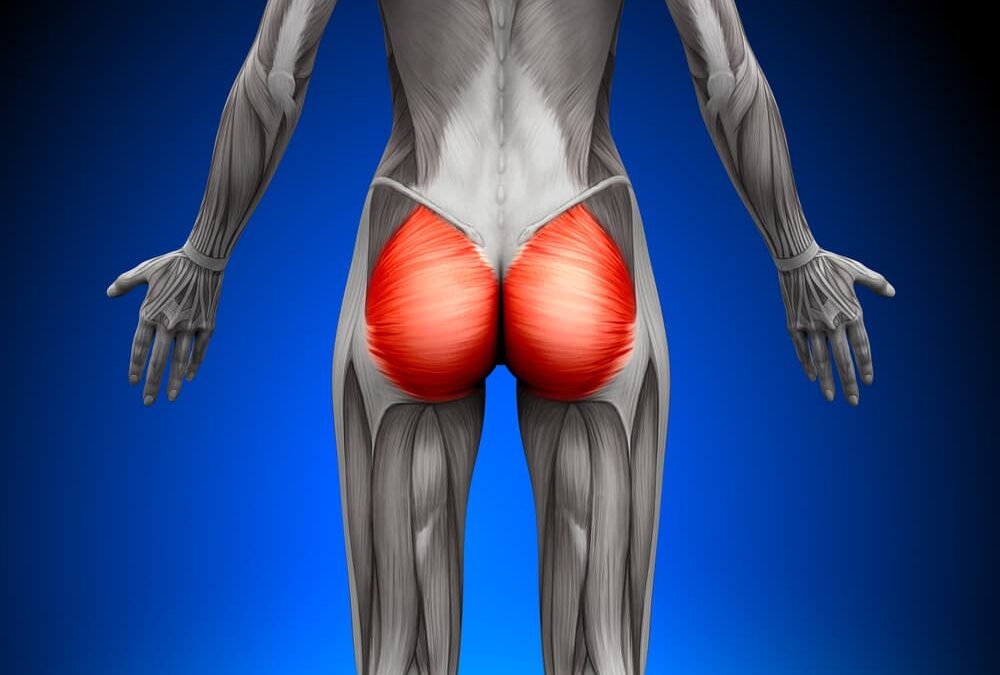
gluteus maximus
is the largest muscle of the buttock
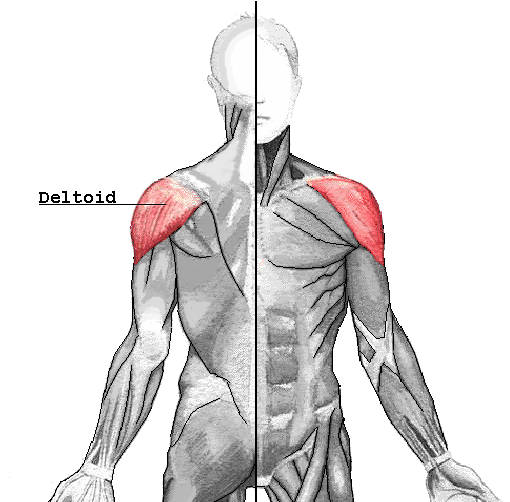
deltoid muscle
located on the shoulder, is shaped like an inverted traingle, which the greek letter delta
hamstring group
located at the back of the upper leg, consists of three seperate muscles; biceps femoris, semitendinosus, and semimembranosus
frontalis
or occipitofrontalis, muscle is in the forehead, it raises and lowers the eyebrows
temporalis
muscle moves the lower jaw up and back to close the mouth
masseter
muscle, which is one of the strongest in the body, moves lower jaw up to close the mouth when chewing
pectoralis major
makes up the bulk of the chest muscles. In the female this muscle lies under the breast
external oblique
flex and rotate the vertebral column, also flex the torso and compress the abdomen
internal oblique muscles
flex the spine, support the abdominal contents, help breathe, and rotate the spine
rectus abdominis
helps flex the trunk, assists in breathing, and supports the spine
transverse abdominis
is located on the side of the abdomen
deltoid
forms the muscular cap of the shoulder
trapezius
muscle moves the head and shoulder blade
biceps brachii
located in the anterior upper arm, flexes the elbow
triceps brachii
located in the posterior upper arm, extends the elbow
biceps brachii
located in the anterior upper arm, flexes the elbow
triceps brachii
located in the posterior upper arm, extends the elbow
rectus femoris
extends the leg at the knee
quadriceps femoris
is made up of four muscles, including the vastus lateralis an vastus medialis, which flex and extend the leg at the knee
hamstring group
is involved in the knee flexion and hip extension
gastrocnemius
is the calf muscle that flexes the knee and bends the foot downward
exercise physiologist
is a specialist who works under the supervision of a physician to develop implement and cordinate exercise programs
neurologist
is a physician who specializes in treating the causes of paralysis and similar muscular disorders in which there is a loss of function
occupational therapist (OT)
helps enable patients to participate in the activities of daily life, including self care, education, work, or social interaction
fasciitis
is inflammation of a fascia
fibromyalgia
is a debilitating chronic condition characterized by fatigue; diffuse or specific muscle, joint, or bone pain and a wide range of other symptoms
tensosynovitis
is an inflammation of the sheath surrounding a tendon
tendinitis
sometimes spelled tendonitis, is an inflammation of the tendons caused by excessive or unusual use of the joint
chronic fatigue syndrome (CFS)
is a disorder of unknown cause that affects many body systems
adhesion
is a band of fibrous tissue that holds structures together abdnormaly
atrophy
means weakness or wearing away of body tissues and structures
myalgia
is tenderness or pain in the muscles
myocele
is the herniation (protrusion) of muscle substance through a tear in the fascia surrounding it
myolysis
is the degeneration of muscle tissue
myorrhexis
is the rupture or tearing of a muscle
polymyostitis
is a muscle disease characterized by the simultaneous inflammation and weakening of voluntary muscles in many parts of the body
rhabdomyolysis
is a serious syndrome that can result from a direct or indirect muscle injury
sarcopenia
is the loss of muscle mass, strength, and function that come with aging
muscle tone
is the state of a balanced muscle tension (contraction and relaxation) that makes normal posture, coordination, and movement possible
atonic
means lacking normal muscle tone or strength
dystonia
is a condition of abnormal muscle tone that causes the impairment of voluntary muscle movement
hypotonia
is a condition in which there is diminished tone of the skeletal muscles
ataxia
is the lack of muscle coordination during voluntary movement
contracture
is the permanent tightening of fascia, muscles, tendons, ligaments, or skin that occurs when normally elastic connective tissues that occurs when normally elastic connective
intermittment claudication
is pain in the leg muscles that occurs during exercise and is relieved by rest
spasm
is any sudden involuntary contraction of one or more muscles
myoclonus
is the quick involuntary jerking of a muscle or group of muscles
singultus
aka hiccups, is myoclonus of the diaphragm that causes the hiccup sound with each spasm
cramp
is a painful localized muscle spasm often names for its cause, such as menstrual cramps
torticollis
aka wryneck, is a stiff neck due to spasmodic contraction of the neck muscles that pull the head toward the affected side
bradykinesia
is extreme slowness in movement
dyskinesia
is the distortion or impairment of voluntary movement resulting in fragmented or jerky motions
hyperkinesia
aka hyperactivity is abnormally increased muscle function or activity
myasthenia gravis
is a chronic autoimmune disease that affects the neuromuscular junction
muscular dystrophy
is properly referred to in the plural, which is muscular dystrophies
repetitive stress disorders
are a variety of muscular conditions that result from repeated motions performed in the course of normal work, daily activities, or recreation such as sports
compartment syndrome
involves the compression of nerves and blood vessels due to swelling within the compartment an enclosed space created by the fascia that seperated groups of muscles
overuse injuries
minor tissue that have not been given time to heal
overuse tendinitis
aka overuse tendinosis, is an inflammation of tendons caused by excessive or unusual use of a joint
stress fractures
which are usually overuse injuries
myofascial pain syndrome
is a chronic pain disorder that affects muscles and fascia throughout the body
impingement syndrome
occurs when inflamed and swollen tendons are caught in the narrow space between the bones within the shoulder joint
rotator cuff tendinitis
is an inflammation of the tendons of the rotator cuff