Session 2: Detection of Pathogens
 Call Kai
 Learn
Learn Practice Test
 Spaced Repetition
 Match
Match Flashcards
 Knowt Play
1/44

There's no tags or description
Looks like no tags are added yet.
Name | Mastery | Learn | Test | Matching | Spaced | Call with Kai | Chat |
|---|
No analytics yet
Send a link to your students to track their progress
45 Terms
Two subsystems of the immune system
Innate (non-specific) immune response
Adaptive (specific) immune response
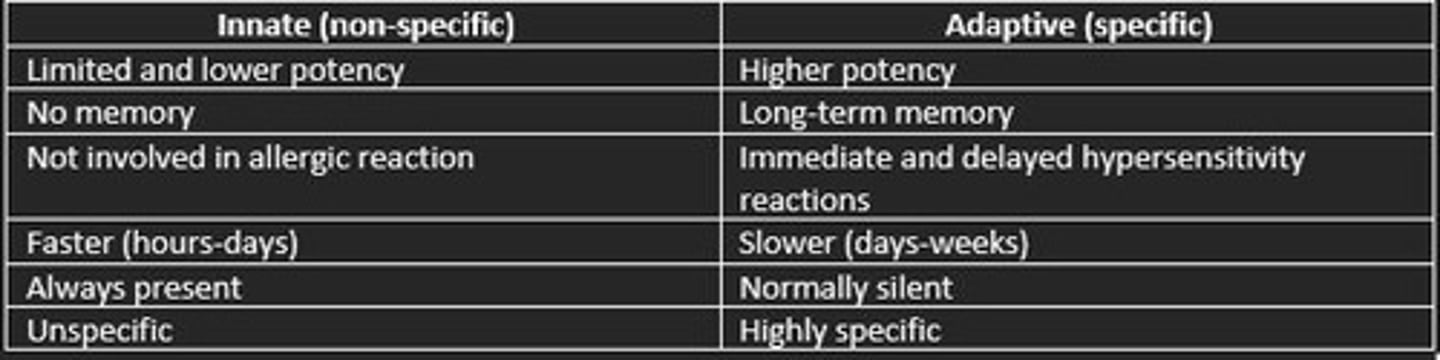
Differences between the innate (non-specific) and adaptive (specific) immune response
The innate immune system functions in three stages, what are they
1) Recognition of microbes/damaged cells
2) Activation of mechanisms
3) Elimination of unwanted substances
Receptors used to detect PAMPs and DAMPs in the innate immune system
Pattern Recognition Receptors (PRRs)
Name some examples of Pattern Recognition Receptors (PRRs)
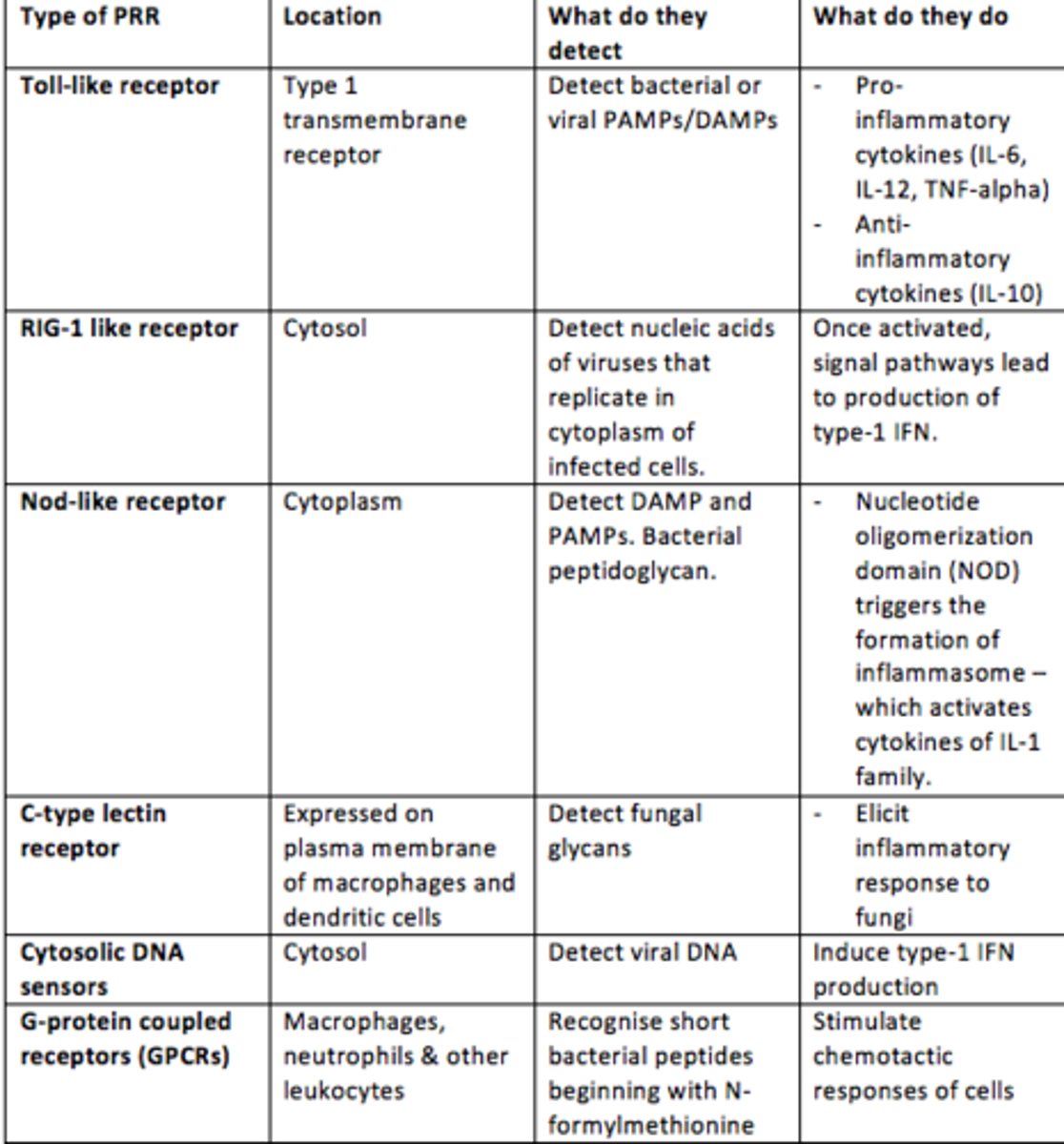
Toll-like receptors (TLR)
RIG-1 like receptors
Nod-like receptors
C-type lectin receptors
Cytosolic DNA sensors
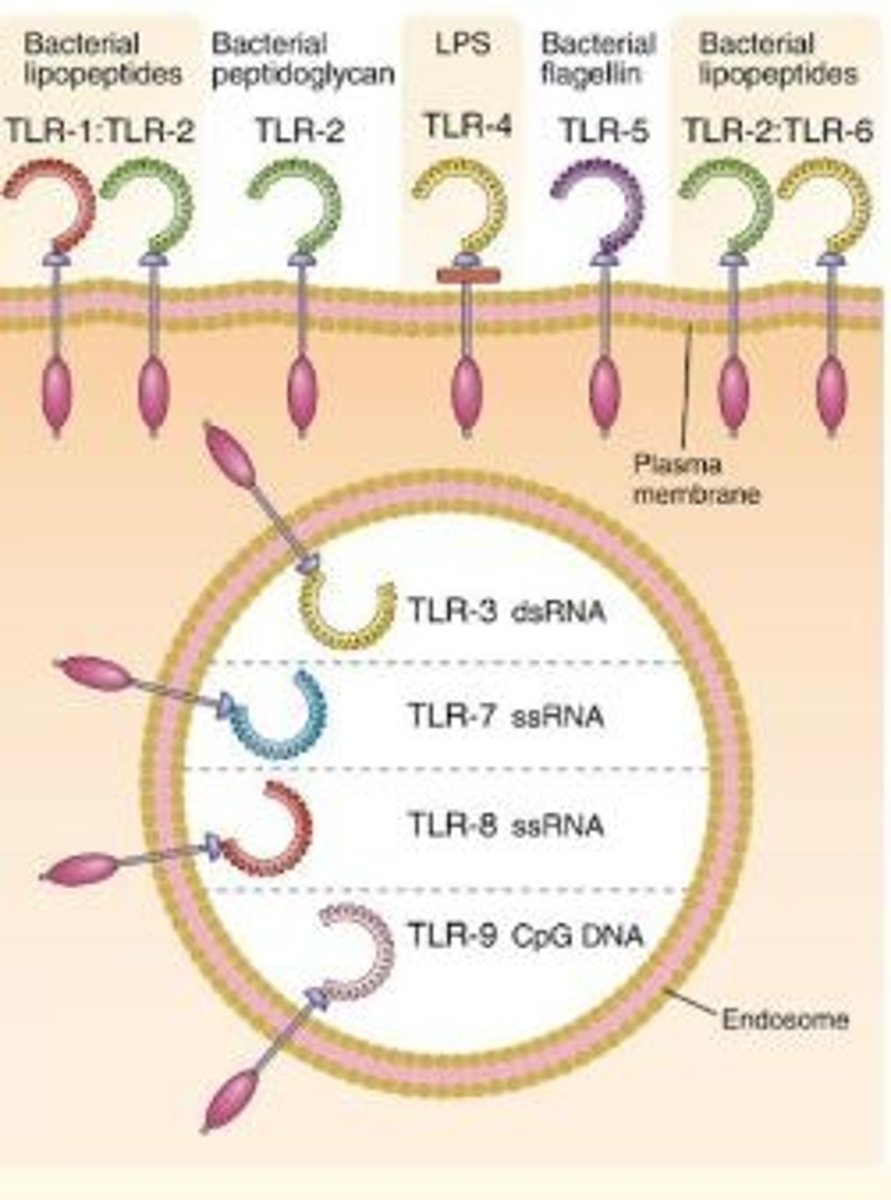
Toll-like receptors (TLRs)
- A type of PRR (type 1 transmembrane receptor)
- Recognizes PAMPs/DAMPs
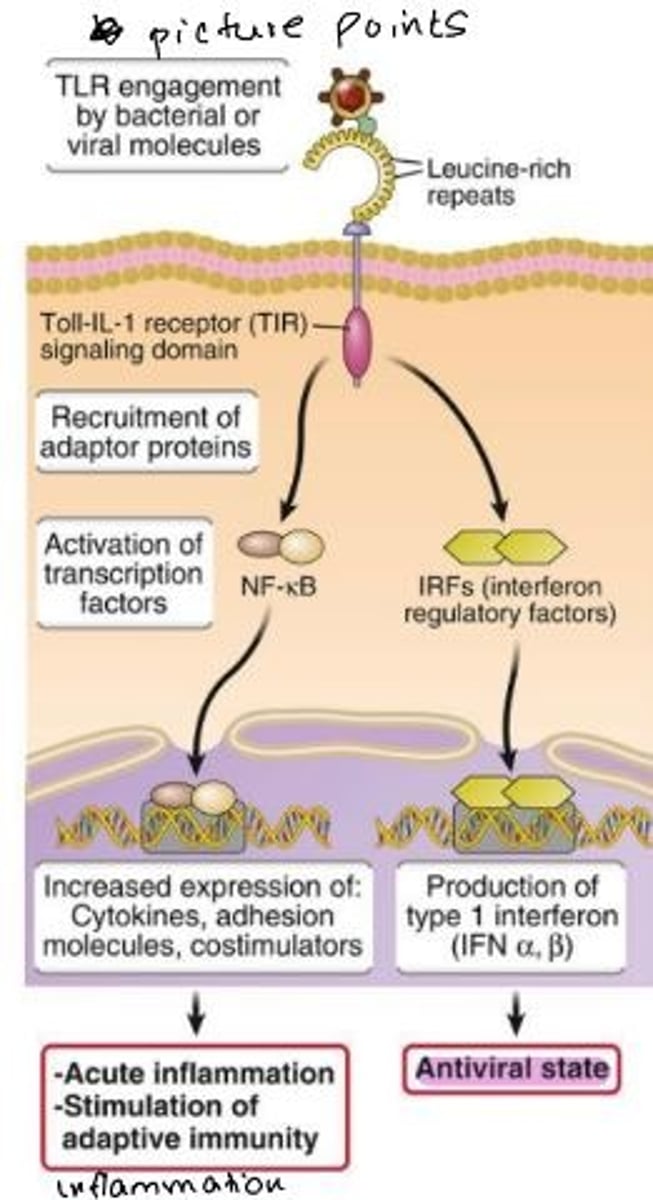
- Set in motion a cascade of events inside the cell that amplifies and orchestrates a defense response to the pathogen
The activation of TLRs initiates a cascade of events that activates three main transcription factors (TFs).
Name these three TFs which are activated.
1) NK-KB = makes proinflammatory cytokines e.g., TNF-a which enhances immune response and induces apoptosis of infected cells.
2) Adaptor protein 1 (AP-1) = causes differentiation, proliferation and apoptosis of cells.
3) Interferon Regulatory Factors (IRFs) = stimulation production of Type 1 Interferons (antiviral cytokines)
TLR activation
Signalling cascade activates transcription factors of NF-kB and Interferon Regulatory Factors (IRFs)
NF-kB activation promotes increased expression of cytokines, adhesion molecules, costimulators. Involved in acute inflammation and stimulation of adaptive immunity.
IRF activation promotes production of type 1 interferons for the antiviral state
TLR stimulation induces the production of what pro-inflammatory cytokines?
IL-6, TNF-alpha, IL-12
TLR stimulation induces the production of what anti-inflammatory cytokines?
IL-10
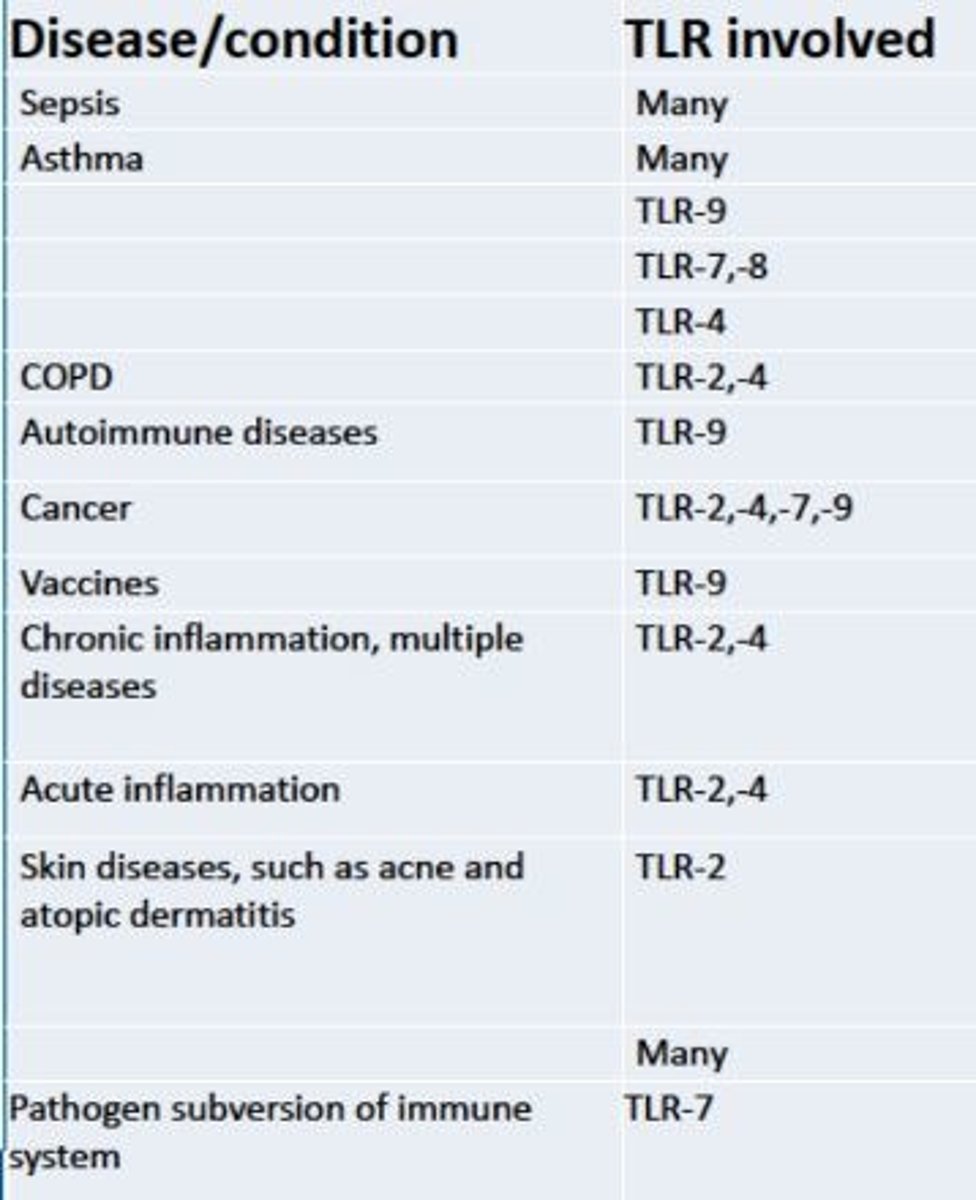
Give some examples of diseases/conditions which involve TLR signaling as PRRs
Sepsis
Asthma
Skin diseases e.g., acne
Cancer
a) NLRs contain the ___ ___ domain but different N-terminal domains.
b) There are three main type of NLR... these are...
a) NLRs contain the nucleotide oligomerisation domain (NOD) but different N-terminal domains.
b) There are three main types of NLR... these are...
1) NOD1
2) NOD2
3) NLR-P3
NLRs (NOD-like receptors)
Intracellular (cytosolic) receptors that detect PAMPs and DAMPs and trigger formation of inflammasomes (high molecular weight complexes which activate inflammatory caspases and activate cytokines of the IL-1 family)
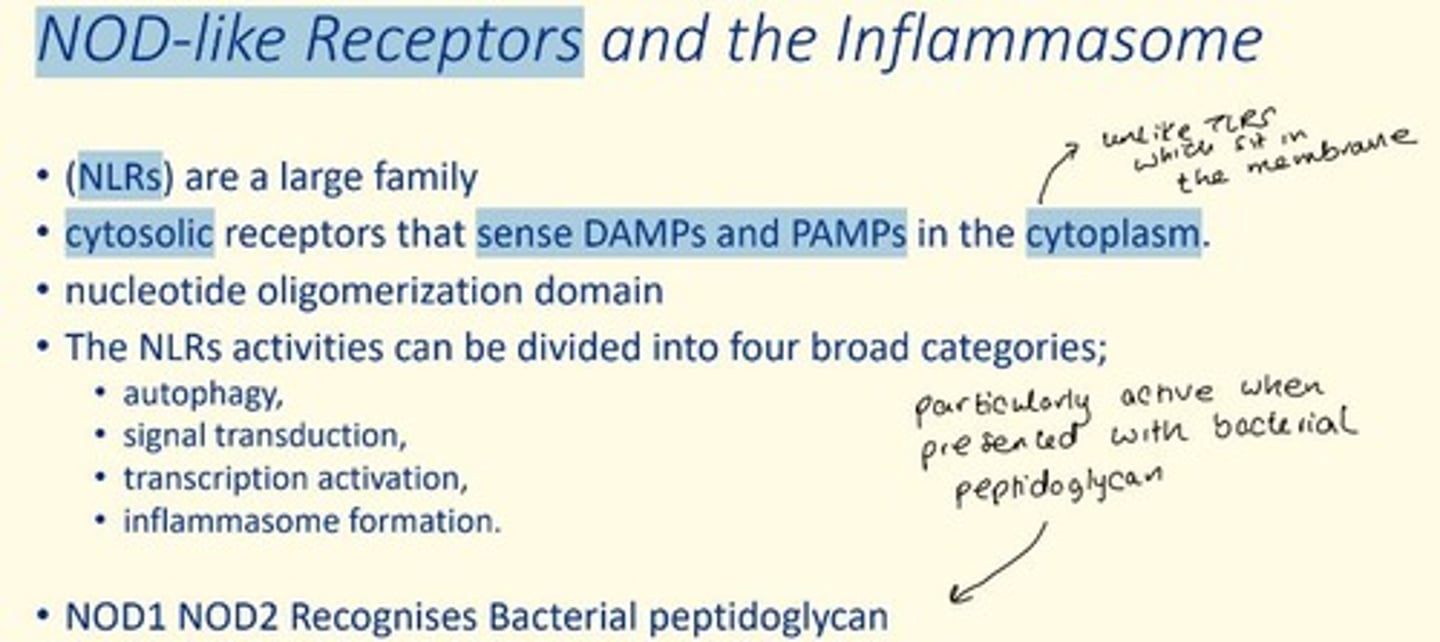
NOD1 and NOD2 have caspase-related domains in their N-terminal and bind to peptidoglycans which activate NF-KB.
NLR-P3 contains ___ N-terminal domain that recognises microbial proteins and substances that signal cell damage or death.
NOD1 and NOD2 have caspase-related domains in their N-terminal and bind to peptidoglycans which activate NF-KB.
NLR-P3 contains pyrin N-terminal domain that recognises microbial proteins and substances that signal cell damage or death.
NOD1 and NOD2 (NLRs) recognize...
Bacterial peptidoglycan
NLRs activities can be divided into four broad categories
What are they?
- Autophagy
- Signal transduction
- Transcription activation
- Inflammasome formation
What metabolic disease involves the formation of a product which activates the NLR-P3 inflammasome and induces formation of IL-1
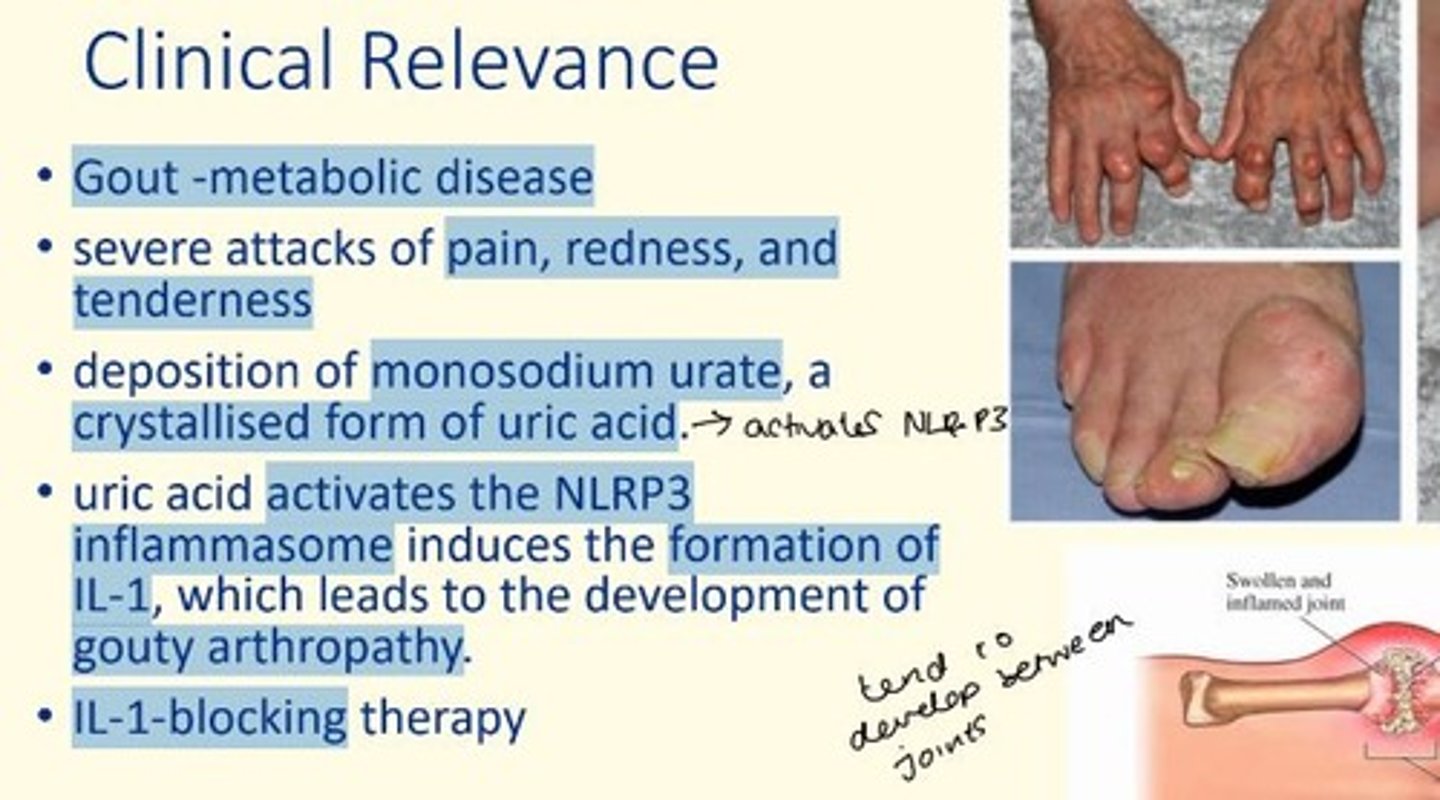
Gout metabolic disease
Deposition of monosodium urate (crystallized form of uric acid) which activates the NLR-P3 inflammasome. This induces formation of IL-1.
The IL-1 secretion leads to formation of gouty arthropathy.
IL-1 blocking therapy can therefore be given as a treatment for Gout.
Upon activation, NLR-P3 oligomerises with an adaptor protein and an inactive form of caspase-1 to form an ___.
Once formed, the caspase-1 inside the ___ becomes active and cleaves IL-1B into an active form of IL-1B (mediates inflammation by recruiting leukocytes and induces fever).
Upon activation, NLR-P3 oligomerises with an adaptor protein and an inactive form of caspase-1 to form an inflammasome.
Once formed, the caspase-1 inside the inflammasome becomes active and cleaves IL-1B into an active form of IL-1B (mediates inflammation by recruiting leukocytes and induces fever).
Inflammation clinical signs
Calor (heat)
Dolor (pain)
Rubor (redness)
Tumor (swelling)
Functio laesa (loss of function)
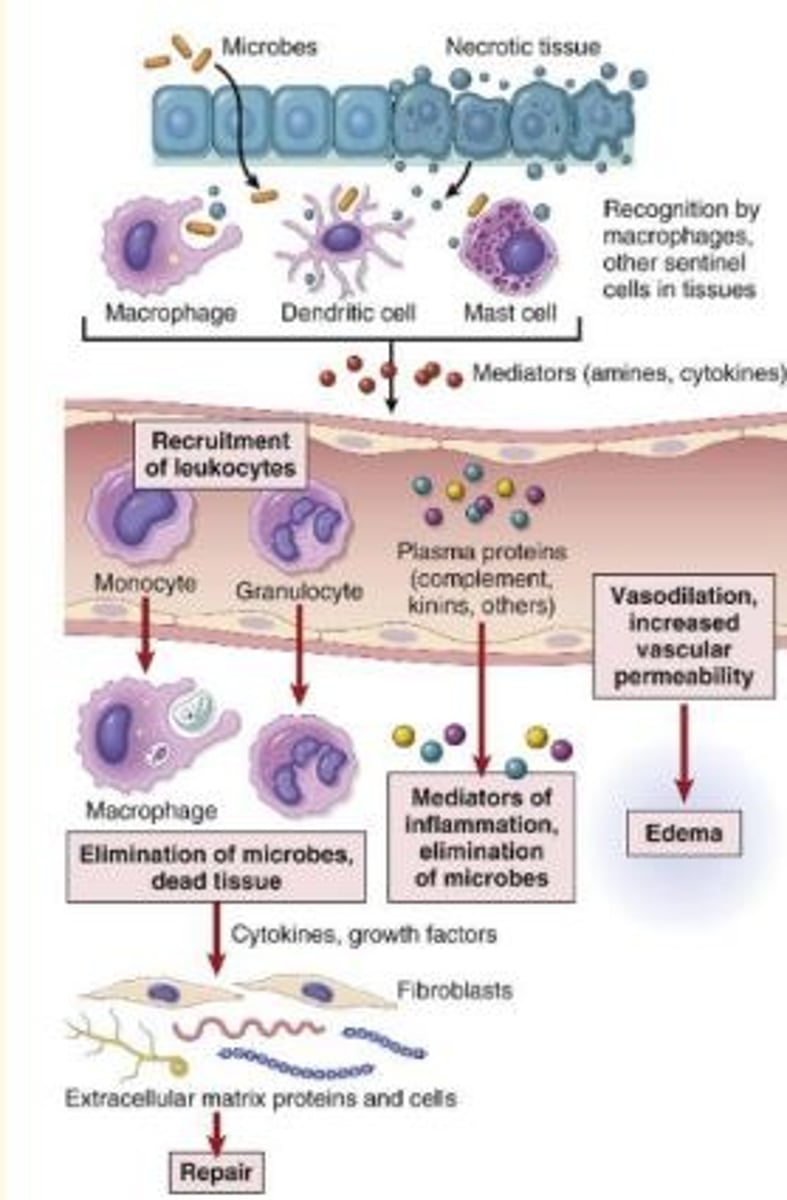
The three major stages of acute inflammation
1) Dilation of small vessels leading to increased blood flow
2) Increased vascular permeability of microvasculature, enabling plasma proteins and leukocytes to leave circulation = edema
3) Emigration of leukocytes from microcirculation, their accumulation in the focus of injury and their activation to eliminate the offending agent = repair
How is the anti-viral state achieved following viral infection?
Following viral infection, IFN-alpha or IFN-beta signalling leads to increased transcription of various genes coding for host defense proteins...
The downstream effect of this is the anti-viral state which is elicited via...
1) RNAase which degrades viral RNA
2) Inhibition of viral gene expression and virion assembly
3) Inhibition of protein synthesis
Following viral infection, IFN-α or IFN-β signalling leads to increased transcription of various genes coding for host defense proteins
IFNs induce three processes which induce the antiviral state. What are these three processes?
1) RNAase enzyme stimulation = degrades viral RNA
2) Inhibition of viral gene expression & virion assembly
3) Inhibition of protein synthesis (viruses hijack host cell protein synthesis mechanisms)
Anti-viral defences
When viral nucleic acids have been recognised by TLRs, the infected cells or particular type of dendritic cell (plasmacytoid dendritic cell) secretes cytokines that are a part of the Type 1 interferon family, including ___ and ___.
When viral nucleic acids have been recognised by TLRs, the infected cells or particular type of dendritic cell (plasmacytoid dendritic cell) secretes cytokines that are a part of the Type 1 interferon family, including IFNα and IFN-β.
Anti-viral defences
The production of Type 1 interferons has two effects, what are they?
1) Activates enzymes that degrade viral nucleic acids and inhibit viral replication
2) Enhances the ability of NK cells to kill the infected cell
The complement system is the part of the immune system that enhances the ability of antibodies and phagocytic cells to...
1) Clear microbes and damaged cells from organism
2) Promote inflammation
3) Attack pathogen's cell membrane
Once activated, complement proteins function as a ___ enzyme to cleave other complement proteins.
While the initiation of the pathways may differ, the late stages of the pathways are the same.
The major ___ fragment C3b binds covalently to microbes and then recruits and activates downstream complement proteins.
Once activated, complement proteins function as a proteolytic enzyme to cleave other complement proteins.
While the initiation of the pathways may differ, the late stages of the pathways are the same.
The major proteolytic fragment C3b binds covalently to microbes and then recruits and activates downstream complement proteins.
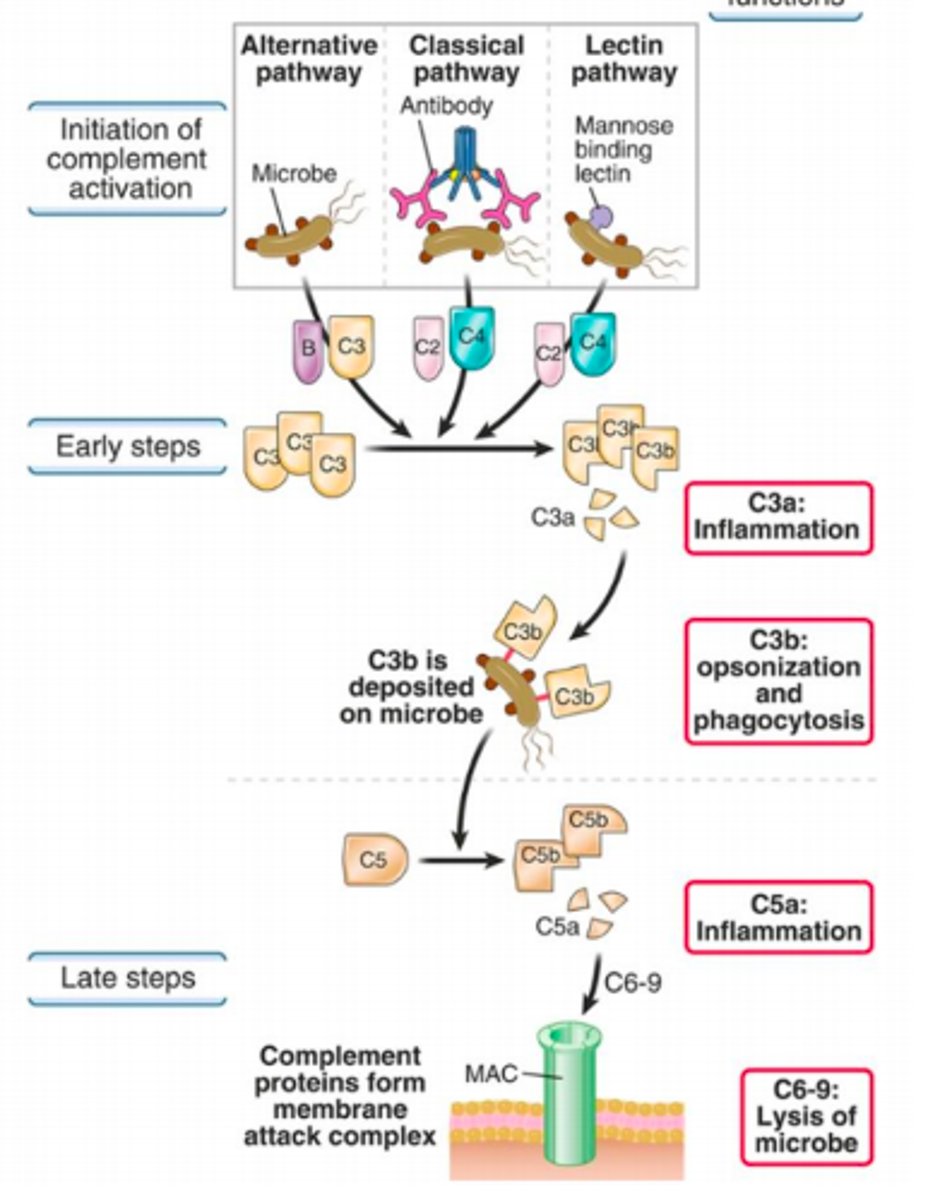
The complement system consists of over ___ proteins present in plasma and on cell surfaces that interact with each other to produce biologically active inflammatory mediators that promote cell and tissue injury
The complement system consists of over >20 proteins present in plasma and on cell surfaces that interact with each other to produce biologically active inflammatory mediators that promote cell and tissue injury
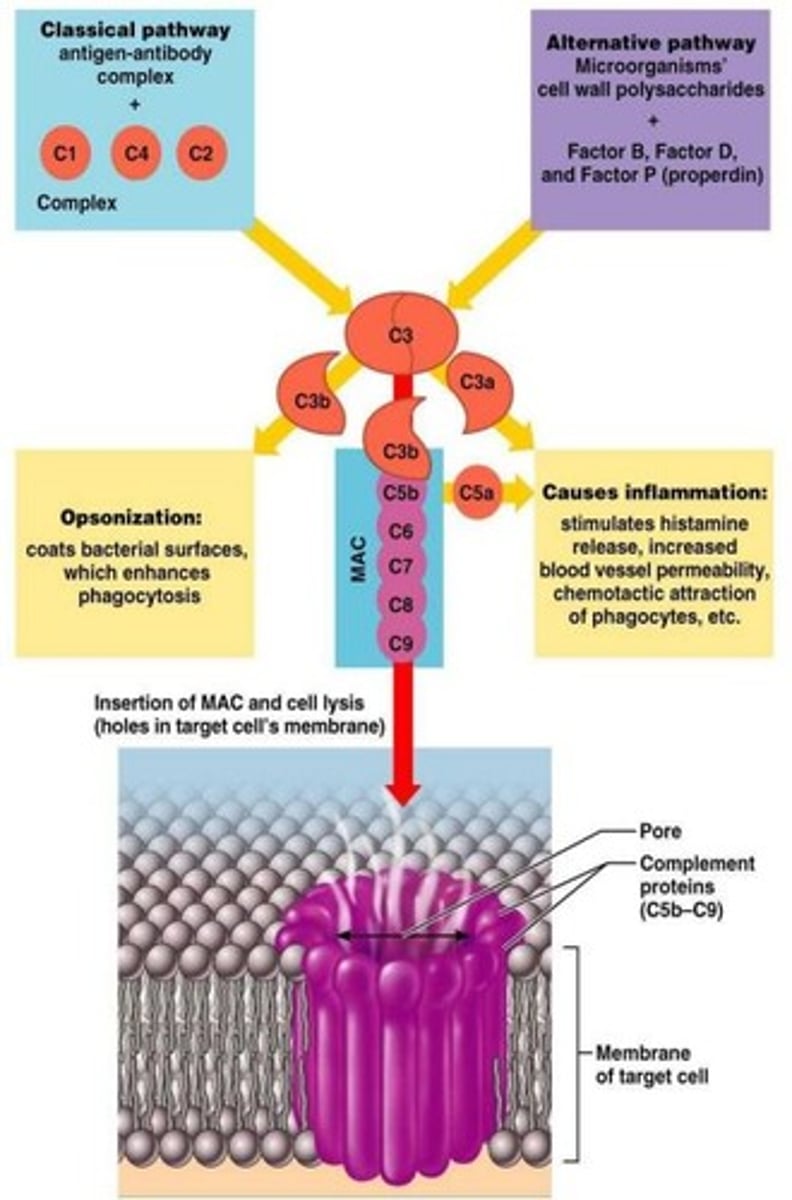
What are the three main functions of the complement system?
1) Opsonisation and phagocytosis = C3b coats microbes and promotes phagocytosis of these microbes by phagocytes.
2) Inflammation = C5a and C3a are chemoattractants for leukocytes (neutrophils and monocytes). They promote leukocyte recruitment (inflammation).
3) Cell lysis = complement activation leads to formation of polymeric protein complex that inserts into microbial cell membrane, disturbing permeability barrier and causing osmotic lysis or apoptosis of microbe.
All three complement pathways converge into the formation of C5b which leads to production of MAC.
What is the function of the MAC protein?
MAC is the Membrane Attack Complex
It punches holes in the target cell's membrane, causing cell injury
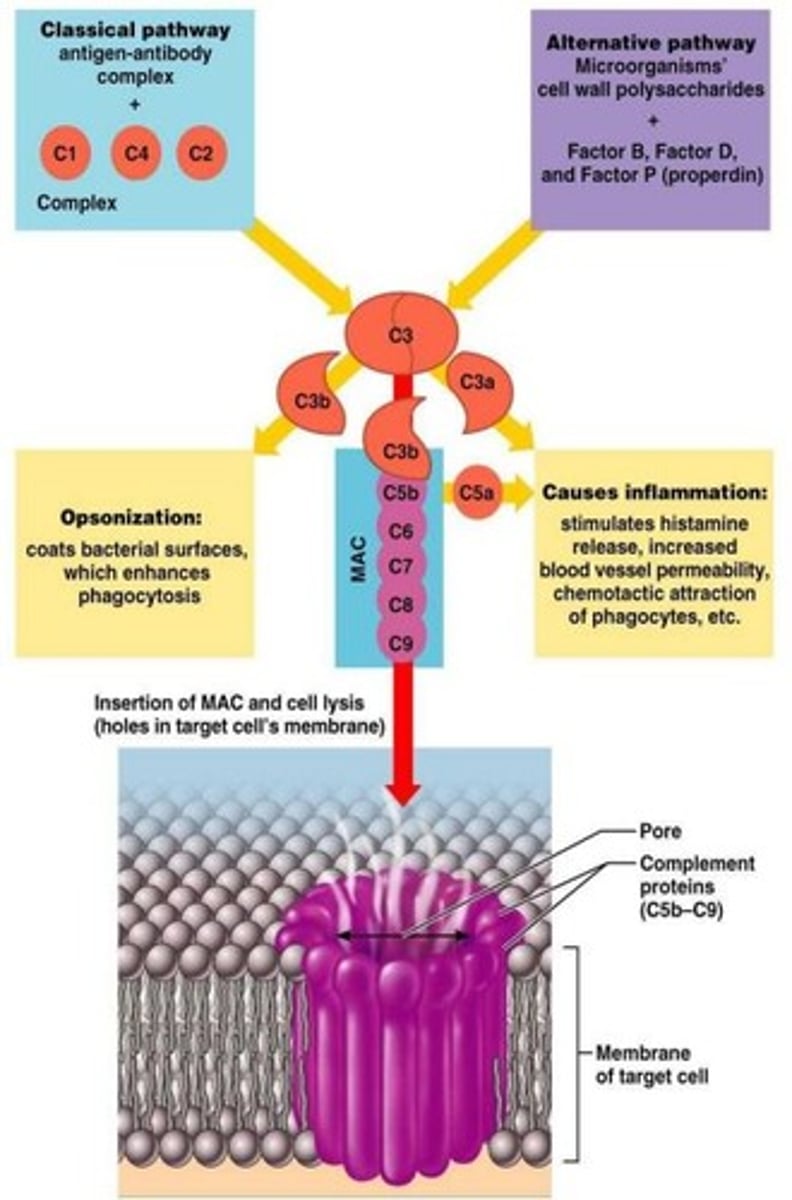
C3a
Anaphylaxis
C5a and C3a
Chemoattractants for leukocytes (neutrophils and monocytes). Promote leukocyte recruitment, causing inflammation.
C5b
Initiates assembly of MAC
C3 convertase
The enzyme complex that catalyzes a crucial step in complement activation — the deposition of large numbers of C3 molecules on a cell's surface, which tags the cell for removal by phagocytes or starts the assembly of the membrane attach complex.
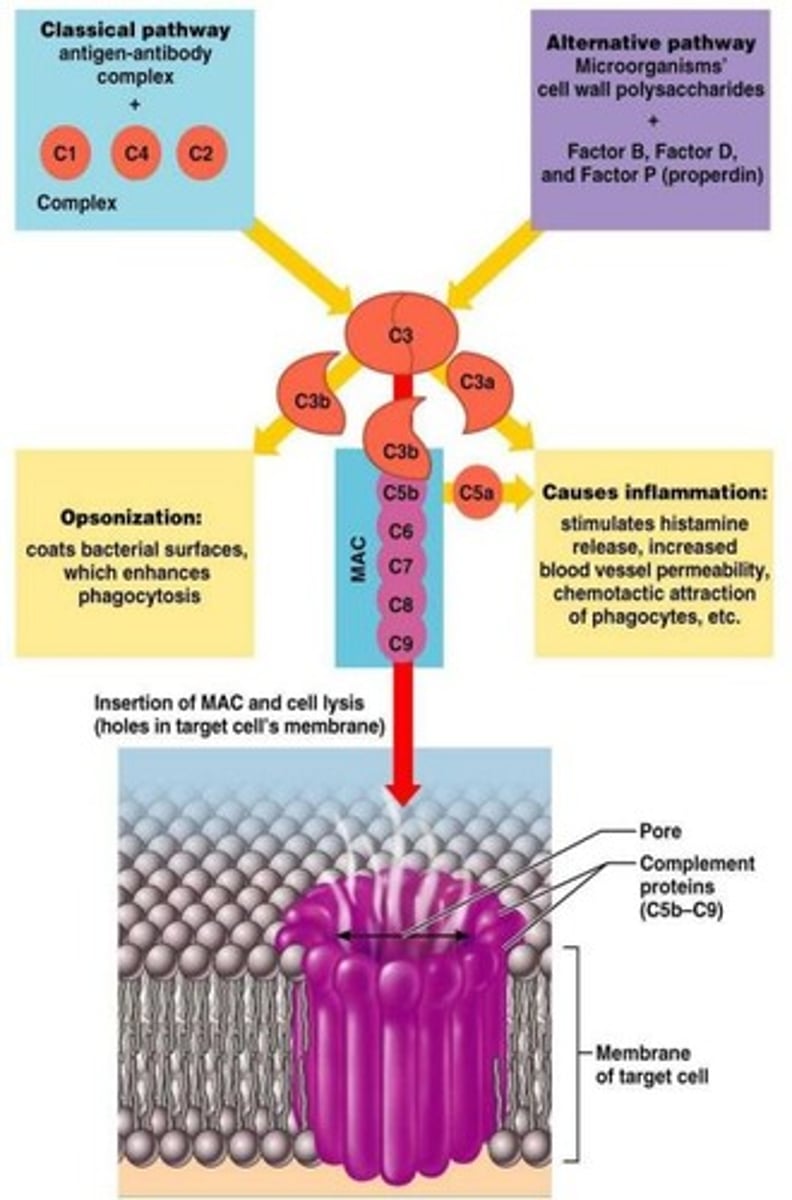
Which protein is part of the complement system and is involved in the destruction of bacterial cell membranes?
a) C1 inhibitor
b) C3b
c) C4b
d) C5a
e) C5b
b) C3b
Which of the following TLRs is primarily responsible for the detection of bacterial lipopolysaccharide (LPS)?
a) TLR1
b) TLR2
c) TLR4
d) TLR5
e) TLR6
c) TLR4
Nod-like receptors (NLRs 1 and 2) are a type of pattern recognition receptor that detect which of the following in bacterial elements?
a) LPS
b) Peptidoglycan
c) Flagellin
d) DNA
e) Endosomes
b) Peptidoglycan
What process can bacterial pathogens use to evade detection by the immune system?
a) Antigen presentation
b) Complement activation
c) Inhibition of TLR signalling
d) Inhibition of Rig-like receptors
e) Inhibition of C-type lectin receptors
c) Inhibition of TLR signalling
What is the primary mechanism by which neutrophils induce the release of TNF-α?
a) By phagocytosing bacterial pathogens
b) By producing ROS
c) By activating TLRs
d) By activating the complement system
e) By activating IFN-y
c) By activating TLRs
All PRRs trigger the innate immune response to do... what?
1) Initiate opsonisation
2) Activate complement proteins
3) Induce phagocytosis
4) Activate inflammatory mediators (e.g., cytokines)
5) Induce apoptosis
Other cellular receptors of the innate immune system...
C-type lectin receptors (CLRs) - where can they be found and what do they detect?
C-type lectin receptors (CLRs) are expressed on plasma membrane of macrophages and dendritic cells.
CLRs detect fungal glycans and elicit an inflammatory response to fungi.
Other cellular receptors of the innate immune system...
RIG-like receptors (RLRs) - where can they be found and what do they detect?
RIG-like receptors (RLRs) are located in the cytosol.
RLRs detect nucleic acids of viruses that replicate in cytoplasm of infected cells.
Once activated, signal pathways lead to production of type 1 interferons.
Other cellular receptors of the innate immune system...
Cytosolic DNA sensors (CDSs) - where can they be found and what do they do?
CDSs are found in the cytosol.
CDSs recognise viral DNA and induce type-1 interferon production.
Other cellular receptors of the innate immune system...
GPCRs - where can they be found, what do they detect and what do they do?
GPCRs are found on macrophages, neutrophils and most other leukocytes.
GPCRs detect short bacterial specific peptides beginning with N-formylmethionine.
GPCRs stimulate the chemotactic responses of the cells.
The innate immune system can stimulate the adaptive immune system using second signals.
These second signals also help produce the correct type of adaptive immune response (cellular or humoral).
The requirement for a second signal is important, why?
The requirement for a second signal ensures that lymphocytes do not respond to harmless non-infectious substances.
Compare and contrast PRRs of innate immune receptors