EES UNIT 3
 Call Kai
 Learn
Learn Practice Test
 Spaced Repetition
 Match
Match Flashcards
 Knowt Play
1/113

There's no tags or description
Looks like no tags are added yet.
Name | Mastery | Learn | Test | Matching | Spaced | Call with Kai | Chat |
|---|
No analytics yet
Send a link to your students to track their progress
114 Terms
metamorphism
when a rock’s minerals and textures change
due to prolonged temperatures and pressure
load pressure
uniform pressure which acts equally in all directions
directed pressure
when pressure is applied in a particular direction
contact metamorphism
when a rock is subjected to high temperature
occurs in upper levels of the earth’s crust
aureole
a zone of metamorphism surrounding an igneous intrusion
typically characterized by changes in mineralogy and texture
regional metamorphism
metamorphism that occurs over large distances
typically associated with tectonic forces
dynamic metamorphism
metamorphism that occurs due to intense pressure and deformation
caused by tectonic activity, usually in fault zones
metamorphic grade
the intensity of metamorphic conditions affecting a rock
protolith
the parent rock from which a metamorphic rock forms
prograde
the process of increasing metamorphic grade due to rising temperature and pressure
retrograde
the process of decreasing metamorphic grade due to lowering temperature and pressure
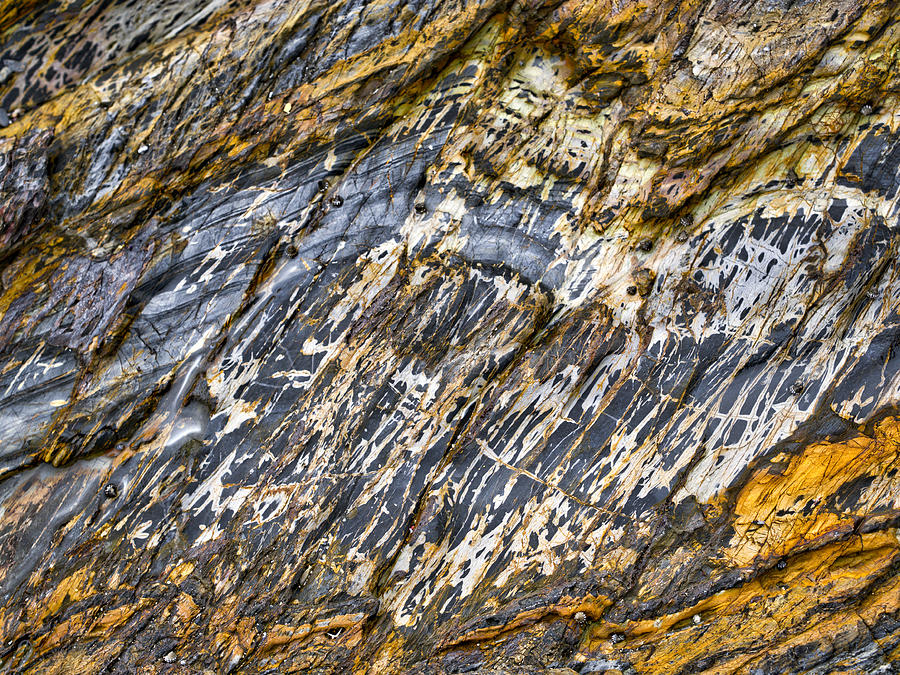
foliation
alignment of mineral grains along parallel planes
due to directional pressure
slaty cleavage
in low grade
sheet silicate minerals (mica and chlorite) recrystallise in a preferred orientation
found in fine-grained rocks
schistosity
in intermediate grade
found in medium to coarse grained
visible layering, often including biotite and mica
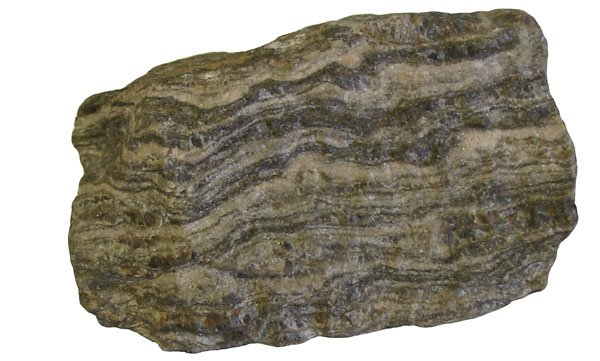
gnessic texture
high grade
coarse grained
distinct banding of light and dark minerals
dehydration
when a rock is heated, water is expelled to recrystallise
occurs in minerals formed at low temps (which contain more water)
decarbonation
when carbon dioxide is expelled
occurs in minerals formed at high temps
metasomatism
process of chemical alteration of a rock by hot fluids
results in changes to its mineral composition and often involving the addition or removal of elements
recrystallisation
where minerals in a rock change in size and shape
without changing their chemical composition
often due to heat and pressure
realignment
process where mineral grains in a rock are reoriented due to stress and pressure
often results in foliation or banding of the rock
acronym for index minerals
Silly Kangaroos Stalk Grass Before Christmas
this is high to low grade
index minerals (from high to low grade)
sillimanite
kyanite
staurolite
garnet
biotite
chlorite
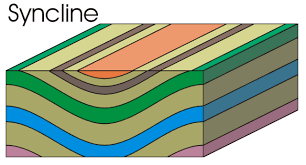
syncline
where sediments dip towards each other
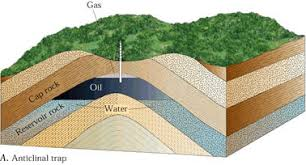
anticline
when sediments dip away from each other
dykes
vertical intrusions of magma which has been cooled down
extrusive igneous rocks on a cross section
sit on top of the other rocks
but do not extend below the surface significantly
intrusive igneous rocks
extend to a significant depth below the surface
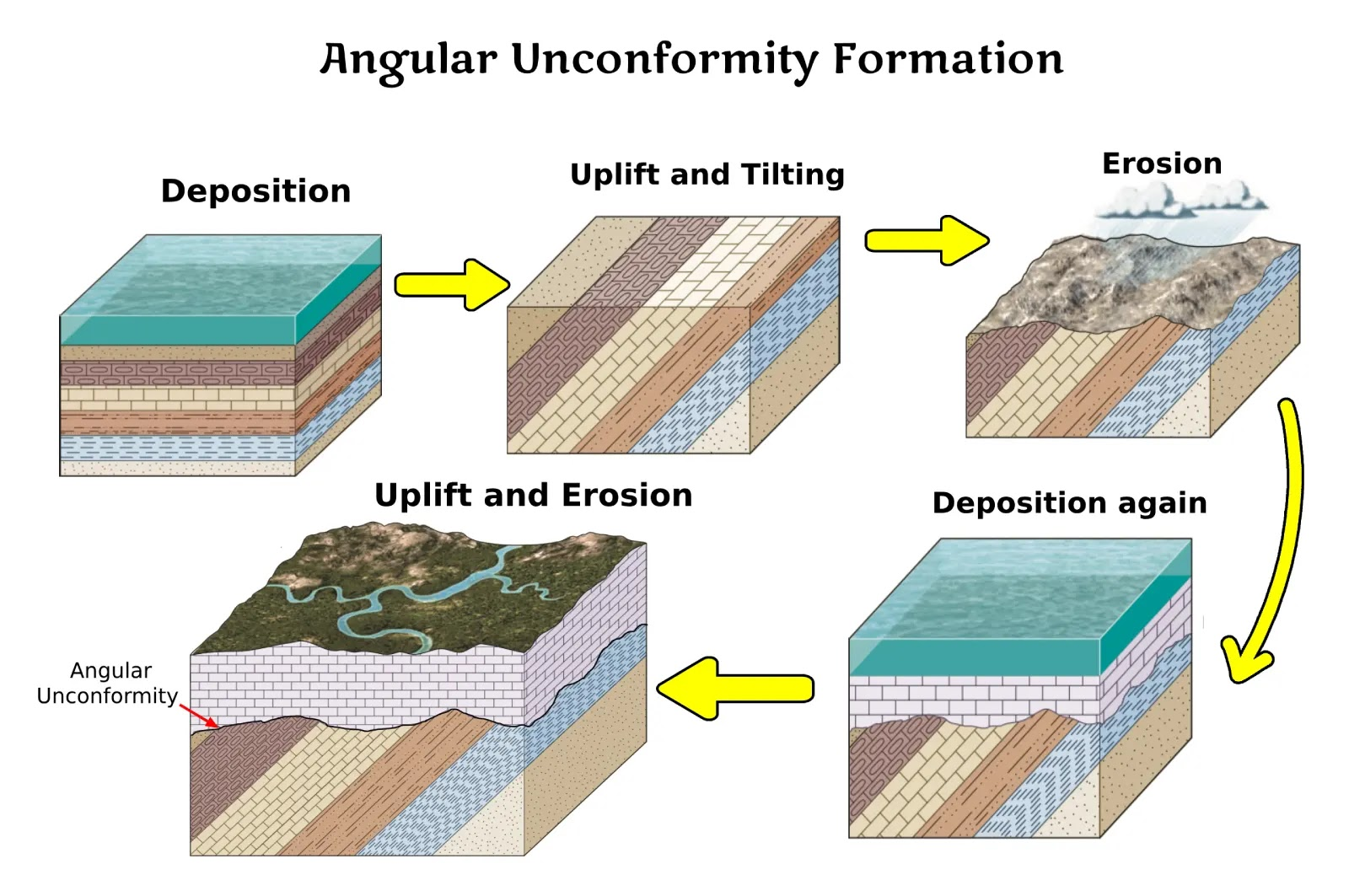
unconformity
represent a break in deposition of sediments over time
angular unconformity
when an unconformity has early beds folded
over time, the tilted beds are covered up by horizontal layers
nonconformity
where sedimentary layers overlie older igneous rocks
slate
low grade
very fine grained
slaty cleavage
dark grey rock
dull lustre
protolith: shale
associated minerals: chlorite, muscovite
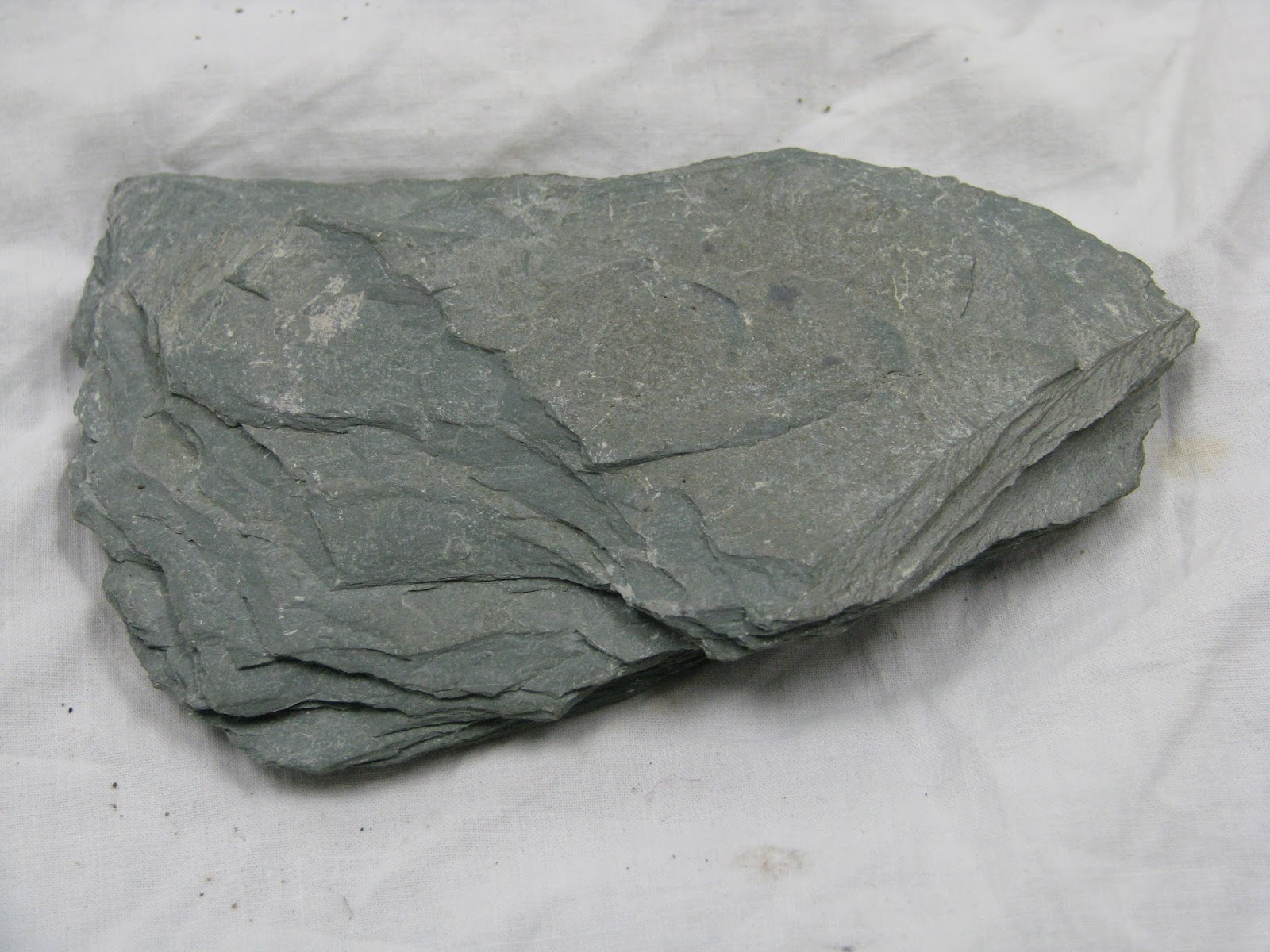
phyllite
low-medium grade (between slate and schist)
fine grained (larger than slate)
parallel platy texture
protolith: shale/mudstone
associated minerals: chlorite, muscovite
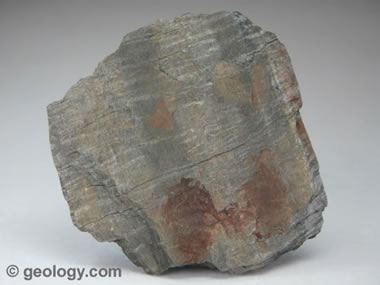
schist
intermediate grade
medium-coarse grained
schistosity
visible grains of mica
shiny lustre
protolith: shale
associated minerals: biotite, feldspar, silimanite
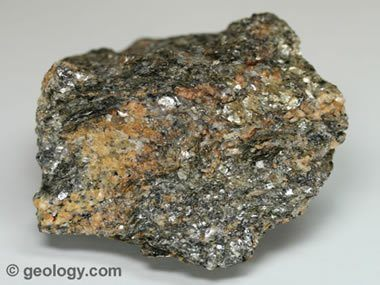
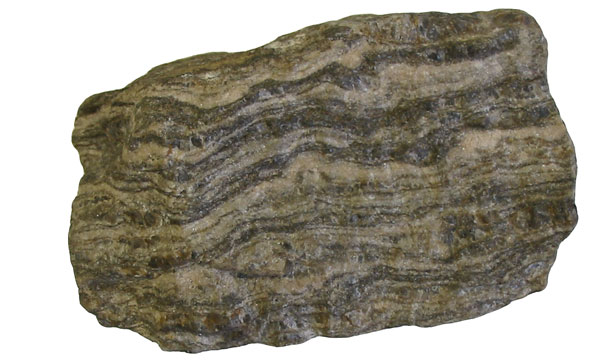
gneiss
high grade
coarse grained
mineral banding of alternating layers of light and dark minerals
associated minerals: garnet, staurolite, kyanite, silimanite
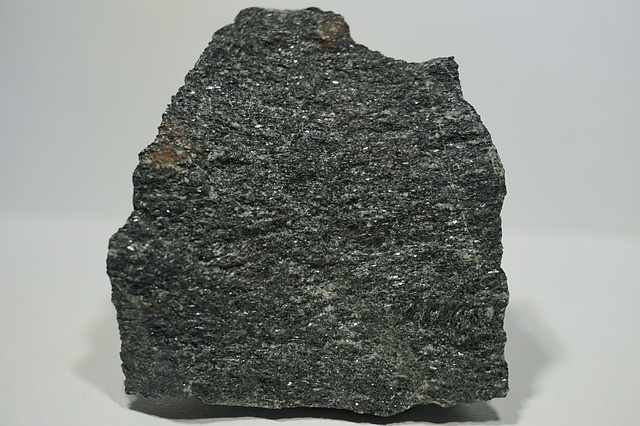
amphibolite
intermediate grade
medium-coarse grained
protolith: basalt/gabbro
composed of dark rock (hornblende)
not foliated
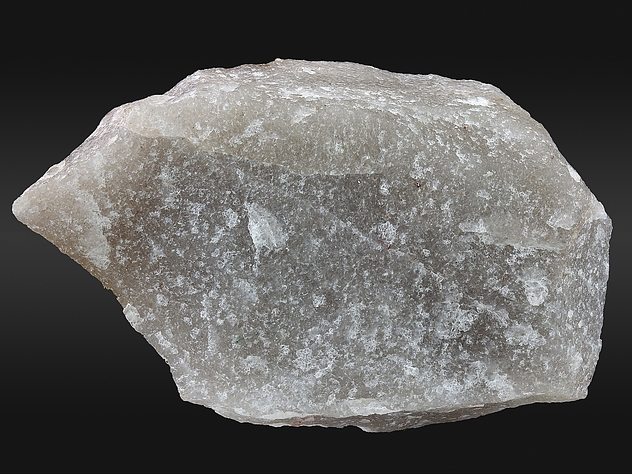
quartzite
intermediate-high grade
protolith: sandstone
sugary granular texture
not foliated
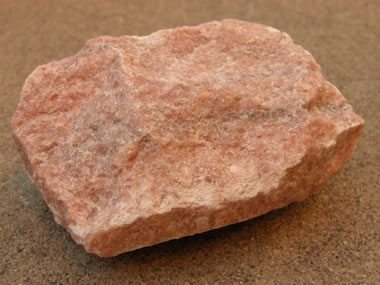
marble
low-intermediate grade
associated mineral: calcite
calcite crystals recrystallise
protolith: limestone
ecosystem
a community of living organisms interacting with their environment, providing essential services
renewable resource
a natural resource that replenishes at a rate faster or equal to the rate of its consumption
is considered sustainable
main categories of renewable resources
managed resources
ecosystem services
renewable energy resources
managed resource
a resource which is actively overseen and protected to ensure sustainable use
it is harvested at a rate which enables them to renew

ecosystem service
renewable processes that play a vital role in human survival and quality of life
consist of supporting, provisioning, and regulating
geothermal energy
thermal energy generated and stored within the earth
partly derived from the ongoing decay of radioactive isotopes
how is GE harnessed from direct use systems?
utilise heat from sources, like geothermal reservoirs or hot springs
which provides heating directly
how is GE harnessed from EGS’s?
cold water is pumped down into an injection of hot dry rock
water travels through fractures in the rock, captures heat along the way
this is then converted to electricity via a steam turbine or power plant
factors when evaluating a location for GE
proximity to cities
availability of land
legal permissions
permeability of high heat source rock
availability of water
supporting service
the foundational natural processes and structures that allow all other ecosystem benefits to exist
examples of supporting services
nutrient cycling
soil formation
cycling of gases
provisioning services
the tangible, material goods that are obtained from nature
examples of provisioning services
timber
water
food
fuel
regulating service
is the benefits provided through the moderation and stability of the environment
acts as the earth’s life-support system by managing nature
operates on a local and global scale
examples of regulating services
carbon storage
flood regulation
water purification
climate regulation
disease regulation
non renewable resource
a natural resource which cannot be replenished at a pace to keep up its consumption
exists in finite amounts
ore mineral
a mineral from which metals/compounds can be extracted
gangue mineral
a mineral of little to no worth
is removed when extracting a desired mineral
why might a mineral be considered gangue initially?
it may become useful later on in time due finding new applications for the mineral's properties
it may not appear to have a valuable mineral
ore body
sum of ore minerals
gangue minerals
surrounding material which requires extraction of desired metal
ore grade
measurement of concentration of metal in an ore
deposit
a known quantity of ore minerals
resource
a deposit that can be economically mined
magmatic ore
ore deposits formed from the crystallization of magma
vms deposits
formed from hot, saline, metal rich fluids exhaled from sea-floor vents
major sources of zinc, copper, lead
intrusive ore deposits
formed from the cooling and solidification of magma within the earth
magmatic differentiation
The process by which different minerals crystallize from cooling magma at different temperatures
results in various rock types and compositions
magmatic segregation during differentiation
The process in which minerals separate from magma due to differences in density, size, or solubility during cooling.
leads to the formation of concentrated ore deposits
gravitational settling (chromite)
where denser, early formed minerals settle out of molten rock as it cools and solidifies under the influence of gravity
these sink to the base and form a cumulate layer
volatile transport (pegmatite)
as magma crystallises, lower solubility minerals crystallise
magma becomes felsic and is water rich
water is highly mobile and has dissolved ions
thus can enter fractures to form pegmatite dykes
immiscible separation
when magma can physically separate into silicate and sulfur rich
sulfur rich is heavier and sinks to base
hydrothermal alteration
when hydrothermal fluids circulate through rocks and react
this changes mineralogy of the rock
forms an alteration halo

placer deposits
concentrations of valuable minerals formed by the gravitational settling of materials in water
how is a mineral in a placer deposit concentrated?
resistant to weathering/erosion
relatively high specific gravity
regional metamorphism and metamorphic ores
metamorphism can form economic concentrations
this enlarges the grain size of the ore minerals
generates hydrothermal fluids which can collect and transport economic minerals
how are fossil fuels formed
plant/animal remains combined with a large supply of organic matter to accumulate
anaerobic environment (oxygen poor) so that decomposition occurs slowly
coalification
process by which plant material transforms into coal over millions of years
how is coal formed
forms from buried tissues of plants like trees
form largely in swampy environments
mud prevents air to interact → anaerobic environment
plant material accumulates and compressed → peat
peat is buried deeper due to mass
increased temperature and pressure reduce moisture
increases carbon content
list all coal types
peat (most impure)
lignite
sub-bituminous
bituminous
anthracite (very pure)
how is coal quality determined
moisture (lower the better)
ash content (lower the better)
volatiles (lower the better)
amount of carbon (higher the better)
how was oil and natural gas formed
oceans consisted of plankton
plankton and organic material accumulated on the ocean floor
these formed muds
progressive burial led to increased temp and pressure, converting matter into kerogen
further temp increase causes kerogen to release droplets of liquid hydrocarbon
outline the prior steps required when mining for a resource
decide what deposit is being explored
decide the location and research the area
assess environmental impacts
application for a license
remote sensing
the acquisition of information about an area from a distance
typically uses satellite or aerial imagery to gather data without physical contact
satellite imagery
used in remote sensing to capture detailed images
is used commonly due to its low cost
electromagnetic induction
measures the electroconductivity of a subsurface
highly conductive minerals will show a higher response to electromagnetic fields
used for nickel, copper, oil exploration
gravity surveys
used to measure variations in the Earth's gravitational field.
helpful in identifying subsurface structures and mineral deposits
used in geological mapping and iron/gold exploration
magnetic surveys
utilize magnetic field measurements to detect subsurface anomalies
contrast magnetic susceptibilities of the mineral against the earth’s magnetic field
used for geological mapping
radiometric surveys
detects natural gamma radiation from earths elements
used for geological mapping
stream sampling
involves collecting samples from natural water bodies to assess mineral content and contamination
samples are analysed for trace amounts of ore minerals
rock chip sampling
involves small rock fragments, across a grid like pattern of the area
used to map the subsurface zones of mineralisation
soil sampling
analyzing soil from specific depths to detect trace elements and ore-body mineralization beneath the surface
sample is sent to a lab for chemical analysis
reverse circulation
uses high-pressure air to bring rock cuttings to the surface
is faster than diamond drilling and is cheap
diamond drilling
uses a diamond-encrusted bit to extract cores from the ground
is the common method
is quite slow
why are both geophyiscal and geochemical techniques used?
geophysical provides a large scale information
geochemical provides finer information which is relevant to discovery
geochemical also assesses the grade and distribution of mineral
economic potential also cannot be established without grade
open cut mining
used when the deposit lies closely to the surface
dug downwards in successive intervals
minerals typically extracted are iron, coal, gold, copper
underground mining
used when the ore is situated deep
cost of removing overburden to expose ore > potential of ore
environmental impact assessment
an assessment of the possible impacts that a proposed project may have on the environment
why are cultural heritage assessments important?
they identify and evaluate the potential effects of a project on historically or culturally significant sites
ensuring its preservation while aligning with ethical and legal standards
environmental impacts of mining
acid mine drainage
tailings dam risks
pollution
how is acid mine drainage treated?
covered with clay
followed by neutralisation, through limestone
eutrophication
is the process of nutrient enrichment in water bodies
leading to excessive growth of algae
deterioration of water quality.
how does eutrophication work?
excess nutrients (nitrogen and phosphorus) are added
causes algae blooms
eventually algae dies and produces organic matter which sinks to bottom
decomposition happens and O2 levels are depleted
depletion of oxygen results in the death of species
impacts of eutrophication
loss of biodiversity
toxic algal blooms
disruption of aquatic ecosystems
poor water quality