Biochem midterm
 Call Kai
 Learn
Learn Practice Test
 Spaced Repetition
 Match
Match Flashcards
 Knowt Play
1/97

There's no tags or description
Looks like no tags are added yet.
Name | Mastery | Learn | Test | Matching | Spaced | Call with Kai | Chat |
|---|
No analytics yet
Send a link to your students to track their progress
98 Terms
conserved biochemical reactions or processes
regardless of their ranks in the food chain or their positions in the phylogenic trees, all living organisms maintain their lives through ____
1. energy metabolisms
2. synthetic metabolisms
3. control of reactions
4. self-control
life -> biochem
1. need energy ->
2. grow and develop ->
3. respond to surroundings ->
4. reproduce ->
1. catabolism for energy and small precursors (metabolisms)
2. anabolism for synthesis (metabolisms)
3. activation and restriction of enzymes (controls)
4. 1+2+3
biological reactions
catabolism
breaking down
catabolism
for energy and small precursors
anabolism
building up
anabolism
for synthesis
chemical reactions in series; >10,000
biological reactions
metabolisms and their controls involve a great number of ____(___)
specifically; catalyst proteins (enzymes)
biological reactions
these reactions are ____catalyzed by ___
proteins
decoding products of genes, DNA
differences in biological reaction -> different phenotypes
different DNA -> ___-> ____
>10,000
___different enzymes that catalyze different reactions
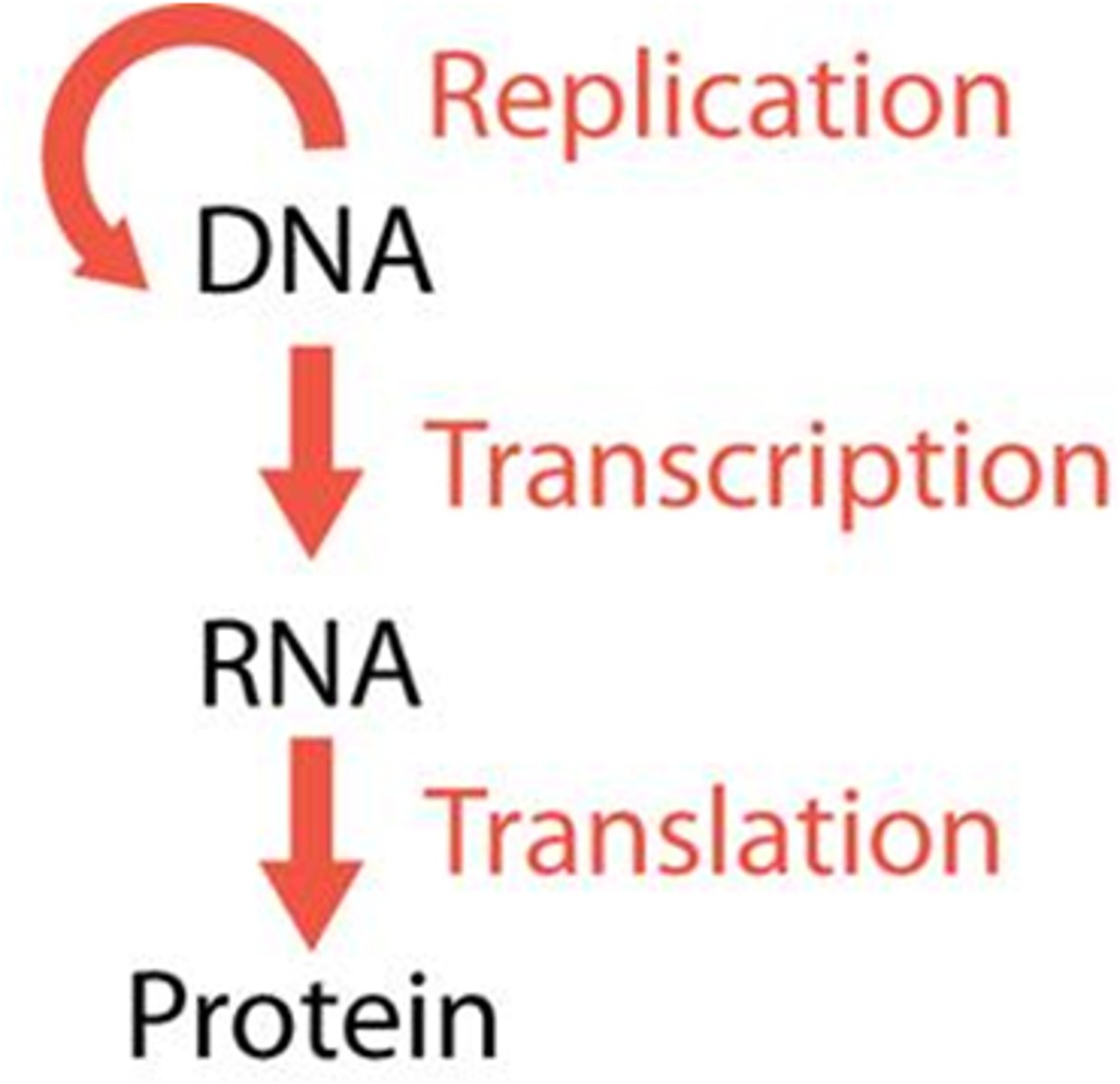
central dogma
protein, carb, fat, nucleic acids
majority of biomass:
carbohydrate
protein
nucleic acid
fat
90% of cell/body mass
H, C, N, O, P, S, Cl, Na, K, Mg, Ca, Fe, and Cu takes over ____
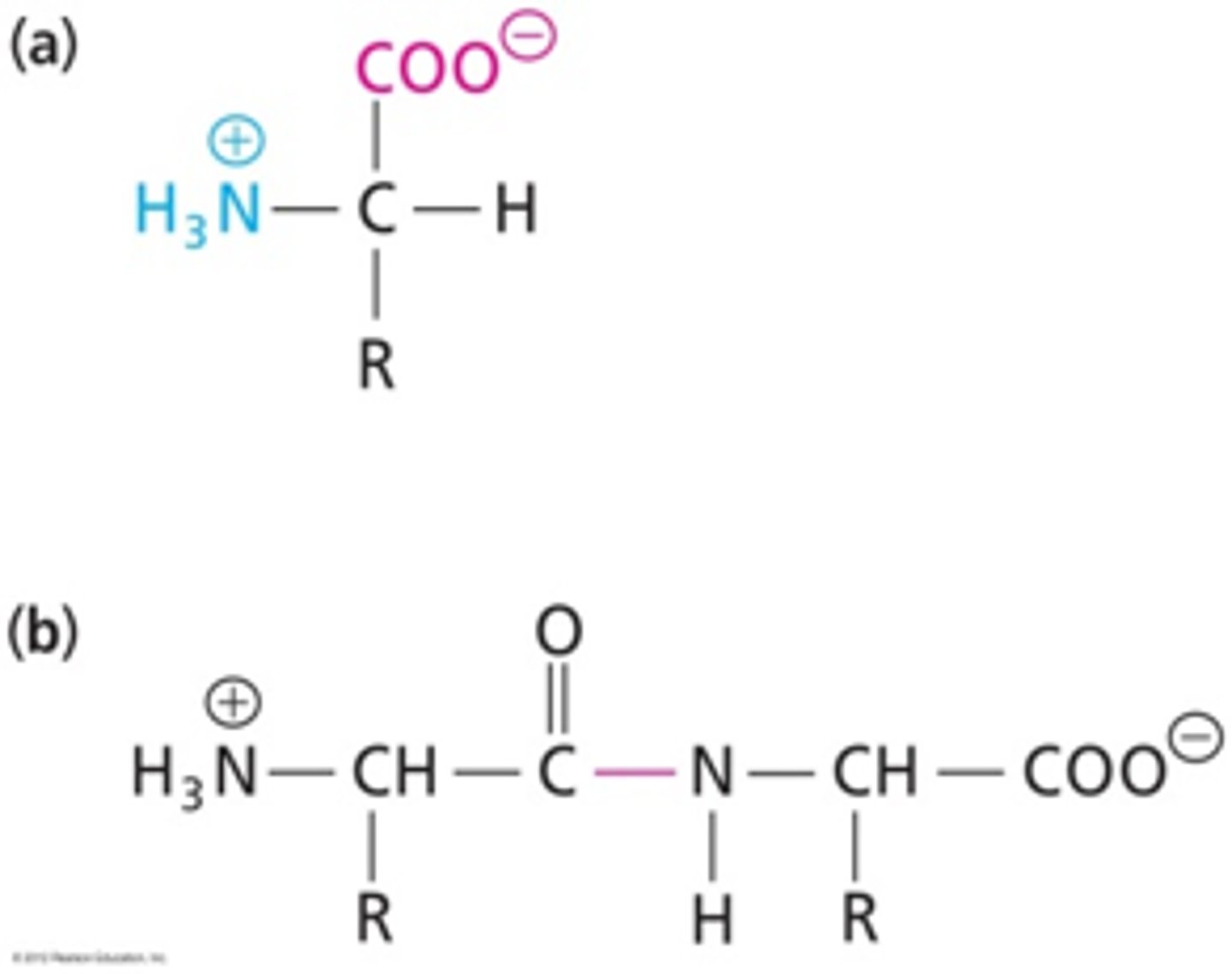
amino acids
building blocks of proteins
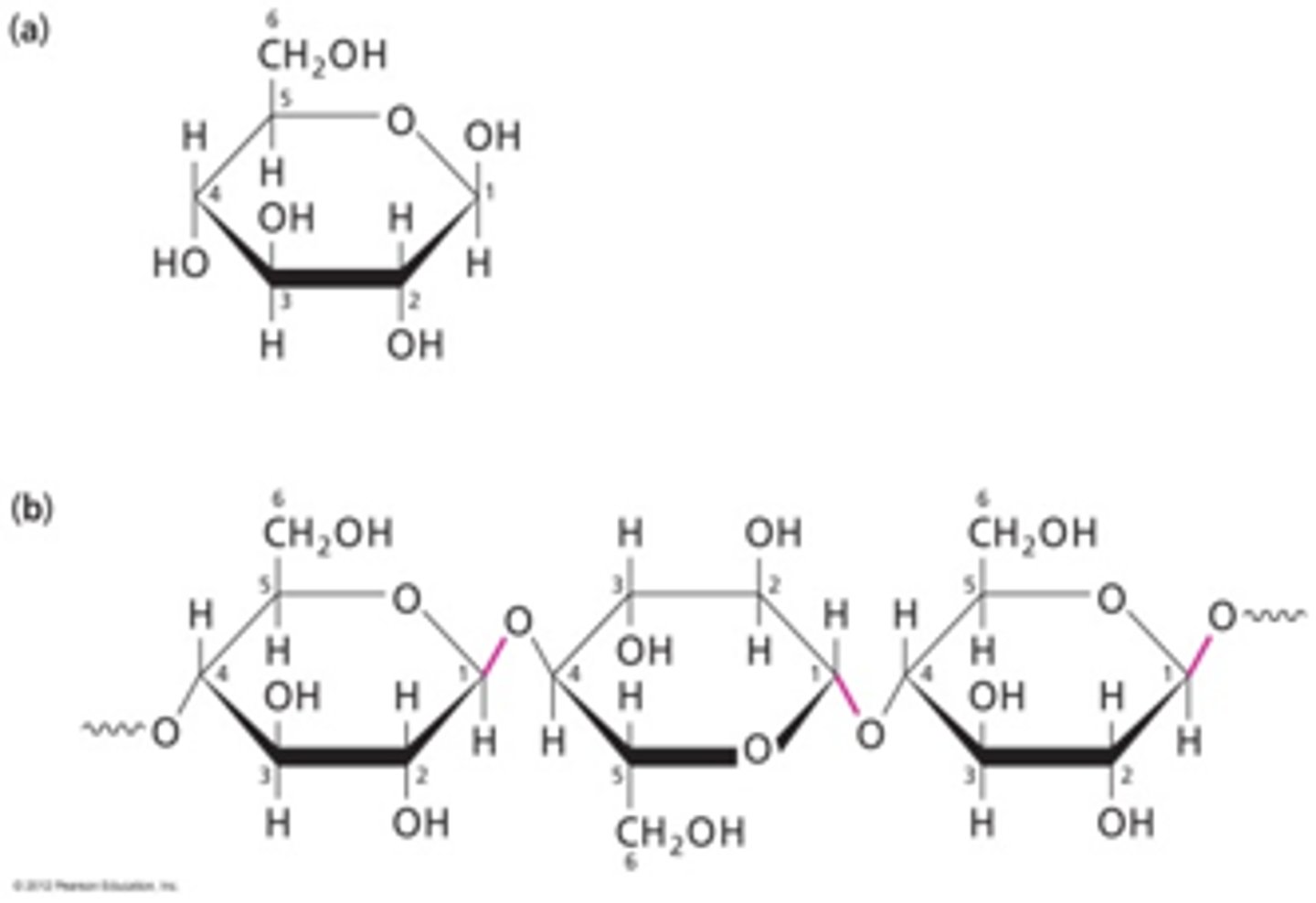
monosaccharides
building blocks of carbohydrates
nucleotides
building blocks of nucleic acids
fatty acids and glycerol
building blocks of lipids
-sugars
-ring-forming and condensation reactions
alcohols
-found on ___
-take part in: ___
-simple sugars
-ring-forming reactions
aldehydes
-found on ___
-participate in ___
-simple sugars
-ring-forming reactions
ketones
-found on ___
-participate in ____
-amino acid structure
-peptide bonds
carboxylic acids
-important in ___
-form ___
sugars; complex carbohydrates
ethers
-linkage in ___to form ___
-very reactive
-ATP and 1,3-bisphosphoglycerate
acid anhydrides
-____
-include ___
-alcohols
-aldehydes
-ketones
-carboxylic acids
-ethers
-acid anhydrides
carbon-oxygen functional groups
-amino groups (primary amines)
-quarternary amines
carbon-nitrogen functional groups
-amino acid structure
-peptide bonds
-neurotransmitters
amino groups (primary amines)
-important in ___
-form ____
-include many ___
antimicrobials
quaternary amines
-used as ____
-sulfhydryls (thiols)
-disulfides
carbon-sulfur functional groups
-sulfur analogs
-enzyme catalytic activity and substrate binding
-many cofactors; coenzyme A
sulfhydryls (thiols)
-___of alcohols
-contribute to ___
-part of ____including ___
-reaction of 2 sulfhydryls
-both tertiary and quarternary protein structure
disulfides
-formed by ___
-important in ___
-esters
-thioesters
-phosphoesters
-amides (peptide bonds)
ester and amide functional groups
-carboxylic acids and alcohols react
-glycerides and fats (part of scents and odors)
esters
-formed when ____
-include ___
-intermediates; biosynthetic reactions
-acetyl CoA
thioesters
-___in ___
-____is best known thioester
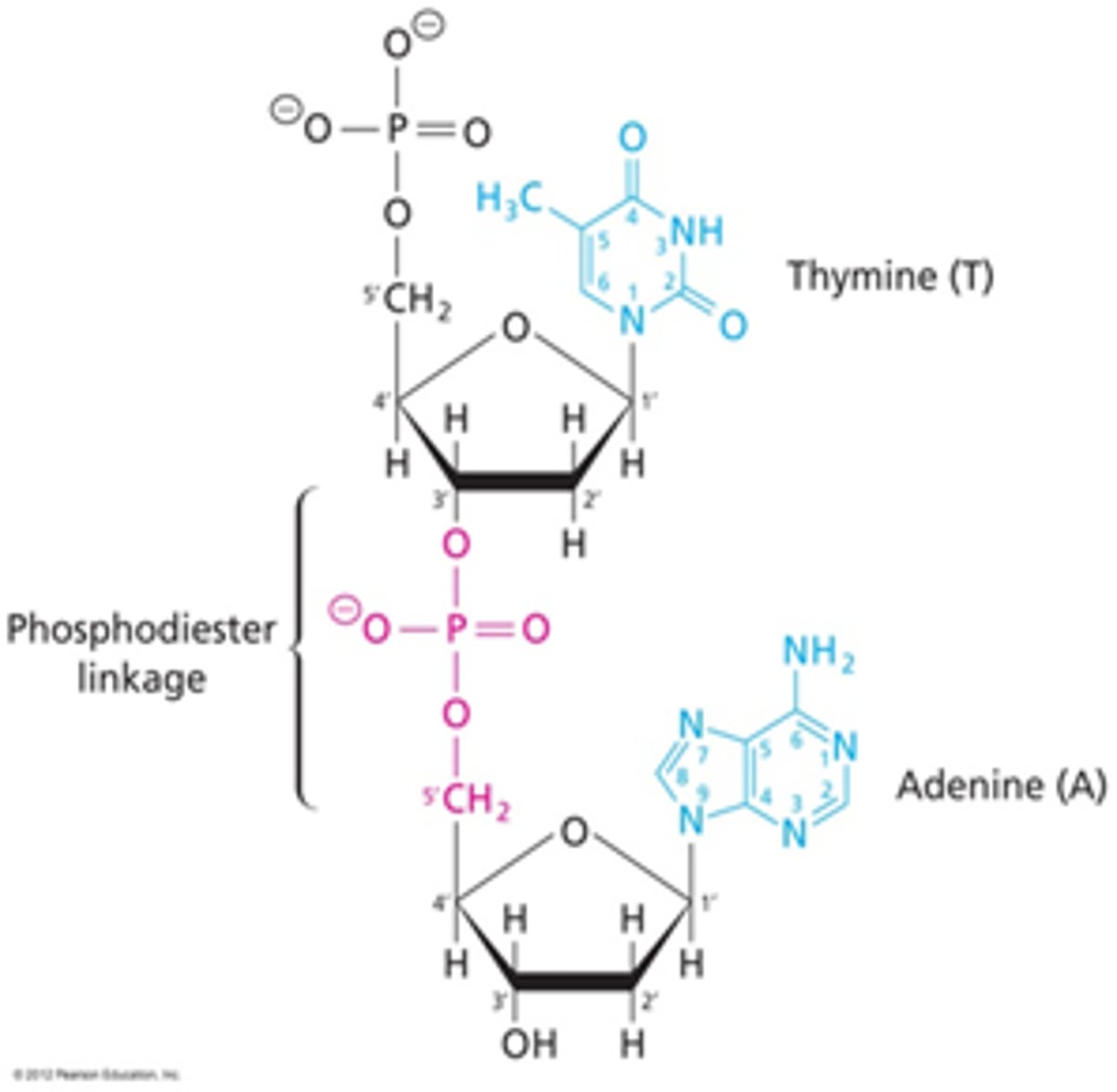
phosphodiester bonds linking bases together; DNA and RNA
phosphoesters
-found in ____to form ___
-amino acids in 1° protein structure
-reaction of carboxylic acids and amines
amides (peptide bonds)
-link ____
-formed by ___
1. oxidation/reduction reactions
2. condensation reactions/hydrolysis reactions
3. group transfer reactions
4. internal rearrangement of electrons
5. cleavage and formation of carbon-carbon covalent bonds
most common types of biochemical reactions
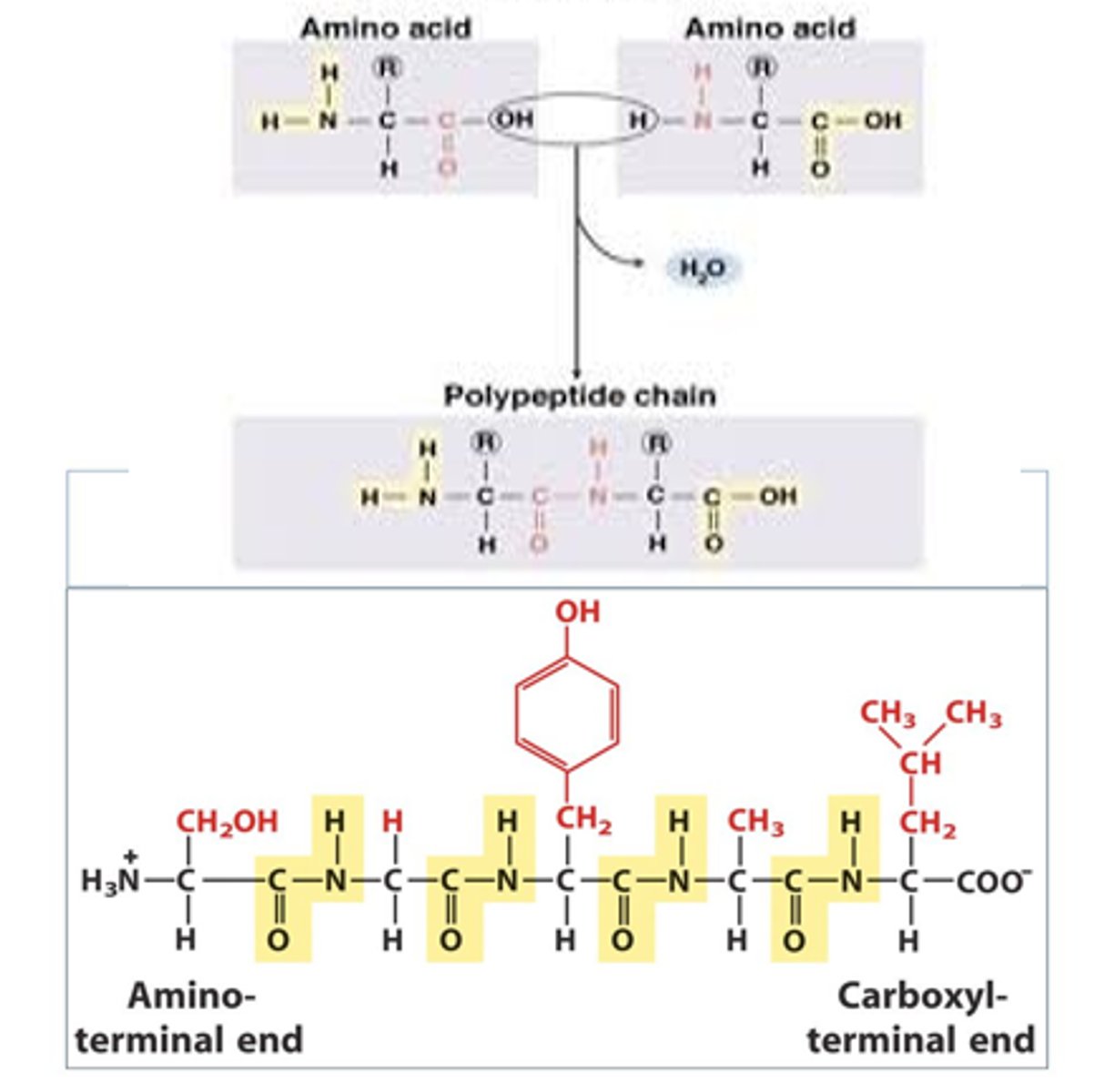
amino acids; peptide bonds (an amide bond)
proteins are ___linked with ____
glycosidic bond
bond formed by a dehydration reaction between two monosaccharides
peptide bond
the chemical bond that forms between the carboxyl group of one amino acid and the amino group of another amino acid
peptide bond
glycosidic bond
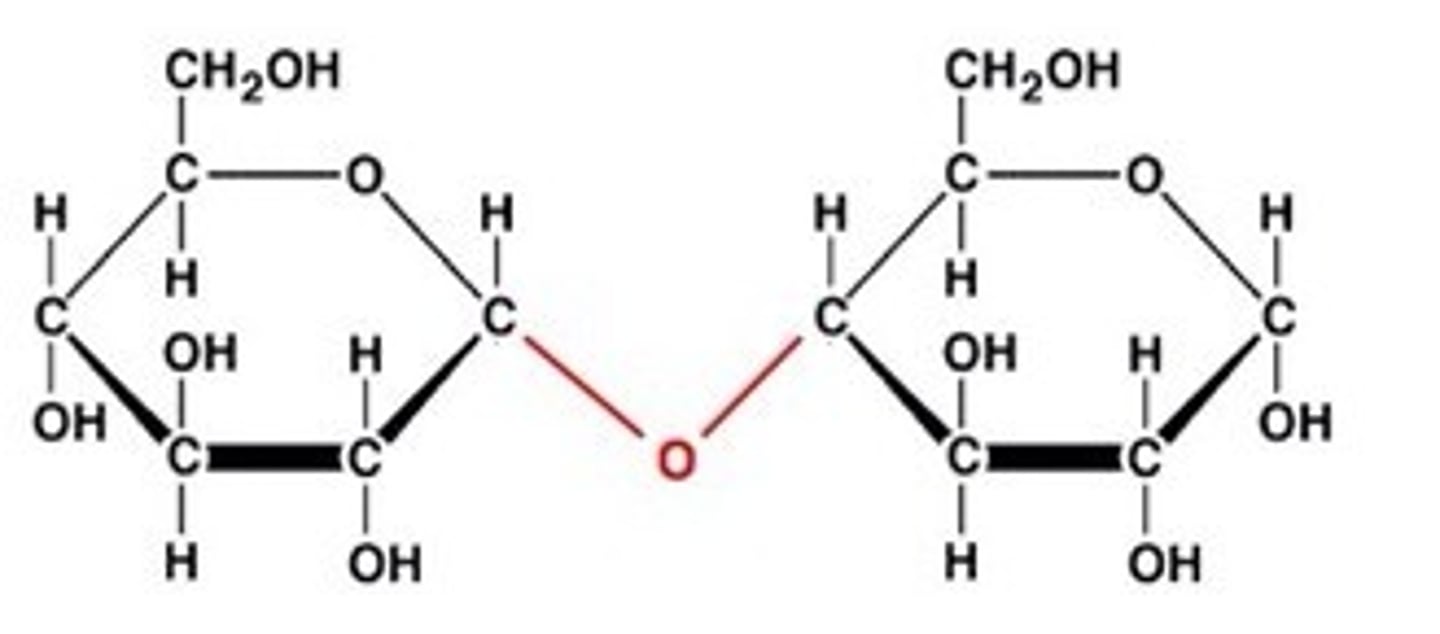
glycosidic bond
carbohydrate bond
condensation: alcohol and alcohol
glycosidic bond type of reaction
condensation reaction
peptide bond type of reaction
phosphodiester bond
nucleic acid bond
phosphodiester bond
a chemical bond of the kind joining successive sugar molecules in a polynucleotide
phosphodiester bond
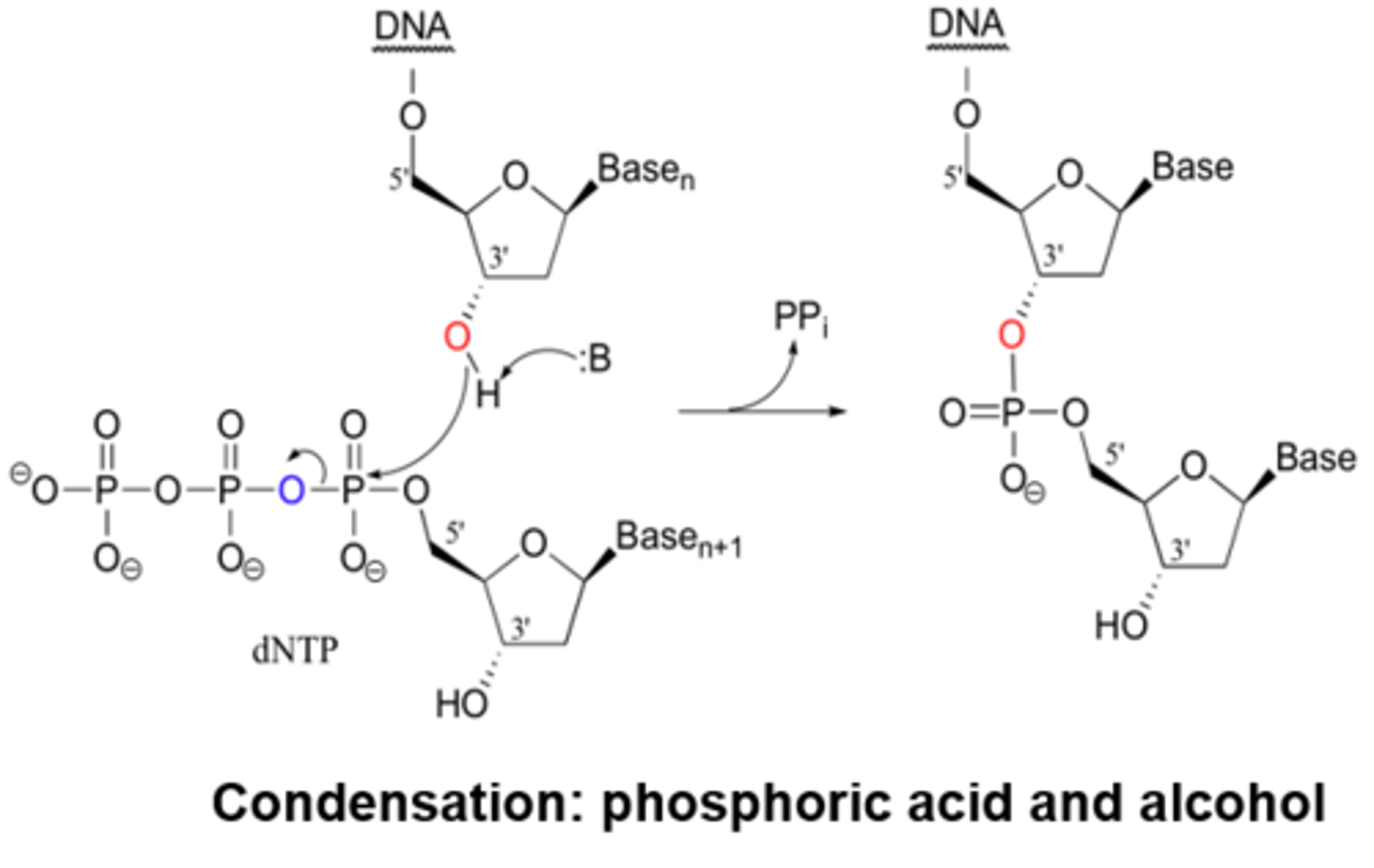
condensation: phosphoric acid and alcohol
phosphodiester bond type of reaction
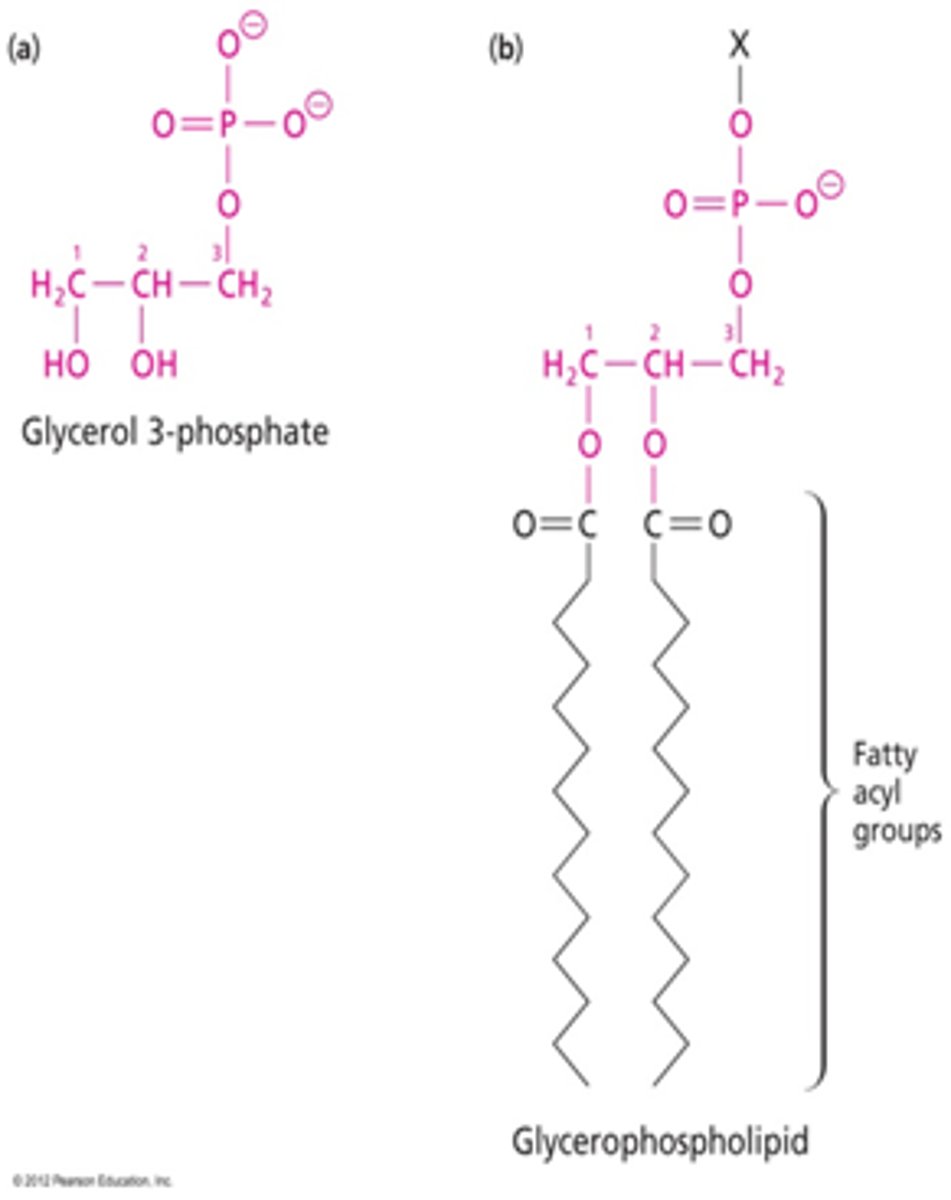
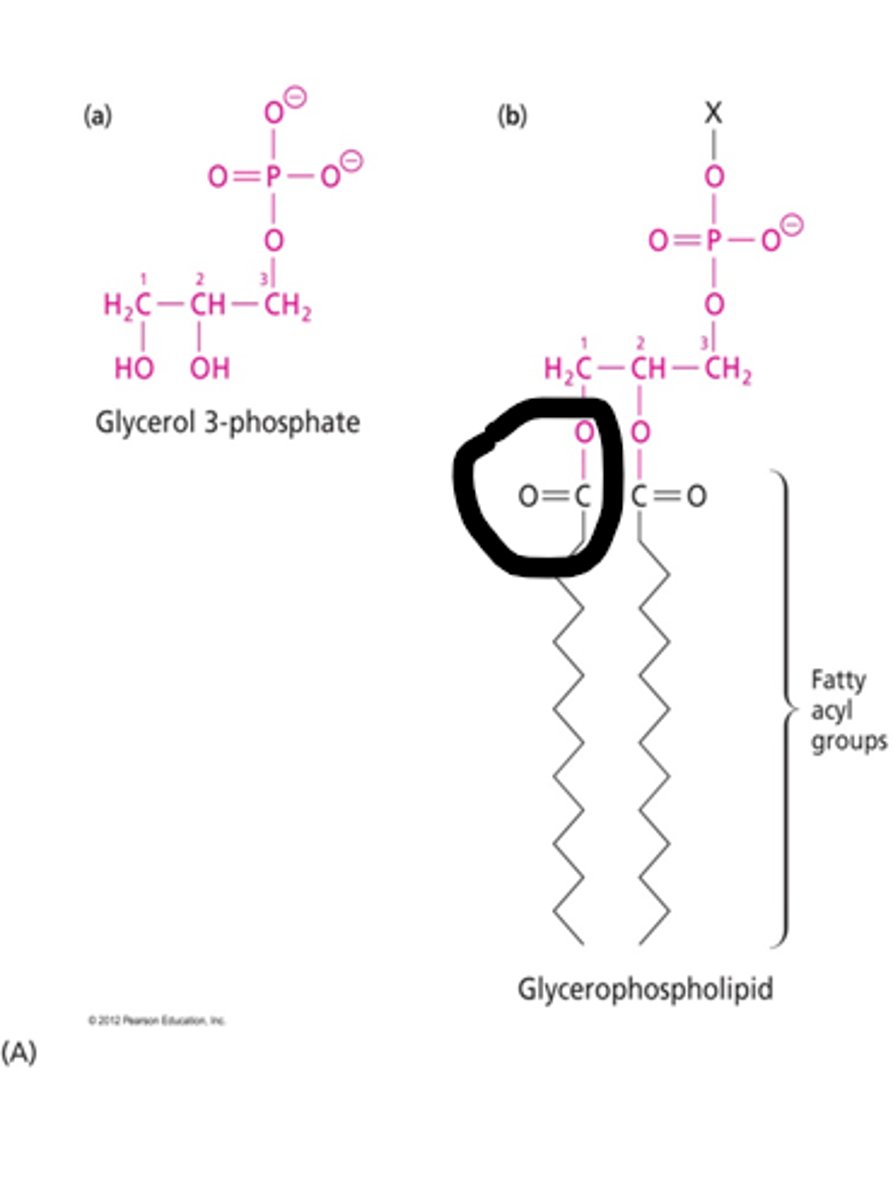
fatty acids; glycerol; ester bond
lipids are ____linked to ____with ___
cell membranes and energy storage
lipids
ester bond
lipid bilayer
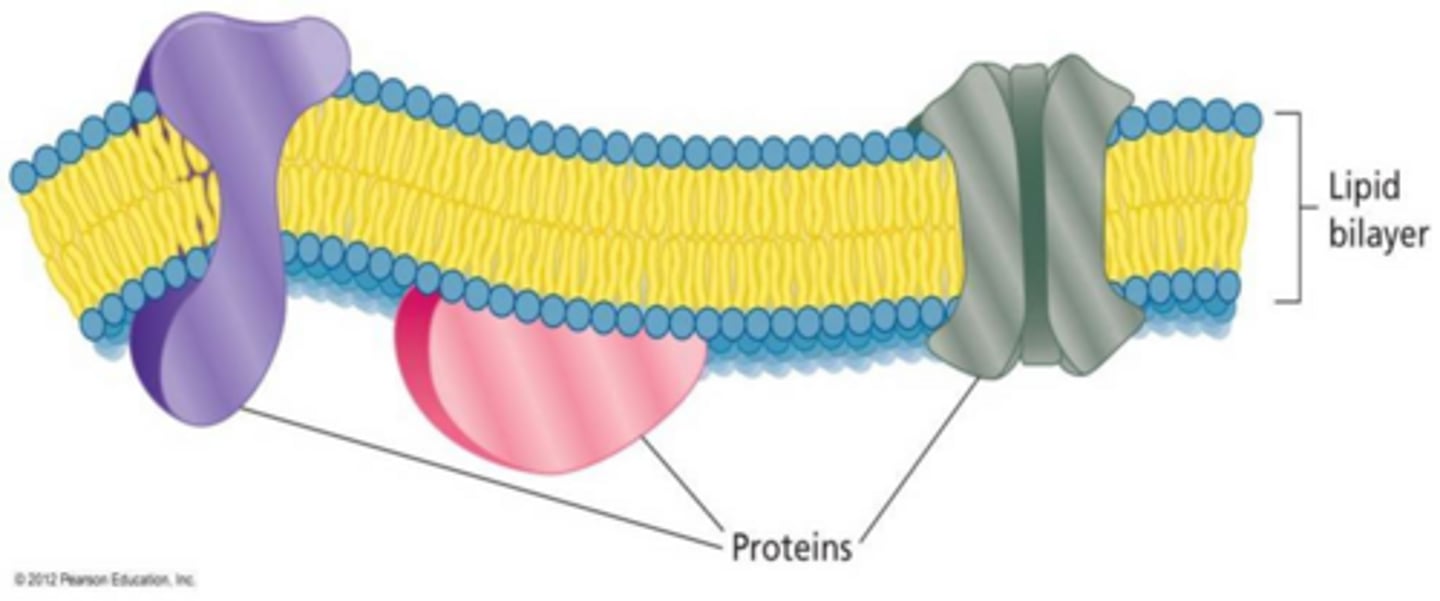
polar; nonpolar
lipid bilayer lipids have ____head and ____tail
physical energy; biological substances; spread out; cycle; metabolisms
living organisms need energy
-___is converted to ____, which ___and ____in the rest of the food chains through ___
oxidation pathway of fat

ΔGrxn=ΔGproducts-ΔGreactants
when G= H-TΔS, the free energy changes in reaction A + B -> C + D is defined:
exergonic
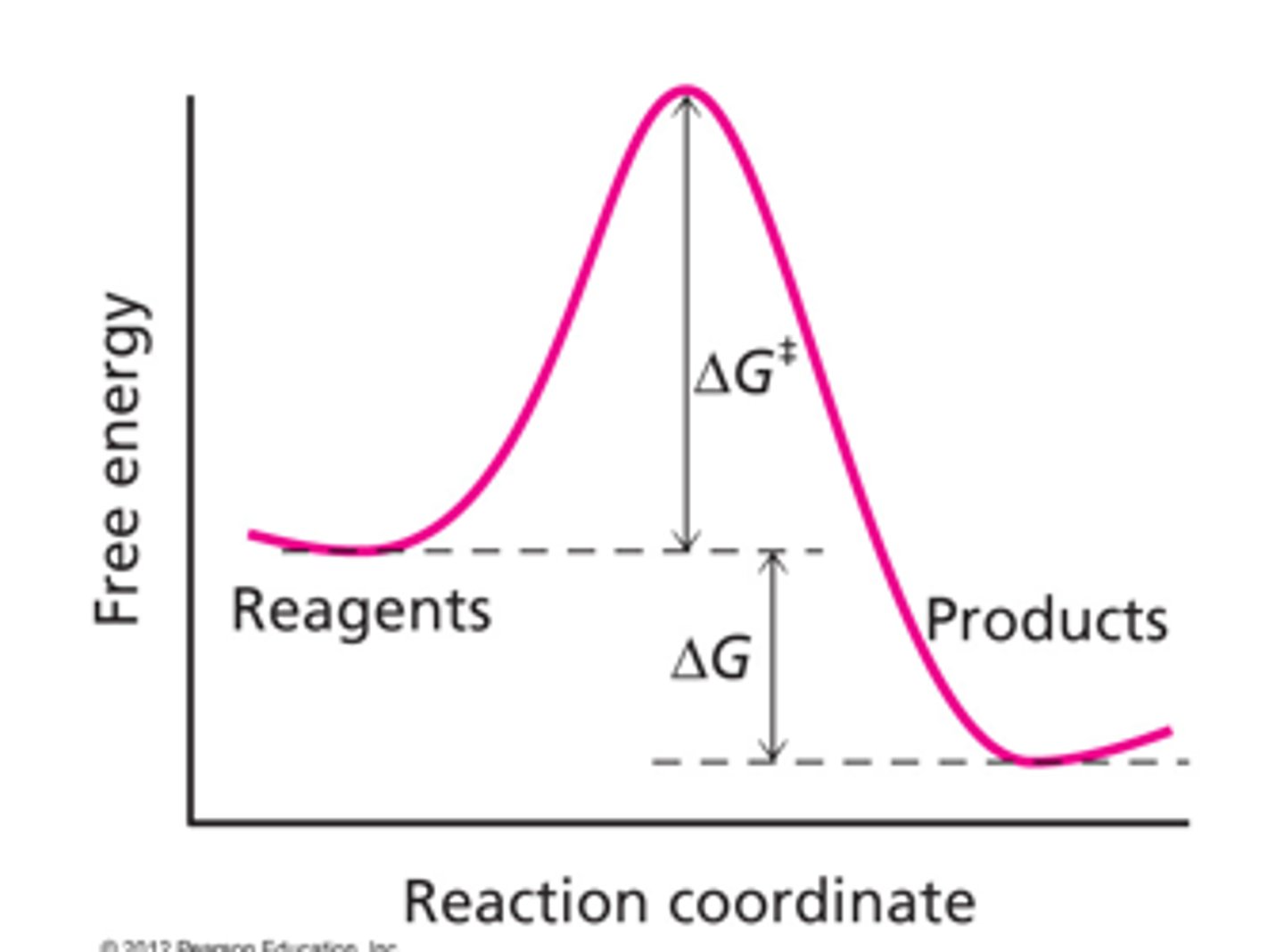
endergonic
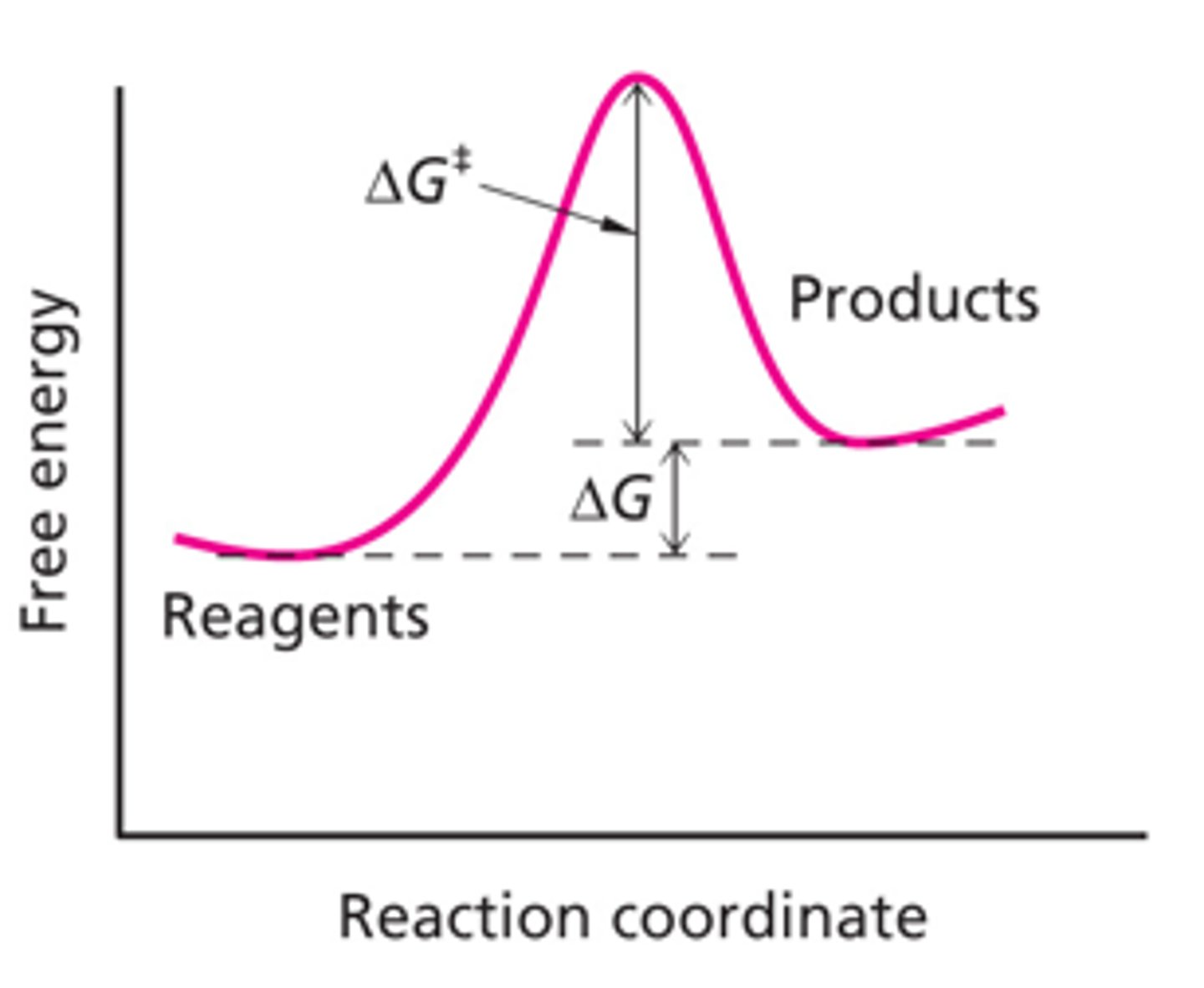
exergonic
reagents > products
endergonic
reagents < products
ΔG>0
the reaction does not go. needs external energy input
ΔG<0
the reaction does go. spontaneous
ΔG=0
equilibrium: reactions may happen but with no net changes
irreversible reaction

reversible reaction

rate ∝ [A][B]
rate and concentration of reagents relationship
rate=k[A][B]
rate law
-no net gain
-no net loss
at equilibrium of a reversible reaction:
-_____of products and/or
-____of reactants
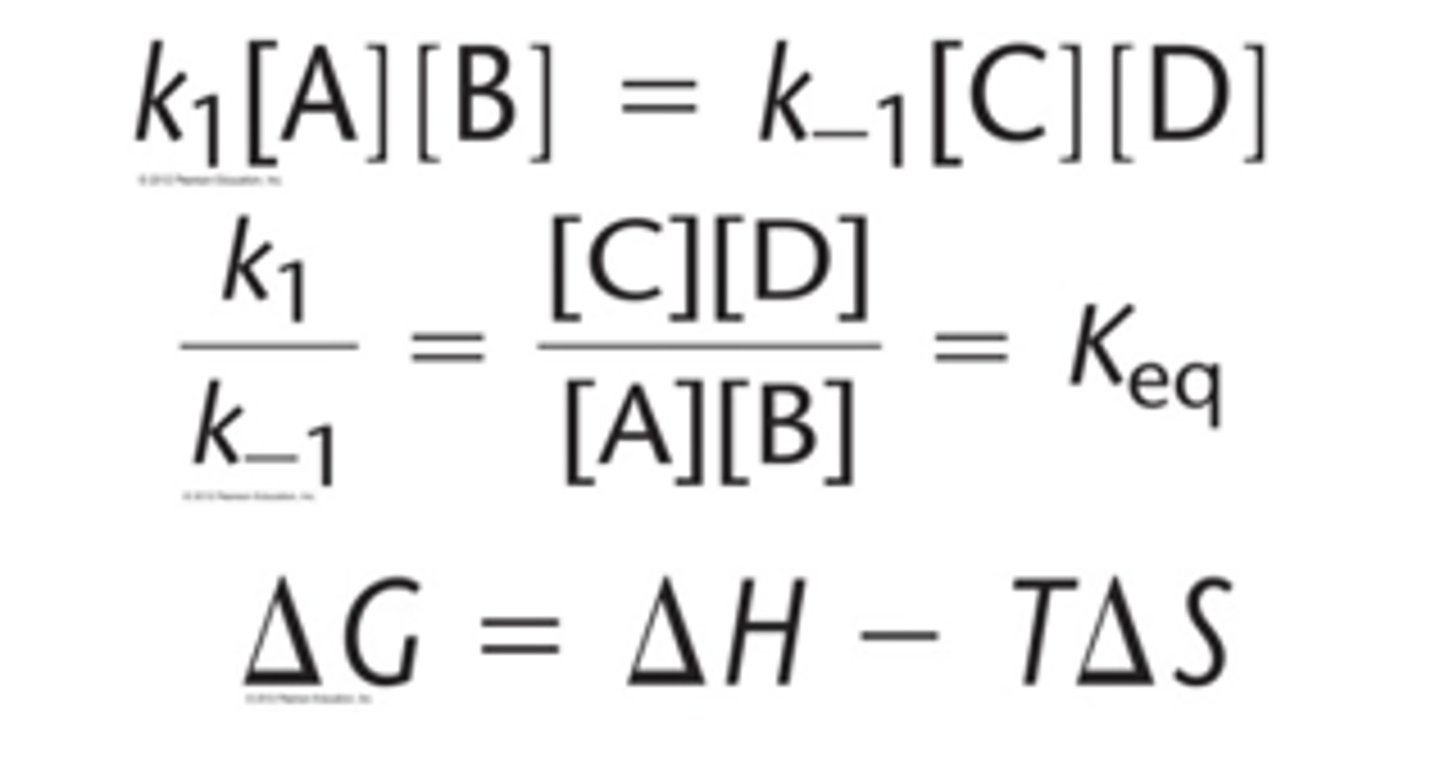
k1[A][B]=k-1[C][D]
equilibrium of a reversible reaction
k1/k-1=[C][D]/[A][B]=Keq
equilibrium of a reversible reaction: Keq
ΔG=ΔH-TΔS
gibbs free energy
ΔG°'rxn = -RTlnKeq = -2.303RTlogKeq
at equilibrium, ΔGrxn=0, thus...
ΔG°'
standard free energy change, free energy change in standard condition (at 298K and 1 bar pressure)
1.98 x 10^-3 kcalmol^-1degree^-10
gas constant (R)
k1[R][L]=k2[R*L]
at equilibrium biochemical reaction
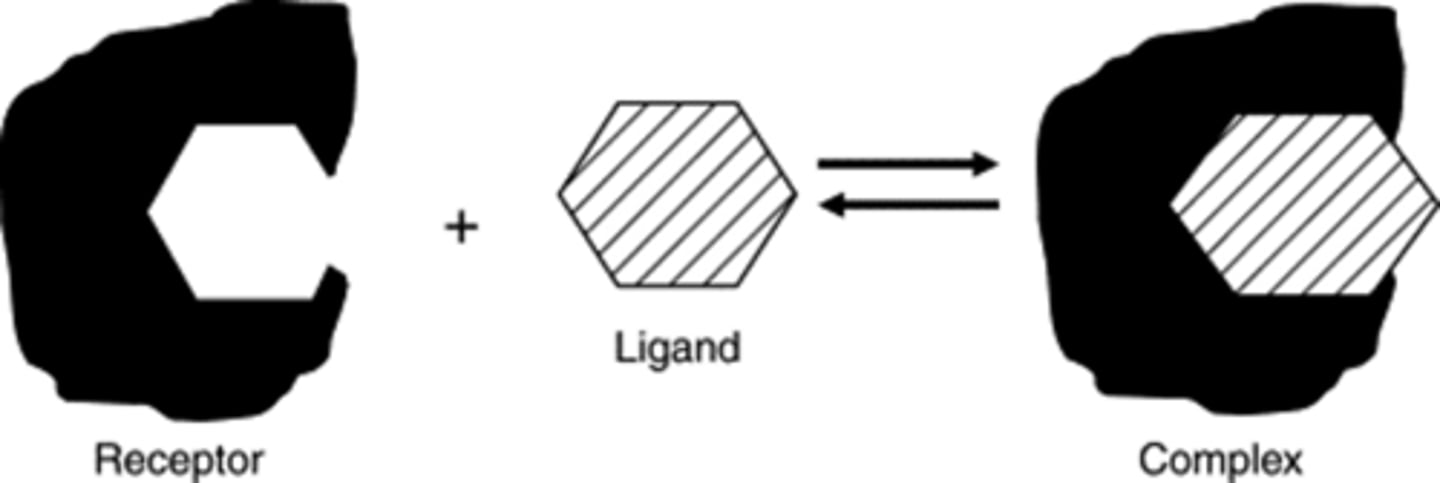
k1/k2=[RL]/[R][L]=Ka
at equilibrium biochemical reaction Ka
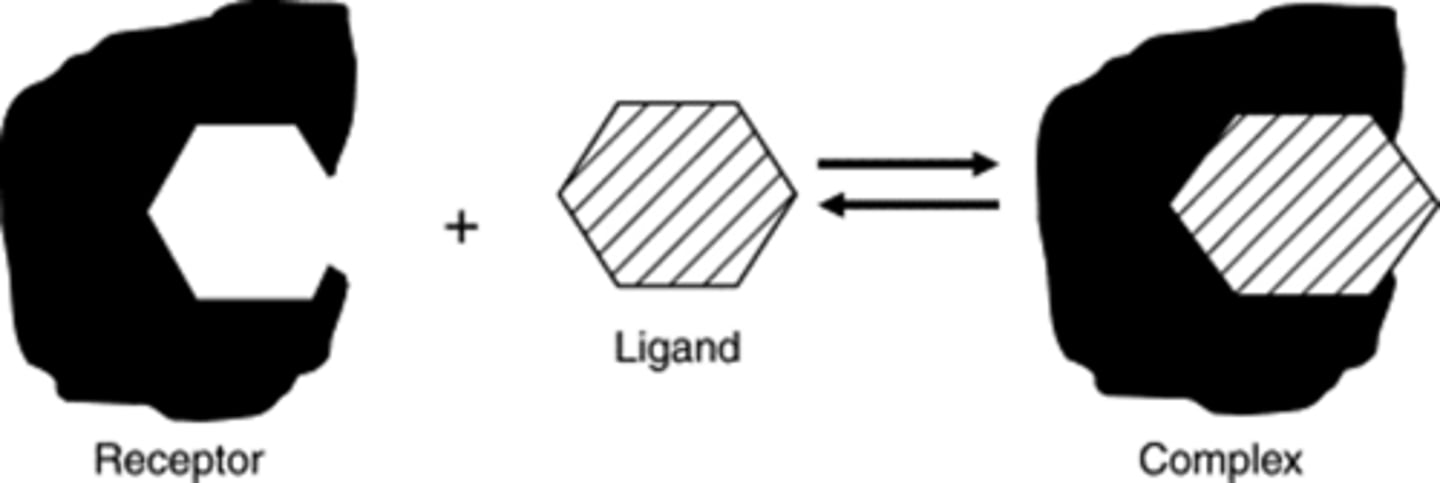
k2/k1=[R][L]/[RL]=Kd=1/Keq
at equilibrium biochemical reaction Kd
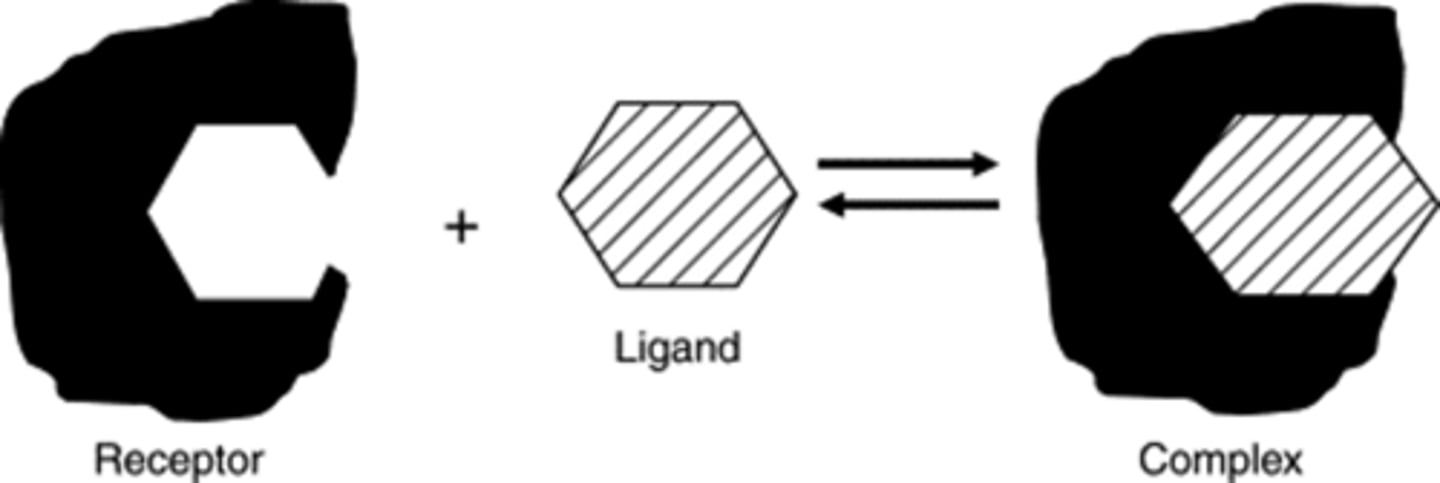
Kd
if we know the ΔG, we can calculate ____
Kd
affinity between R and L -> affinity constant
specific
high affinity/low Kd
nonspecific
low affinity/high Kd
sorting and secretion of some proteins
golgi apparatus
-citric acid cycle
-electron transport + ATP synthesis
-fatty acid degradation
mitochondria
-oxidation
-membrane
mitochondria
-place for ___
-___
degradation of proteins, lipids, etc
lysosome
-fatty acid synthesis
-glycolysis
-most gluconeogenesis reactions
-pentose phosphate pathway
cytosol
reducing
cytosol has ____conditions
nucleic acid synthesis; has a membrane
nucleus
-delivery of proteins
-synthesis of lipids for membranes
endoplasmic reticulum
-little bit different environments (pH, salt,...)
-confined
-cellular organelles and complexes with membrane
structure of cells
-all biological reactions need ____
-some reactions can be ___
-these needs are fulfilled by ___
DNA replication and transcription, oxidative phosphorylation...
some reactions can be confined:
-some
large structure, no membrane