Exercise 2

5.0(2)
studied byStudied by 48 people
5.0(2)
full-widthCall with Kai
learnLearn
examPractice Test
spaced repetitionSpaced Repetition
heart puzzleMatch
flashcardsFlashcards
GameKnowt Play
Card Sorting

1/21

encourage image

There's no tags or description

Looks like no tags are added yet.

Study Analytics
Name
Mastery
Learn
Test
Matching
Spaced
Call with Kai

No study sessions yet.

22 Terms

1
New cards
term image

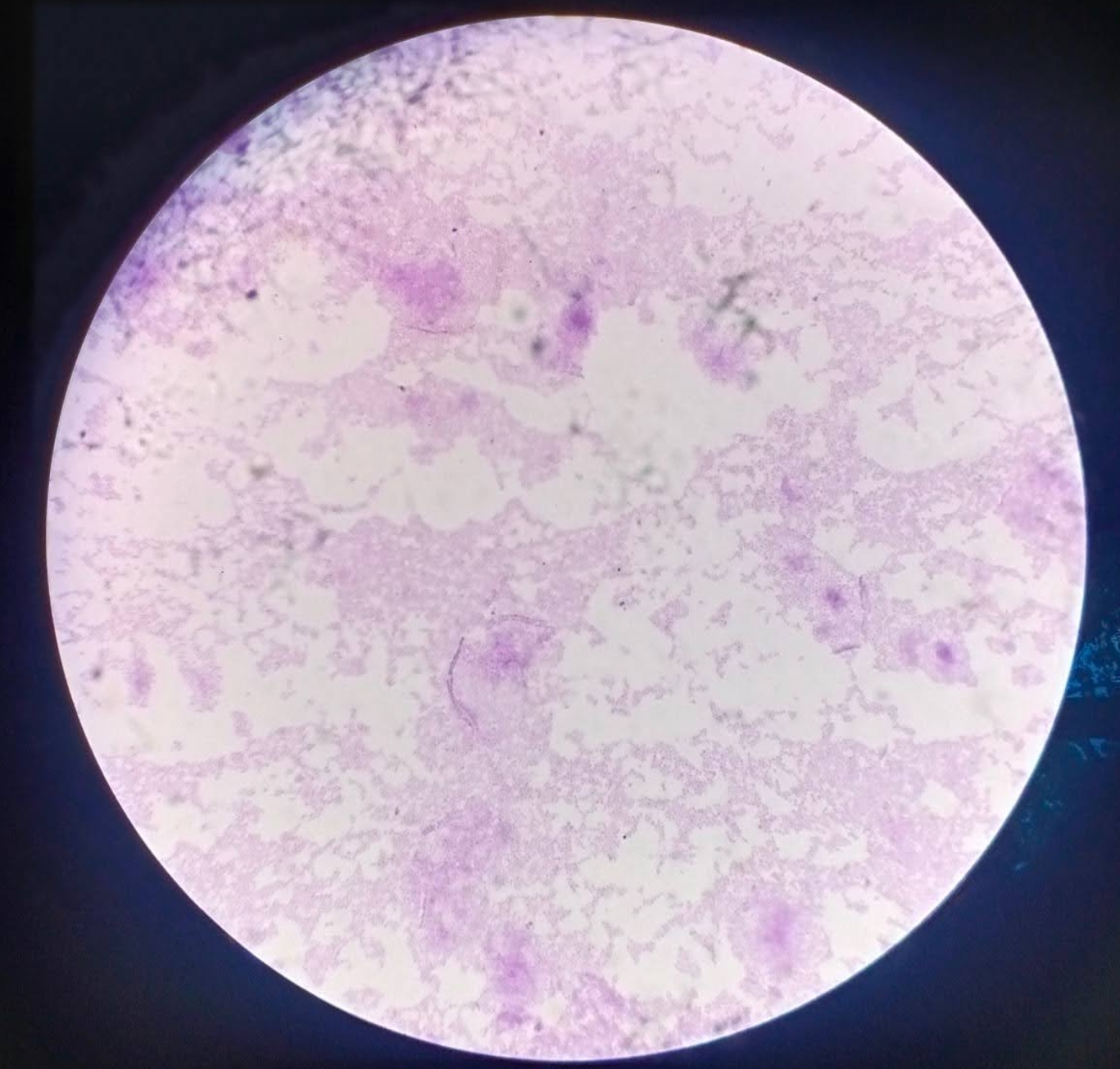
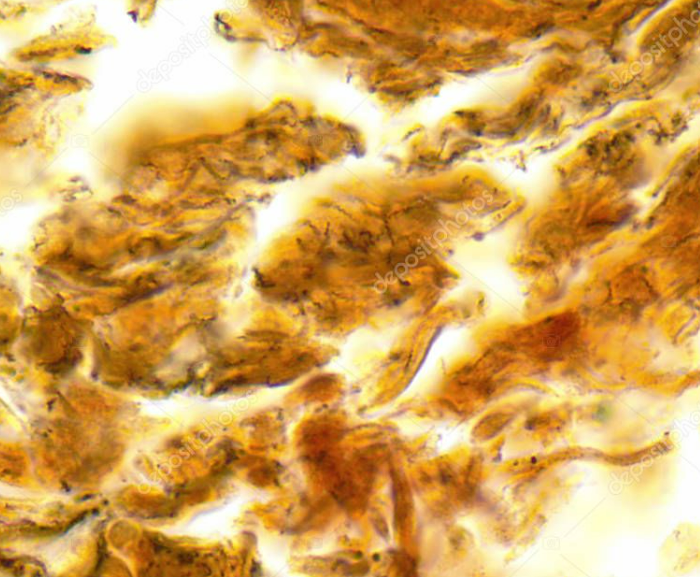
Rhizobium nitrogen-fixing

  • rod

  • circles are bacteroid

  • light brown to orange

  • gram negative

  • for nitrogen fixation

<p><em><mark data-color="#ffcfe1" style="background-color: #ffcfe1; color: inherit">Rhizobium</mark></em><mark data-color="#ffcfe1" style="background-color: #ffcfe1; color: inherit"> nitrogen-fixing</mark></p><ul><li><p>rod</p></li><li><p>circles are bacteroid</p></li><li><p>light brown to orange</p></li><li><p>gram negative </p></li><li><p>for nitrogen fixation</p></li></ul><p></p>
2
New cards
term image

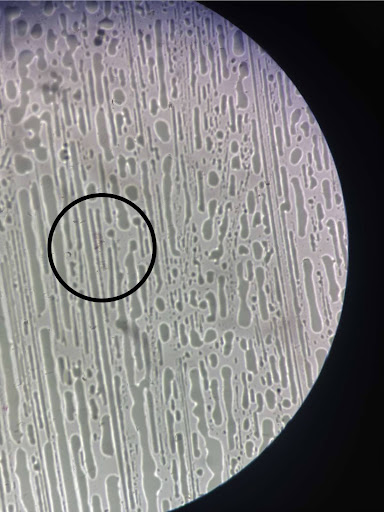
Spirillum

  • spiral

  • in singles

  • pink

  • gram negative

3
New cards
term image

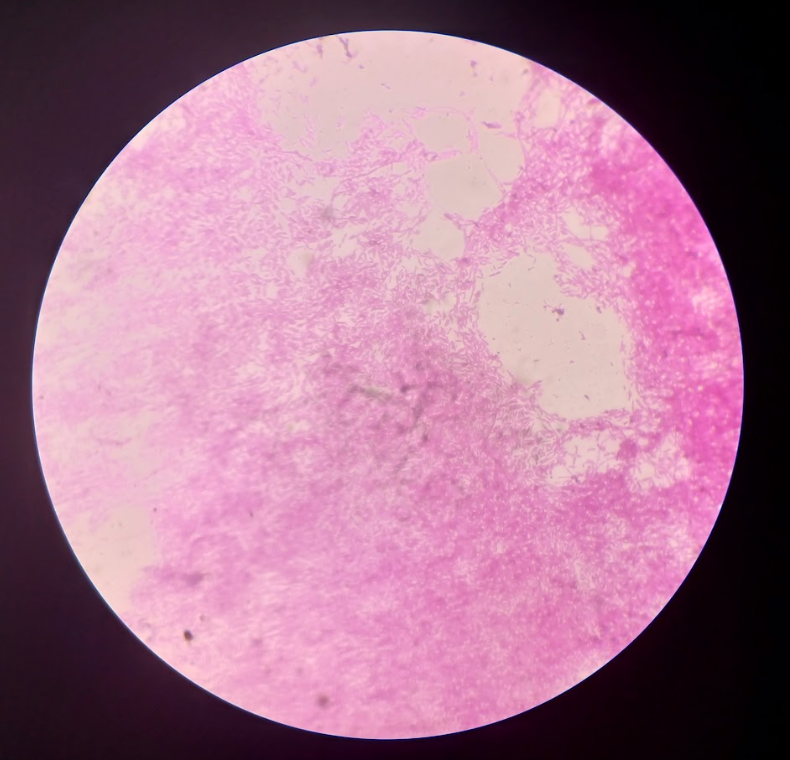
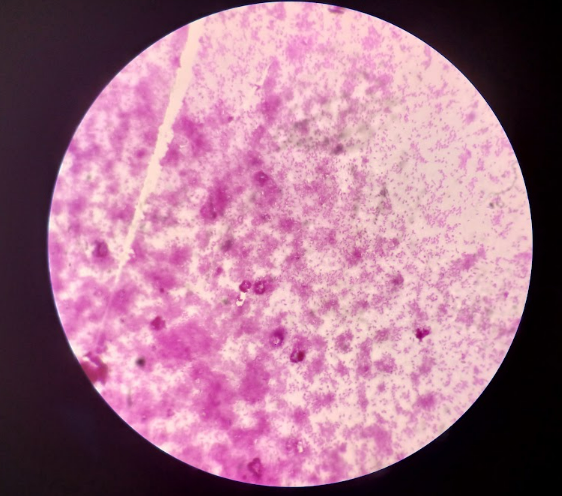
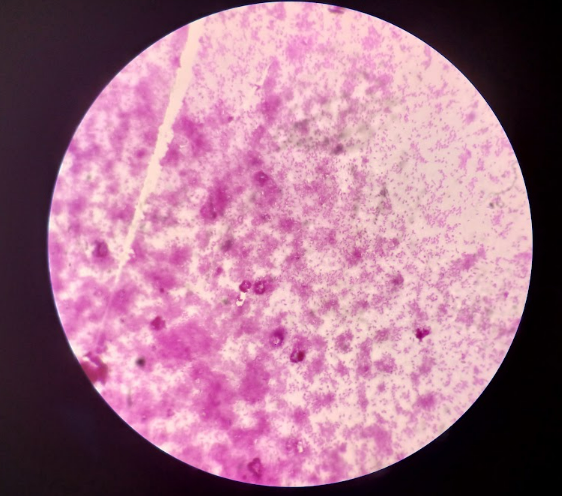
Enterobacter aerogenes

  • rod (bacilli)

  • typically in singles, sometimes in pairs or short chain

  • pink or red

  • gram negative

  • important in nutrient cycling

<p><em><mark data-color="#ffc0d9" style="background-color: #ffc0d9; color: inherit">Enterobacter aerogenes</mark></em></p><ul><li><p><span style="font-family: Arial, sans-serif">rod (bacilli)</span></p></li><li><p><span style="font-family: Arial, sans-serif"> typically in singles, sometimes in pairs or short chain</span></p></li><li><p><span style="font-family: Arial, sans-serif">pink or red</span></p></li><li><p><span style="font-family: Arial, sans-serif">gram negative</span></p></li><li><p><span style="font-family: Arial, sans-serif">important in nutrient cycling</span></p></li></ul><p></p>
4
New cards
term image

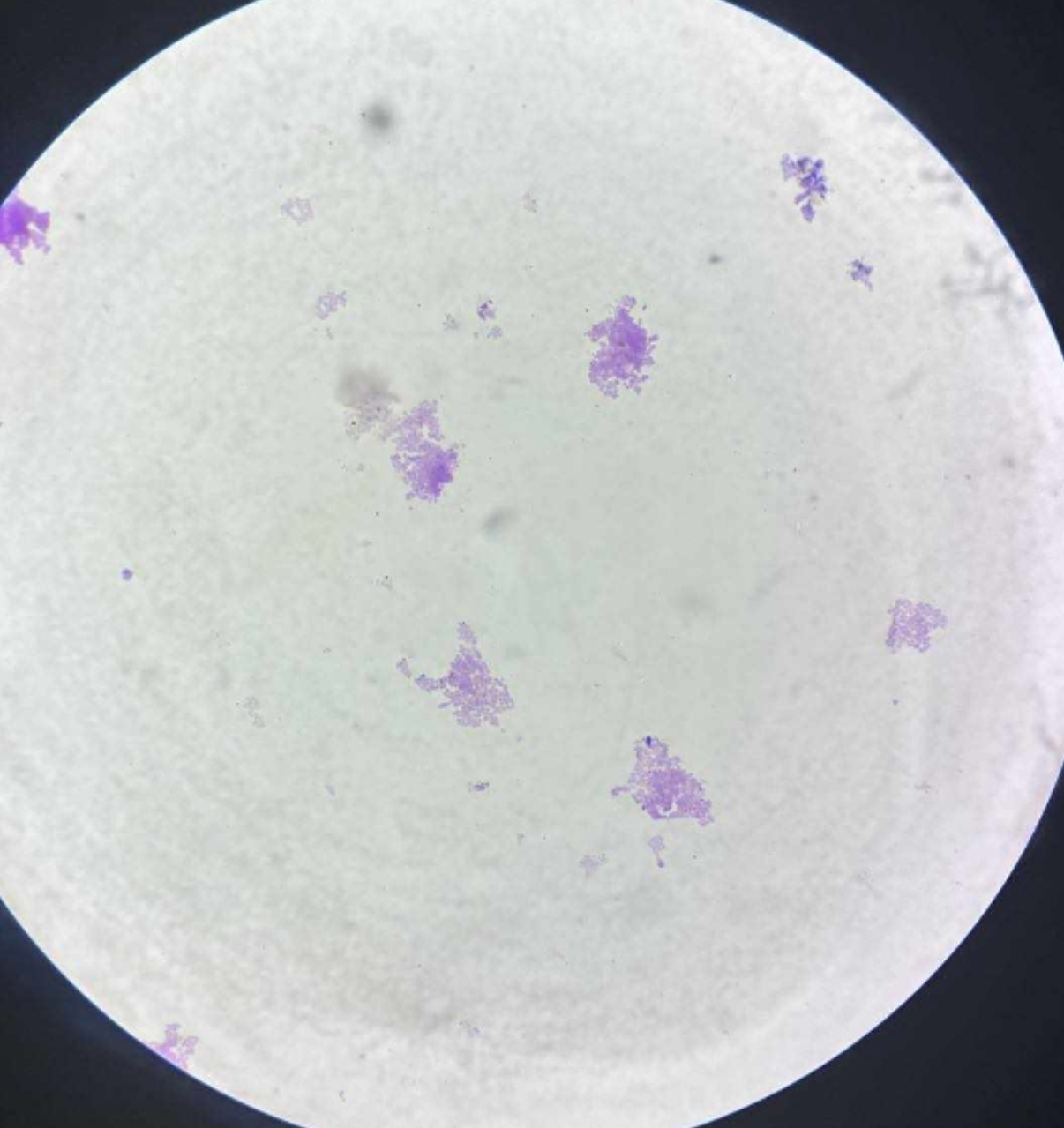
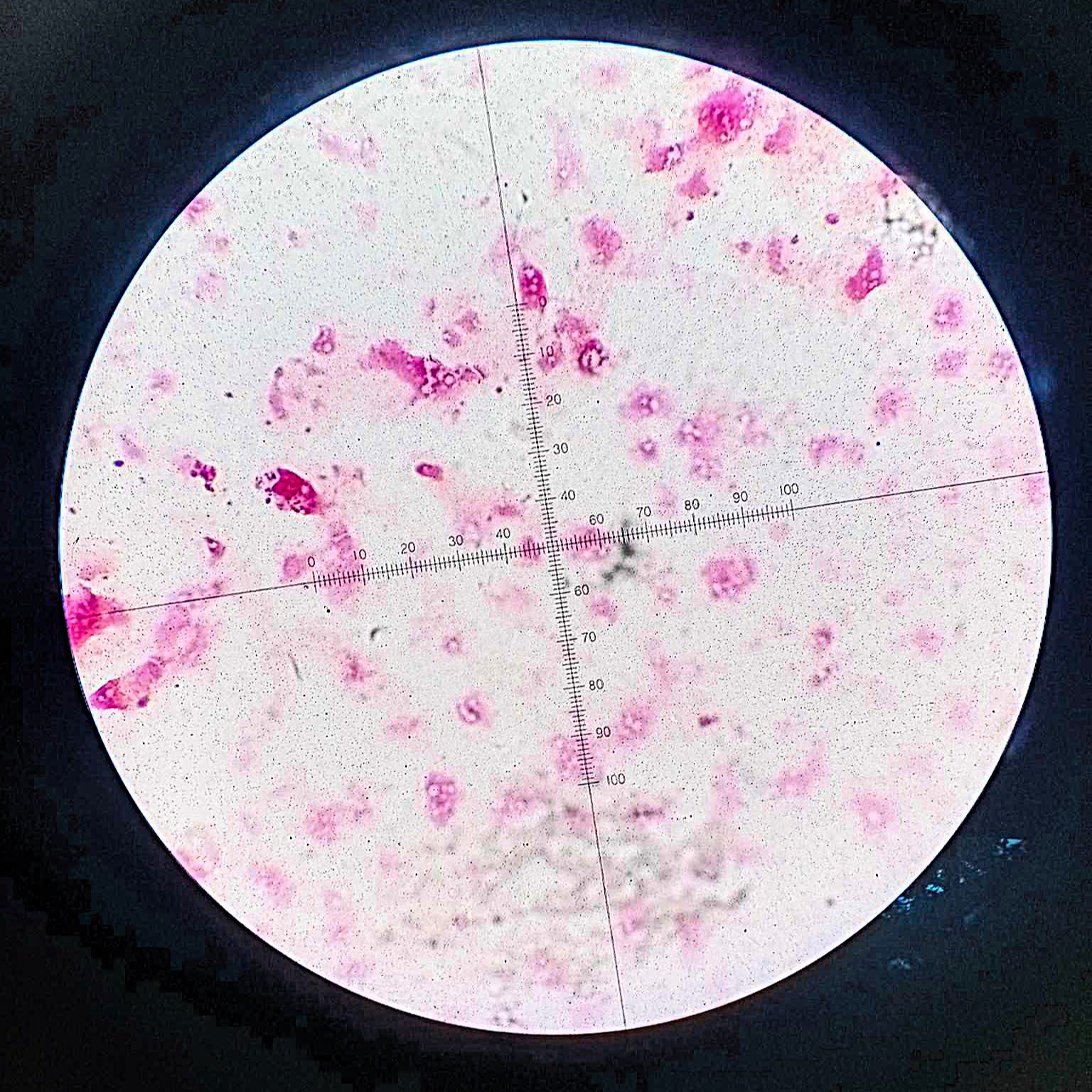
Mycobacterium tuberculosis

  • rod

  • violet/purple

  • gram positive

  • in singles or in pairs , small clumps

5
New cards
<p> </p>

Proteus vulgaris

  • rod

  • in singles, or in clusters

  • pink or red

  • gram negative

  • urinary tract infections (UTIs), cause wound infections, respiratory tract infections
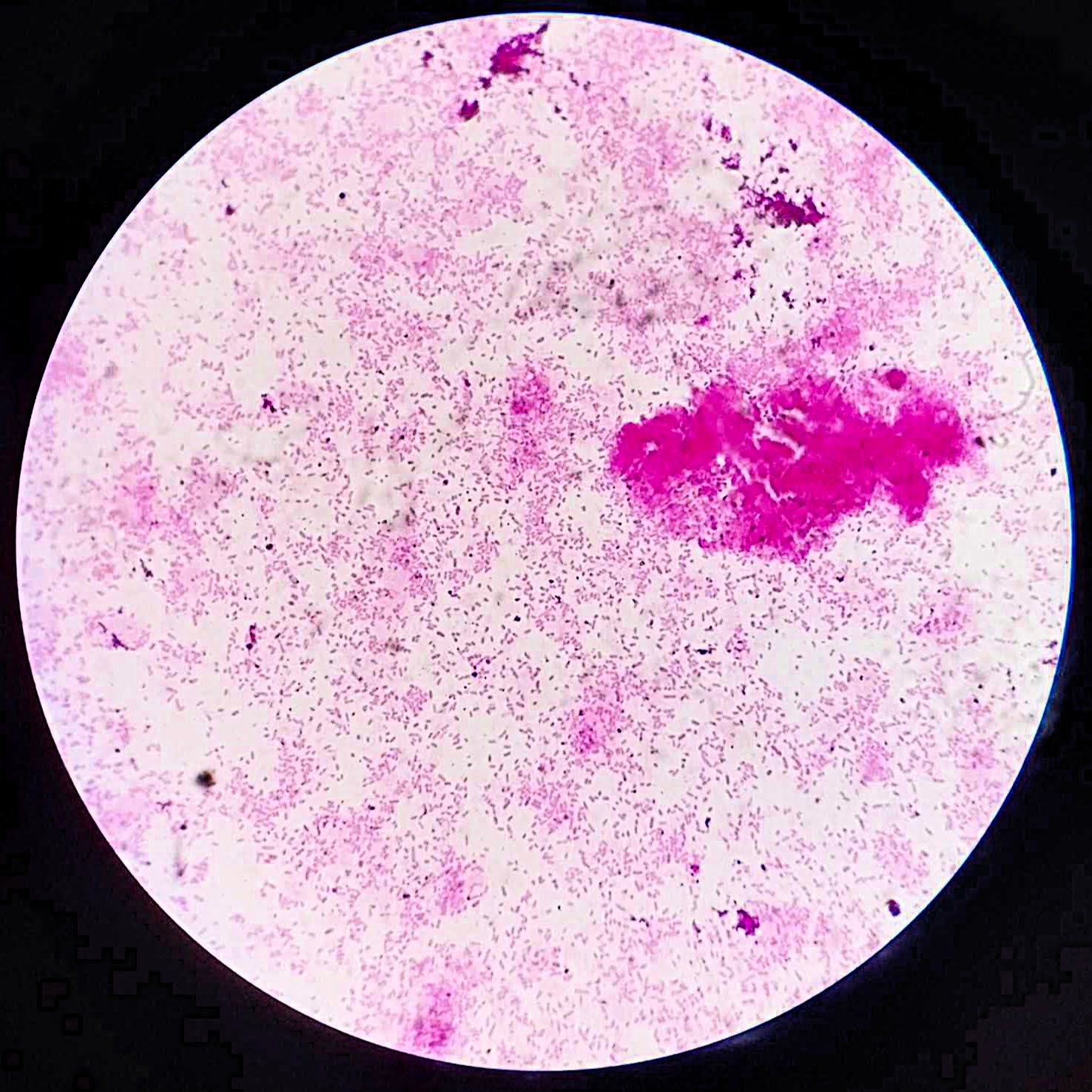
<p><em><mark data-color="#fecae0" style="background-color: #fecae0; color: inherit">Proteus vulgaris</mark></em><br></p><ul><li><p>rod</p></li><li><p><span style="font-family: Arial, sans-serif">in singles, or in clusters</span></p></li><li><p>pink or red</p></li><li><p>gram negative</p></li><li><p>urinary tract infections (UTIs), cause wound infections, respiratory tract infections</p></li></ul><p></p>
6
New cards
term image

Streptococcus sp.

  • Spherical (cocci)

  • Chains or pairs

  • Purple or blue

  • Gram-positive

  • Strep throat/pneumonia, spread through respiratory droplets or direct contact

7
New cards
term image

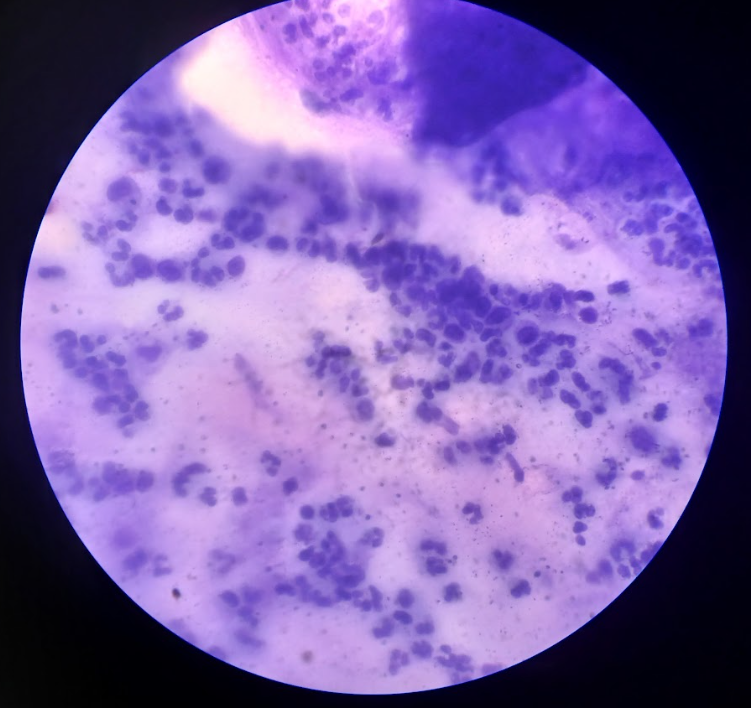
Staphylococcus aureus.

  • Spherical (cocci)

  • Clusters, resembling grape-like formations

  • Purple or blue

  • Gram-positive

  • Skin and soft tissue infections (boils/abscesses), spread through direct contact
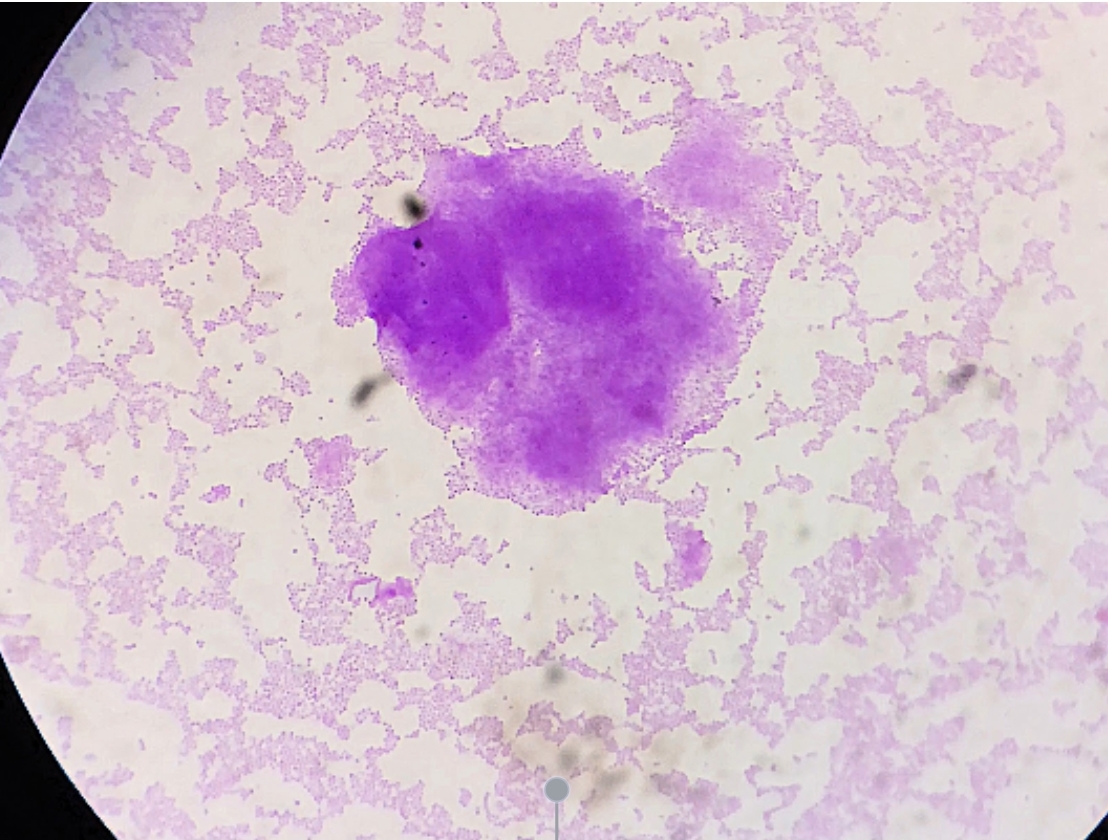
<p><em><mark data-color="#decdff" style="background-color: #decdff; color: inherit">Staphylococcus aureus.</mark></em></p><ul><li><p class="has-focus">Spherical (cocci)</p></li><li><p class="has-focus is-empty">Clusters, resembling grape-like formation<span style="font-size: 1.6rem">s</span></p></li><li><p class="has-focus is-empty"><span style="font-size: 1.6rem">Purple or blue</span></p></li><li><p class="has-focus"><span style="font-size: 1.6rem">Gram-positive</span></p></li><li><p class="has-focus"><span style="font-size: 1.6rem">Skin and soft tissue infections (boils/abscesses), spread through direct contact</span></p></li></ul><p></p>
8
New cards
term image

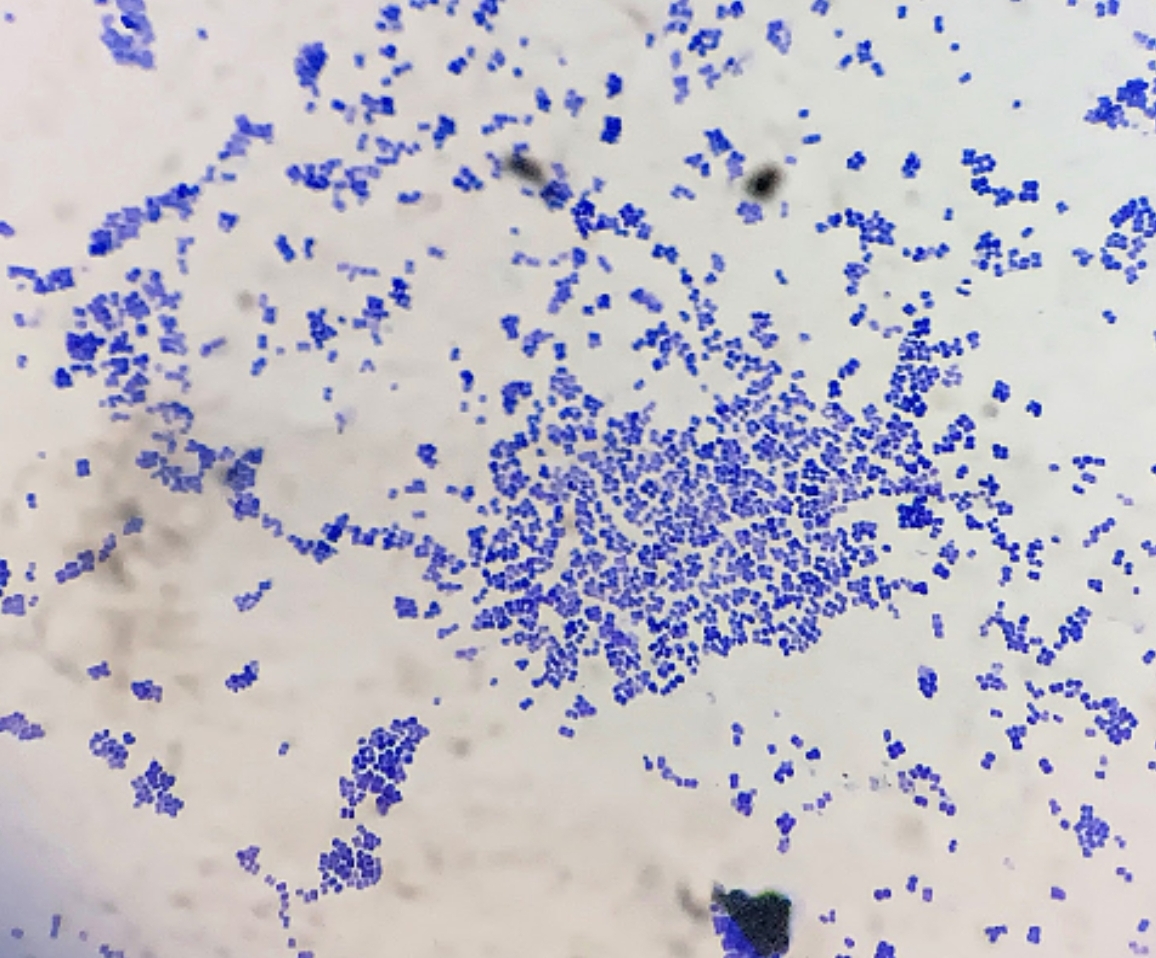
Diplococcus pneumoniae

  • Spherical (cocci)

  • Pairs (diplococci)

  • Purple or blue

  • Gram-positive

  • Pneumonia, meningitis, spread typically through respiratory droplets
9
New cards
term image

Sarcina lutea

  • Spherical (cocci)

  • Cubical packets of 8 cells (sarcina arrangement)

  • Purple or blue

  • Gram-positive

  • Non-pathogenic and rarely causes diseases
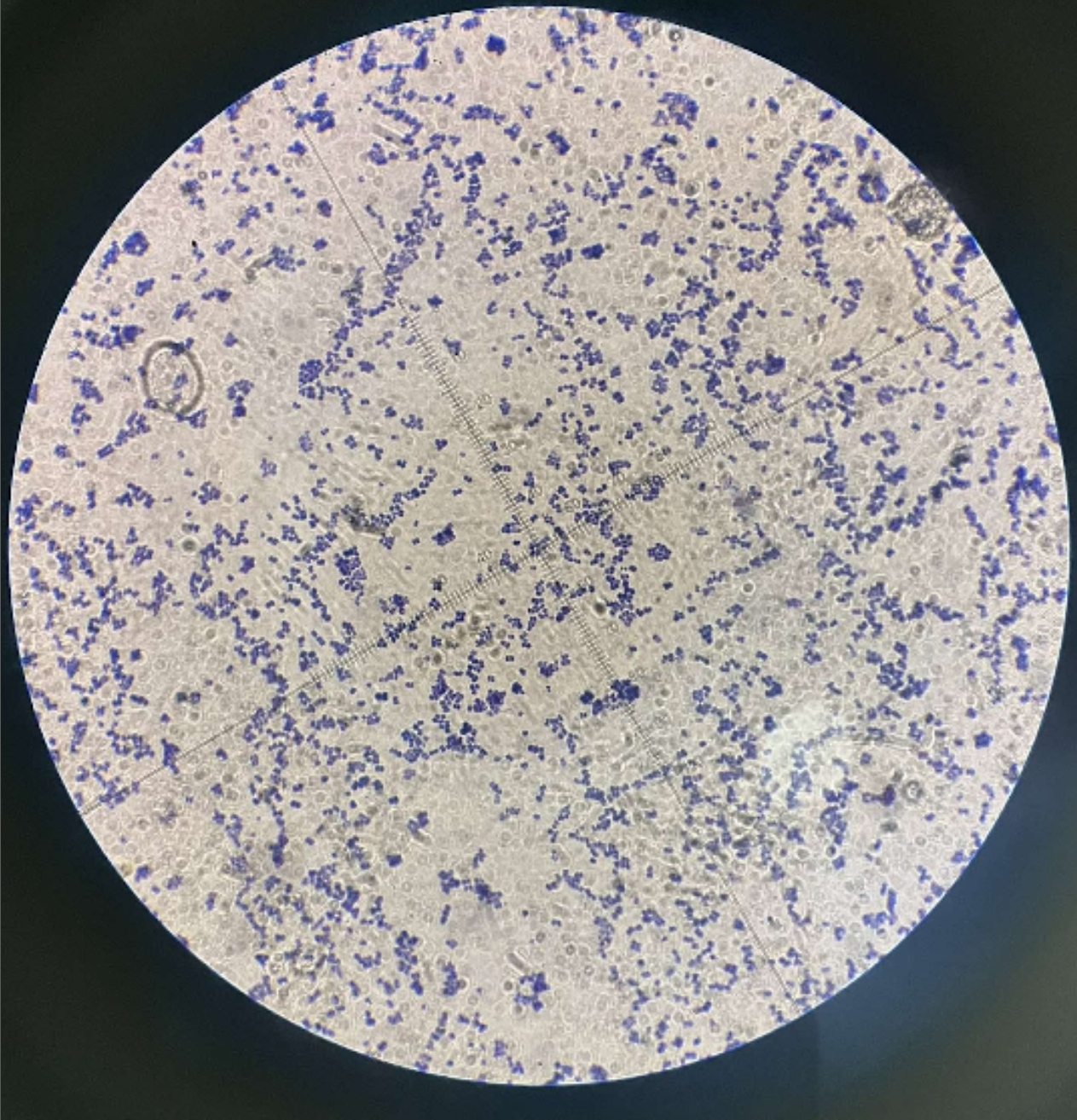
<p><em><mark data-color="#decdff" style="background-color: #decdff; color: inherit">Sarcina lutea</mark></em></p><ul><li><p class="has-focus">Spherical (cocci)</p></li><li><p class="has-focus is-empty">Cubical packets of 8 cells (sarcina arrangement<span style="font-size: 1.6rem">)</span></p></li><li><p class="has-focus is-empty">Purple or blue</p></li><li><p class="has-focus is-empty">Gram-positive</p></li><li><p class="has-focus is-empty">Non-pathogenic and rarely causes diseases</p></li></ul><p></p>
10
New cards
term image

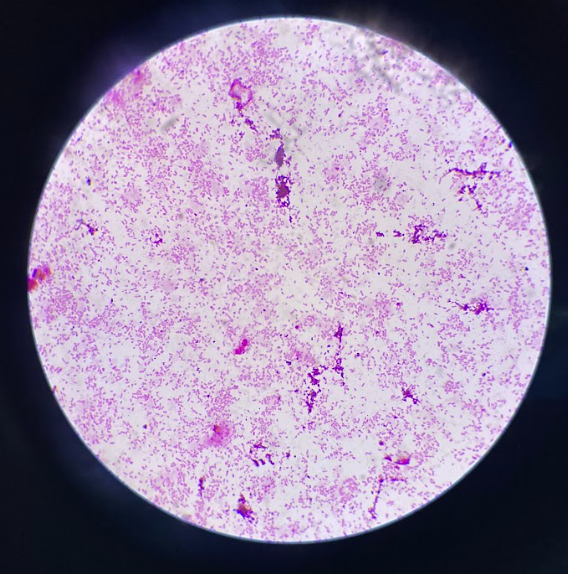
Pseudomonas aeruginosa

  • Rod-shaped (bacilli)

  • typically in singles, sometimes in pairs or short chain

  • Pink or red (Gram-negative)

  • metabolic versatility, adaptability to changing environments, and ability to survive in challenging habitats.
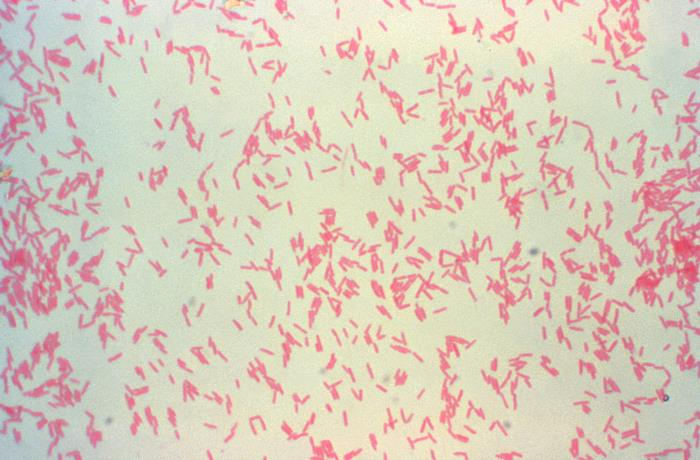
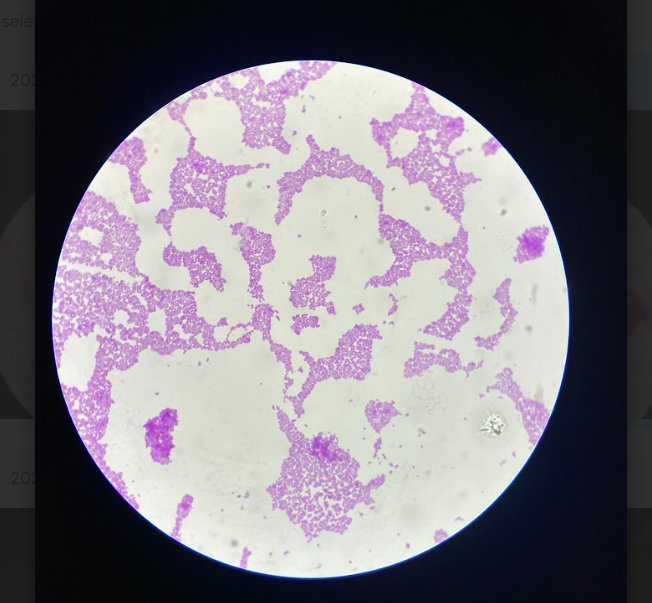
<p><em><mark data-color="#fecae0" style="background-color: #fecae0; color: inherit">Pseudomonas aeruginosa</mark></em></p><ul><li><p><span style="font-family: Arial, sans-serif">Rod-shaped (bacilli)</span></p></li><li><p><span style="font-family: Arial, sans-serif">typically in singles, sometimes in pairs or short chain</span></p></li><li><p><span style="font-family: Arial, sans-serif">Pink or red (Gram-negative)</span></p></li><li><p>metabolic versatility, adaptability to changing environments, and ability to survive in challenging habitats.</p></li></ul><p></p>
11
New cards
<p></p>

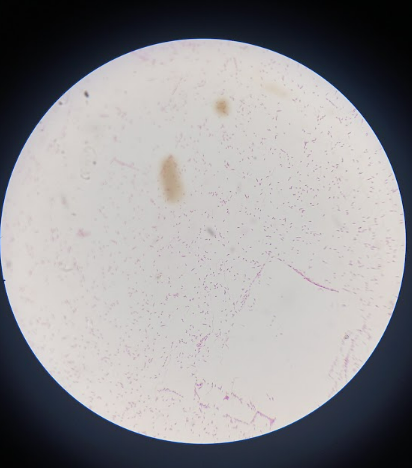
Corynebacterium glutamicum

  • Rod-shaped (bacilli), slightly club-shaped (pleomorphic)

  • Palisades (aligned in parallel) or in V-shaped groupings

  • Purple or blue (Gram-positive)

  • a major workhorse in industrial biotechnology
12
New cards
term image

Shigella dysenteriae

  • Single cells (could also be in short chains)

  • Pink

  • Gram negative

  • contaminates water, causes Shigellosis


<p><span style="font-family: Times New Roman, serif"><em> </em></span><em><mark data-color="#fecae0" style="background-color: #fecae0; color: inherit">Shigella dysenteriae</mark></em></p><ul><li><p>Single cells (could also be in short chains)</p></li><li><p>Pink </p></li><li><p>Gram negative</p></li><li><p>contaminates water, causes Shigellosis</p></li></ul><p><br></p>
13
New cards
term image

Salmonella typhosa

  • Rod (bacillus)

  • Single cells (could also be in short chains)

  • Pink

  • Gram negative

  • causative agent of Typhoid Fever


<p><span style="font-family: Times New Roman, serif"><em> </em></span><em><mark data-color="#fecae0" style="background-color: #fecae0; color: inherit">Salmonella typhosa</mark></em></p><ul><li><p><span style="font-family: Times New Roman, serif">Rod (bacillus)</span></p></li><li><p>Single cells (could also be in short chains)</p></li><li><p>Pink </p></li><li><p>Gram negative</p></li><li><p>causative agent of Typhoid Fever</p></li></ul><p><br></p>
14
New cards
term image

Treponema pallidum

Helical (spiral-shaped), tightly coiled which is typical of spirochetes

Single cells

Pink (Gram negative)

  • pathogen (does not survive well outside the human body), causative agent of Syphilis
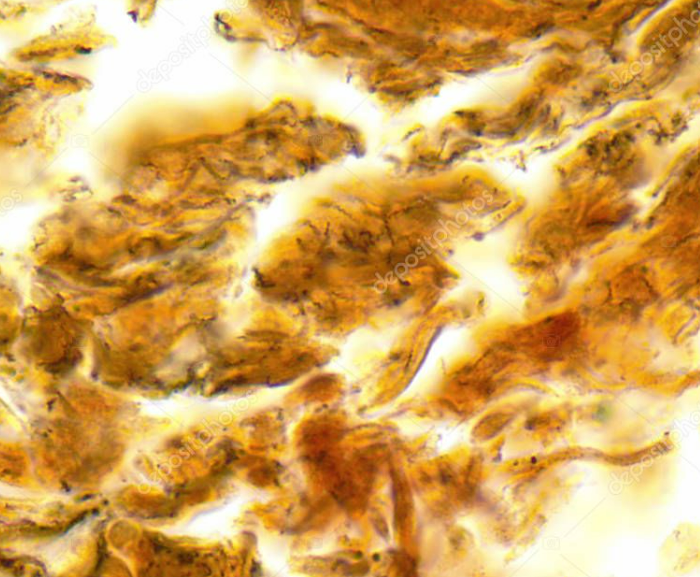
<p><span style="font-family: Times New Roman, serif"><em>Treponema pallidum</em></span></p><p><span style="font-family: Times New Roman, serif">Helical (spiral-shaped), tightly coiled which is typical of spirochetes</span></p><p>Single cells </p><p>Pink (Gram negative)</p><ul><li><p>pathogen (does not survive well outside the human body), causative agent of Syphilis</p></li></ul><p></p>
15
New cards
term image

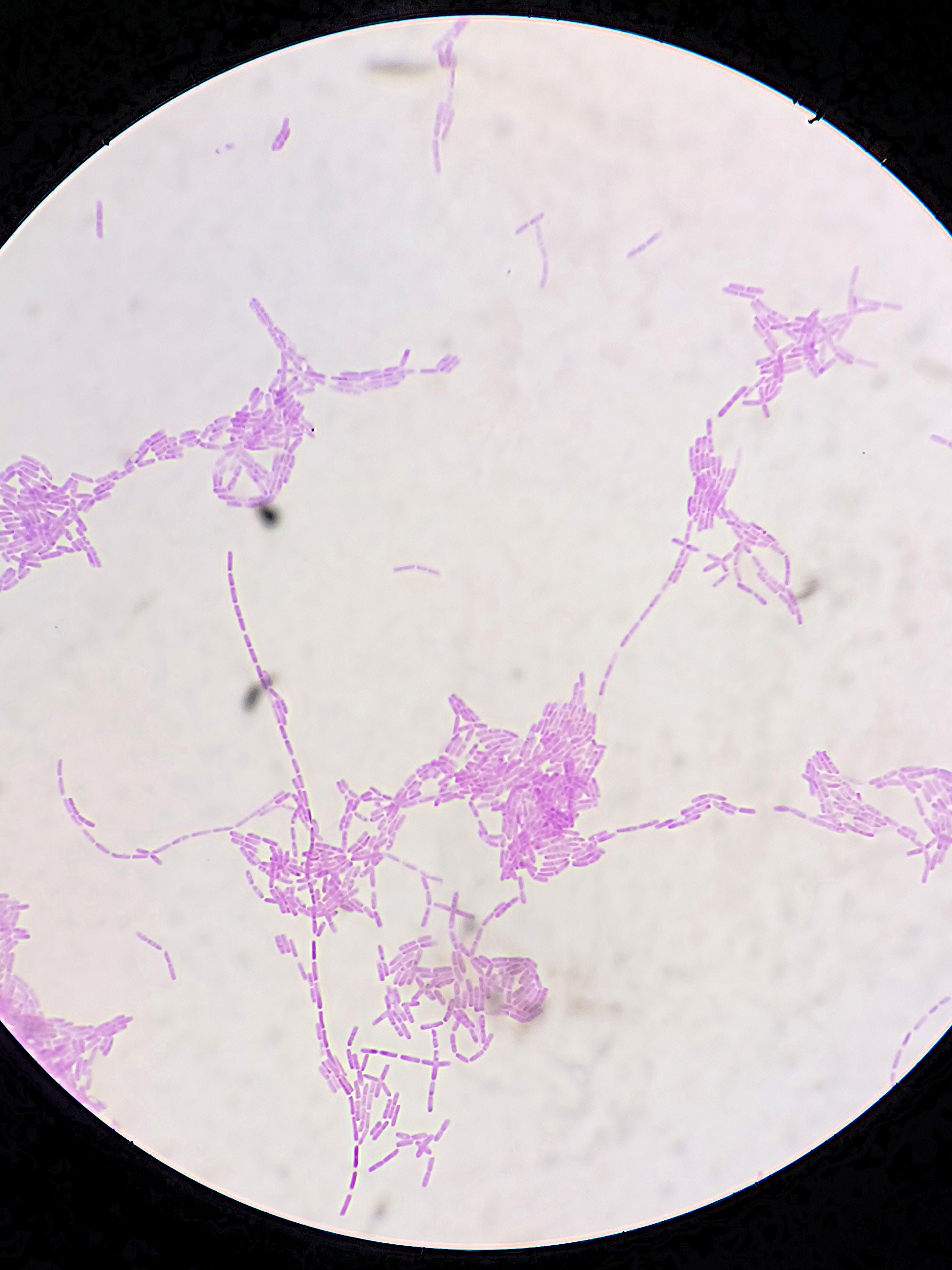
Bacillus subtilis

  • Rod-shaped (bacilli)

  • Single or in chains

  • 4.0 to 10.0 micrometers

  • Purple or blue (Gram-positive)

  • Non-pathogenic bacteria found in the soil or the human gut. It is usually used for probiotic and food production.
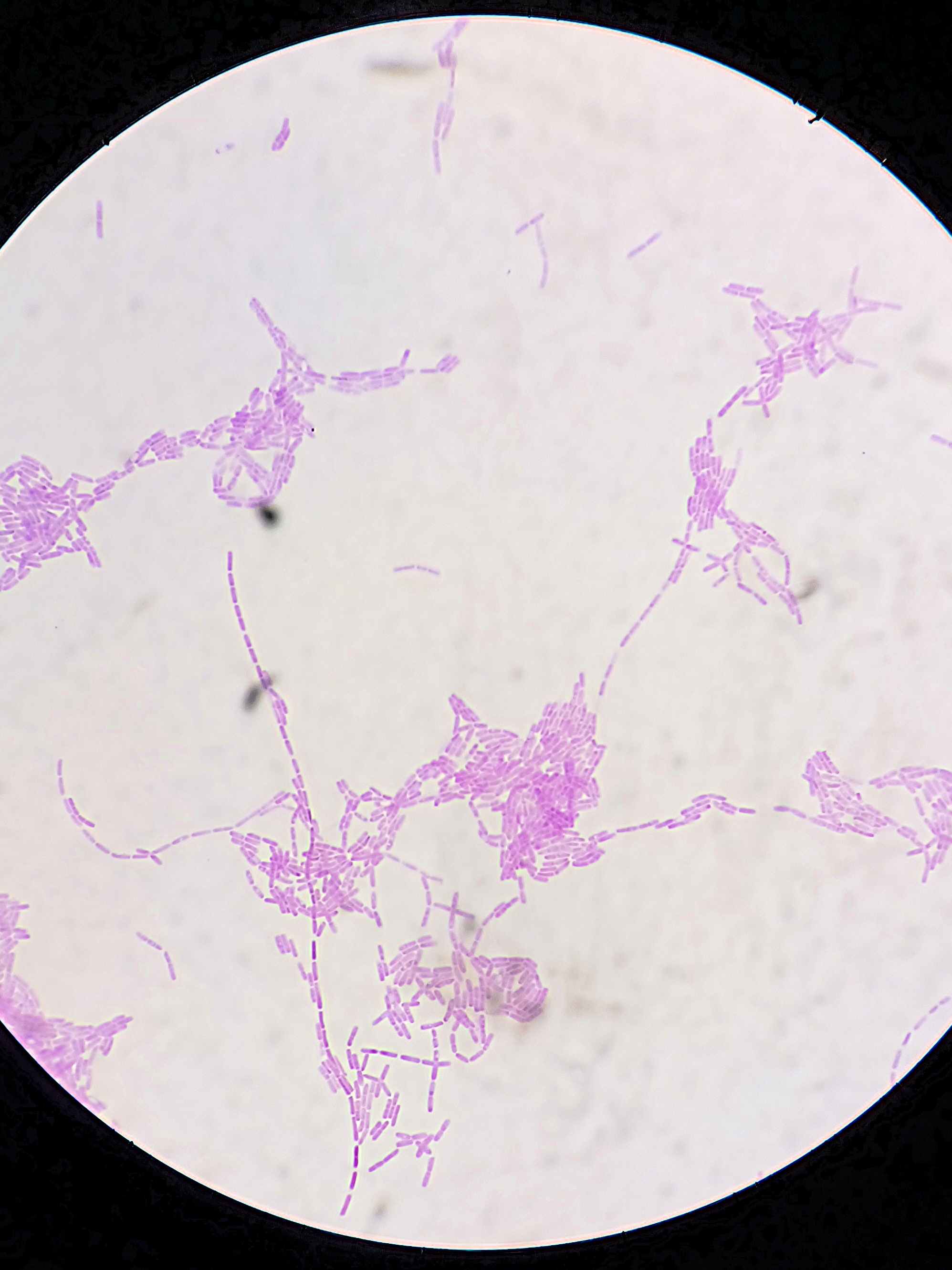
<p><em><mark data-color="#decdff" style="background-color: #decdff; color: inherit">Bacillus subtilis</mark></em></p><ul><li><p><span style="font-family: Arial, sans-serif">Rod-shaped (bacilli)</span></p></li><li><p><span style="font-family: Arial, sans-serif">Single or in chains</span></p></li><li><p><span style="font-family: Arial, sans-serif">4.0 to 10.0 micrometers</span></p></li><li><p><span style="font-family: Arial, sans-serif">Purple or blue (Gram-positive)</span></p></li><li><p>Non-pathogenic bacteria found in the soil or the human gut. It is usually used for probiotic and food production.</p></li></ul><p></p>
16
New cards
term image

Escherichia coli

  • Rod-shaped (bacilli)

  • Single or in pairs

  • 1.0 to 3.0 micrometers

  • Pink or red (Gram-negative)

  • Found in the intestines of humans and animals, where most strains are harmless. But some can cause gastrointestinal infection (food poisoning), UTI, Sepsis, Pneumonia, and Neonatal Meningitis.
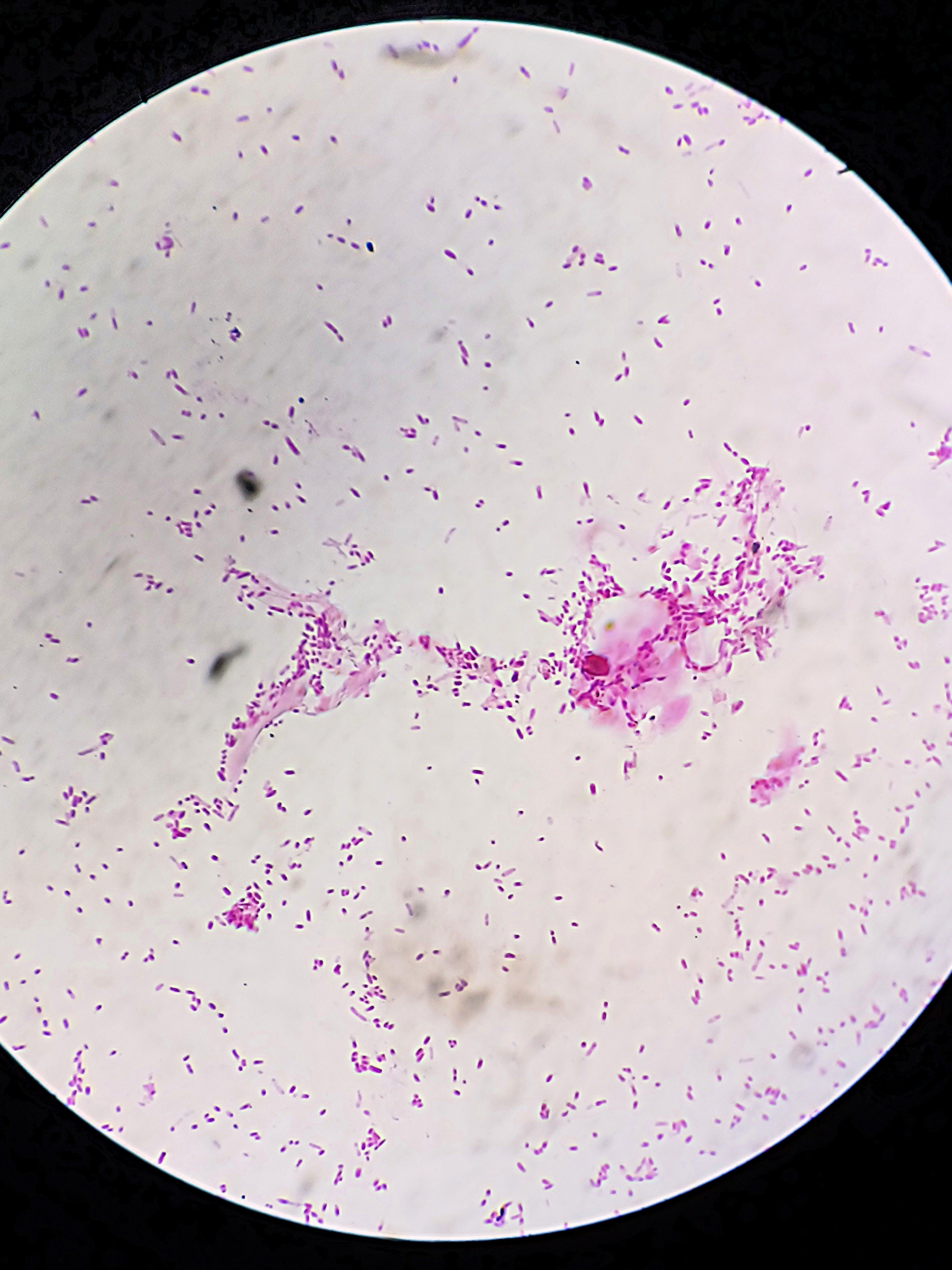
<p><span style="font-family: Arial, sans-serif"><em>Escherichia coli</em></span></p><ul><li><p><span style="font-family: Arial, sans-serif">Rod-shaped (bacilli)</span></p></li><li><p><span style="font-family: Arial, sans-serif">Single or in pairs</span></p></li><li><p><span style="font-family: Arial, sans-serif">1.0 to 3.0 micrometers</span></p></li><li><p><span style="font-family: Arial, sans-serif">Pink or red (Gram-negative)</span></p></li><li><p>Found in the intestines of humans and animals, where most strains are harmless. But some can cause gastrointestinal infection (food poisoning), UTI, Sepsis, Pneumonia, and Neonatal Meningitis.</p></li></ul><p></p>
17
New cards
term image

Spirillum

  • Spiral-shaped (spirilla)

  • Single

  • 1.4 to 1.7 micrometers in diameter and 6 to 15 micrometers in length

  • Typically pink or red (Gram-negative)

  • most commonly found in stagnant water, rich in organic material. While many species are non-pathogenic, some can cause infections in humans. Such as ___ minus can cause Rat-Bitten-Fever.
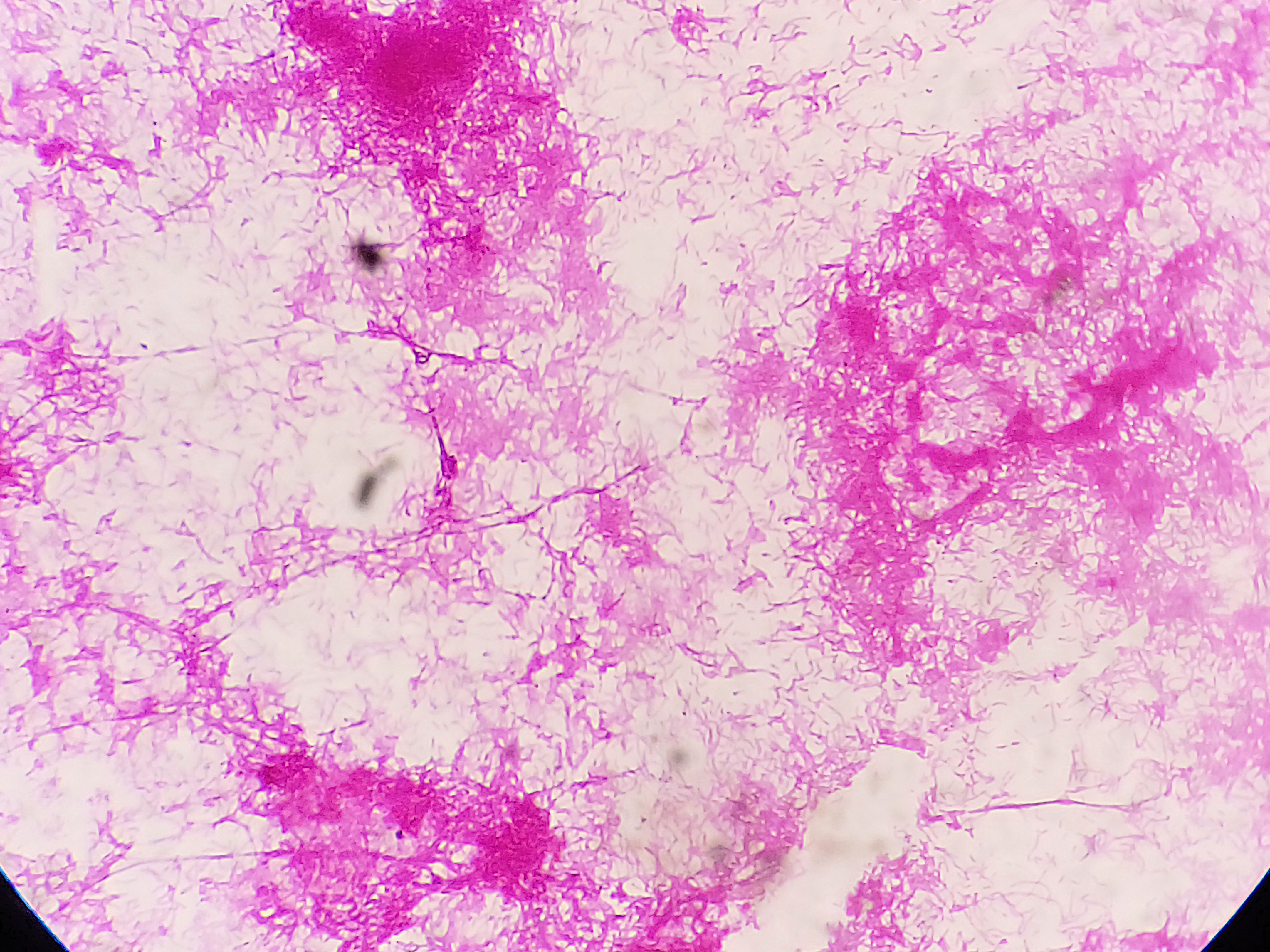
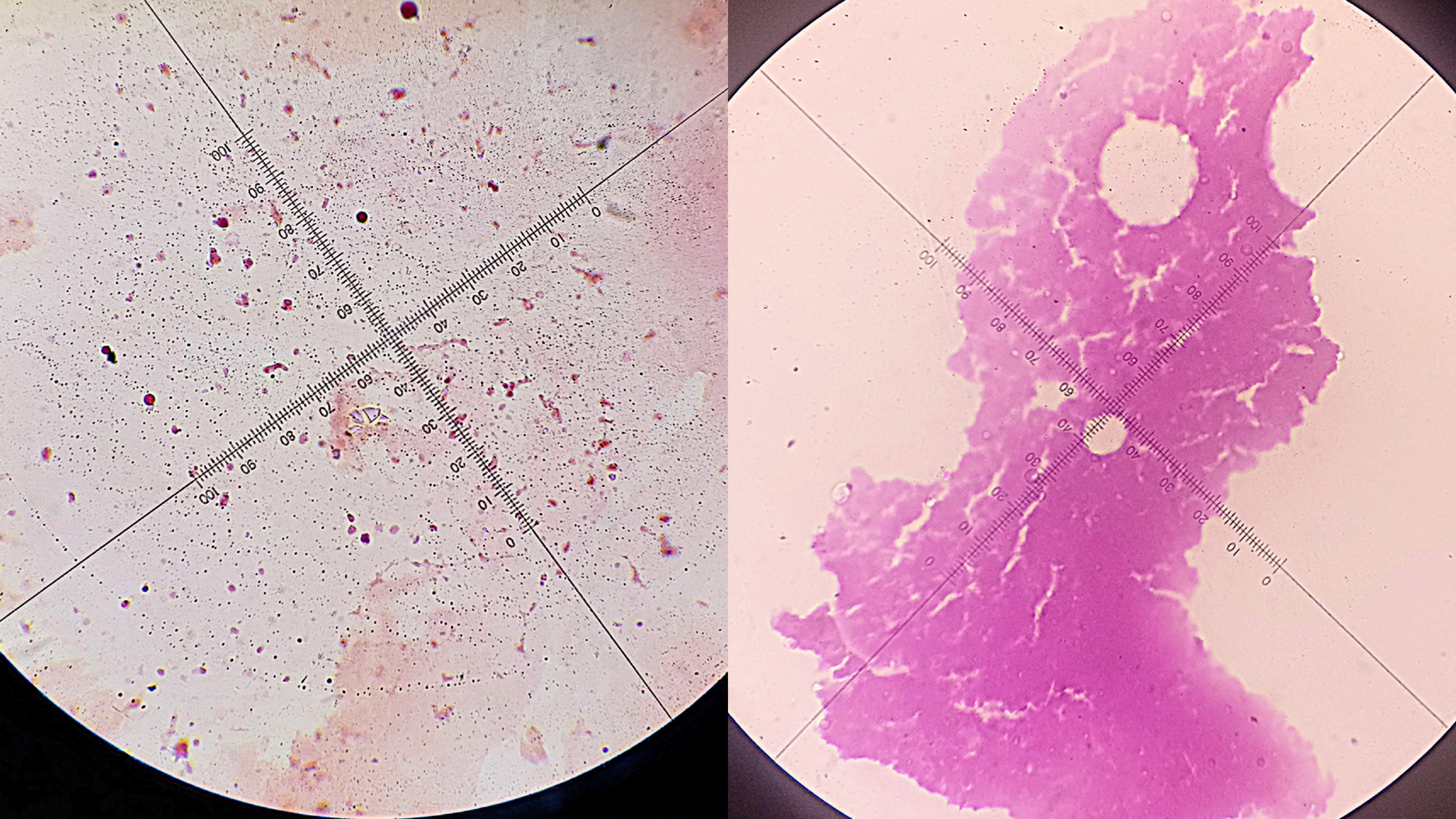
<p><span style="font-family: Arial, sans-serif"><em>Spirillum</em></span></p><ul><li><p><span style="font-family: Arial, sans-serif">Spiral-shaped (spirilla)</span></p></li><li><p><span style="font-family: Arial, sans-serif">Single</span></p></li><li><p><span style="font-family: Arial, sans-serif">1.4 to 1.7 micrometers in diameter and 6 to 15 micrometers in length</span></p></li><li><p><span style="font-family: Arial, sans-serif">Typically pink or red (Gram-negative)</span></p></li><li><p>most commonly found in stagnant water, rich in organic material. While many species are non-pathogenic, some can cause infections in humans. Such as ___ <em>minus</em> can cause Rat-Bitten-Fever.</p></li></ul><p></p>
18
New cards
term image

Klebsiella pneumoniae

  • Shape: Rod-shaped (bacilli)

  • Arrangement: Single or in pairs

  • Size: 1.0 to 2.0 micrometers

  • Gram Stain Color: Pink or red (Gram-negative)

  • A normal flora of the intestines, but can cause serious infections. Such as Pneumonia, UTI, Sepsis, Wound infections, Meningitis, and Liver Abscess.
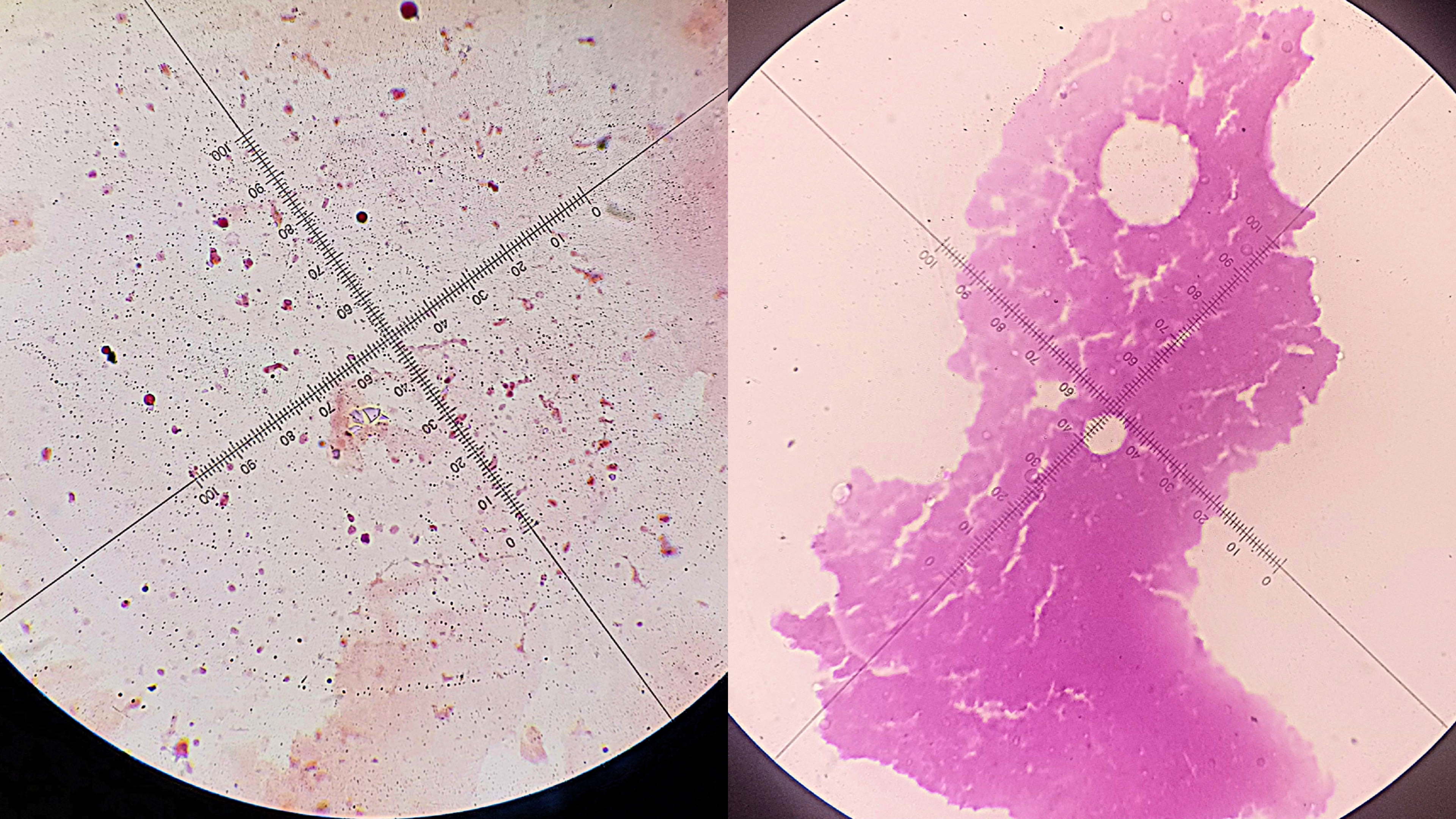
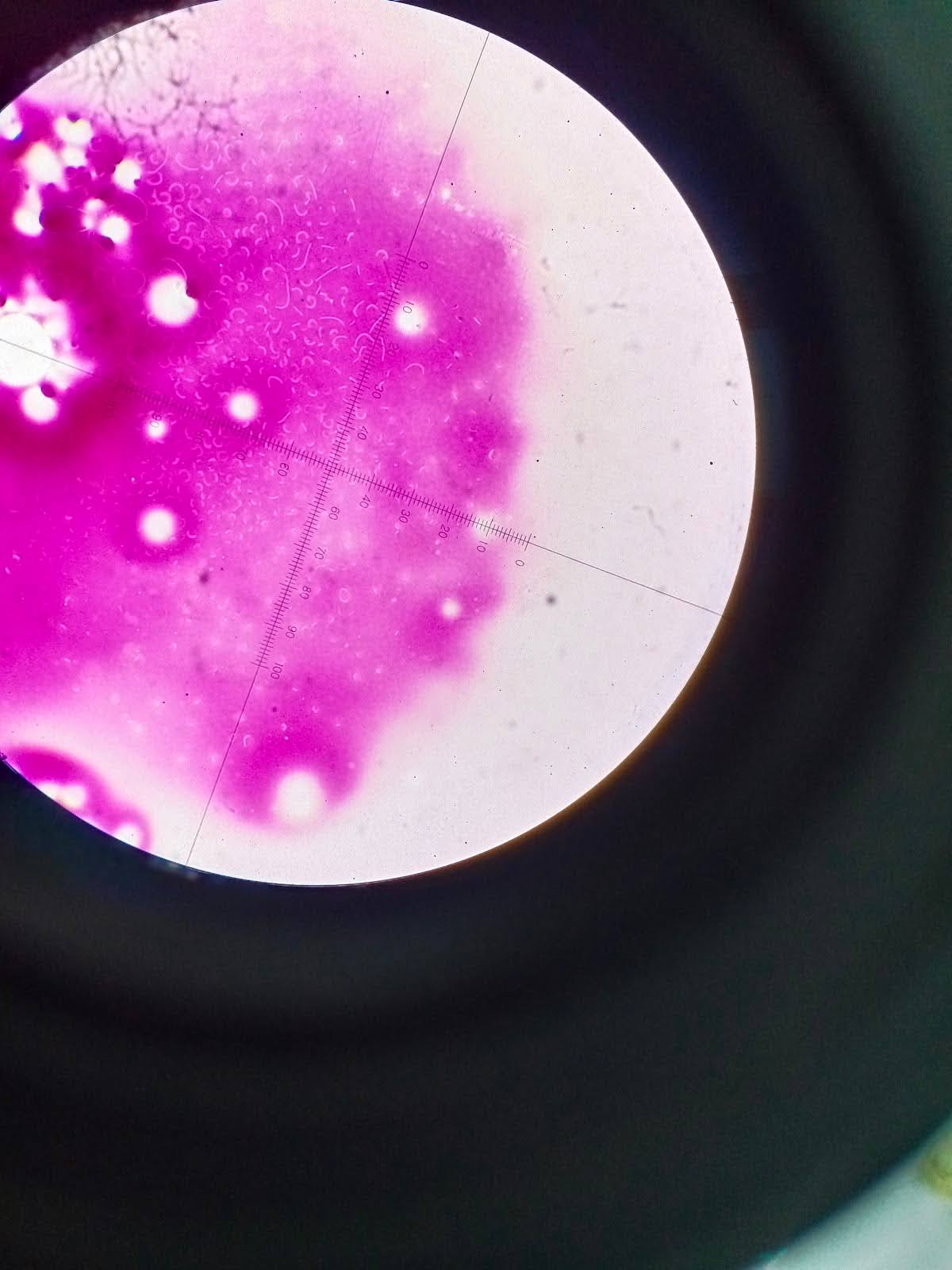
<p><span style="font-family: Arial, sans-serif"><em>Klebsiella pneumoniae</em></span></p><ul><li><p><span style="font-family: Arial, sans-serif">Shape: Rod-shaped (bacilli)</span></p></li><li><p><span style="font-family: Arial, sans-serif">Arrangement: Single or in pairs</span></p></li><li><p><span style="font-family: Arial, sans-serif">Size: 1.0 to 2.0 micrometers</span></p></li><li><p><span style="font-family: Arial, sans-serif">Gram Stain Color: Pink or red (Gram-negative)</span></p></li><li><p><span style="font-family: Arial, sans-serif">A normal flora of the intestines, but can cause serious infections. Such as Pneumonia, UTI, Sepsis, Wound infections, Meningitis, and Liver Abscess.</span></p></li></ul><p></p>
19
New cards
term image

Serratia marcescens

  • Rod-shaped (bacilli)

  • typically singles or in pair or short chains

  • 1.0 to 2.0 micrometers

  • pink or red (Gram-negative)

  • opportunistic human pathogen in hospitals and as a plant growth promoting bacteria (PGPR) in crops
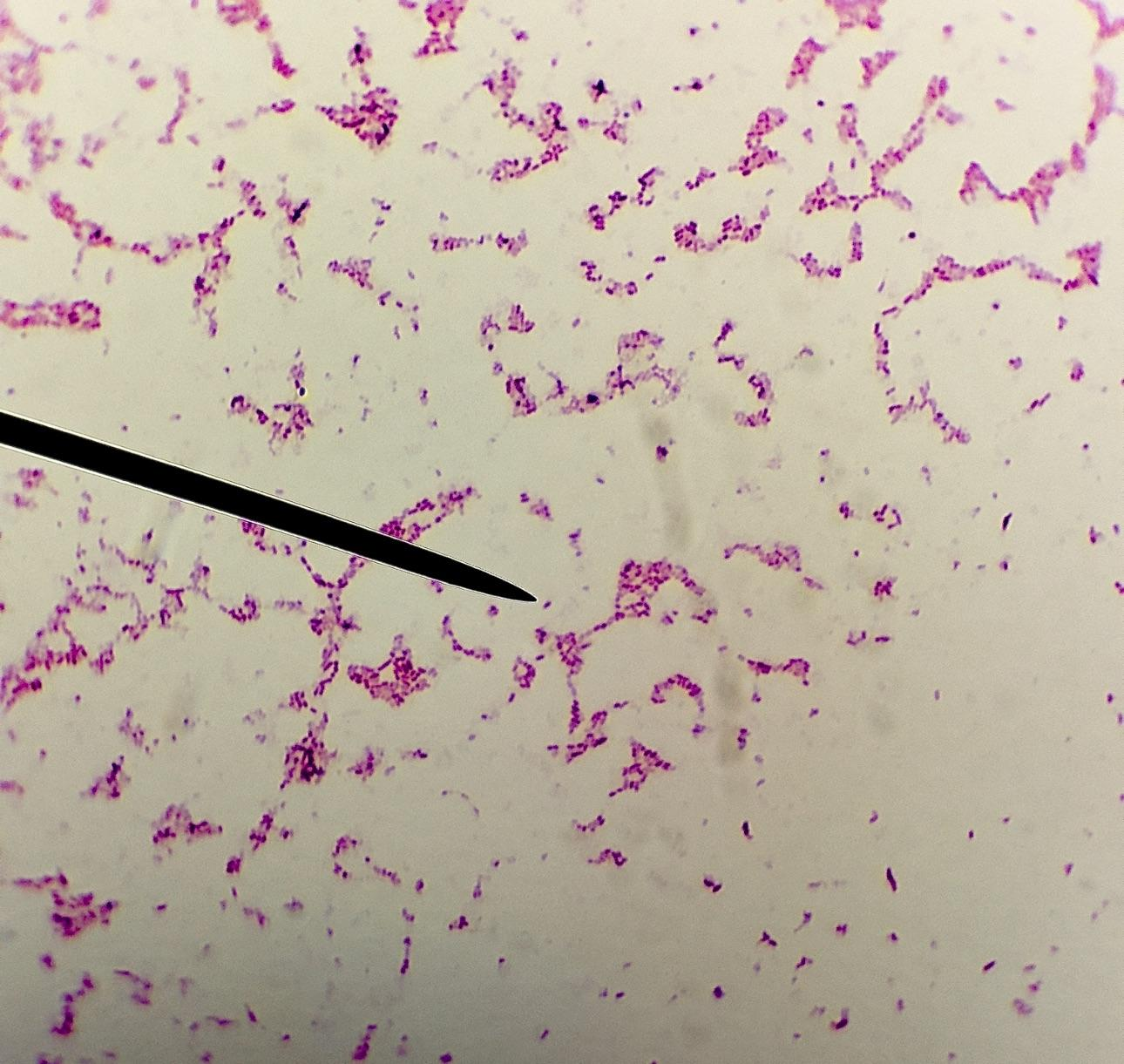
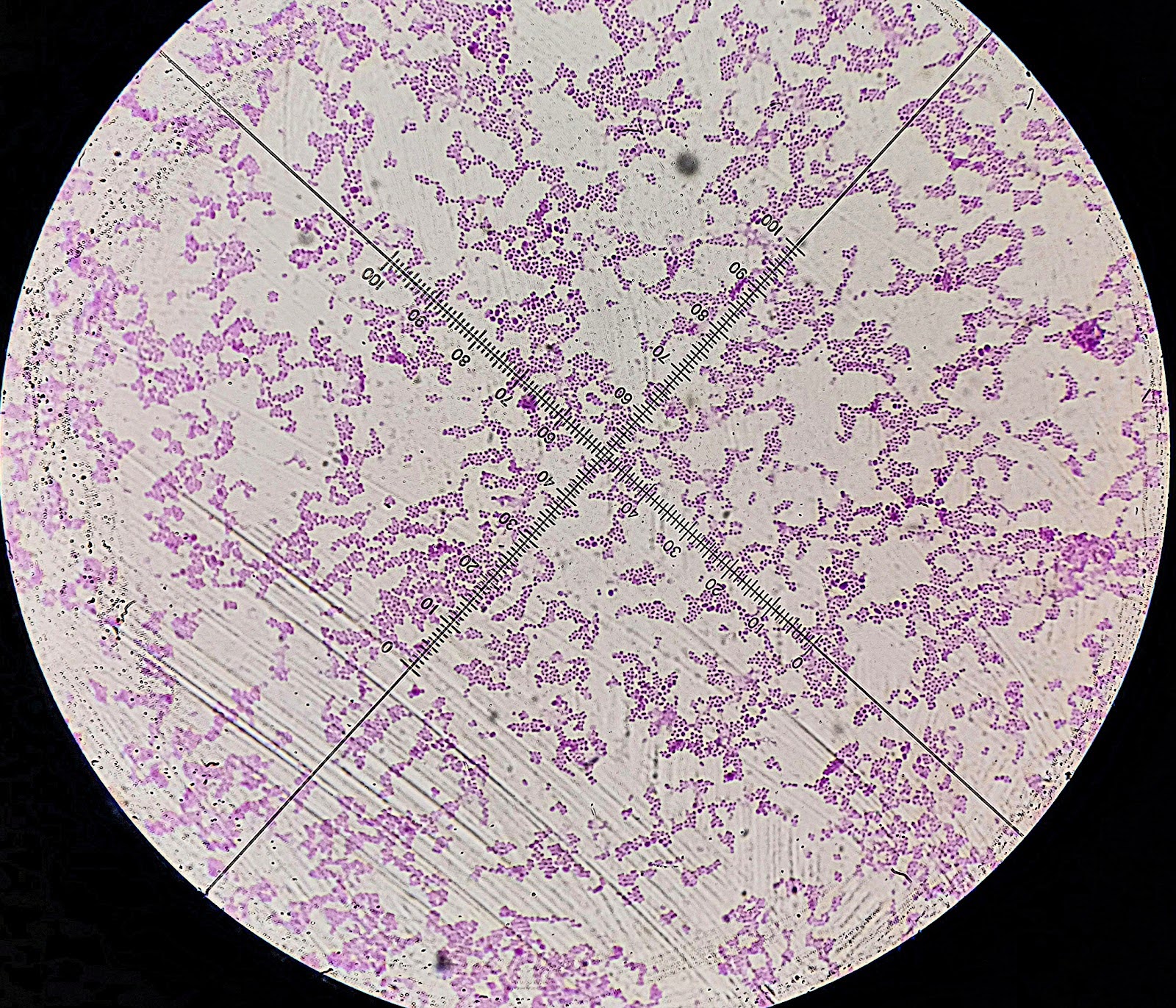
<p><em>Serratia marcescens</em></p><ul><li><p>Rod-shaped (bacilli)</p></li><li><p>typically singles or in pair or short chains</p></li><li><p>1.0 to 2.0 micrometers</p></li><li><p>pink or red (Gram-negative)</p></li><li><p>opportunistic human pathogen in hospitals and as a plant growth promoting bacteria (PGPR) in crops</p></li></ul><p></p>
20
New cards
term image

Clostridium perfringens

  • Rod-shaped (bacilli)

  • Arrangement: Single or in short chains

  • Size: 3.0 to 8.0 micrometers

  • Gram Stain Color: Purple or blue (Gram-positive)

  • providing agroecological benefits in plant-growth promotion
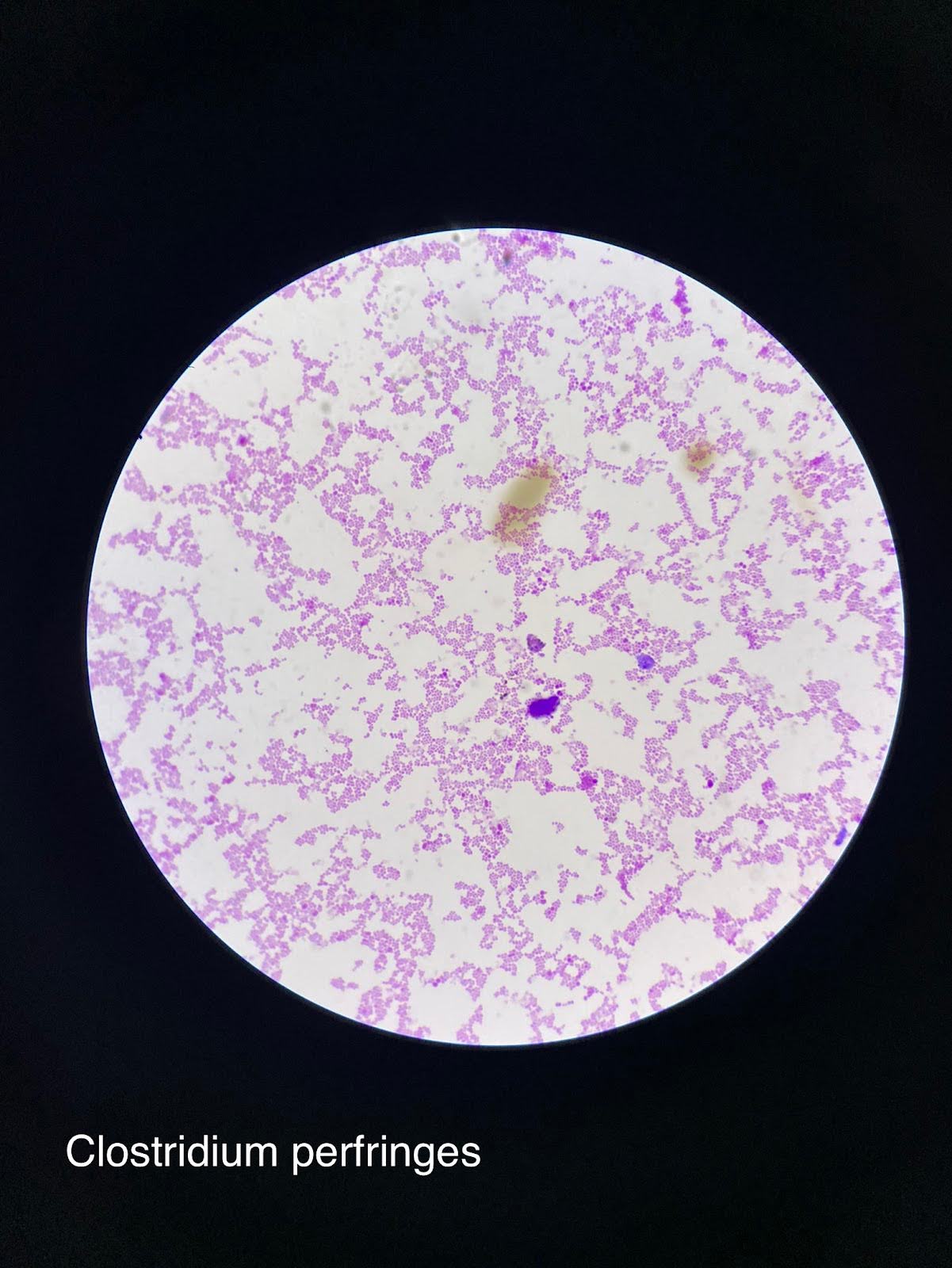
<p><em>Clostridium perfringens</em></p><ul><li><p>Rod-shaped (bacilli)</p></li><li><p>Arrangement: Single or in short chains</p></li><li><p>Size: 3.0 to 8.0 micrometers</p></li><li><p>Gram Stain Color: Purple or blue (Gram-positive)</p></li><li><p>providing agroecological benefits in plant-growth promotion</p></li></ul><p></p>
21
New cards
term image

Alcaligenes faecalis

  • Rod (bacillus)

  • singles or in pairs

  • Pink

  • Gram negative

  • trigger local infections, including peritonitis, meningitis, otitis media, appendicitis, and bloodstream infection
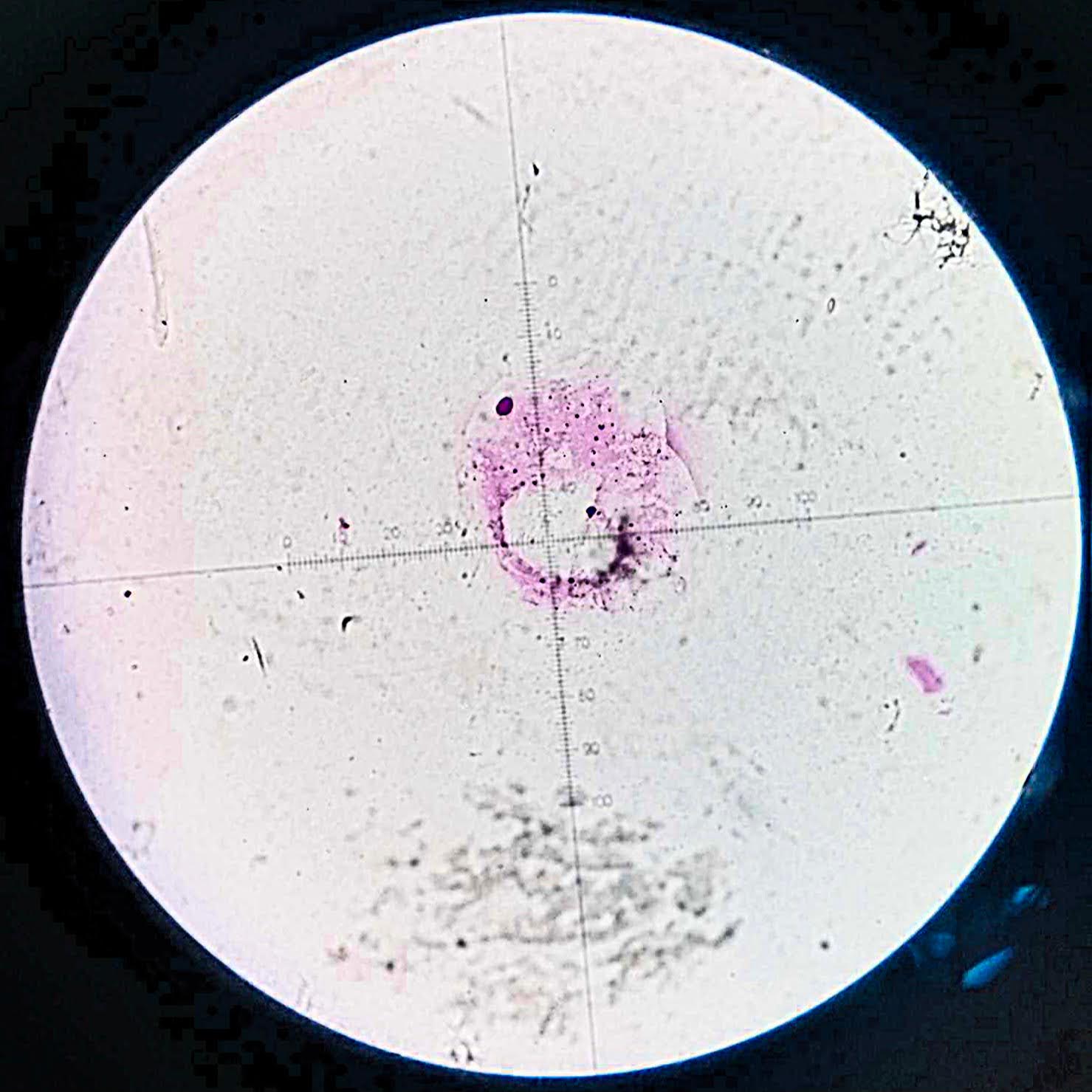
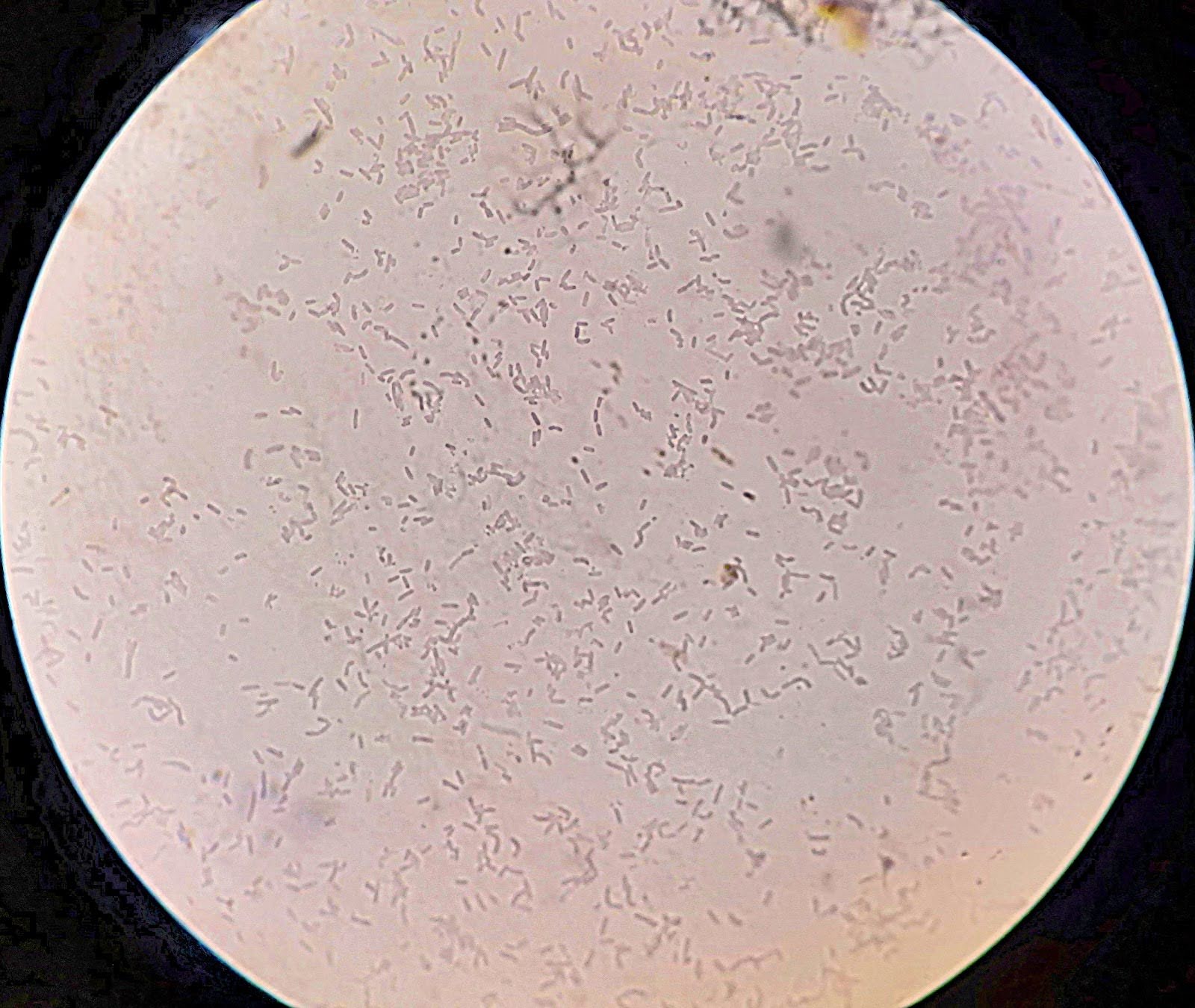
<p><em><mark data-color="#fecae0" style="background-color: #fecae0; color: inherit">Alcaligenes faecalis </mark></em></p><ul><li><p><span style="font-family: Times New Roman, serif">Rod (bacillus)</span></p></li><li><p>singles or in pairs </p></li><li><p>Pink</p></li><li><p>Gram negative </p></li><li><p><strong>trigger local infections, including peritonitis, meningitis, otitis media, appendicitis, and bloodstream infection</strong></p></li></ul><p></p>
22
New cards
term image

Lactpbacillus sp.

  • Rod-shaped (bacilli)

  • Single or in chains

  • 4.0 to 10.0 micrometers

  • Purple or blue (Gram-positive)

  • Non-pathogenic bacteria found

  • safe for use in food (probiotics and to ferment food)