AP Psychology: Topic 2.1 - Perception
 Call Kai
 Learn
Learn Practice Test
 Spaced Repetition
 Match
Match Flashcards
 Knowt Play
1/23

There's no tags or description
Looks like no tags are added yet.
Name | Mastery | Learn | Test | Matching | Spaced | Call with Kai | Chat |
|---|
No analytics yet
Send a link to your students to track their progress
24 Terms
Bottom-up processing
analysis that begins with the sense receptors and works up to the brain's integration of sensory information
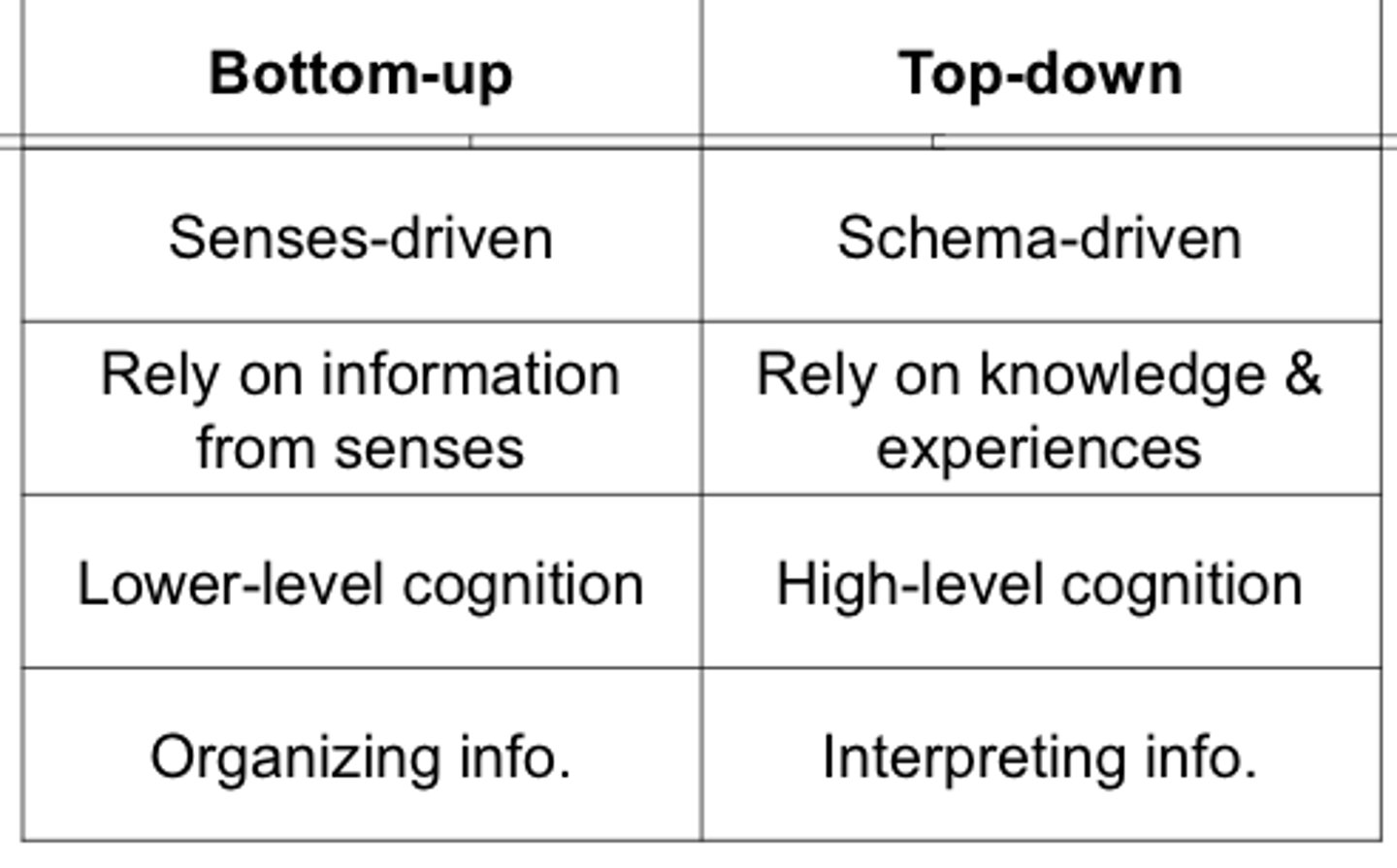
Top-down processing
information processing guided by higher-level mental processes, as when we construct perceptions drawing on our experience and expectations
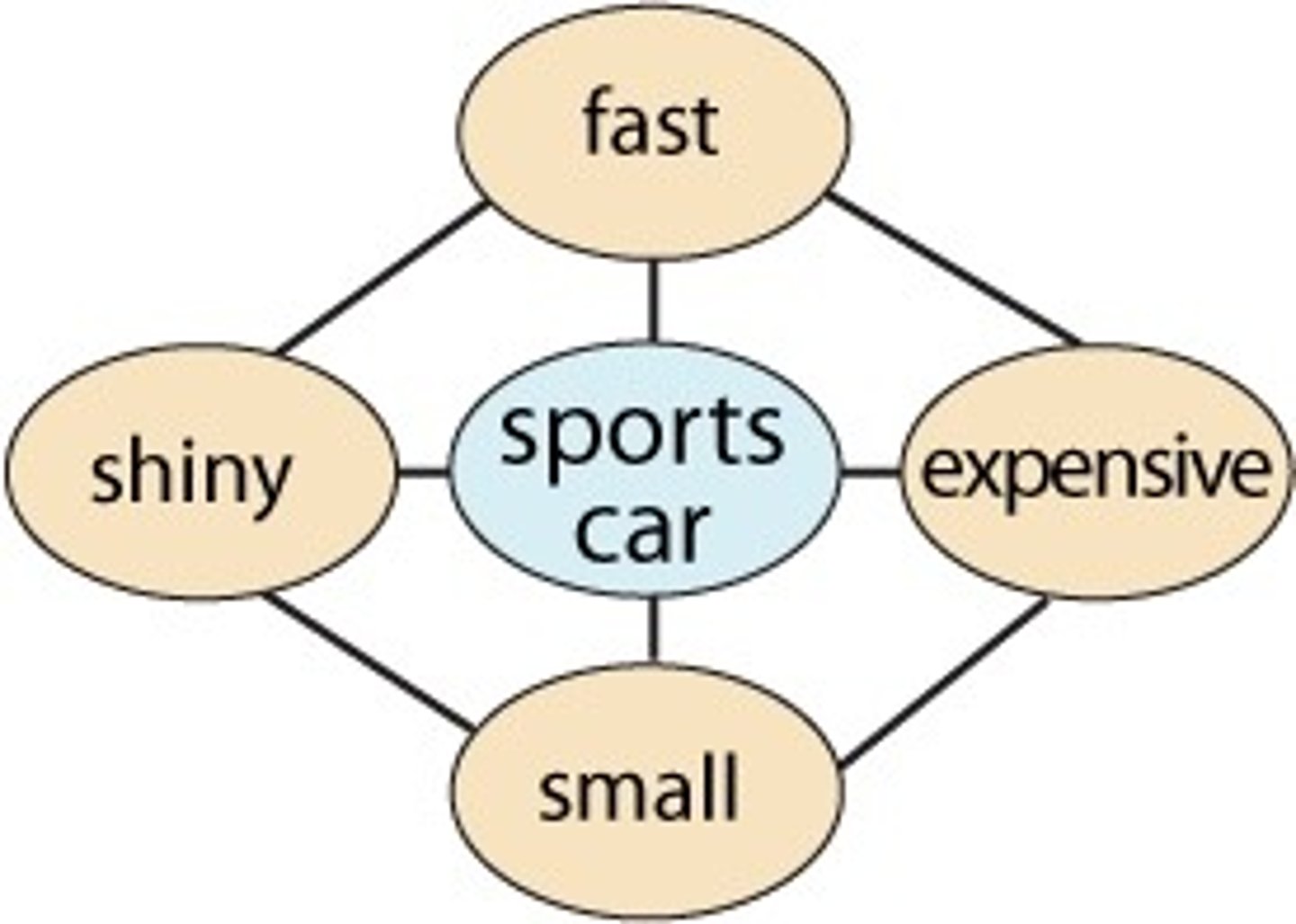
Schema
a conceptual framework a person uses for organizing and perceiving new information
Perceptual set
a predisposition or readiness to perceive something in a particular way and to ignore other perceptions
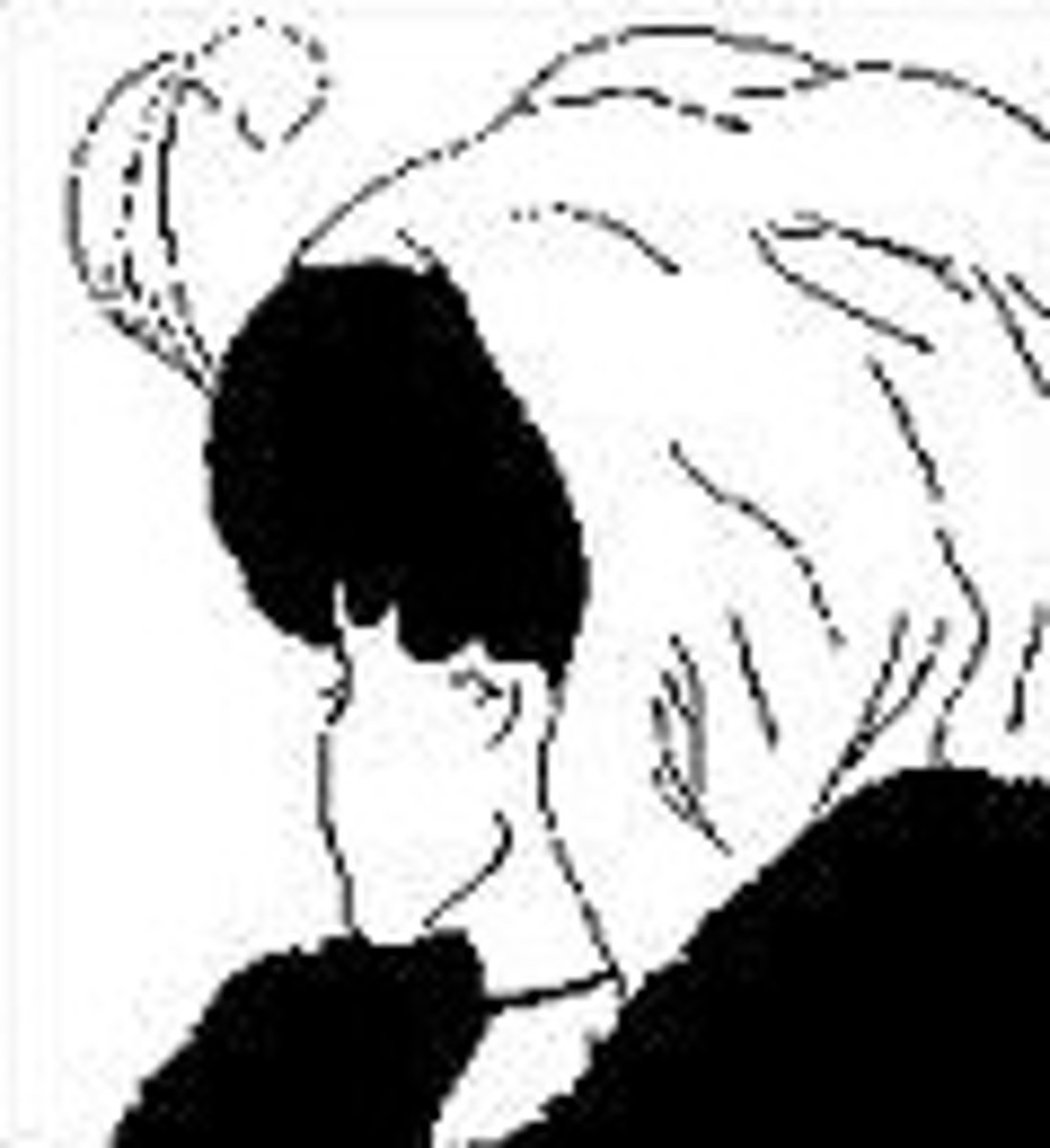
Gestalt psychology
a psychological approach that emphasizes that we often perceive the whole rather than the sum of the parts
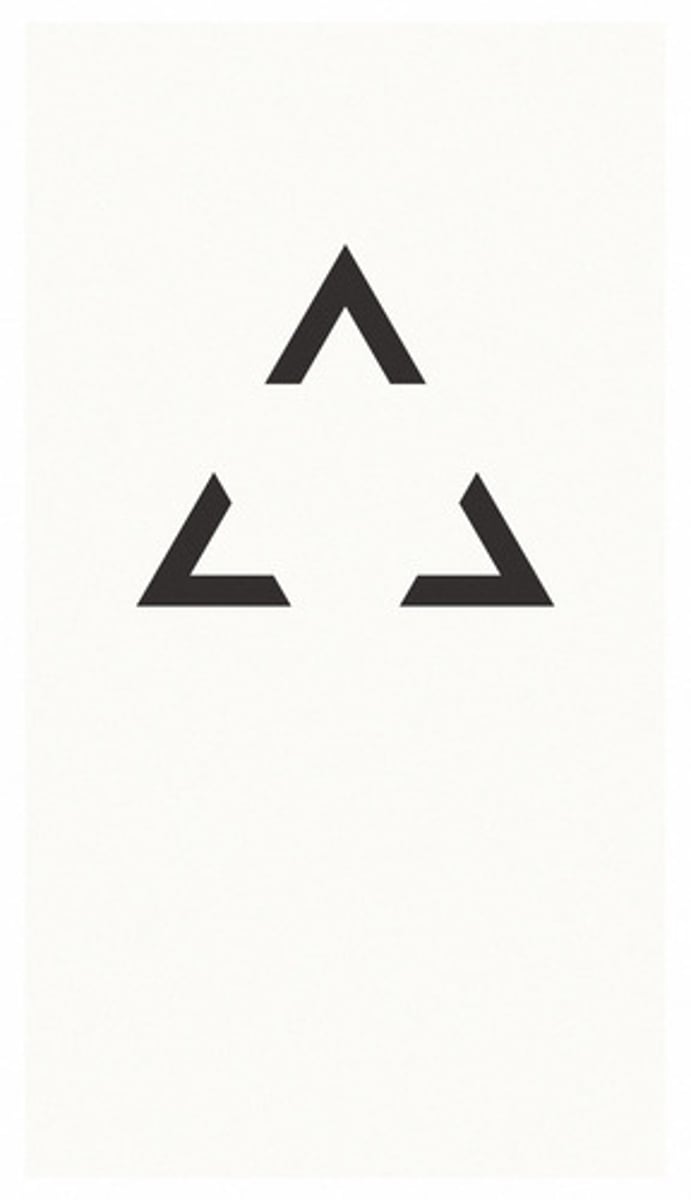
Closure
the tendency of the brain to complete figures that are incomplete
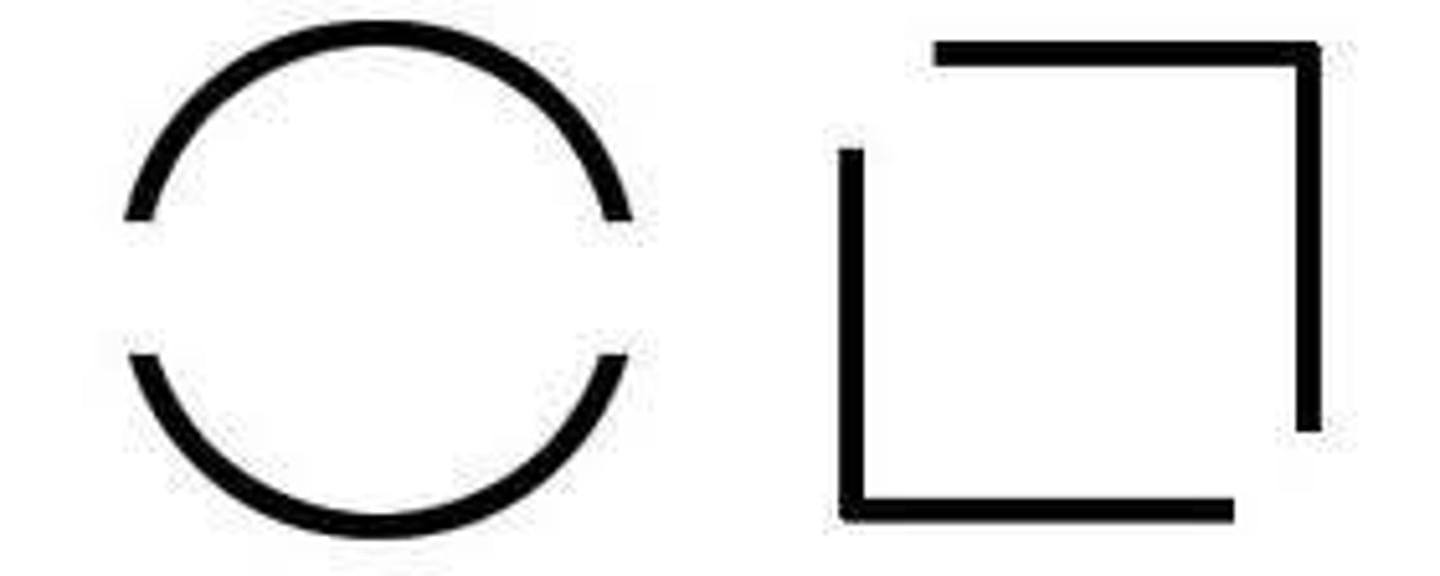
Figure and ground
a human's ability to visually differentiate between an object and its background

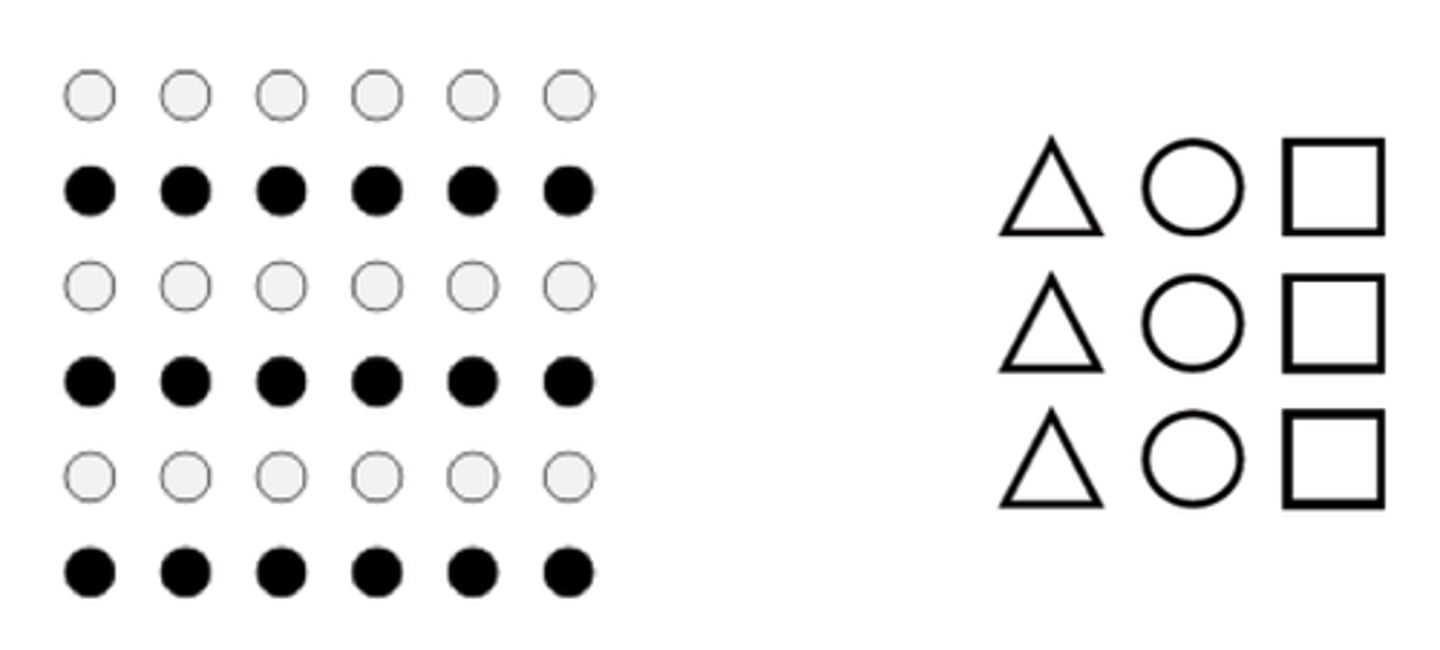
Proximity
a tendency of the brain to perceive that things which are closer to each other as more related than things farther apart
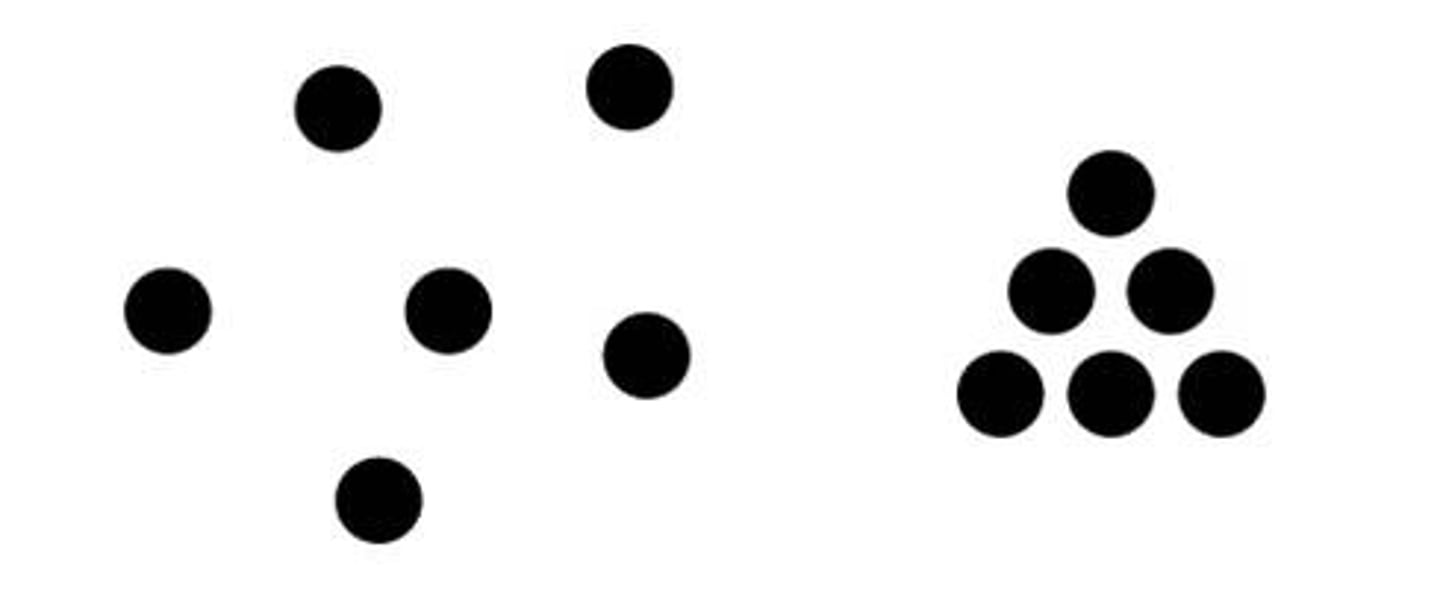
Similarity
when things appear similar to each other, the brain tends to group them together and perceive that they have the same function
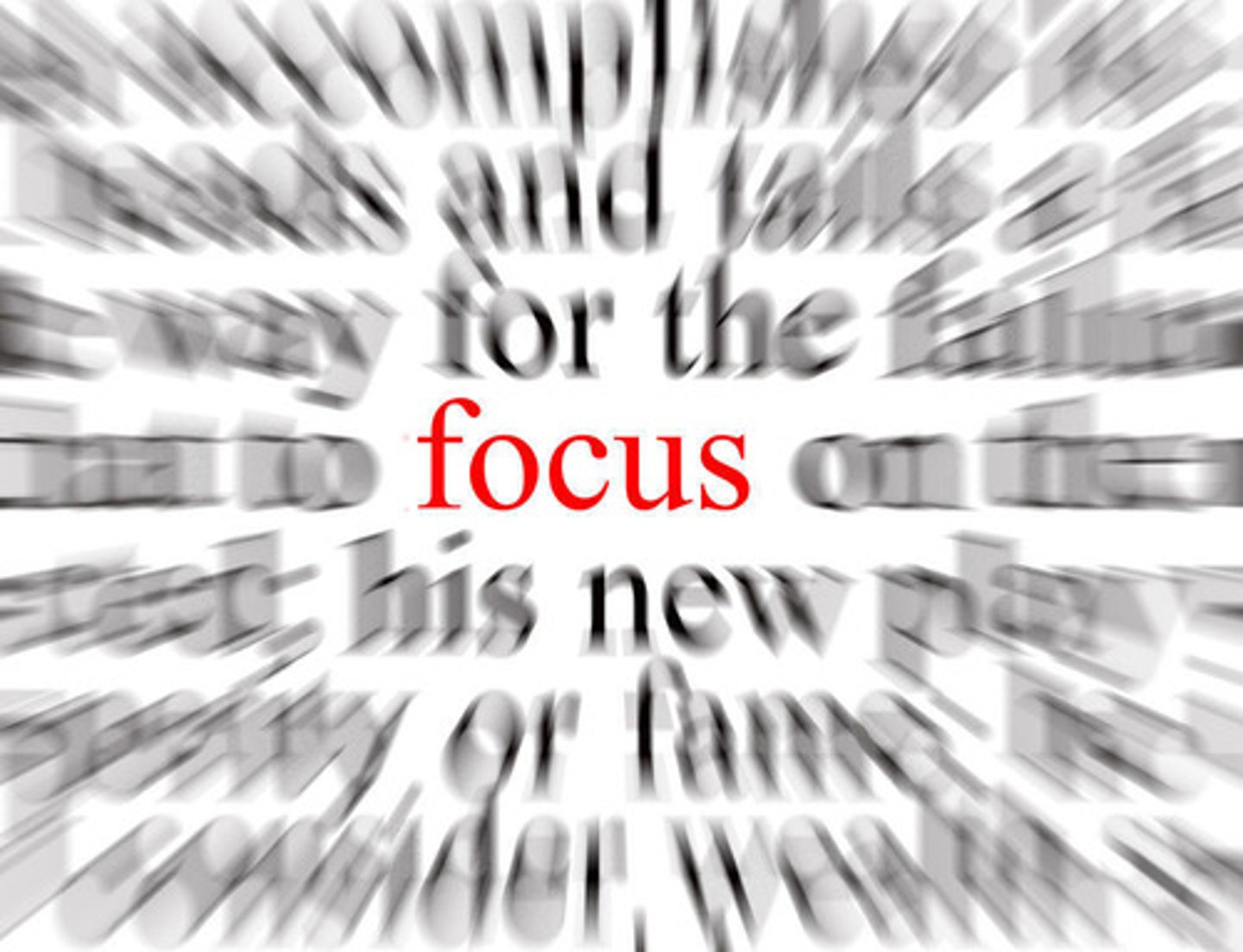
Attention
focusing awareness on a narrowed range of stimuli or events
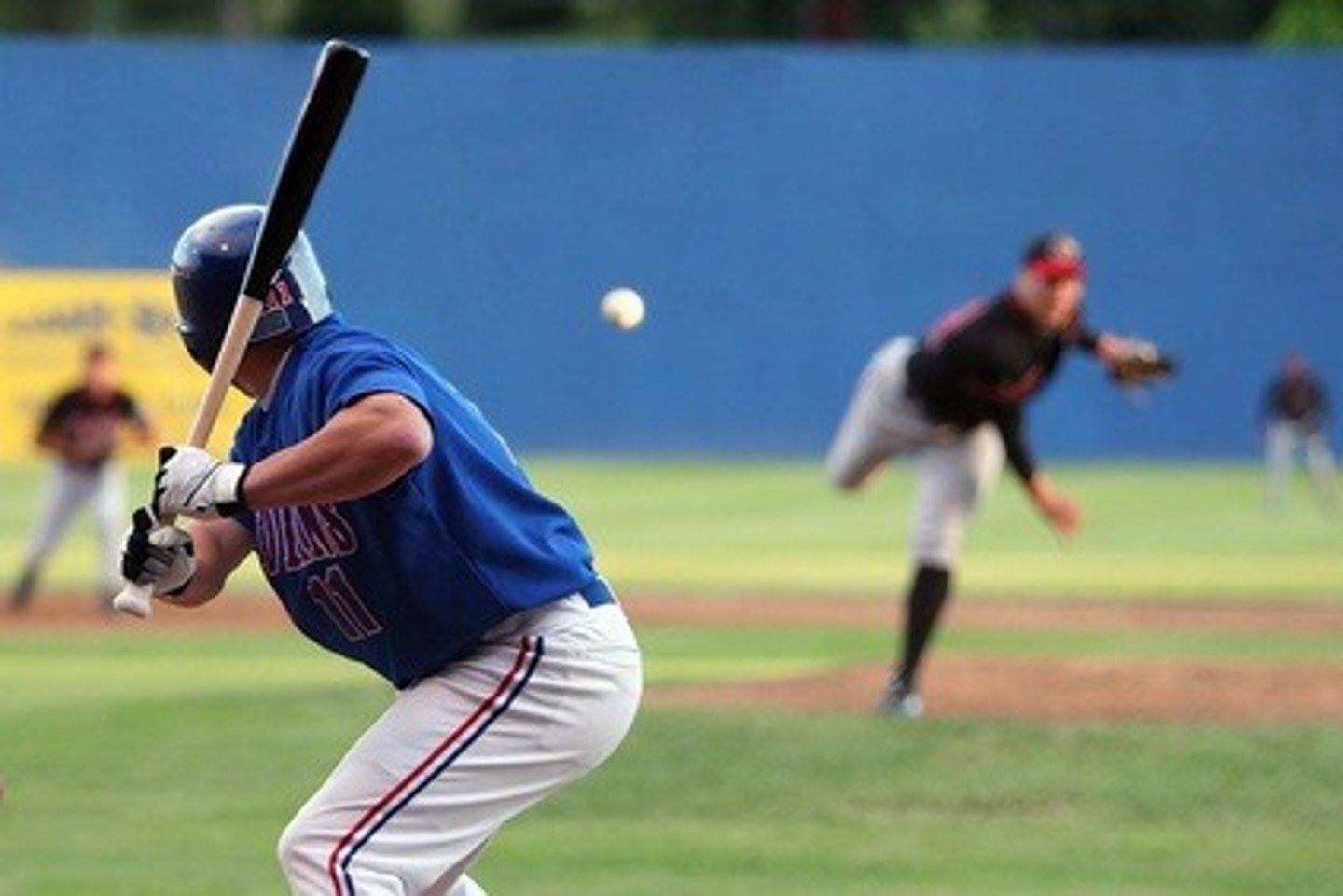
Selective attention
the focusing of conscious awareness on a particular stimulus and not others
Cocktail party effect
the ability to attend to only one conversation among many
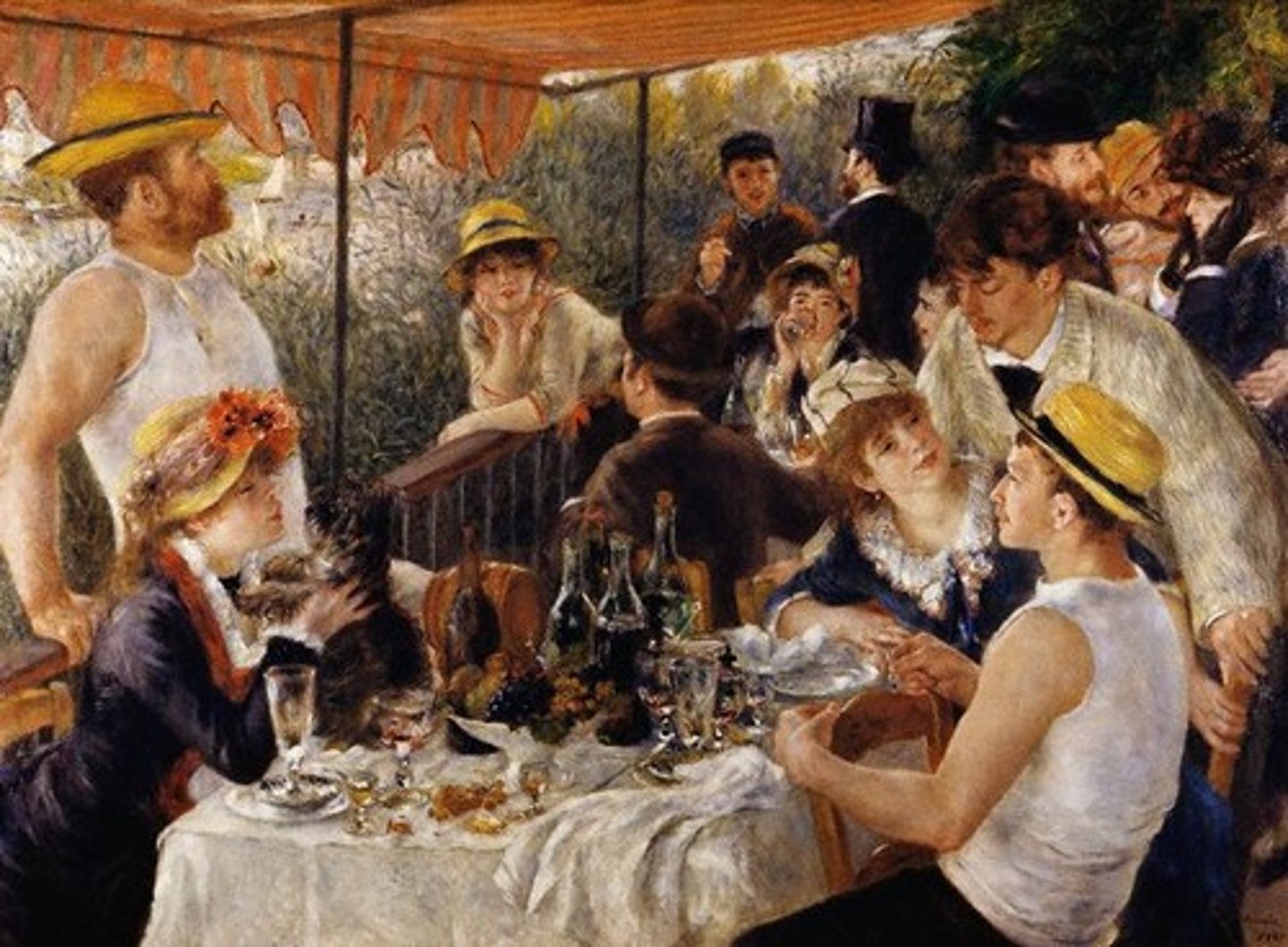
Inattentional blindness
a failure to perceive stimuli that are not the focus of attention
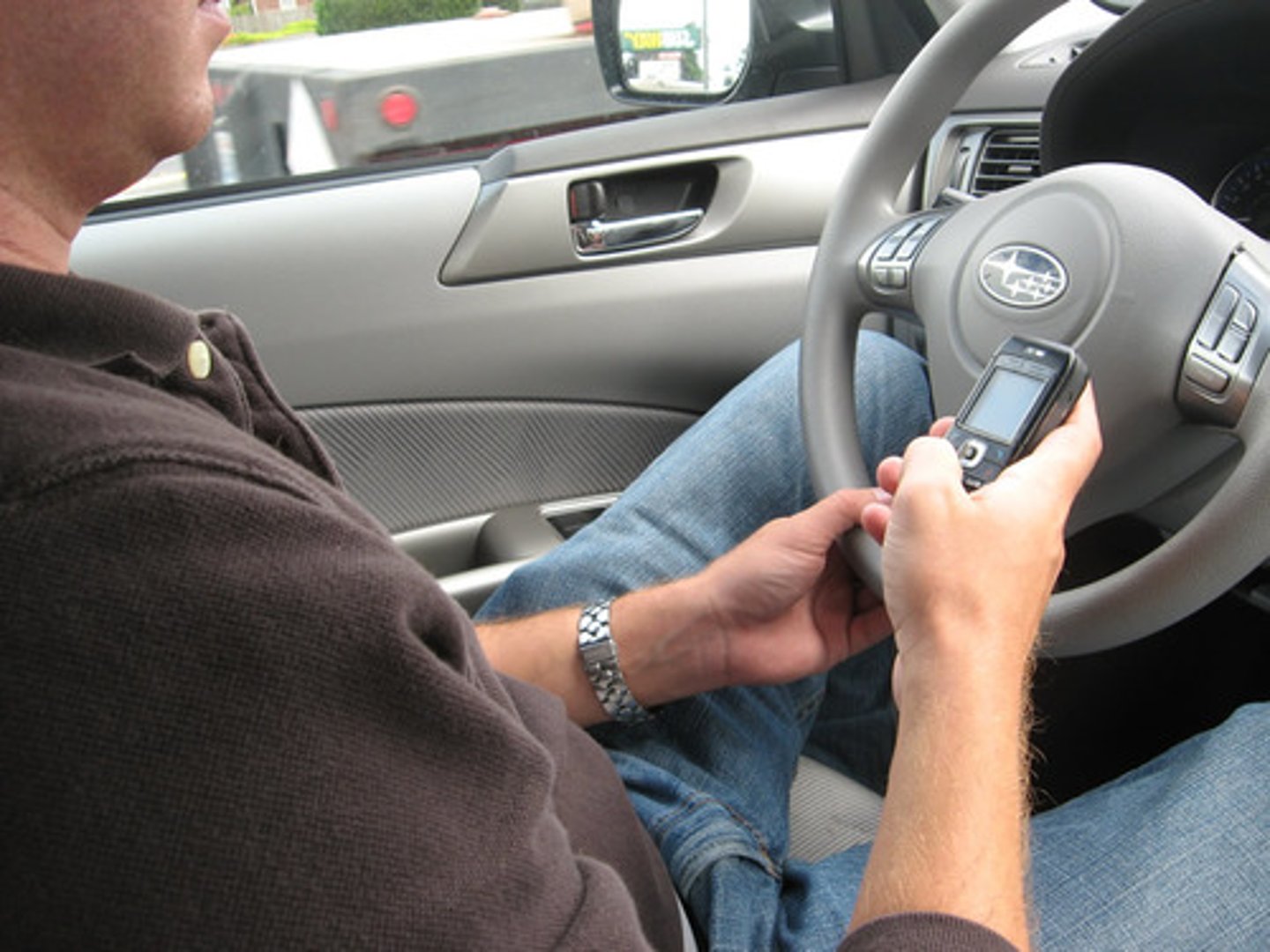
Change blindness
failing to notice changes in the environment; a form of inattentional blindness
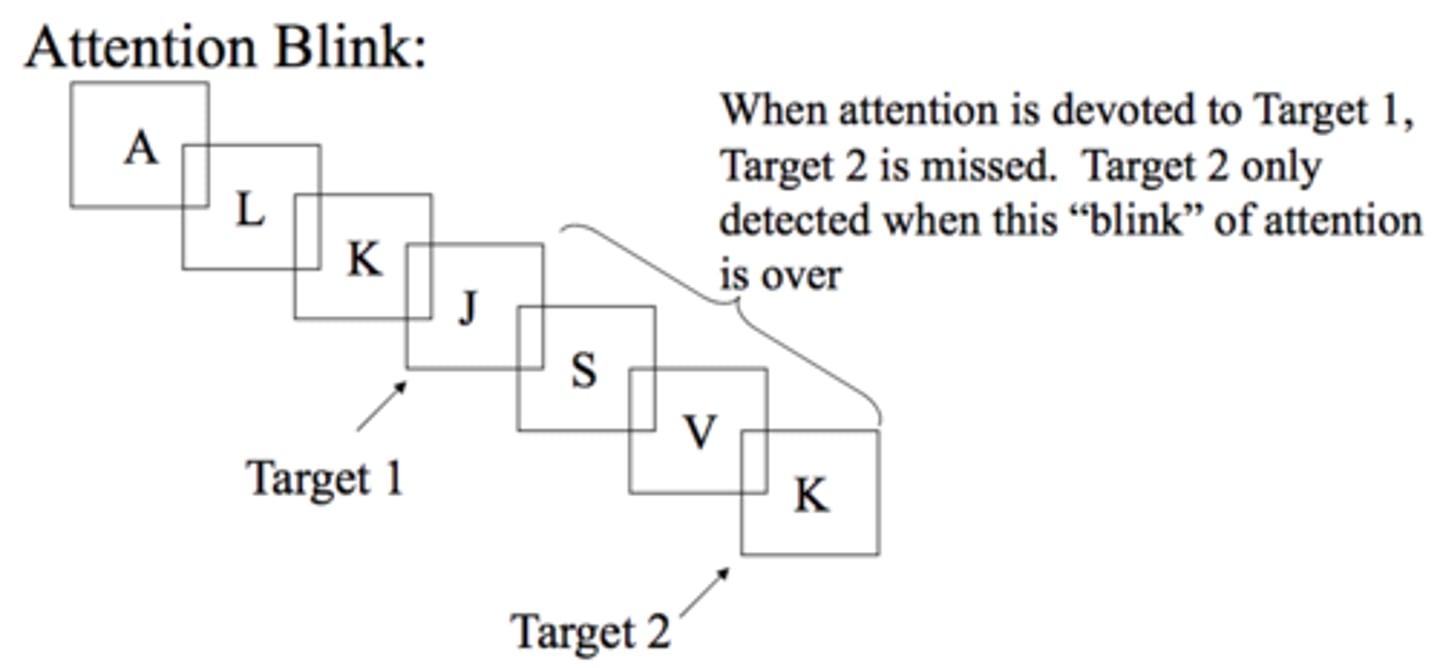
Binocular depth cues
cues of depth perception that arise from the fact that people have two eyes
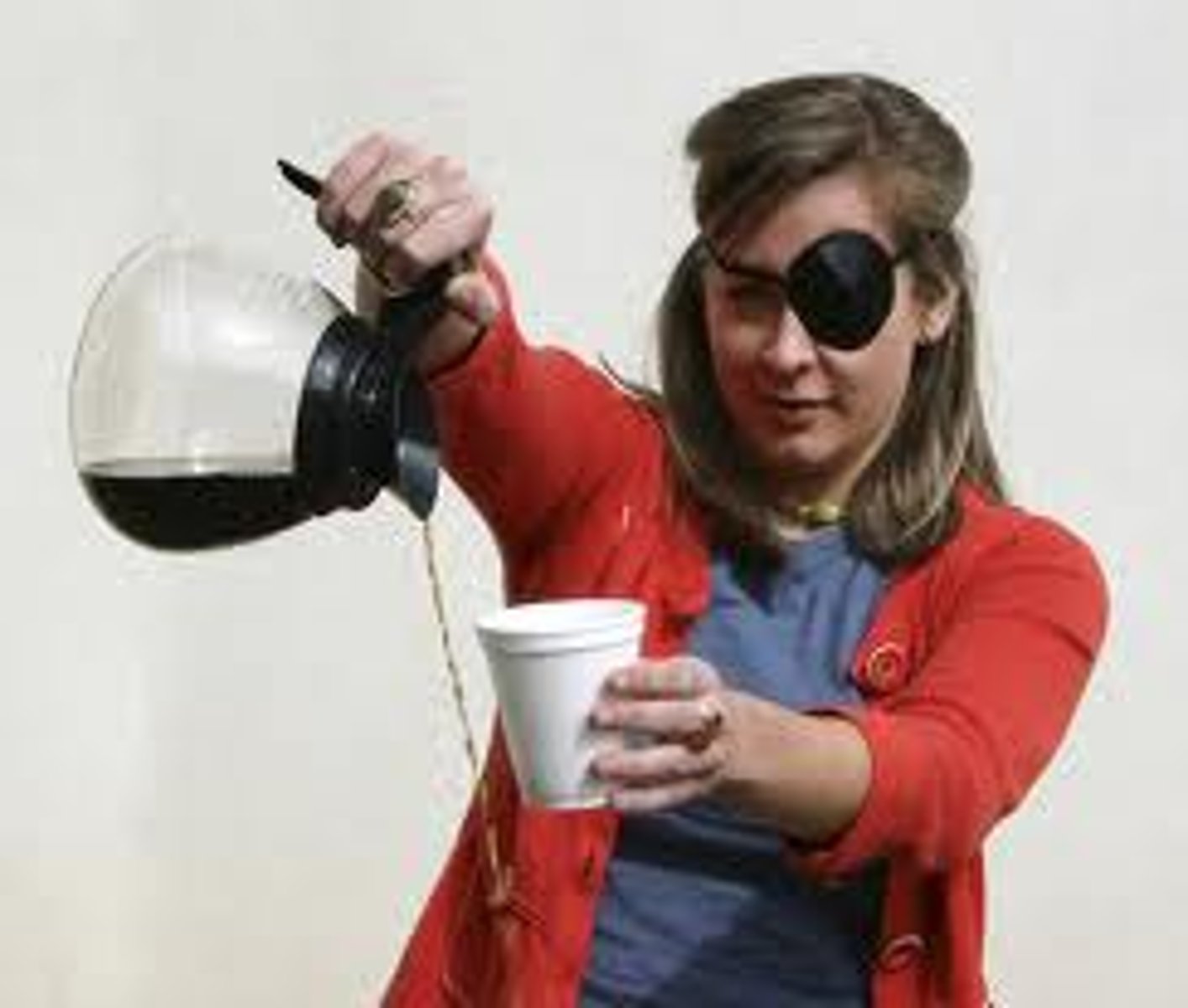
Retinal disparity
a binocular cue used to perceive depth between two near objects
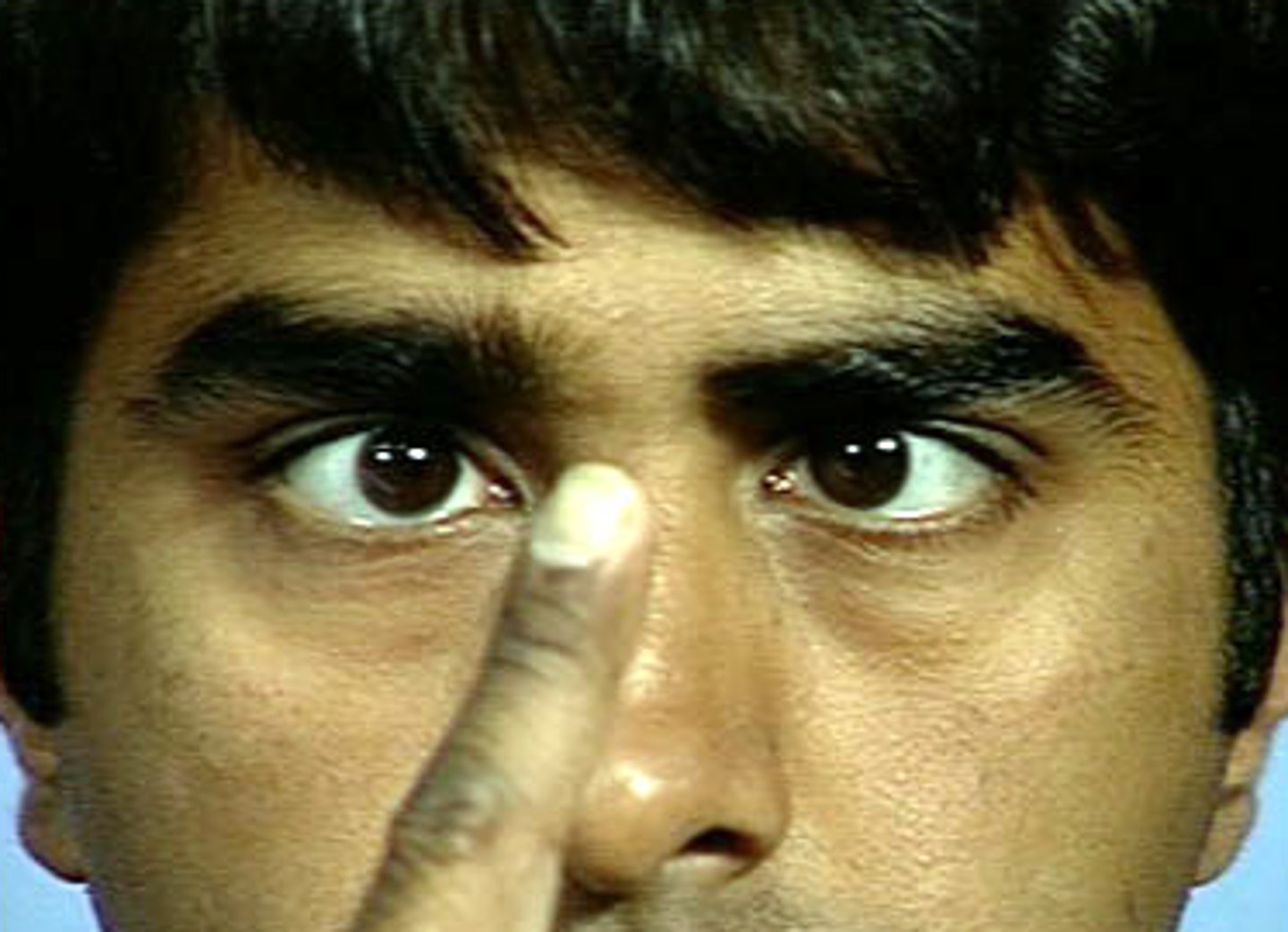
Convergence
a binocular cue for depth resulting from the eyes converging inward when looking at an object
Monocular depth cues
cues of depth perception that are perceived by one eye, rather than by both working together
Relative clarity
a monocular cue for perceiving depth in which distant objects appear hazy or blurry while near object are sharp and clear

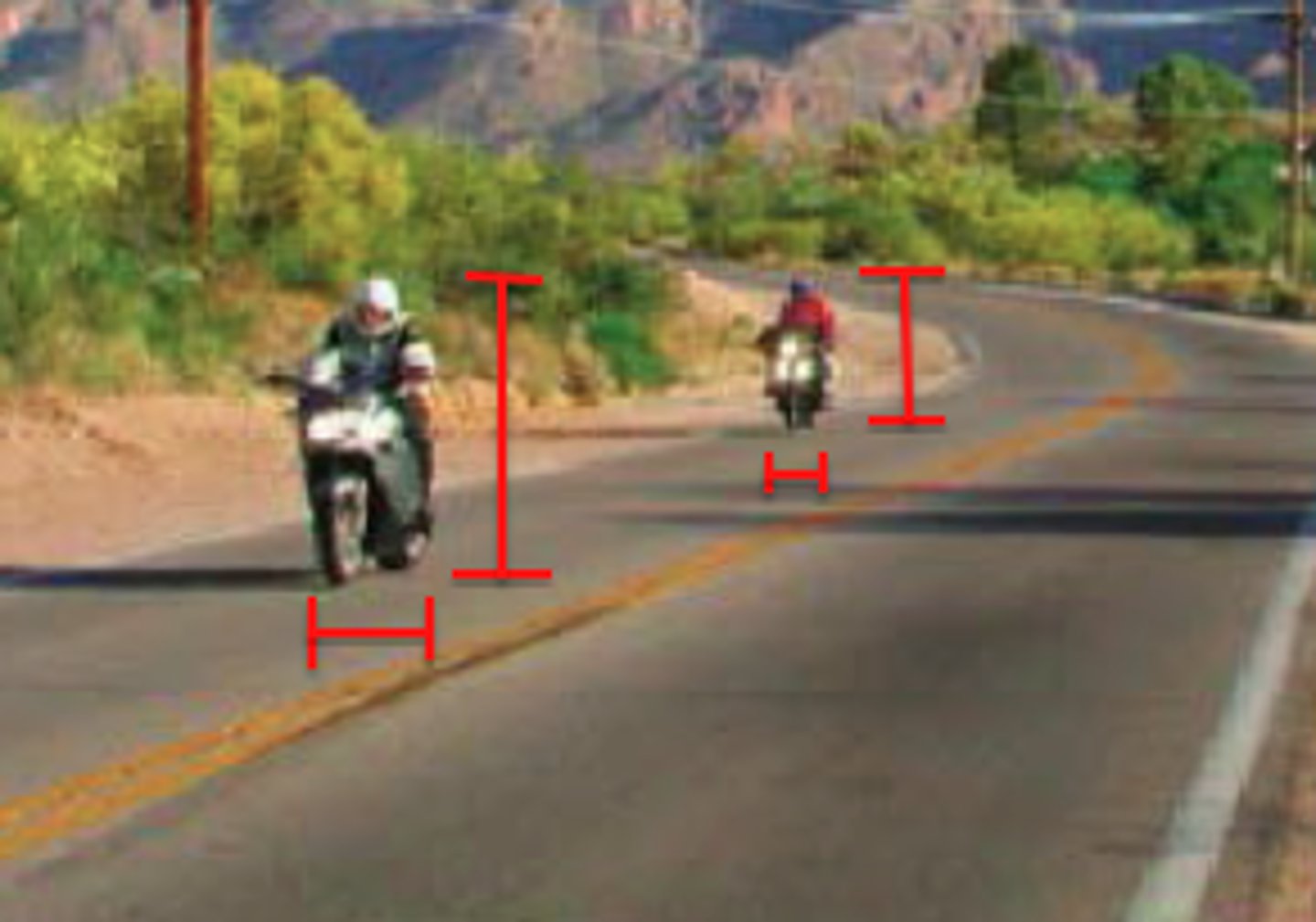
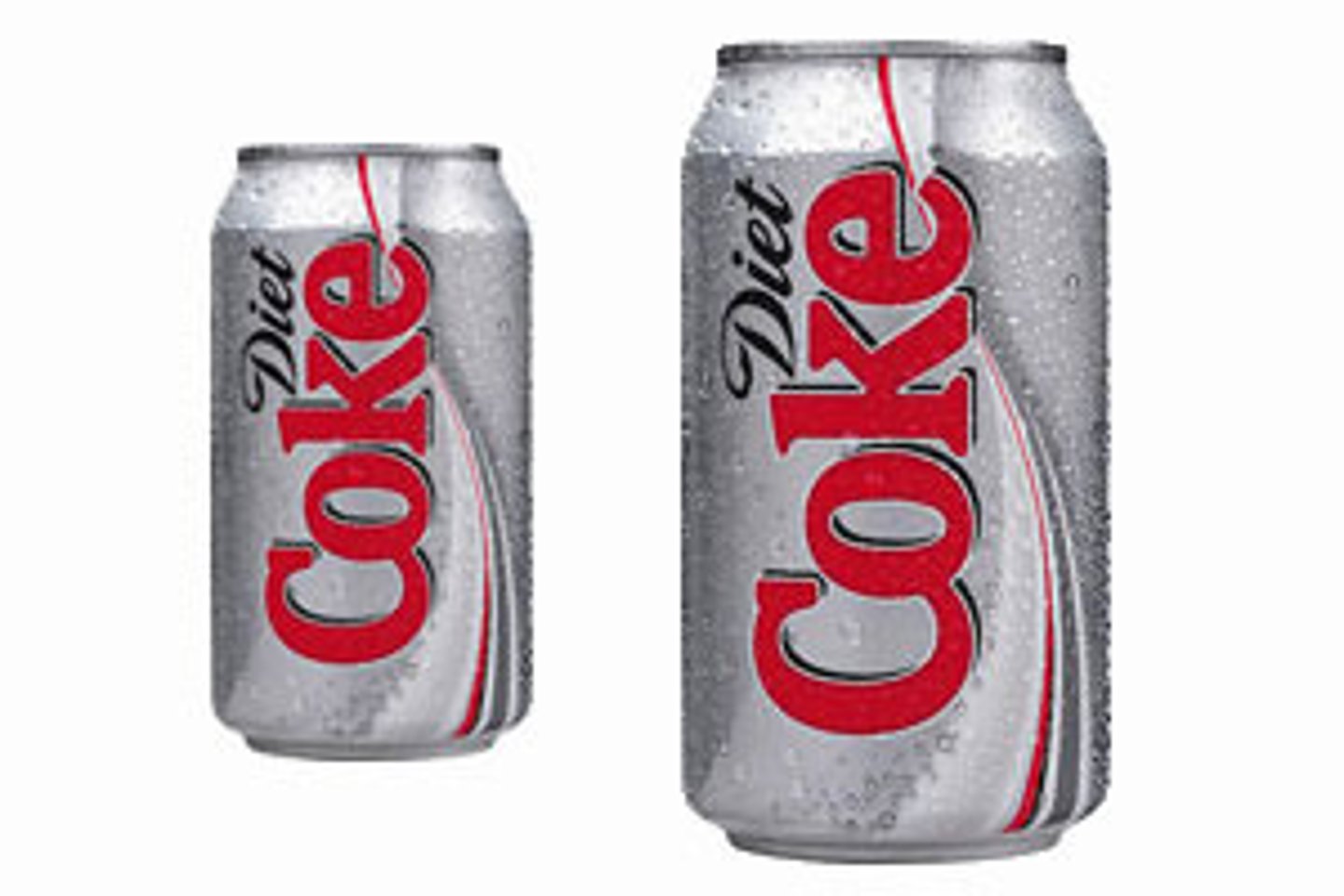
Relative size
a monocular cue that perceives objects of a known size to be farther away because they appear to be small
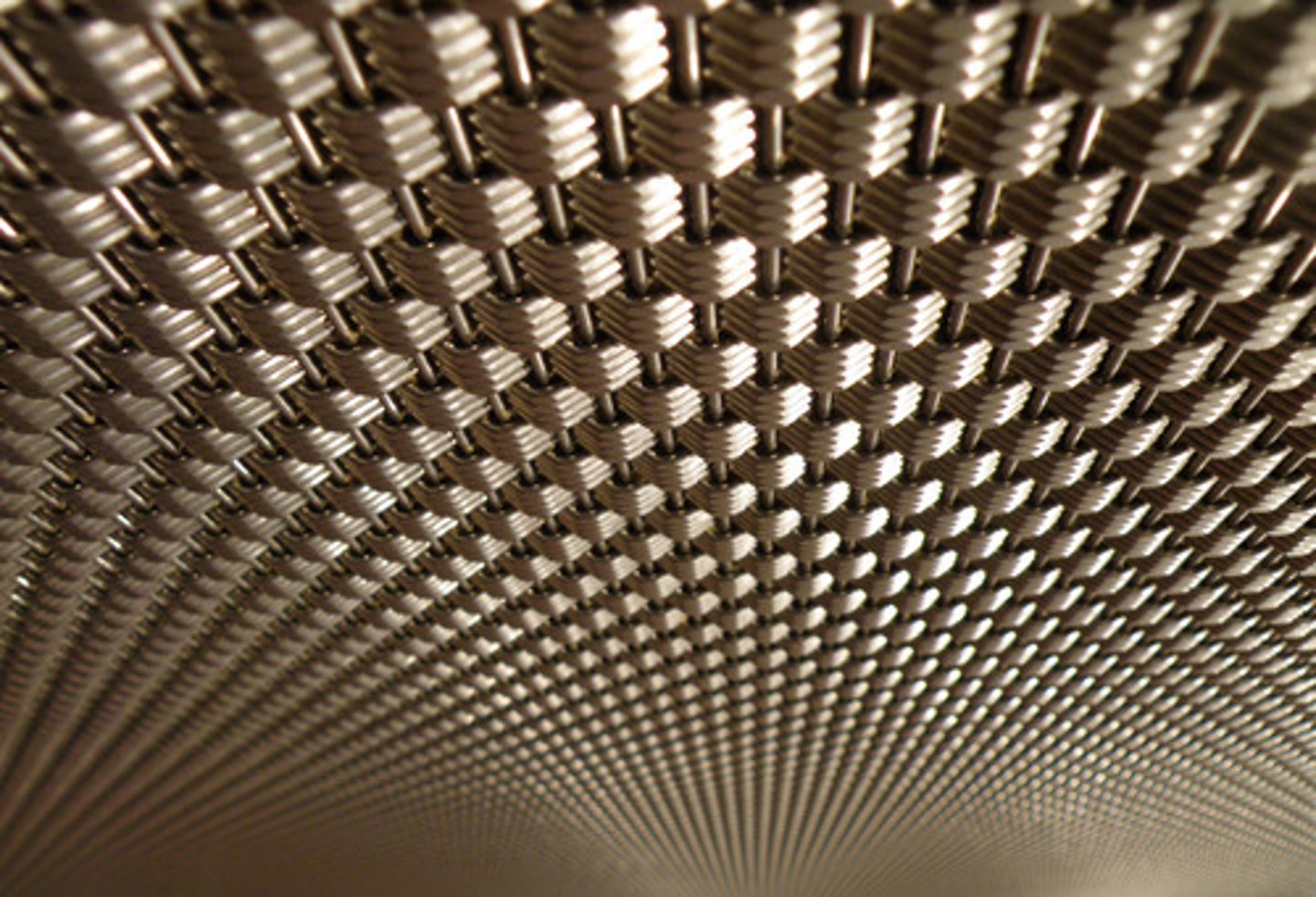
Texture gradient
a monocular cue in which a gradual change from a coarse distinct texture to a fine, indistinct texture signals increasing distance (e.g., objects far away appear smaller and more densely packed)
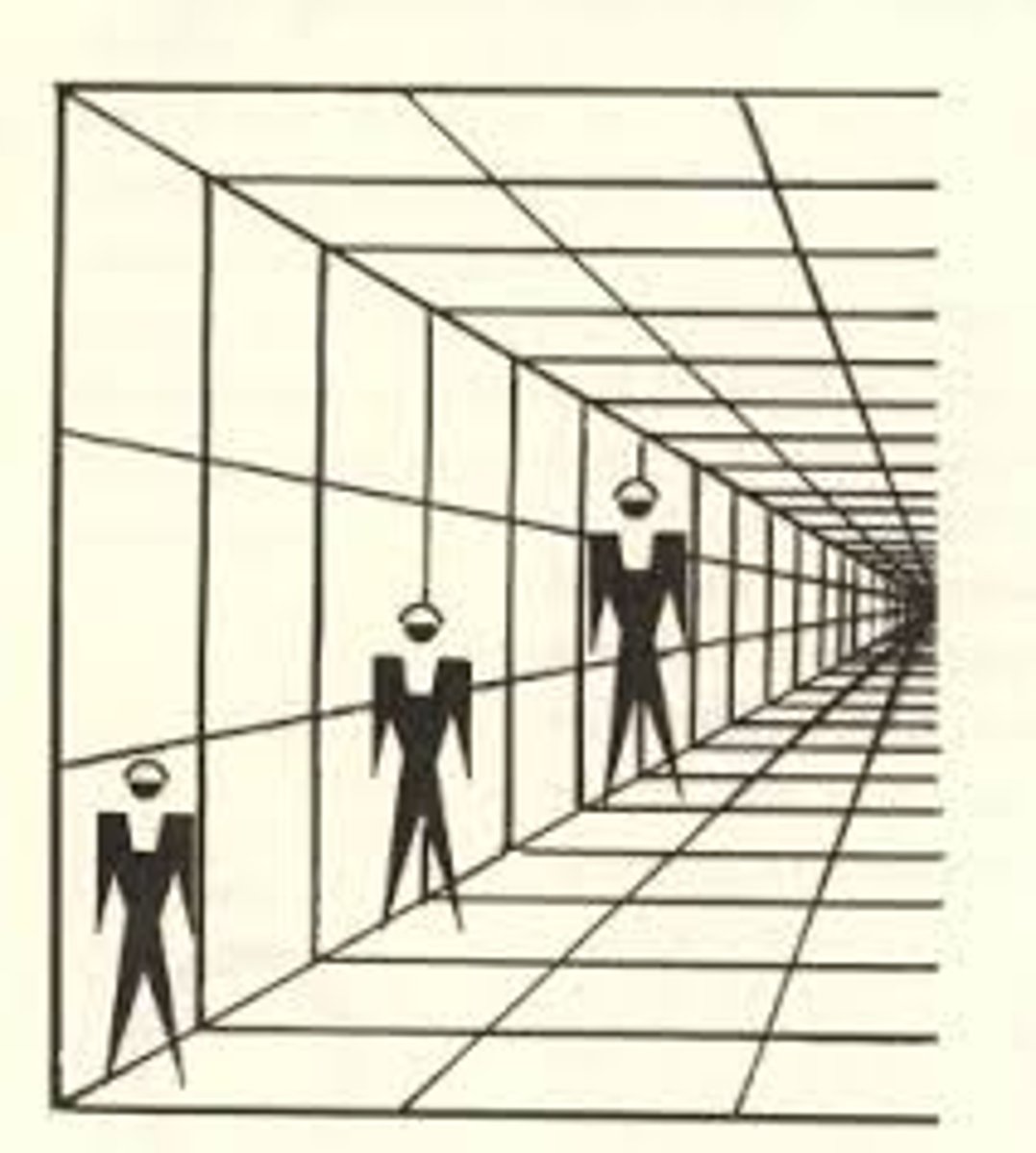
Linear perspective
a monocular cue that perceives two parallel lines appearing to meet, thus signaling increasing distance
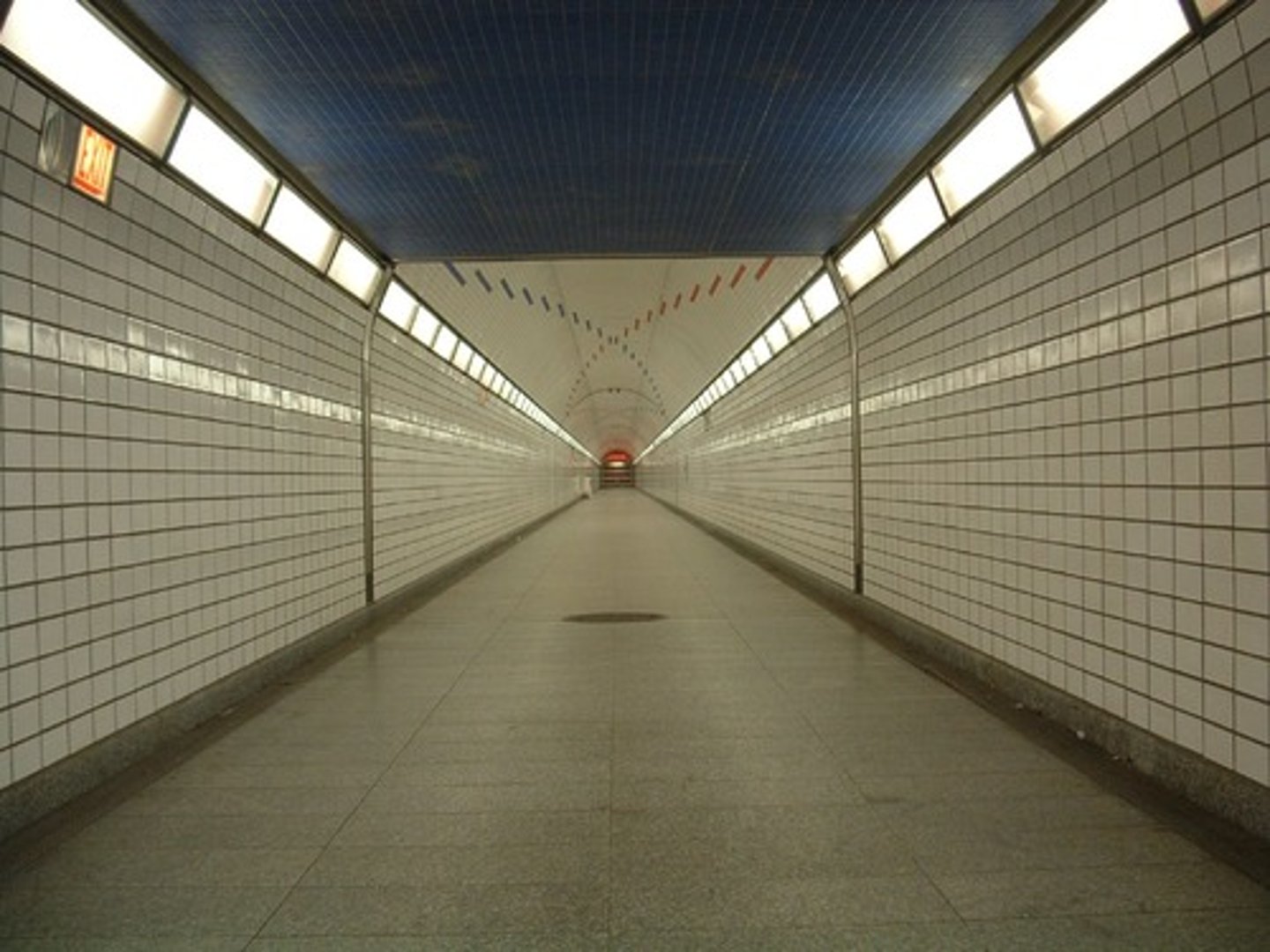
Interposition
a monocular cue in which the distances of two separate objects are judged based on the fact that one object partially obscures or overlaps the other object

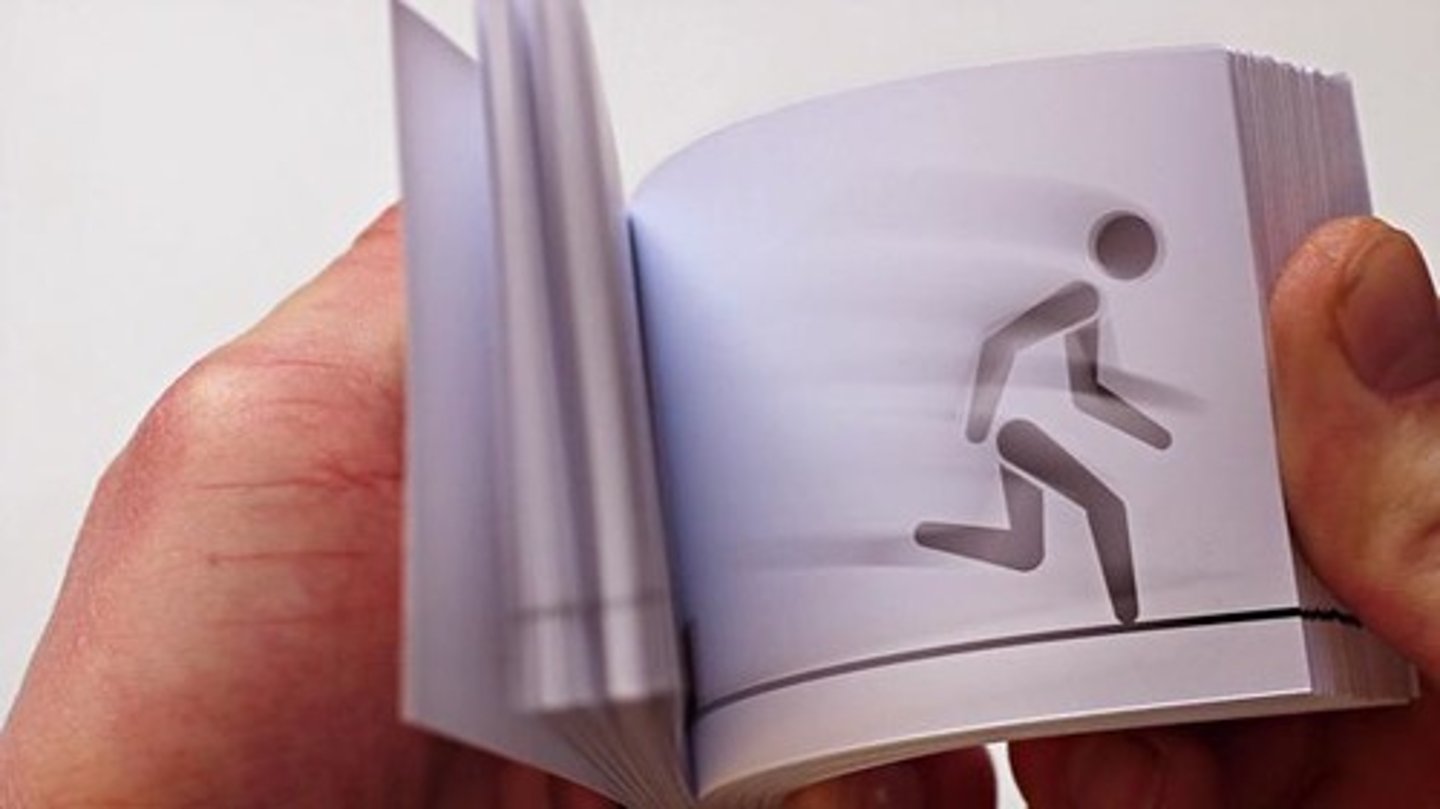
Apparent movement
an illusion of movement that occurs when stimuli in different locations are flashed one after another with the proper timing