Chapter 2 Full Set
 Call Kai
 Learn
Learn Practice Test
 Spaced Repetition
 Match
Match Flashcards
1/97

There's no tags or description
Looks like no tags are added yet.
Name | Mastery | Learn | Test | Matching | Spaced | Call with Kai |
|---|
No analytics yet
Send a link to your students to track their progress
98 Terms
reproduction
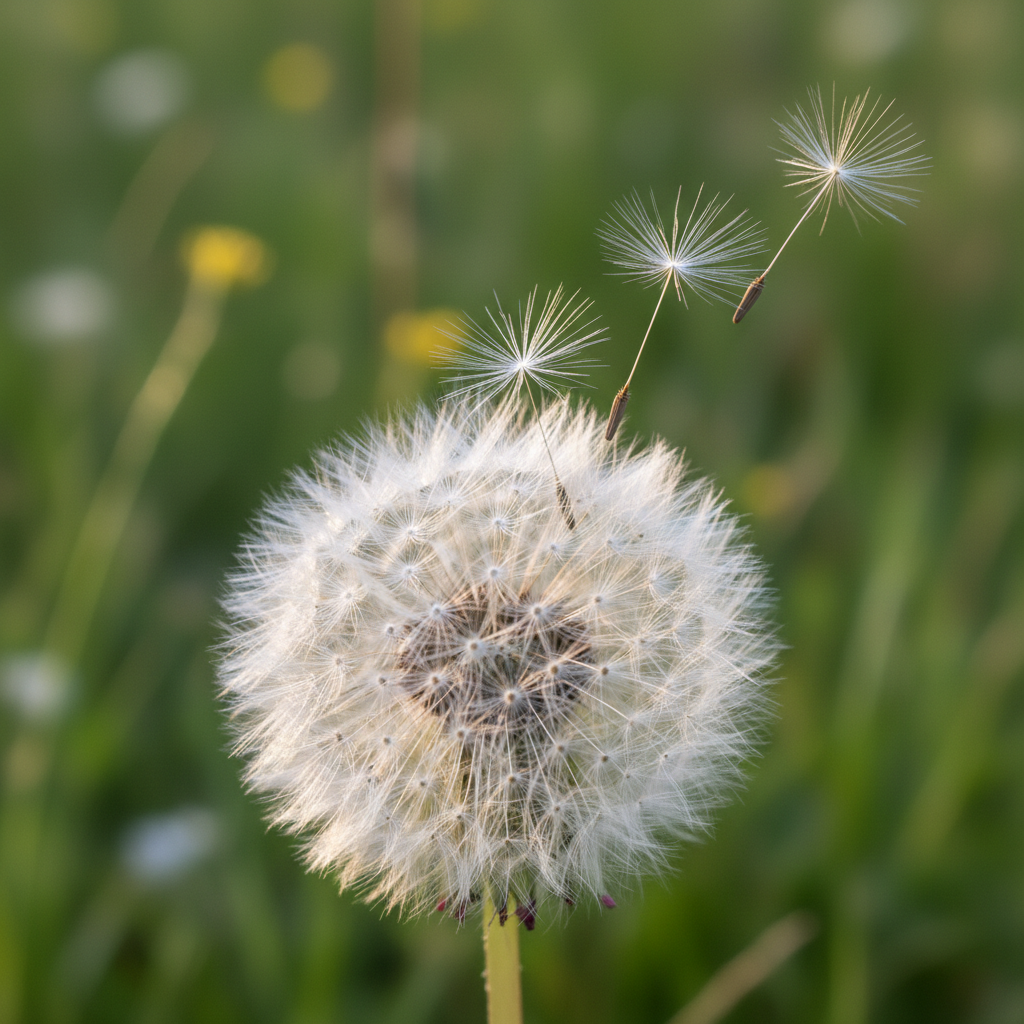
The process where a parent organism produces offspring and passes on genetic material.
sexual reproduction
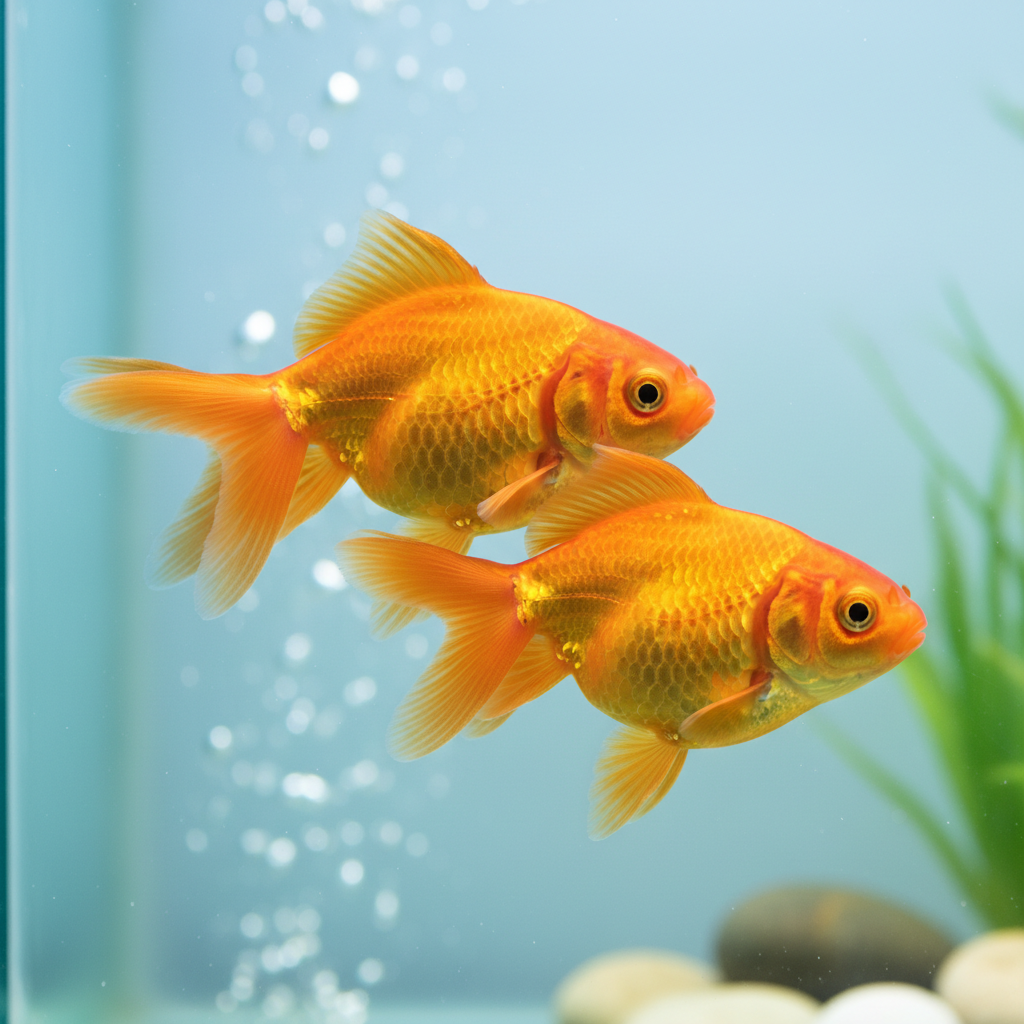
A type of reproduction that produces a new organism from two parents.
fertilization
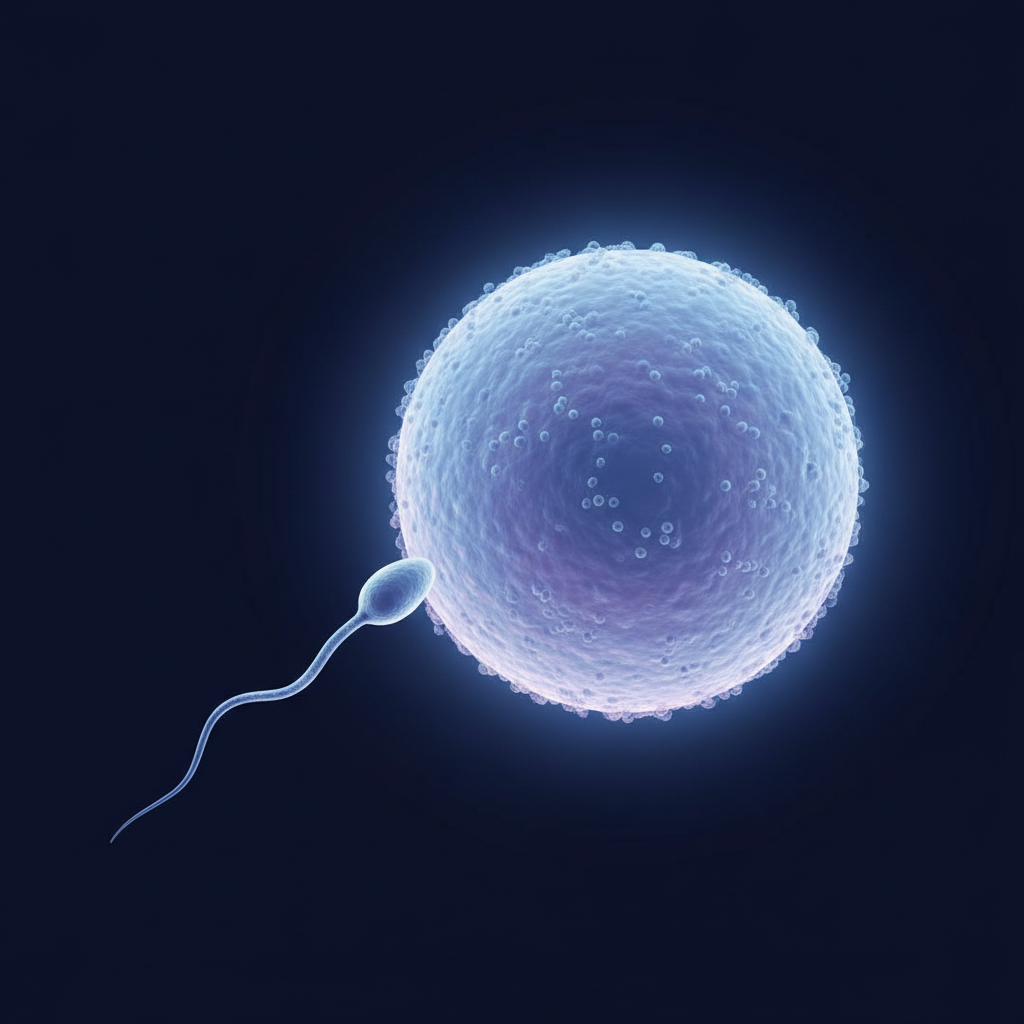
The process in which a male sperm cell and a female egg cell join.
trait
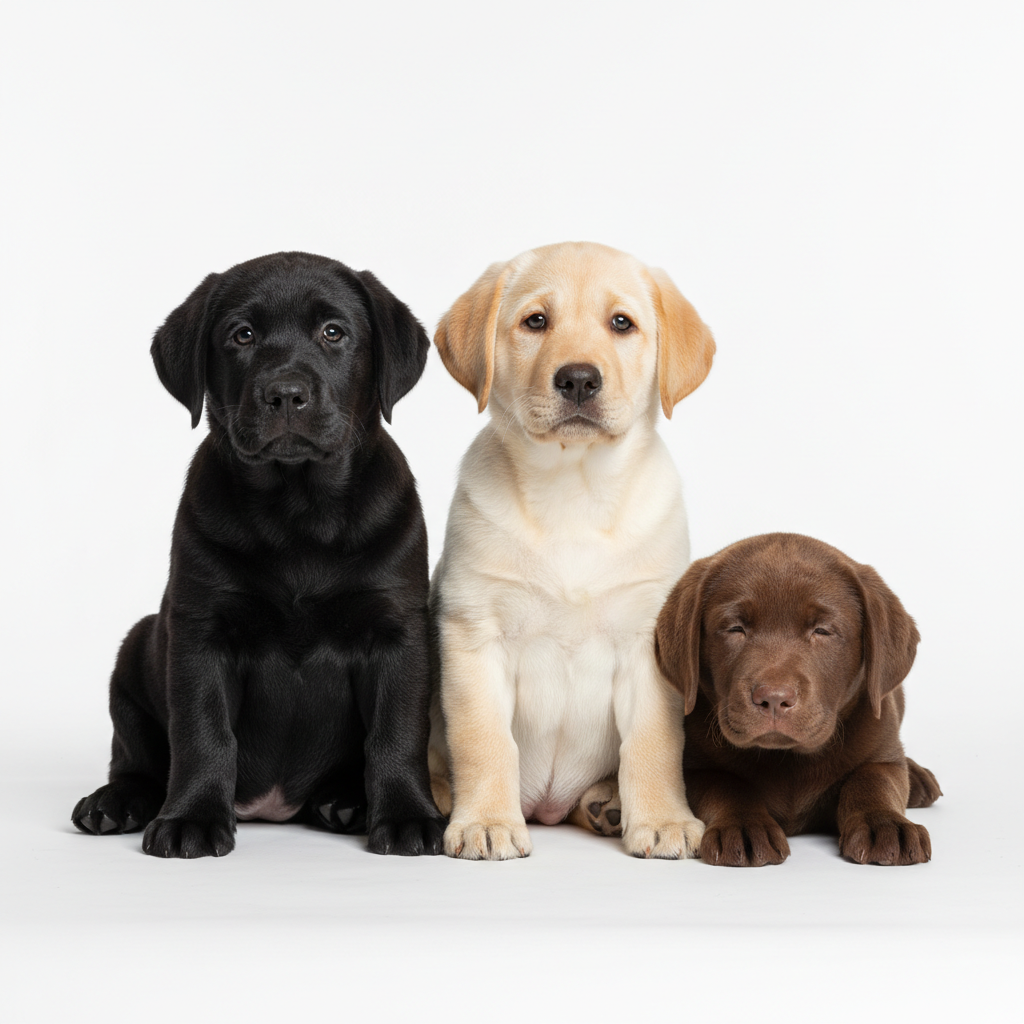
Any characteristic of a living thing such as its height or flower color.
asexual reproduction
A type of reproduction that produces a new organism from a single parent.
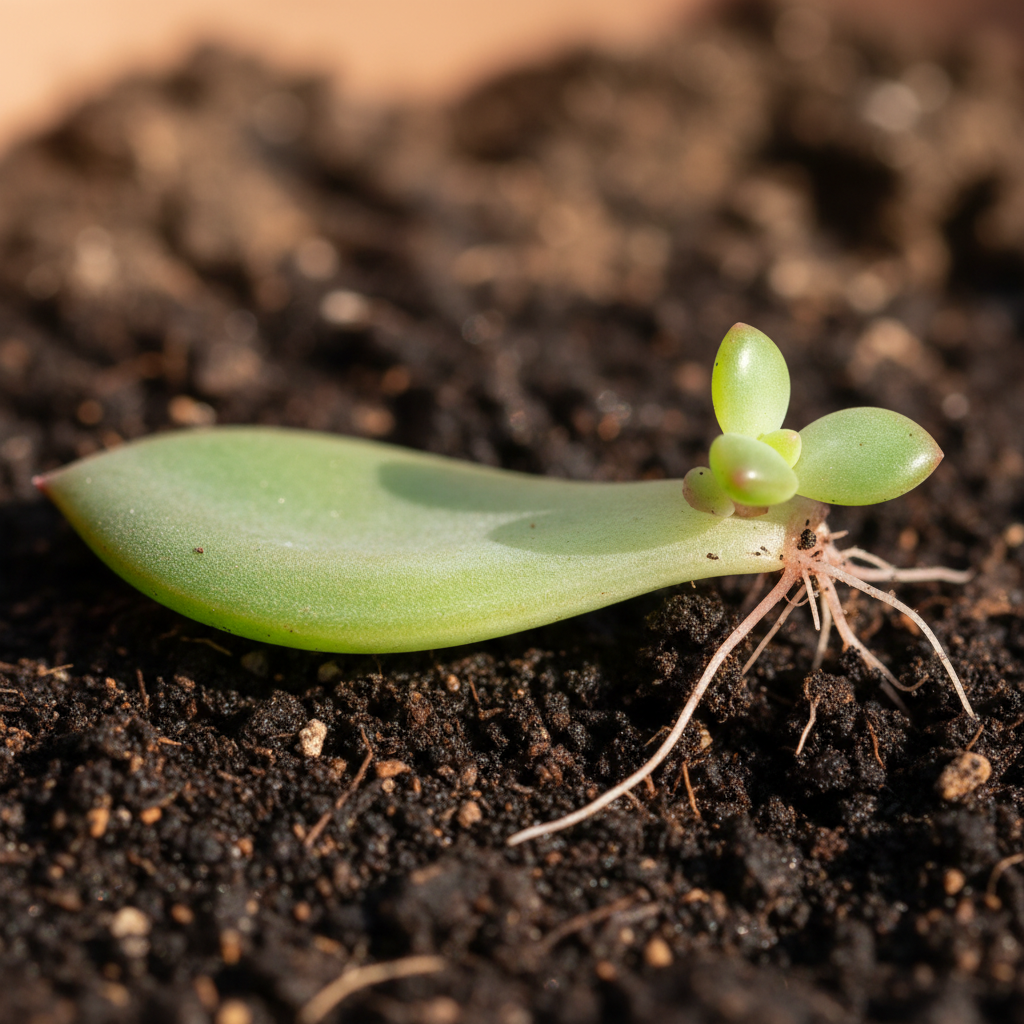
vegetative propagation
A type of asexual reproduction that produces new plants from leaves or stems.
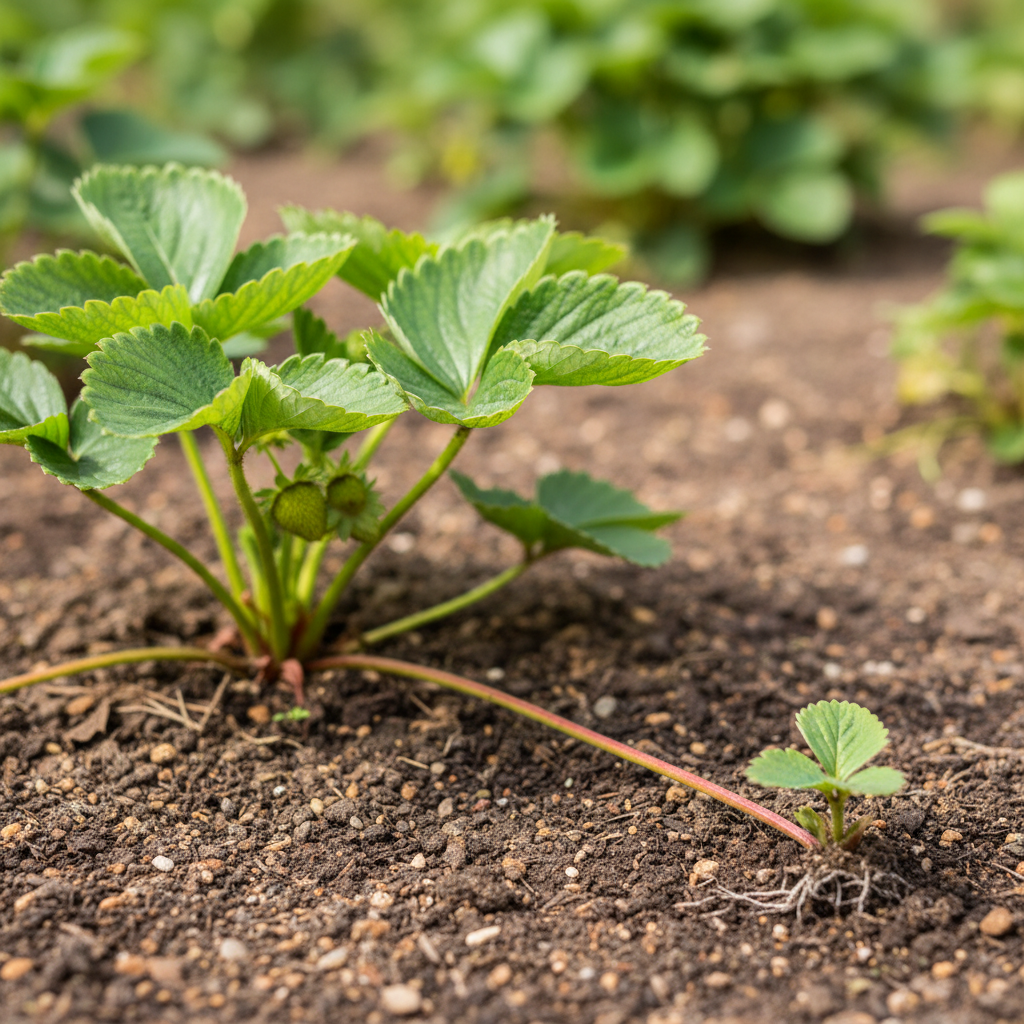
runners
The plant stems that lie on the ground and sprout into new plants.
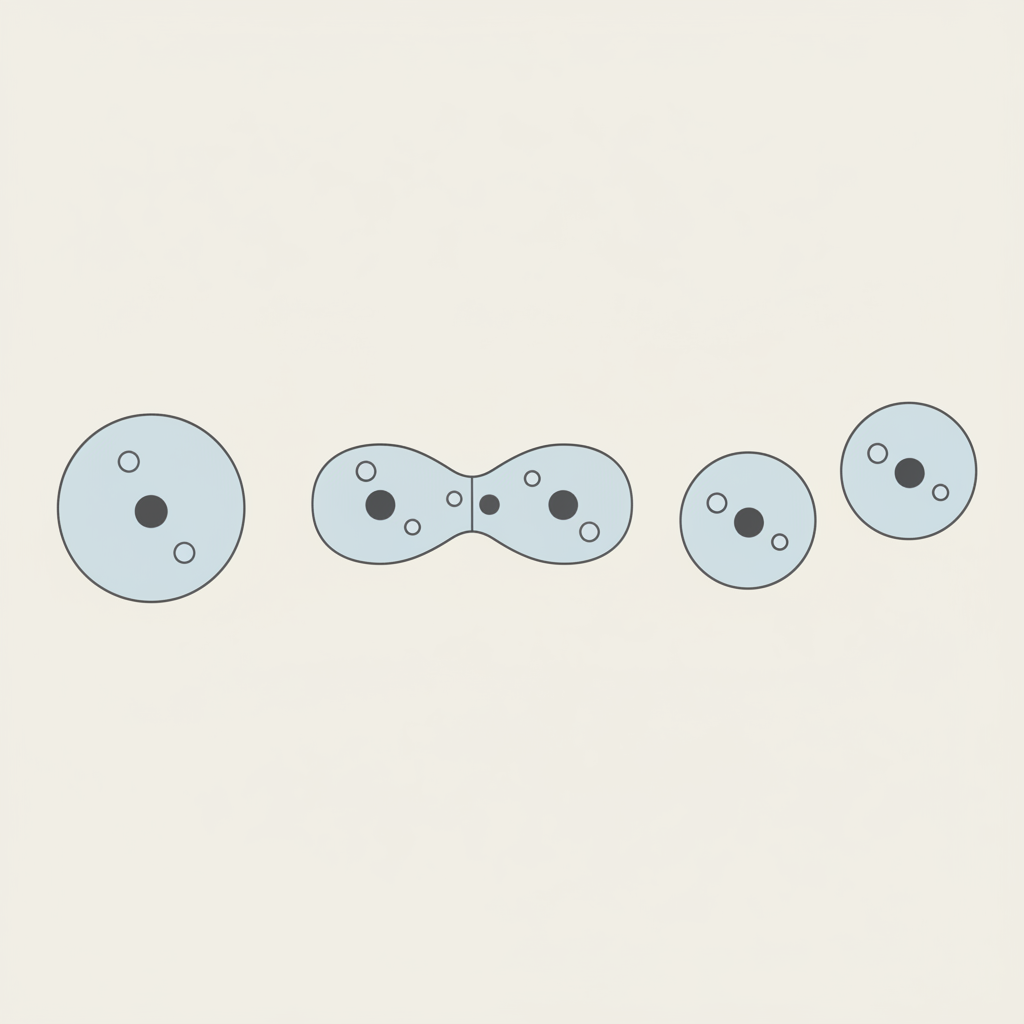
splitting
A method of asexual reproduction where one cell divides into two new cells.
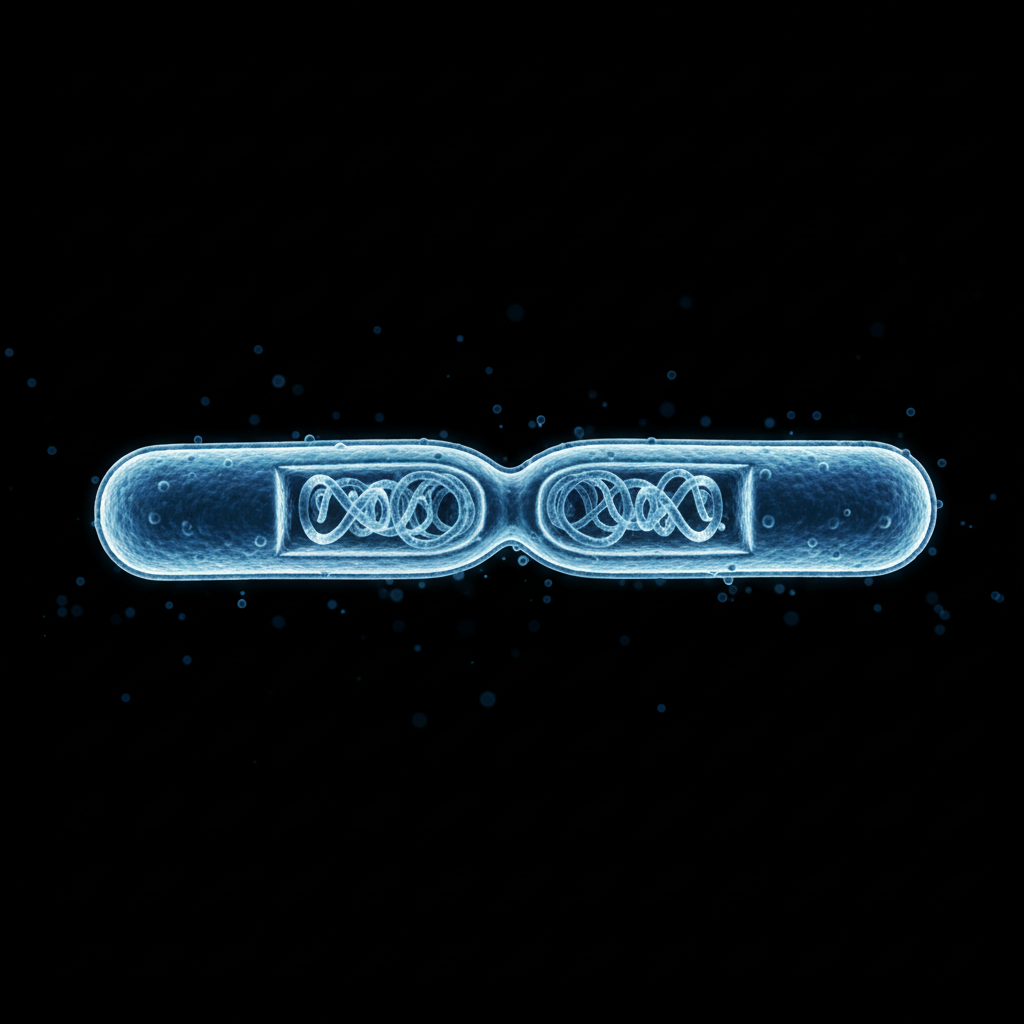
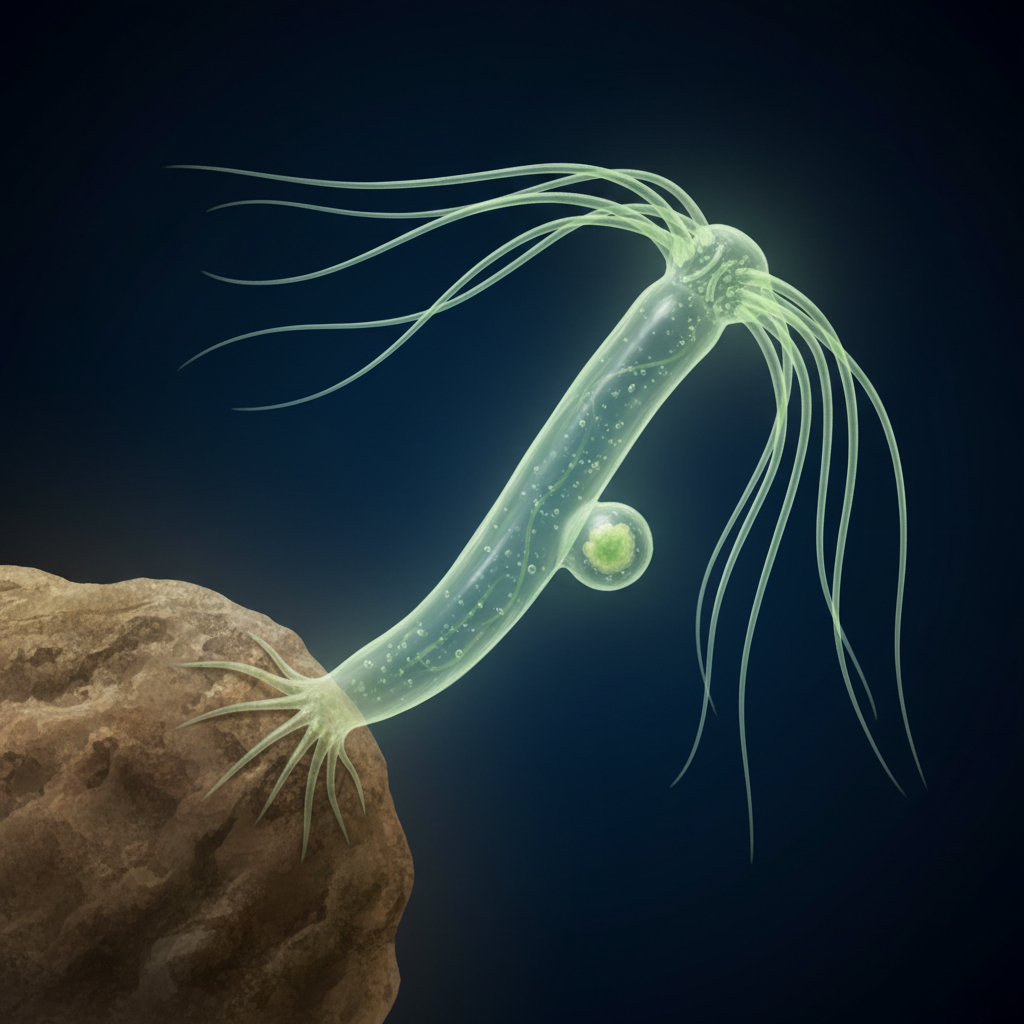
budding
A type of asexual reproduction where a small part grows from the parent body.
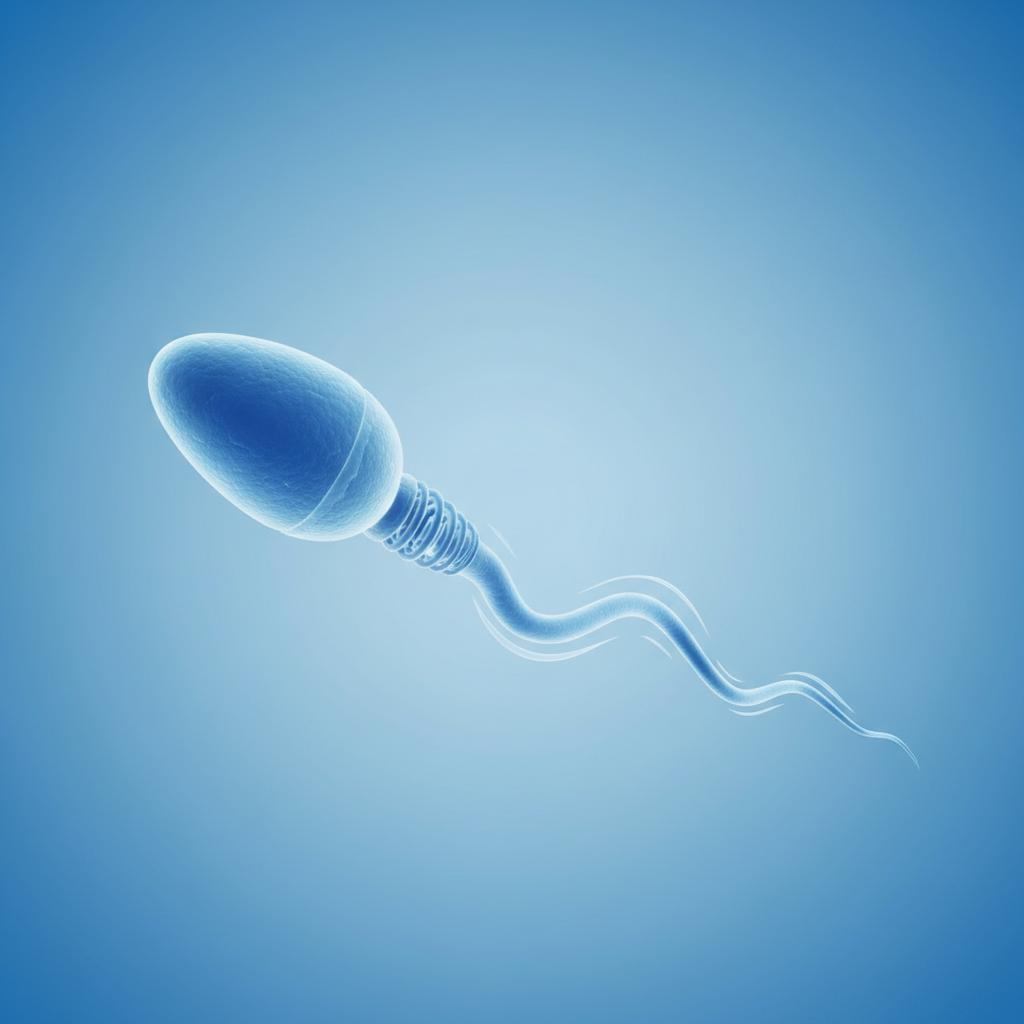
sperm cell
A sex cell that comes from a male parent during sexual reproduction.
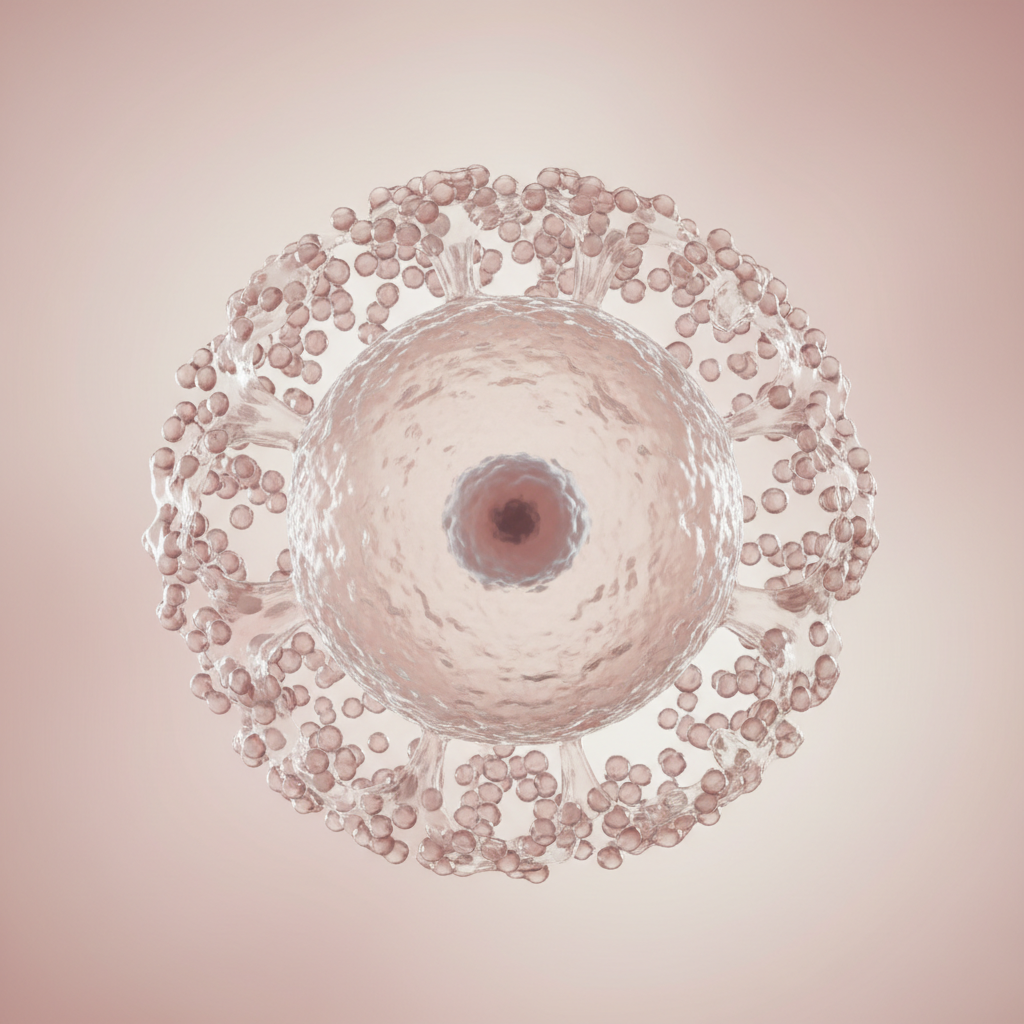
egg cell
A sex cell that comes from a female parent during sexual reproduction.
genetic copies (clones)
The offspring produced during asexual reproduction that have the same traits as the parent.
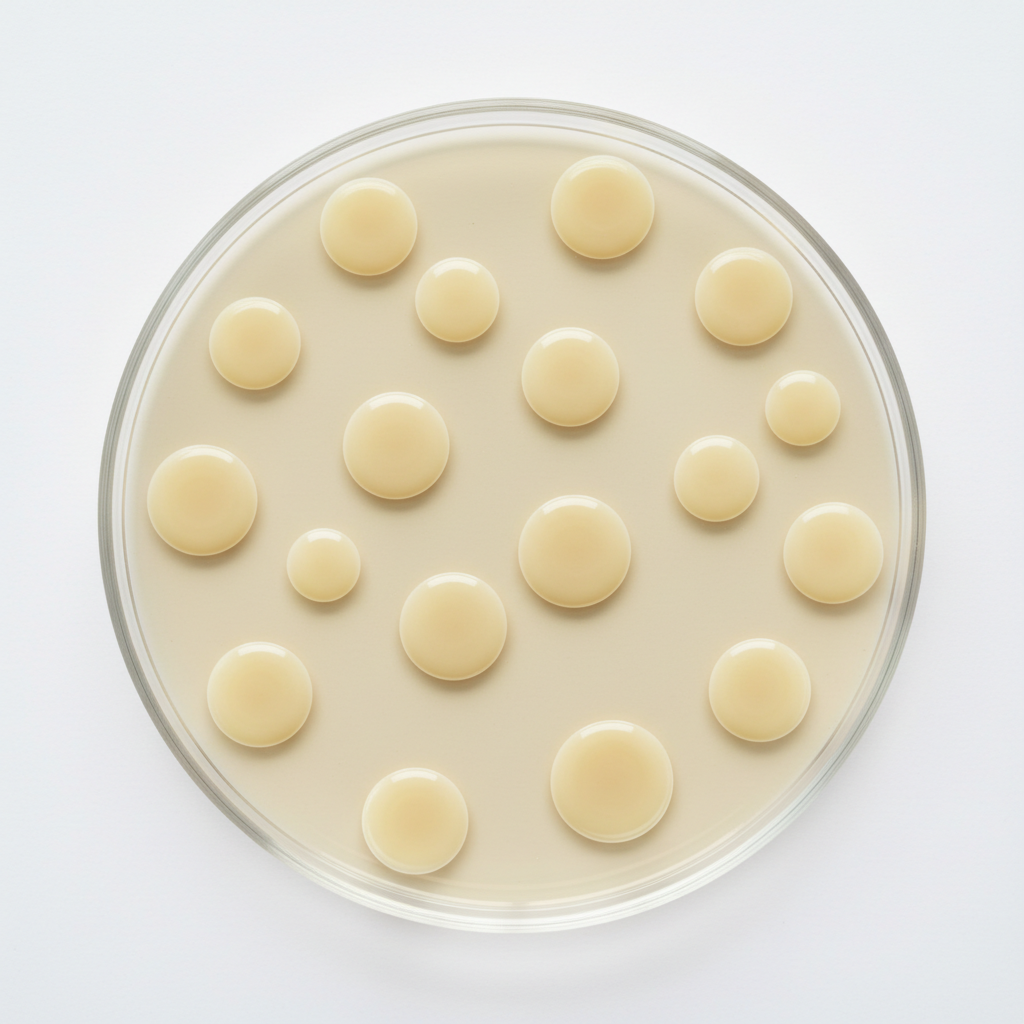
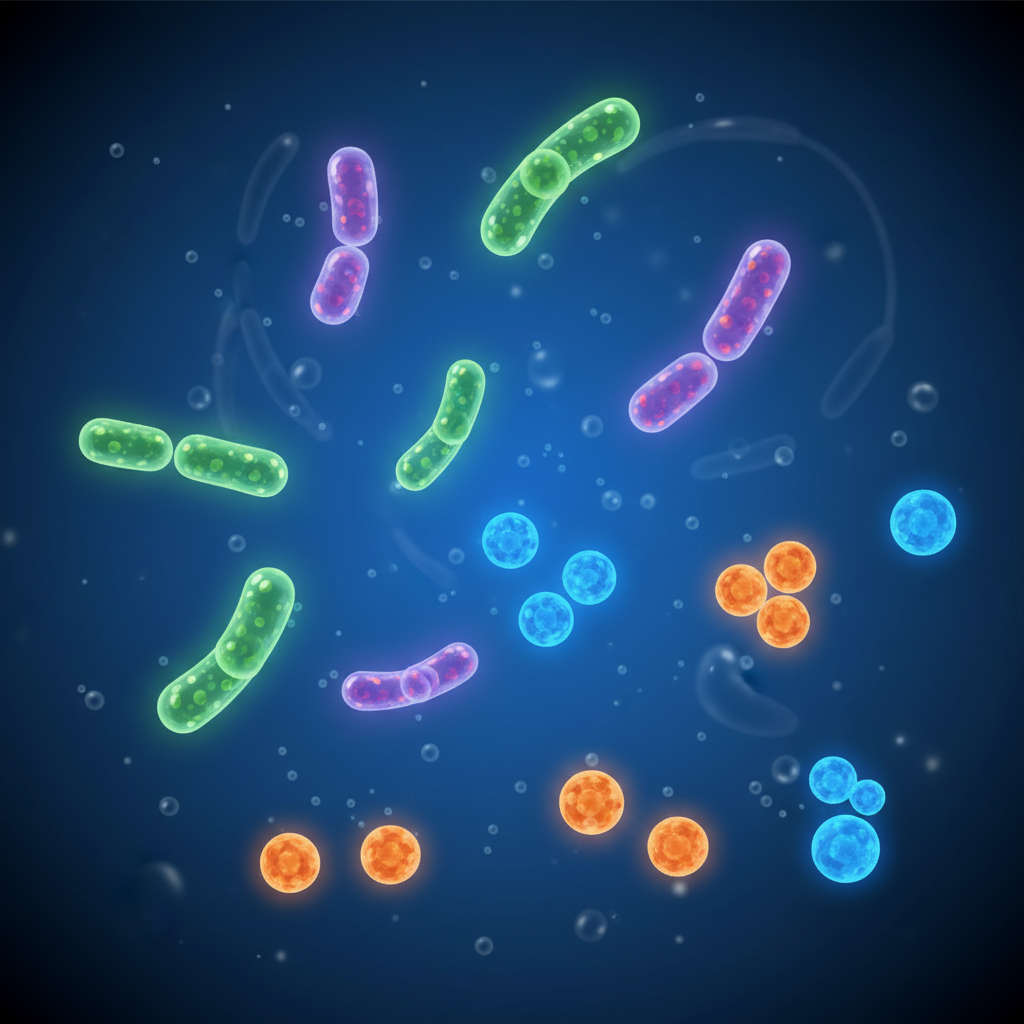
bacteria
A kingdom of unicellular organisms that all reproduce using asexual reproduction.
environmental changes
The conditions in nature that sexually produced offspring are better suited to survive.
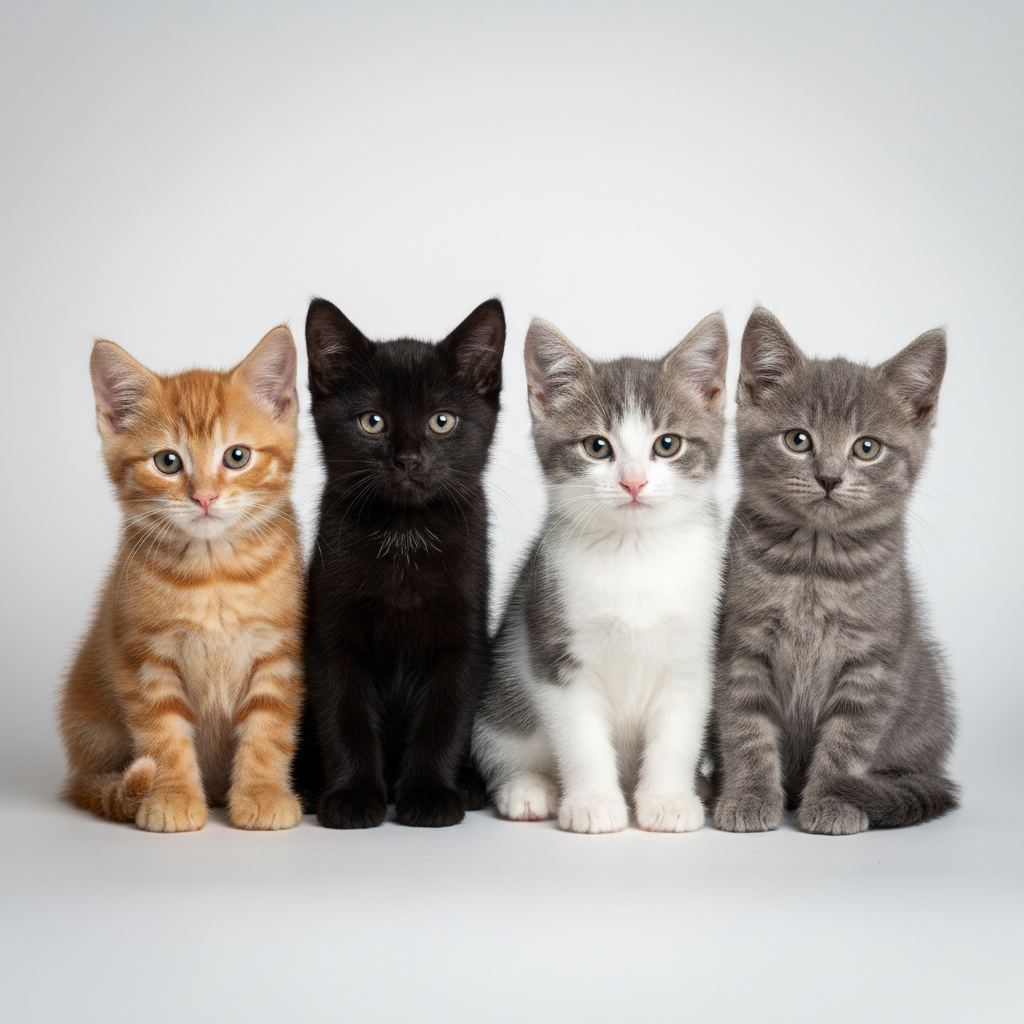
variety
The major advantage of sexual reproduction that allows a species to change.
species
A group of similar living things that depends on reproduction for its survival.
parent
An organism that produces offspring and passes genetic material to the next generation.
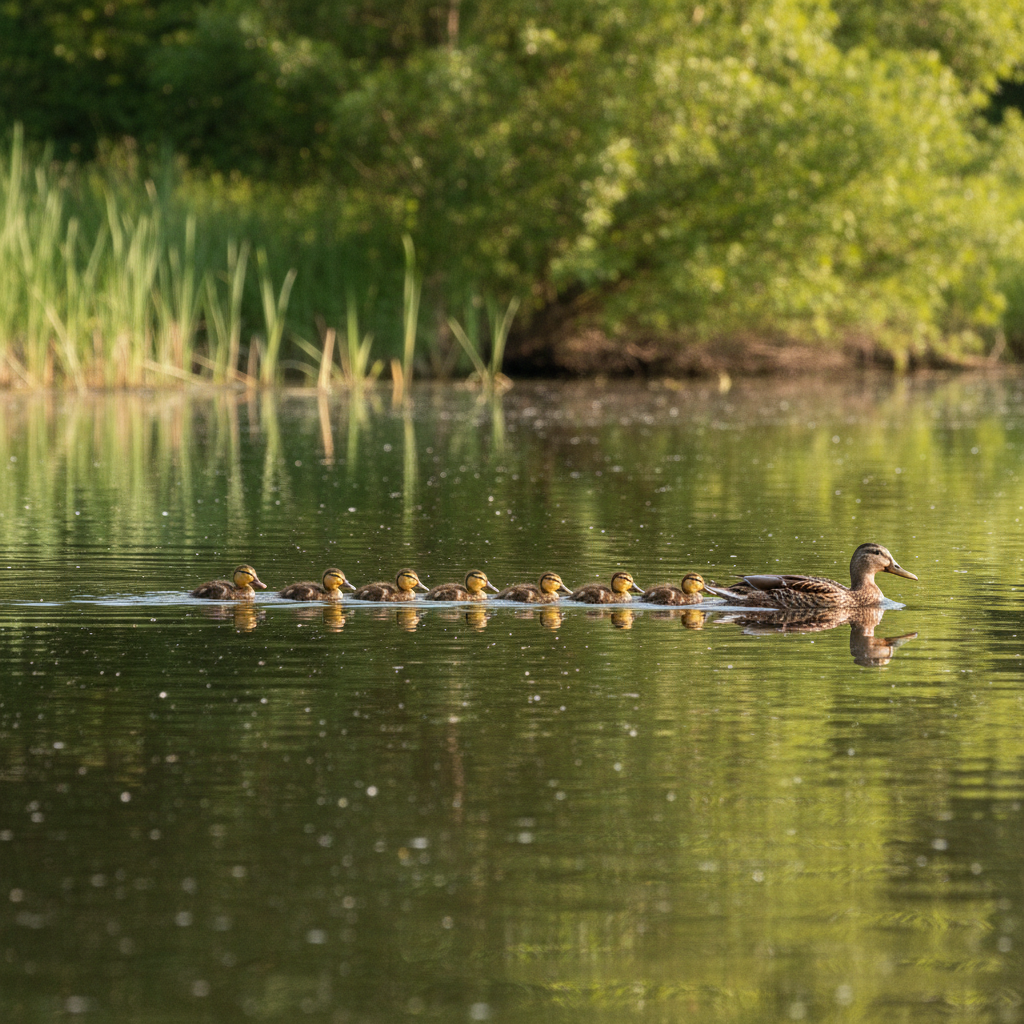
offspring
The new individuals produced by one or two parents through the reproduction process.
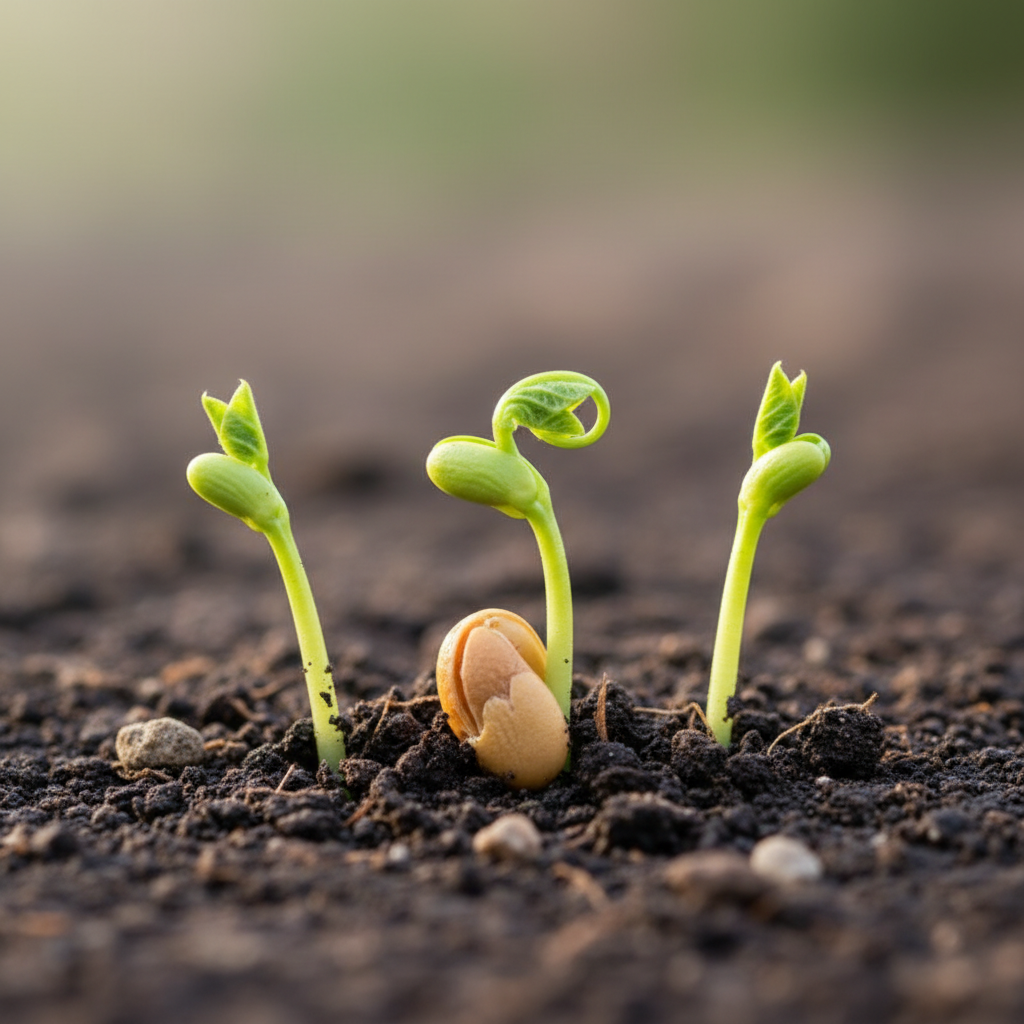
genetic information (DNA)
The material inside a parent cell that is copied before a bacterium splits.
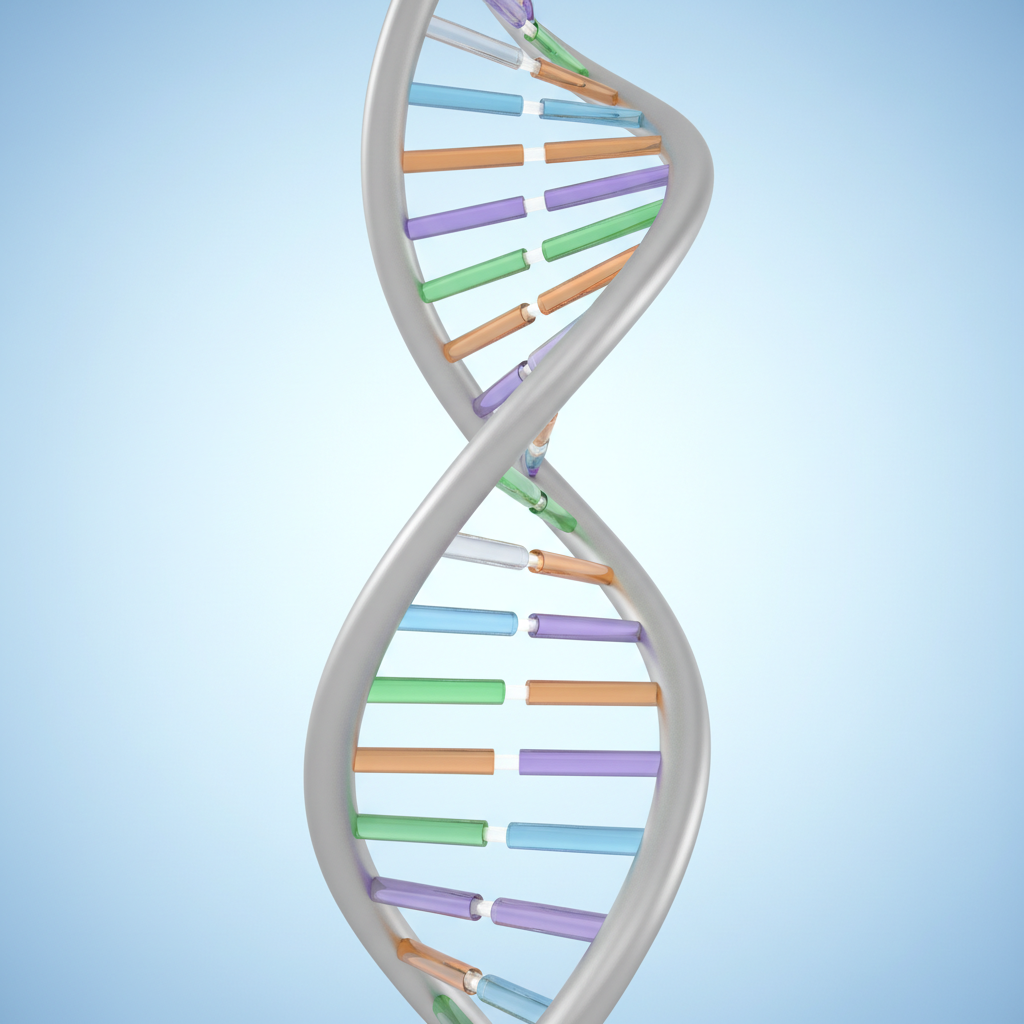
seeds
The small structures plants usually grow from that are not used in asexual reproduction.
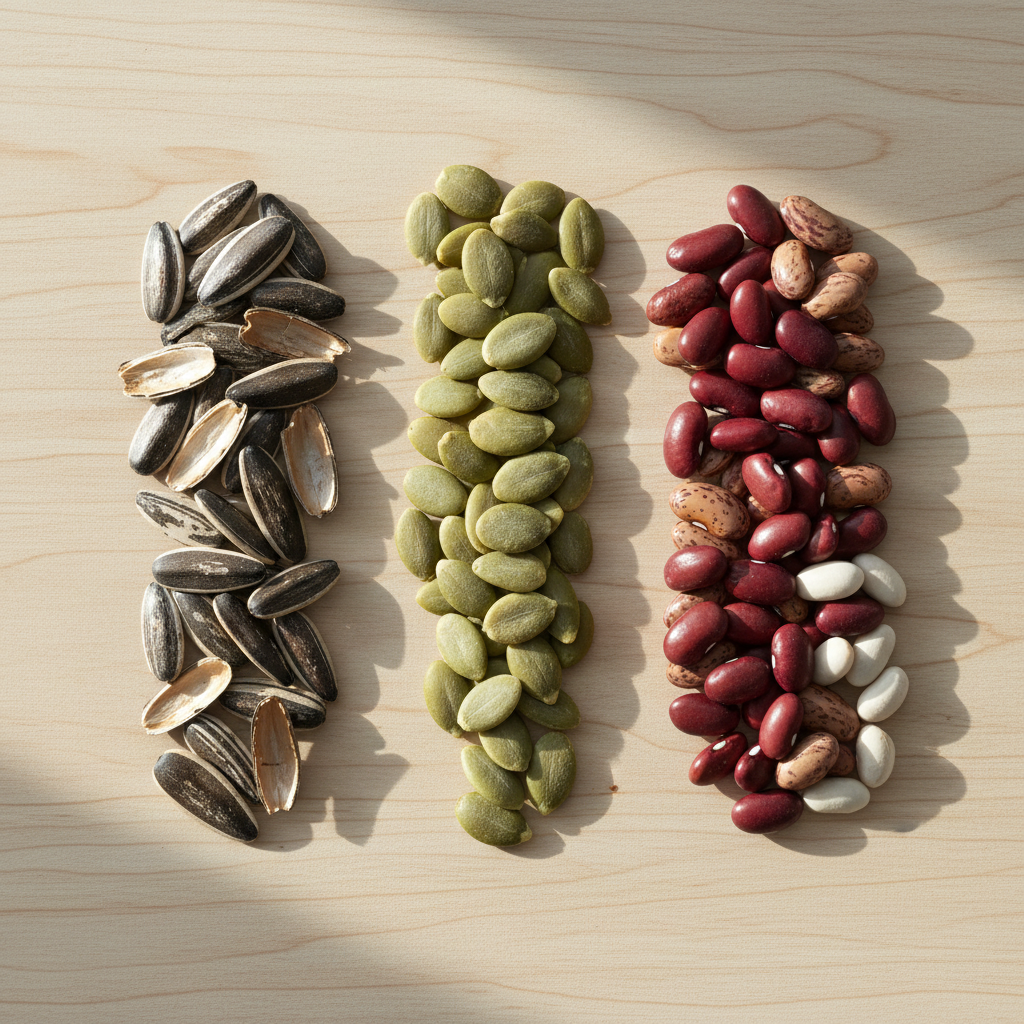
spores
The structures used by some plants for reproduction that are not seeds or runners.
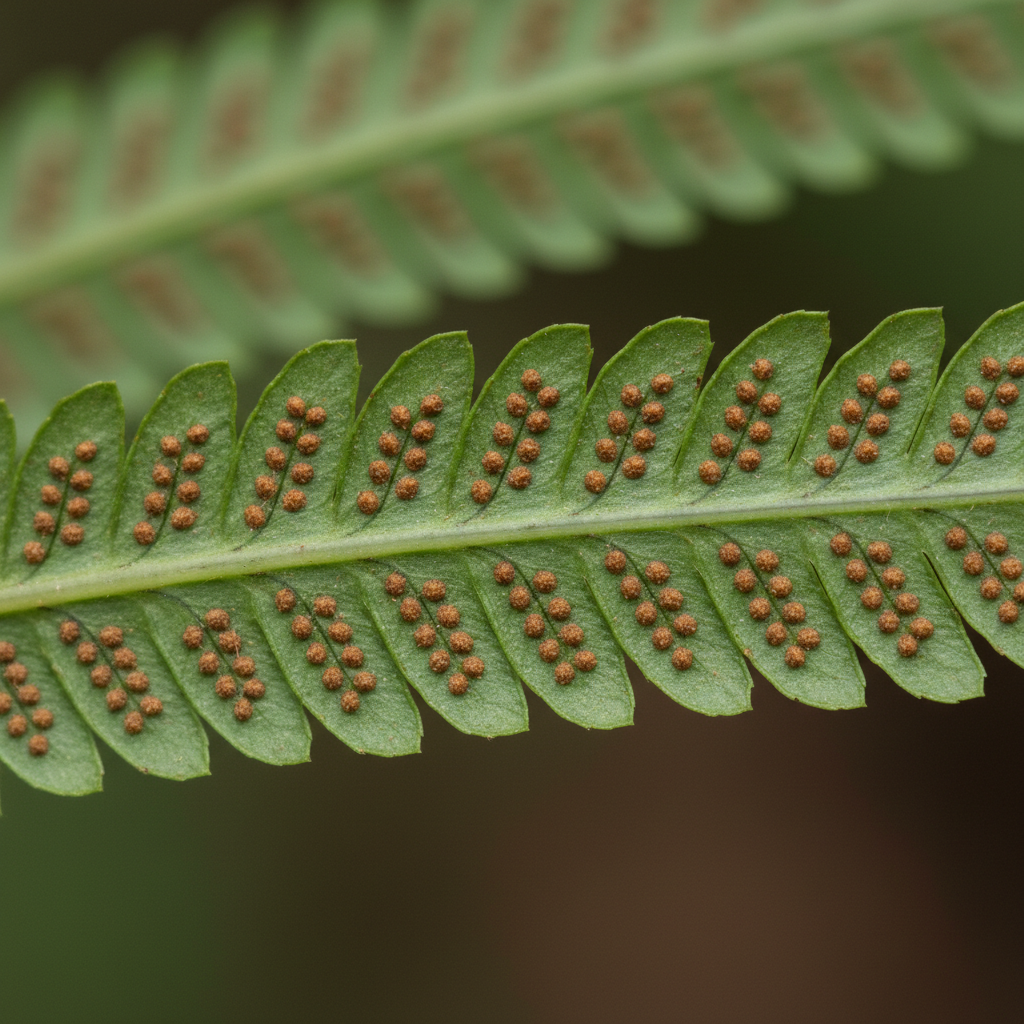
life cycle
A series of different stages of development that all living things go through.
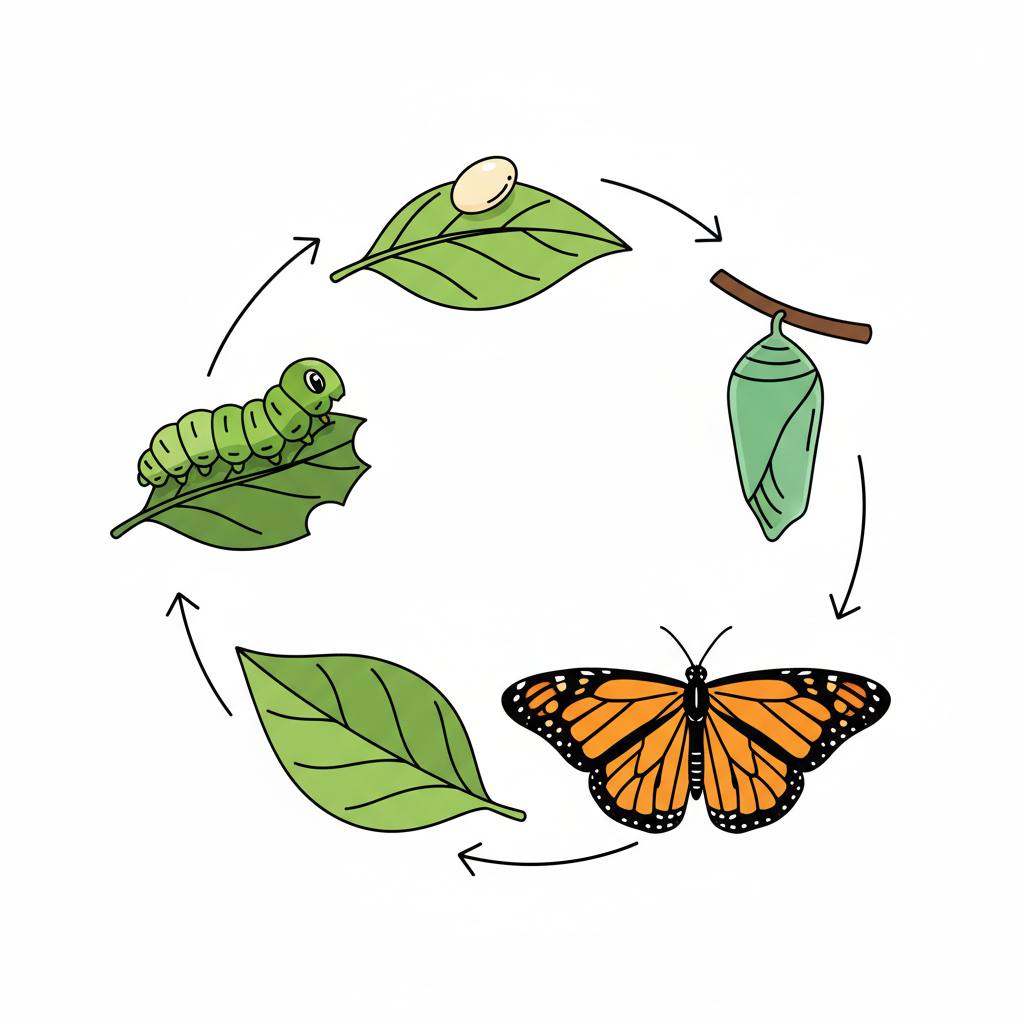
alternation of generations
The process of a plant life cycle moving between asexual and sexual stages.
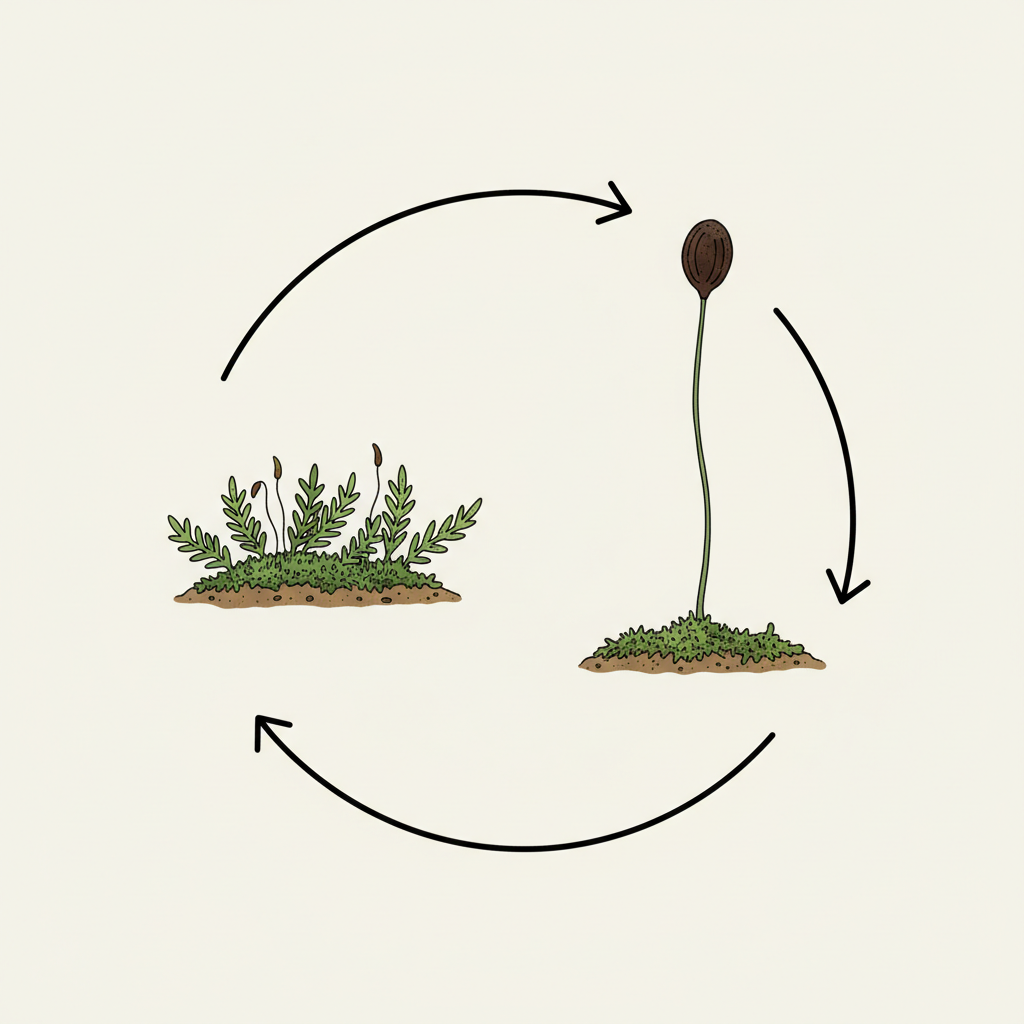
spore
A cell that can grow into a new plant without being fertilized by another cell.
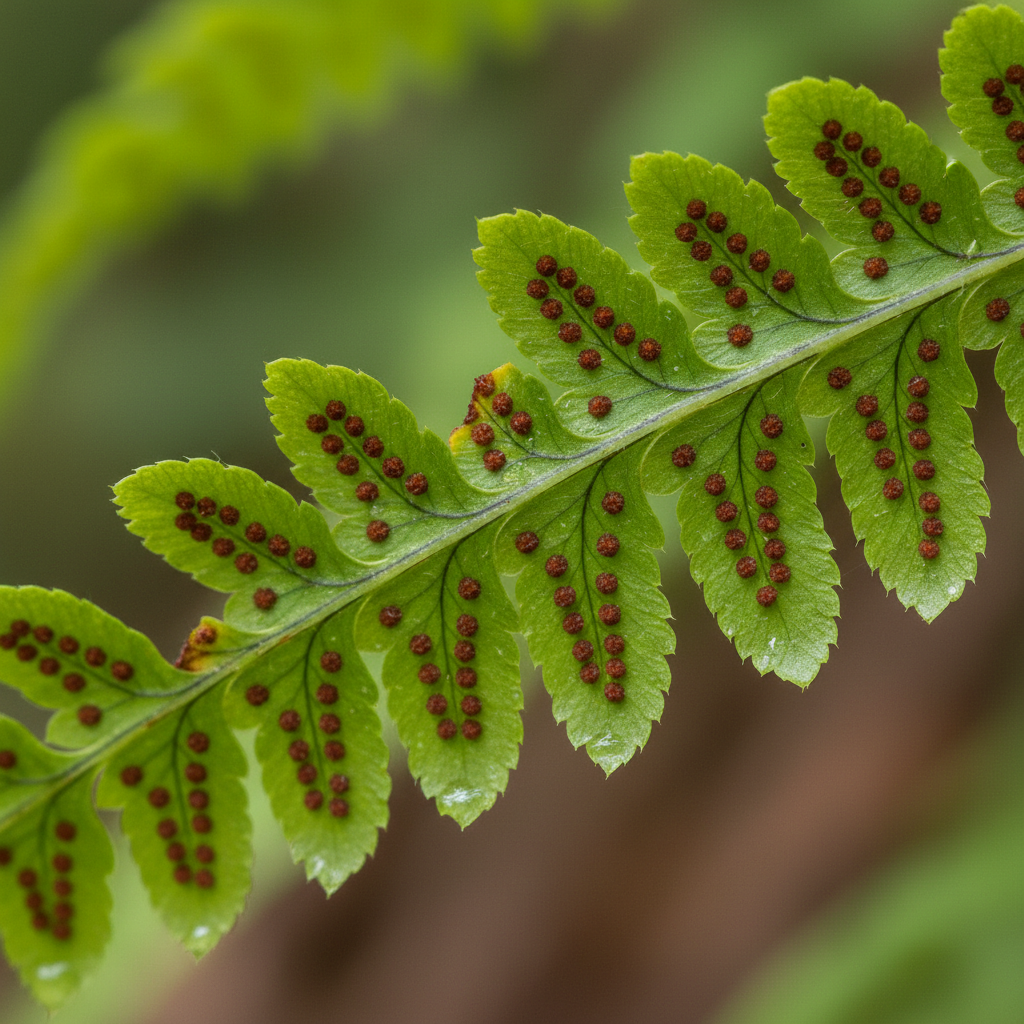
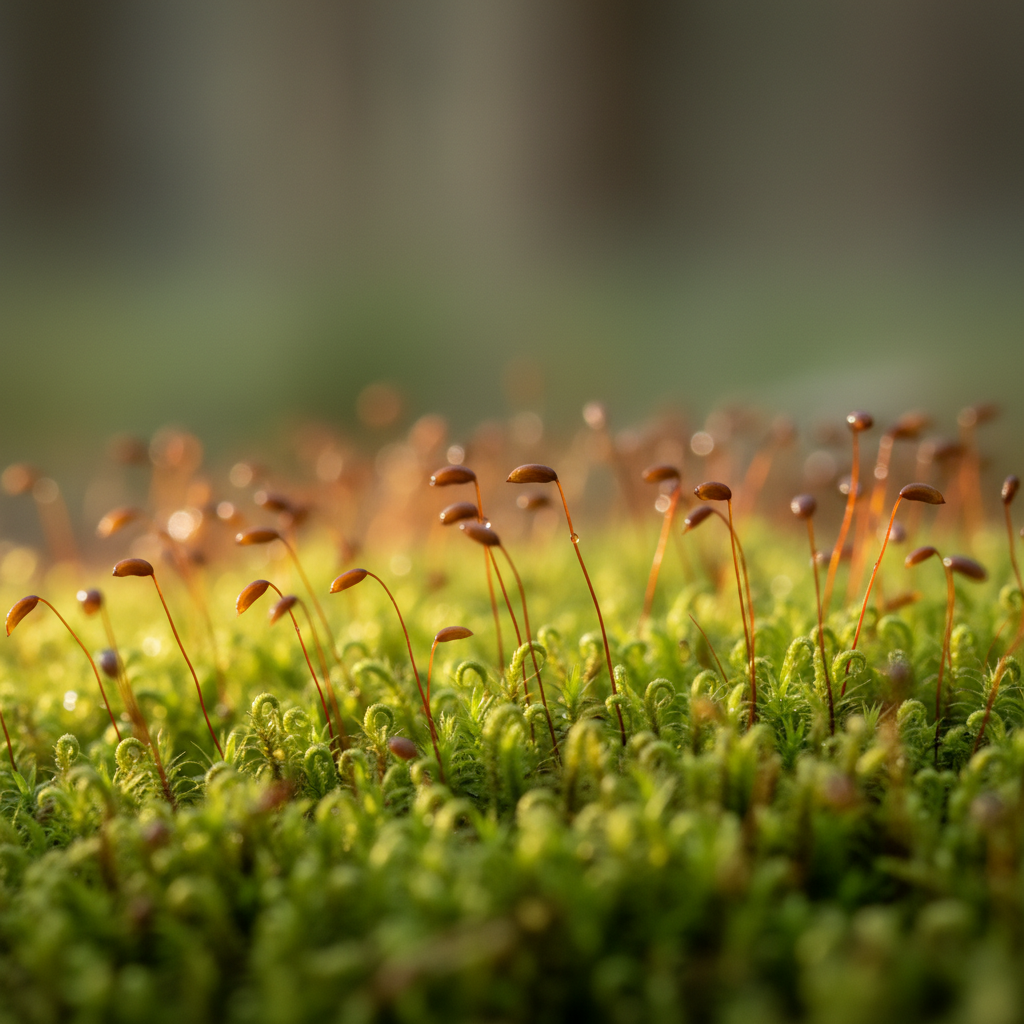
asexual stage
The stage in a moss life cycle that produces spores in capsules.
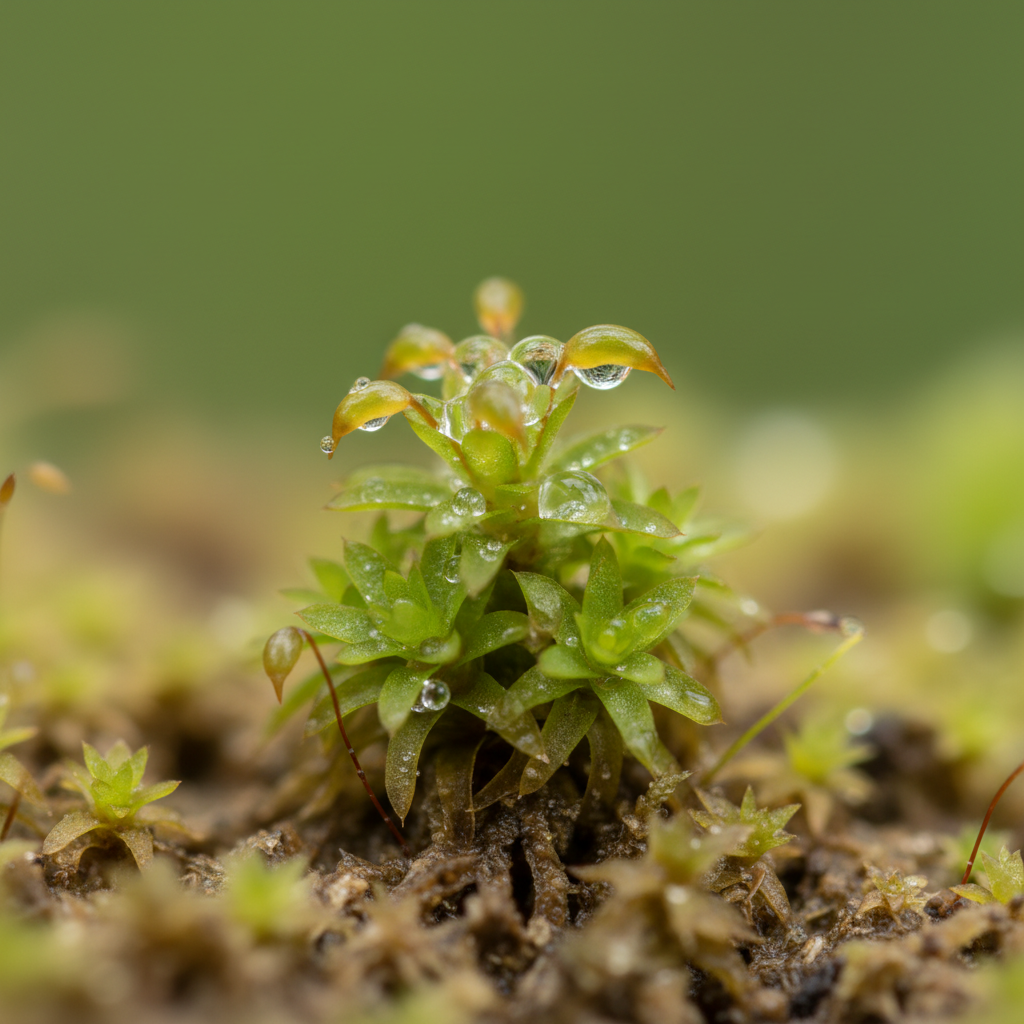
sexual stage
The stage in a moss life cycle that produces sperm and egg cells.
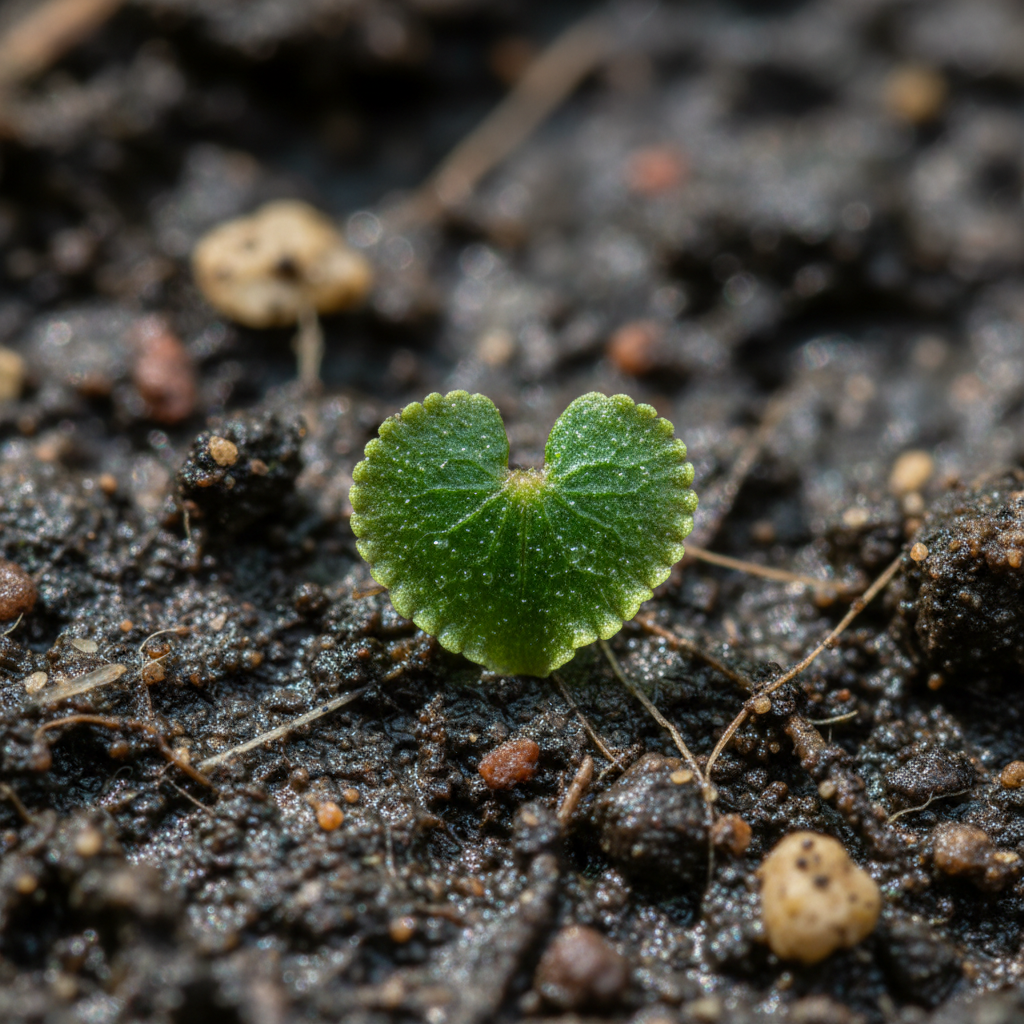
gameteophyte
The small plant that grows from a fern spore and has male and female parts.
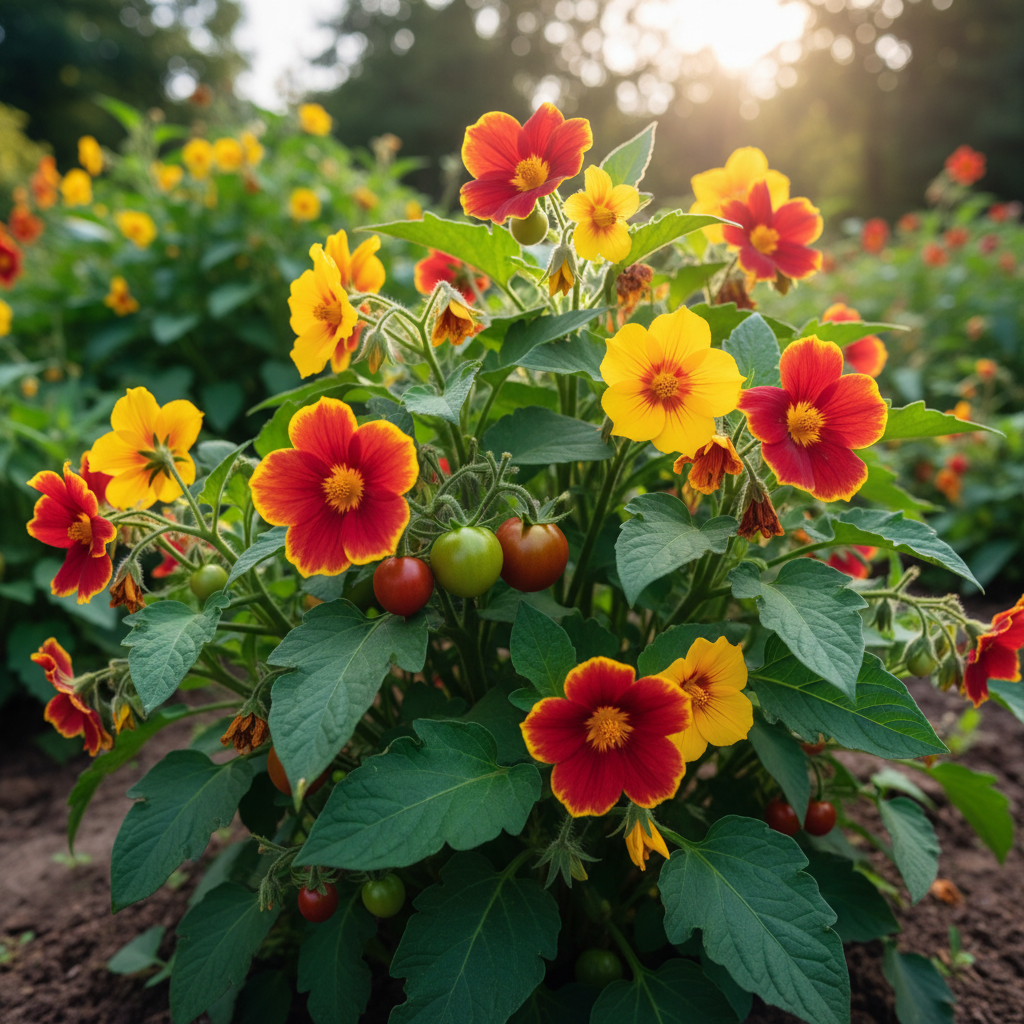
angiosperm
A type of plant that produces flowers, seeds, and fruits.
flowers
The reproductive organs of an angiosperm that produce sperm and egg cells.
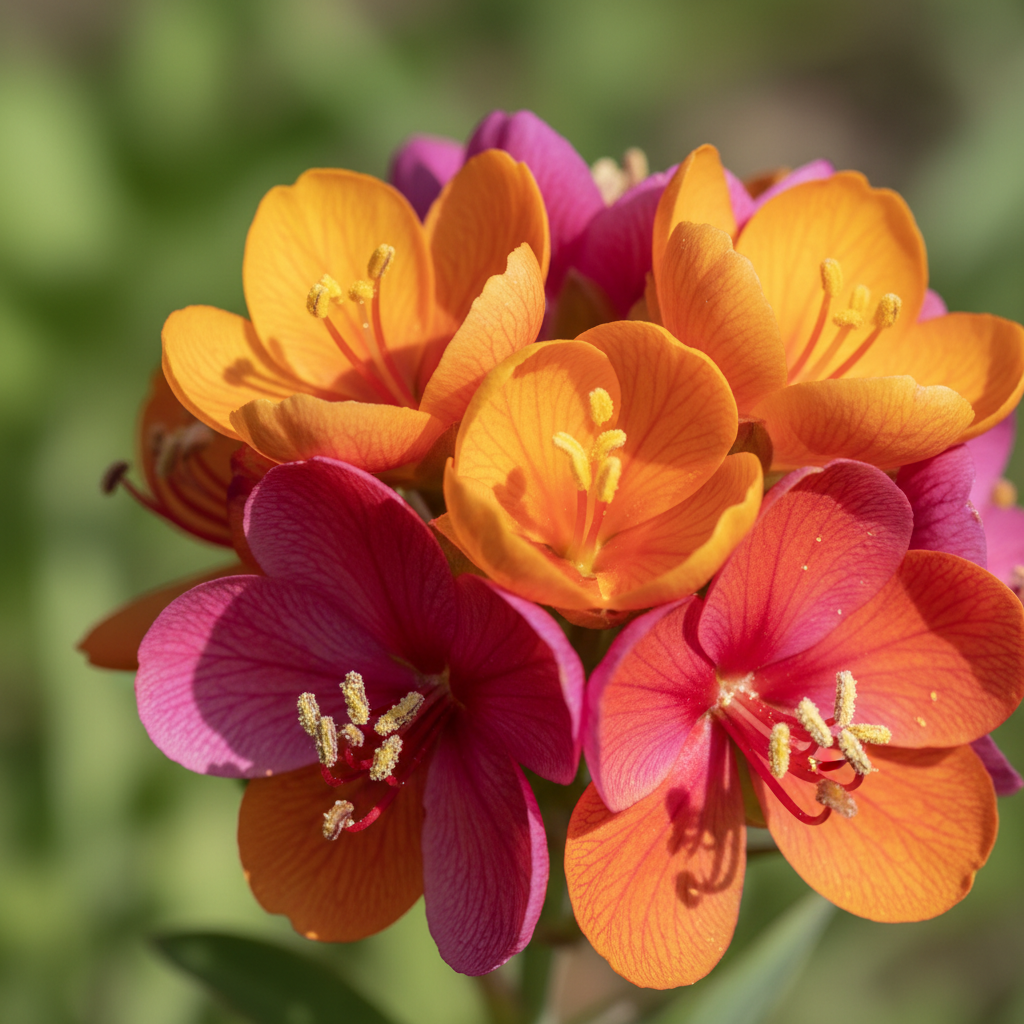
petals
The brightly colored outer parts of a flower that attract pollinators.
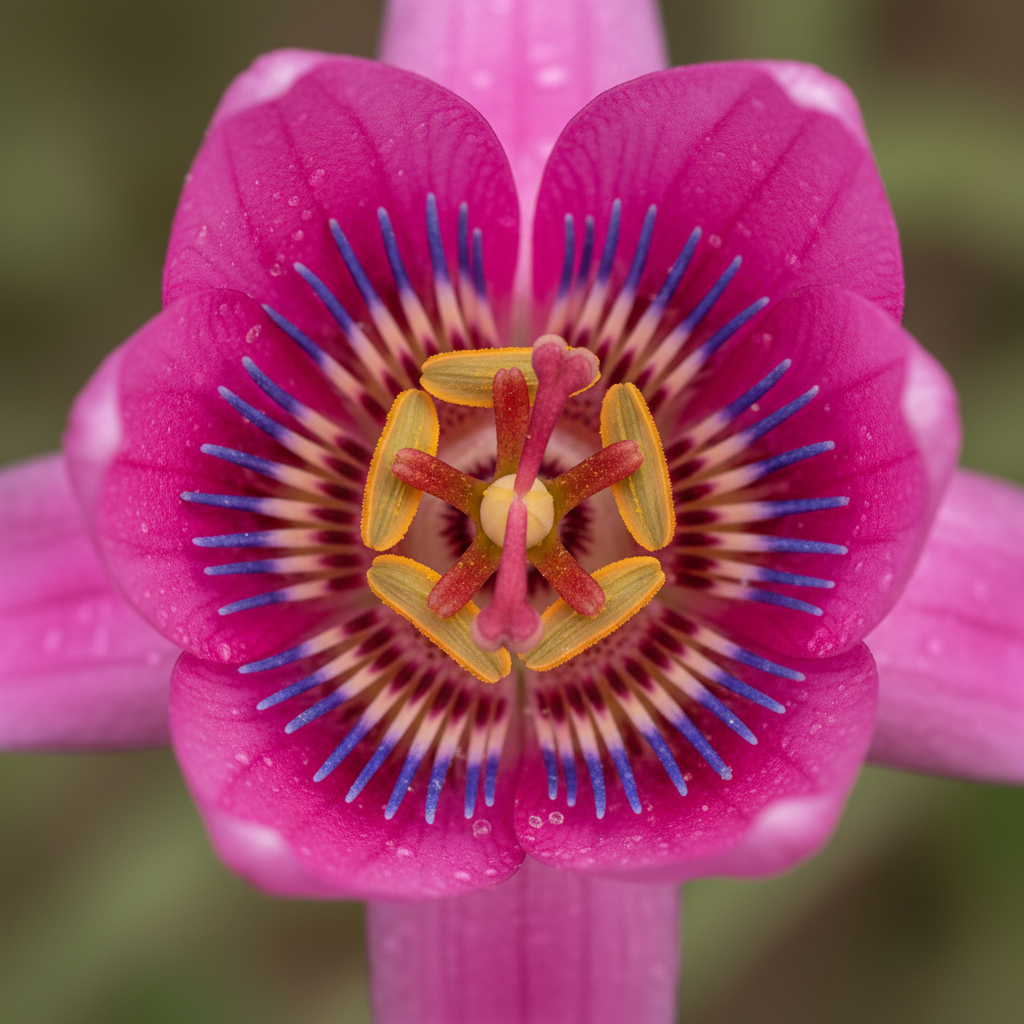
sepals
The green leaf-like parts that cover and protect a flower bud.
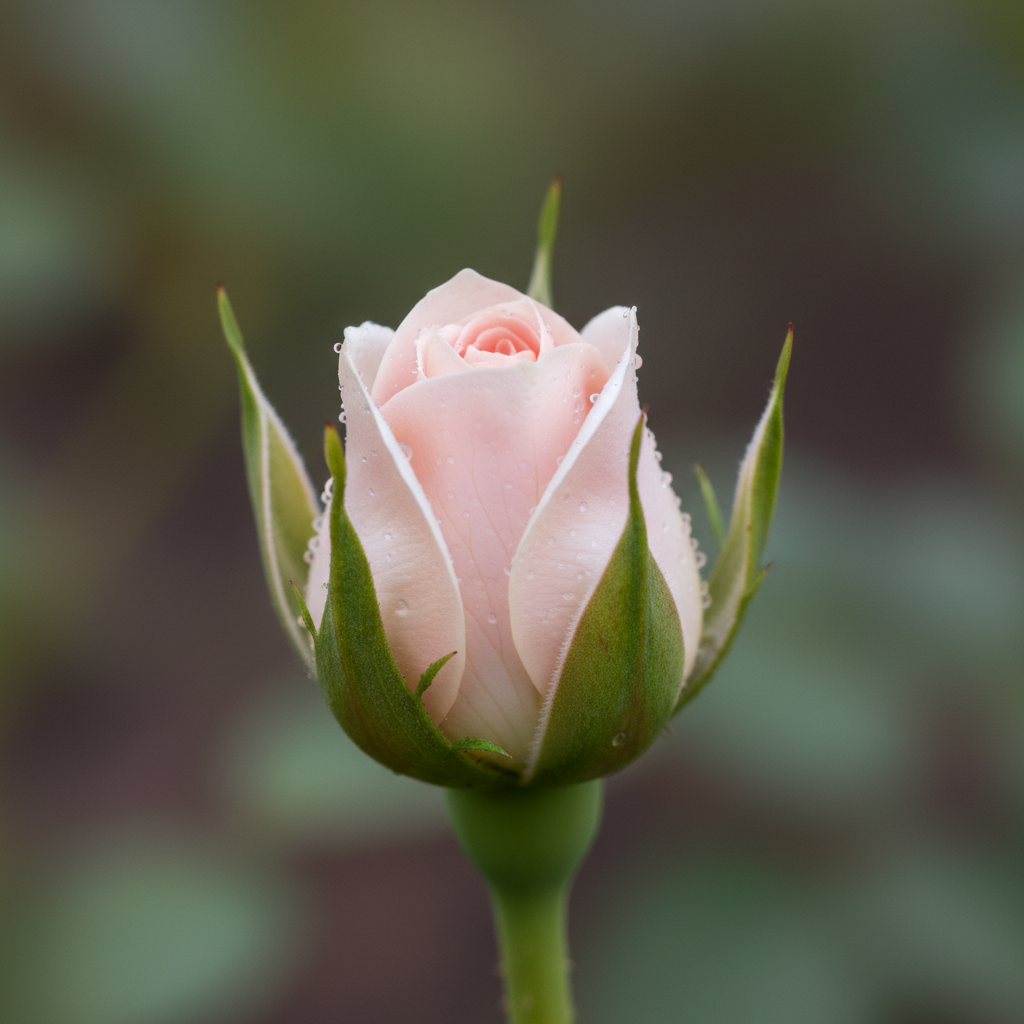
stamen
The male part of a flower that produces pollen grains.
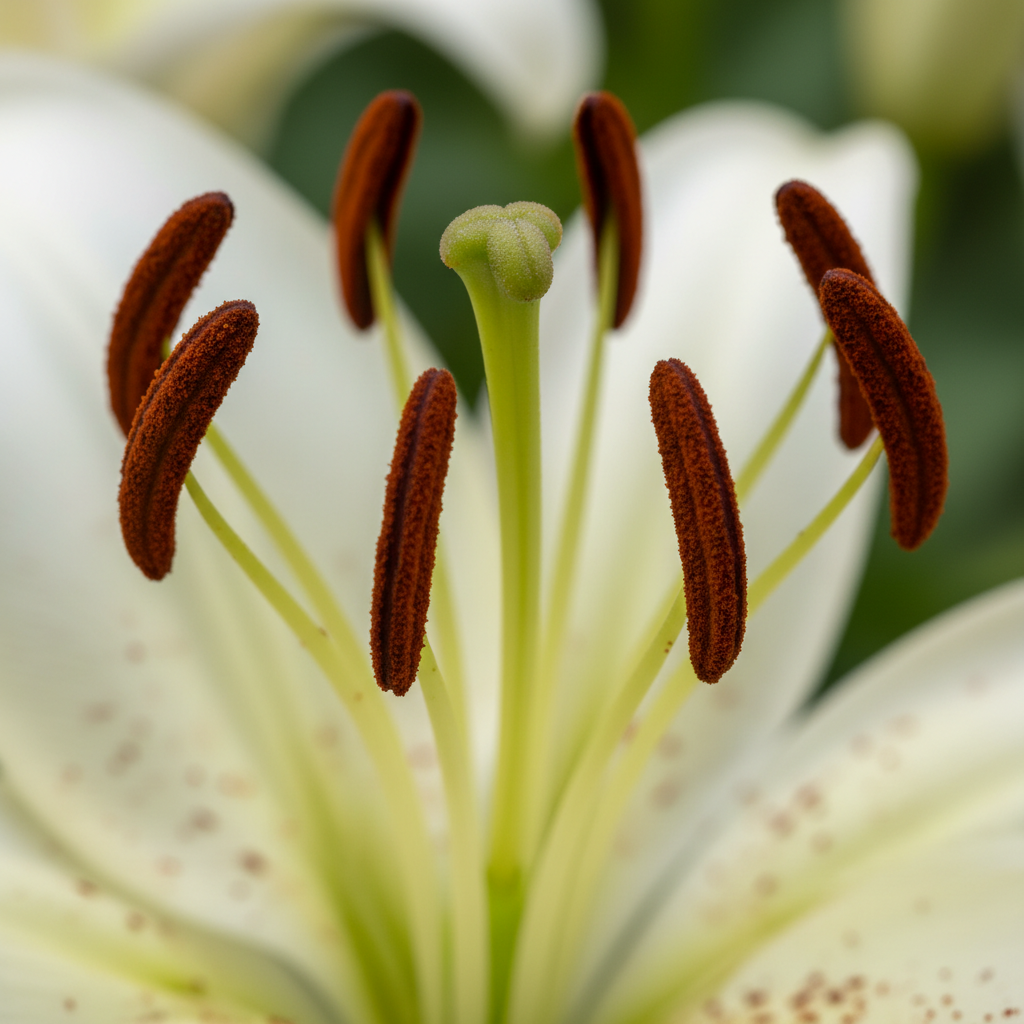
pistil
The entire female part of a flower
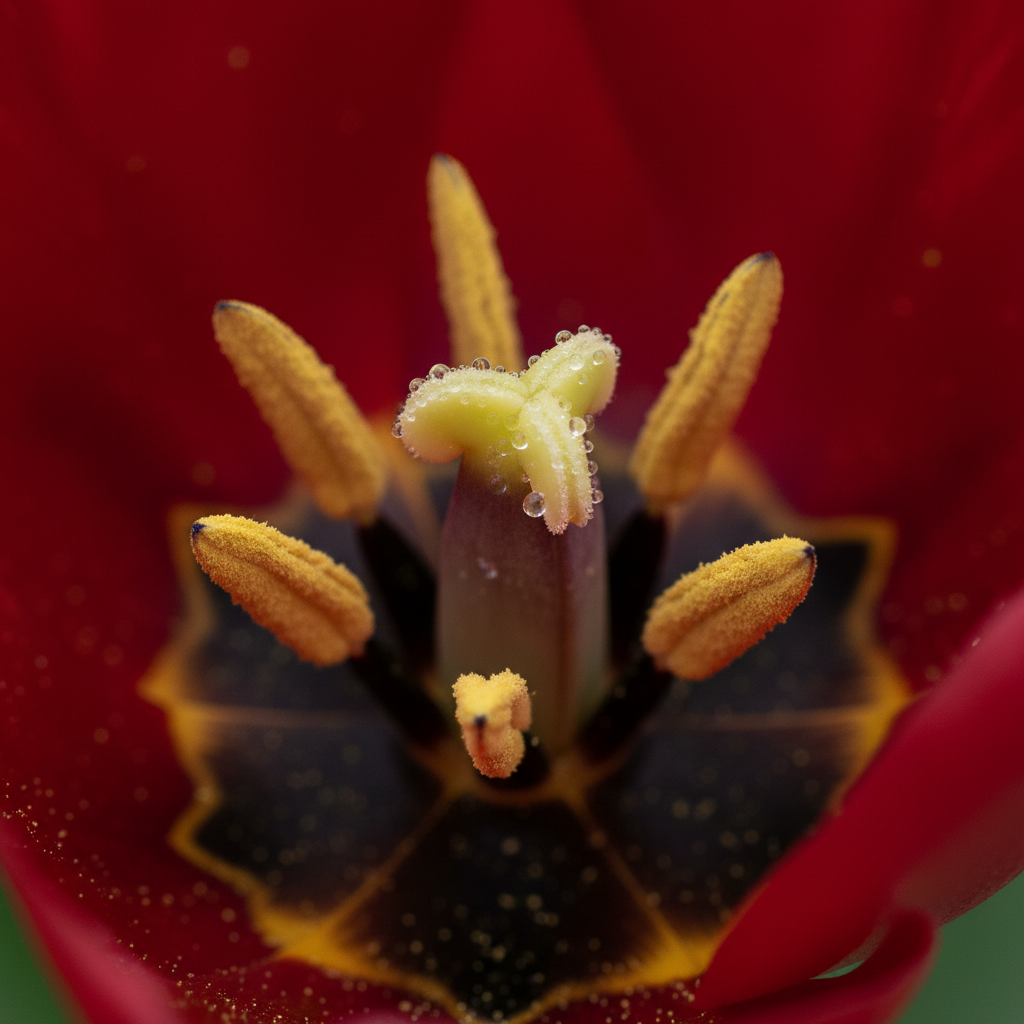
filament
The thin portion that makes up part of the stamen.
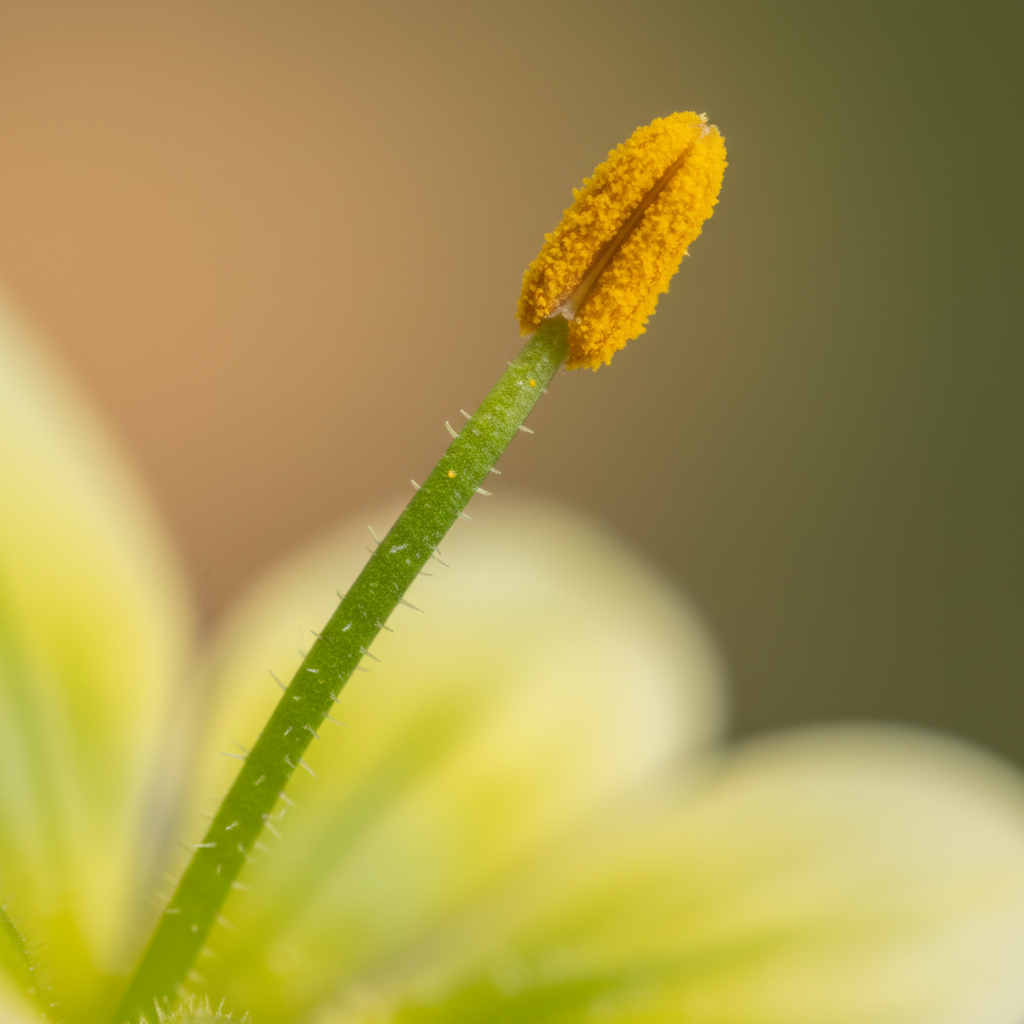
anther
The part at the top of the filament that produces pollen grains.
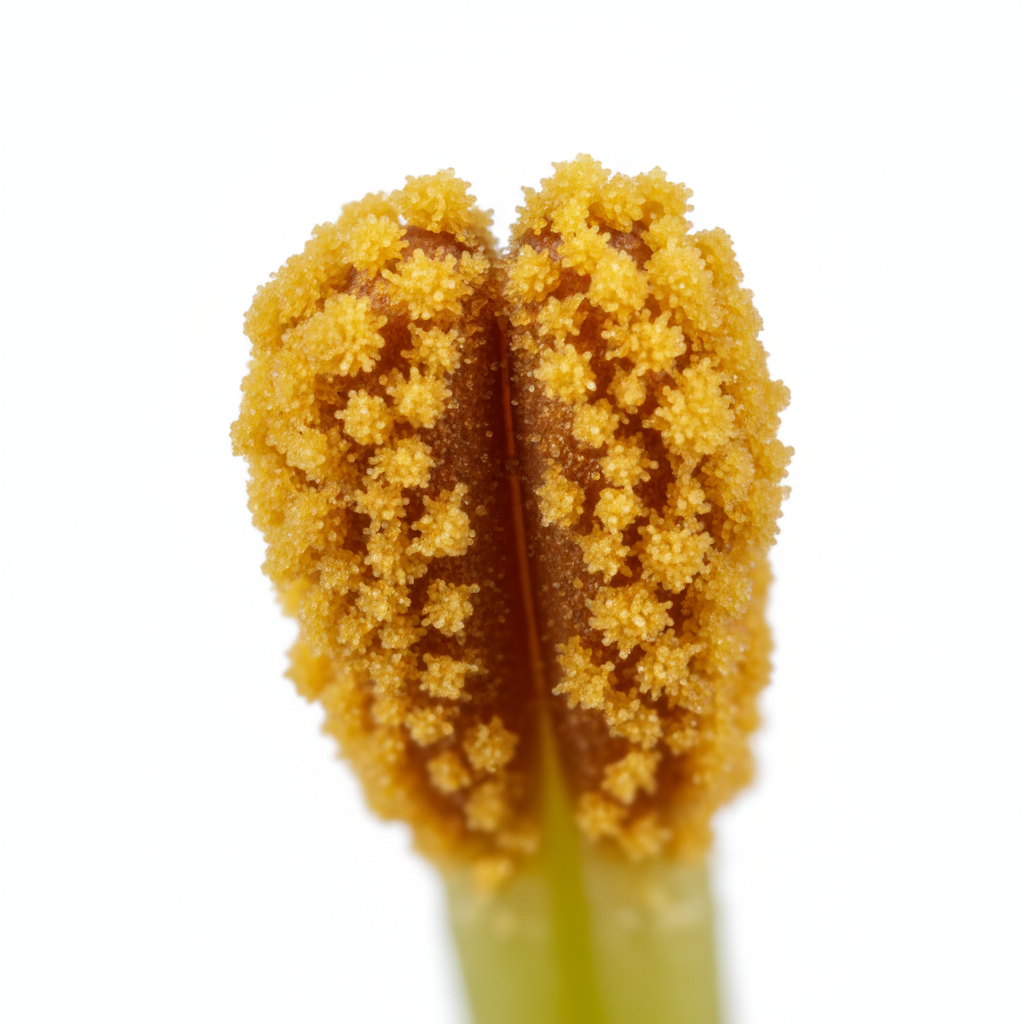
pollen
A yellow powder that contains sperm cells for plant reproduction.
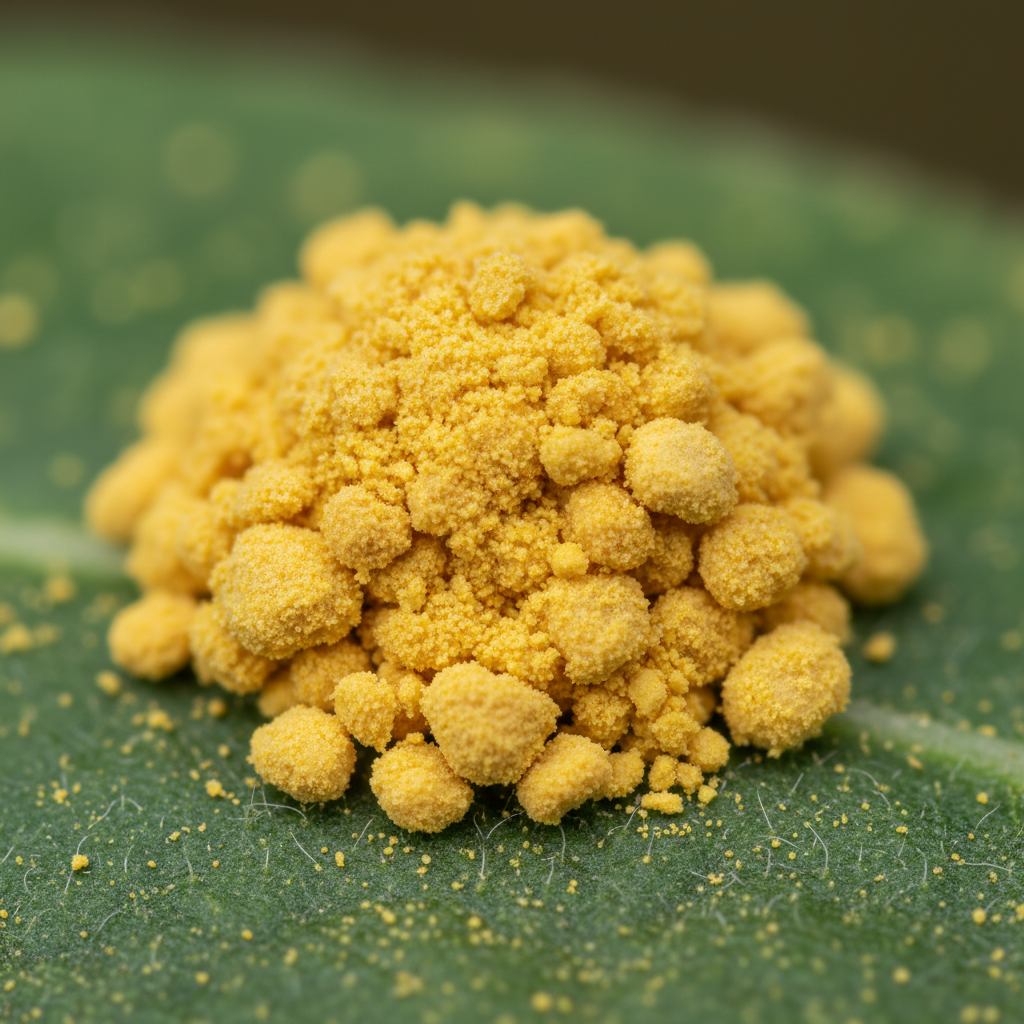
stigma
The sticky opening at the top of the pistil that receives pollen.
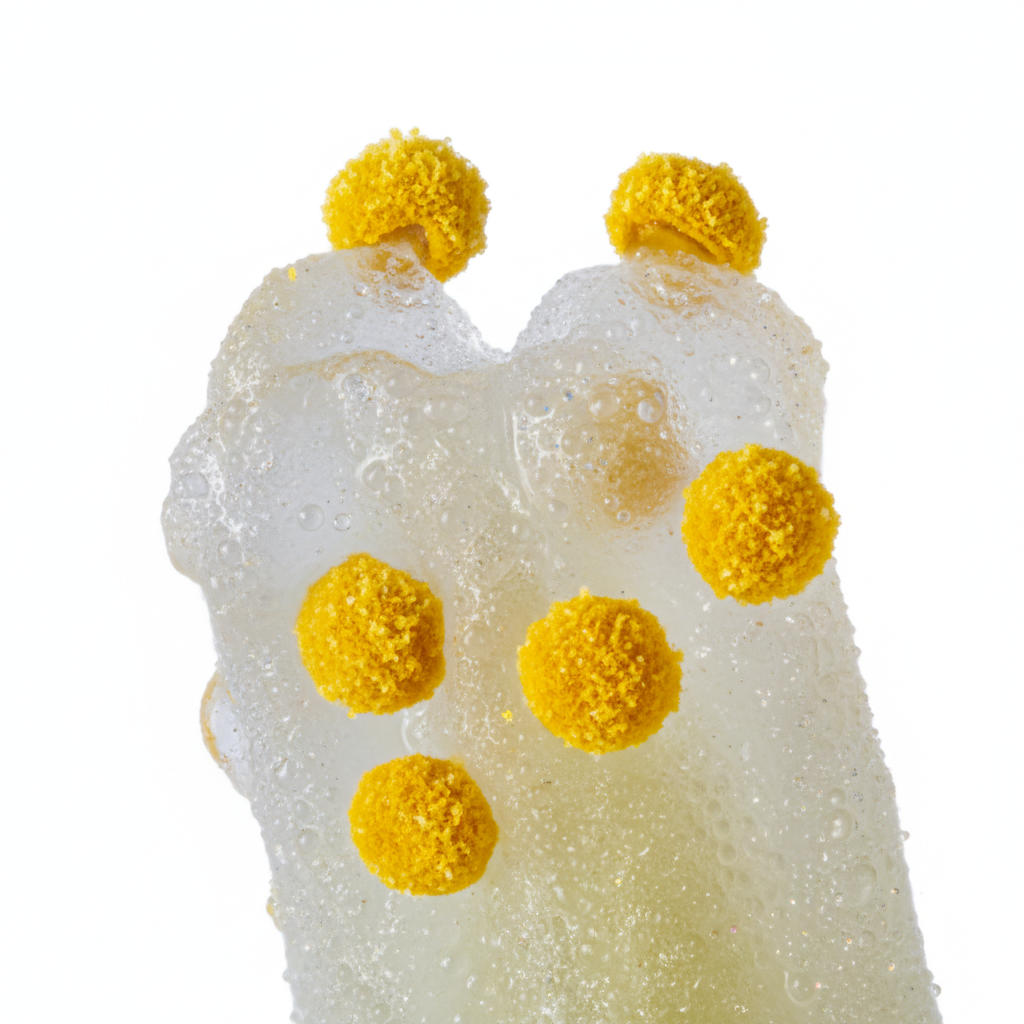
style
The long structure of the pistil that leads to the ovary.
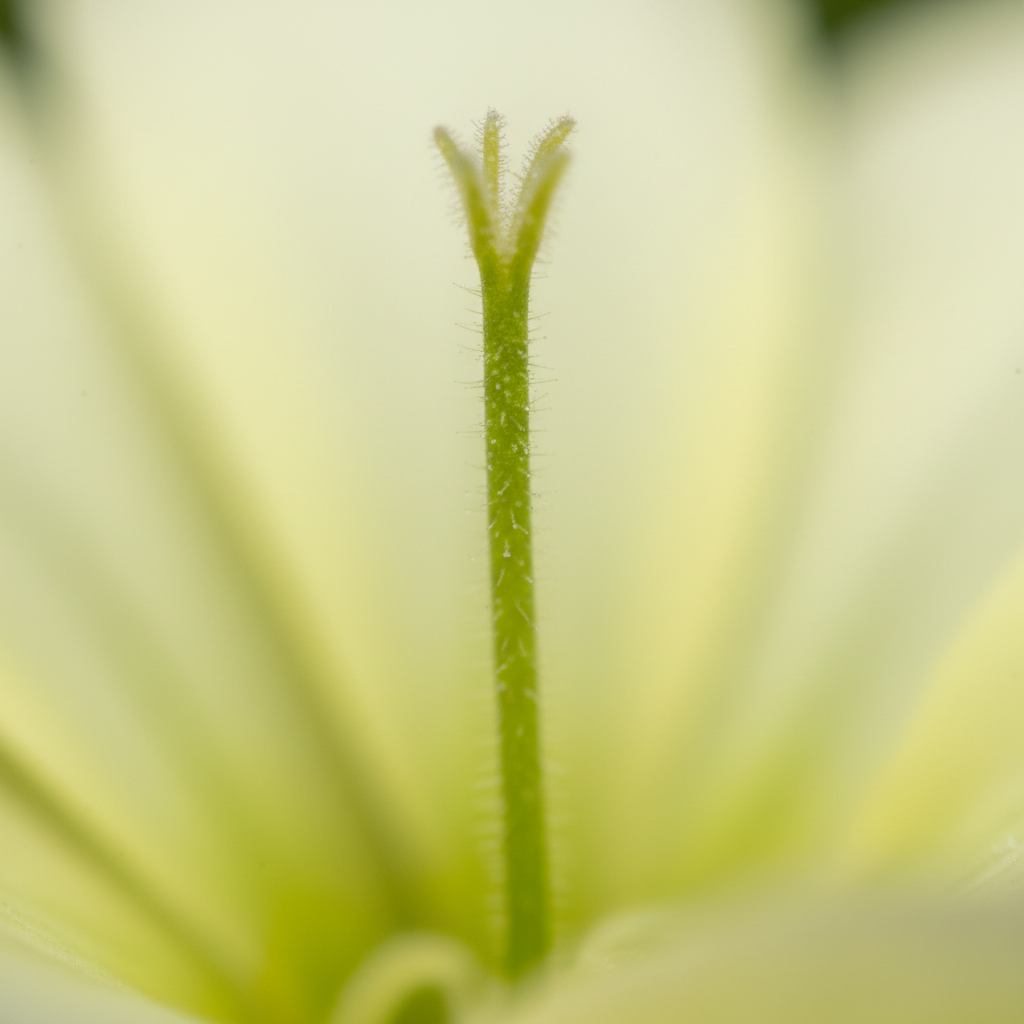
ovary
The bottom part of the pistil where fertilization occurs and eggs are kept. It becomes the fruit.
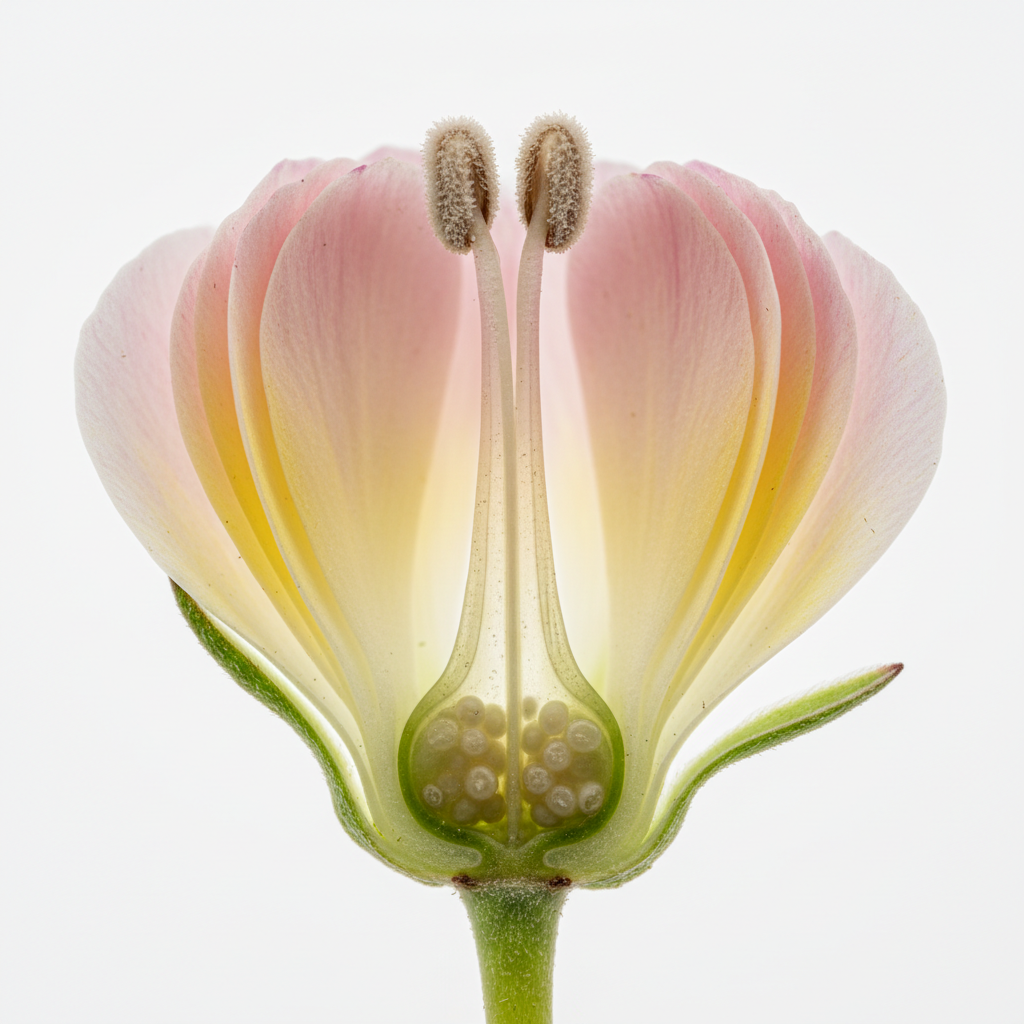
complete flower
A flower that has petals, sepals, stamens, and pistils.
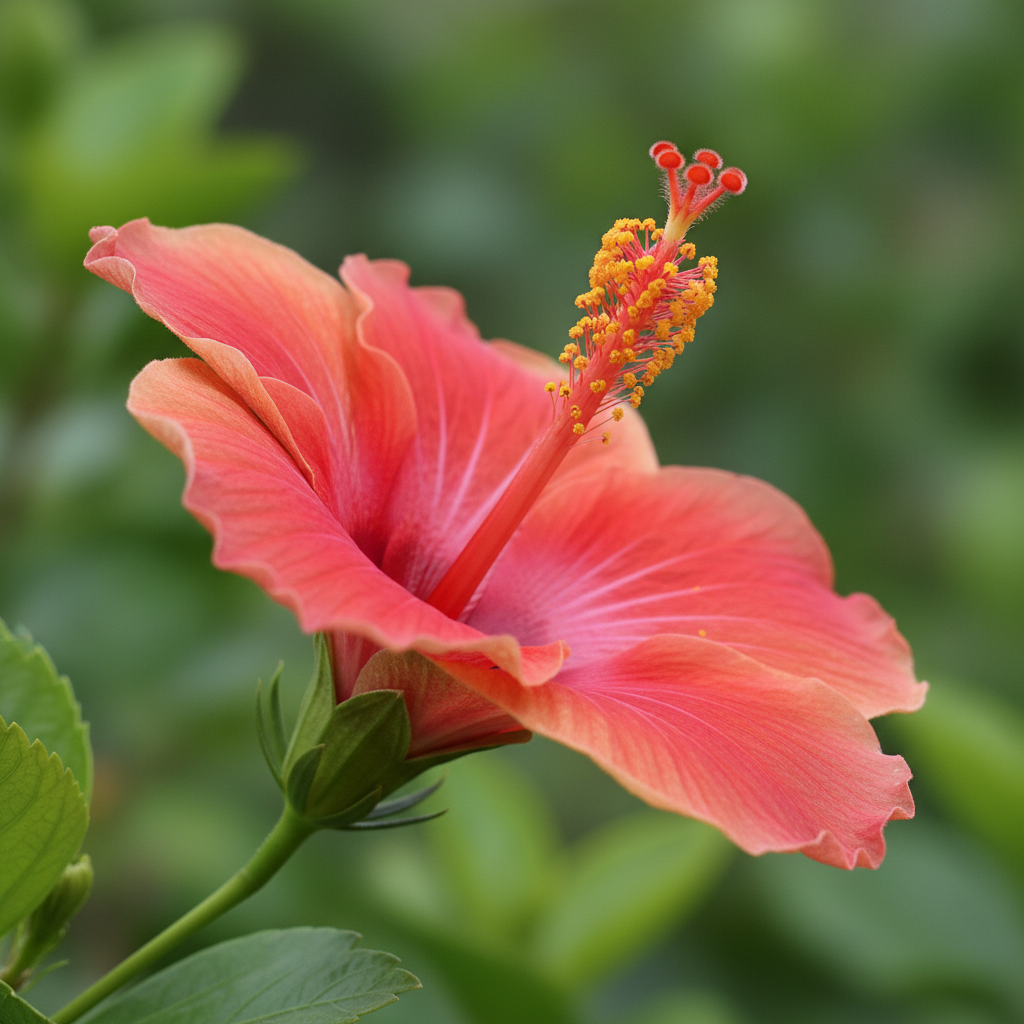
incomplete flower
A flower that is missing one or more of the four main flower parts.
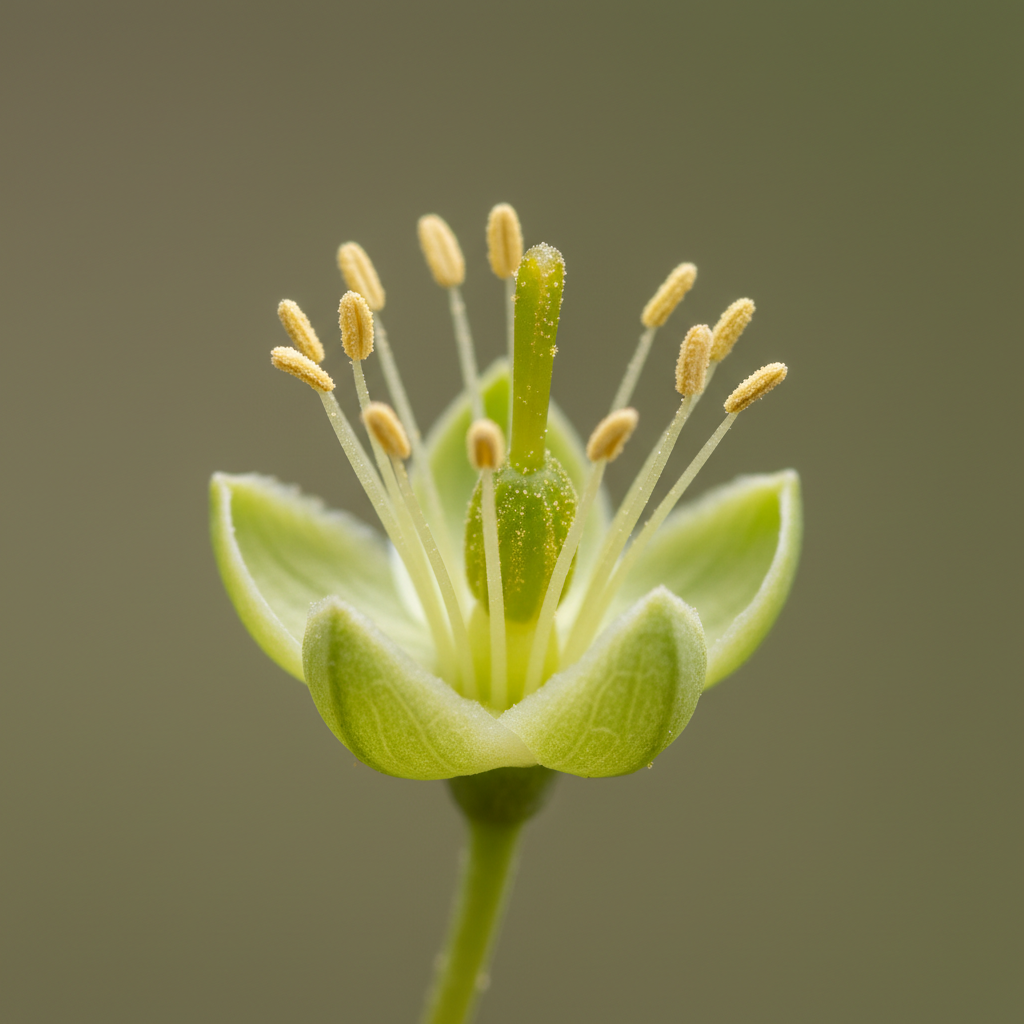
perfect flower
A flower that has both male and female reproductive parts.
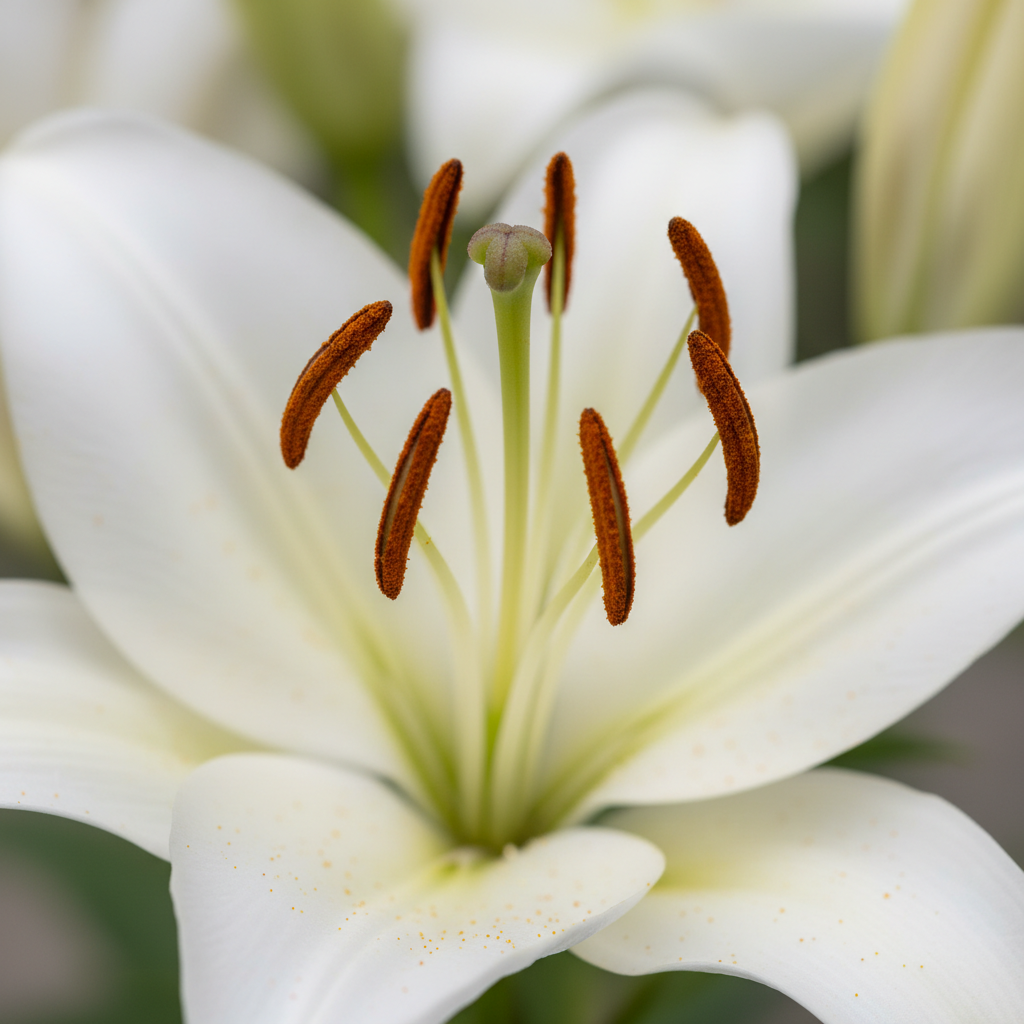
imperfect flower
A flower that has only male parts or only female parts.
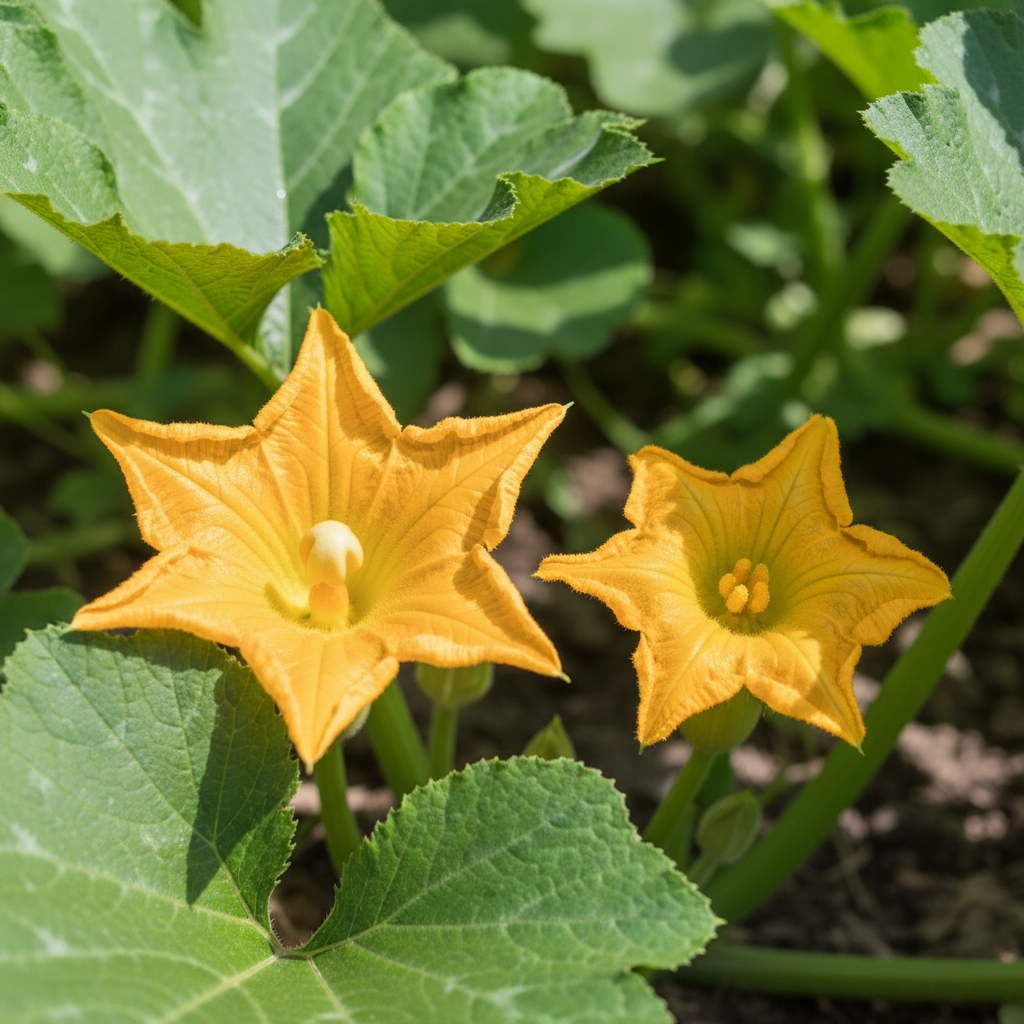
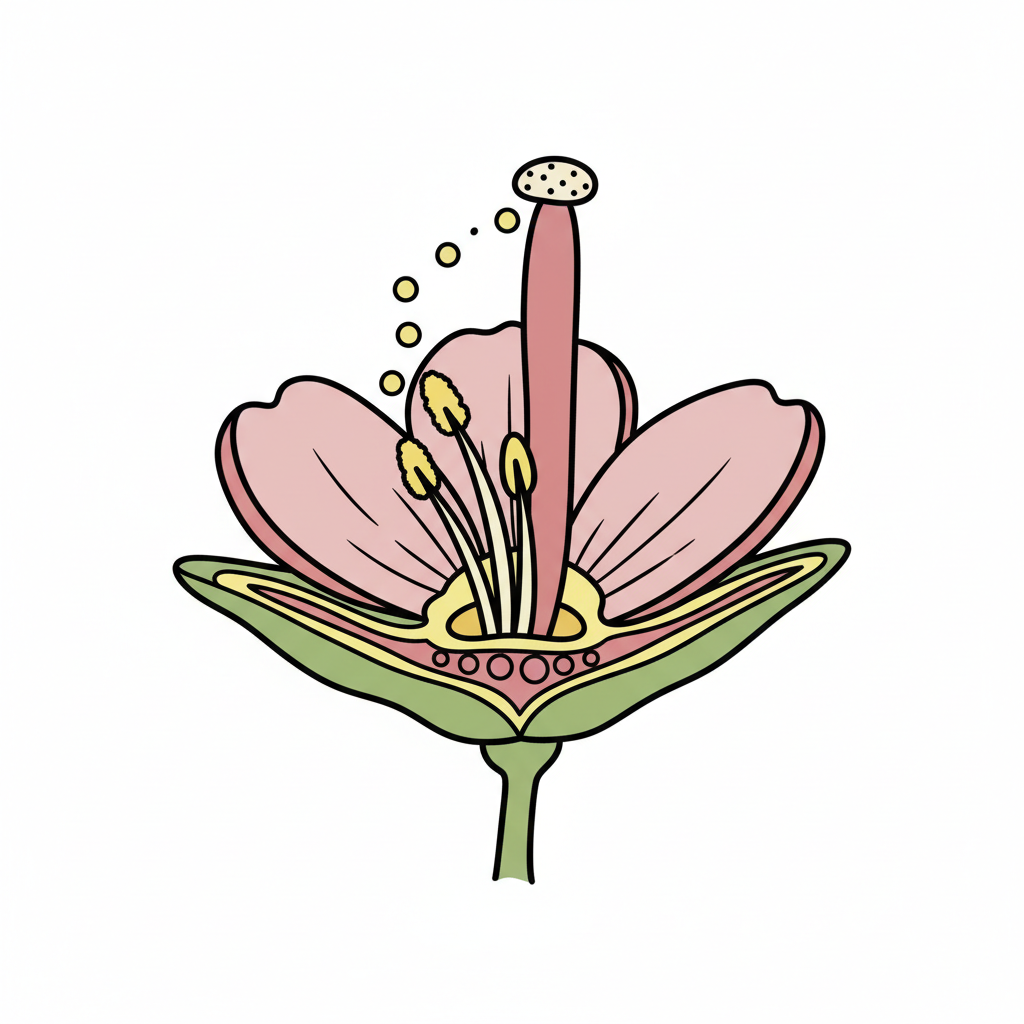
pollination
The transfer of pollen from the stamen to the pistil of a flower.
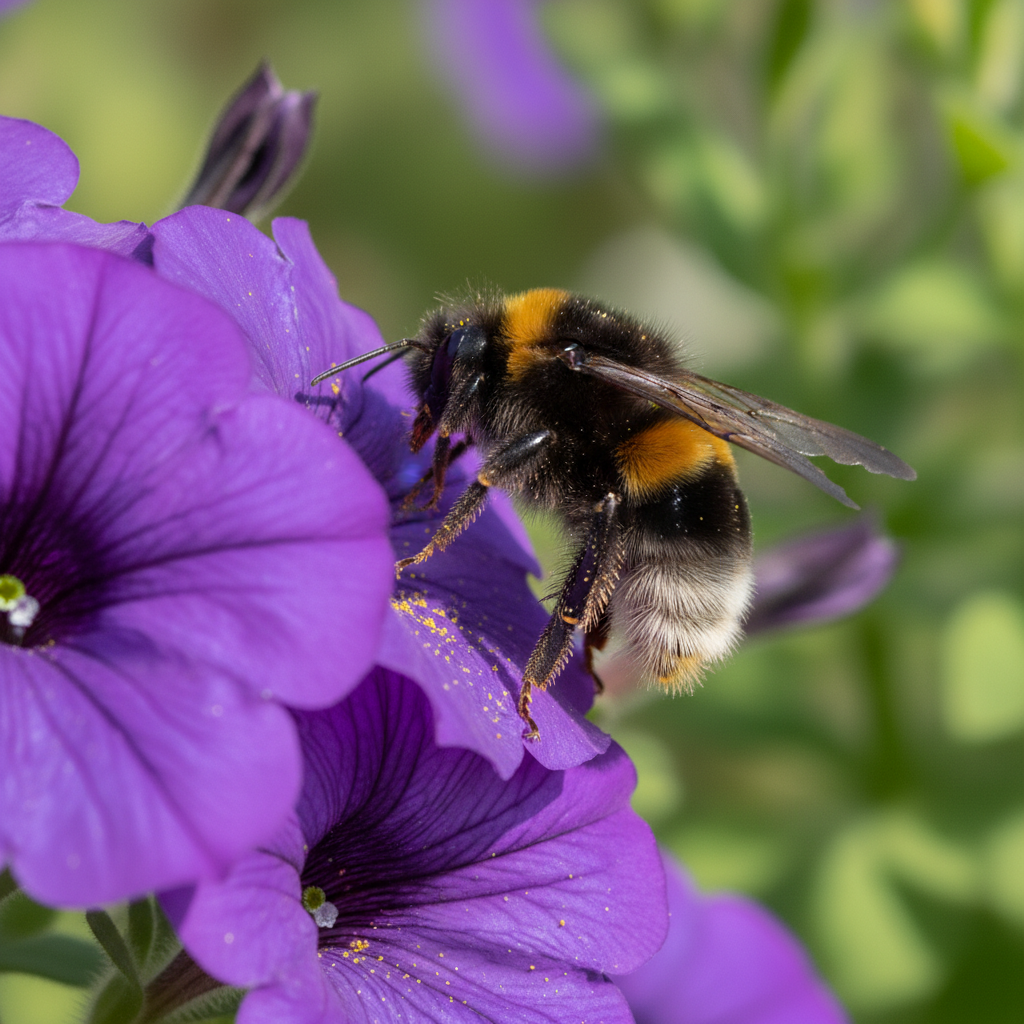
pollinators
Animals that carry pollen between flowers while looking for nectar.
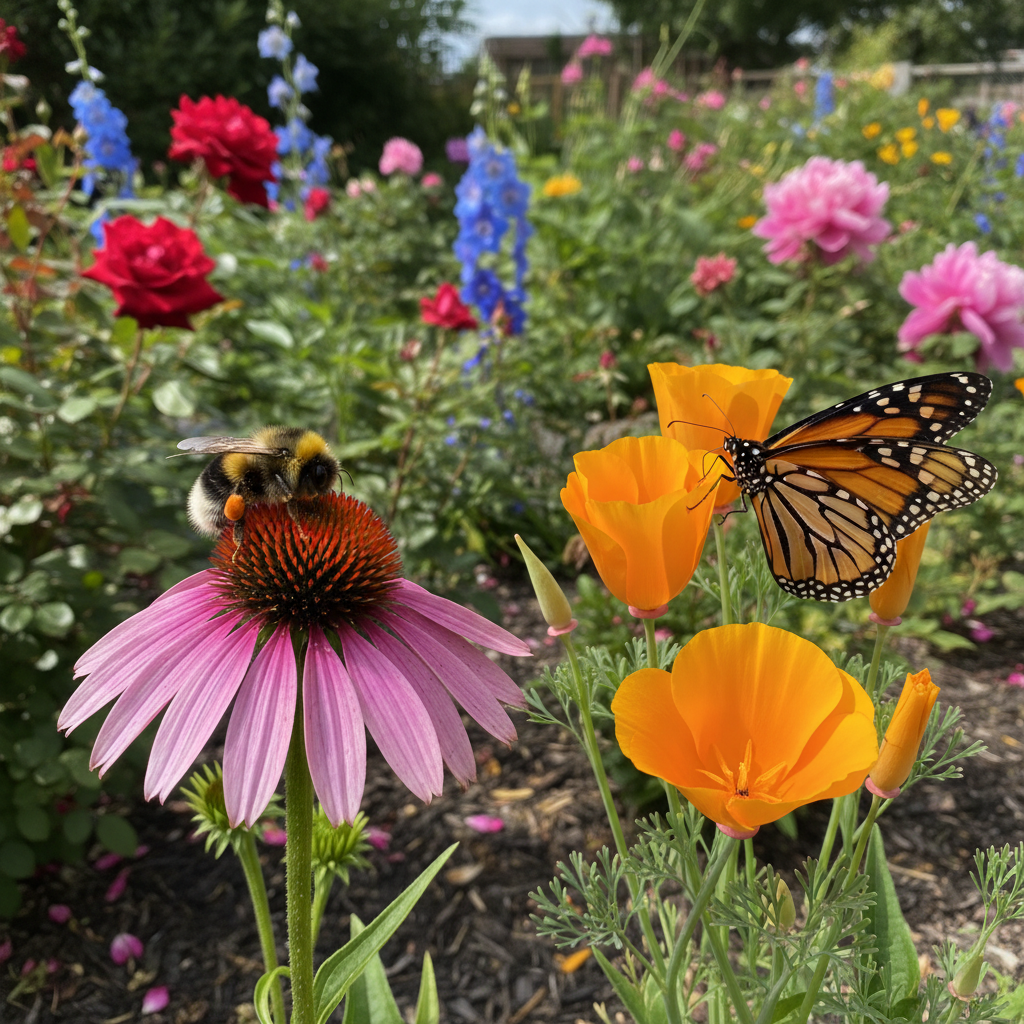
nectar
A sweet liquid made by flowers to attract bees and other animals.
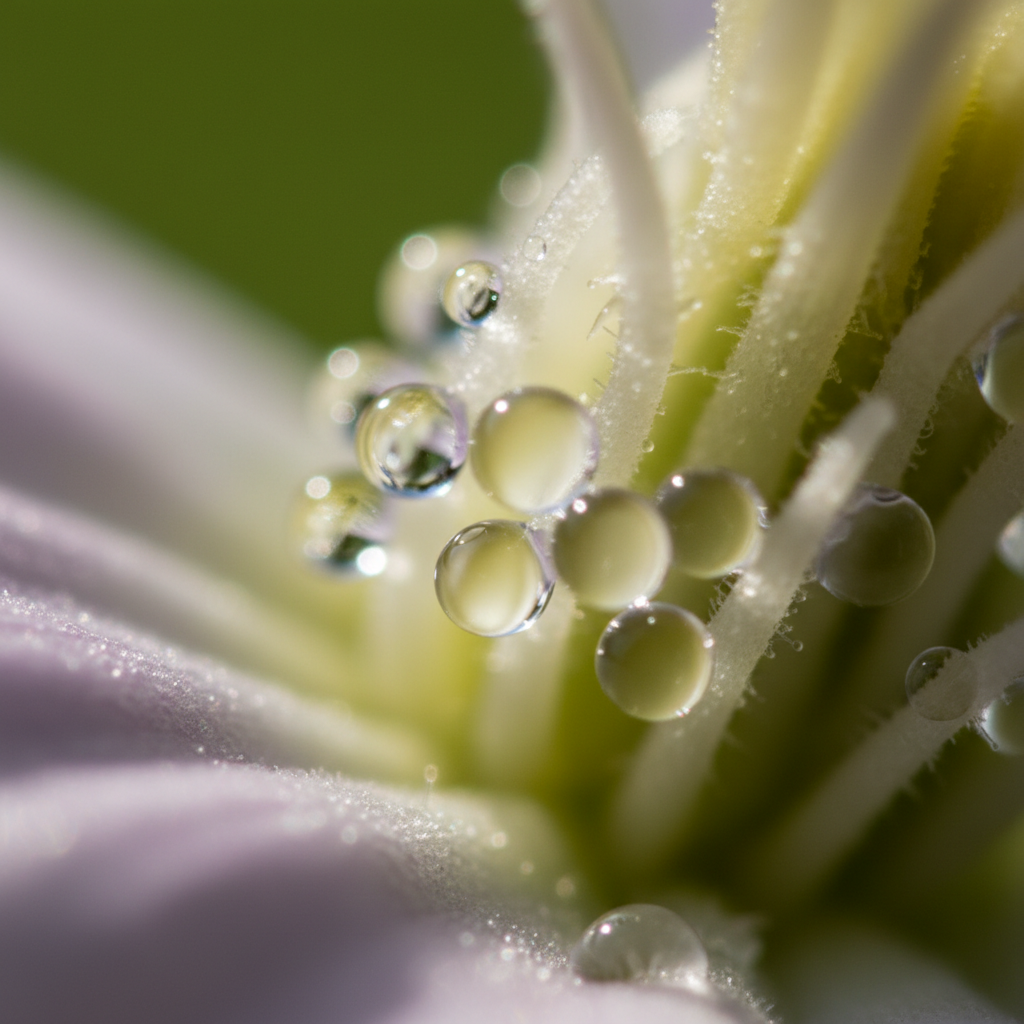
self-pollination
The process when a perfect flower with both male and female parts pollinates itself.
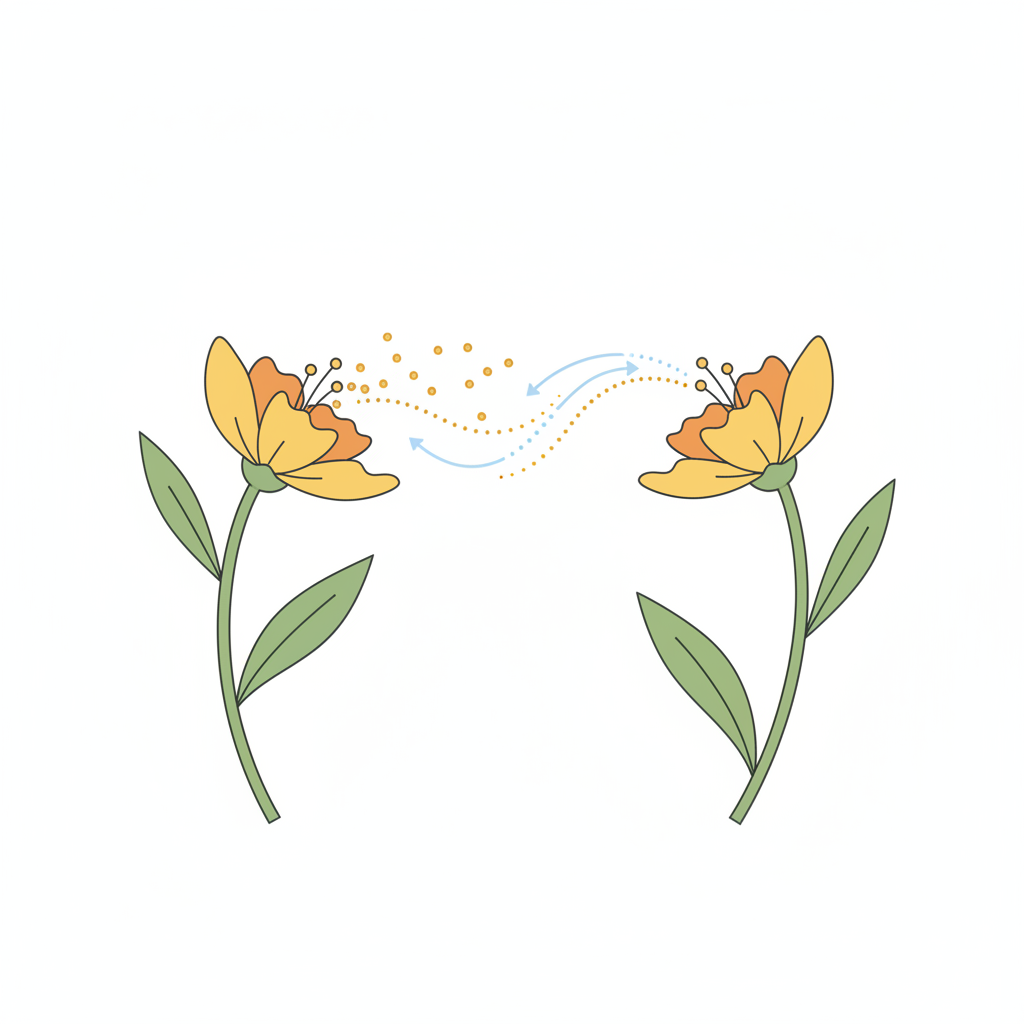
cross-pollination
The process when pollen from one plant travels to a flower on a different plant.
embryo
The beginning of a new offspring that is found inside a seed.
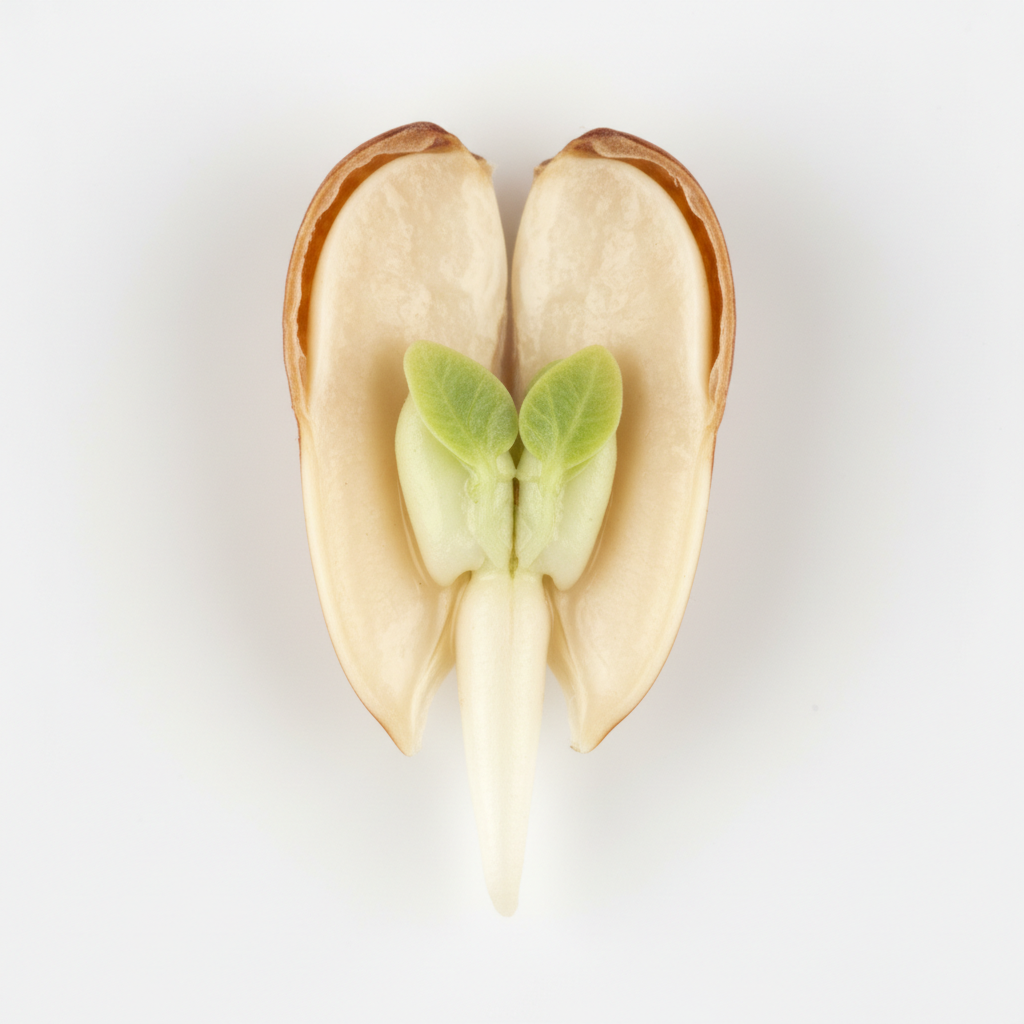
cotyledon
The food supply inside a seed that surrounds the embryo.
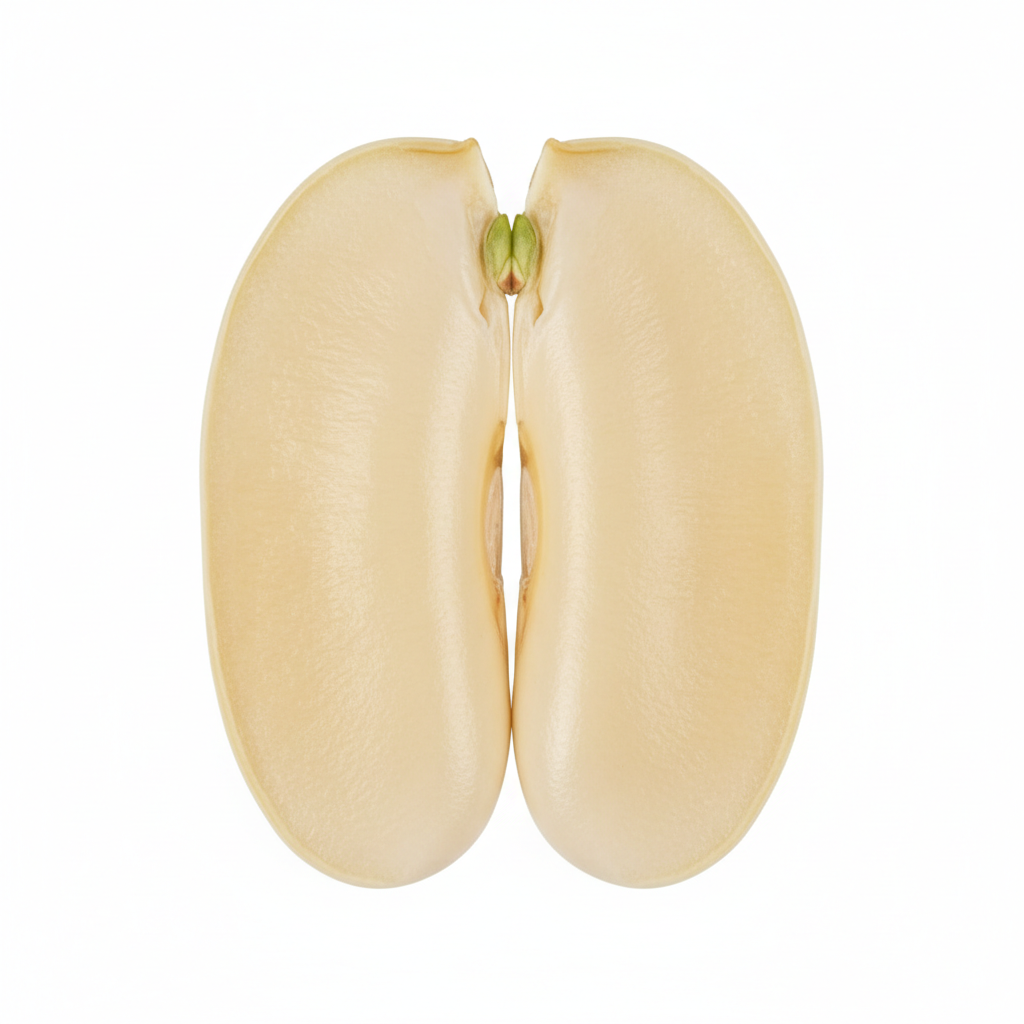
seed coat
The tough outer covering that protects the inside of a seed.
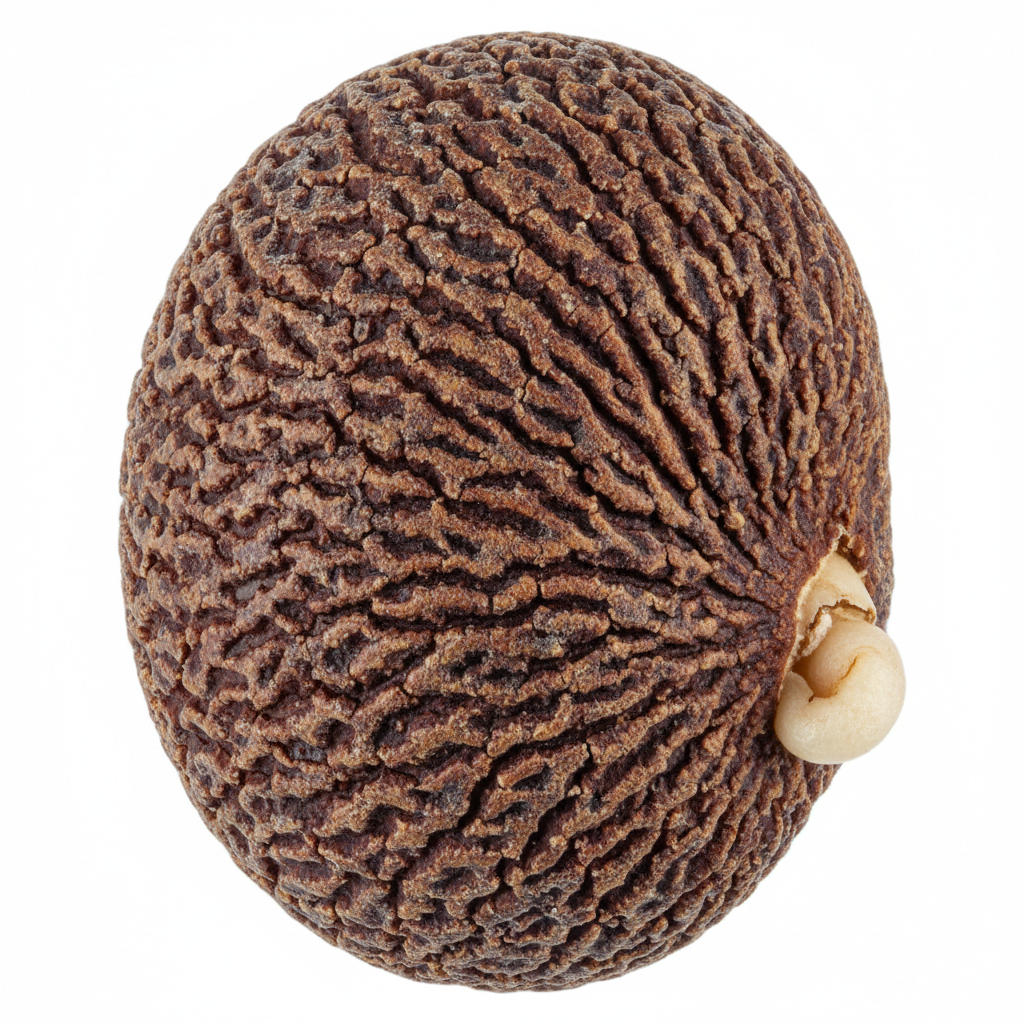
germination
The development of a seed into a new plant when conditions are right.
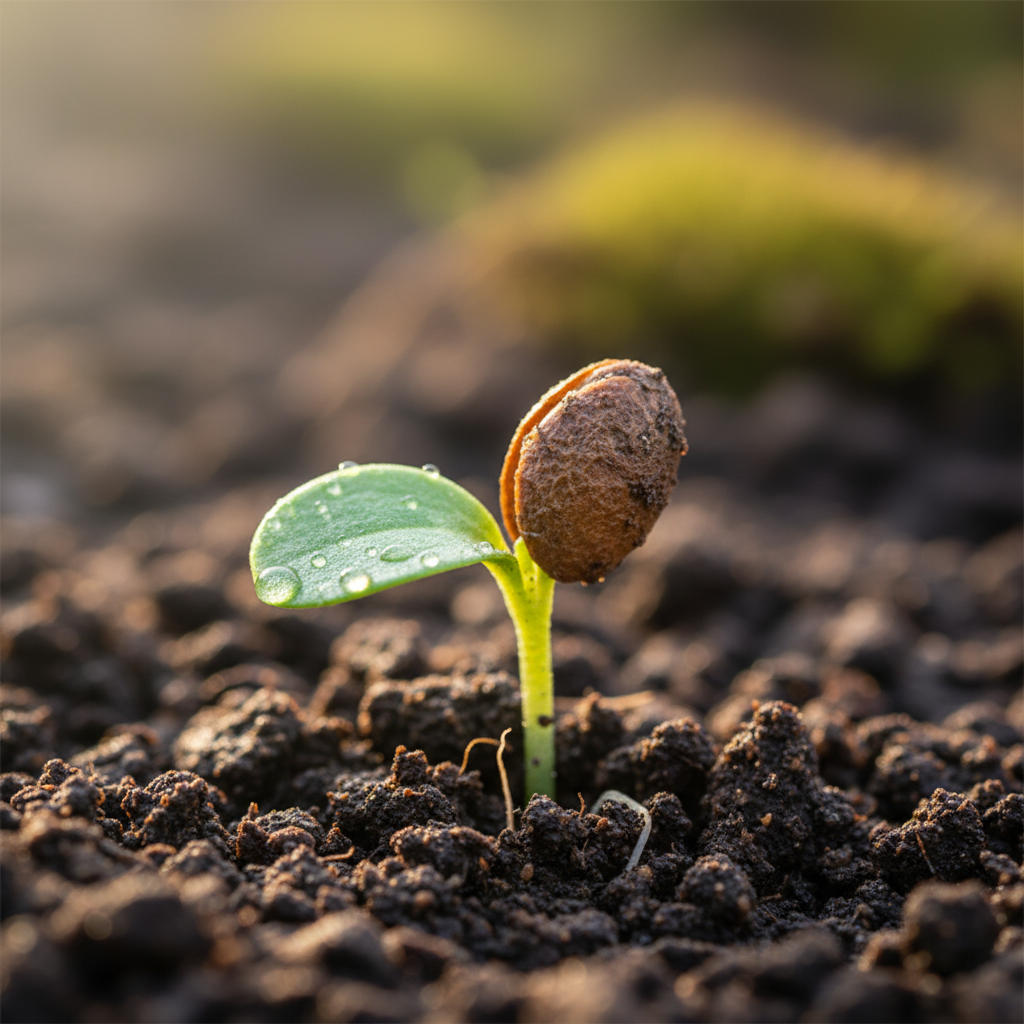
monocot
A flowering plant that produces seeds with only one cotyledon.
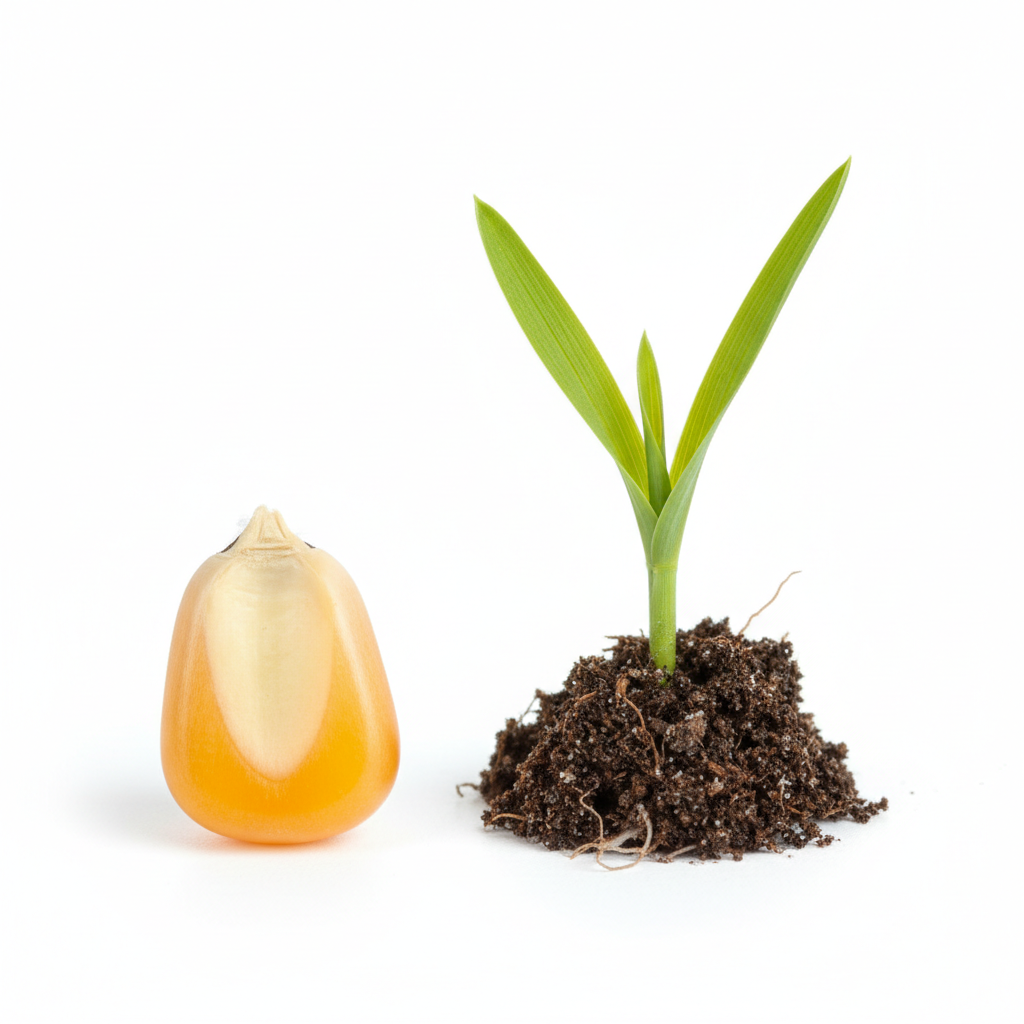
dicot
A flowering plant that produces seeds with two cotyledons.
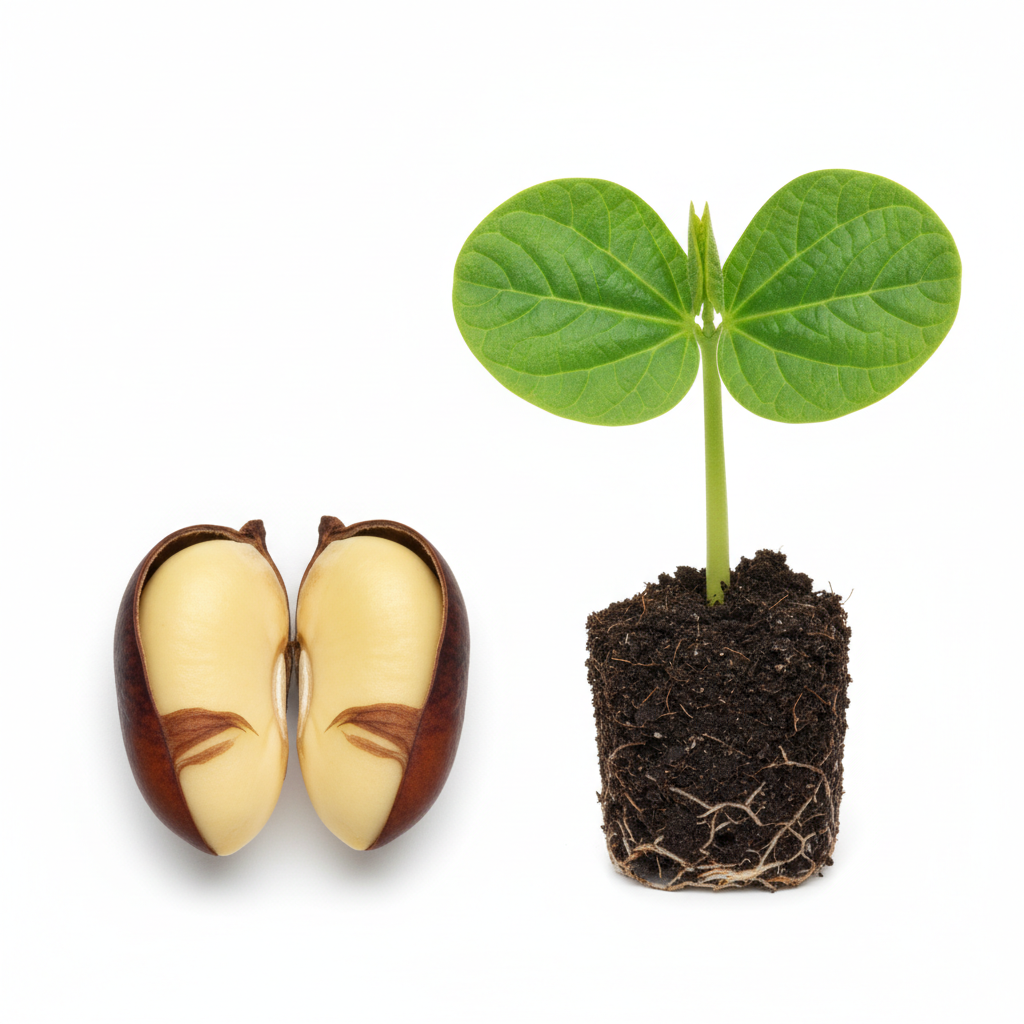
gymnosperm (conifer)
A plant that has seeds but does not produce flowers or fruits.
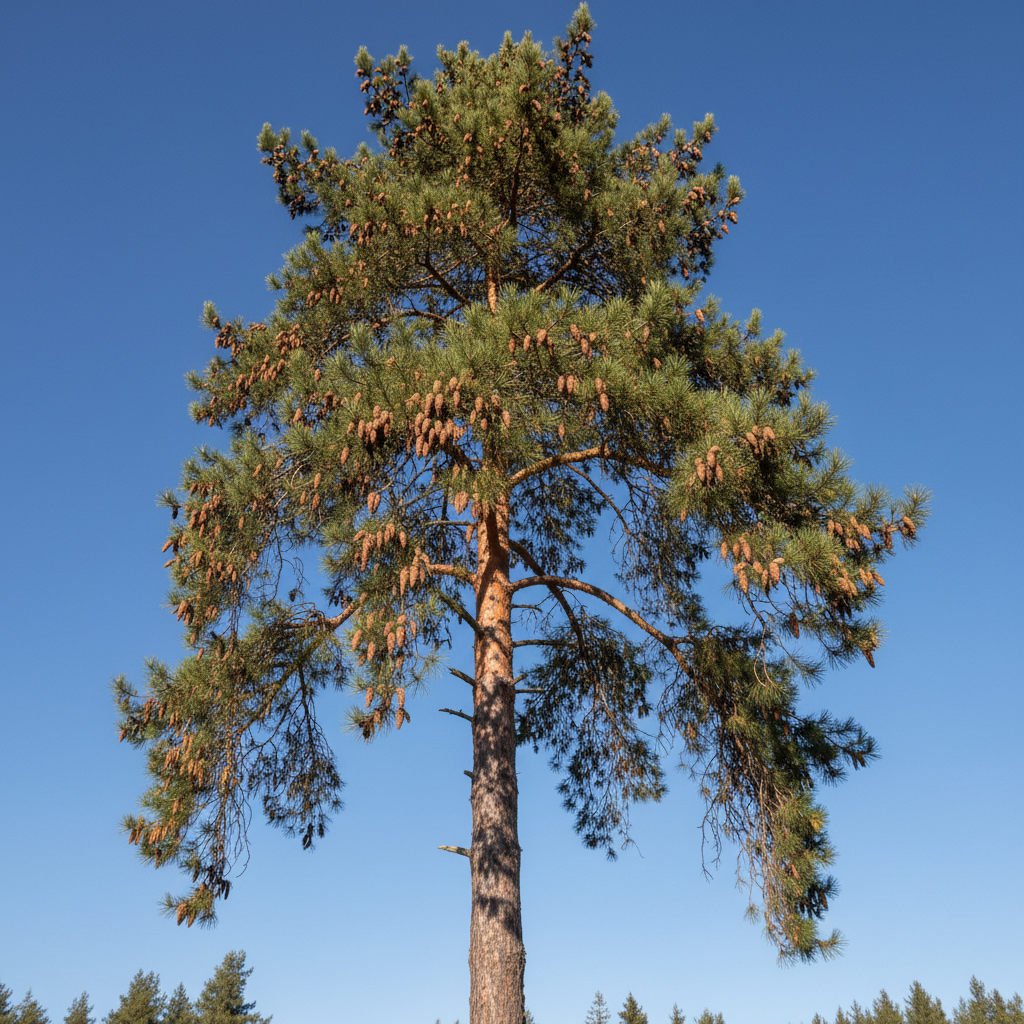
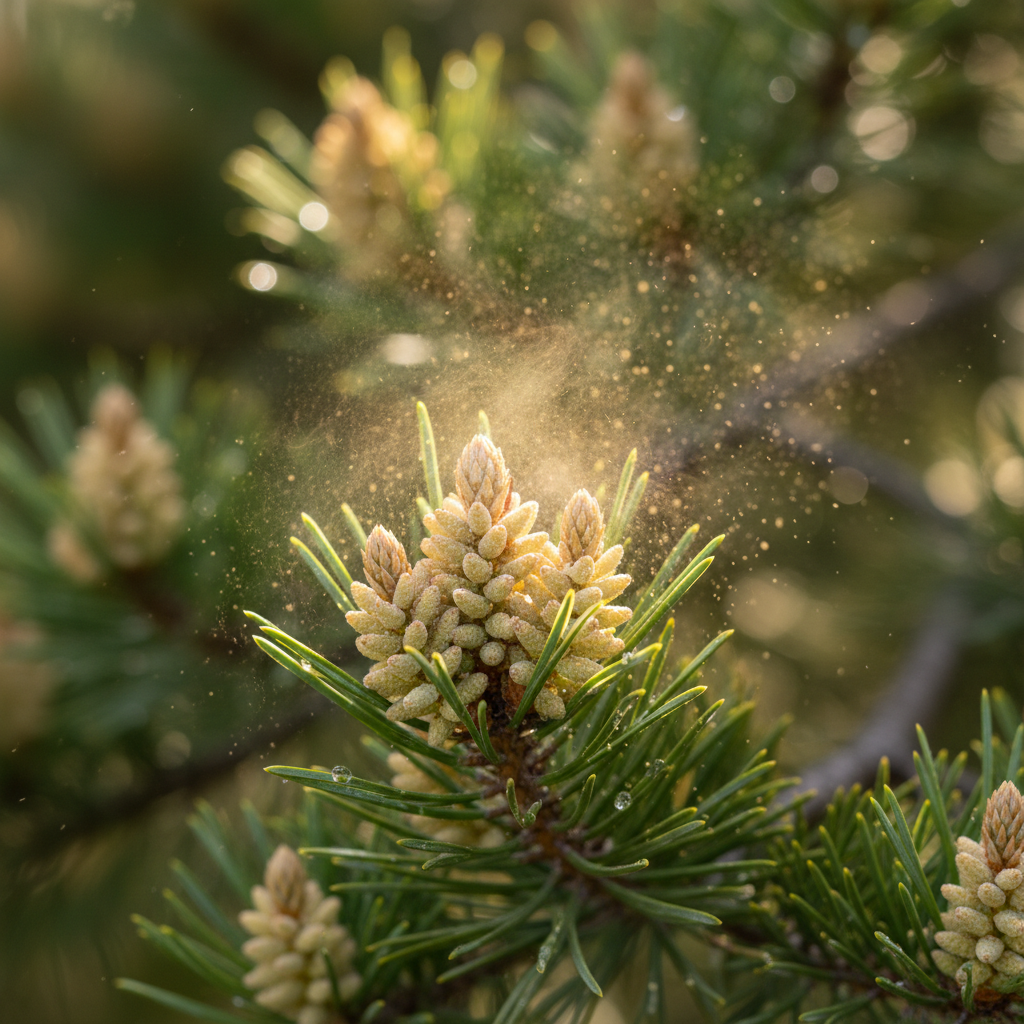
male cone
The type of conifer cone that releases powdery pollen into the wind.
female cone
The type of conifer cone that produces a sticky fluid to catch pollen.
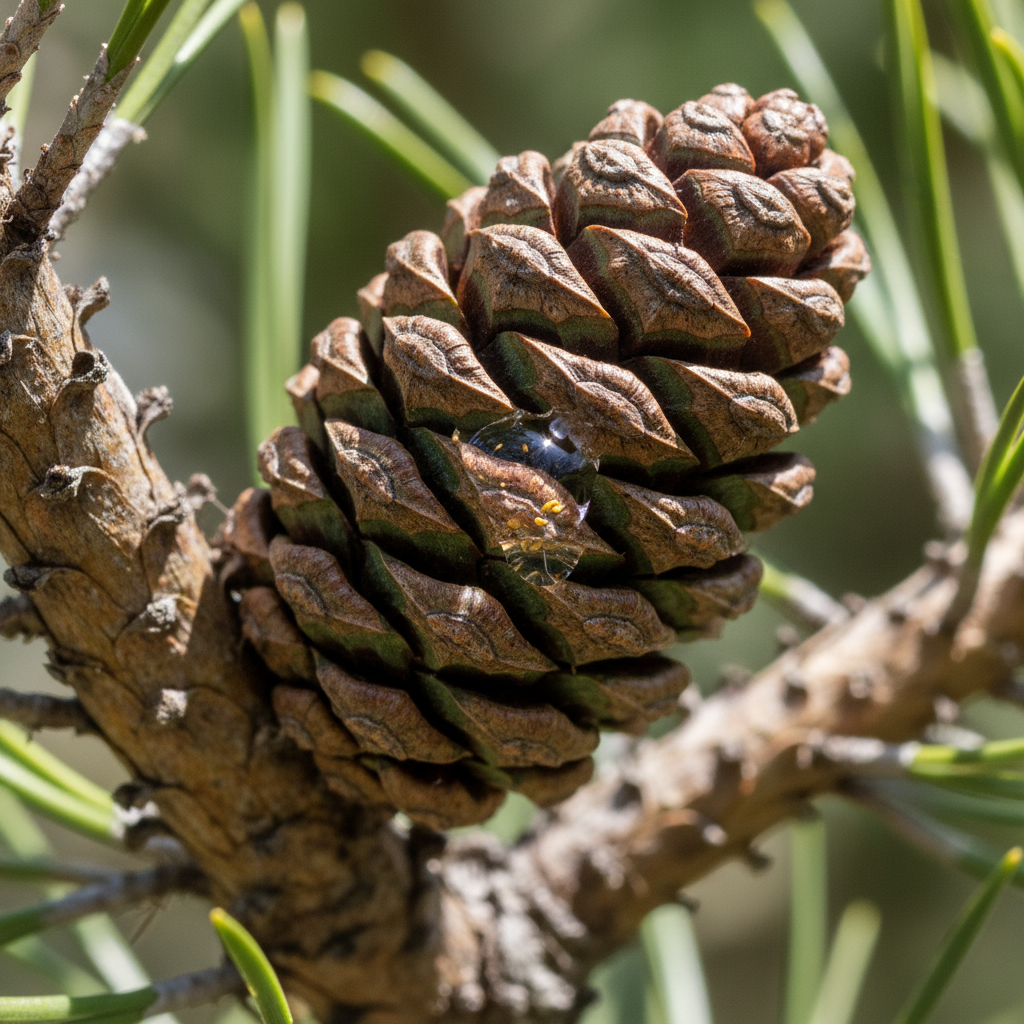
naked seeds
The term for conifer seeds because they are not protected inside a fruit.
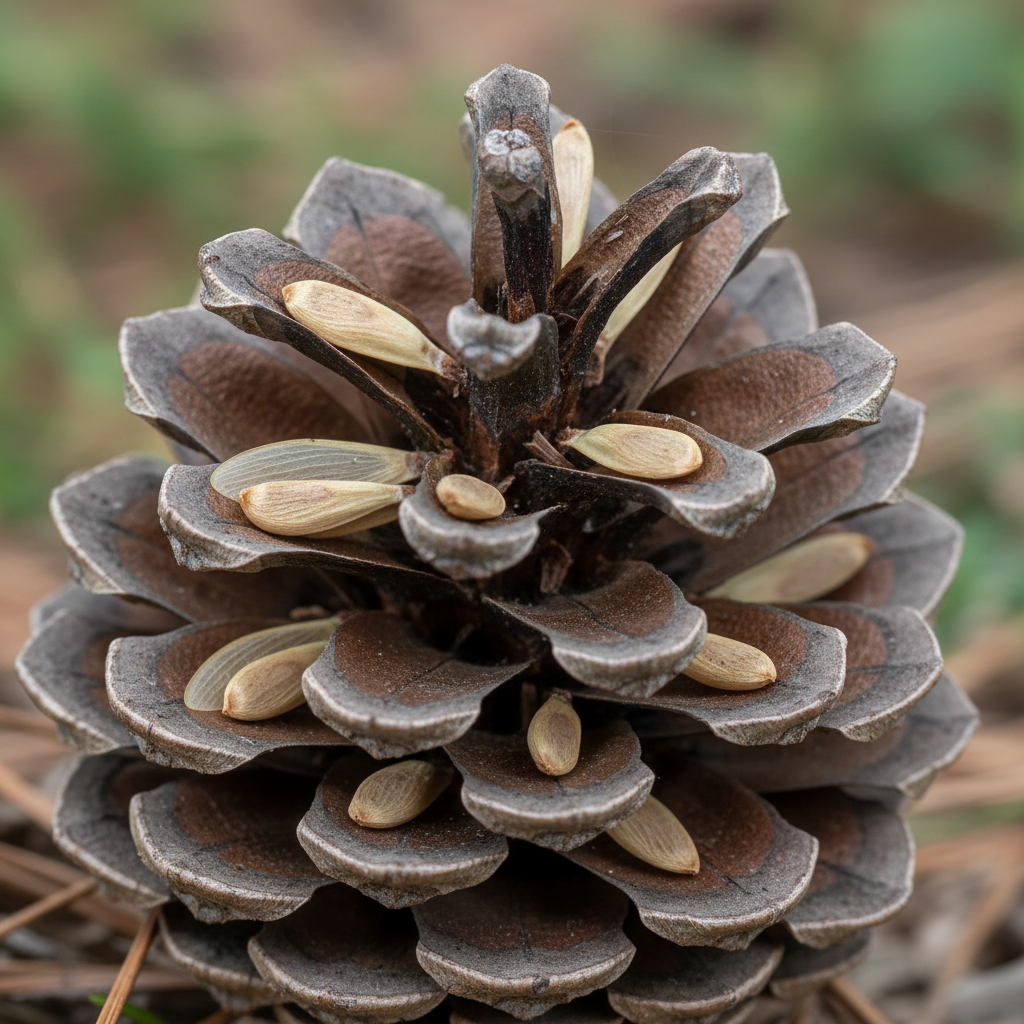
ovary
The specific part of the flower where sperm and egg cells combine.
animal life cycle
The stages of growth, development, and reproduction that an animal goes through.
metamorphosis
A series of distinct growth stages that are very different from one another.
complete metamorphosis
A life cycle with four distinct stages where the young looks different from adults.
larva
An immature stage that does not resemble the adult and often eats different food.
pupa
A nonfeeding stage where the organism is active and changing inside a cocoon.
incomplete metamorphosis
A life cycle with three stages where the young looks similar to the adult.
nymph
A young insect that is smaller than an adult and lacks wings and reproductive structures.
external fertilization
The joining of egg and sperm outside the female's body, usually in water.
internal fertilization
The joining of egg and sperm inside the female's body to protect sex cells.
embryo
A developing organism that is located inside of a fertilized egg.
fertilization
The process of a sperm cell and an egg cell joining together to grow.
egg
The first stage of the life cycle for most animals like birds and fish.
adult
The final stage of a life cycle when an animal is fully grown.
exoskeleton
A hard outer skeleton that insects must shed to make room for growing bodies.
shedding
The process of an insect losing its old exoskeleton to allow for a larger body.
yolk
The part of an egg that provides food for a developing embryo.
sex cells
Delicate cells like sperm and eggs that must be protected for reproduction to occur.
sperm cell
A male reproductive cell that joins with an egg cell during fertilization.
egg cell
A female reproductive cell that joins with a sperm cell during fertilization.
live young
Most mammals give birth to these instead of laying eggs on land.
amphibians
A group of animals that typically use external fertilization in the water.
heredity
The passing down of physical characteristics or behaviors from parents to their offspring.
inherited trait
A characteristic that a living thing receives from its parents through its genes.
instinct
An inherited behavior that an animal is born with and does not have to learn.
learned behavior
A way of acting that an animal develops through practice and its life experiences.
imprinting
A learned behavior where a young animal forms a social bond with another organism.
gene
A chemical instruction for an inherited trait that is passed from parents to offspring.
chromosome
A structure in the cell nucleus that stores the genes for an organism's traits.
dominant trait
A form of a trait that masks or hides another form of that trait.
recessive trait
A form of a trait that is hidden or masked by a dominant form.
pedigree
A chart used to trace and study the history of traits in a family.
carrier
An individual who has inherited a gene but does not show the trait physically.
Gregor Mendel
The person who discovered the basic principles of heredity by studying garden pea plants.
nucleus
The part of a cell where chromosomes and genetic instructions are kept.
pea plants
The organisms Gregor Mendel used because they produce seeds quickly and have easy to trace traits.
capital letter
The type of symbol used to represent a dominant form of a trait in science.
lowercase letter
The type of symbol used to represent a recessive form of a trait in science.
reproduction
The biological process where inherited traits are passed from parents to their offspring.
flower color
An inherited trait in plants that Gregor Mendel studied to understand how heredity works.