lab Cells & Tissues Homework B213L
 Call Kai
 Learn
Learn Practice Test
 Spaced Repetition
 Match
Match Flashcards
 Knowt Play
1/50

There's no tags or description
Looks like no tags are added yet.
Name | Mastery | Learn | Test | Matching | Spaced | Call with Kai | Chat |
|---|
No analytics yet
Send a link to your students to track their progress
51 Terms
his type of tissue is found in the brain, spinal cord, and nerves. It is made of interconnected cells called nerve cells, or neurons, that transmit both information and commands throughout the organism.
Nervous tissue
This tissue type has cells arranged in long, threadlike fibers, some of which can contract when an electrical impulse is applied. This type of tissue functions to produce movement of the body.
muscle tissue
This tissue covers the surfaces of organs and forms the organism’s outer surface. Furthermore, this tissue is classified based on the shape and grouping of the cells that make up the tissue
epthelial tissue
This type of tissue fills spaces, stores fat, transports materials, and binds, supports, and protects body parts.
connective tissue
A single layer of flattened epithelial cells
Simple Squamous Epithelium
Multiple layers of flattened epithelial cells stacked on top of each other
Stratified Squamous Epithelium
A single layer of tall and thin epithelial cells
Simple Columnar Epithelium
A single layer of long and thin epithelial cells that gives the appearance of being multiple layers because the nuclei of the cells are present at different levels
Pseudostratified Columnar Epithelium,
A single layer of cube-like epithelial cells
Simple Cuboidal Epithelium
Simple Squamous Epithelium
Allow materials to pass by diffusion and filtration in areas where protection is not important; secretes lubricating substances in serosae
Stratified Squamous Epithelium functions
Provide protection to underlying tissues
Simple Cuboidal Epithelium functions
Primarily functions in secretion and absorption.
Pseudostratified Columnar Epithelium function
Secretion of mucus and movement of mucus by ciliary action
Transitional Epithelium function
Allow stretching of the urinary bladder, ureters, and urethra
Simple Columnar Epithelium function
Absorption and secretion of mucus (stomach and intestinal tract); Transportation of fluids or particles along a passageway (uterine tube, uterus, and bronchi)
Ureters, urinary bladder, urethra
made up of Transitional Epithelium
Kidney tubules, duct and secretory portions of small glands, ovary surface
made up of Simple Cuboidal Epithelium
Non-Keratinized: the lining of esophagus, mouth
Keratinized: forms epidermis
made up of Stratified Squamous Epithelium
Nonciliated: line digestive tract, gallbladder, and excretory ducts of some glands
Ciliated: small bronchi, uterine tubes, regions of the uterus
made up of Simple Columnar epithelium,
Kidney glomeruli; air sacs of lungs; lining of the heart, blood vessels, and lymphatic vessels
made up of Simple Squamous Epithelium
Non-ciliated: sperm ducts and ducts of large glands
Ciliated: lining the trachea and most of the upper respiratory tract
made up of Pseudostratified Columnar Epithelium
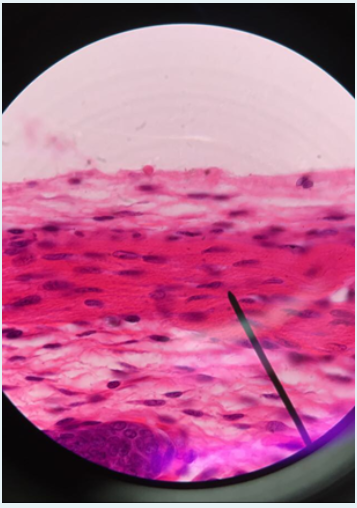
label
Stratified squamous epithelium

made up of
Simple cuboidal epithelium,
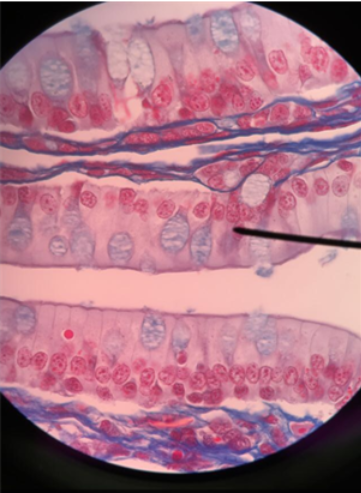
made up of
Simple columnar epithelium,
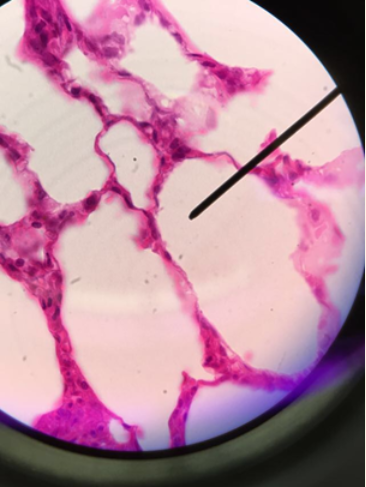
made up of
Simple squamous epithelium
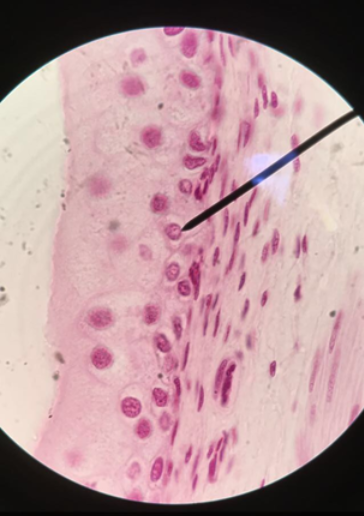
made up of
Transitional epithelium,
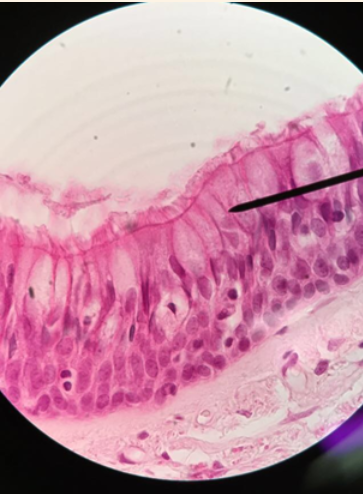
made up for
Pseudostratified columnar epithelium
Withstand tension (in many directions); provide structural strength
(function) Dense irregular connective tissue,
Form smooth surfaces on bones; provide flexibility and support
Hyaline cartilage connective tissue,
Maintains shape and structure while allowing great flexibility
Elastic cartilage connective tissue,
Form the framework or matrix of an organ
Loose reticular connective tissue
Provide reserve fuel, insulates, supports & protects organs.
Loose adpiose connective tissue
Tensile strength, absorb compressive shock, and is weight-bearing.
Fibrocartilage connective tissue,
Wrap and cushion organs, its macrophages phagocytize bacteria, inflammation, holds & conveys tissue fluid.
Loose areolar connective tissue,
Attaches muscle to bone (tendons), bone to bone (ligaments), withstands great tensile stress (in one direction).
Dense regular connective tissue
Forms most of the embryonic skeleton, ends of long bones, costal cartilage of ribs, the cartilage of nose, trachea, and larynx
location Hyaline cartilage connective tissue,
External ear (auricle), epiglottis.
location Elastic cartilage connective tissue,
Tendons, ligaments, aponeurosis.
location Dense regular connective tissue,
Lymphoid organs (bone marrow, lymph nodes, and spleen).
location Loose reticular connective tissue,
Under skin (hypodermis), around kidneys and eyeballs, within abdomen, in breasts
location Loose adipose connective tissue,
Fibrous capsules of organs and joints, the dermis of the skin, the submucosa of the digestive tract
location Dense irregular connective tissue,
Intervertebral discs, public symphysis, disc of knee joint (meniscus).
location Fibrocartilage connective tissue,
Under epithelia of body, package organs, surround capillaries.
location Loose areolar connective tissue

what
pic Loose reticular connective tissue,

what
pic Hyaline cartilage connective tissue,
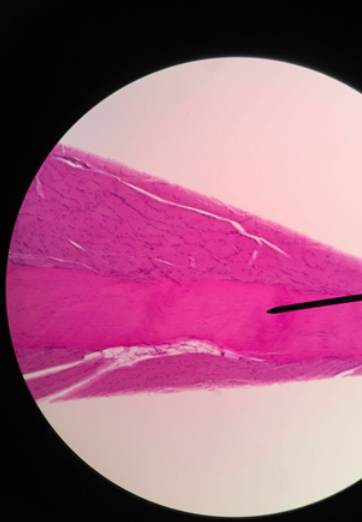
what
pic Dense regular connective tissue,
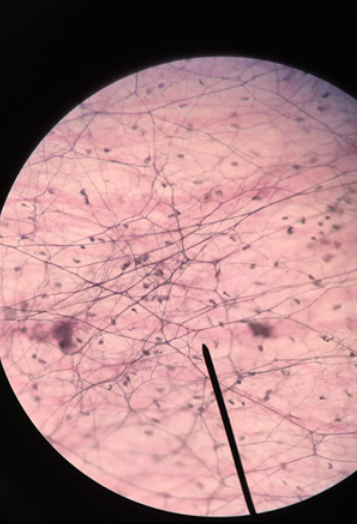
what
pic Loose areolar connective tissue,
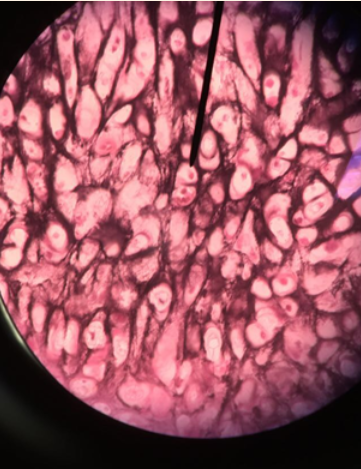
what
pic Elastic cartilage connective tissue,

what
pic Dense irregular connective tissue,

what
pic fibrocartilage connective tissue
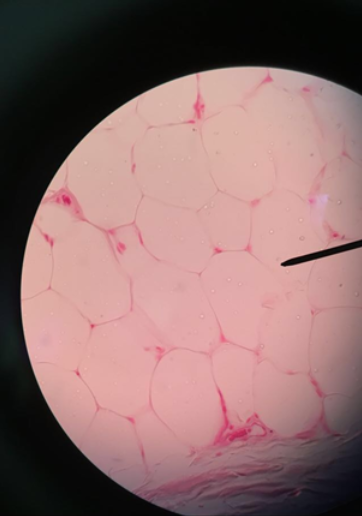
what
pic Loose adipose connective tissue