BY 124L - Lab 9: Reproduction, Excretion, and Endocrine System
 Call Kai
 Learn
Learn Practice Test
 Spaced Repetition
 Match
Match Flashcards
 Knowt Play
1/61

There's no tags or description
Looks like no tags are added yet.
Name | Mastery | Learn | Test | Matching | Spaced | Call with Kai | Chat |
|---|
No analytics yet
Send a link to your students to track their progress
62 Terms
female reproductive organs
• ovary
• oviduct/fallopian tube
• uterus
• vagina
• Urogenital Sinus
• genital papillae
ovary
organ that produces the eggs (finite)
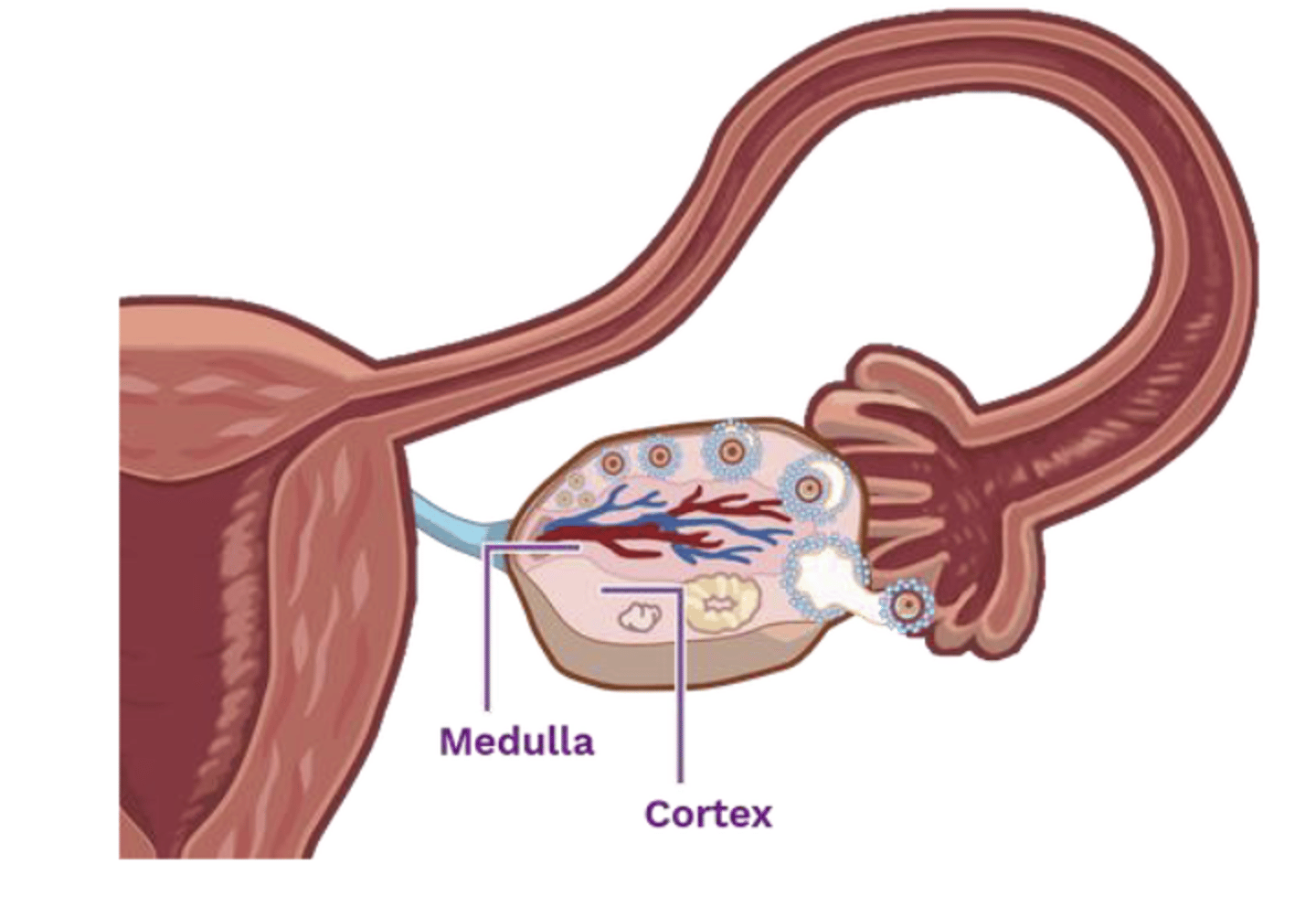
oviduct/fallopian tube
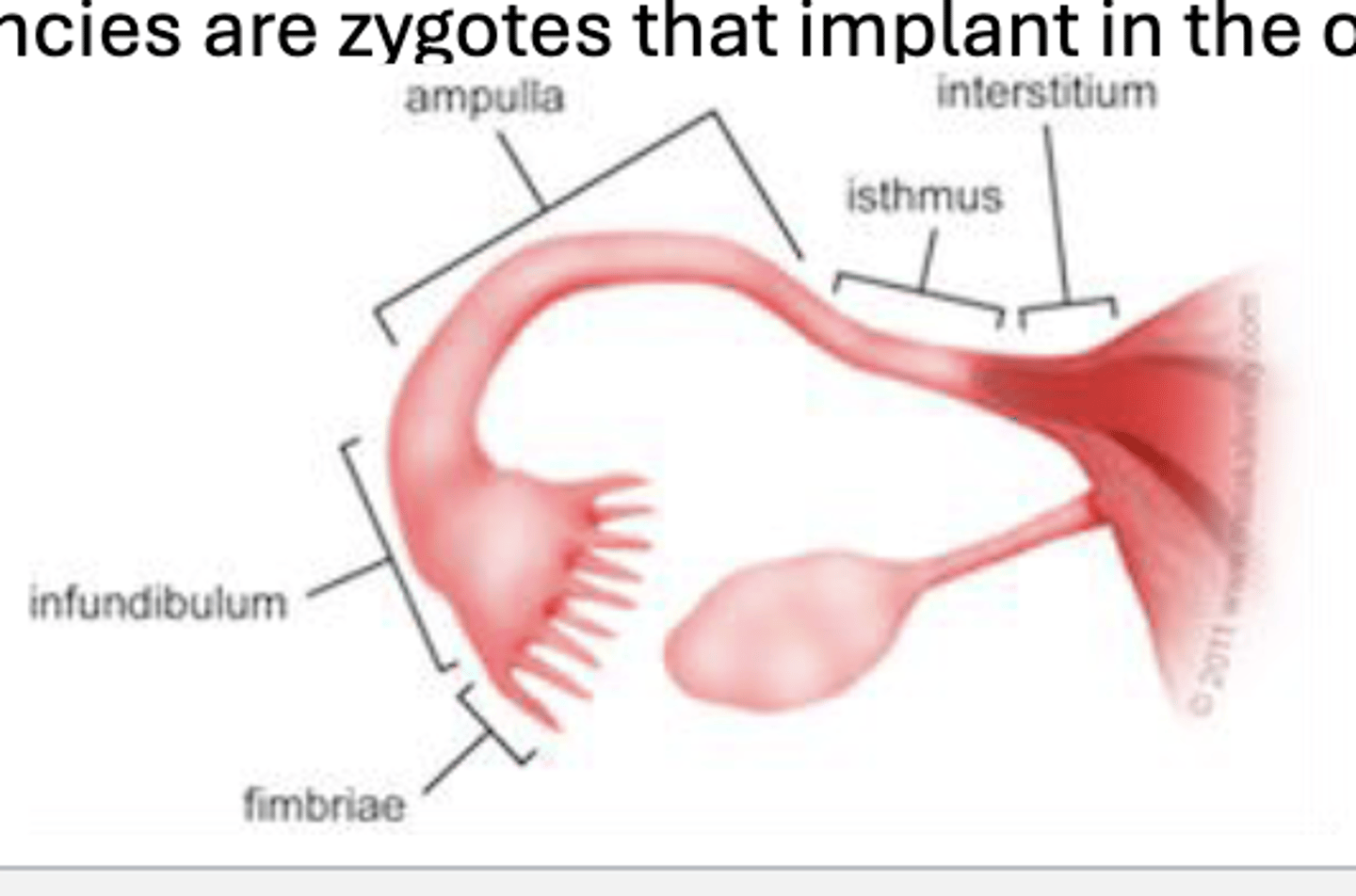
• collecting tube for eggs
• not directly connected to the ovaries
• have fimbriae that draw eggs into the oviduct
• SITE OF FERTILIZATION
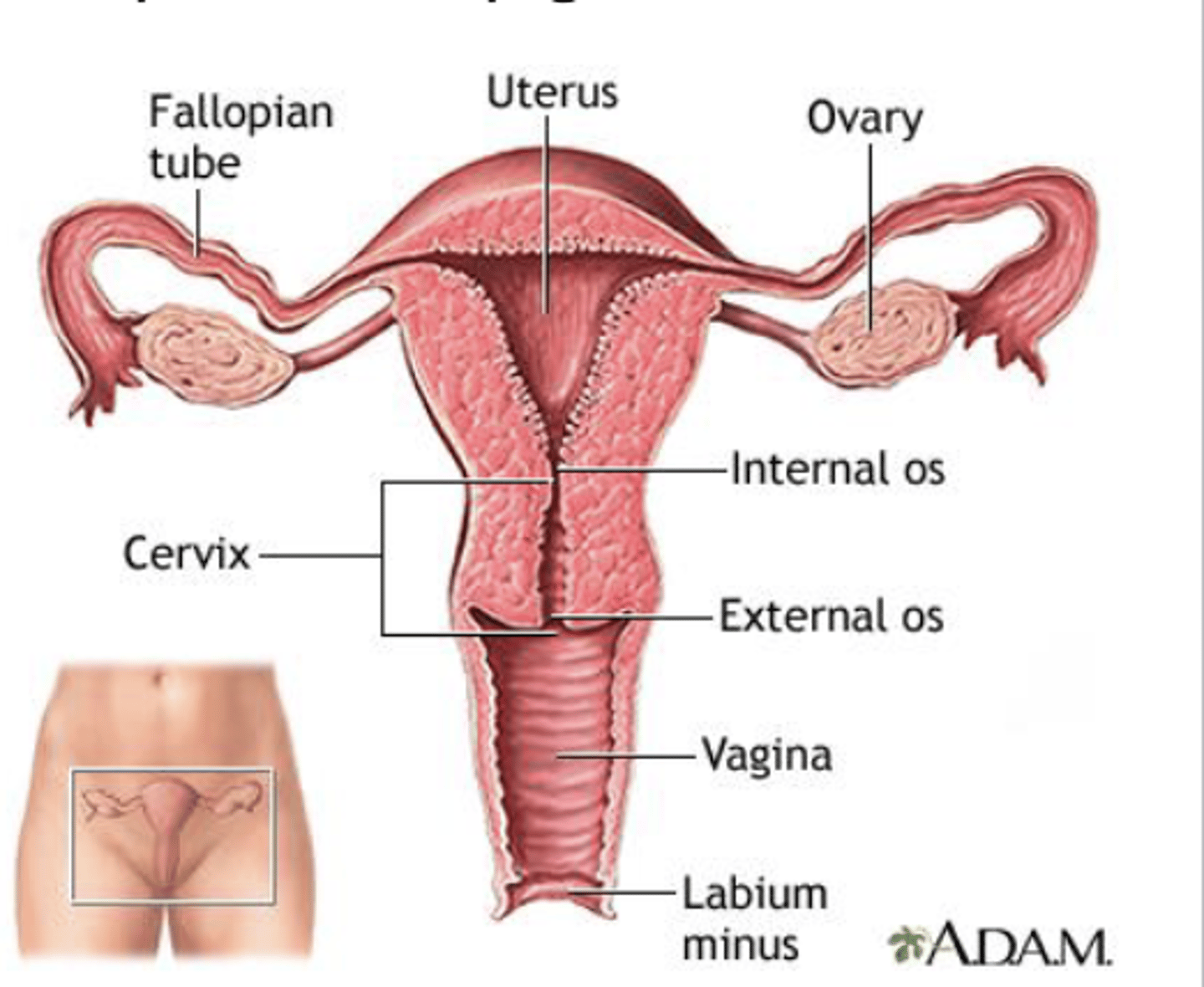
uterus
implantation occurs here
parts of the uterus
• horns
• body
• cervix
horns
one from each ovary to increase surface area for embryo attachment
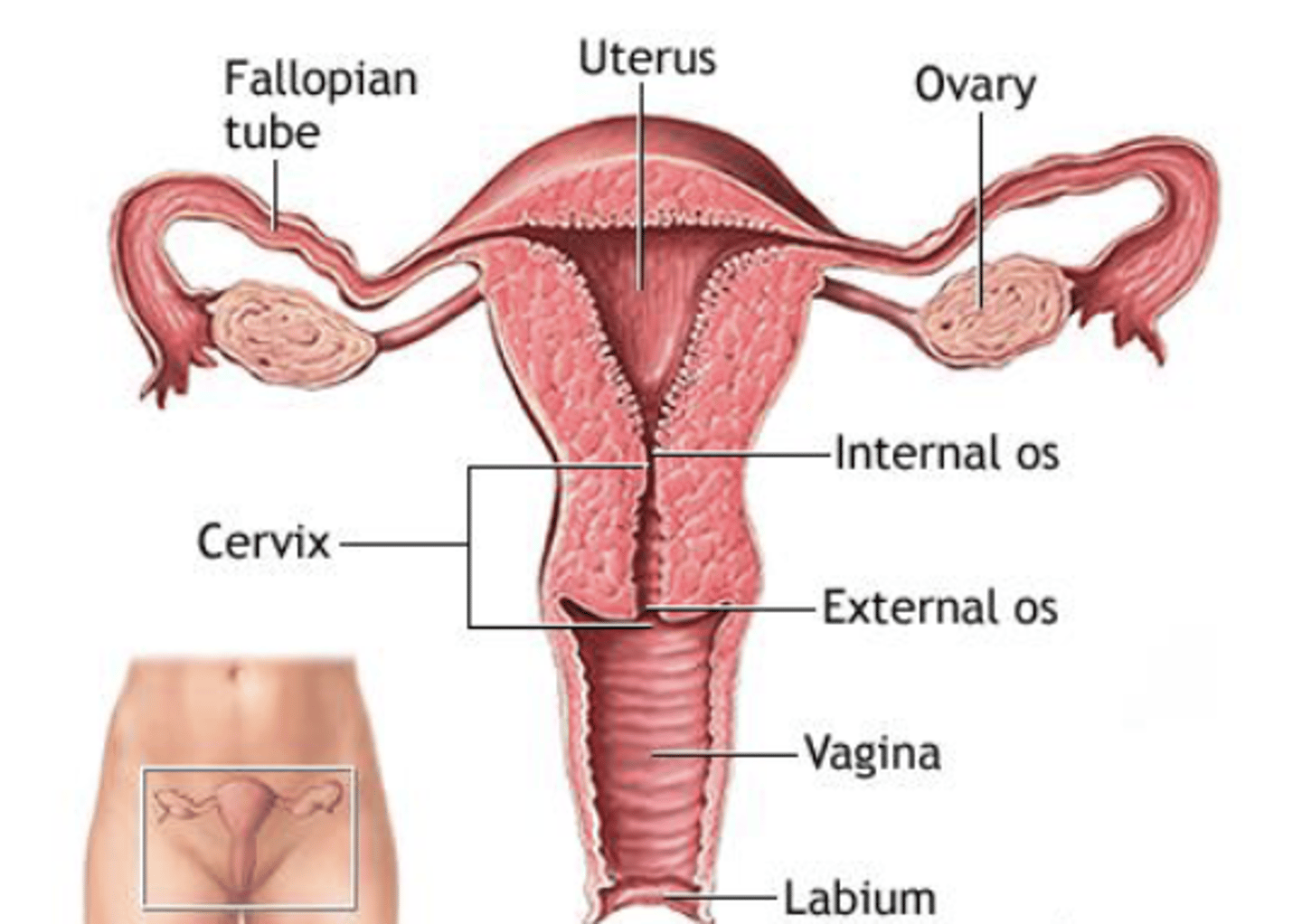
body
the junction of the two horns
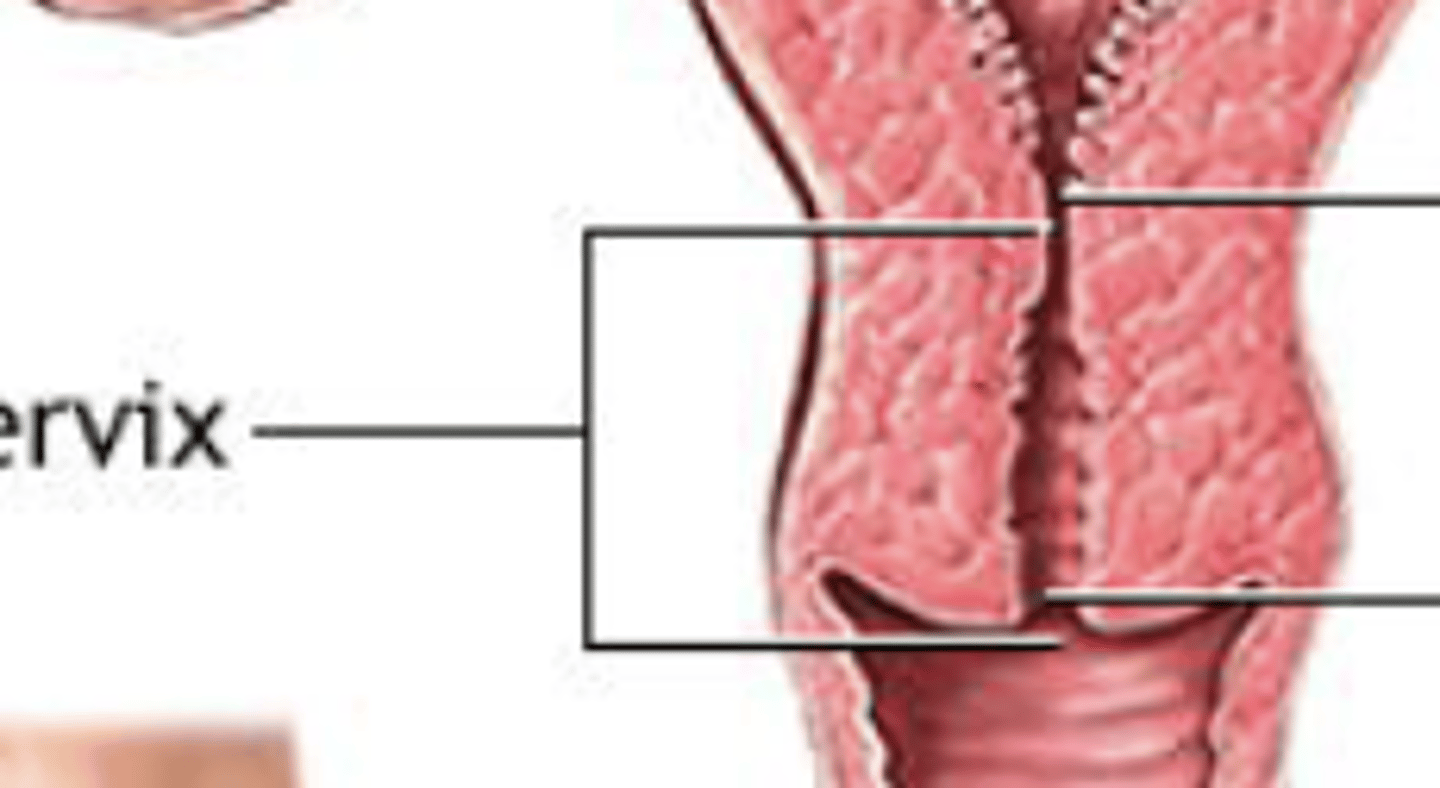
cervix
semi-cartilaginous ring of tissue
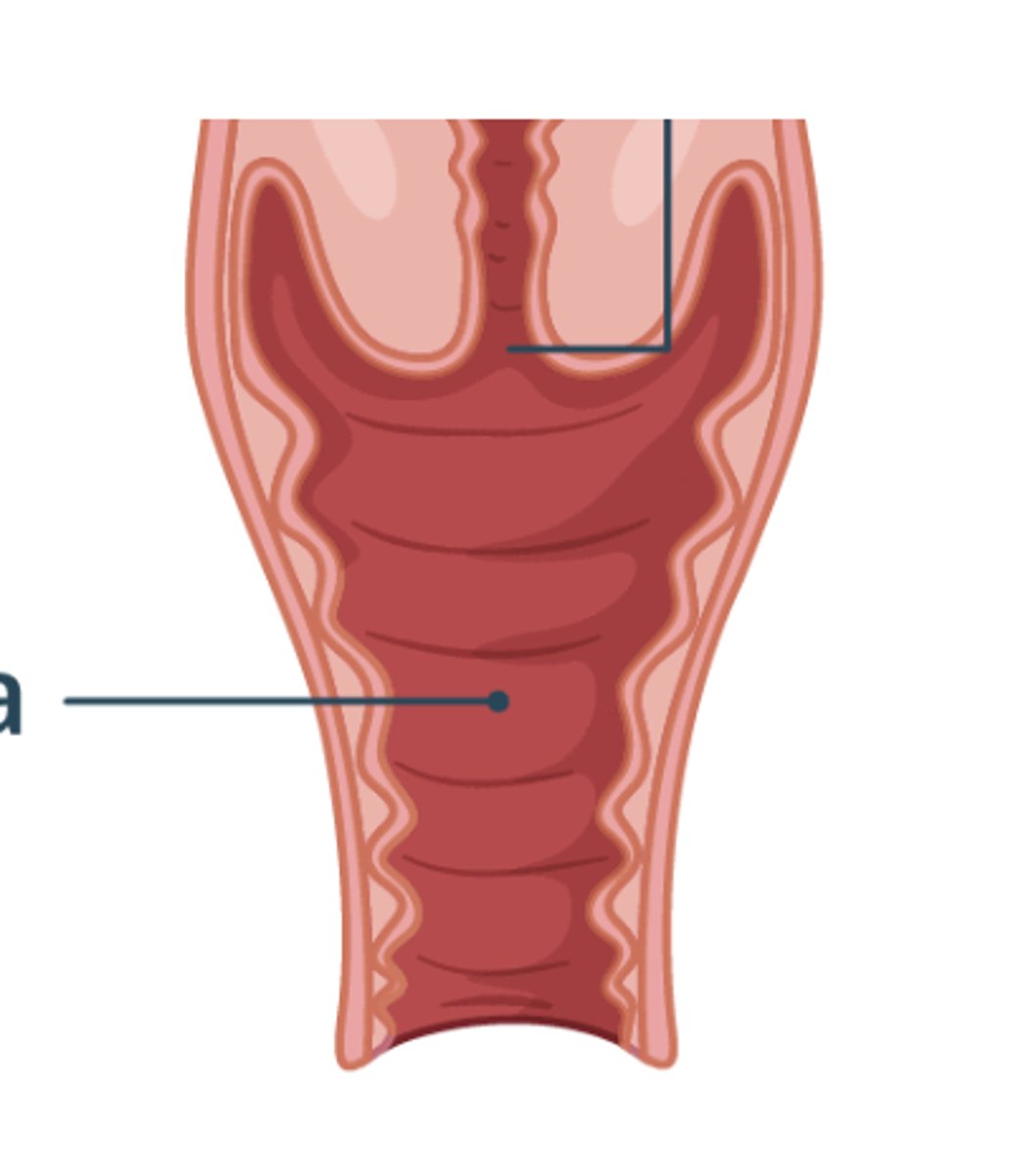
vagina
• tube that provides frictional surface to stimulate male ejaculation
• passage for birth
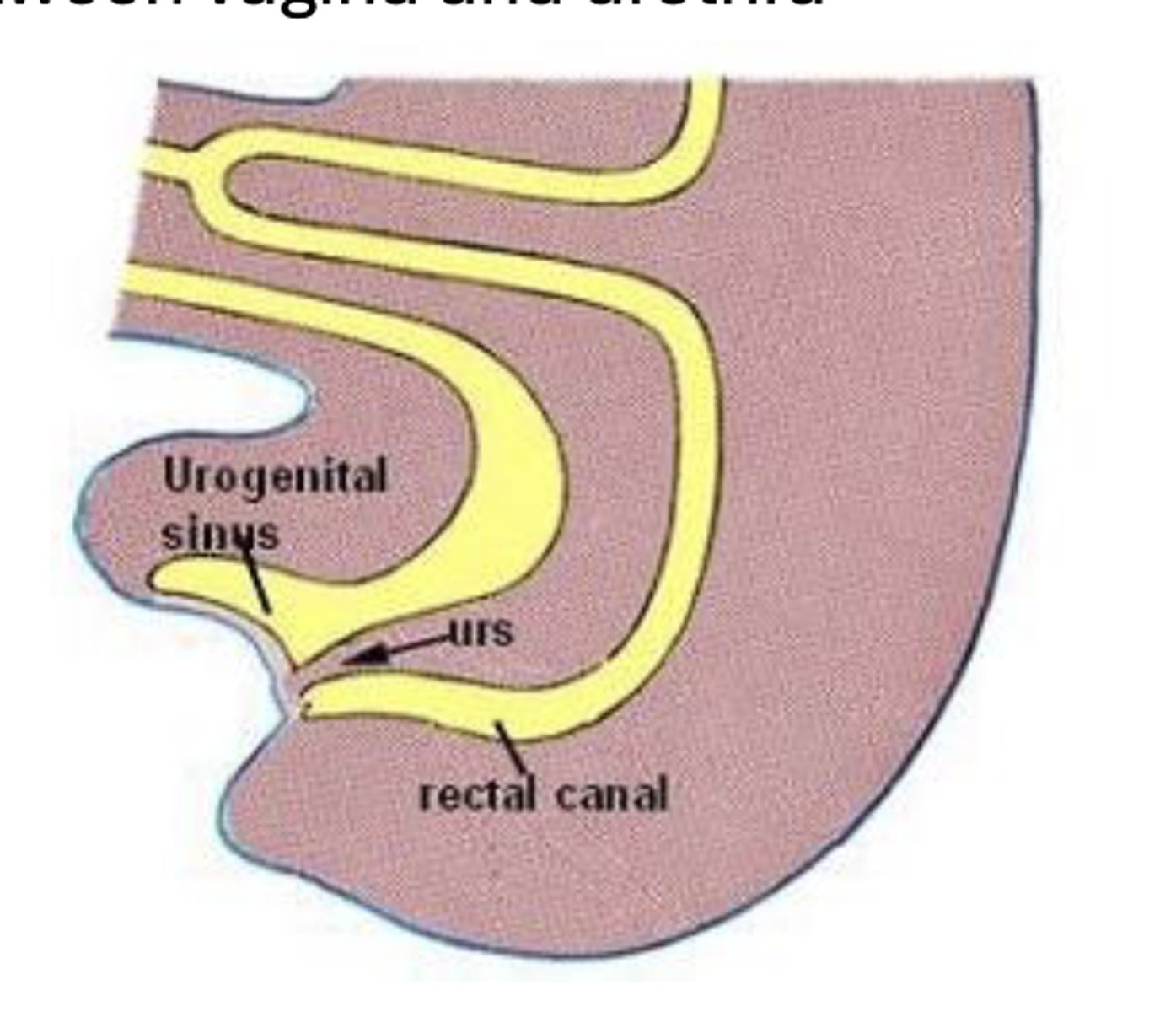
urogenital sinus
• shared tube between vagina and urethra
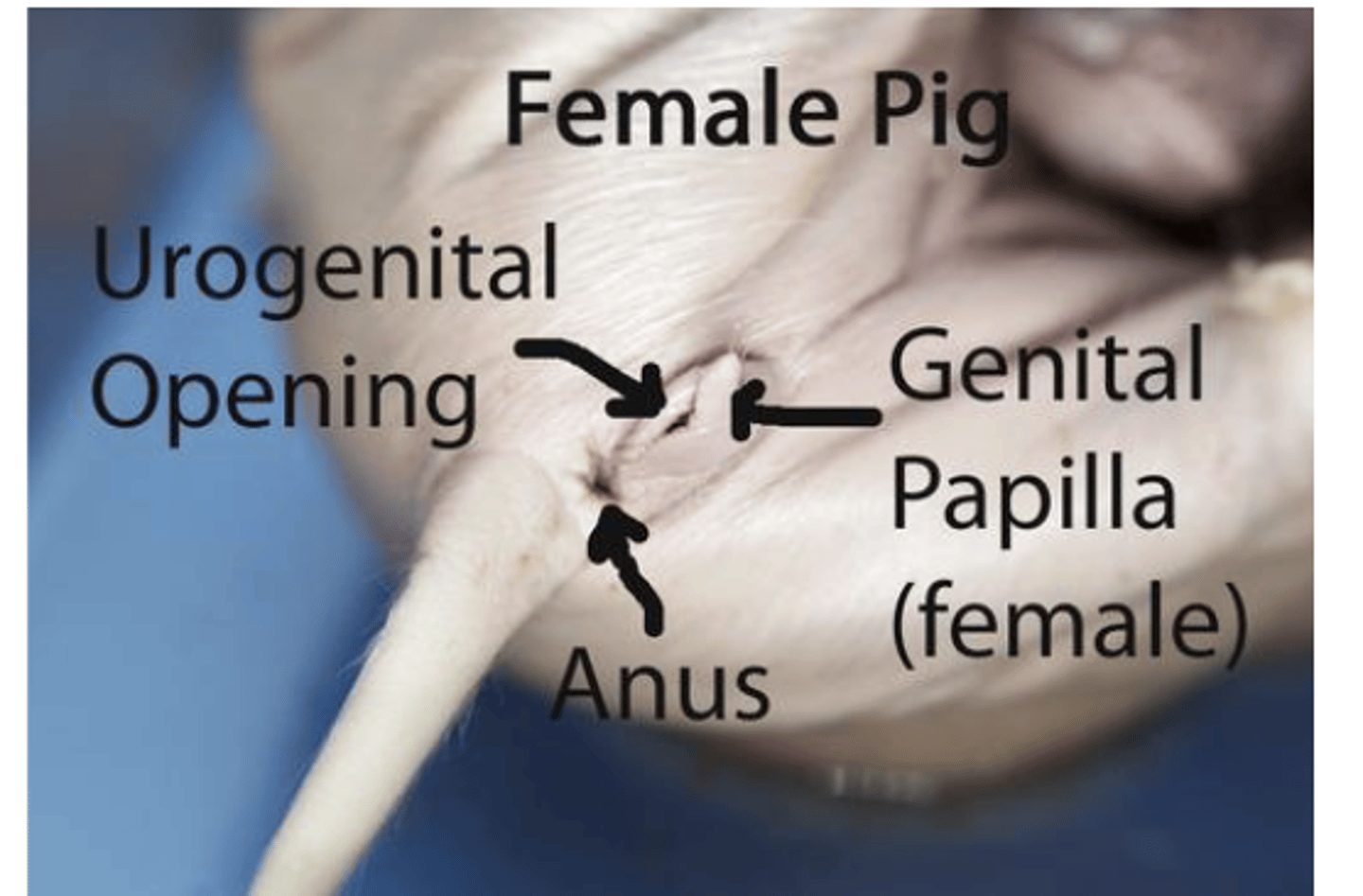
genital papillae
• projection that lies ventral to the urogenital opening in female pig
• homologous to clitoris in humans
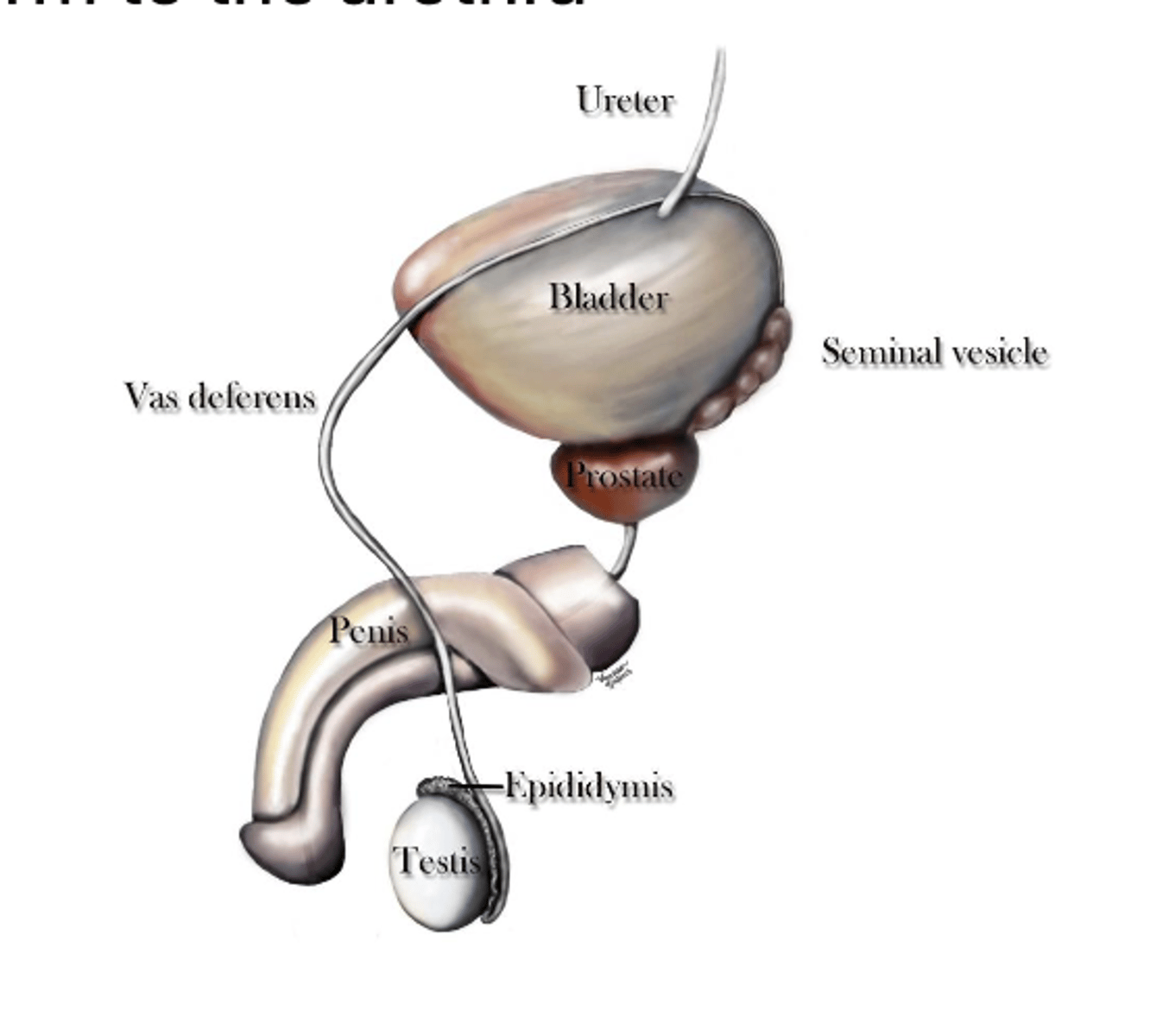
male reproductive organs
• testes
• epididymis
• vas deferens
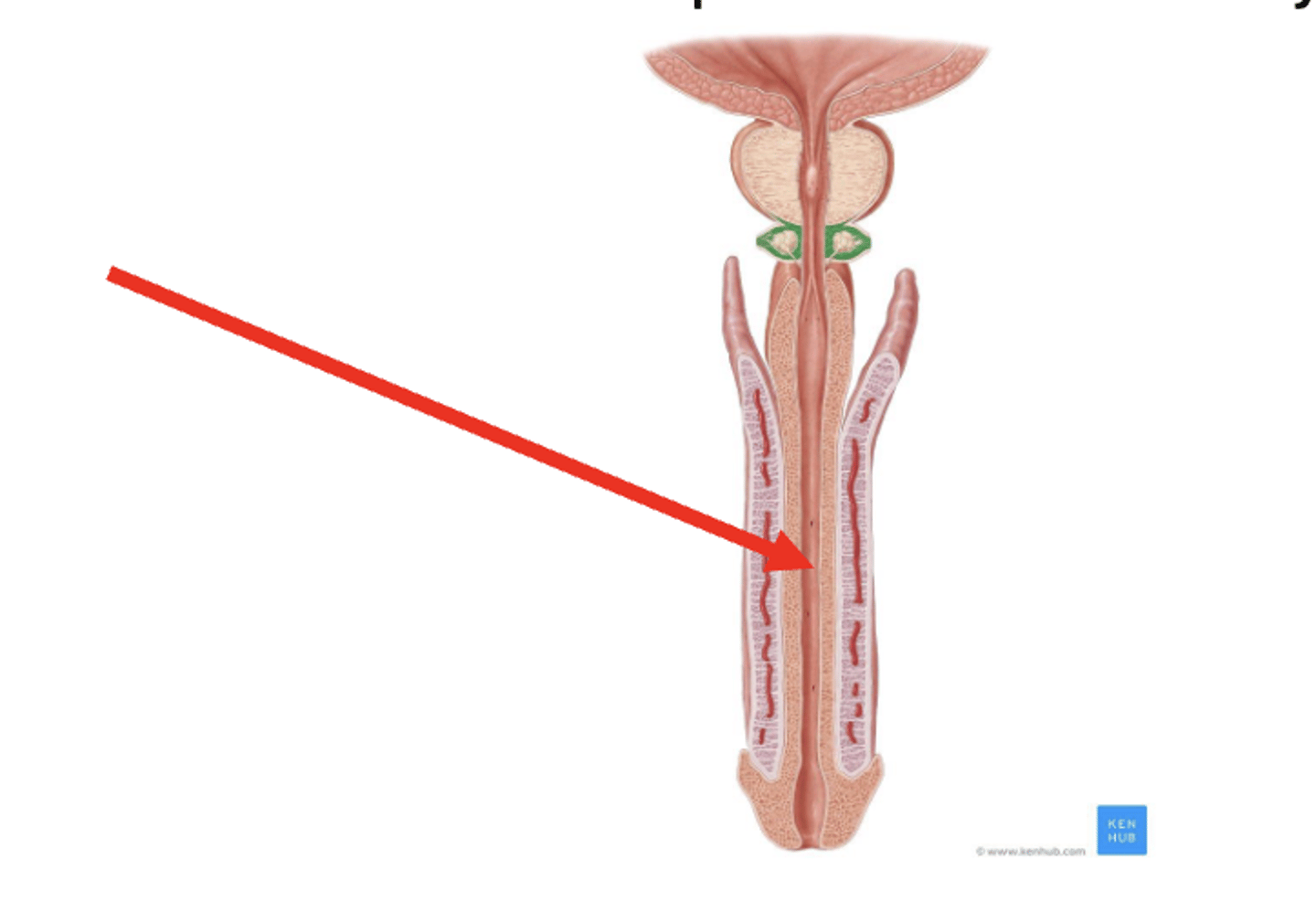
• urethra
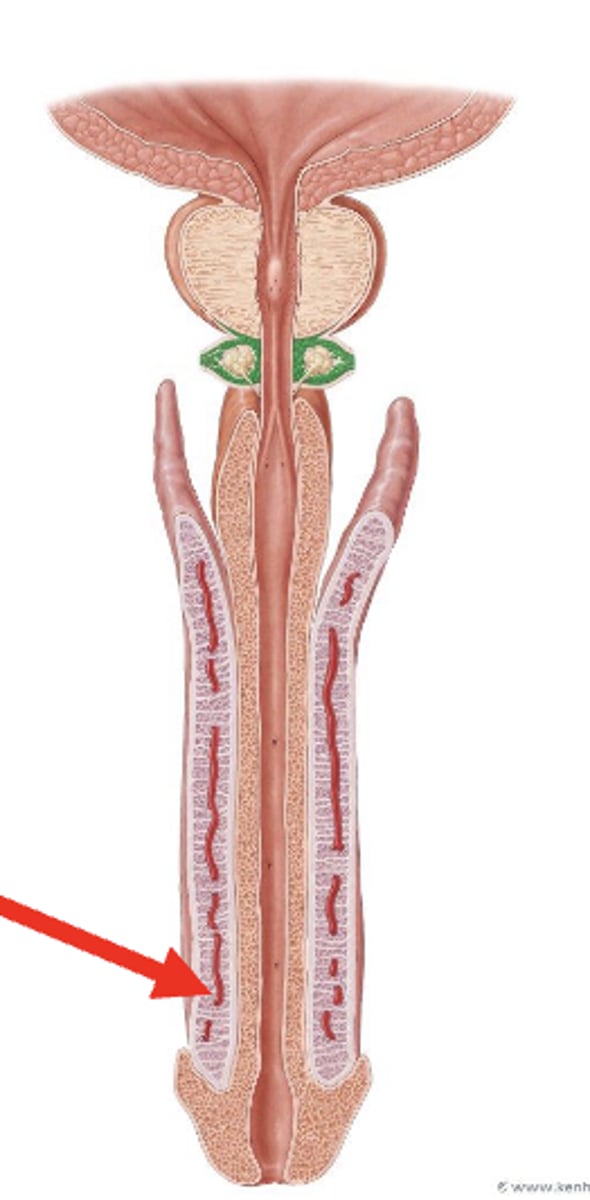
• penis
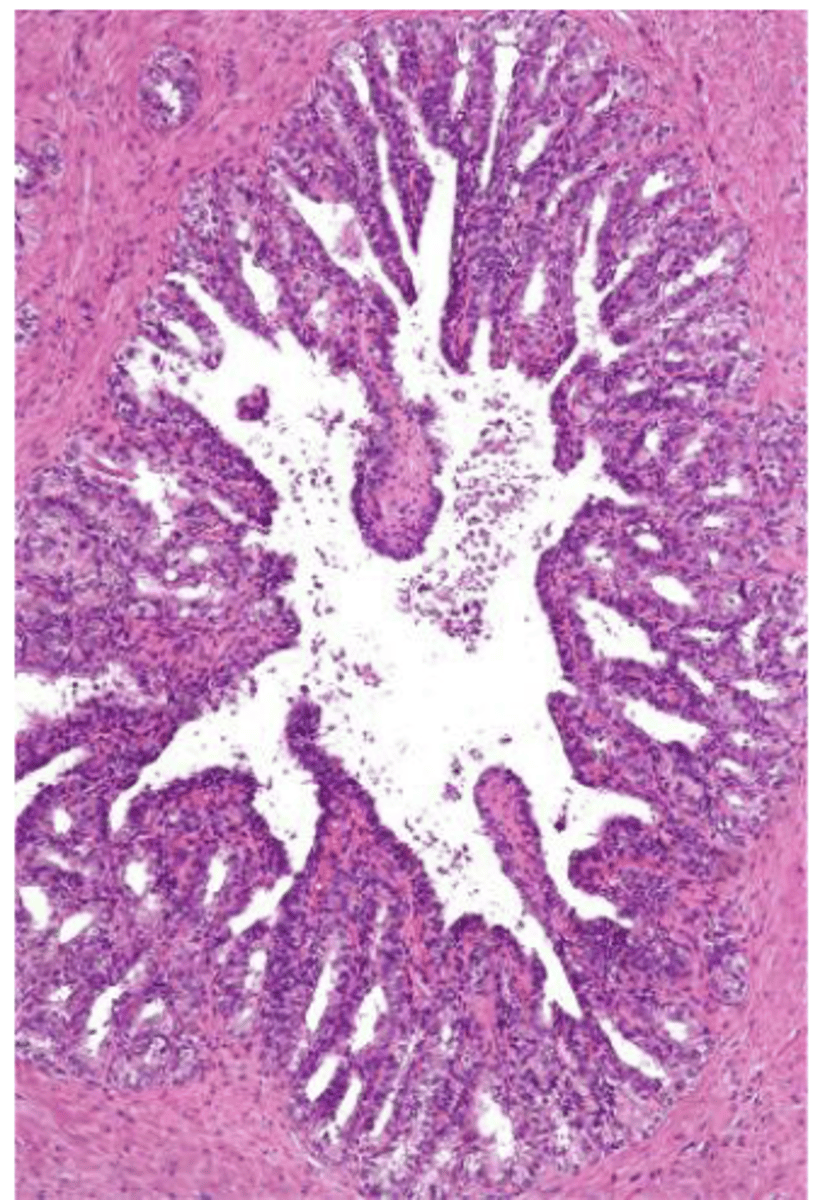
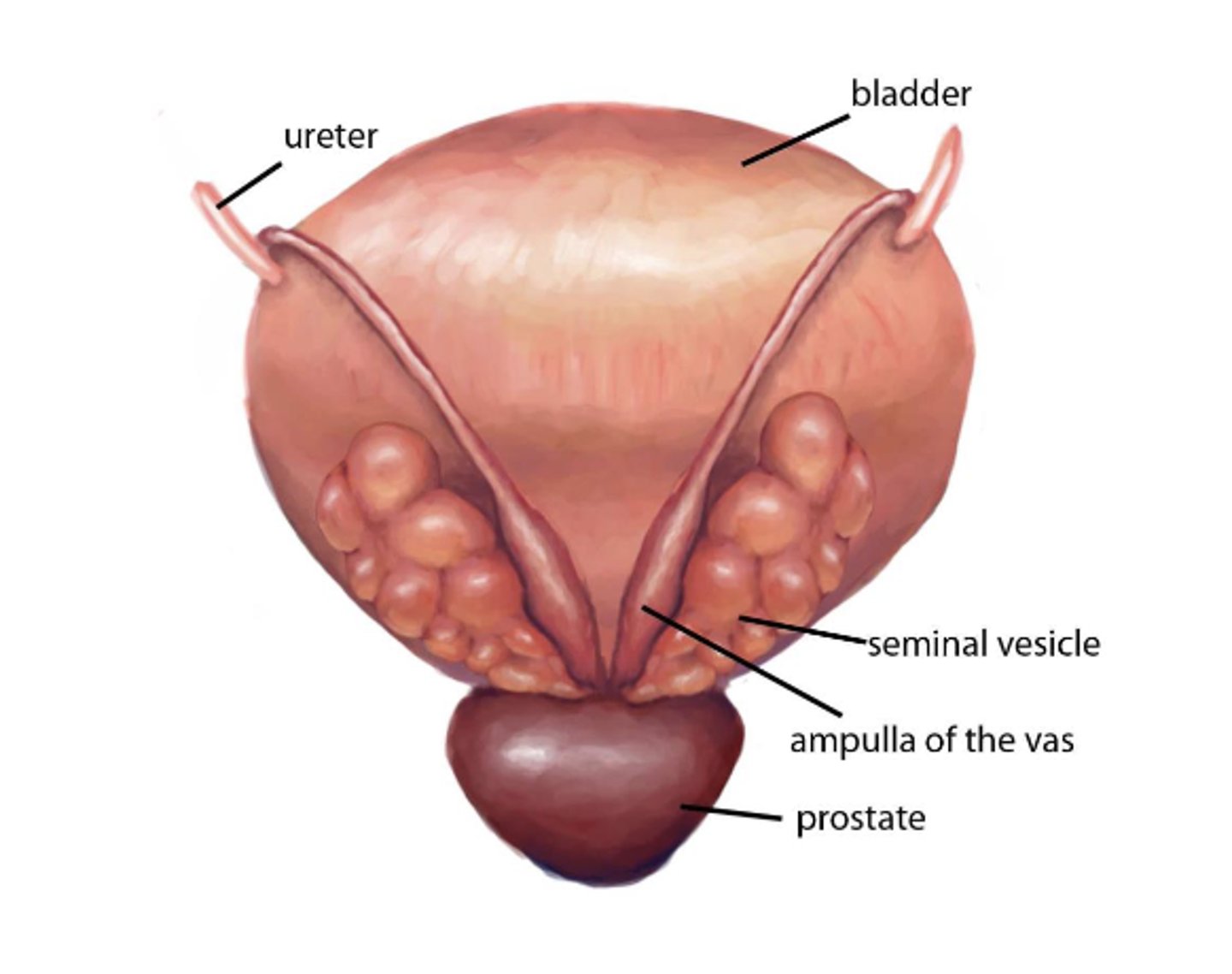
• seminal vesicles
• prostate
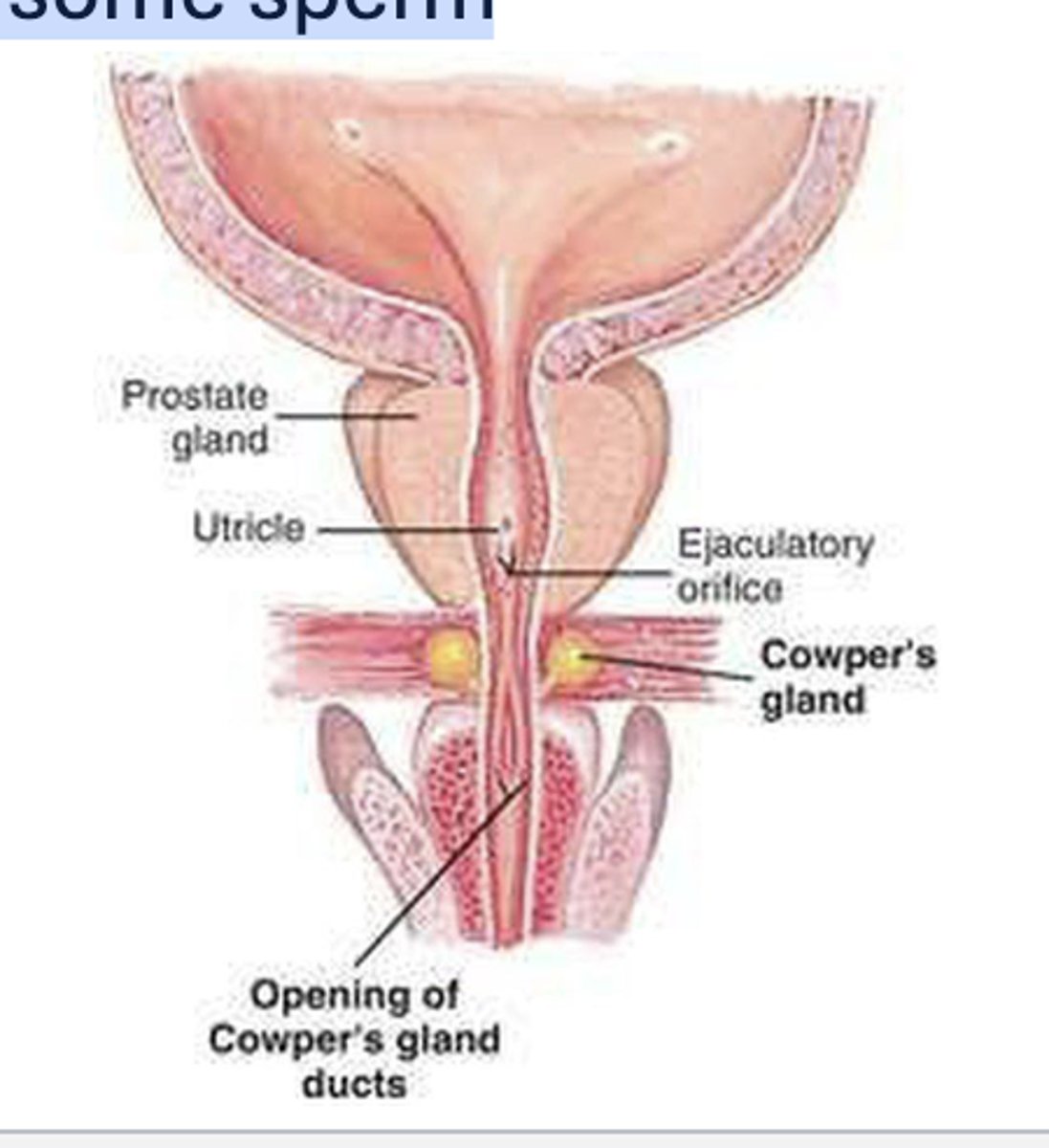
• bulbourethral/cowper's gland
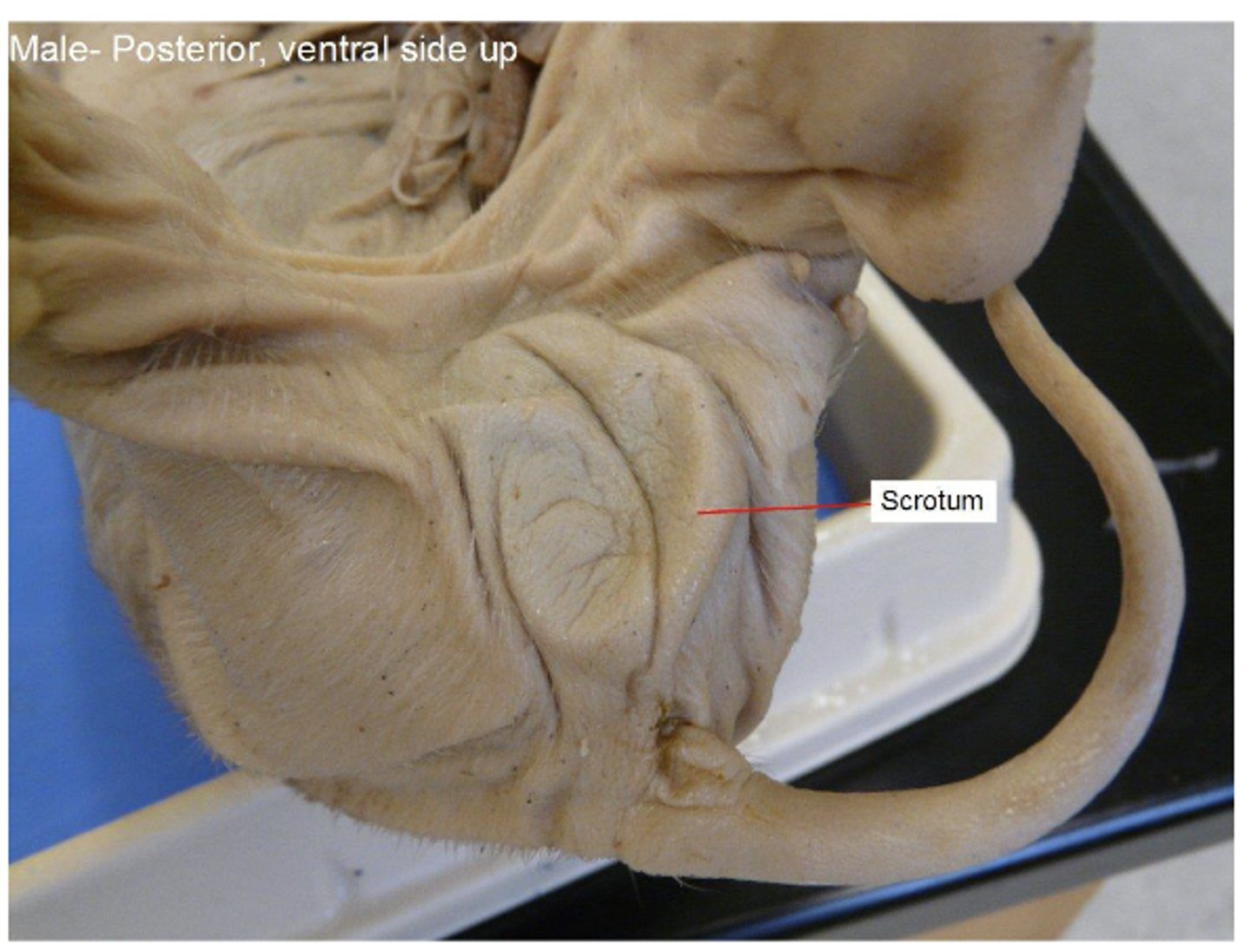
• scrotum
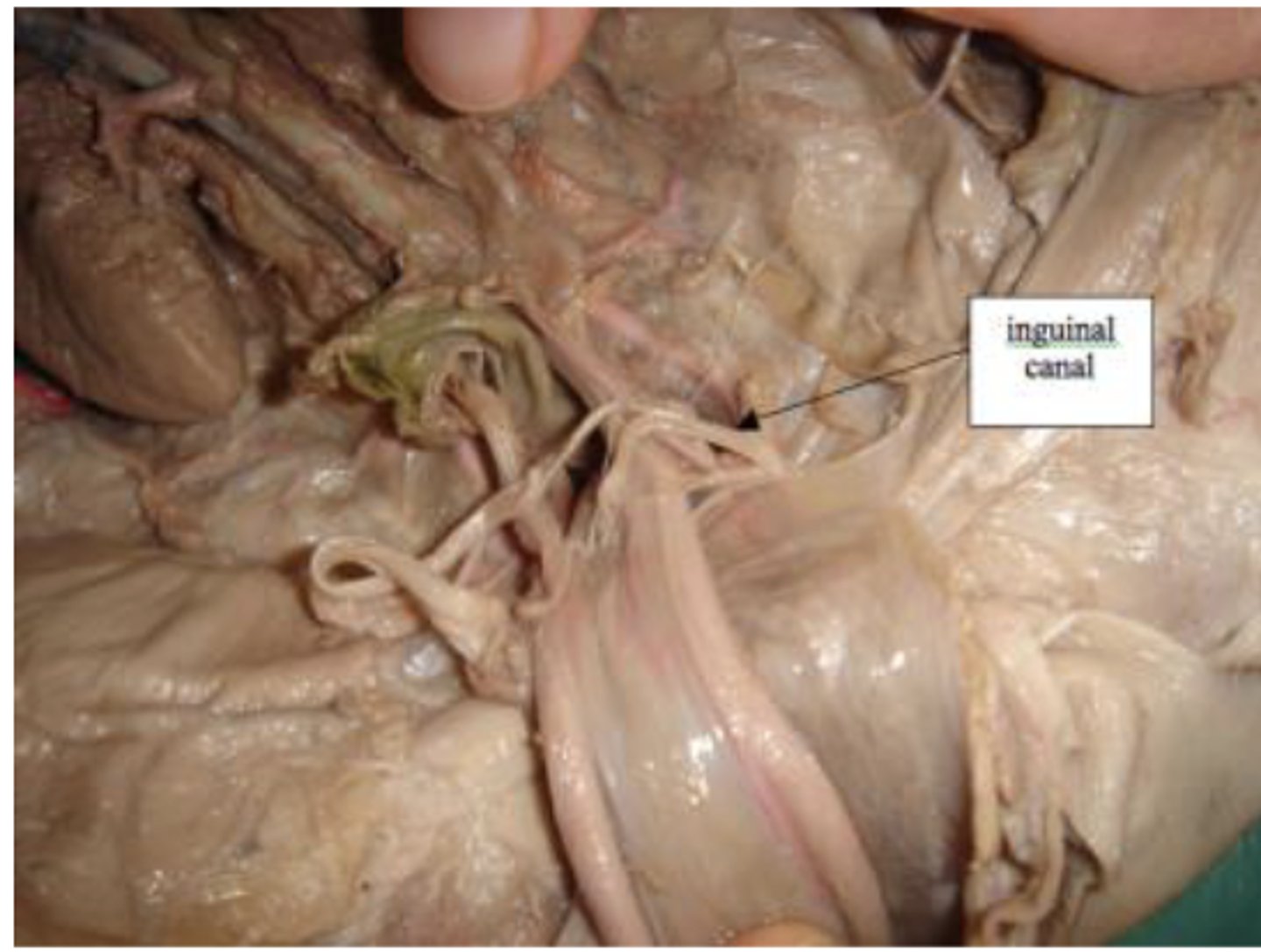
• inguinal canal
testes
• sperm produced here via meiosis
• contain seminiferous tubules and leydig/interstitial cells
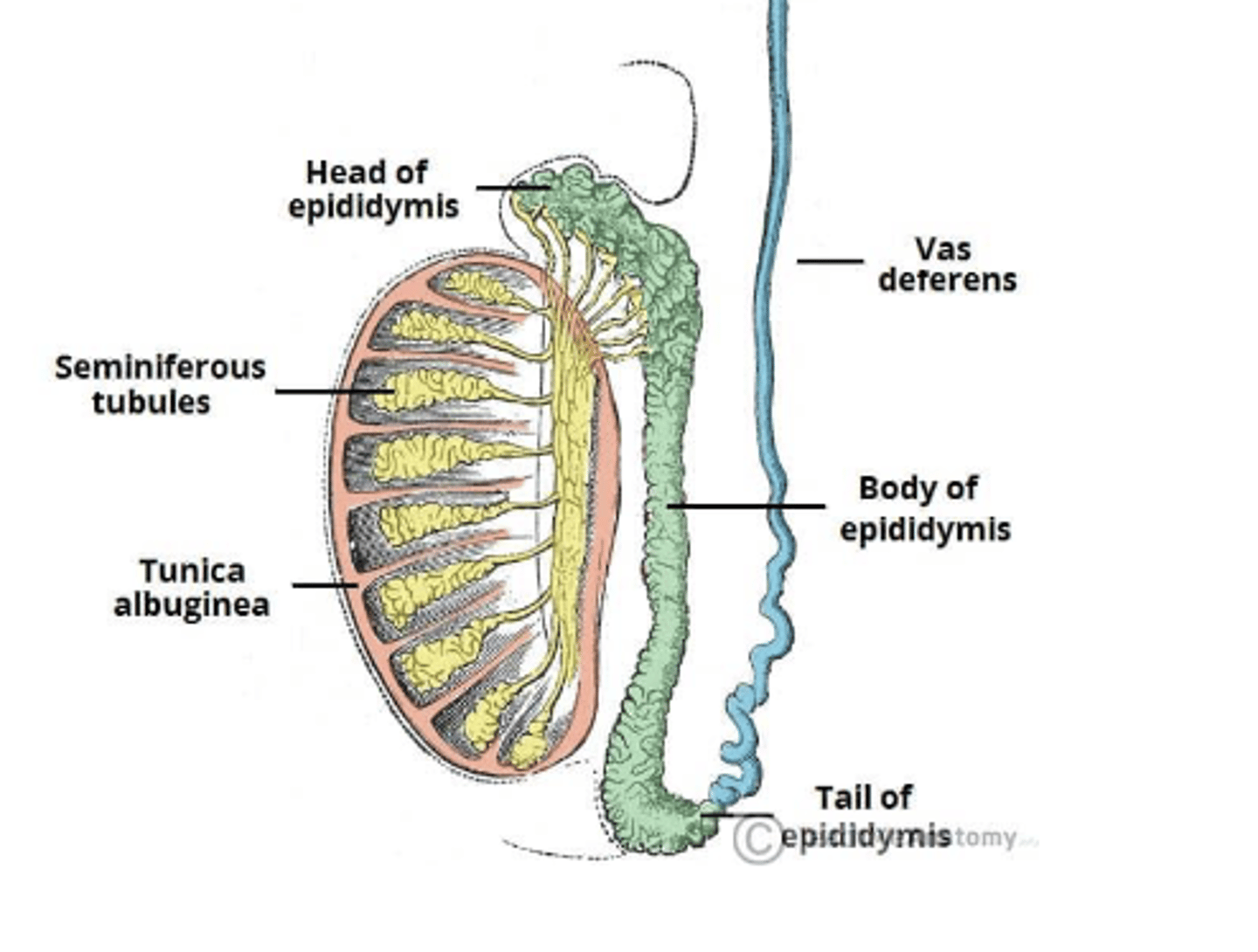
seminiferous tubules
microscopic ducts for sperm cells
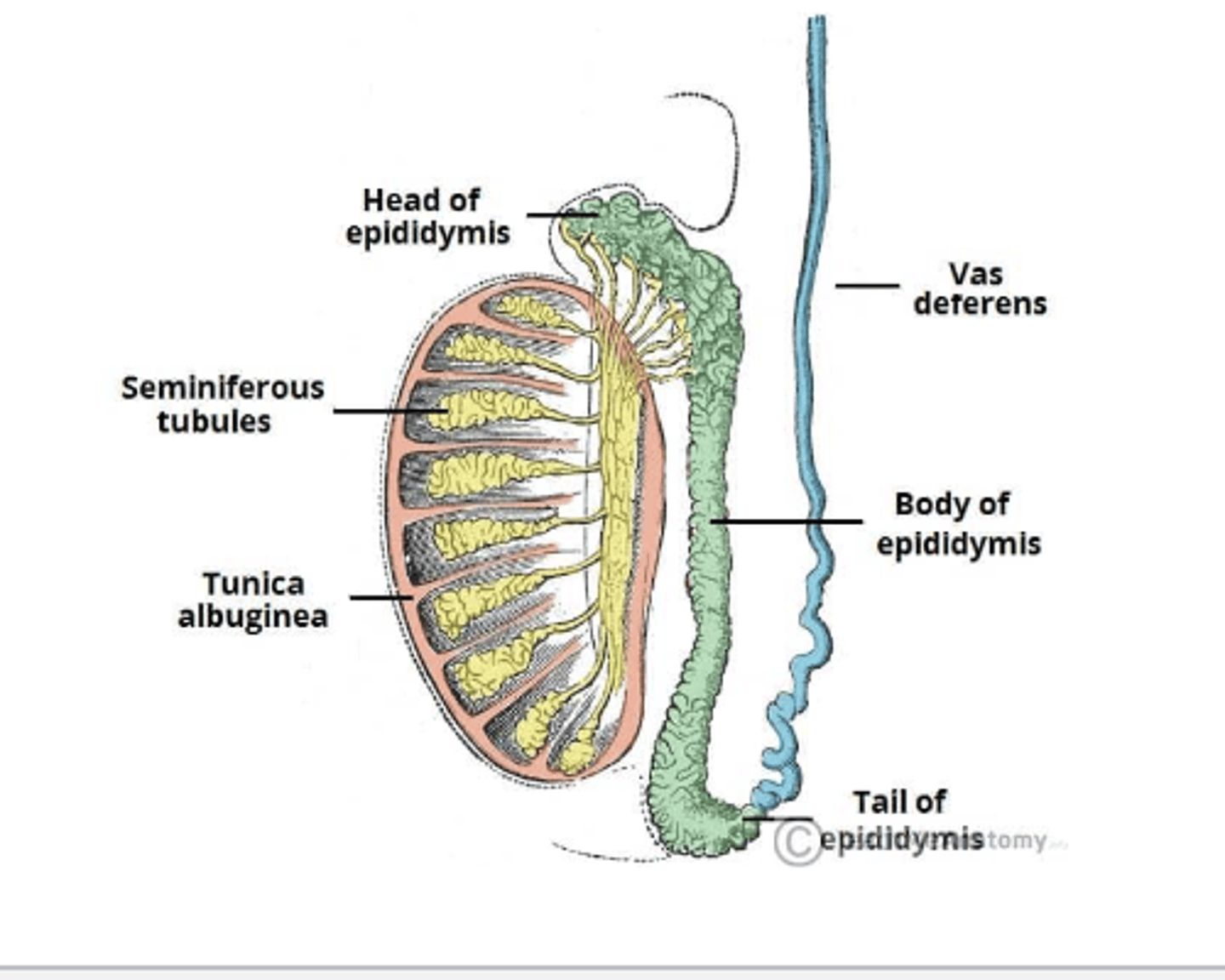
leydig/interstitial cells
outside tubules; produce testosterone
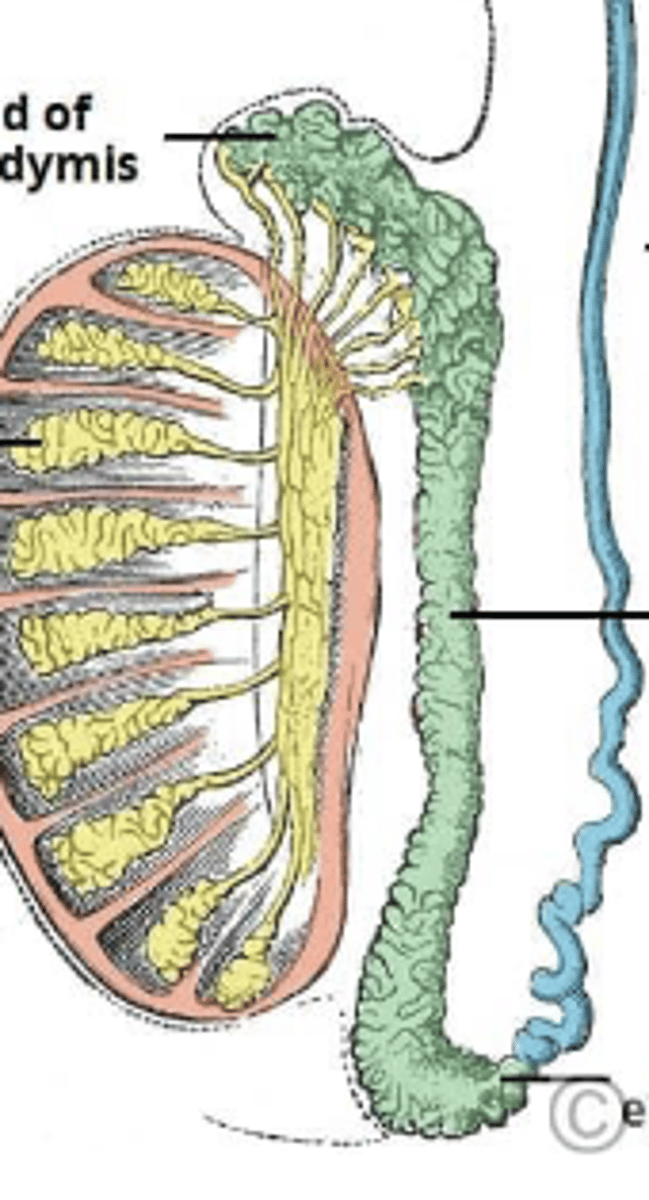
epididymis
• sperm mature here
• younger sperm are at head, older sperm towards tail
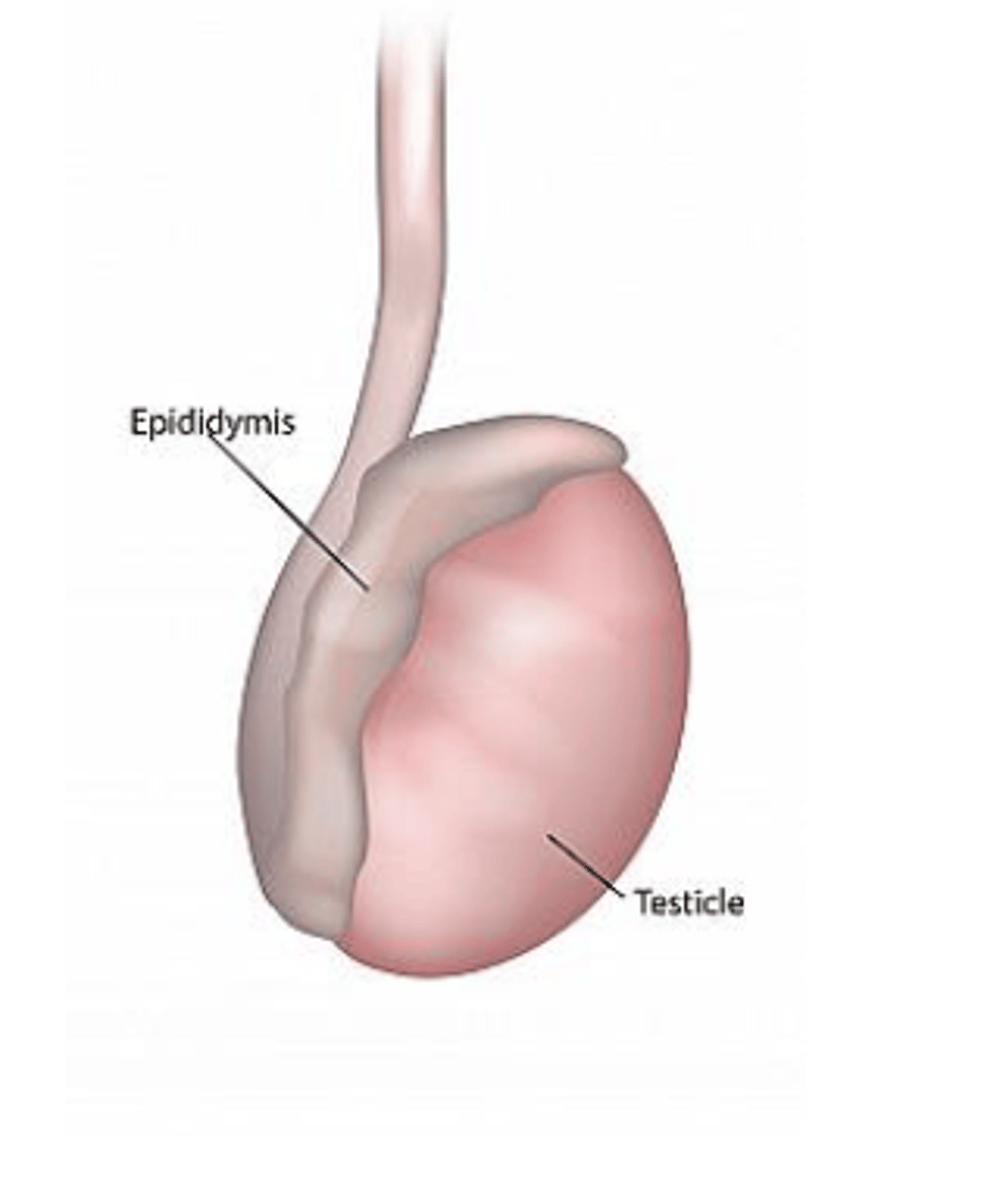
vas deferens
• tube brings sperm to the urethra
urethra
• tube that carries urine and sperm out of the body
penis
• organ for copulation
• contains urethra
seminal vesicles
• produces about 60% of total contribution to the semen
• secretes: fructose, prostaglandins, mucus
fructose (from seminal vesicle secretion)
powers sperm
prostaglandins (from seminal vesicle secretion)
trigger urterine contractions
mucus (from seminal vesicle secretion)
lubricates
prostate
secretes enzymes to buffer the acidity of the vagina
bulbourethral/cowper's gland
Provides a little lubrication during intercourse as pre-ejaculate, which may contain some sperm
scrotum
thin skin that contains testes
inguinal canal
passage in the abdominal muscle for the vas deferens
urinary system
• Kidney
• ureter
• urinary bladder
kidney
• structure that filters ammonia waste from the body
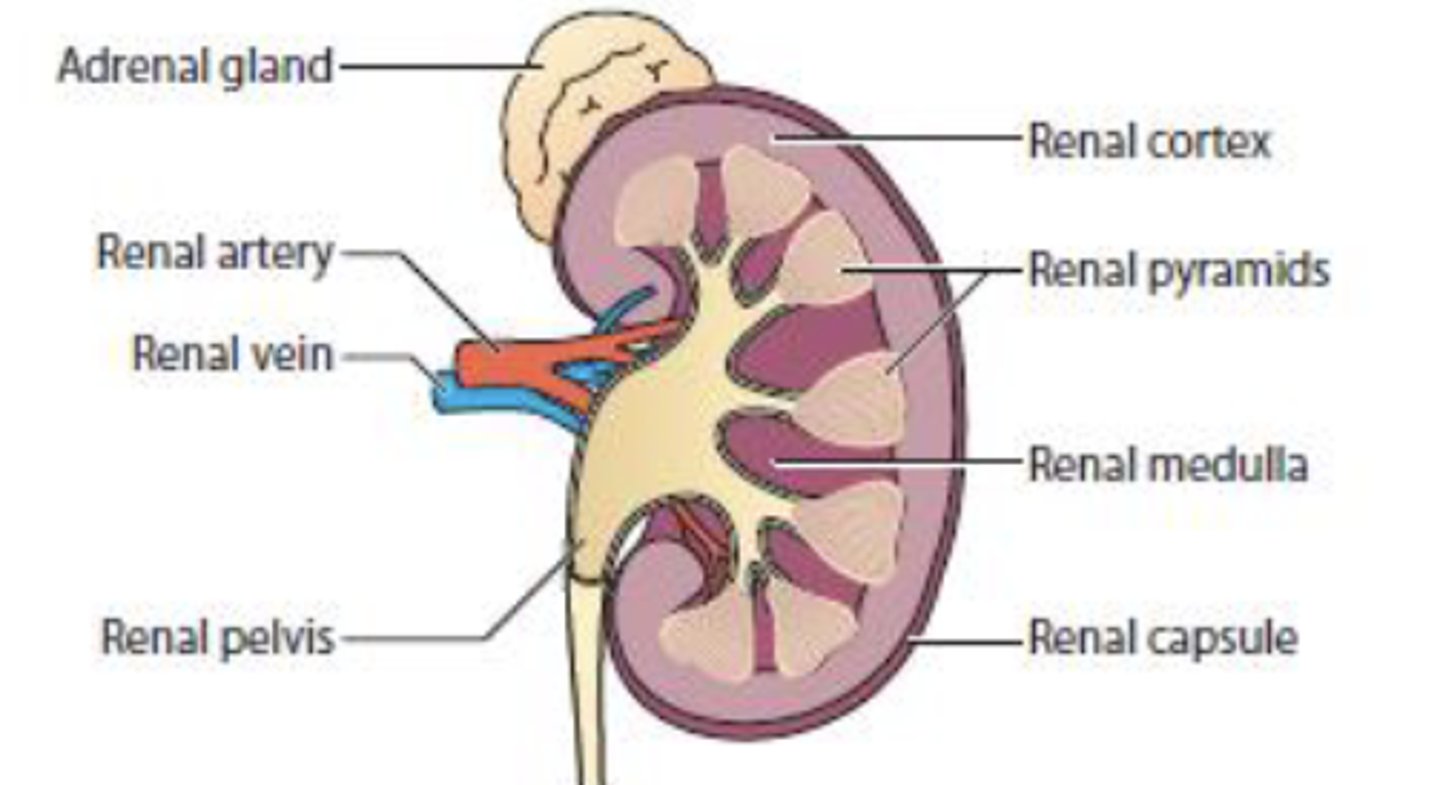
3 regions of the kidney
cortex, medulla, pelvis
cortex
outer layer of kidney, primarily responsible for urine formation
medulla
middle layer containing renal pyramids, responsible for moving urine to the renal pelvis
pelvis
innermost layer, responsible for moving urine to the ureter
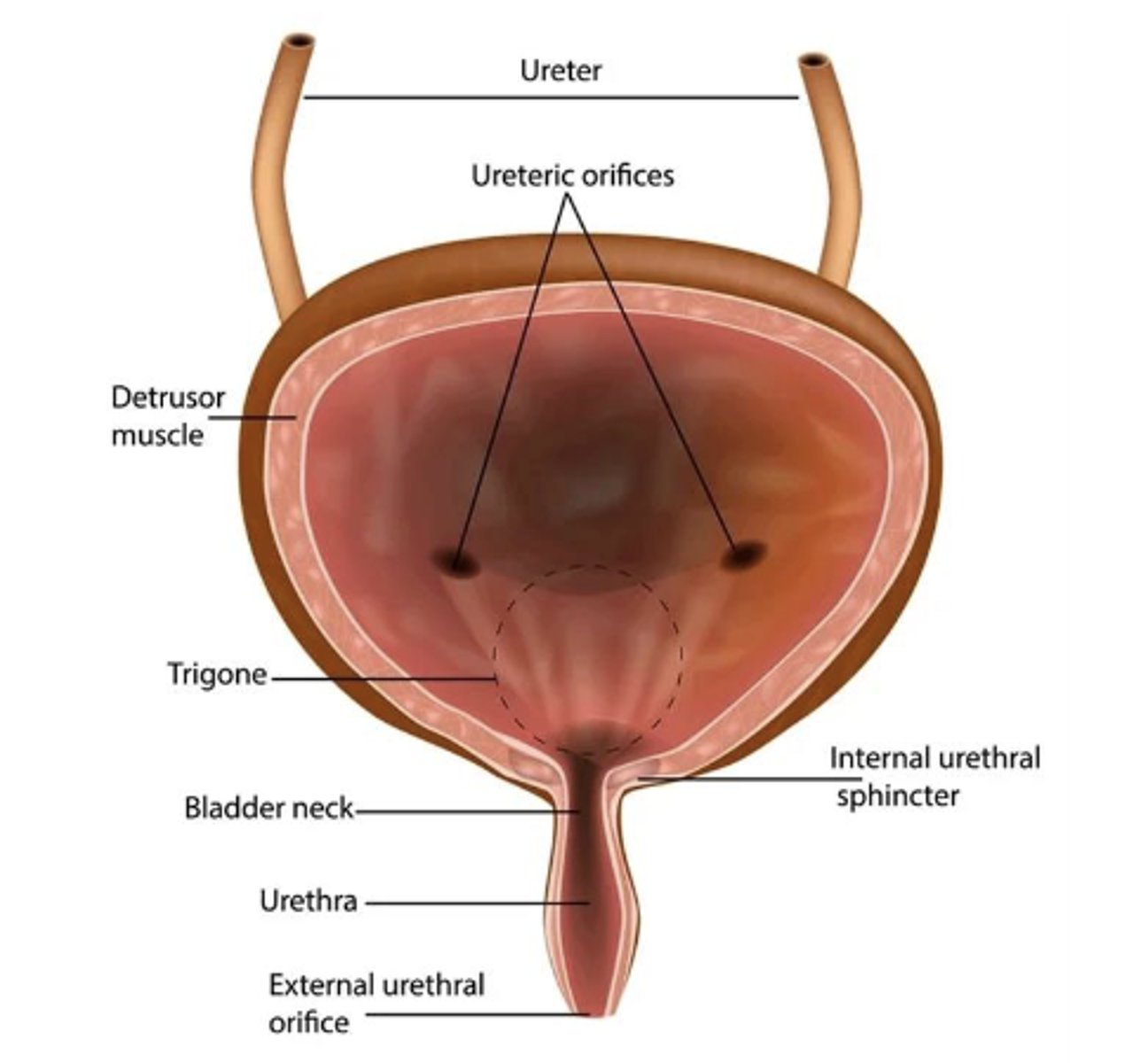
ureter
• tube that connects kidneys to the bladder
• moves urine to the bladder
urinary bladder
• reservoir for urine to be expelled from the body
• surrounded by elastic interstitial tissue
endocrine system organs
• Testis
• Ovary
• Pineal
• Thymus
• Adrenal Gland
• Kidney
• Hypothalamus
• Pituitary Gland
• Thyroid
• Parathyroid
• Pancreas
adrenal gland
A pair of endocrine glands that sit just above the kidneys and secrete hormones
adrenal cortices
• zona glomerulosa
• zona fasciculata
• zona reticularis
oxytocin
• smooth muscle contraction; constructs ducts in breasts to allow milk to flow
• promotes SOCIAL BONDING AND TRUST

Antidiuretic hormone
• acts to force the kidneys to conserve water
• alcohol inhibits the production of this
testosterone
• androgen
• produced by leydig cells
• sperm production
• responsible for seconday sex characteristics
progesterone
• pregnancy hormone
• uterine lining thickins in presence of this
• levels must remain high during pregnancy or baby is lost
estrogen
• maintain seconday sex characteristics
• fat deposition in mammary glands and hips, pelvic girdle bones shallow and widen for childbirth, hair patterns
melatonin
• circadian rhythm
• high levels cause sleepiness
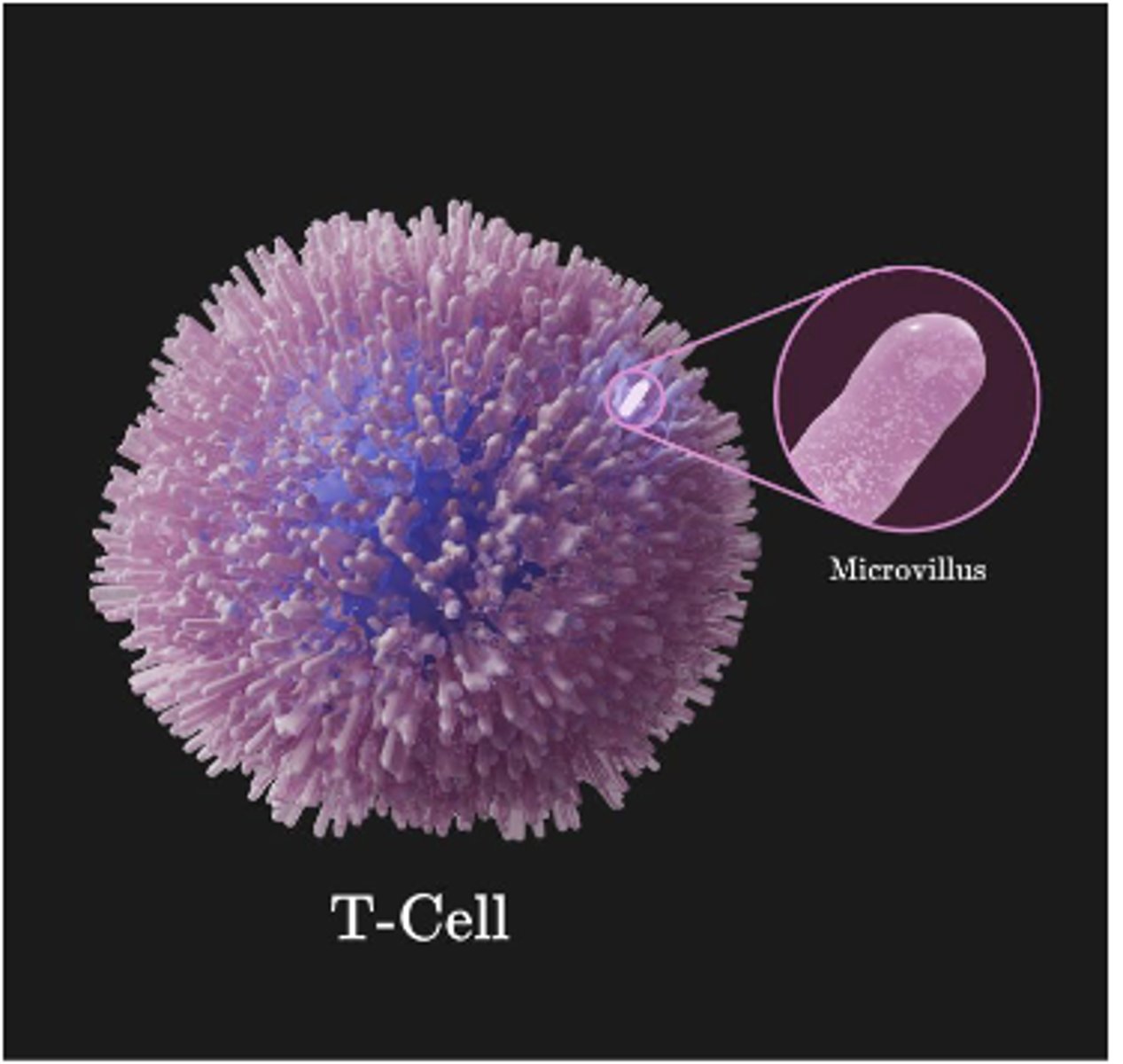
thymosin
• stimulates T- cell development for immune system
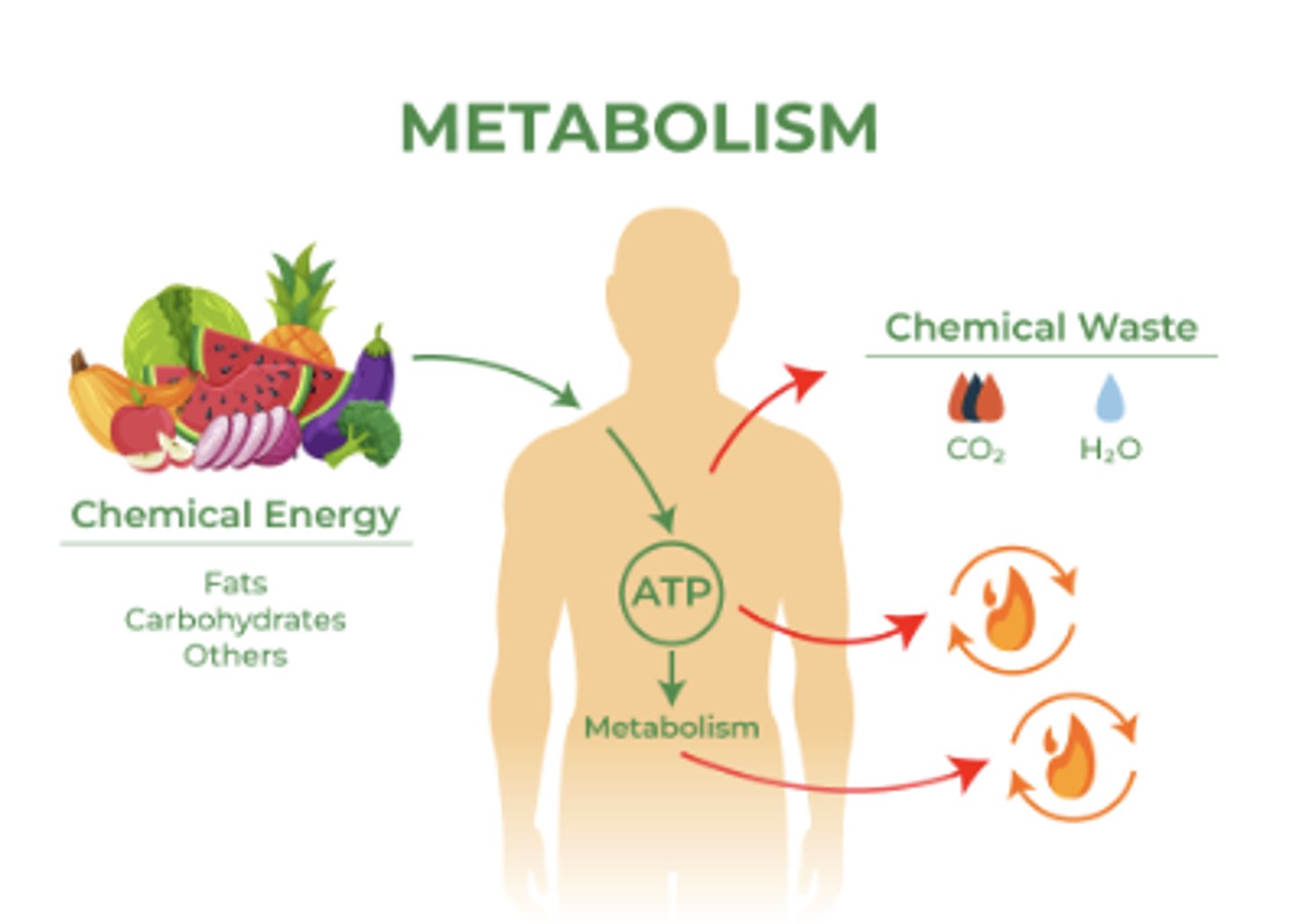
T3 and T4
• regulate metabolism
• high levels increase activity
• low levels increase lethargy
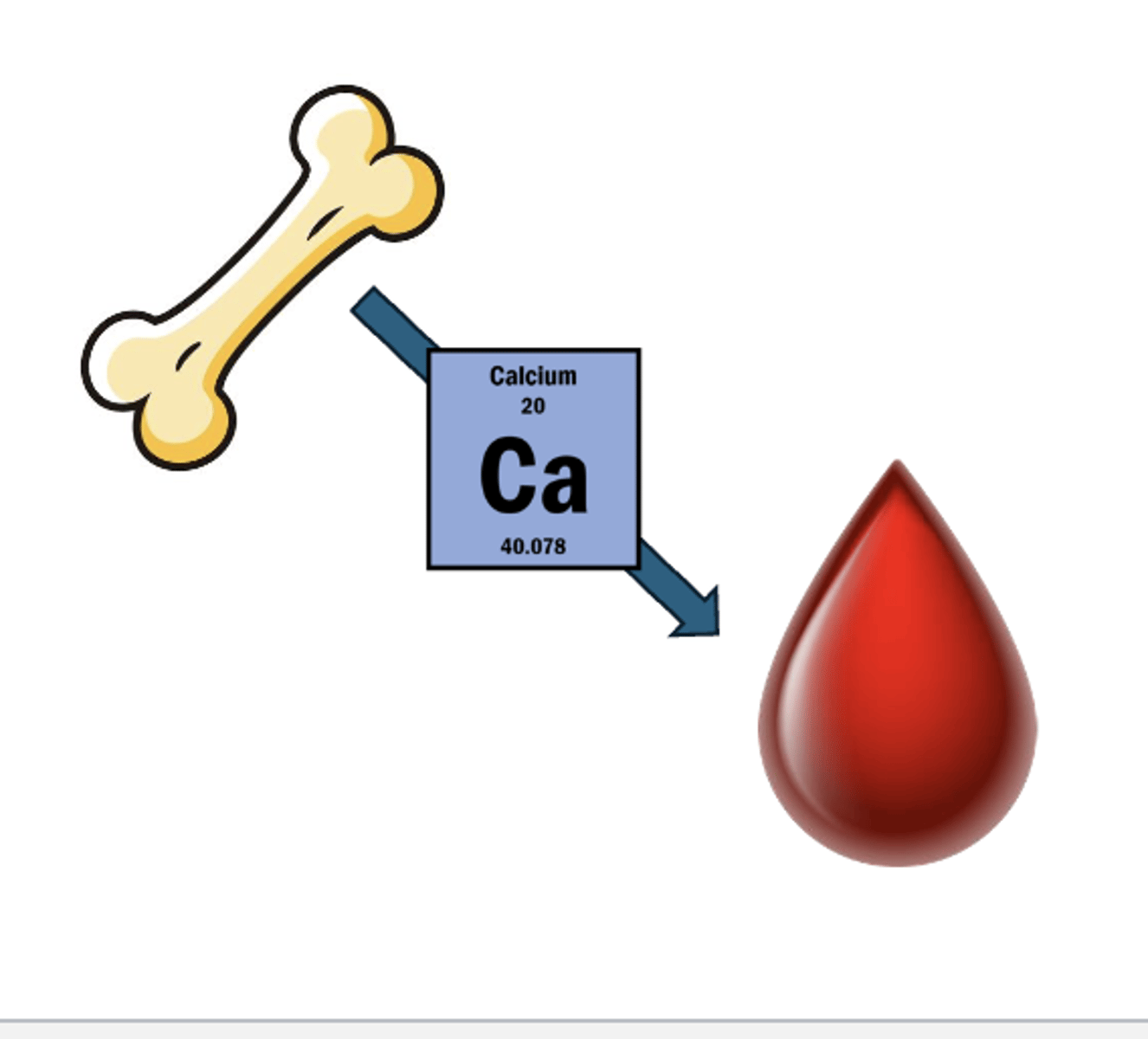
calcitonin
• lowers calcium in the blood
• sends excess to be stored in bones
parathyroid hormone
• causes bone breakdown to raise calcium levels in blood
glucagon
• raises blood glucose by instructing the liver to breakdown glycogen and rlease glucose into blood
insulin
lowers blood glucose by having th eliver uptake excess glucose and store it as glycogen
somatostatin
• inhibits the release of insulin and glucagon
• active when blood-glucose is optimal
endorphin
• pain-killing hormone
• receptors can be bound by opioids; structurally similar
melanocyte stimulating hormone
• UV exposure stimulates the production and causes melanocytes of the skin to spread the melanin over broader areas of each cell
growth hormone
• causes long bones of the body to elongate
• pubescent "growth spurts"
prolactine
• causes milk production in females
• exacerbates testosterone effects in males
follicle stimulating hormone
• causes egg development in females
• causes sperm development in males
luteinizing hormone
• ovulation in day 14 of cycle
• stimulates leydig cells to make testosterone
thyroid stimulating hormone
causes thyroid to make and release T3 and T4
Adrenocorticotropic Hormone
• goes to Zona fasiculata of adrenal cortex and causes it to make and release glucocorticoids
glucocorticoids
• anti-inflammatory hormone
• raises blood-glucose by breakdown of lipids and proteins
mienralocorticoids
causes an increase in sodium reabsorption and water retention
adrenalin and noradrenaline
• fight or flight response
• shunts blood away from digestive to give it to lungs, heart, skeletal muscle, and brain