biophysics
 Call Kai
 Learn
Learn Practice Test
 Spaced Repetition
 Match
Match Flashcards
 Knowt Play
1/42

There's no tags or description
Looks like no tags are added yet.
Name | Mastery | Learn | Test | Matching | Spaced | Call with Kai | Chat |
|---|
No analytics yet
Send a link to your students to track their progress
43 Terms
Physiotherapy
Physiotherapy is a form of treatment carried out through the medium of physical forces
Methods of physiotherapy
1.infrared Rays
2.short-wave & microwave diathermy
3.electrical stimulation therapy
4.ultrasound therapy
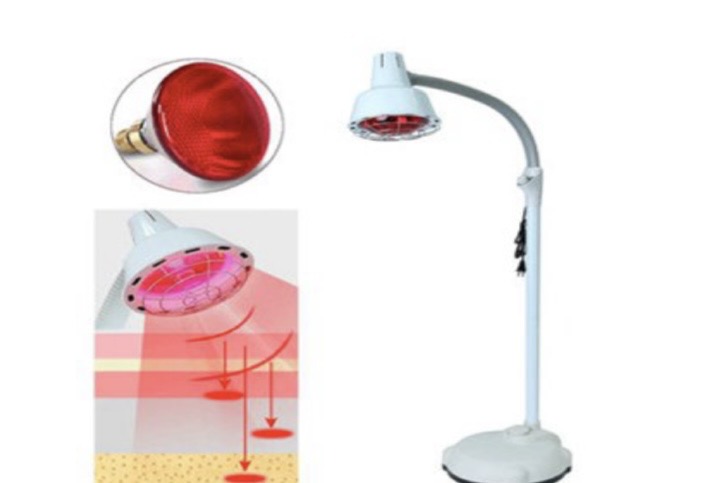
Name this device and the types
Infrared :electronmagnetic radiation with longer wavelength than visible light
Types : A, B and C
benefits of IR
IR promote local bloods circulation and reduce muscle tension
Risk of IR light
1.burn
Low risk of eye damage
UV
UV is a kind of therapy that involves exposing the skin to UV for a prescribed duration of time
Types of UV and penetrance ability
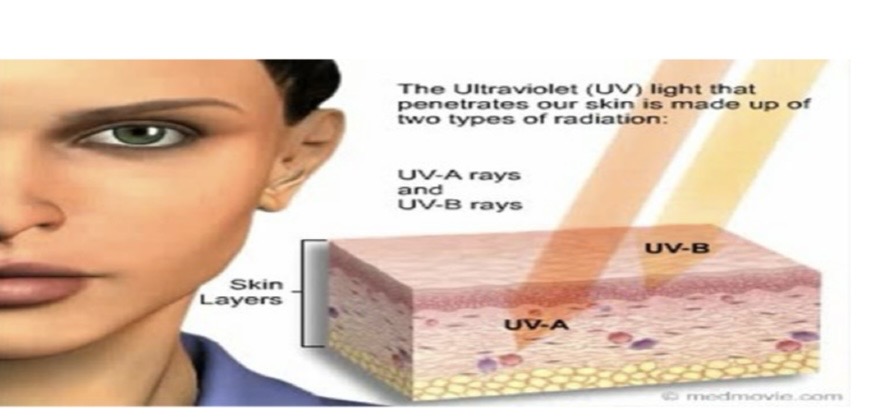
UV A & B
UVB has a short wavelength that reaches the epidermis
UVA has a longer wavelength
That reaches the dermis
Benefits and risk of UV
Benefits
1.improve blood circulation
2.stimulates production of collagen
Risk
Can cause eye conjunctivitis
Short-wave & microwave diathermy
Is the application of high frequency electromagnetic energy that is used to generate heat in tissue
First method to transfer electromagnetic energy
Short-wave is the first method
The body part is placed between two metal plates
Short-wave uses a frequency of
27.12 MHz that corresponds to approximately 11 meters
Microwave diathermy
Is easier to use than short-wave
They are emitted from applicator antenna
They use a frequency of 900MHz
Creates heat around bonny regions
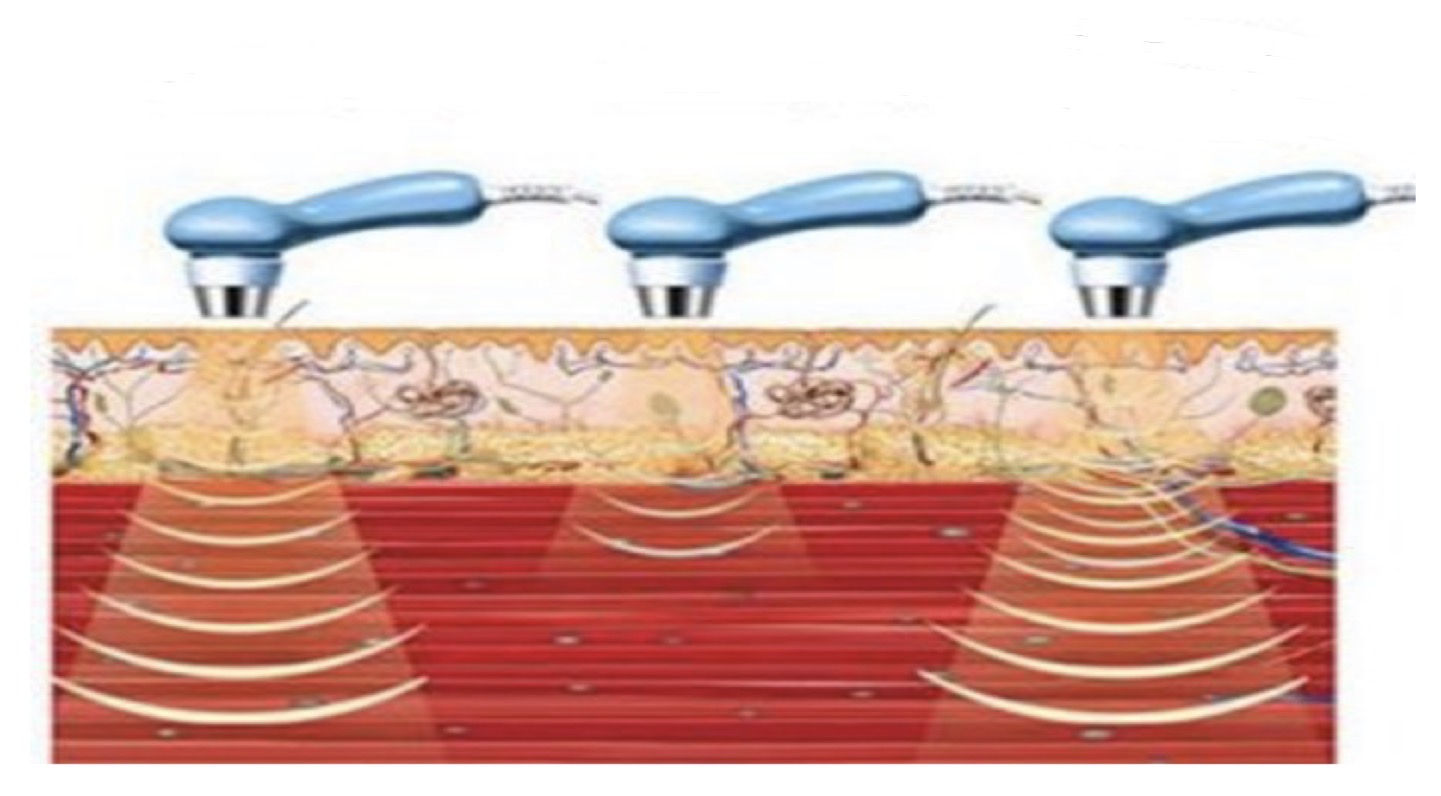
Name this method of physiotherapy
Ultrasonic
It is rather mechanical energy or sound energy duo to the vibration
The frequencies that are used for medical purposes are 1MHz and 3MHz
Ultrasonic working principle
using an ultrasound transducer to transmit continuous sound wave energy into human tissue.
The sound waves cause particles within the tissue to oscillate and vibrate.
This increases in molecular vibration generates heat, creating thermal changes in the targeted area.
What is the basic mechanism of Electrical Stimulation Therapy?
Uses an electrical current via skin electrodes to cause a single muscle or group of muscles to contract.
What are the three types of electrical stimulation therapy, and what is the primary focus of the first two?
1. General electric therapy: Used for alleviating pain and healing wounds.
2. Muscular electric stimulation: Aims to strengthen muscles by reducing muscle spasms.
3. Transcutaneous Electrical Nerve Stimulation (TENS): Used to treat chronic pain.
What is the physical setup and basic mechanism of a TENS Machine?And for which condition we use TENS?
It has multiple leads based on several channels and electrodes to make it ready for functional use.
It involves a high-frequency signal applied to the painful area, which stimulates the nerve and cuts off the pain message to the spinal cord or brain.
It is used for
• Osteoarthritis
• Joint and muscle pain
• Back pain
• Migraines
• Neuralgic pai
Piezoelectric Effect of Ultrasound
Electrical signal is converted to sound
The sound is reflected duo to contact with tissue
Sound is converted back to electronic signal and later to image
Reflection
The amount of reflection is depended on the difference in acoustic impedance
Scattering
Redirection of sound in several directions
Happens when sound waves are interacted by small reflector or rough surface
Transmission
The waves go deeper into body and the reflection shows structure in deeper tissue
Attenuation
The waves go deeper into body so as a consequence the amplitude of the wave decreases
Electrocautery and. Electrosurgery
Electrocautery: direct current
Electrosurgery: alternating current
Frequency used in electrosurgury
We need more than 100kHz since this rate can stimulate muscle
A generated that uses 60 cycle current increase the frequency to 200000 cycle
Bipolar electrosurgery and. Monopolar electrosurgery
Bipolar:In bipolar electrosurgery, both the active electrode and return electrode functions are performed at the site of surgery and patient return electrode is not needed
Monopolar: duo to versatility and clinical effectiveness it is more used only the active electrode is at surgery site and a patient return electrode is placed to finish the circuit
Electrical wave forms
It depends on duty cycle we have 5 waveforms
100% on (pure cut)
50% on (blend 1)
40% on (blend 2)
25% on (blend 3)
6% on (coag)
On refers to duty cycle
Pure cut produces more heat that is why it vaporize tissue
Electrosurgical tissue effects
cutting:hold the electrode away from tissue,used to vaporize
Fulguration: hold the electrode away from tissue,used to coagulate
Desiccation:direct contact between tissue and electrode
Electrosurgical systems
Grounded:uses alternate path to ground to avoid alternate site burn
Isolated:circuit is completed not by the ground but by the generator, Isolated electrosurgical energy recognizes the patient return electrode as the preferred pathway back to the generator.
X-rays and gamma rays
X-rays:originate in the electronic shell
Gamma rays:originate in the nucleus
Diagnostic X-rays
Radiotherapy: a picture sent directly to computer screen
Fluoroscopic: a real time moving inspection
Key points to keep exposure to radiation at minimum
Time
Distance
Shielding
Non-contact tonometer
Measures the pressure in eyes
High pressure indicates glaucoma
Autorefractor
Measures your eyes ability to facus
Retinoscope
Used for testing the eyes of small children and it is very accurate
Opthalmoscope
Examine the retina at the back and also examines blood vessels and the front of optic nerve
The slit lamp
Examining cornea ,iris and lens
Visual evoked potentials
A test that shows how the visual system records light
Electro-oculography
Measures the resting potential of the retina
Ohm’s law
Shows the relation between voltage, current and resistance
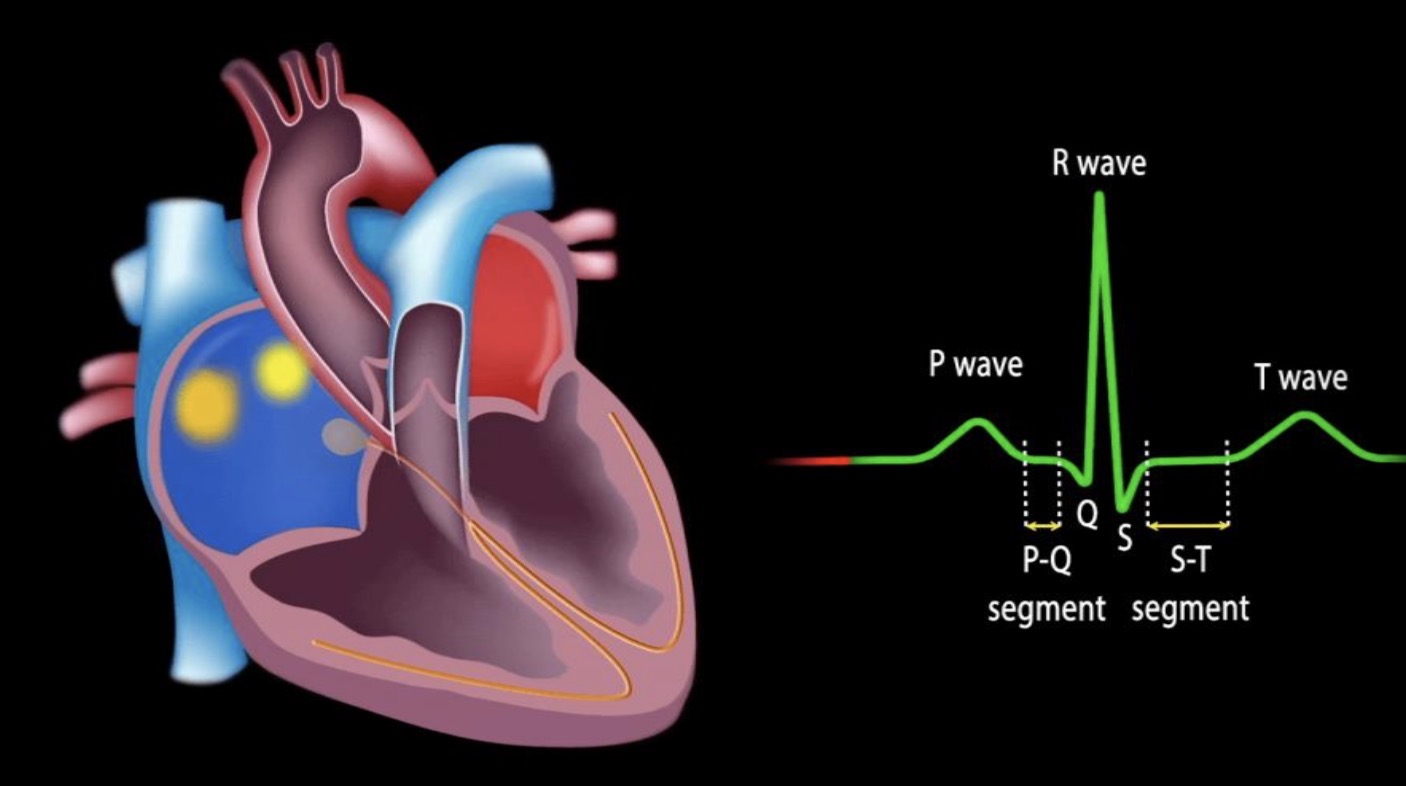
What each wave indicate and what is their duration
P wave: atrial depolarization 0.1 sec
QRS wave: ventricular depolarization. 0.08-0.1sec
T wave: ventricular repolarization 0.16 sec
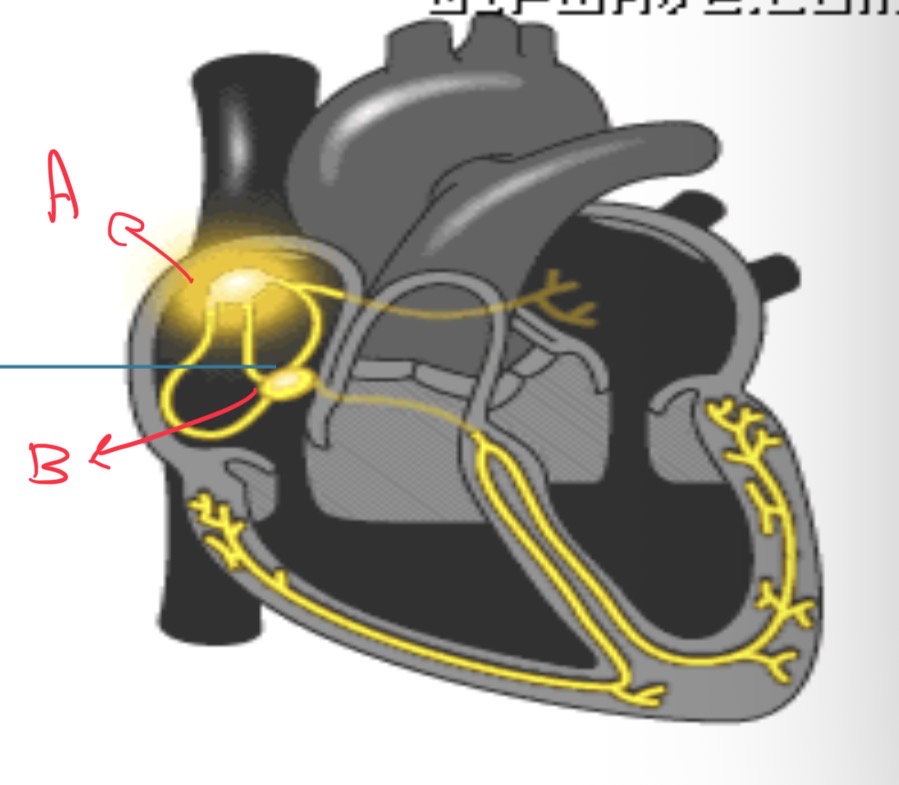
A: sinoatrial node
B: atrioventricular node
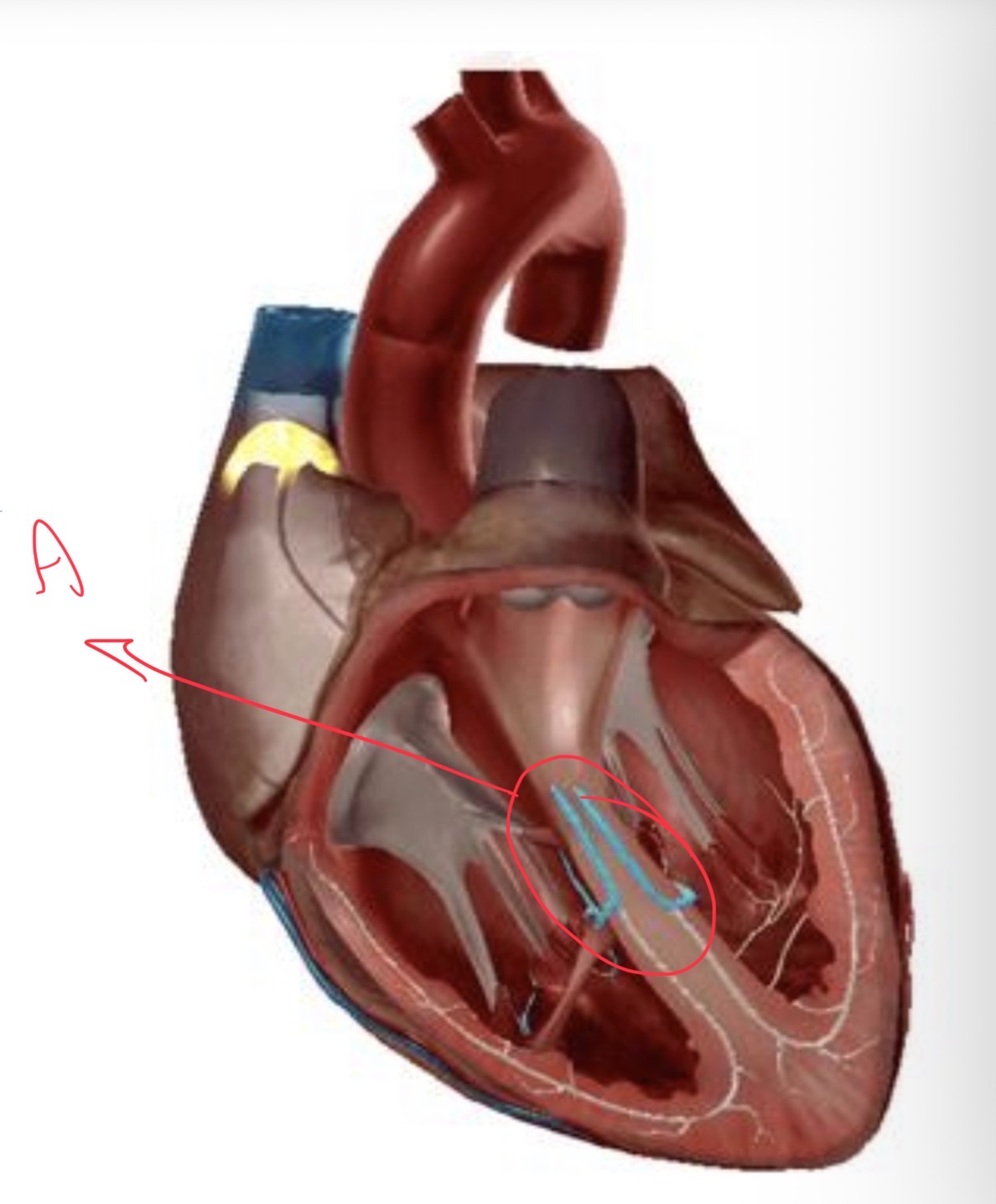
Bundle of his
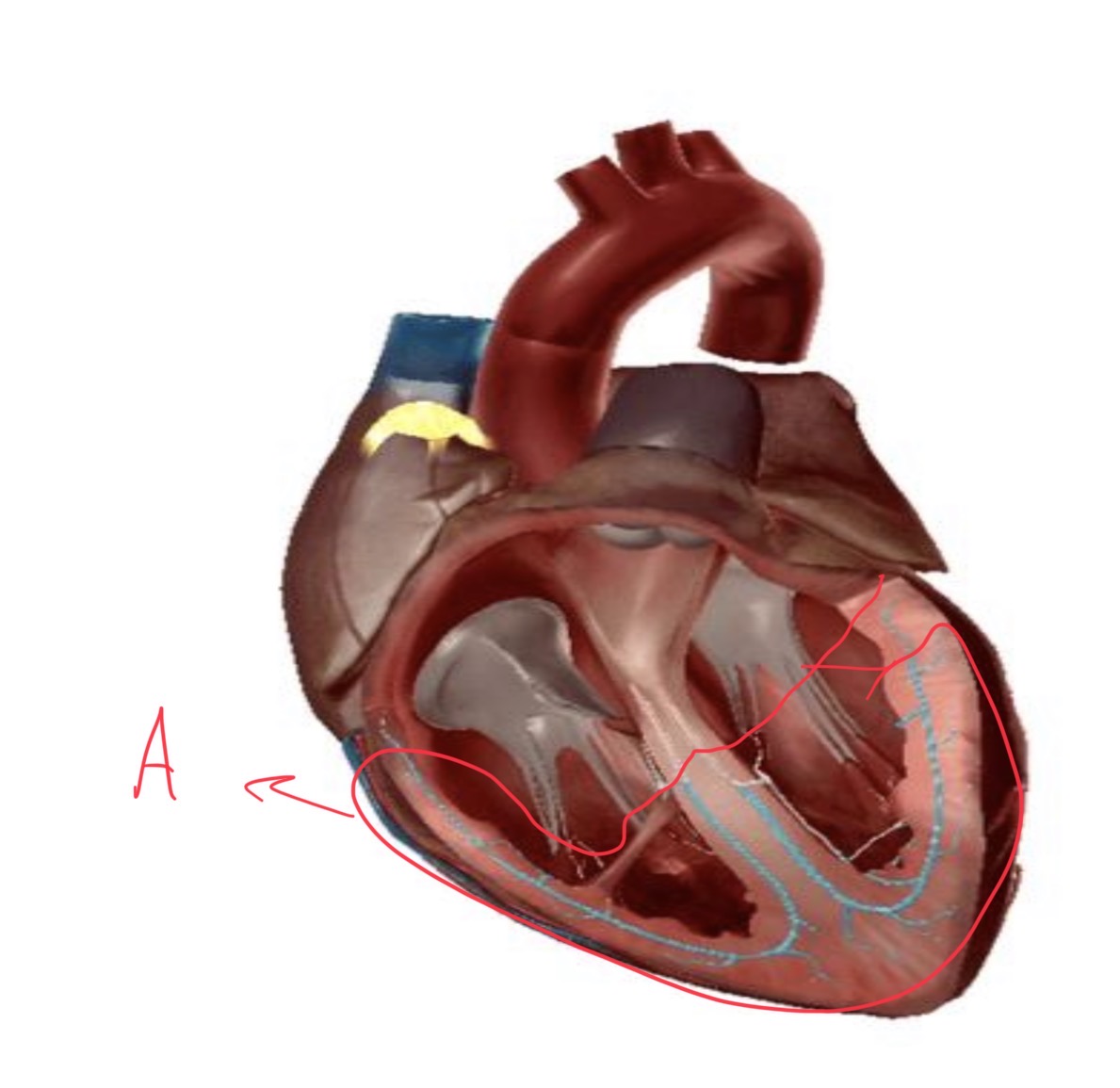
Purkinje fibers