Chapter 6
0.0(0)
Studied by 0 people Call Kai
 Learn
Learn Practice Test
 Spaced Repetition
 Match
Match Flashcards
 Knowt Play
Card Sorting
1/75

Last updated 2:01 AM on 2/2/23
Name | Mastery | Learn | Test | Matching | Spaced | Call with Kai | Chat |
|---|
No analytics yet
Send a link to your students to track their progress
76 Terms
1
New cards
Axial Skeleton
80 bones; bones of skull, lorax, vertebral column, form the longitudinal axis
2
New cards
Appendicular Skeleton
126 bones; bones of the limbs and girdles that attach them to the Axial skeleton
3
New cards
Bones #total=206, Associated cartilages, ligaments and other connective tissues
Skeletal system components
4
New cards
Support, Storage of minerals and lipids, Blood cell production, protection, leverage
Functions of the skeletal system
5
New cards
1. Flat bones
2. sutural bones
3. long bones
4. irregular bones
5. sesamoid bones
6. short bones
Six categories of bone based on shape
6
New cards
tendon and ligament attachment, at joints where adjacent bones articulate)
elevations/projections
7
New cards
sites for blood vessels or nerves to lie alongside or penetrate bone
depressions/groves/tunnels
8
New cards
head, diaphysis, neck
Surface marking-general
9
New cards
Head
expanded proximal end of a bone that forms part of a joint
10
New cards
diaphysis (shaft)
elongated body of a long bone
11
New cards
neck
narrow connection between the head and diaphysis of a bone
12
New cards
process
any projection or bump
13
New cards
tubercle
small, rounded projection
14
New cards
tuberosity
small, rough projection that takes up a broad area
15
New cards
trochlea
smooth, grooved articular process shaped like a pulley
16
New cards
condyle
smooth, rounded articular process
17
New cards
trochanter
large, rough projection
18
New cards
facet
small, fist articular surface
19
New cards
crest
prominent ridge
20
New cards
line
low ridge, more delicate than a crest
21
New cards
spine
pointed or narrow process
22
New cards
ramus
extension of a bone that makes an angle with the rest of a structure
23
New cards
canal or meatus
large passageway through a bone
24
New cards
sinus
chamber within a bone, filled with air
25
New cards
foramen
small, rounded passageway for blood vessels nerves to pass through bone
26
New cards
fissure
elongated cleft or gap
27
New cards
sulcus
deep, narrow groove
28
New cards
fossa
shallow depression or recess in bone surface
29
New cards
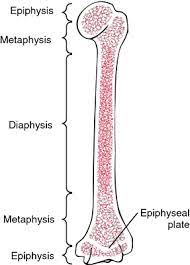
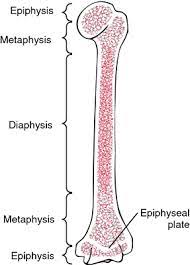
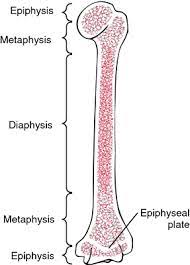
epiphysis, metaphysis, diaphysis
long bone features
30
New cards
epiphysis
network of struts and plate, resists forces from various directions; directs body weight to diaphysis, joints, outer covering is of compact bone;strong organized bone
31
New cards
articular cartilage
covers portions of epiphysis that form articulations, avascular, so relies on synonal (joint) fluid or nutrients
32
New cards
diaphysis
long, tubular portion of the bone, wall composed of thick layer of compact bone, contains the medullary cavity
33
New cards
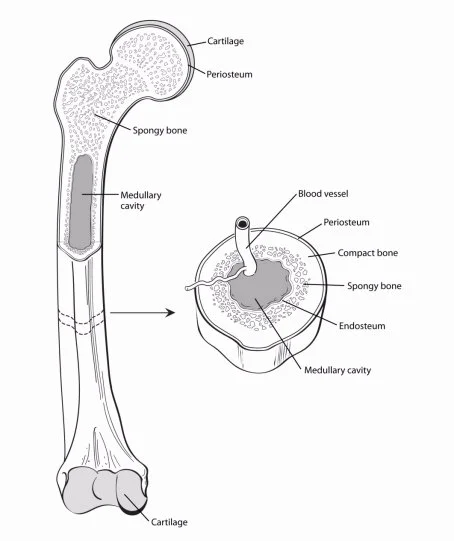
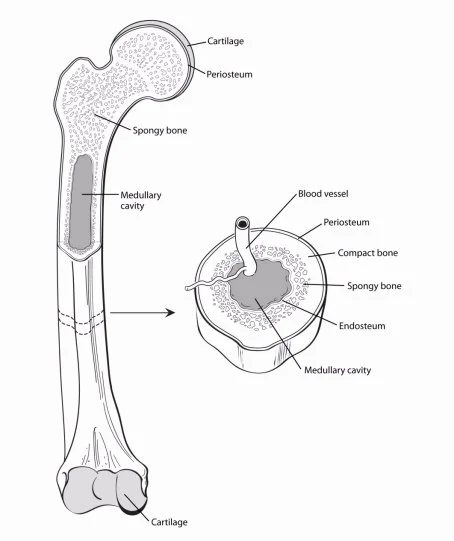
medullary cavity
filled with two types of marrow; red bone marrow involved in red blood cell production and yellow bone marrow adipose tissue; important as energy reserve
34
New cards
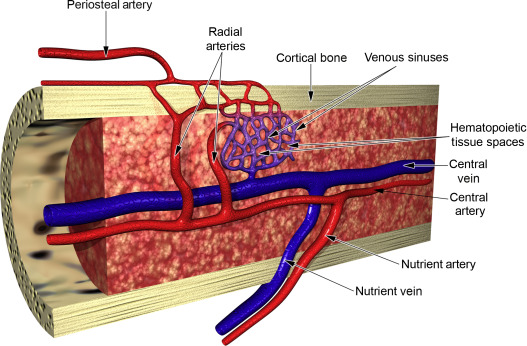
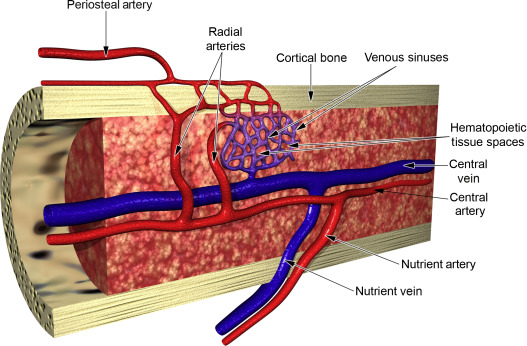
1 of each per bone
how many nutrient arteries and nutrient veins are there?
35
New cards
Nutrient foramen
tunnel providing access to marrow cavity, supply osteons of compact bone with blood
36
New cards
metaphyseal artery and metaphyseal vein
carry blood to/from metaphysis, connect to epiphyseal arteries/veins
37
New cards
Blood supply and innervation of the periosteum
smaller blood vessels supply superficial osteons, lymphatic vessels collect lymph from bone and osteons, sensory nerves innervate diaphysis meddulary cavity, and epiphyses
38
New cards
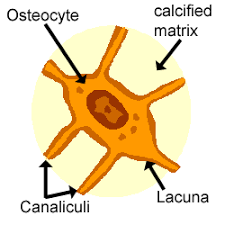
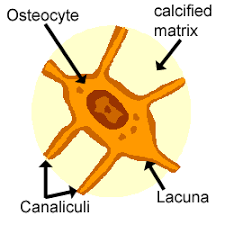
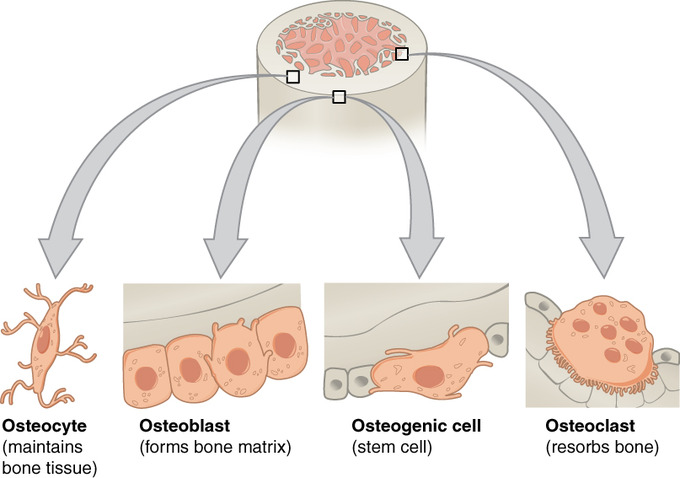
osteocytes
**maintain protein and mineral content of surrounding matrix, dissolve matrix to release minerals, rebuild matrix to deposit mineral crystals,** occupy lacunae, separated by layers of matrix, interconnected
39
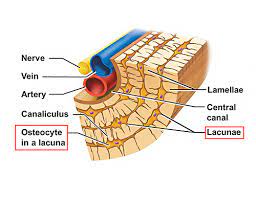
New cards
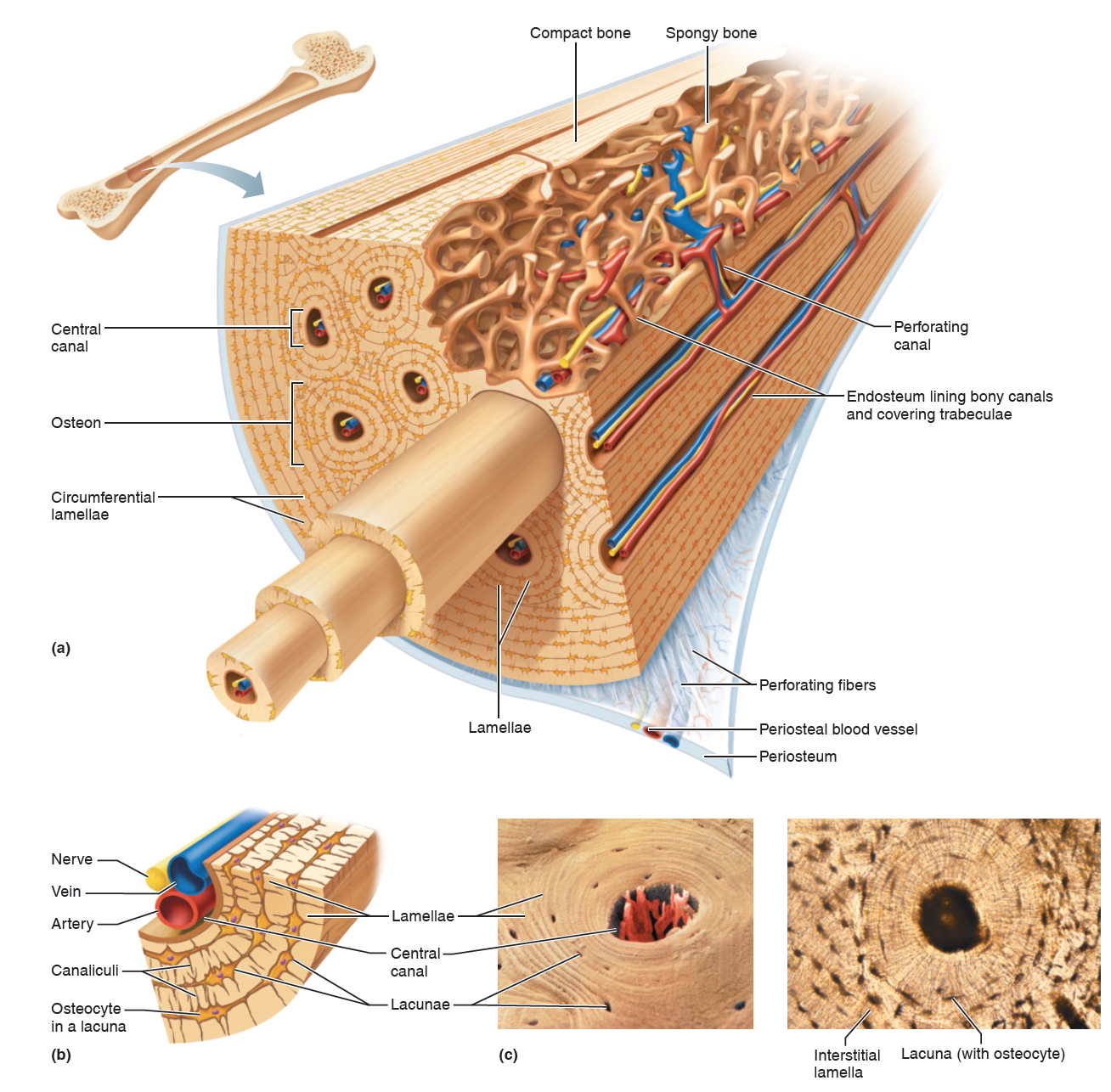
lacunae
pockets that hold osteocytes
40
New cards
lamellae
layers of matrix
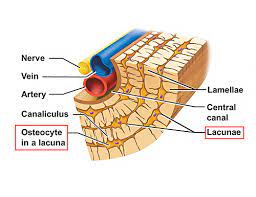
41
New cards
canaliculi
connect osteocytes, connect lacunae with each other and central canal
42
New cards
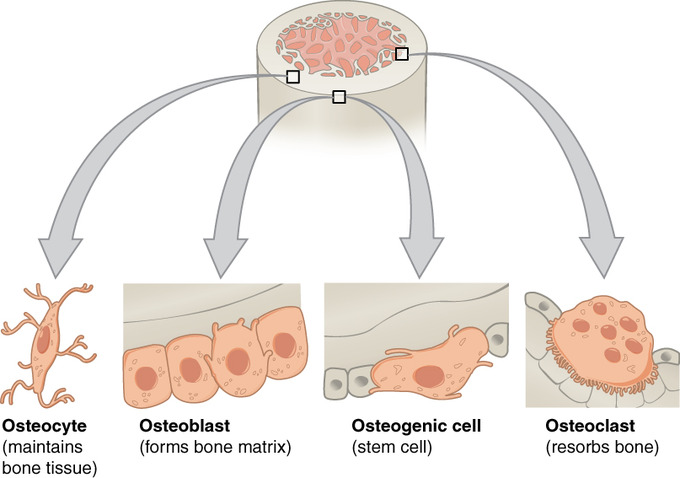
osteoblasts
**produce new bony matrix** (osteogenesis or ossification), become osteocytes once surrounded by bony matrix, add bone matrix under periosteum, produce bone faster than chondrocytes produce cartilage, actively replace cartilage with bone on diaphyseal side
43
New cards
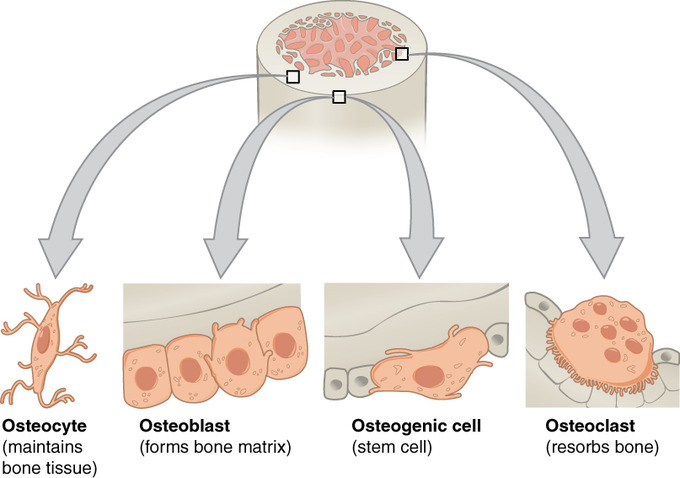
osteogenic cells
osteoprogenitor cells, mesenchymal cells that produce cells that differentiate into osteoblasts, **important in fracture repair**
44
New cards
osteoclasts
**remove and remodel bone matrix, release acids and enzymes to dissolve matrix and release stored minerals** (process called osteolysis), remove matrix at inner surface to enlarge medullary cavity
45
New cards
\~1/3 bone weight-provide flexibility
collagen fibers
46
New cards
\~2/3 bone weight-provides strength
calcium phosphate
47
New cards
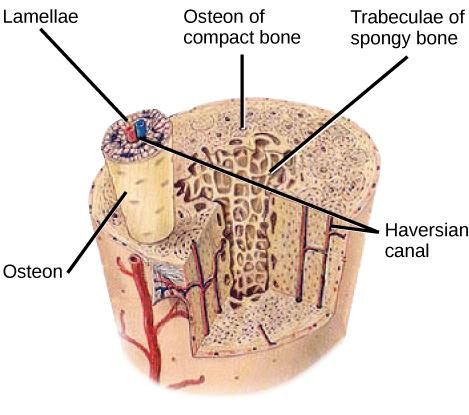
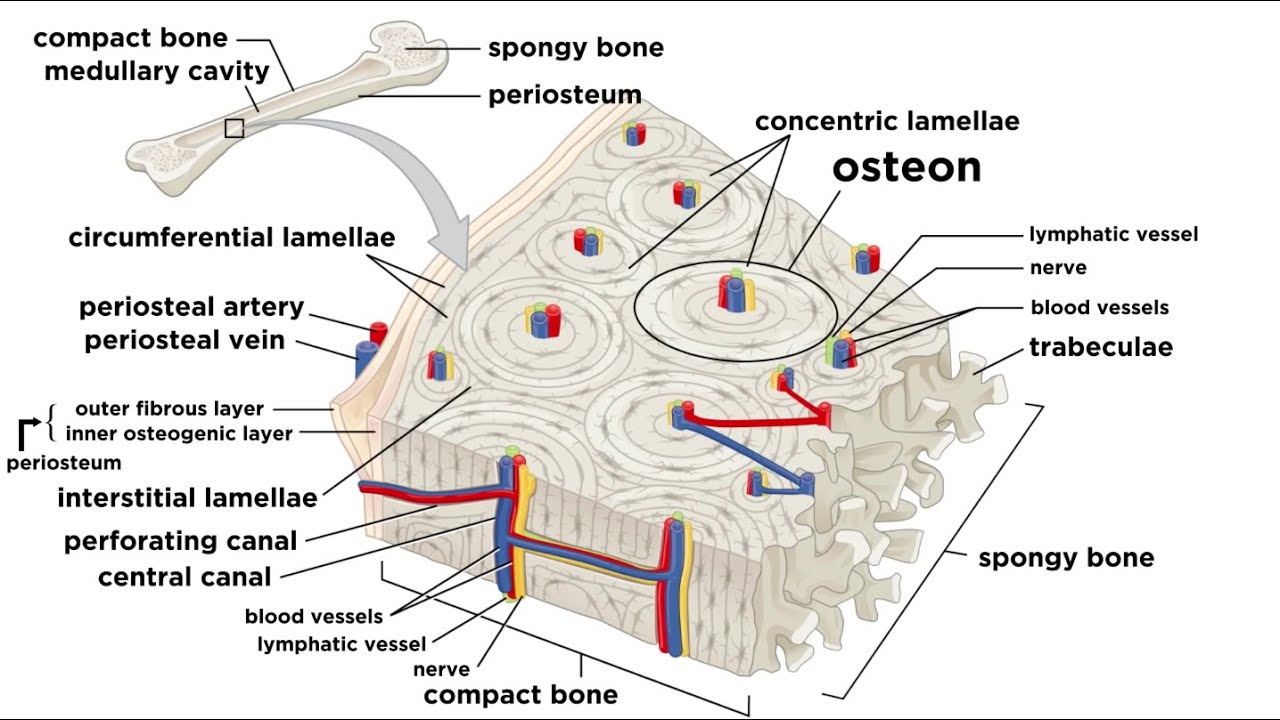
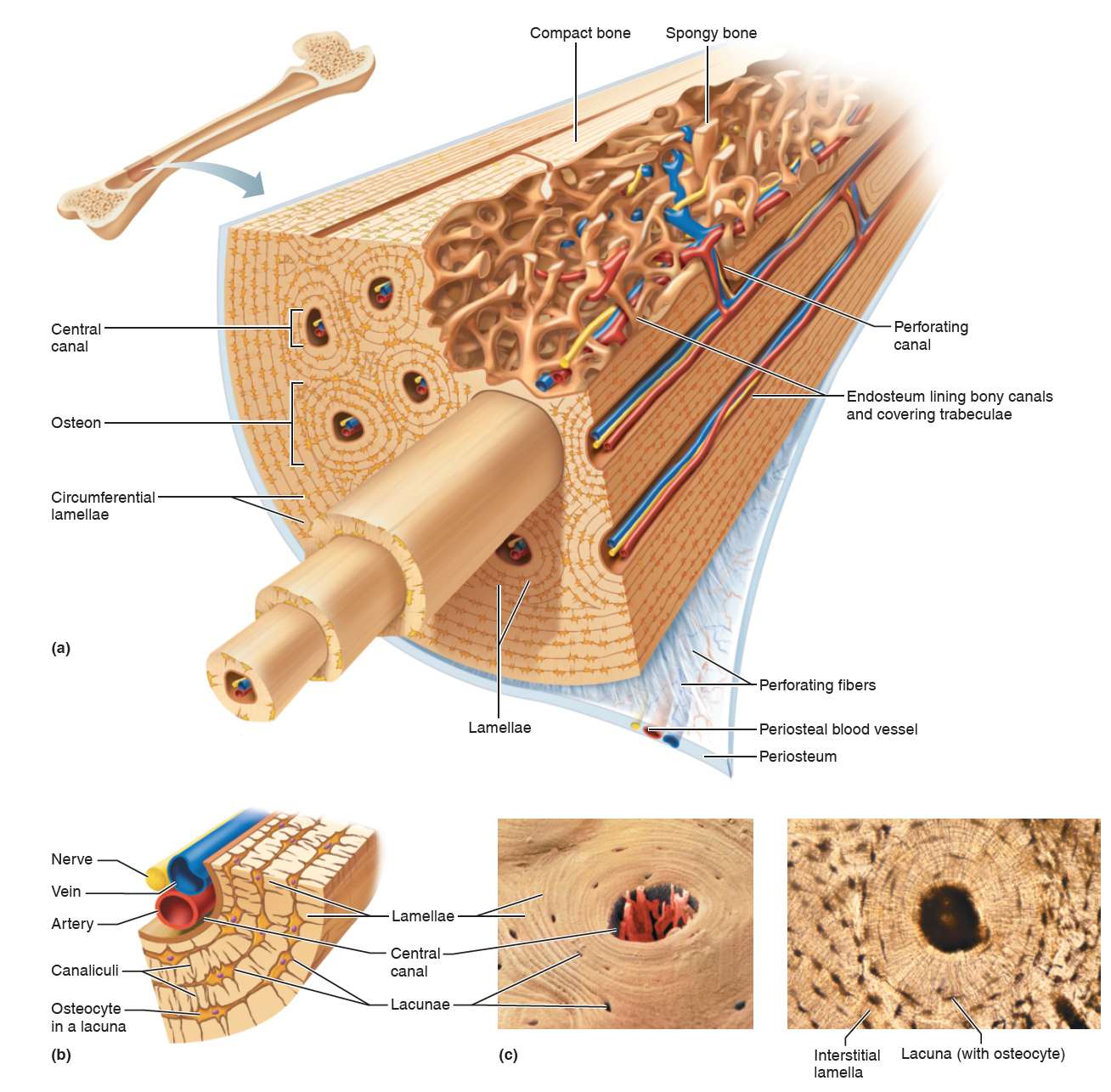
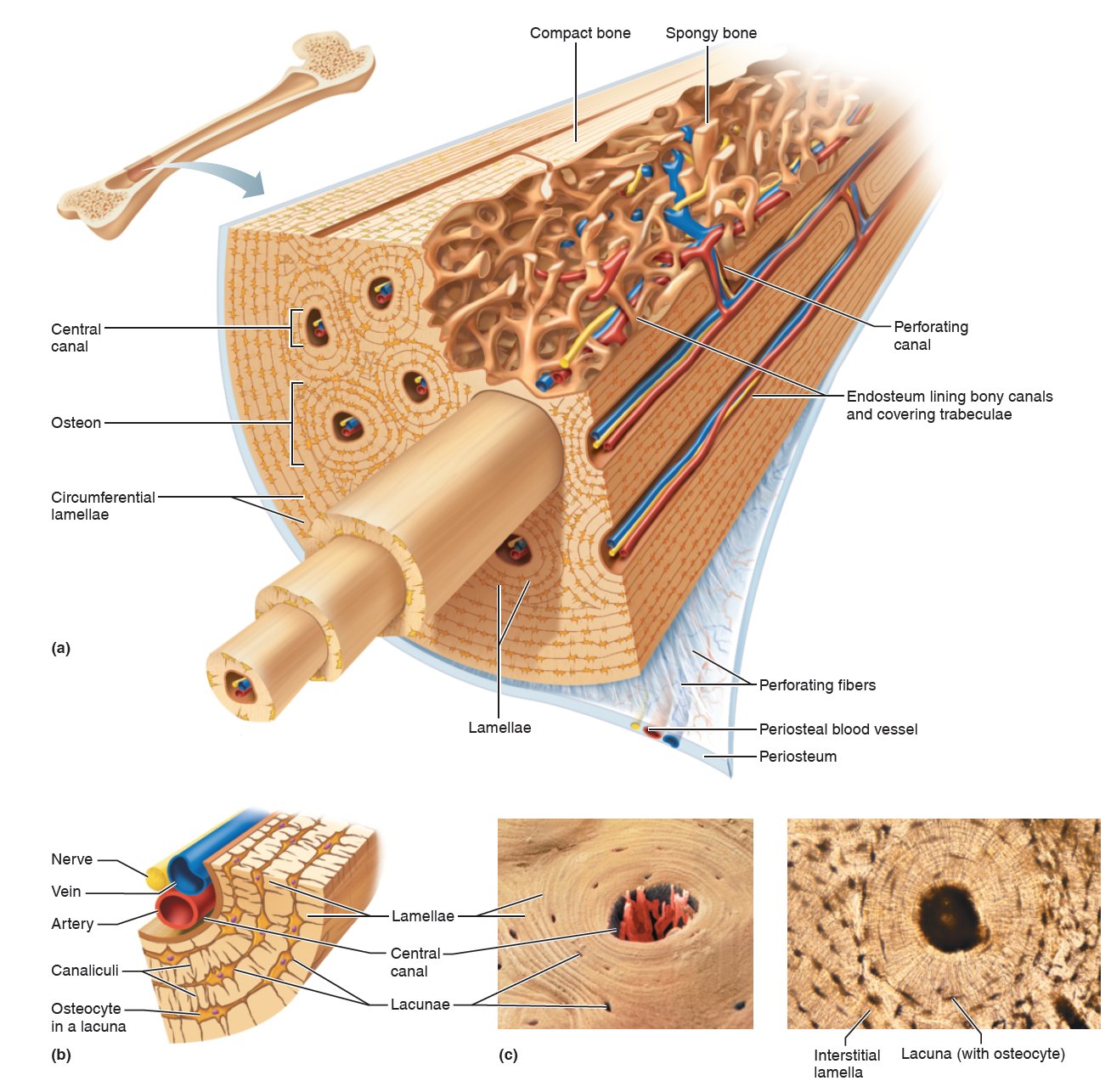
Compact bone
functional unit is osteon, concentric lamellae, osteocytes central canal, canaliculi, strong along it’s length, outer bone tissue layer
48
New cards
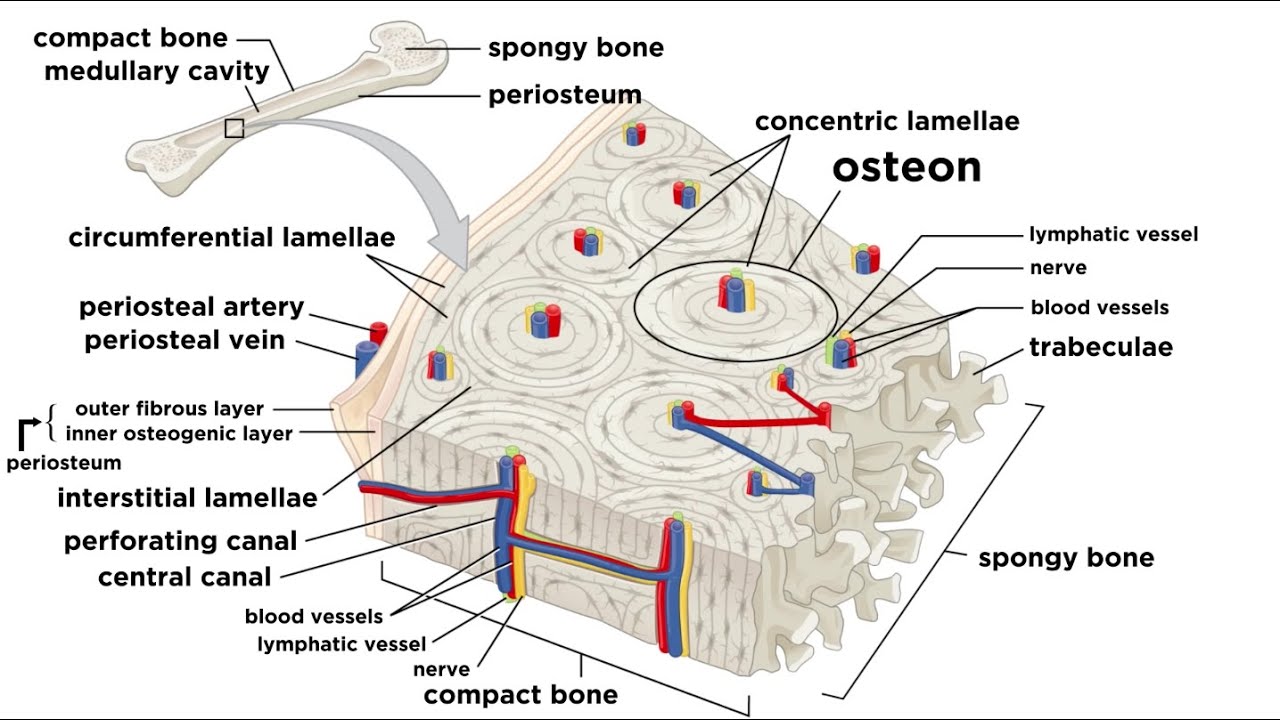
concentric lamellae
around a central canal
49
New cards
central canal
contains small blood vessels
50
New cards
circumferential lamellae
at outer and inner surfaces
51
New cards
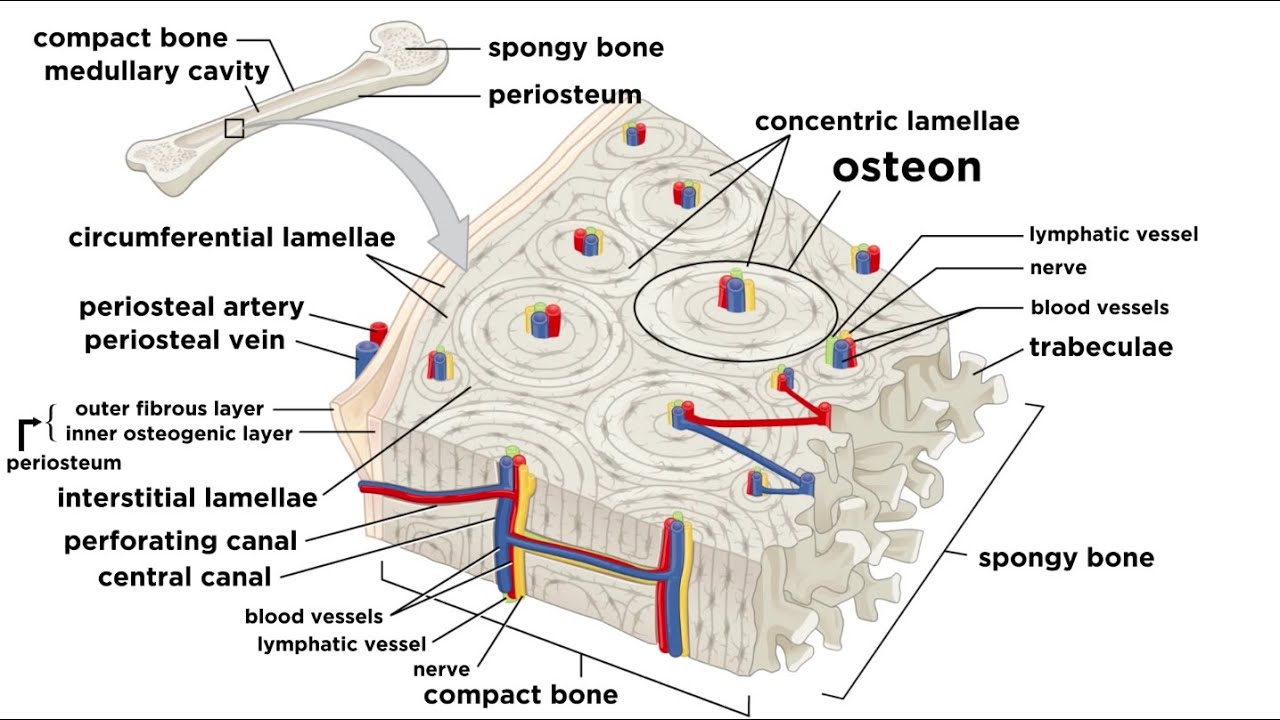
interstitial lamellae
fill spaces between osteons
52
New cards
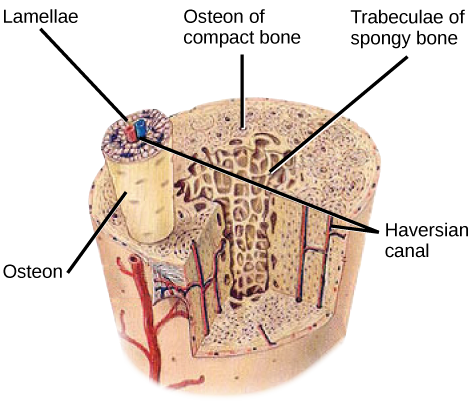
osteons
contain central canals (parallel to bone surface), connected by perforating canals (perpendicular to surface)
53
New cards
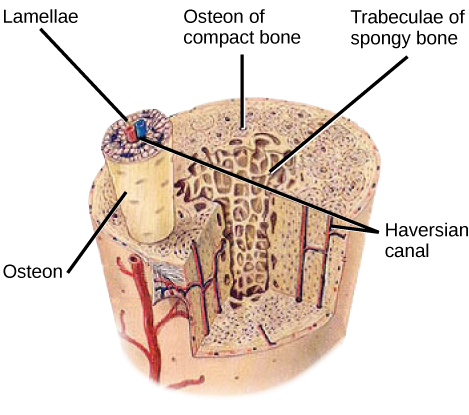
spongy bone
lamellae form struts and plates (trabeculae) creating an open network, reduces weight of skeleton, no blood vessels in matrix, red bone marry is found between trabeculae, innermost layer
54
New cards
Appositional growth in bones
increases bone diameter of existing bones-does not form of original bone
55
New cards
periosteum
wraps the superficial layer of compact bone, isolates bone from surrounding tissues, route for blood and nervous supply, actively participates in bone growth and repair, outermost layer
56
New cards
perforating fibers
collagen fibers from surrounding tendon, ligaments, and joint capsules cemented into circumferential lamellae, very strong attachment-excessive force will break a bone before snapping there fibers
57
New cards
endosteum
incomplete cellular layer lining medullary cavity, active during bone growth, repair, remodeling, covers spongy bone and lines central canals
58
New cards
endochondral ossification
initial skeleton of embryo formed of cartilage; it is gradually replaces by bone, uses cartilage as small model; bone grows in diameter and length
59
New cards
epiphyseal cartilage
(epiphyseal plate) separates epiphysis from diaphysis, bone grows in length, condrocytes actively produce more cartilage on epiphyseal side, epiphyses are pushed away by continued production of new cartilage
60
New cards
bone growth
at puberty, hormones stimulate increased bone growth, and epiphyseal cartilage is replaced, epiphyseal cartilage narrows until it disappears(process called epiphyseal closure; leaves behind epiphyseal line in adults)
61
New cards
intramembranous ossification
bone formation without a cartil aginous mudel; (stem) cells differentiate into osteoblasts within embryotic tissue or connective tissue
62
New cards
intramembranous ossification in fetal development
begins during the eight week of embyronic development; can see ossification centers and progressing bone formation at 10 weeks
63
New cards
fracture
most heal as long as blood supply and cellular parts of periosteum and endosteum survive
64
New cards
1. fracture hematoma formation
2. callus formation (internal callus and external callus)
3. spongy bone formation
4. compact bone formation
steps in fracture repair
65
New cards
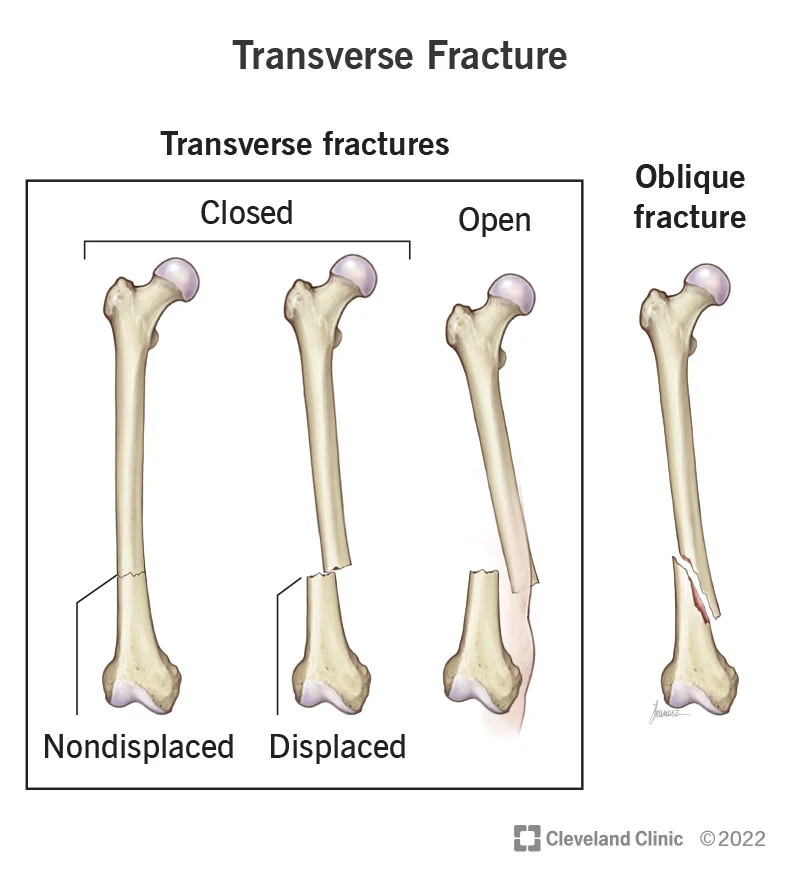
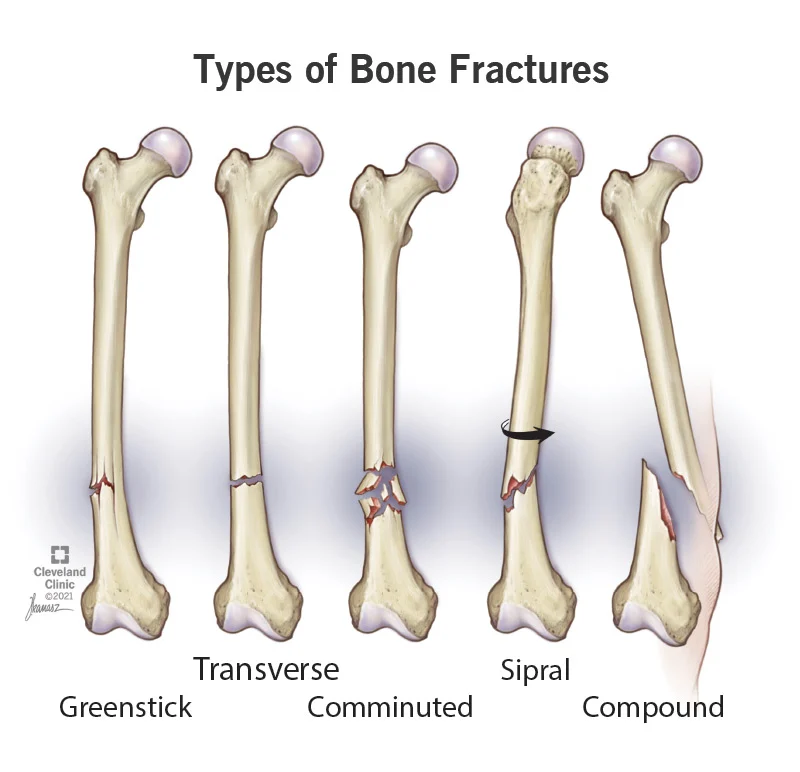
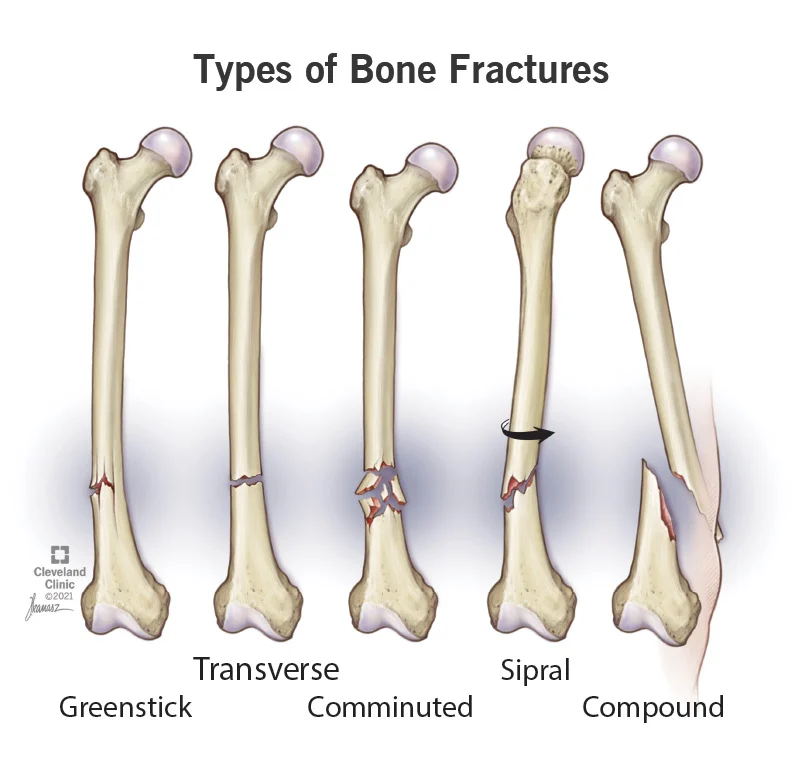
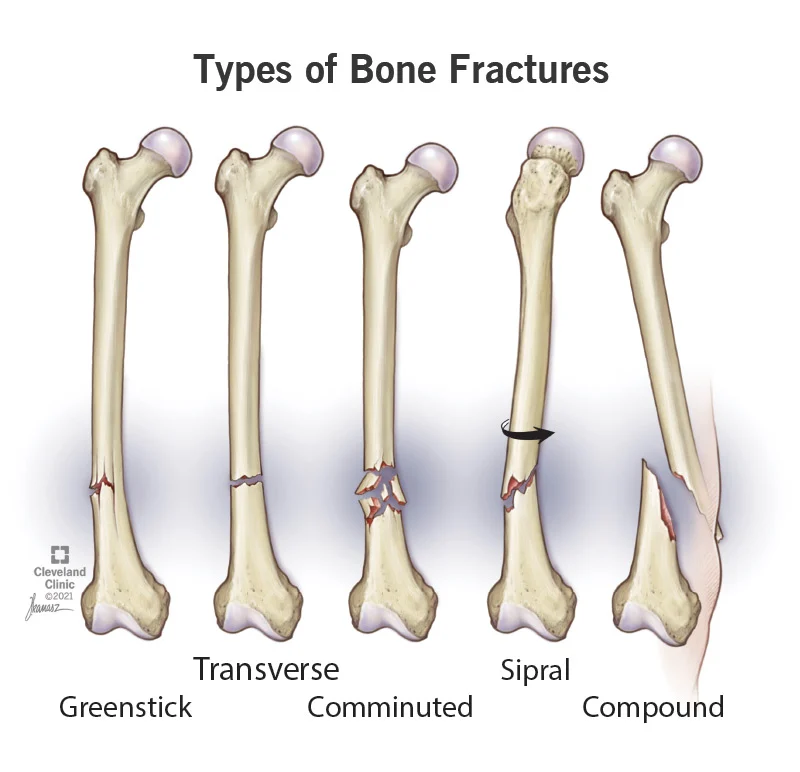
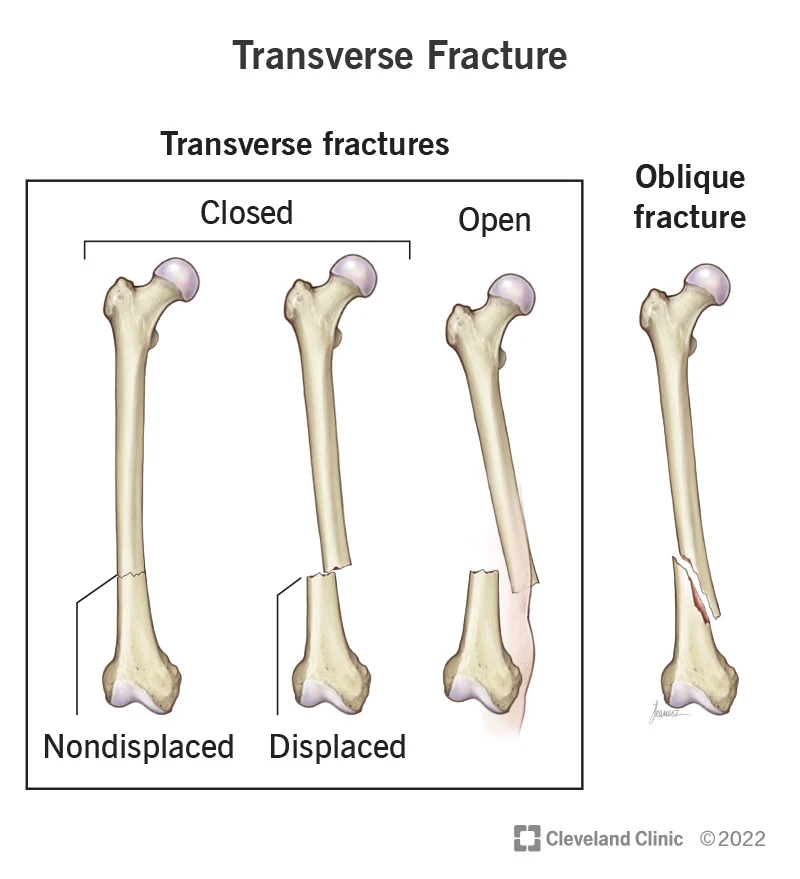
closed or simple
completely internal, only seen on x-ray (no break in skin)
66
New cards
open or compound
project through skin, more dangerous due to infection and uncontrolled bleeding
67
New cards
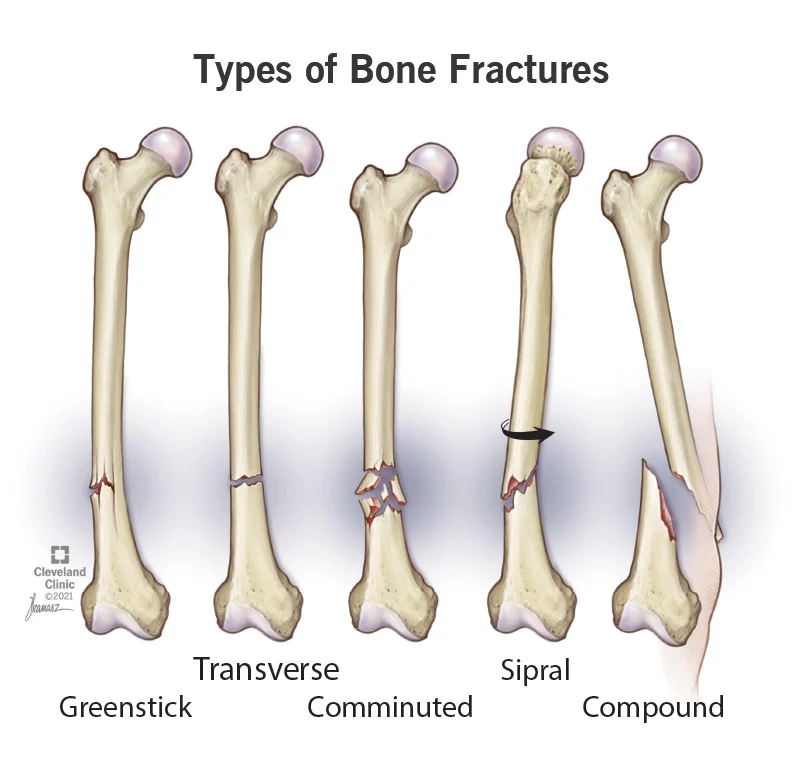
transverse fractures
break shaft across long axis
68
New cards
spiral fractures
produce by twisting stresses
69
New cards
displaced fractures
result in new and abnormal bone arrangements
70
New cards
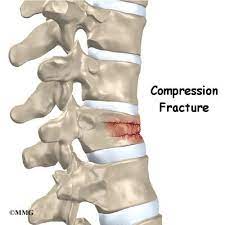
compression fractures
occur in vertebrae subjected to extreme stresses(osteoporosis)
71
New cards
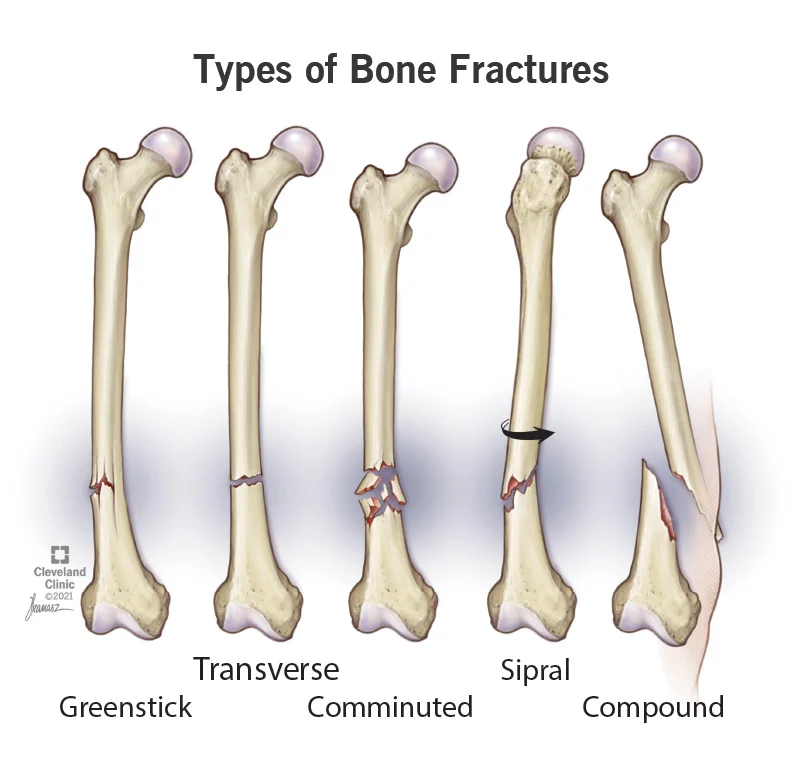
greenstick fractures
one side of shaft broken, one side bent (generally occurs in children)
72
New cards
comminuted fractures
shatter affected area producing fragments
73
New cards
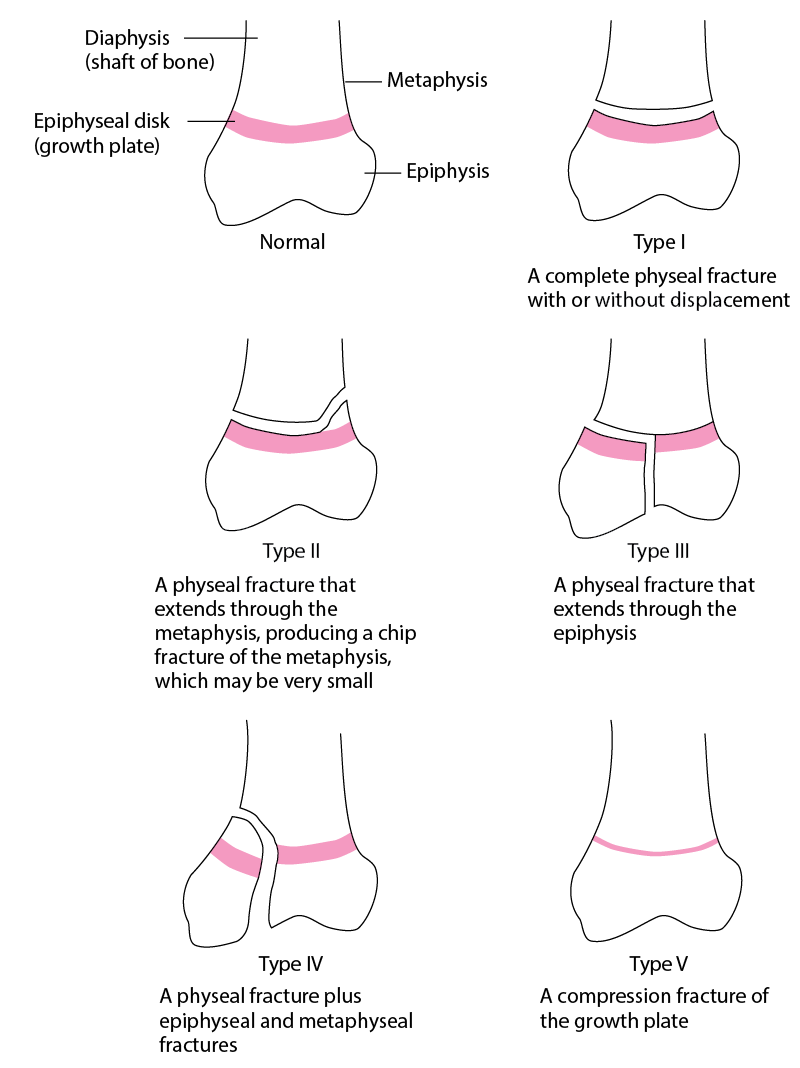
epiphyseal fractures
occur where bone matrix is calcifying (a clean transverse fracture of this type heals well)
74
New cards
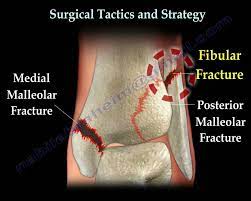
pott’s (bimalleolar) fracture
occurs at ankle and affects both medial and lateral part of the bone
75
New cards
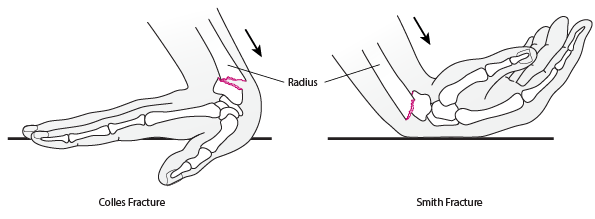
colles fracture
break in distal radius
76
New cards
metaphysis
connects epiphysis to shaft