quizlet.com/718266396/unit-1-vocabulary-flash-cards/?funnelUUID=2a2d8da4-dd23-49b0-8d87-3ae432cda9e5
 Call Kai
 Learn
Learn Practice Test
 Spaced Repetition
 Match
Match Flashcards
1/13

There's no tags or description
Looks like no tags are added yet.
Name | Mastery | Learn | Test | Matching | Spaced | Call with Kai | Chat |
|---|
No analytics yet
Send a link to your students to track their progress
14 Terms
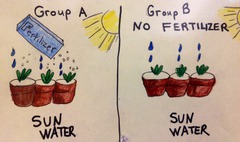
Independent Variable
This is the "cause" in an experiment. It is the part that you are directly manipulating (changing).
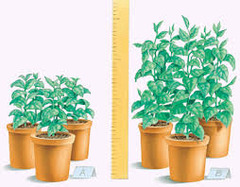
Dependent Variable
This is the "effect" in an experiment. It is the part that you measure.
Hypothesis
This is a testable prediction. Should be written as an "If and then" statement.

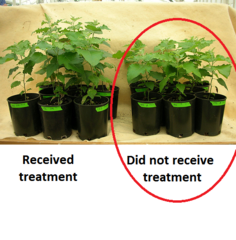
Control
The group where the outcome is known. You compare this to the experimental group.
Conclusion
This "revisits" the hypothesis and states whether the data supports it or does not support it.
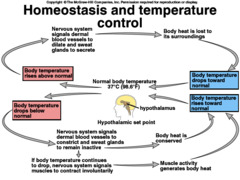
Homeostasis
This means to maintain an internal balance. An example would be how our bodies maintain a stable temperature by sweating when you are hot or shivering when you are cold.
Prokaryote
These are cells without a nucleus or membrane-bound organelles. They are bacteria.
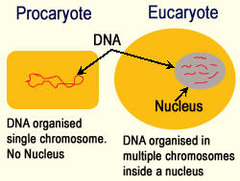
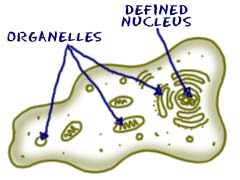
Eukaryote
These are cells that have a nucleus. Everything that is not bacteria.
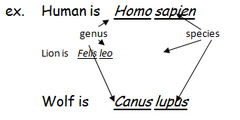
Binomial Nomenclature
A 2-name system of naming an organism. It is the genus and species of an organism written together.
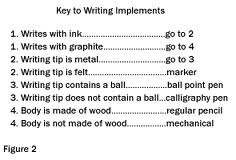
Dichotomous Key
A tool used to identify an unknown organism. It consists of a series of paired, contradicting statements.
Species
Organisms that can mate and produce viable offspring.
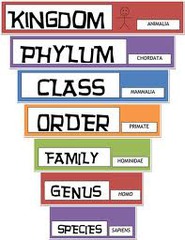
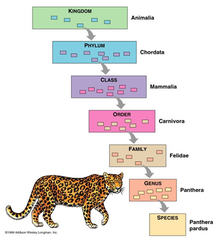
Taxonomy
The science of classifying organisms
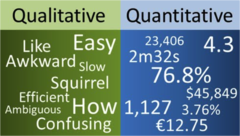
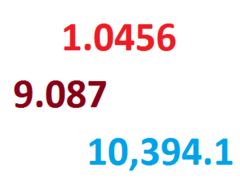
Quantitative Data
Data or information that can be easily measured with numbers. Ex. - pounds, centimeters, minutes
Qualitative Data
Data that is descriptive in nature. Ex. - happy, sweet, painful