A4.2 Conservation of Biodiversity
 Call Kai
 Learn
Learn Practice Test
 Spaced Repetition
 Match
Match Flashcards
 Knowt Play
1/21

There's no tags or description
Looks like no tags are added yet.
Name | Mastery | Learn | Test | Matching | Spaced | Call with Kai | Chat |
|---|
No analytics yet
Send a link to your students to track their progress
22 Terms
What is biodiversity, and its levels?
Definition: The total variety of life on Earth
Three levels influence how ecosystems function, adapt, & sustain life:
Ecosystem diversity
Species diversity
Genetic diversity
Define and explain ecosystem diversity [2]
Definition: The variety of ecosystems within a region or globally
It is measured by physical characteristics & organisms they support
Define and explain species diversity (measurement, significance) [6]
Definition: Number and variety of species in an ecosystem or globally
Measured by:
Species richness - Total number of species in an area
Species evenness - Relative abundance of individuals among different species
Significance: Every species has a specific ecological role that stabilises ecosystems
Predators - Prevent overpopulation of prey species
Decomposers - Fungi & bacteria recycle nutrients, maintaining soil health
Define and explain the significance of genetic diversity [5]
Definition: Variation of genes within populations of a species
Significance: Crucial for species’ survival & adaptability
Disease resistance
Adaptation to changing environmental conditions
Reduced inbreeding - prevents genetic disorders & reduced fertility
Explain factors that create uncertainty in determining species number on Earth [3]
Inaccessible habitats - Many species live in deep ocean or rainforest canopy,
Cryptic species - Look identical to known species but differ genetically
Unculturable microbes - Most microorganisms cannot yet be grown in a lab, so diversity is largely unknown
Describe how past extinctions have affected biodiversity & its recovery [4]
In the past, Earth has had five mass extinctions:
First four due to volcanic activity, changes to atmosphere & climate
Fifth extinction: Cretaceous Period (~66 mya) - Massive asteroid collision wiping out non-avian dinosaurs
Biodiversity tends to recover through the evolution of new species
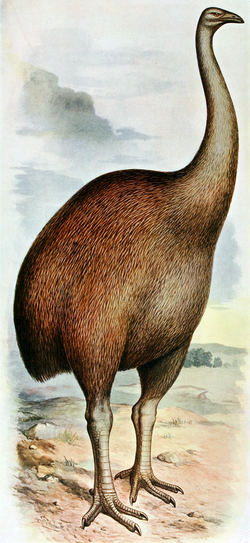
[CS] North Island Giant Moa - Describe its extinction cause [3]
Terrestrial bird originally found in New Zealand
With no natural predators, moa populations were highly sensitive to hunting
Hunted for food by Maori until extinction, in less than 200 years
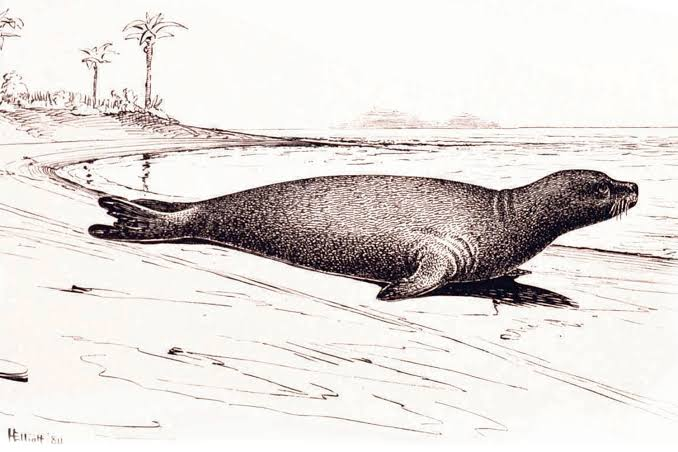
[CS] Caribbean Monk Seal - Describe its extinction cause [4]
Native to waters of Caribbean Sea and western Atlantic
It was declared extinct in 2008, which was driven by:
Overhunting - Hunted for blubber, which was rendered into oil
Overfishing - Loss of coral reefs, a primary food source → starvation
Explain anthropogenic causes of extinction [5]
1) Overharvesting - Species exploited at faster rate than reproduction
2) Habitat destruction - Agricultural development & urbanisation overtake breeding & feeding areas
3) Invasive species - Drives native species to extinction by predation, spreading of pests & diseases, or resource competition
4) Pollution - Release of pollutants & substances intoxicate atmosphere & contaminate land
5) Climate change - Rapid changes in temperature & rainfall make it difficult to adapt & migrate in time
Explain anthropogenic causes of ecosystem loss [7]
1) Agriculture development - Forests & grasslands are cleared, wetlands drained → habitat loss
2) Urbanisation - Residential & industrial buildings, & infrastructure take up natural land
3) Water management - Reservoirs created by dams can flood natural ecosystems + extraction of water for domestic/industrial use can reduce river flows
4) Overexploitation - Poaching, overfishing, unsustainable fuel wood harvesting → decline in natural resources & species
5) Mining & smelting - Opencast mines generate waste that pollute & damage rainforests
6) Leaching - Washing of fertilisers into rivers & lakes causes eutrophication & algal blooms → loss of oligotrophic ecosystems
7) Anthropogenic climate change
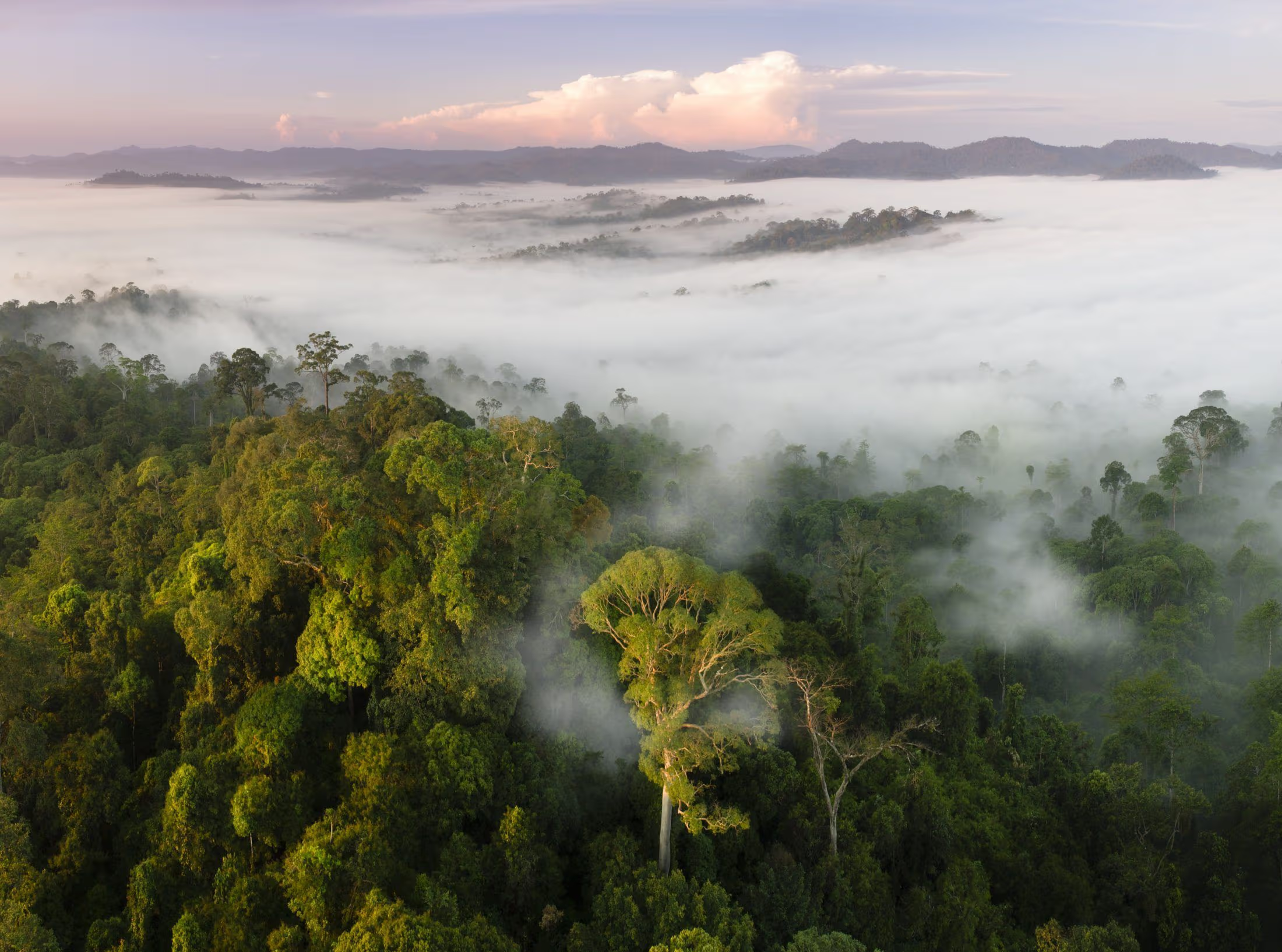
[CS] Dipterocarp Forest - background, causes, and consequences of ecosystem loss
Trees from the Dipterocarpacae family used to dominate large areas of rainforest in Southeast Asia
Causes of loss:
Logging - Trees chopped for timber extraction
Agricultural expansion - Nutrient-rich soils cleared for oil palm plantation
Consequences of loss:
Biodiversity loss - Deprives habitats of endangered species
Carbon emissions - Following land conversion, peatland decomposition released stored carbon, intensifying climate change
Flooding & erosion - Forest loss destabilises soil & alters water cycles, increasing flood risk
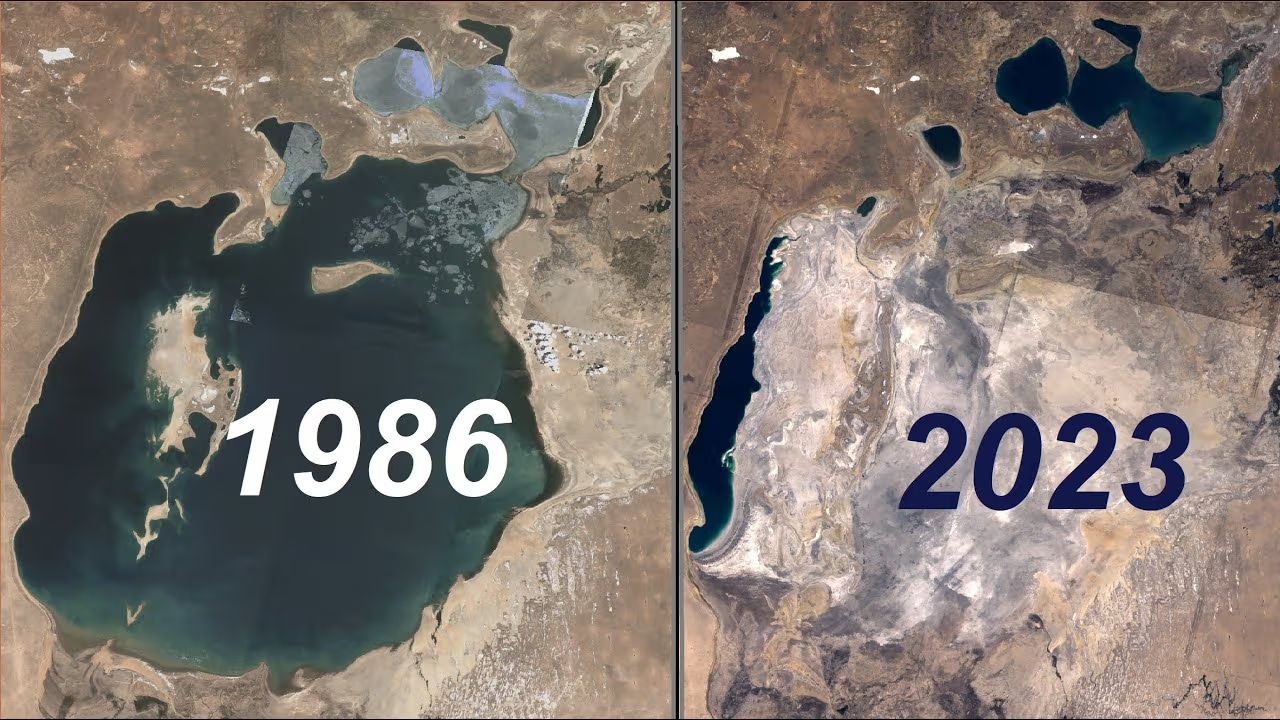
[CS] Aral Sea - background, causes, and consequence of ecosystem loss [9]
A lake located between Kazakhstan & Uzbekistan
It was fed by rivers but had no outflows
—————————————————————————————————--
Causes of loss:
1960 - Water management scheme
1) Desertification
Diverted two major rivers feeding Aral Sea to irrigate an area of desert
This reduced water flow, eventually drying up
2) Salinisation
As water volume decreased, salinity of remaining lake increased
—————————————————————————————————--
Consequence of loss:
Biodiversity loss - Conditions became inhabitable for endemic species, including extinction of 24 fish species & invertebrates
What is a biodiversity crisis?
The accelerated loss of species & ecosystems
How is evidence for a biodiversity crisis collected, and what are they used to track? [4]
Evidence can be gathered by conducting surveys, which are only reliable if repeated:
They can be used to track variables for changes in:
A species
An ecosystem
What aspects can surveys track of a species?
1) Numbers in species populations
2) Genetic diversity
3) Range of the species
What aspects can surveys track of an ecosystem?
1) Species diversity
2) Richness & evenness of biodiversity
3) Area occupied
4) Extent of ecosystem degradation
What is the biggest root of the biodiversity crisis, and reasons why? [4]
The exponential growth of the human population, driving an increase in:
a. Demand for resources (e.g. food, water, energy)
b. Space consumption
c. Industrial activity
What are other direct/indirect causes of the biodiversity crisis? [6]
Causes |
Over-exploitation |
Urbanisation |
Deforestation & land clearance → habitat loss |
Pollution |
Invasive alien species + pests |
Diseases |
What constitutes effective conservation?
No single method can address the numerous threats to biodiversity
Effective conservation combines two approaches:
In situ conservation
Ex situ conservation
Define and explain In situ conservation [6]
Definition: Protecting species within their natural habitat
Establish a protected area (e.g. national park or nature reserve), shielding ecosystems from harmful human activity
They require active management, e.g. removing alien species, control of population size & human access
—————————————————————————————————
For damaged ecosystems, rewilding & reclamation are required
Rewilding - Reintroducing keystone species & letting natural processes take over
Reclamation - Repairing damaged or degraded ecosystems
Define and explain Ex situ conservation [6]
Definition: Protecting species outside their natural habitat
Retain species in zoos, aquariums, & botanical gardens to prevent extinction in the wild
Techniques like captive breeding & germplasm storage are used
—————————————————————————————————
Captive breeding -
Limitations:
May lose genetic diversity over generations → less adaptable to environmental shifts & selection pressures
Many lose survival behaviours (e.g. predator avoidance)
—————————————————————————————————
Germplasm - Genetic material (e.g. seeds, embryos, tissues) stored for future use
Seed banks with cold, dry conditions are used to preserve plant diversity
Protects against climate & disease-related extinction, increasing food security
For animals, cryopreservation of sperm, eggs, & embryos serve a similar purpose
Explain what are EDGE species, and their purpose [5]
Refers to species that meet the following criteria:
Evolutionarily Distinct - Few or no close relatives, possessing unique traits, & sole surviving members of ancestral species
Globally Endangered - Serious risk of extinction due to declining populations, restricted geographical range, & human threat
Losing one of these species = losing entire evolutionary tree
Due to limited conservation resources, EDGE helps focus efforts where evolutionary loss is most severe