3-E Civics and Government
 Call Kai
 Learn
Learn Practice Test
 Spaced Repetition
 Match
Match Flashcards
 Knowt Play
1/5

There's no tags or description
Looks like no tags are added yet.
Name | Mastery | Learn | Test | Matching | Spaced | Call with Kai |
|---|
No analytics yet
Send a link to your students to track their progress
6 Terms
Importance of civic participation
Civic participation is a big part of the early childhood social studies standards. The development of civic competence requires an understanding of the foundations of political thought, and the historical development of various structures of power, authority, and governance. Learning the basic ideals and values of a constitutional democracy is crucial to understanding our system of government.
The United States is a republic, which means it is governed by elected representatives and by an elected leader (such as a president) rather than by a king or queen.
The structure of the government and division of its power and the laws by which the nation is governed are outlined in the United States Constitution.
Federalism.
Federalism refers to a type of government where powers are divided between the federal government and state governments.
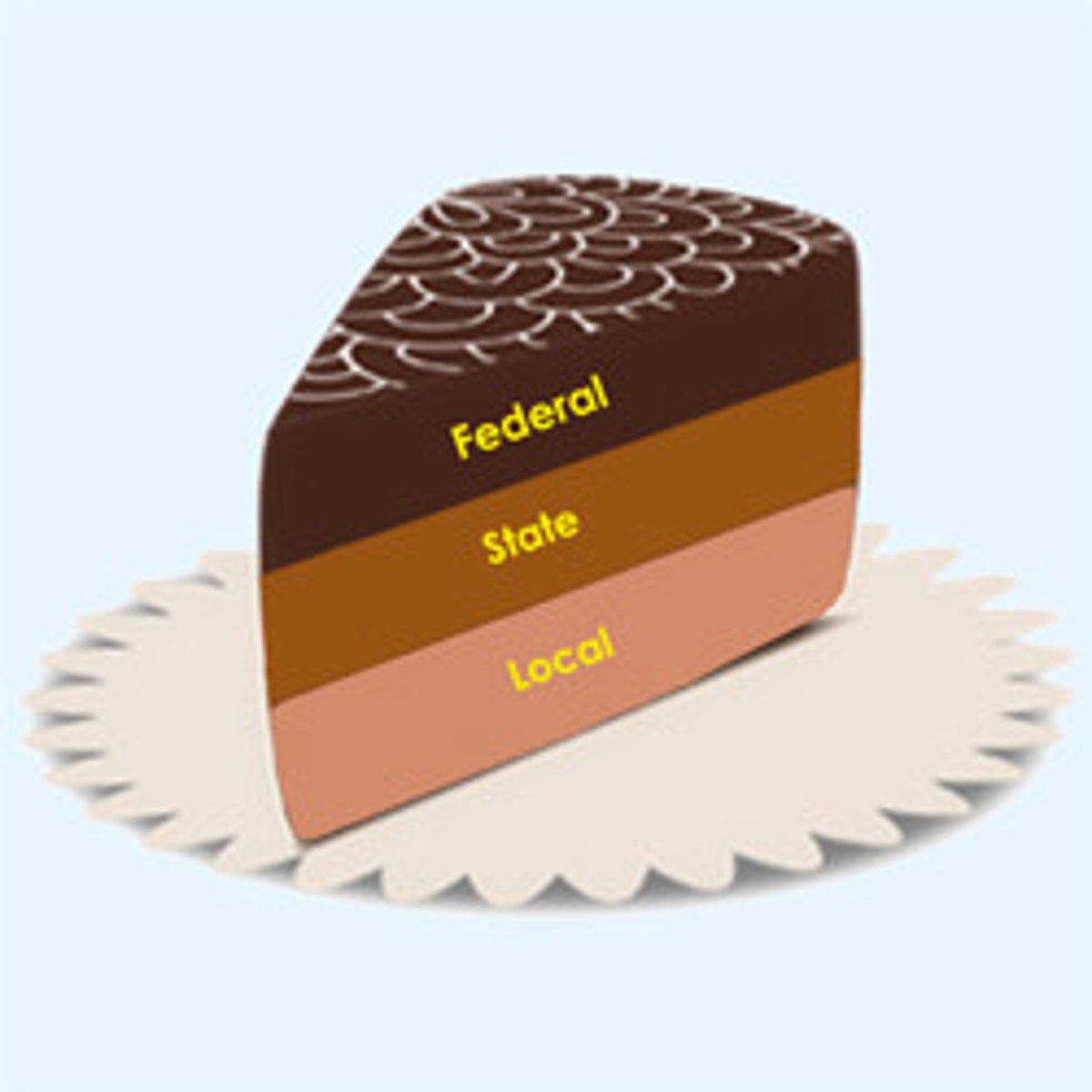
States' rights.
Political powers held for state governments rather than the federal government. The following fall under the umbrella of state powers:
• Issue licenses (e.g., marriage, drivers, business).
• Create local governments.
• Regulate industry.
• Ratify amendments to the State Constitution.
• Regulate commerce within state lines.
State government.
State government is modeled after the federal government's three branches: executive, legislative, and judicial. Each state has its own constitution. State constitutions are much more detailed than their federal counterpart. (The White House, n.d.).
Local government.
Local government is the public administration of towns, cities, counties, and districts. This type of government includes both county and municipal government structures. Citizens have much more contact with local governments than they do with the federal government (The White House, n.d.).
U.S. Citizen Rights and Responsibilities
Rights
• Freedom to express yourself.
• Freedom to worship as you wish.
• Right to a prompt, fair trial by jury.
• Right to vote in elections for public officials.
• Right to apply for federal employment requiring U.S. citizenship.
• Right to run for elected office.
• Freedom to pursue "life, liberty, and the pursuit of happiness."
Responsibilities
• Support and defend the Constitution.
• Stay informed of the issues affecting your community.
• Participate in the democratic process.
• Respect and obey federal, state, and local laws.
• Respect the rights, beliefs, and opinions of others. • Participate in your local community.
• Pay income and other taxes honestly and on time to federal, state, and local authorities.
• Serve on a jury when called upon.
• Defend the country if the need should arise.