Lab 1.1
 Call Kai
 Learn
Learn Practice Test
 Spaced Repetition
 Match
Match Flashcards
 Knowt Play
1/98

Earn XP
Description and Tags
i hate this class already
Name | Mastery | Learn | Test | Matching | Spaced | Call with Kai | Chat |
|---|
No analytics yet
Send a link to your students to track their progress
99 Terms
Anatomy
The “look”, specific study of body parts, organs, tissues.
Physiology
The “function”, study of how body systems work and interact.
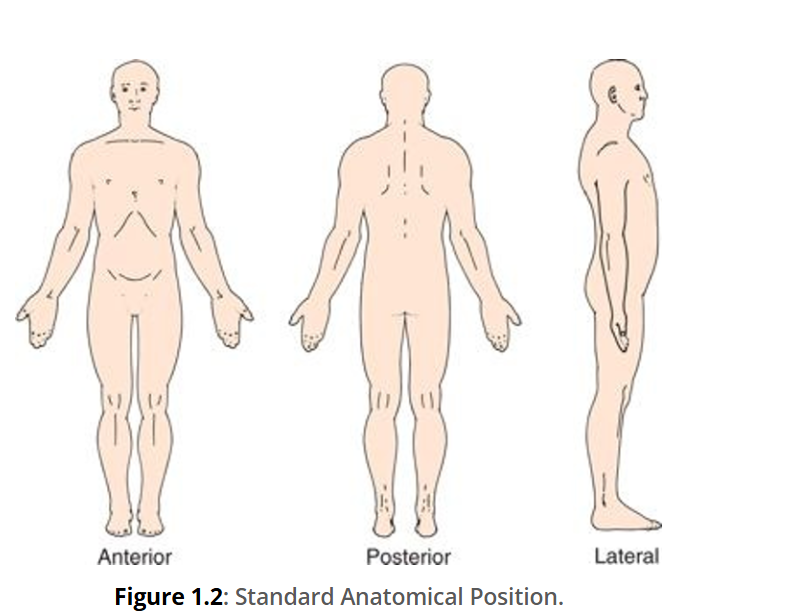
Standard Anatomical Position
Body upright and facing forward, arms stragith with palms facing forward, legs straight, feet flat and facing forward.
supine position
lying flat on their back, face-up
prone position
lying on their front, face-down
integumentary system
major organs: skin, hair, sweat, nails
functions: protection from environmental hazards, regulate body temp, sensory info
skeletal system
major organs: bones, cartilage, ligaments
functions: protection & support for tissues, calcium, forms blood cells
muscular system
major organs: skeletal muscle and tendons
functions: protection & support for tissues, maintains body temp
nervous system
major organs: brain, spinal cord
functions: response to stimuli and sensory info, moderates activities of other systems
endocrine system
major organs: pituitary gland, thyroid gland, adrenal gland, gonads, pancreas
functions: long-term activity of other systems, metabolism and energy,
cardiovascular system
major organs: heart, blood & blood vessels
functions: distributes blood cells, water that disolves oxygen, waste, co2. regulates body temp
lymphatic system
major organs: spleen, thymus, lymph nodes, tonsils
functions: defends against infections, tissue fluids to bloodstream
respiratory system
major organs: nasal cavities, sinus, trachea, bronchi, lungs
functions: delivers air to alveoli, oxygen to bloodstream
digestive system
major organs: teeth, tongue, pharnyx, esophagus, stomach, ahh
functions: process and digests food, absorbs water, nutrients, and energy
urinary system
major organs: kidneys, uretes, bladder, urethra
functions: excretes waste, stoes urine, regulates blood and pH levels
male reproductive system
major organs: testes, penis, prostate gland, scrotum
functions: produces sperm, hormones
female reproductive system
major organs: ovaries, uterus, vagina, mammary glands
functions: oocytes, supports embryo development, provides milk
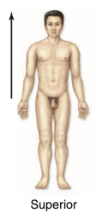
superior
closer to head

inferior
closer to feet
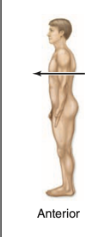
anterior
closer to front
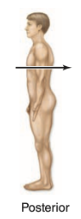
posterior
closer to back
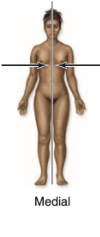
medial
closer to midline
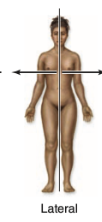
lateral
farther from midline
intermediate
between medial and lateral
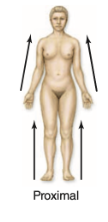
proximal
closer to the trunk
used in limbs.
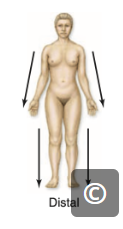
distal
farther from the trunk
superficial
closer to the surface
deep
farther from the surface
parietal
the wall of a body cavity
visceral
the covering of an organ
ipsilateral
same side of the body
contralateral
opposite side of the body
sagittal plane
divides left to right ← →
midsagittal plane
divides equal left and right parts
parasagittal plane
divides unequal left and right parts
frontal (coronal) plane
divides anterior and posterior parts (front back)
transverse plane
dives superior and inferior portions (up down)

cross section
ran perpendecular from the long axis
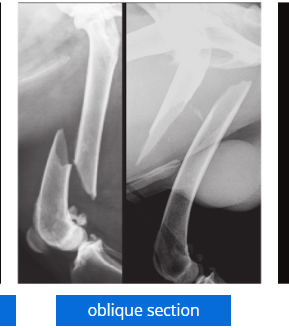
oblique section
cut at any other angle, uneven

longitudinal section
long axis of a long narrow structure
axial
where superior and inferior (up down) are used, skeletal that holds vital organs (ribs protect heart, chin apart of skull),
appendicular
where proximal and distal (forward back) are used, skeletal that supports limbs (legs to thigh, wrist to elbow)
mental
chin
axillary
armpit
pectoral
chest
sternal
sternum
coxal
hip
scapular
shoulder blade
brachial
arm
antecubital
front of elbow
olecranal
back of eblow
antebrachial
forearm
carpal
wrist
dorsum
back of hand
manual
hand
digital
finger
femoral
thigh
patellar
kneecap
popliteal
behind knee
crucal
leg
sural
calf
calcaneal
heel
plantar
sole
tarsal
ankle
dorsum
top of foot
hallux
great toe
cranial
surrounding brain
occipital
base of skull
otic
ear
dorsal (posterior) cavity
protects central nervous system organs. 2 systems:
cranial cavity: brain
vertebral cavity: spinal cord
both contain cerebrospinal fluid (CSF) and protected by membranes called meninges
ventral (anterior) cavity
two subdivisons
thoracic cavity: superior, ribcage. contains lungs (pleural cavity), heart (pericardial cavity).
diaphragm divides both cavities.
abdominopelvic cavity: abdominal cavity: stomach, intestines, spleen, liver. pelvic cavity: bladder, some reproductive organs, rectum
right upper quadrant
contains liver
left upper quadrant
contains spleen, left kidney, pancreas, stomach
right lower quadrant
doesnt have much
left lower quadrant
contains small intestine, urinary bladder
umbilical region
middle-middle quadrant, contains lower part of stomach
epigastric region
middle-up quadrant
hypogastric region
middle-down quadrant, contains urinary bladder and lower part of small intestine
right and left iliac region
lower regions, have small intestine and urinary bladder
right and left lumbar region
middle regions, contain stomach and part of pancrease. left contains left kidney.
right and left hypochondriac region
upper regions, right side contains liver, left side continas spleen and left kidney.
epithelial tissue
cover exterior surface of the body. internal cavities and passageways.
connective tissue
binds cells and organs together for protection
muscle tissue
excjtable, electrical stimulation and contracts to provide movement
nervous tissue
excitable, sends electrochemical signals and nerve impulses (action potentials)
microscope arm
connects head to the base
microscope base
bottom of the microscope
microscope coarse adjustment knob
moves stage up and down in large increments
microscope condenser
focuses light
microscope eyepieces
part you look into. holds ocular lens
microscope fine-adjustment knob
moves the stage up and down in small increments
microscope head
attachment and support for objective and ocular lens
microscope mechanical stage
holds the specimen
microscope stage controls
knobs on the side
microscope nosepiece
connects objective lens to the head, changes the lens
microscope objective lenses
three or four on microscopes, tells how much an image is magnified. 4x lens means specimen is 4 times its normal size
microscope objective lens
lenses located within eyepieces, magnifies ten times normal specimen size