Monomers, polymers, and into to organic compounds
 Call Kai
 Learn
Learn Practice Test
 Spaced Repetition
 Match
Match Flashcards
1/20

There's no tags or description
Looks like no tags are added yet.
Name | Mastery | Learn | Test | Matching | Spaced | Call with Kai | Chat |
|---|

21 Terms
Monomer
A smaller unit from which larger molecules are made.
Polymer
A molecule made from a large number of monomers joined together.
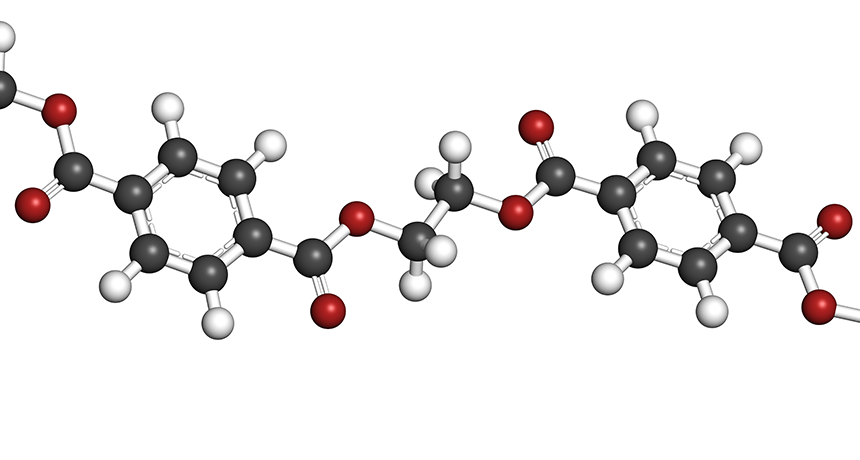
Macromolecule
A very large biological molecule, usually a polymer built from many smaller subunits.

Monosaccharide
The monomer from which larger carbohydrates are made.

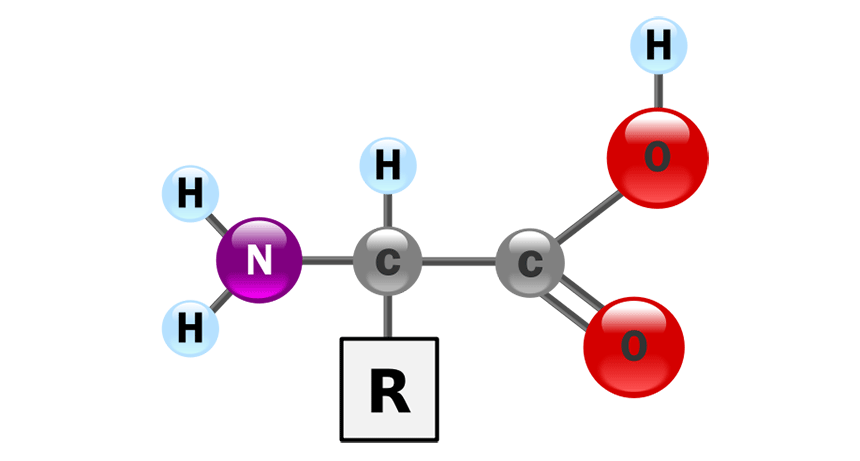
Amino acid
The monomer from which proteins are made.
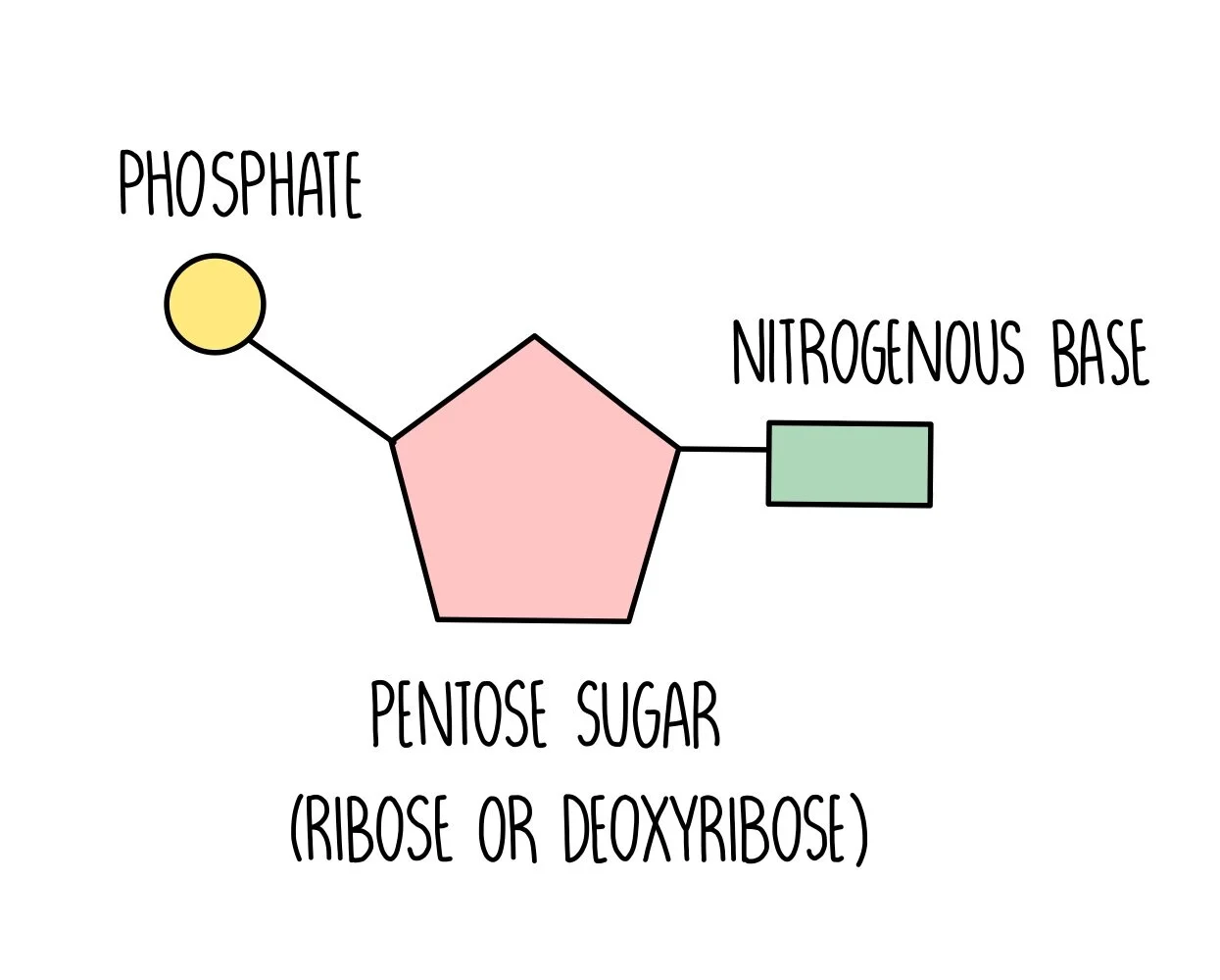
Nucleotide
The monomer from which nucleic acids are made.
Polypeptide
A polymer formed by the condensation of many amino acids.

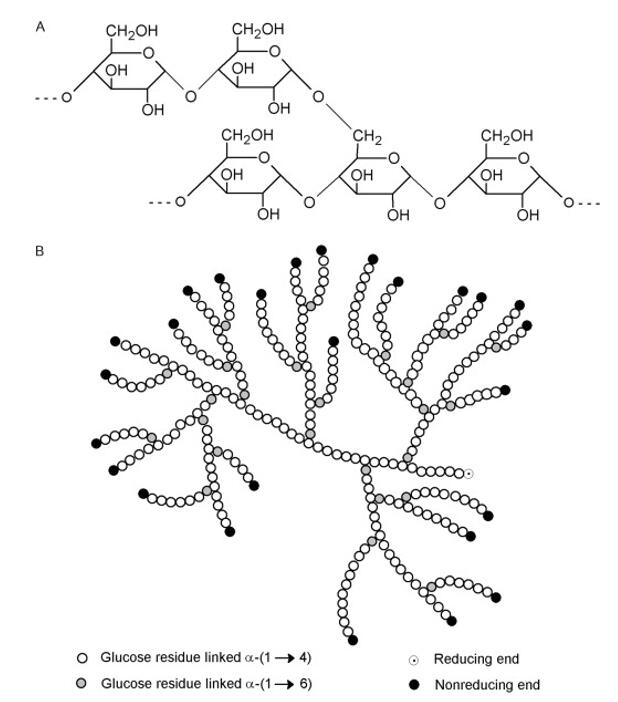
Polysaccharide
A polymer formed by the condensation of many monosaccharides.
Nucleic acid
A polymer of nucleotides — DNA or RNA.

Condensation reaction
A reaction that joins two molecules together with the formation of a chemical bond and involves the elimination of a molecule of water.
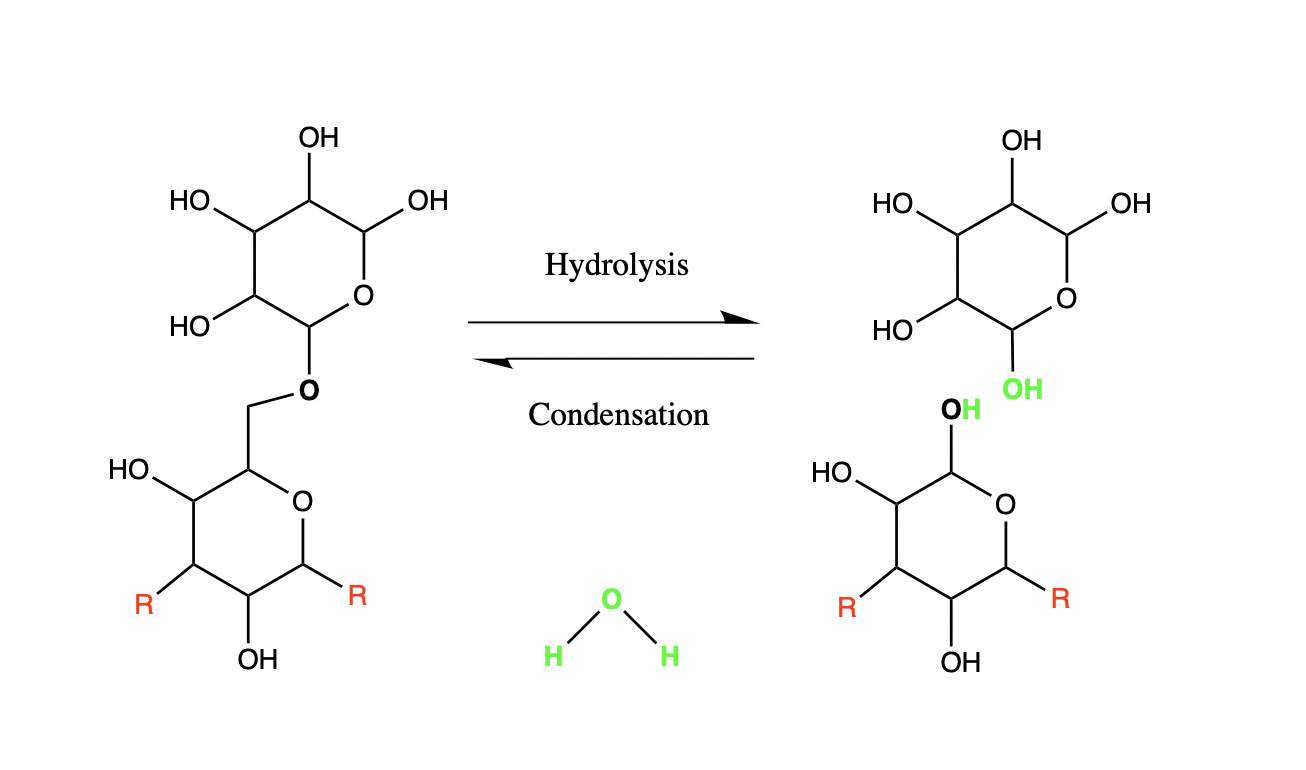
Hydrolysis reaction
A reaction that breaks a chemical bond between two molecules and involves the use of a water molecule.
Metabolite
A substance that takes part in a metabolic reaction, as either a reactant or a product.
Covalent bond
A bond formed when two atoms share a pair of electrons.

Ionic bond
A bond formed when electrons are transferred between atoms, producing oppositely charged ions that attract each other.
Organic compound
A compound that contains carbon and is found in living things.
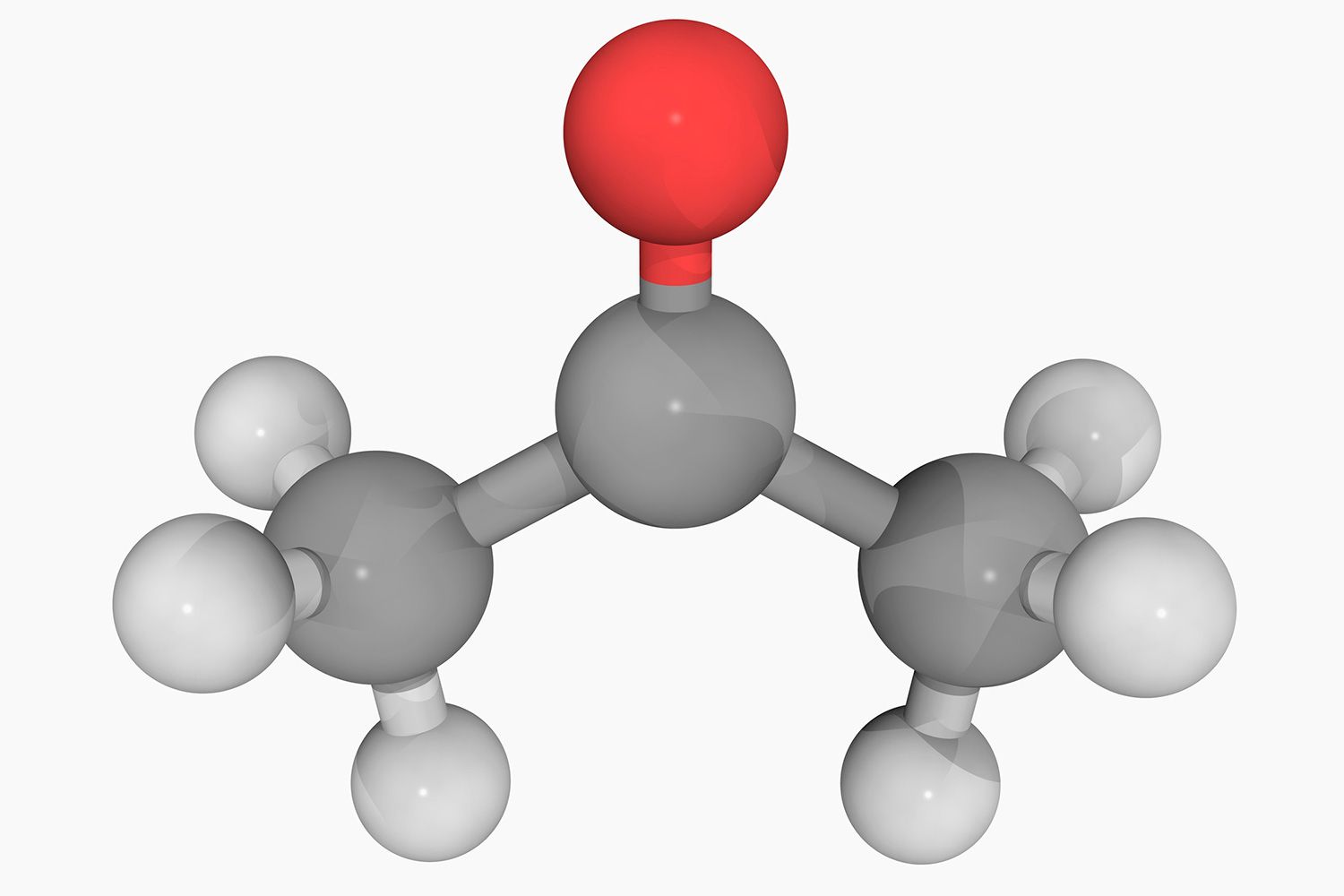
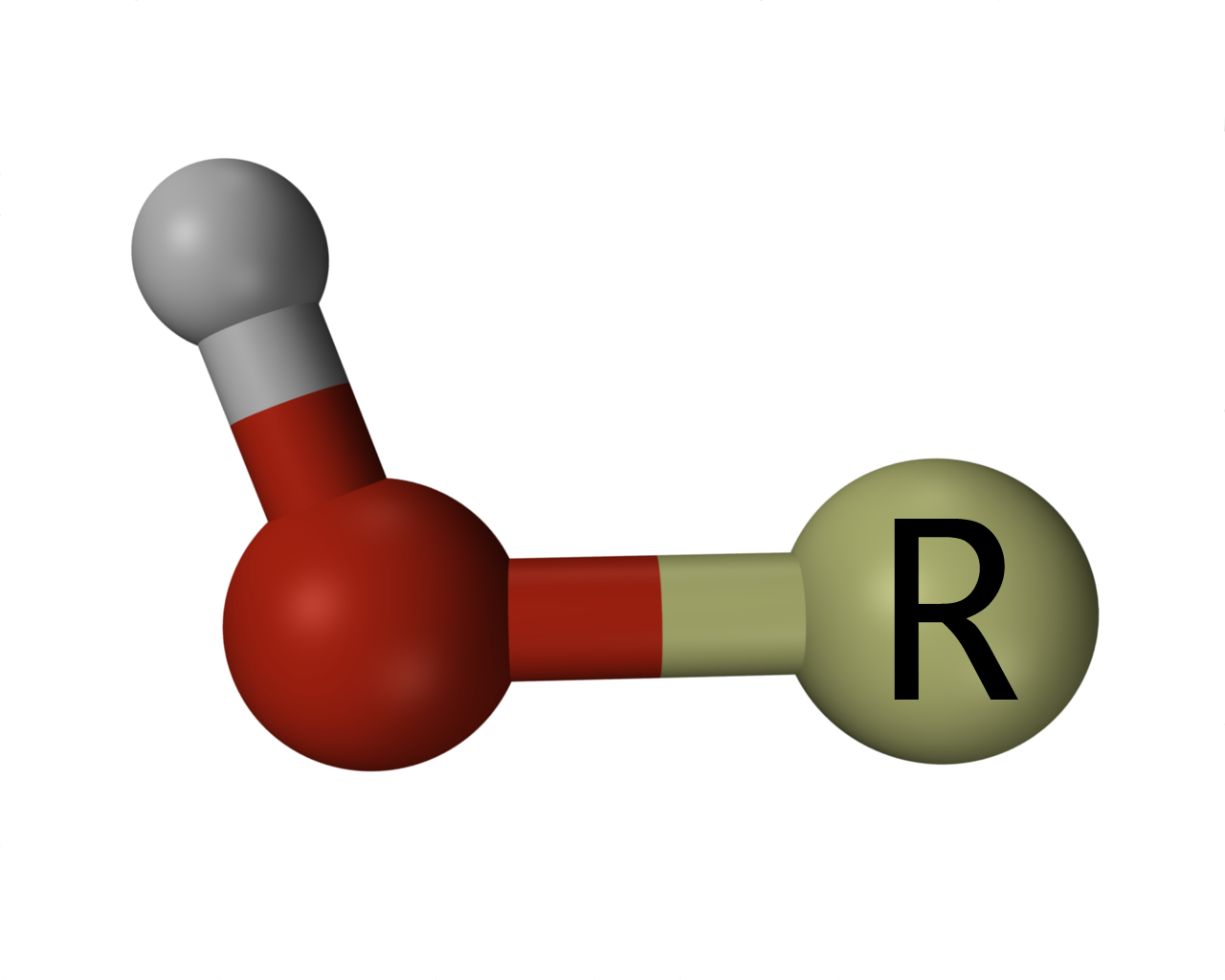
Hydroxyl group
An –OH group.
Isomer
One of two or more molecules with the same molecular formula but a different arrangement of atoms.

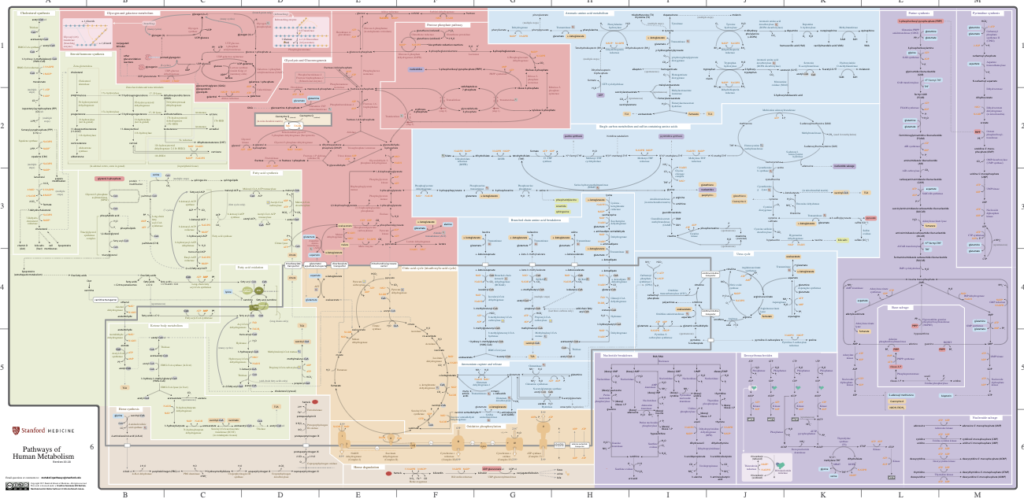
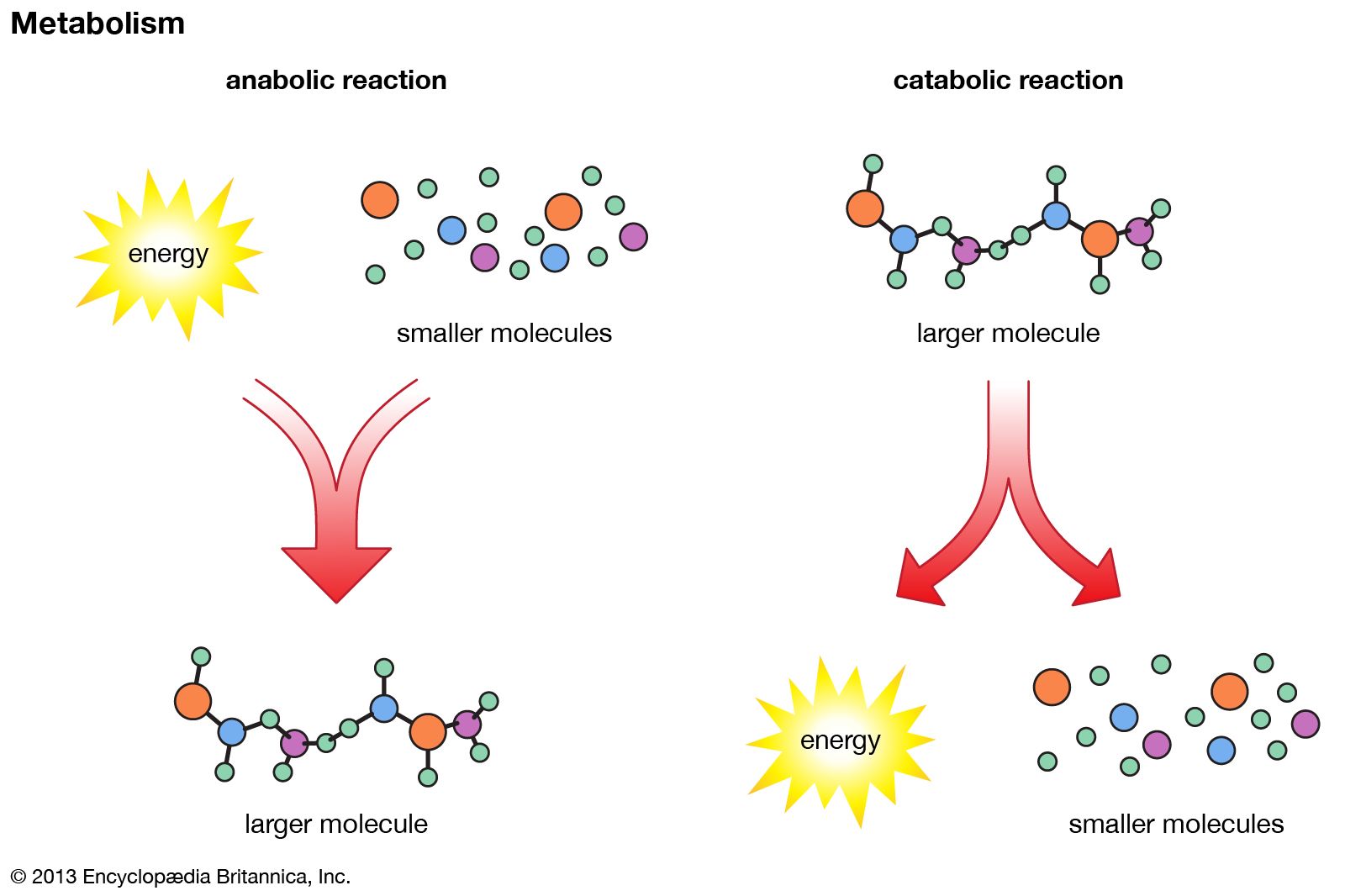
Metabolism
All of the chemical reactions taking place within an organism.
Anabolism
The construction of larger molecules from smaller subunits. Consumes energy.
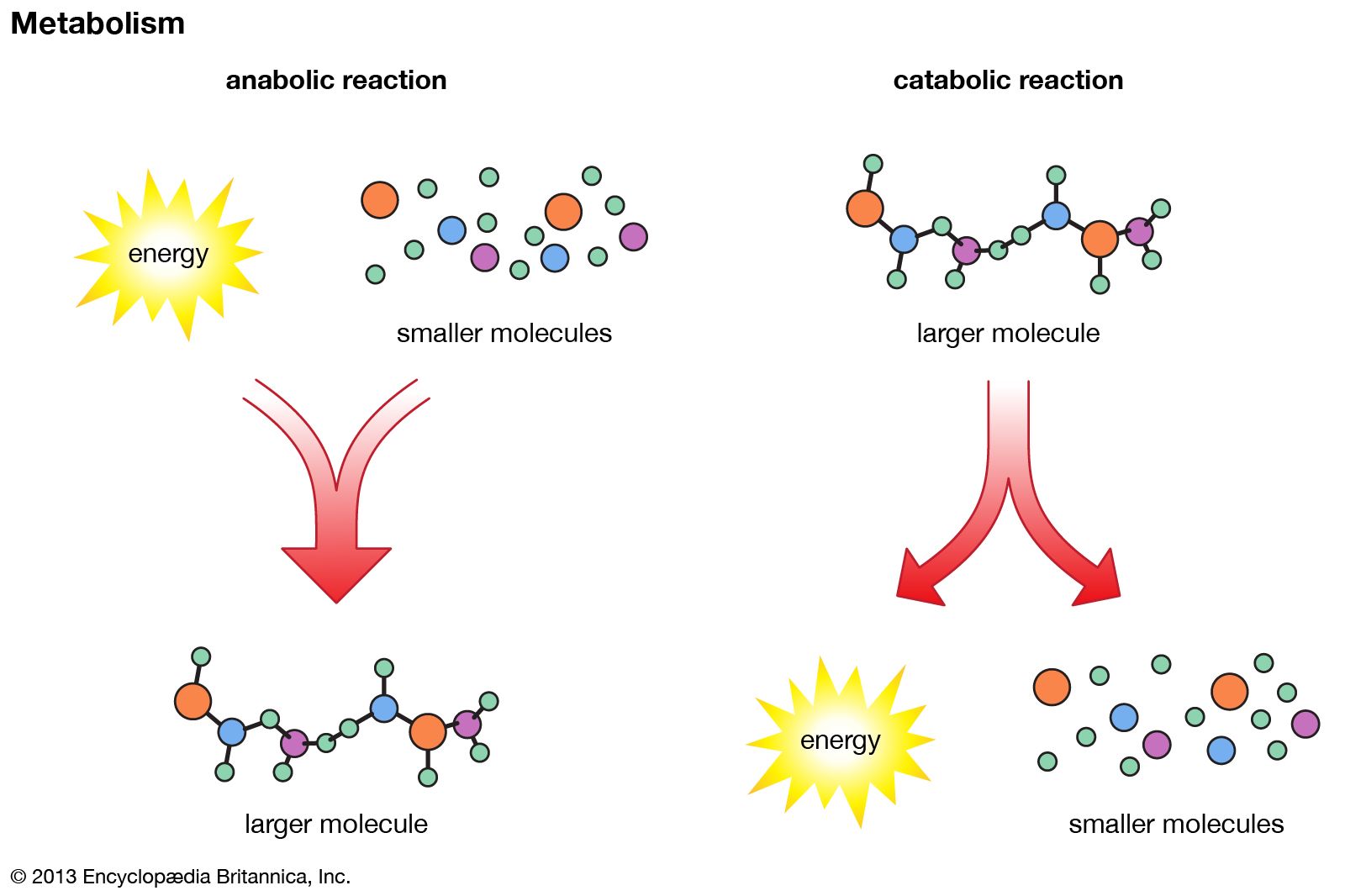
Catabolism
The breakdown of larger molecules into smaller subunits. Releases energy.
Biochemical basis of life
The observation that all living things, past and present, are built from the same few groups of carbon-based compounds and use the same reactions to build and break them.