Chemistry and Biochemistry (GCH 270)
 Call Kai
 Learn
Learn Practice Test
 Spaced Repetition
 Match
Match Flashcards
 Knowt Play
1/101

Earn XP
Description and Tags
Vocabulary practice flashcards covering fundamental chemistry, chemical reaction dynamics, inorganic and organic biomolecules, enzymes, and cell energy systems from the GCH 270 lecture.
Name | Mastery | Learn | Test | Matching | Spaced | Call with Kai | Chat |
|---|
No analytics yet
Send a link to your students to track their progress
102 Terms
Primary Elements of the Human Body
Carbon, hydrogen, oxygen, and nitrogen, which collectively make up about 96% of human body weight.
Reactants
The starting substances that undergo change during a chemical reaction.
Products
The new substances produced by a chemical reaction.
Exergonic Reaction
A chemical reaction that releases energy, leaving products with less potential energy than reactants.
Endergonic Reaction
A chemical reaction that absorbs energy, leaving products with more potential energy than reactants.
Biological Catalyst
An enzyme that speeds up a chemical reaction without being permanently altered itself.
Organic Compounds
Carbon-containing molecules created by living organisms, such as carbohydrates, lipids, proteins, and nucleic acids.
Inorganic Compounds
Compounds that lack carbon, including water, salts, acids, and bases (with exceptions like CO2).
High Heat Capacity of Water
Water's ability to absorb or release large amounts of heat with minimal temperature change, helping maintain body temperature.
High Heat of Vaporization of Water
The large amount of heat required to turn liquid water into gas, making sweating an effective cooling process.
Electrolytes
Compounds that split into free ions in water and conduct electrical currents.
Acid
A substance that releases hydrogen ions (H+) into a solution, making it more acidic.
Base
A substance that accepts hydrogen ions (H+) in a solution, making it more basic.
Blood pH Homeostasis
The tight regulation of arterial blood pH between 7.35 and 7.45 to maintain healthy cellular function.
Chemical Buffers
Substances that resist sudden pH changes by binding or releasing hydrogen ions (H+).
Carbonic Acid-Bicarbonate Buffer System
A vital blood buffer system represented by H2CO3⇌HCO3−+H+, where carbonic acid donates protons and bicarbonate accepts them.

Monosaccharides
Simple single sugar units, like glucose and ribose, that act as the building blocks for larger carbohydrates.
Polysaccharides
Long chains of linked simple sugars, such as starch for energy storage or cellulose for structural support.
Triglyceride
A fat molecule made of three fatty acid chains attached to a glycerol backbone, used for long-term energy storage and insulation.

Saturated Fatty Acid
A fatty acid chain with only single bonds between carbon atoms, typically solid at room temperature.
Unsaturated Fatty Acid
A fatty acid chain containing one or more double carbon bonds, typically remaining liquid at room temperature; heart-healthydue to their ability to improve cholesterol levels and reduce heart disease risk.
Phospholipid
A lipid with a water-loving head and water-fearing tail that forms the main structure of cell membranes.

Cholesterol
A four-ring steroid lipid used as a building block for steroid hormones, vitamin D, and bile salts.

Prostaglandins
Lipid signaling molecules that help control blood pressure, inflammation, blood clotting, and labor contractions.
Amino Acids
The 20 distinct building blocks that join together via peptide bonds to form proteins.
Collagen
The most abundant structural protein in the body, providing high strength to connective tissues, skin, and bones.

Transport Proteins
Proteins that carry substances through the bloodstream or across cell membranes, such as oxygen-carrying hemoglobin.

Contractile Proteins
Proteins such as actin and myosin that slide past one another to enable muscle movement and cell division.

Antibodies
Proteins produced by immune cells that bind to and neutralize foreign targets like bacteria and viruses.

Fibrous Proteins
Long, strand-like structural proteins that provide support and strength to body tissues.
Globular Proteins
Compact, spherical functional proteins that drive active biological processes like immunity and catalysis.
Protein Denaturation
The loss of a protein's three-dimensional shape caused by extreme heat or acidity, making it lose its function.
Activation Energy
The minimum energy needed to kickstart a chemical reaction, which enzymes lower to speed up reactions.

Deoxyribonucleic Acid (DNA)
A double-stranded molecule that contains the genetic code and master instructions for making proteins.

Ribonucleic Acid (RNA)
A single-stranded molecule that carries out genetic instructions from DNA to build proteins.
Adenosine Triphosphate (ATP)
The primary energy molecule used by cells, composed of ribose, adenine, and three phosphate groups.

Phosphorylation
The transfer of a high-energy phosphate group from ATP to another molecule to power cellular tasks.

why is ionic balance important?
crucial for maintaining cellular homeostasis, regulating fluid balance, and ensuring proper nerve and muscle function.
eicasanoids
derived from a fatty acid chain in cell membrane; key example is prostaglandins
proteins
long chains of amino acids joined by peptide bonds
how do cell use ATP?
phosphorylation; terminal phosphates are enzymatically transfered to and energized by other molecules
Principle of Complementarity of Structure and Function
The biological concept stating that a cell's specific functional activities are dictated and determined by its structural shape.
Extracellular Fluid (ECF)
Body fluid located outside cells, composed of vascular fluid (plasma, lymph) and extravascular interstitial fluid that bathes tissues.
Intracellular Fluid (ICF)
Fluid contained strictly within cell plasma membranes, making up roughly 60% of total body water.
Fluid Mosaic Model
The structural representation of the plasma membrane as a dynamic lipid bilayer embedded with floating proteins.
Glycocalyx
A carbohydrate-rich surface layer of glycolipids and glycoproteins that acts as a biological marker for cell recognition.
Integral Proteins
Transmembrane proteins that extend completely through both layers of the lipid bilayer, serving as channels, carriers, or receptors.
Peripheral Proteins
Proteins attached loosely to the internal or external surface of the plasma membrane, functioning as enzymes or structural anchors.
Tight Junctions
Impermeable cell junctions created by fused membrane proteins that form continuous seals preventing fluid leakage between cells.
Desmosomes
Mechanical anchoring junctions that rivet adjacent cells together to prevent tissue tearing under mechanical stress.
Gap Junctions
Communicating cell junctions made of hollow protein pores (connexons) that allow ions and small molecules to pass directly between cells.
Simple Diffusion
The unassisted passive movement of nonpolar, lipid-soluble solutes directly through the phospholipid bilayer down their concentration gradient.
Aquaporins
Specialized transmembrane channel proteins that permit the rapid movement of water molecules during osmosis.
Primary Active Transport
Membrane transport that directly uses energy from ATP hydrolysis to pump solutes against their concentration gradient.
Secondary Active Transport
Membrane transport driven indirectly by stored energy from ionic gradients created by primary active transport.
Sodium-Potassium Pump
A primary active transport protein that moves 3Na+ ions out of the cell and 2K+ ions into the cell to maintain resting potential.
Phagocytosis
A type of endocytosis in which pseudopods engulf large solid particles or cell debris, bringing them into the cell within a phagosome.
Pinocytosis
A non-selective form of endocytosis in which the plasma membrane infolds to sample extracellular fluid and dissolved solutes.
Receptor-Mediated Endocytosis
A highly selective vesicular transport mechanism where specific target molecules bind extracellular receptors before entering the cell.
Exocytosis
A vesicular transport process in which intracellular secretory vesicles fuse with the cell membrane to eject substances out of the cell.
Resting Membrane Potential (RMP)
The electrical voltage difference across a static cell membrane produced by unequal charge distribution.
Endomembrane System
An interconnected group of membrane-bound organelles (ER, Golgi apparatus, lysosomes, nuclear envelope) working together to synthesize, store, and export molecules.
Autophagy
A self-cleaning cellular process where unneeded cytoplasm or damaged organelles are enclosed in autophagosomes and digested by lysosomes.
Ubiquitin-Proteasome Pathway
A cell quality control pathway that marks damaged or misfolded proteins and breaks them down.
Apoptosis
A orderly, programmed cell death process that removes old, damaged, or redundant cells without triggering tissue inflammation.
glycolipids
lipid with carbohydrate/sugar & helps with cell signaling and recognition
cell junction
allow neighboring cells to adhere & communicate
carrier-mediate facilitated diffusion
A passive transport process in which a specific solute binds to a transmembrane protein carrier, causing the protein to change shape and move the solute across the plasma membrane down its concentration gradient.
channel mediated diffusion
A passive transport process that allows specific molecules to pass through a membrane via special protein channels, following their concentration gradient.
vesicular trafficking
The process by which materials are transported within vesicles in a cell, facilitating the transport of large molecules or groups of molecules across the cell membrane.
4 cell aging theories
wear & tear: damage builds up over time
mitochondrial theory: mitochondria becomes less efficient at making energy
immune theory: immune system becomes weaker or has harmful responses
genetic theory: aging is programmed in our genes
resting membrane potential
The electrical potential difference across the plasma membrane of a resting cell, primarily determined by the distribution of ions such as sodium and potassium.
ligands
Molecules that bind to receptors on cells to trigger a biological responseor influence cellular activity.
cell division
The process by which a parent cell divides into two or more daughter cells, involving various stages such as mitosis and cytokinesis.
stages of cell division
The distinct phases that a cell undergoes during division, including prophase, metaphase, anaphase, and telophase, followed by cytokinesis.
cytokinesis
The final stage of cell division, where the cytoplasm of a parental cell is divided into two daughter cells, following mitosis.
enzymes
Biological catalysts that accelerate chemical reactions in living organisms, often by lowering the activation energy required.
monosaccharides
Simple sugars that are the basic building blocks of carbohydrates, consisting of one sugar unit and easily absorbed by the body.
disaccharides
Carbohydrates formed from two monosaccharide units linked together by a glycosidic bond, commonly found in sucrose and lactose.
polysaccharides
Carbohydrates composed of long chains of monosaccharide units linked by glycosidic bonds, including starch and glycogen.
steroids
A class of organic compounds characterized by a four-ring structure. They include hormones, cholesterol, and many vitamins, playing vital roles in biological processes.
why is water so vital to life?
High heat capacity, high heat vaporization, polar solvent properties, reactivity, & cushioning
salts
ionic compounds that dissociate into ions in water
trans fats
modified oils; considered unhealthy due to their contribution to heart disease and other health issues.
omega-3 fatty acids
essential fats not produced by the body, beneficial for heart and brain health; found in fish, flaxseed, and walnuts.
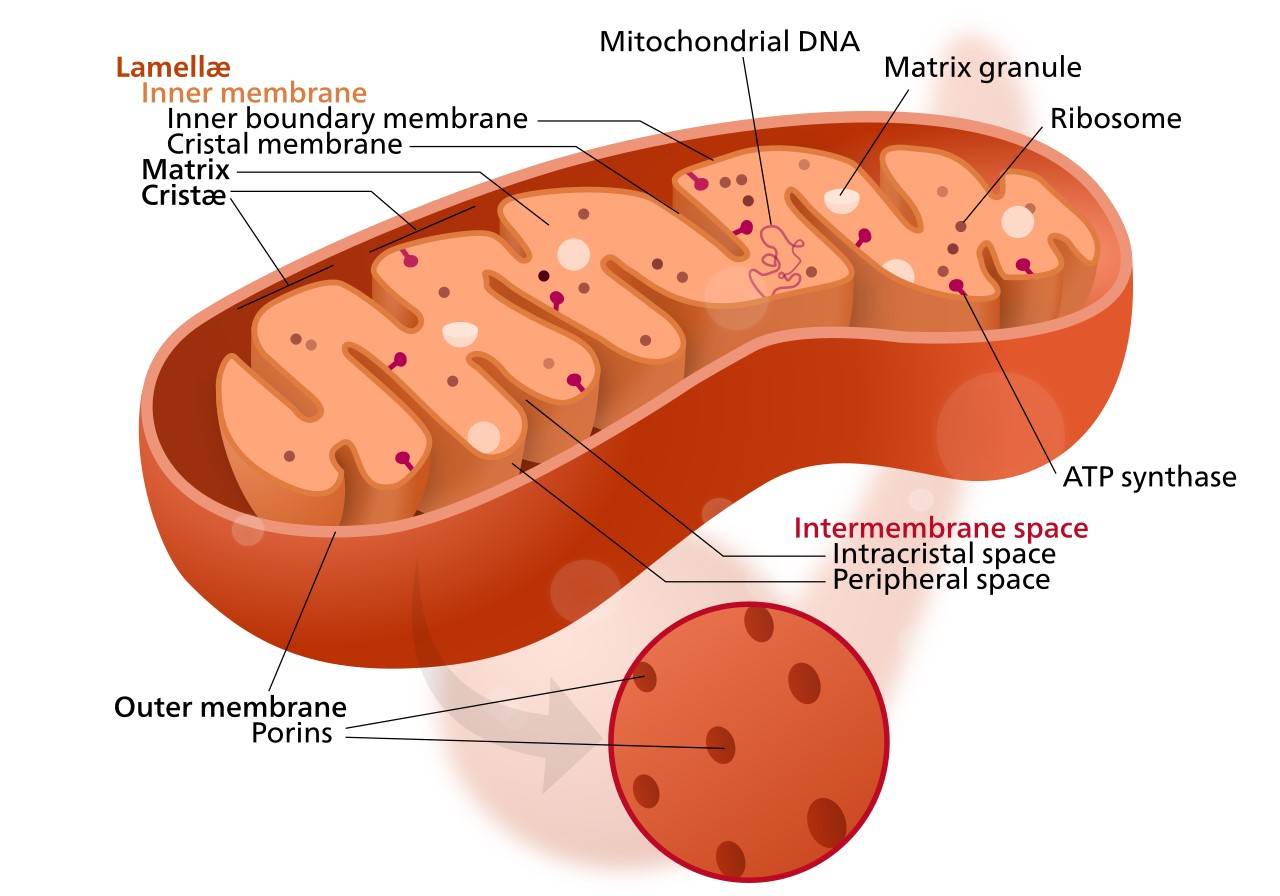
mitchondria
site of ATP synthesis; powerhouse of cell

ribosomes
sites of protein synthesis in the cell, where amino acids are assembled into proteins from messenger RNA.
rough endoplasmic reticulum (Rough ER)
a membranous organelle studded with ribosomes, involved in protein synthesis and processing.

smooth endoplasmic reticulum (smooth ER)
a membranous organelle involved in lipid synthesis and detoxification, lacking ribosomes.
golgi apparatus
a membranous organelle that modifies, sorts, and packages proteins and lipids for secretion or delivery to other organelles.
peroxisomes
Small, membrane-bound organelles that contain enzymes for oxidation reactions, including the breakdown of fatty acids and detoxification of hydrogen peroxide.
lysosomes
membrane-bound organelles that contain digestive enzymes to break down waste materials and cellular debris.
centrioles
Cylindrical structures found in pairs; are made of microtubules and play a crucial role in cell division by helping in the formation of the spindle fibers.
nucleus
largest organelle; contains the cell's genetic material, organized as chromosomes, and is responsible for regulating gene expression and cell division.
nuclear envelope
A double-membrane structure that surrounds the nucleus, separating it from the cytoplasm and regulating the passage of materials in and out of the nucleus.
nucleolus
A dense region within the nucleus where ribosomal RNA (rRNA) is synthesized and ribosome assembly begins.
chromatin
A complex of DNA and proteins found within the nucleus undergoes structural changes to become chromosomes during cell division.