Exceptions to General Embryonic Patterns
 Call Kai
 Learn
Learn Practice Test
 Spaced Repetition
 Match
Match Flashcards
 Knowt Play
1/32

There's no tags or description
Looks like no tags are added yet.
Name | Mastery | Learn | Test | Matching | Spaced | Call with Kai | Chat |
|---|
No analytics yet
Send a link to your students to track their progress
33 Terms
After sperm penetration in a frog embryo, which embryo pole rotates toward the point of penetration?
animal pole
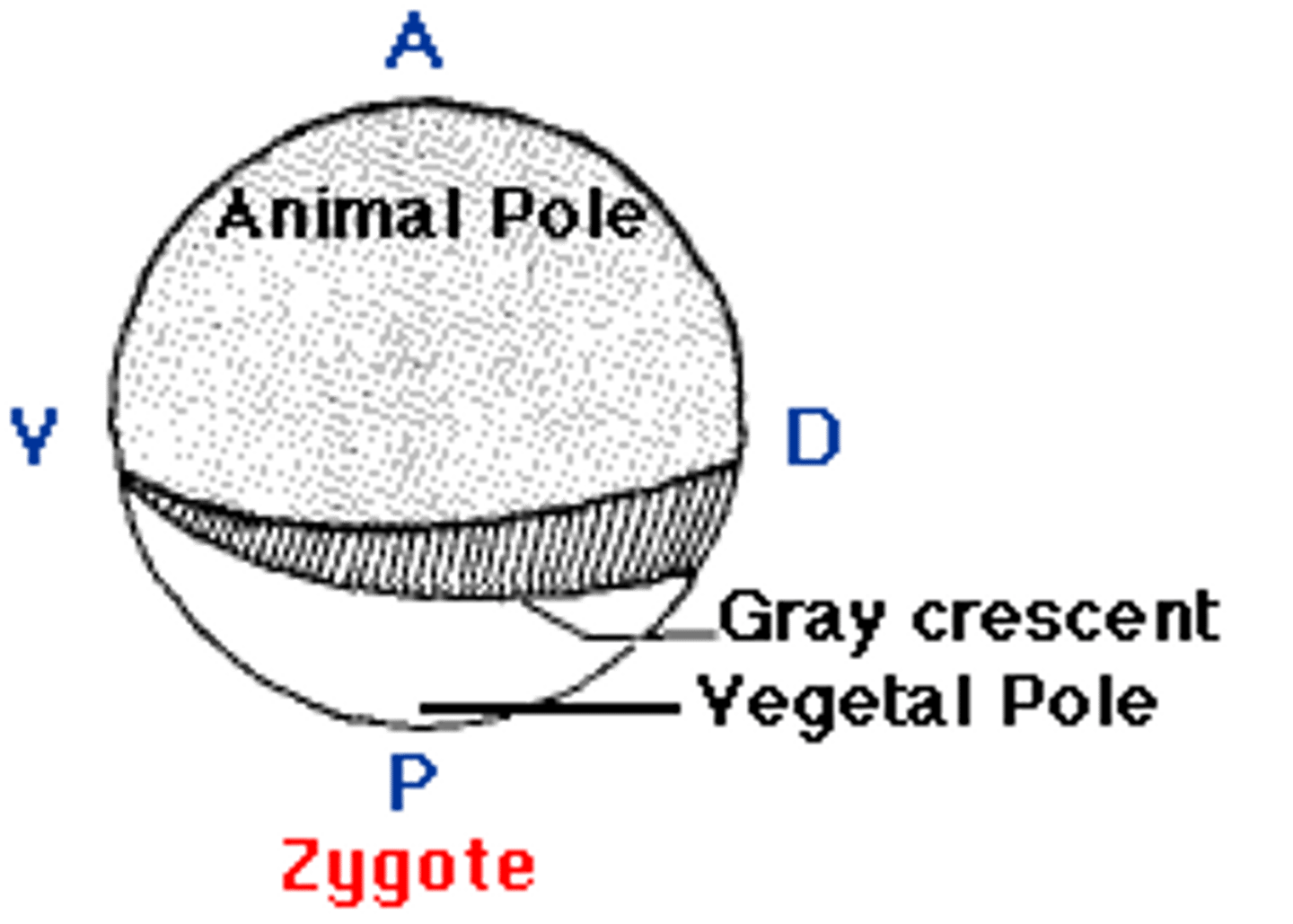
Which embryonic structure forms opposite of the point of sperm penetration in frog embryos?
gray crescent
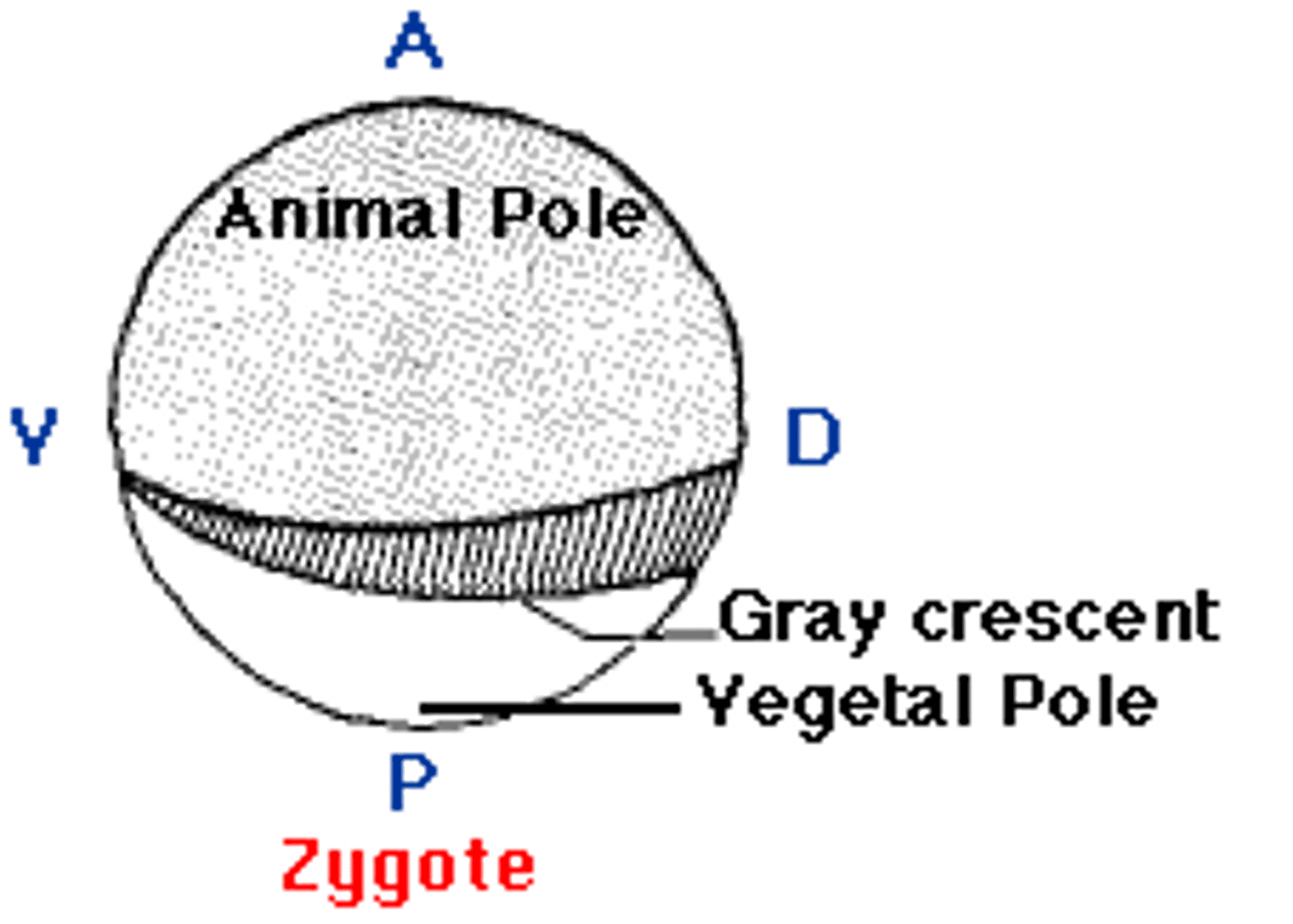
What is the conclusion of the gray crescent experiment?
cleaved cells could develop into a frog only if they had some portion of the gray crescent
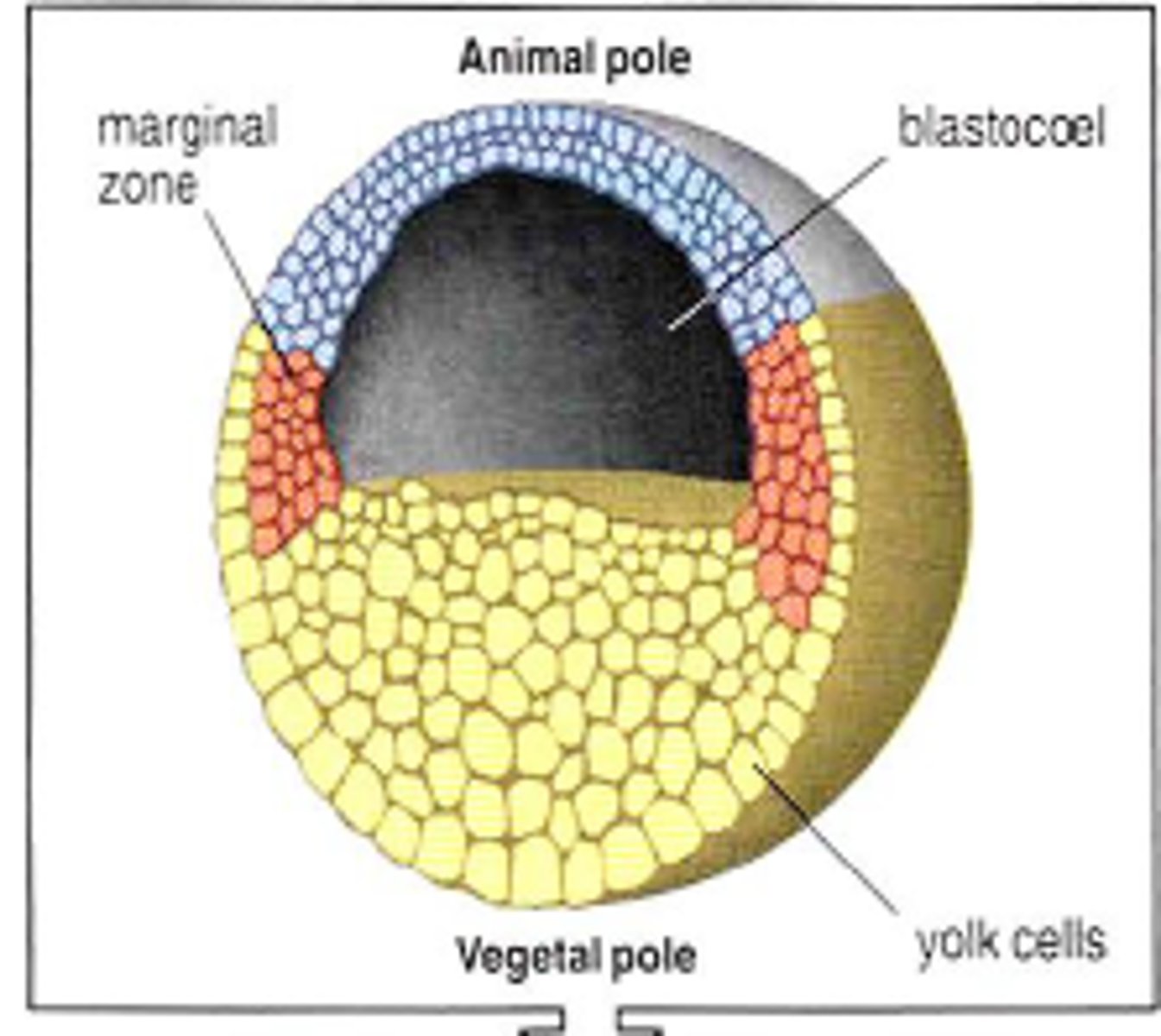
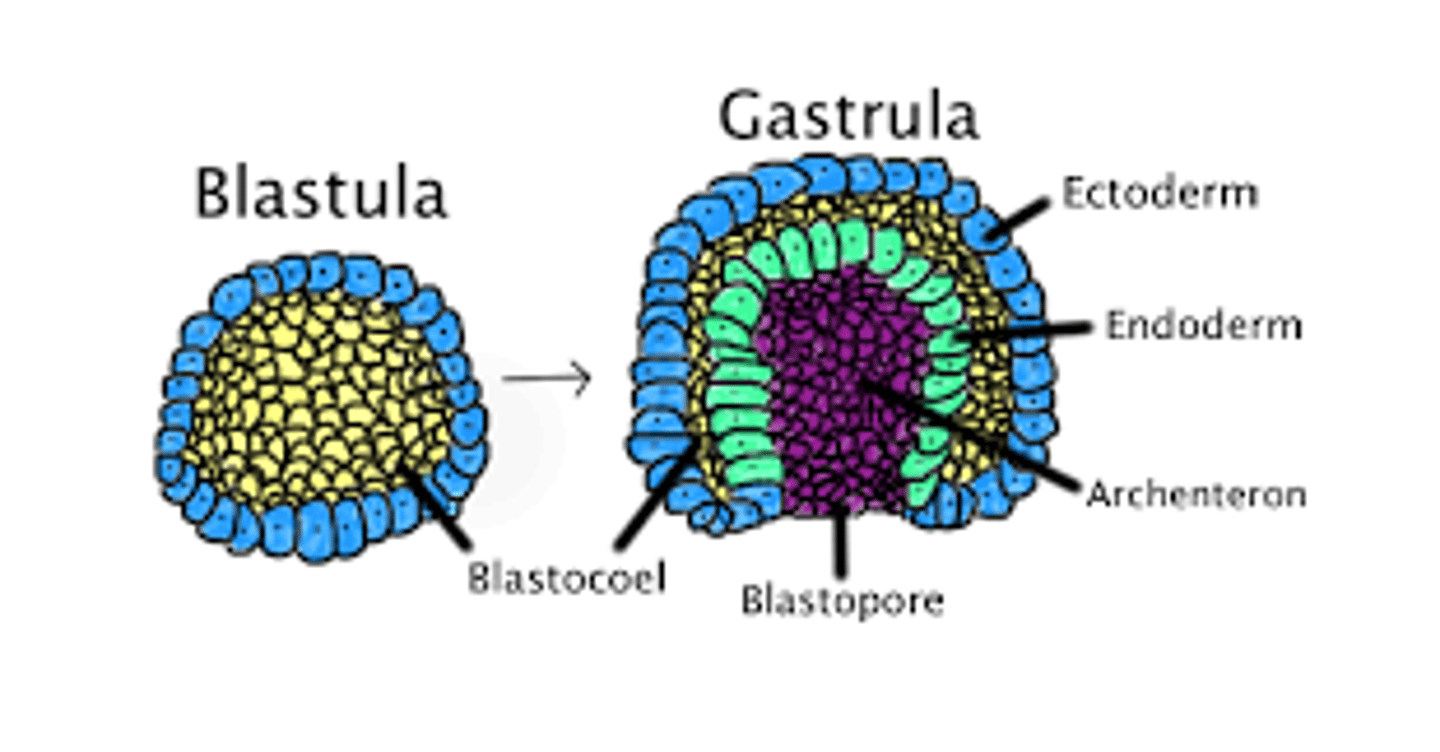
Where does the blastopore form in a frog embryo?
between the gray crescent and the vegetal pole
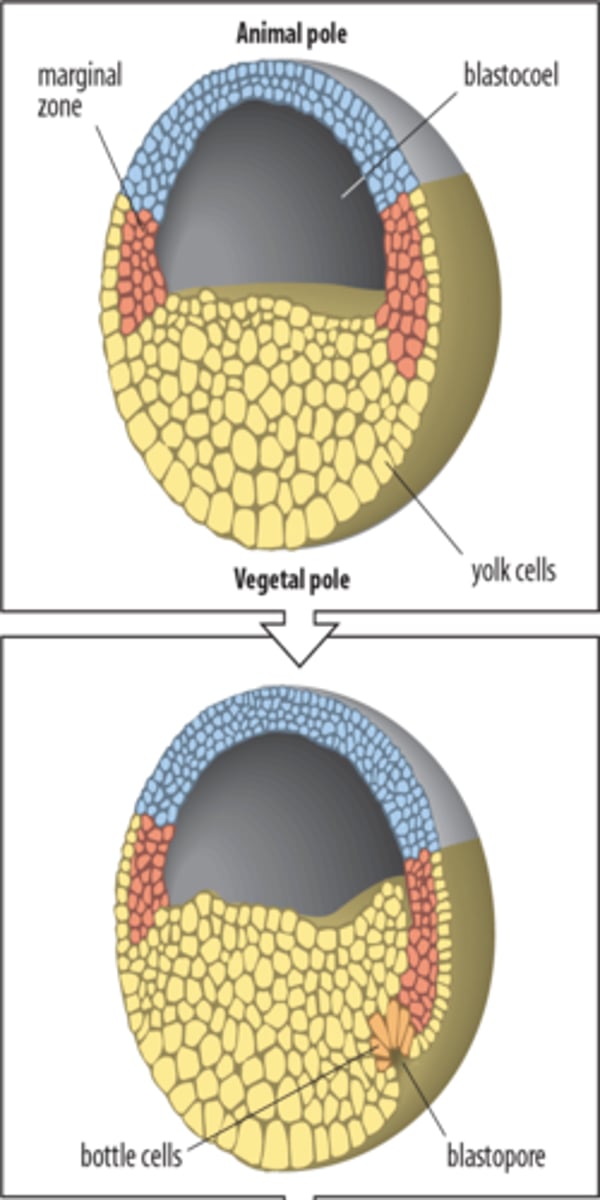
What is the process called when cells migrate over the top edge of, and into, the blastopore during gastrulation?
involution
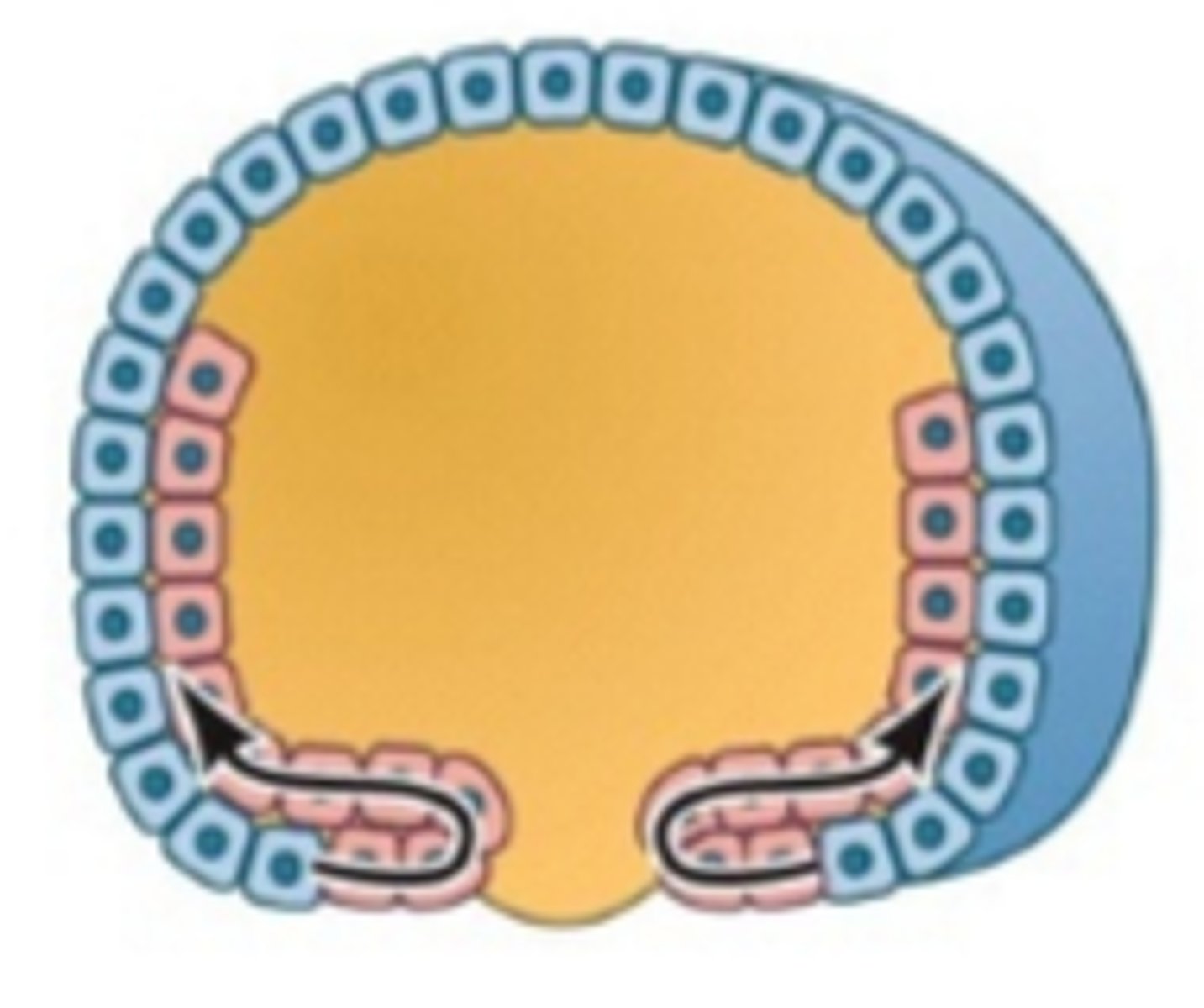
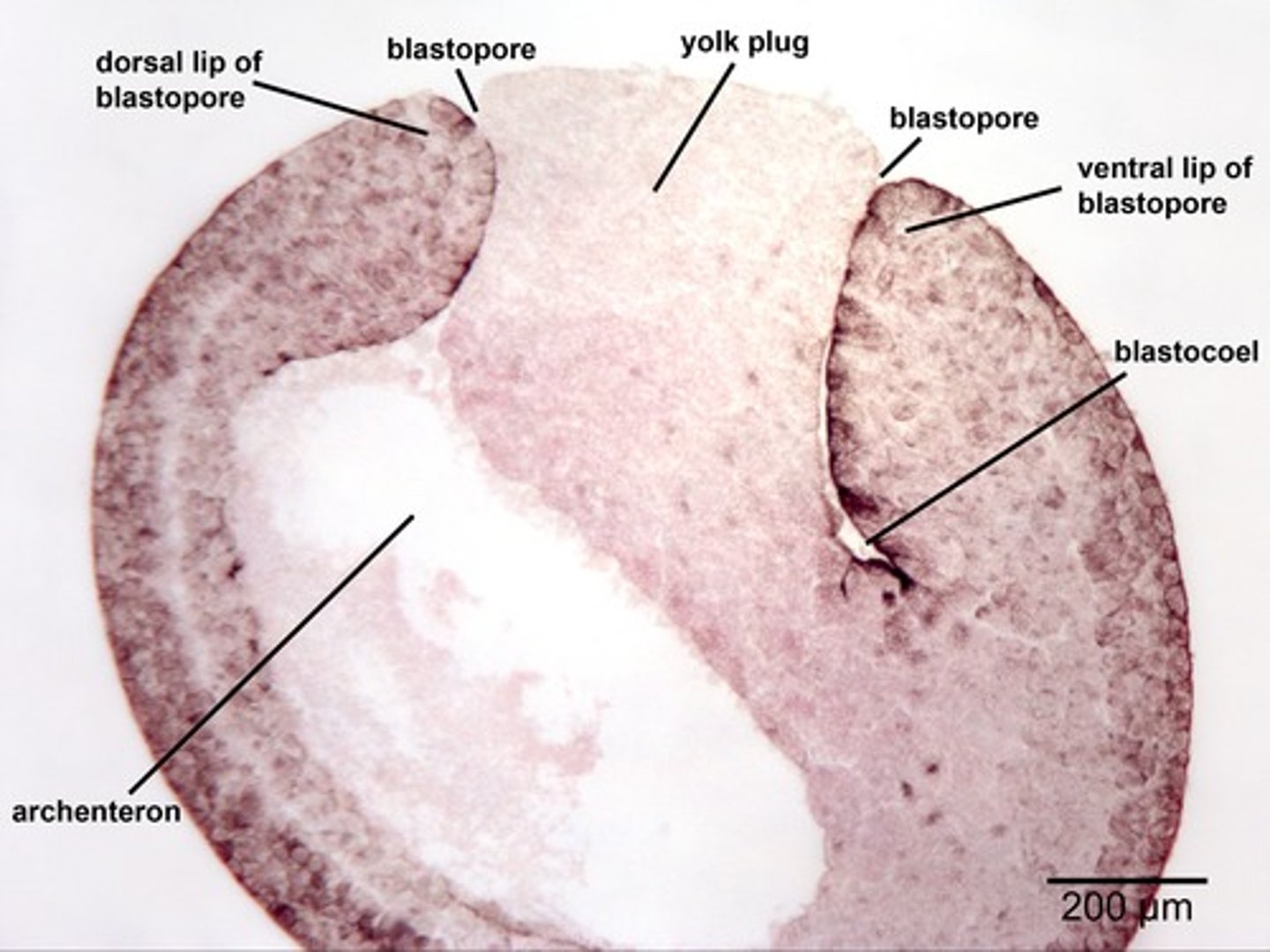
What region forms in the same region previously occupied by the gray crescent after involution in a frog embryo?
dorsal lip
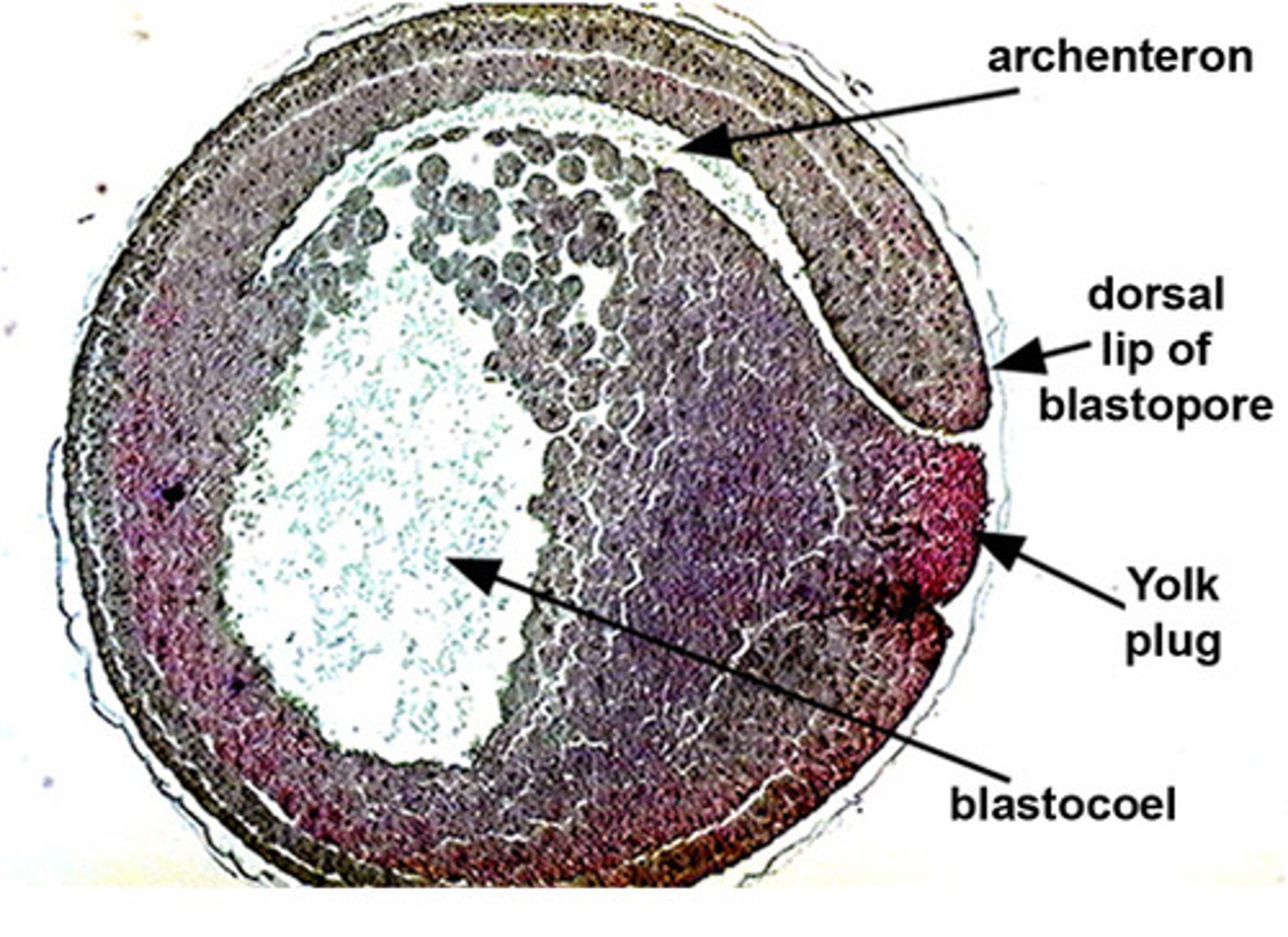
During gastrulation in a frog embryo, what cavity disappears and is replaced by the archenteron?
blastocoel
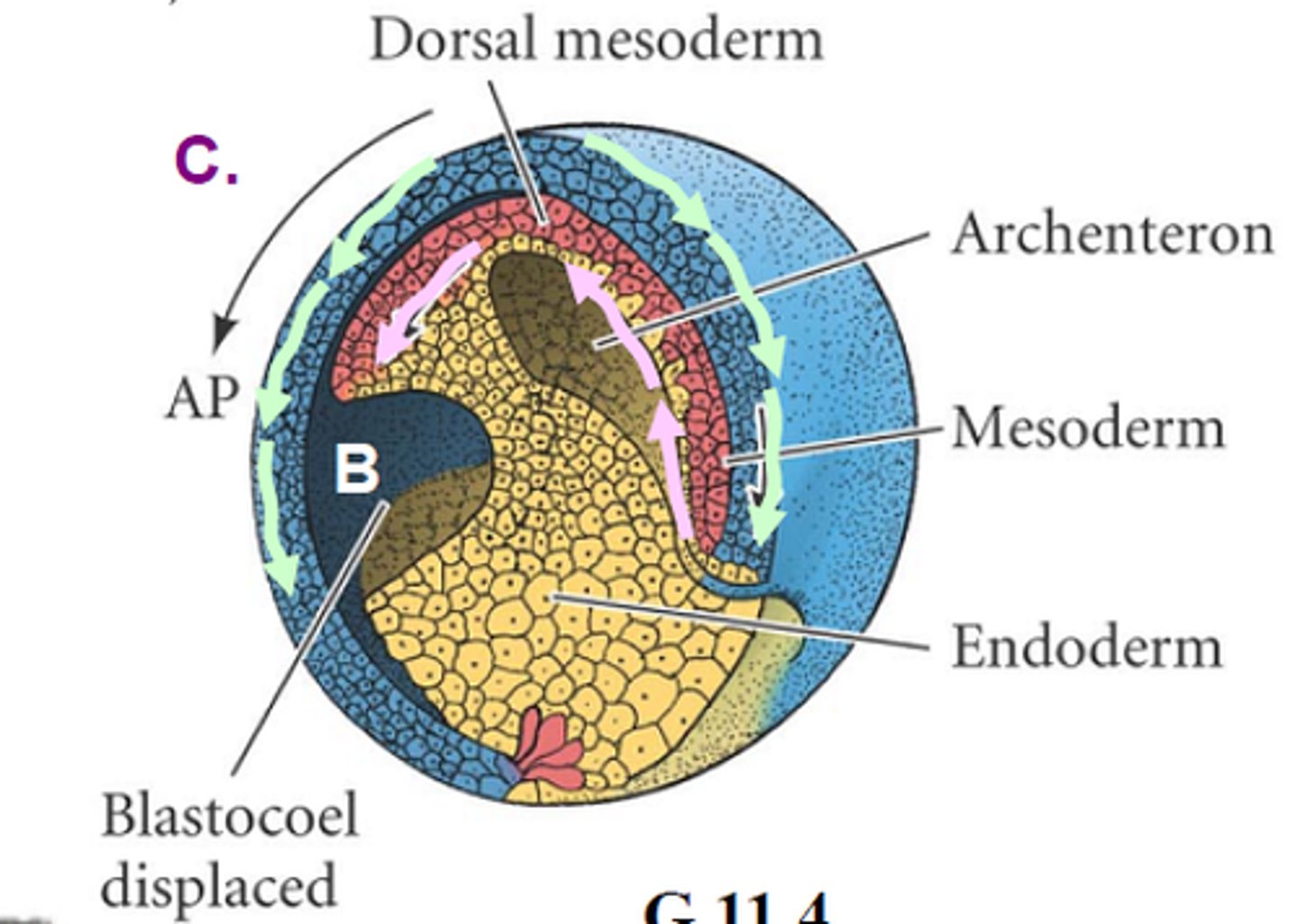
The bottom edge of the blastopore becomes what region in frog embryo gastrulation?
ventral lip of the archenteron
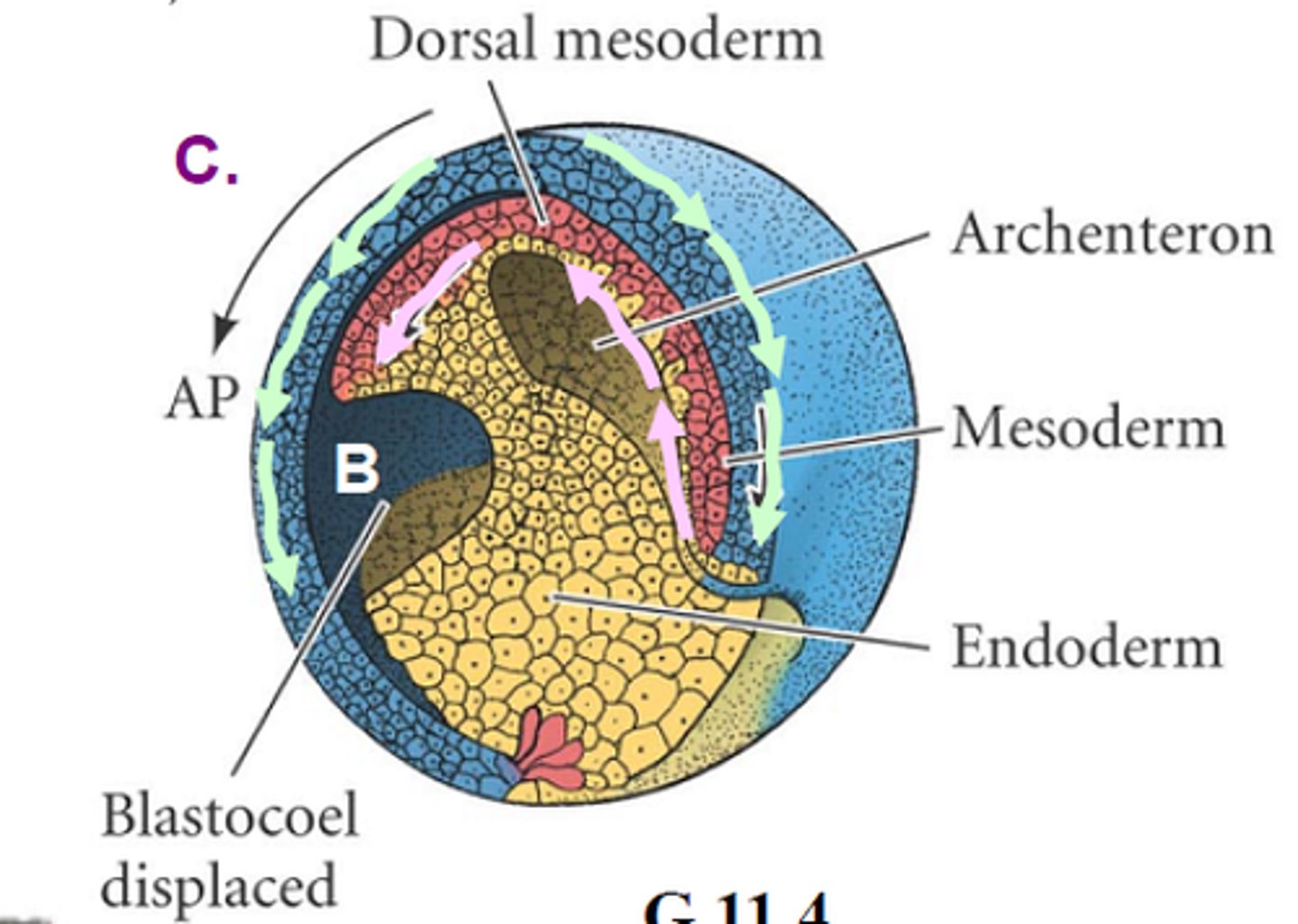
The side of the blastopore becomes what region in frog embryo gastrulation?
lateral lip of archenteron
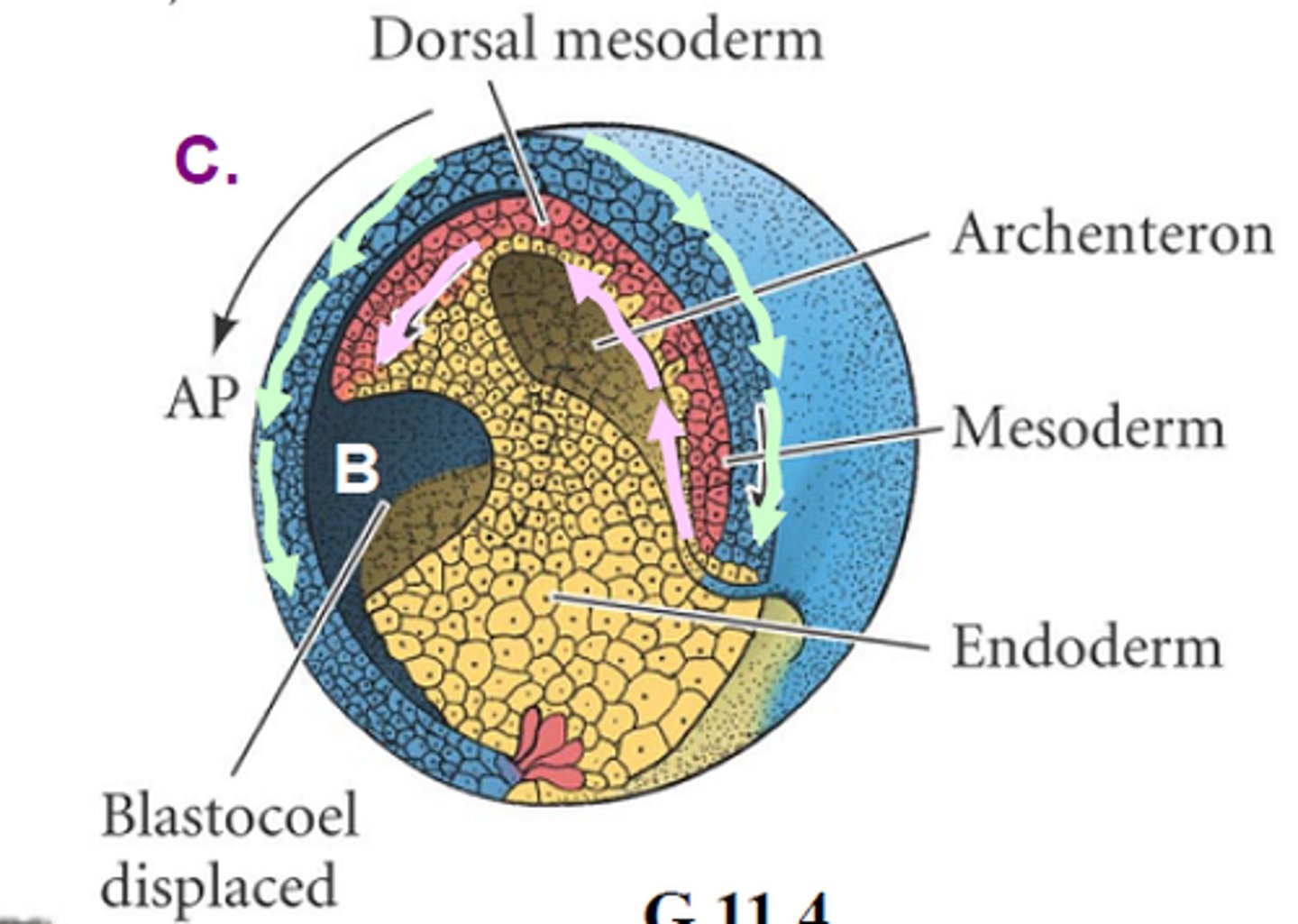
Which embryo pole is rich in yolk material in a frog embryo?
vegetal
What structure is near the dorsal lip and contains yolk in a frog embryo?
yolk plug
If a frog embryo's dorsal lip is transplanted to another region of the embryo, what structure develops?
a second notochord
(Note: could give rise to a second embryo)
What is the relative size of a bird egg yolk?
very large
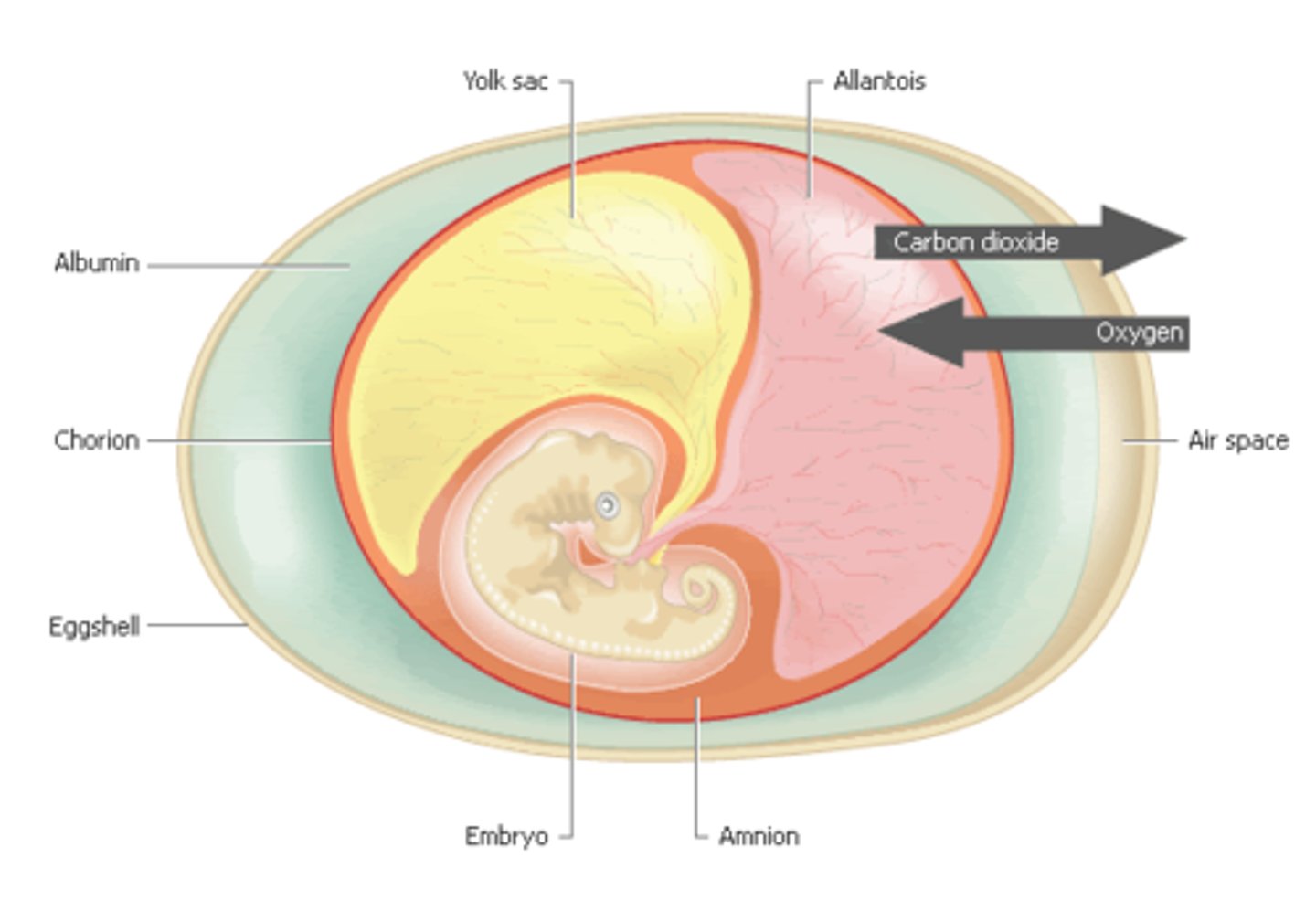
Which structure in a bird egg does not undergo cleavages?
yolk
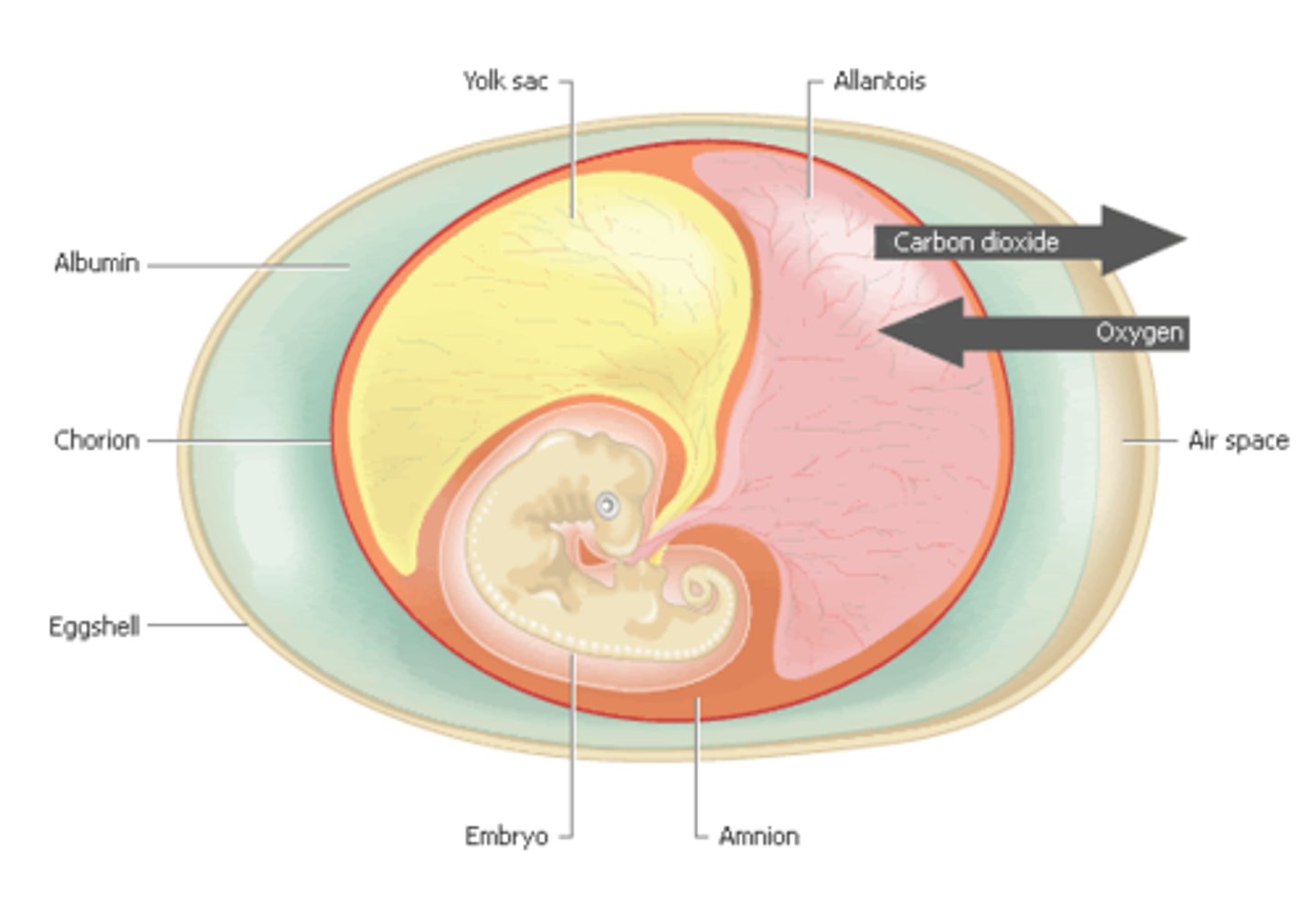
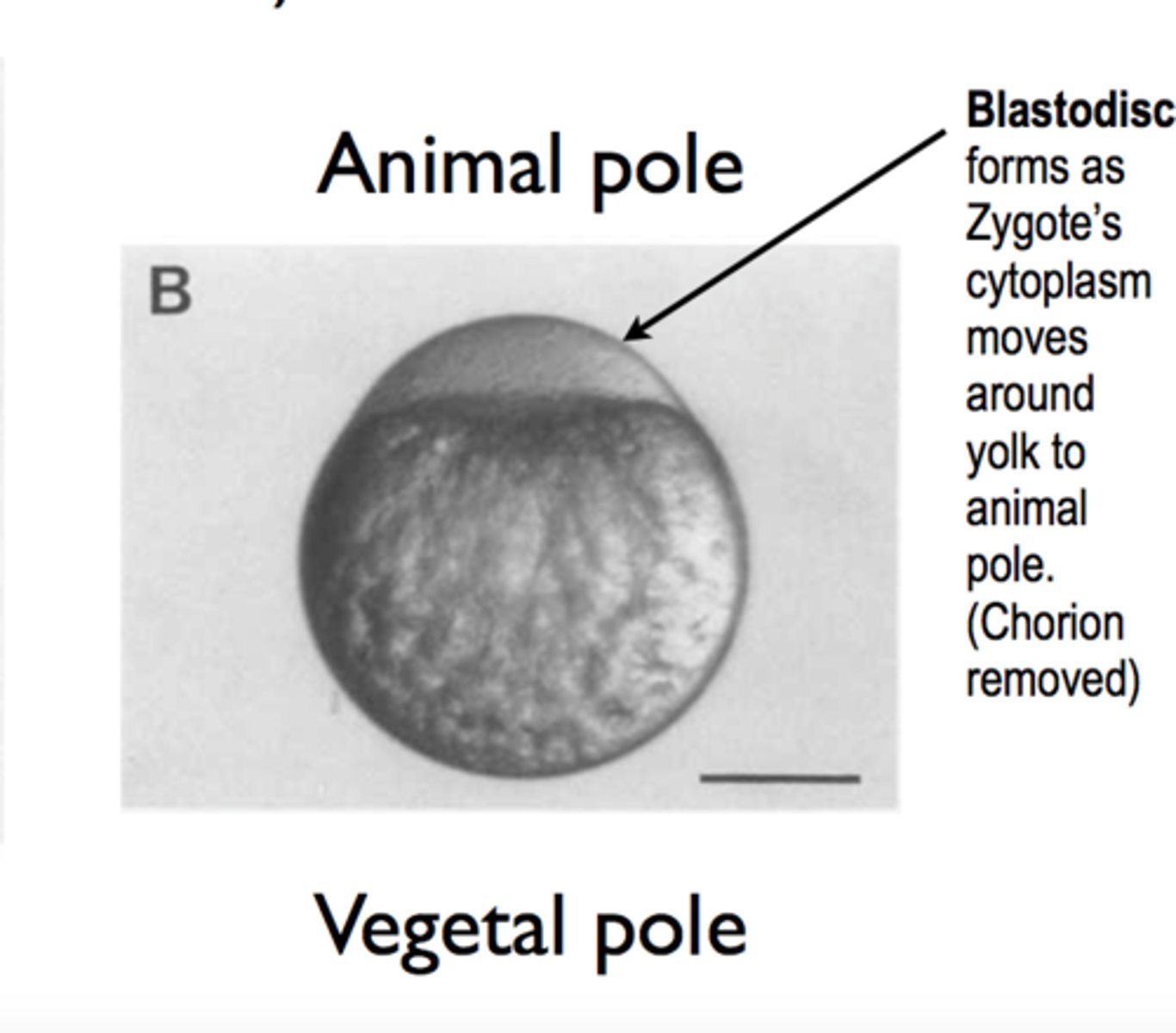
What region in a bird embryo undergoes cleavage?
blastodisc
(Note: disc region on top of yolk)
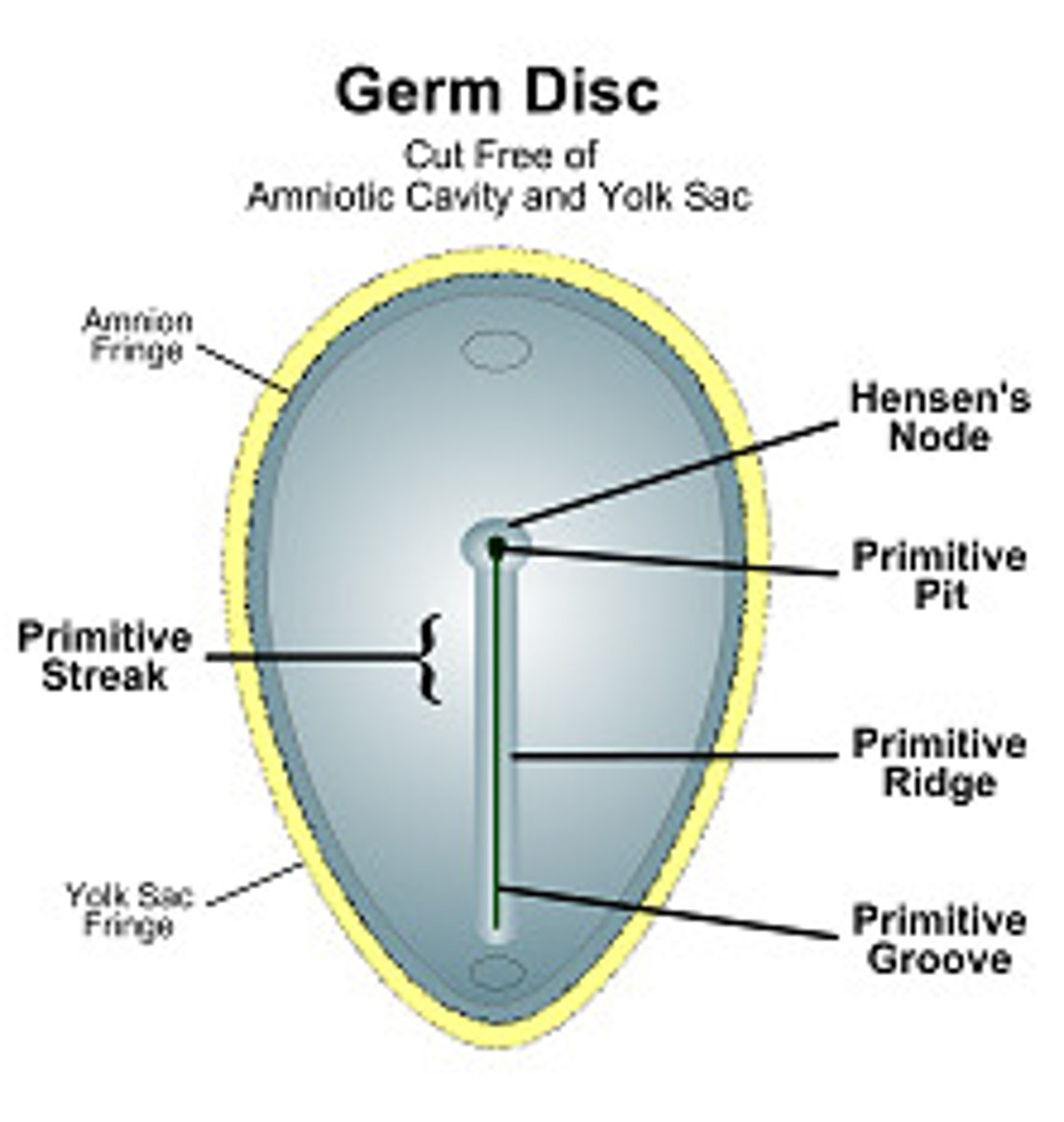
What term describes the invagination that occurs along a specific line during gastrulation?
primitive streak
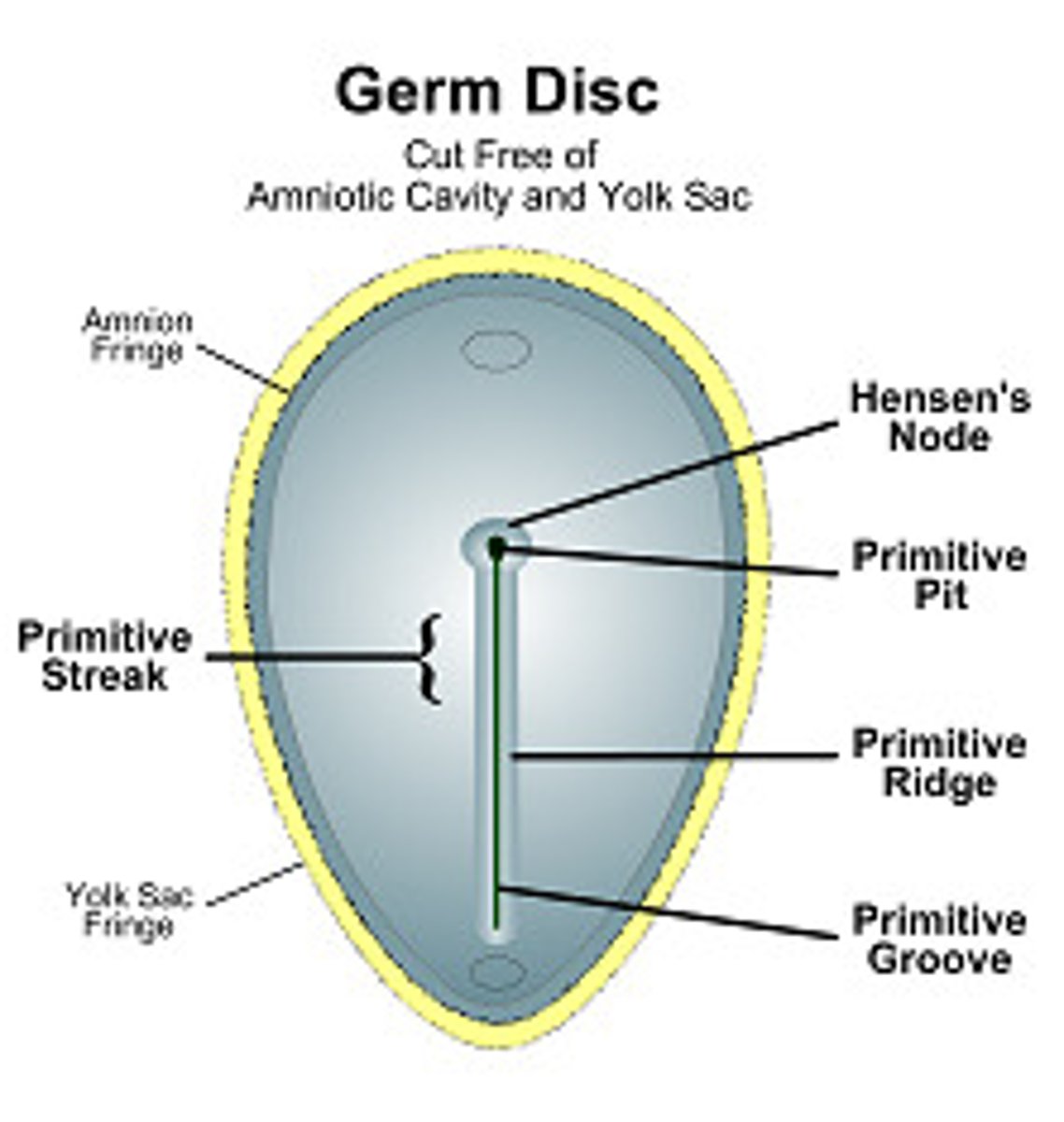
The primitive streak in birds results in what change in the blastopore?
blastopore elongates
(Note: normally circular in other organisms)
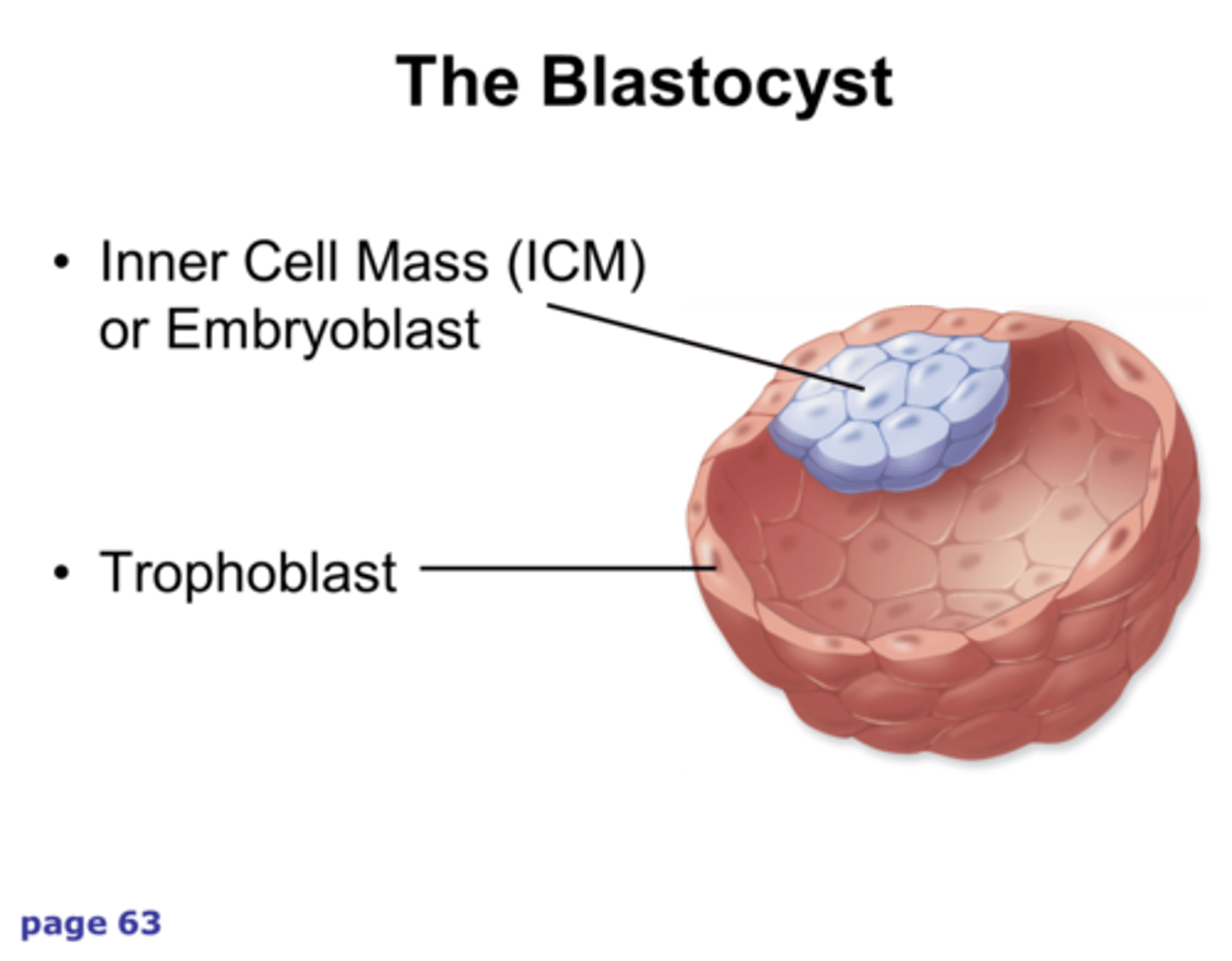
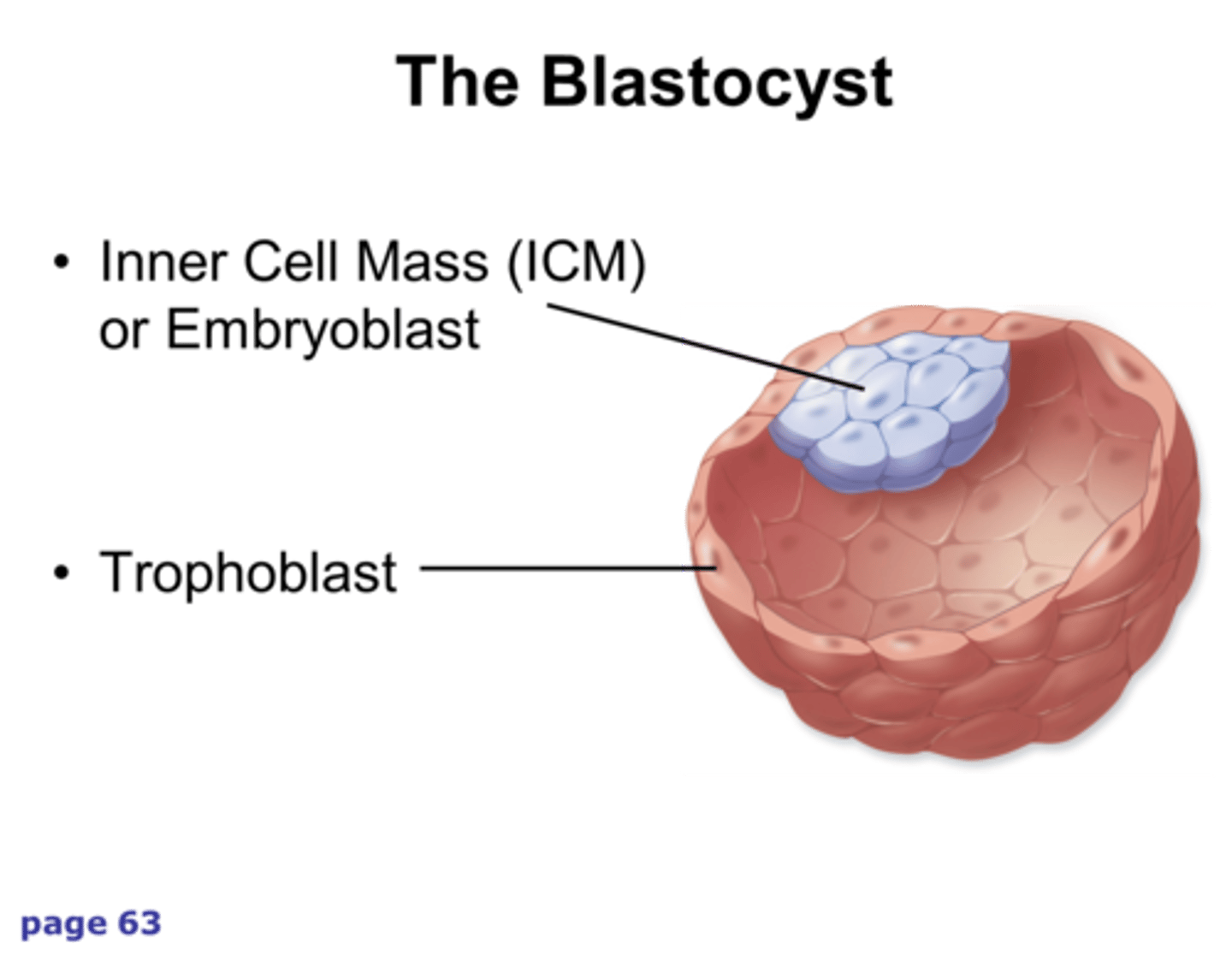
In the blastula stage in humans and most other mammals, what are the 2 parts that compose the blastula stage (blastocyst)?
1. outer ring of cells (trophoblast)
2. inner cell mass (embryonic disk)
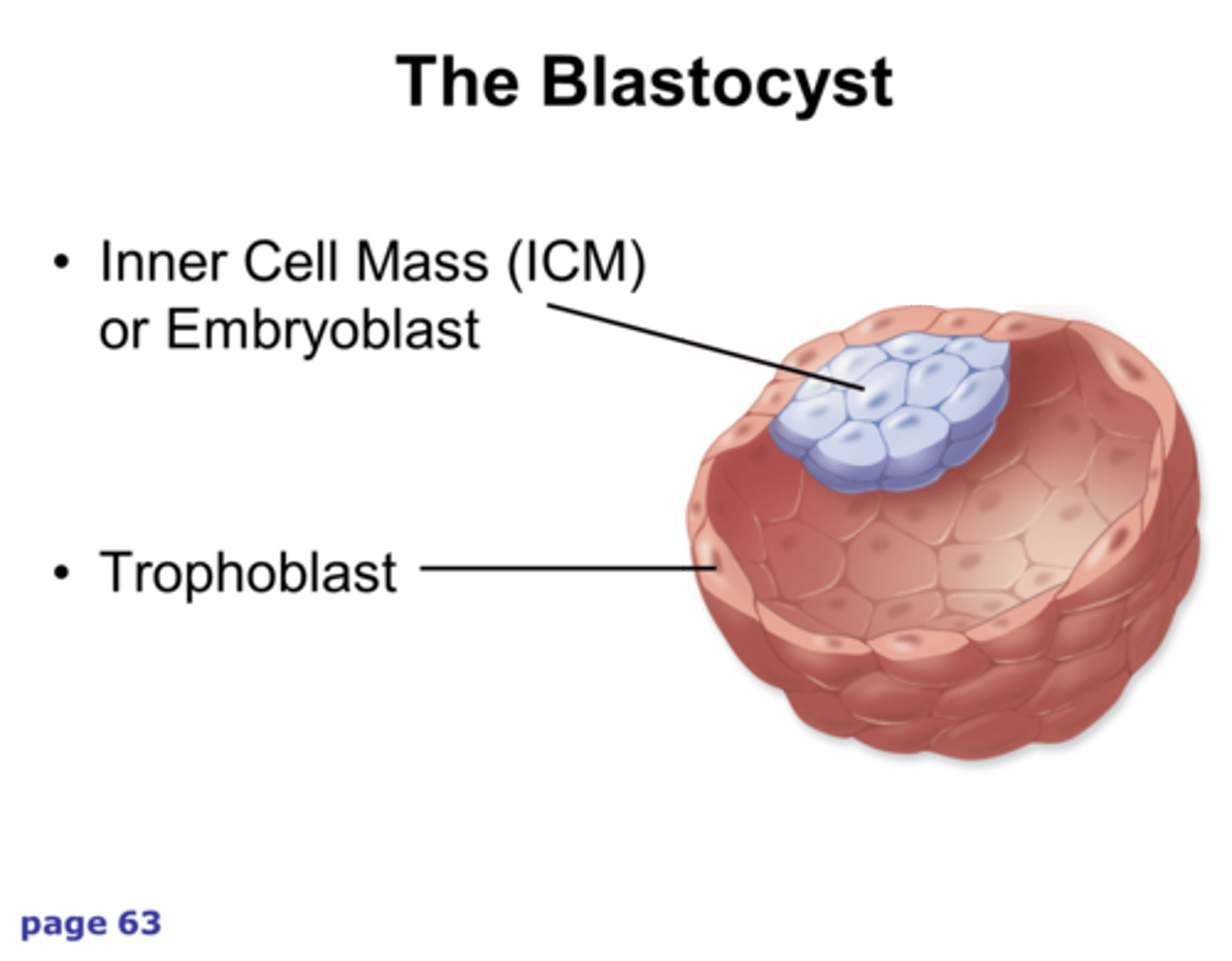
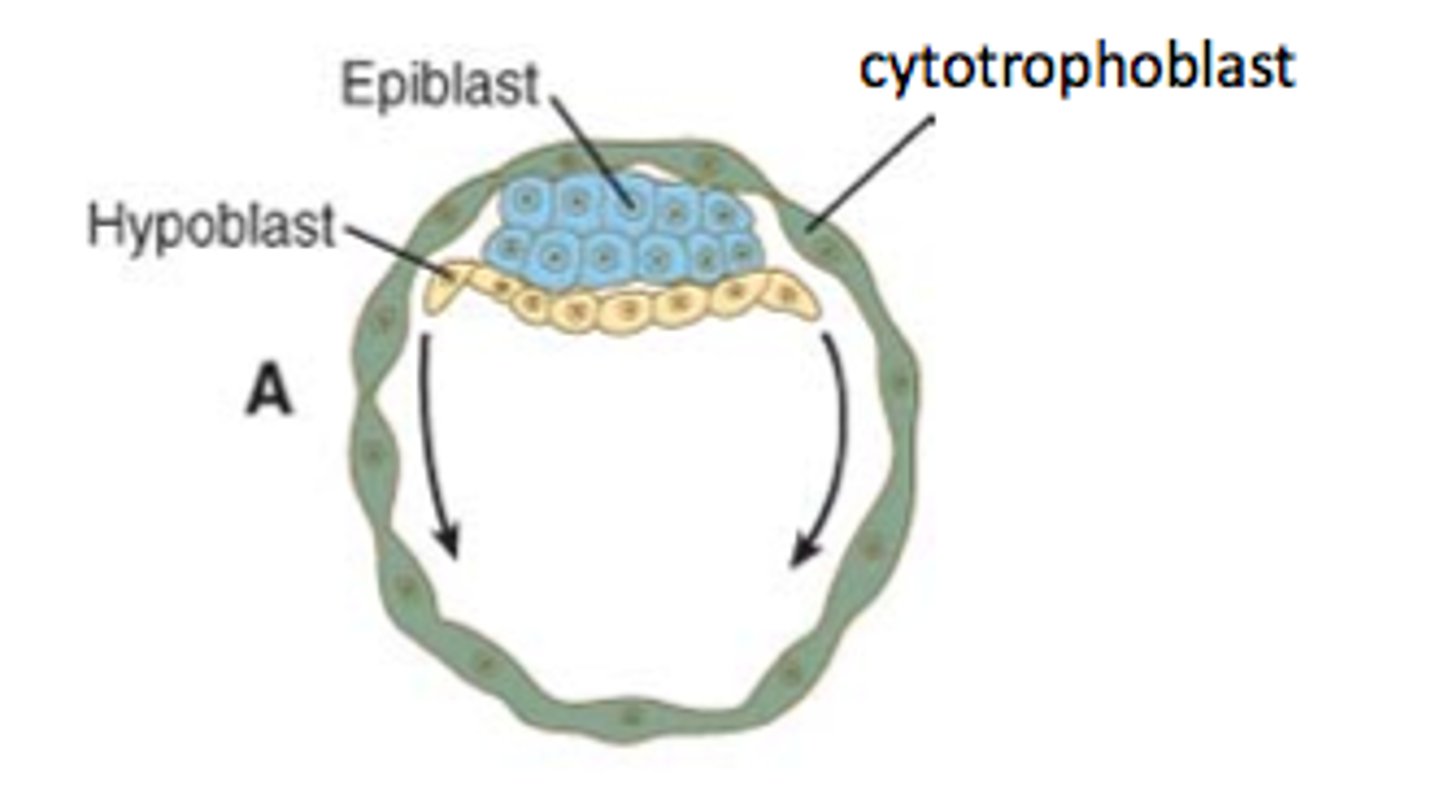
What structures does the inner cell mass of the blastocyst form in humans/most mammals?
epiblast and hypoblast
Into what embryonic tissues does the epiblast develop in humans/most mammals?
1. ectoderm
2. mesoderm
3. endoderm
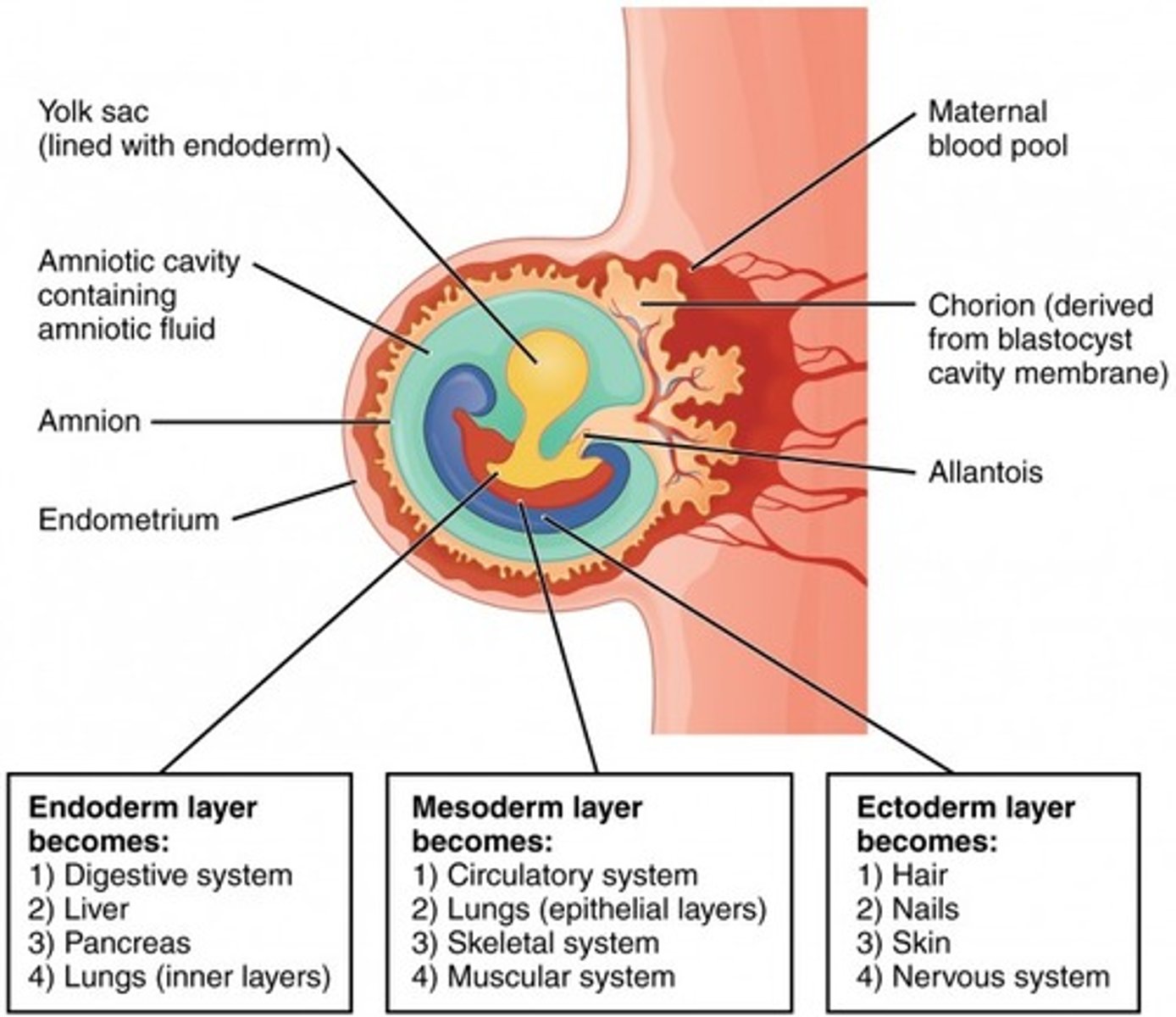
Which blastocyst layer consists of a double layer of cells and is the precursor of the placenta in humans/most mammals?
trophoblast
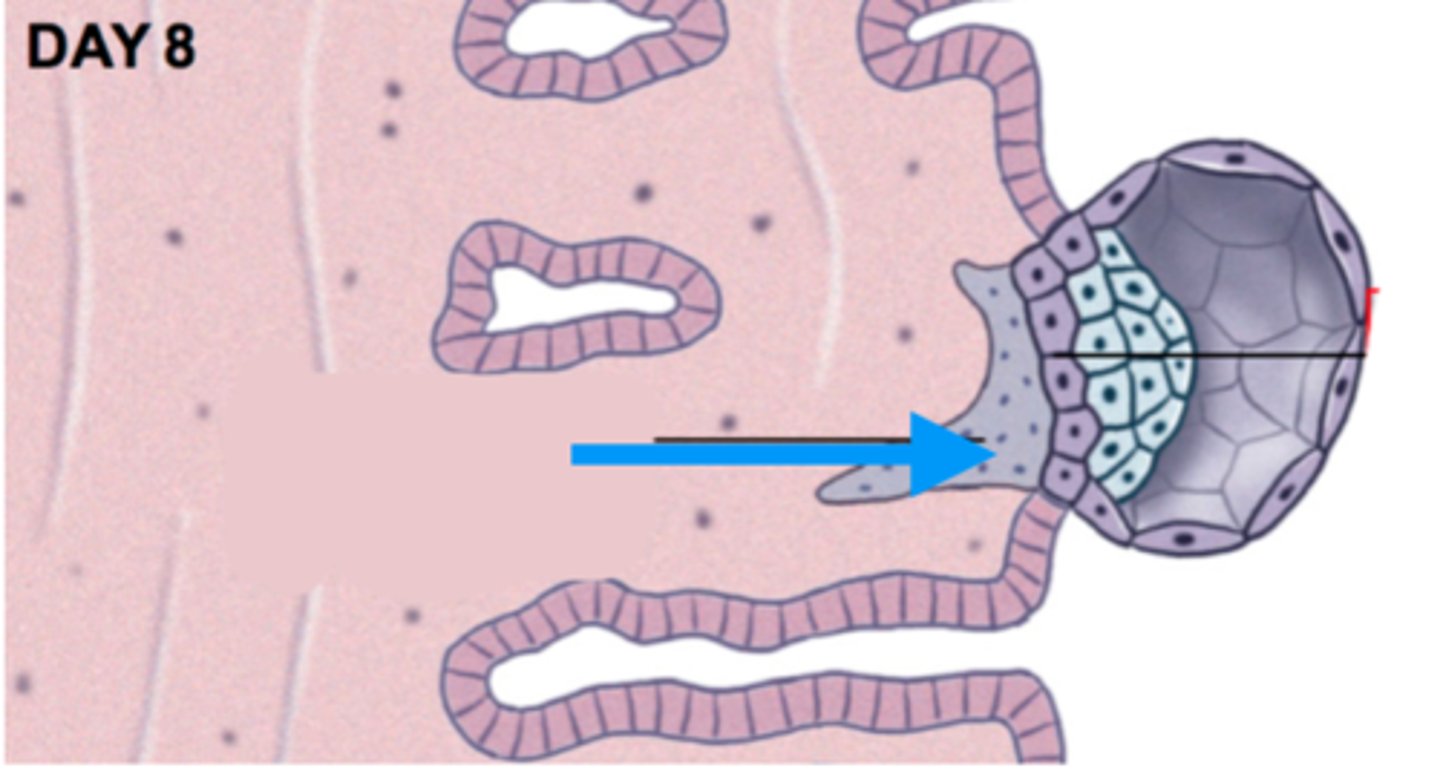
Which blastocyst layer accomplishes implantation by embedding into the endometrium in humans/most mammals?
trophoblast
Which hormone does the trophoblast produce to maintain estrogen and progesterone production in the corpus luteum in humans/most mammals?
human chorionic gonadotropin (HCG)
What structure does the corpus luteum develop into in humans/most mammals?
chorion
(Note: eventually forms placenta)
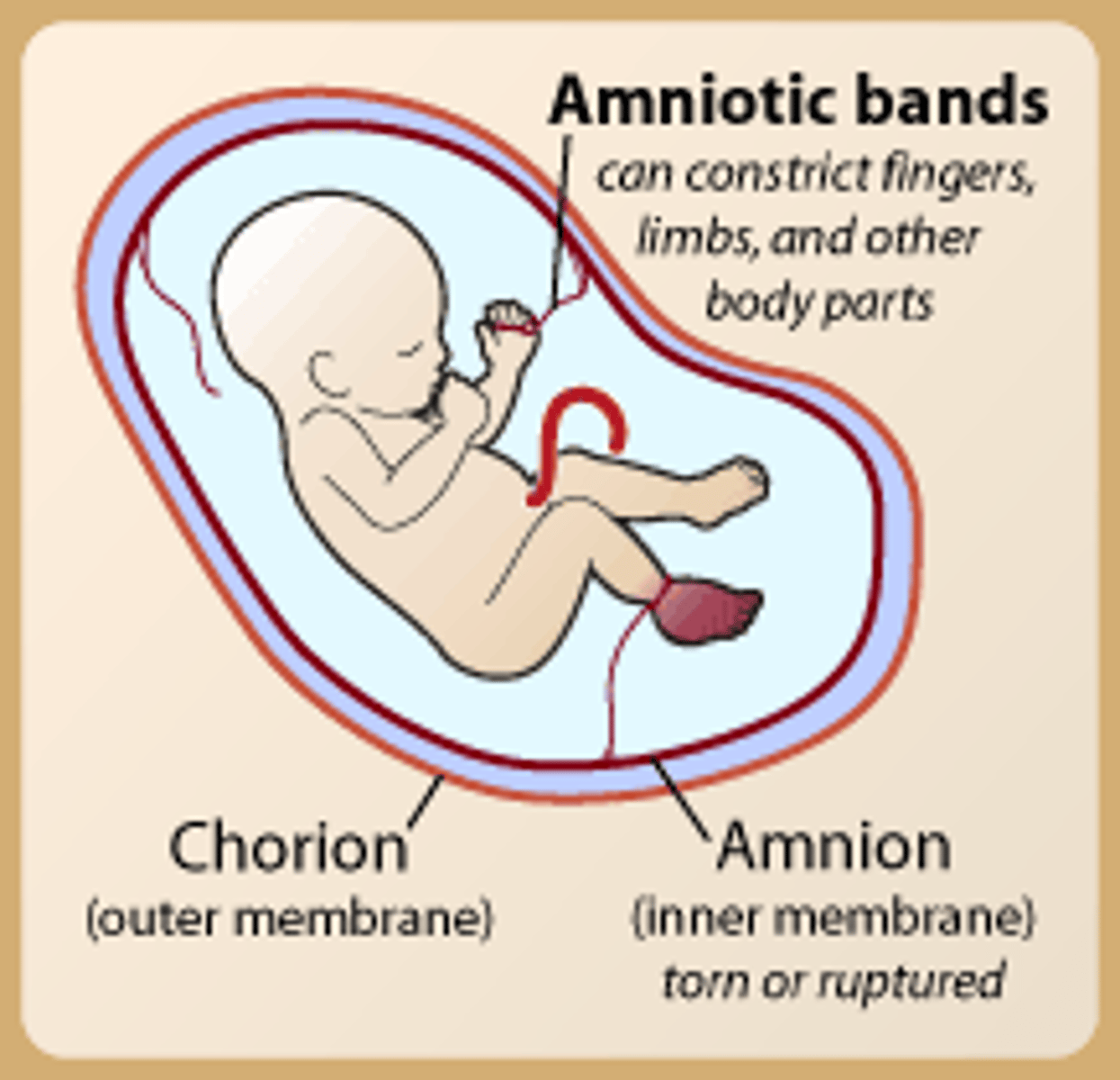
At the end of the first trimester in humans/most mammals, what structure reaches full development and secretes its own estrogen/progesterone?
placenta
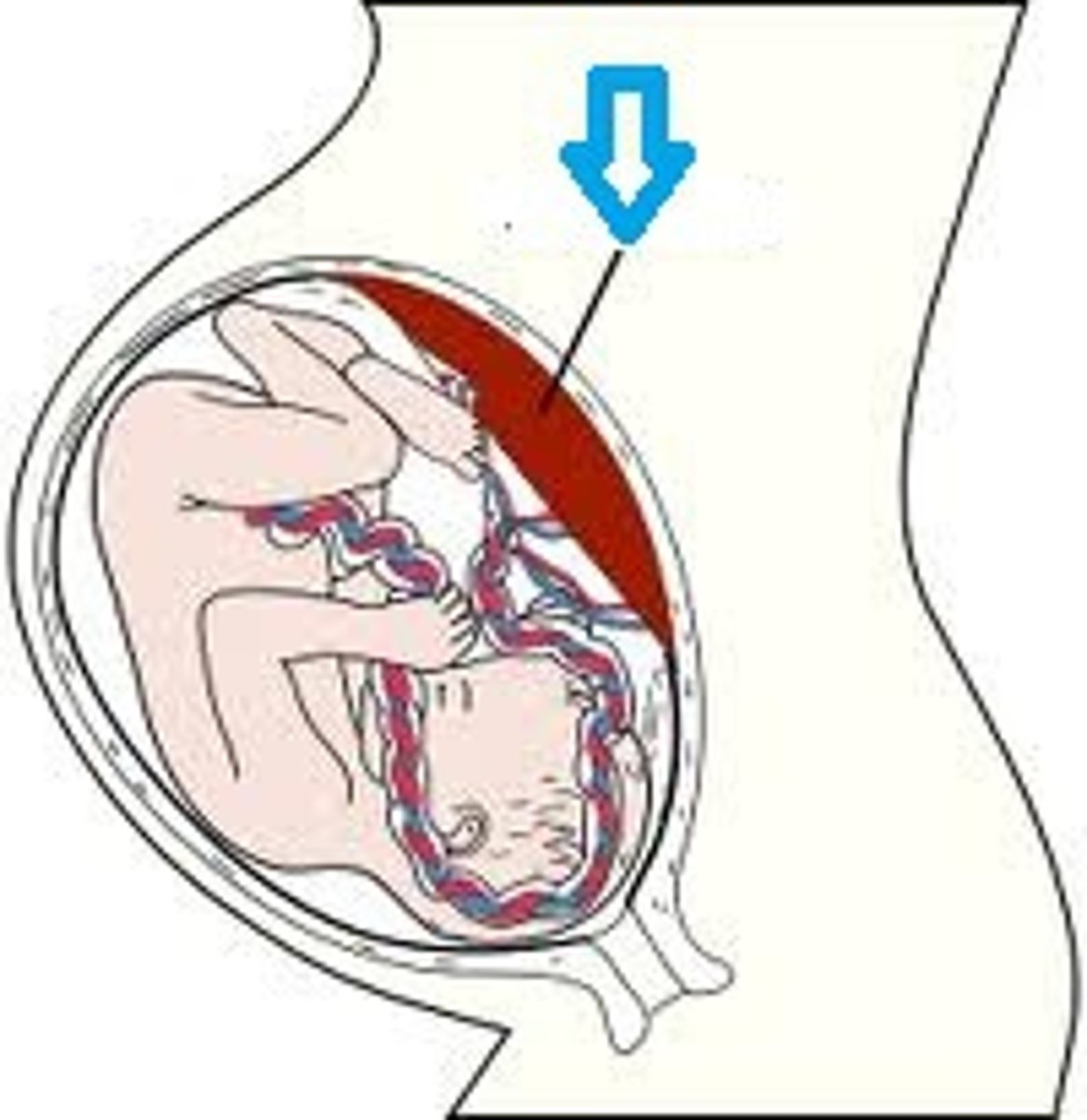
When the placenta secretes its own estrogen/progesterone in humans/most mammals, which hormone falls off?
HCG
What structure forms within the cavity created by the trophoblast when the inner cell mass clusters at one pole and flattens?
embryonic disc
(Note: humans/most mammals - not the same as the blastodisc in birds/reptiles)
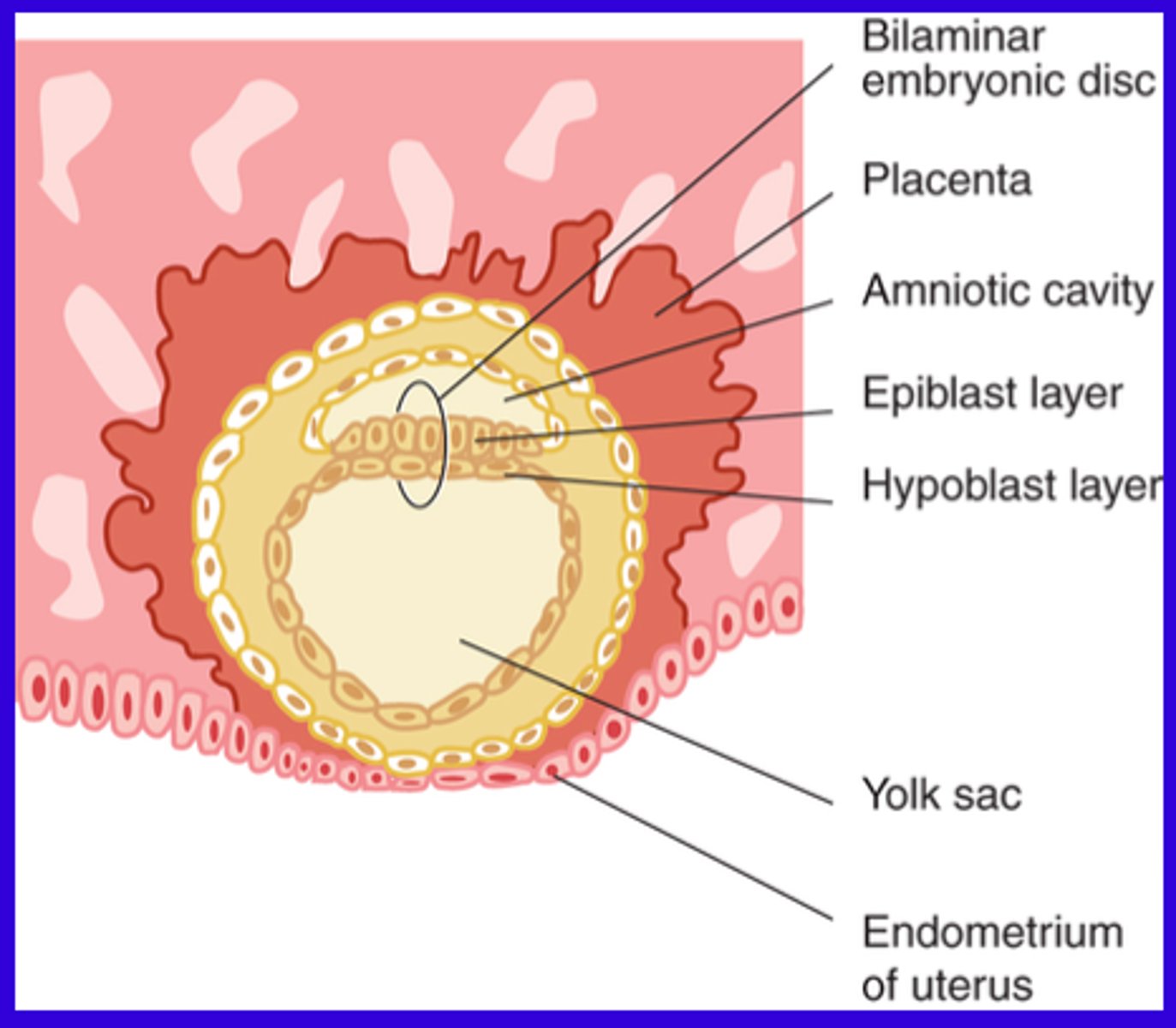
What structure develops within the embryonic disc prior to gastrulation in humans/most mammals?
primitive streak
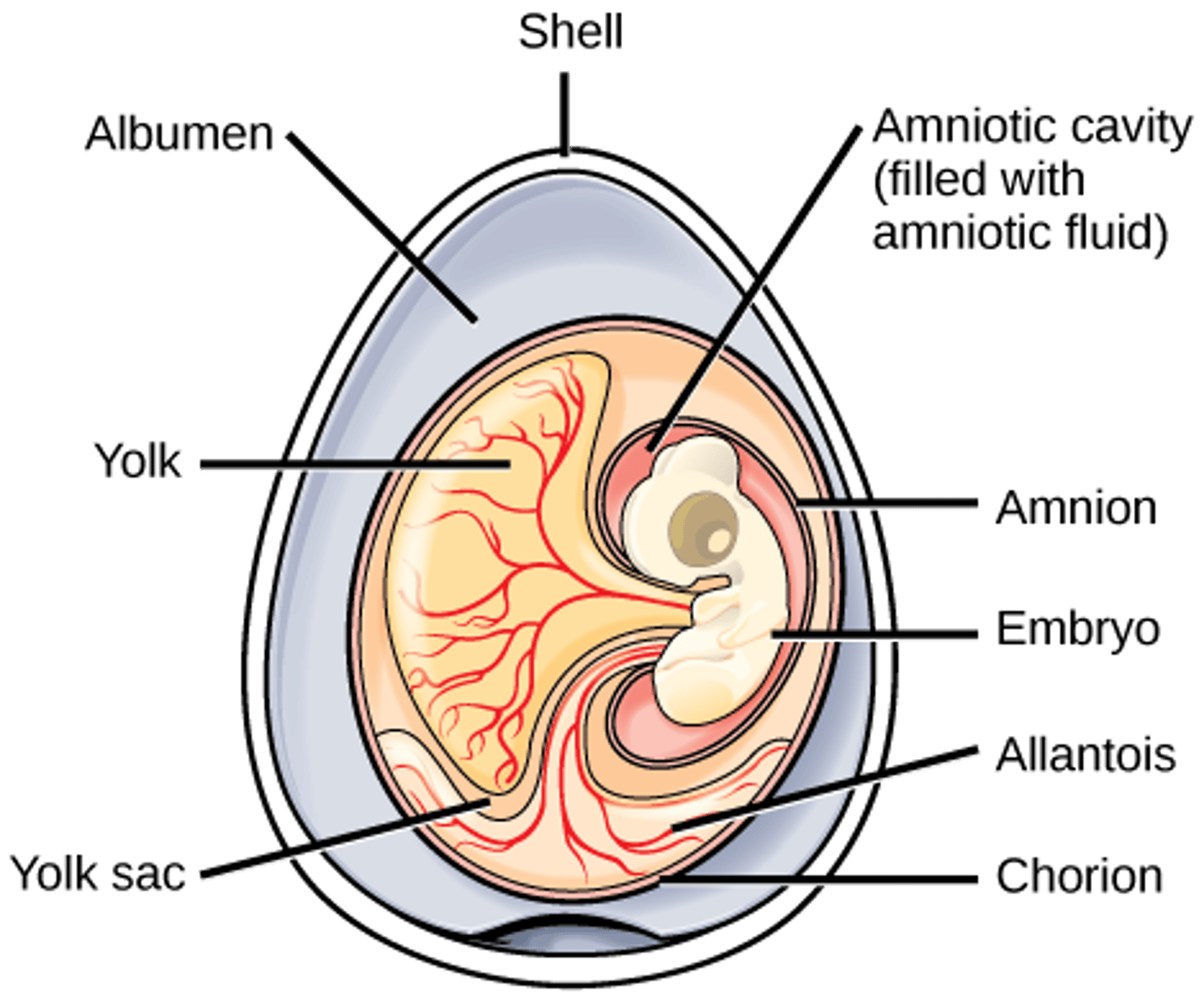
Which membranes develop after gastrulation in human/most mammal embryos?
extra-embryonic membranes
(Note: except chorion)
What structure do aquatic vertebrates form instead of the terrestrial vertebrate primitive streak?
blastopore
In humans/most mammals, which embryonic structure gives rise to the extra-embryonic endoderm?
hypoblast
(Note: only the extra-embryonic endoderm!)
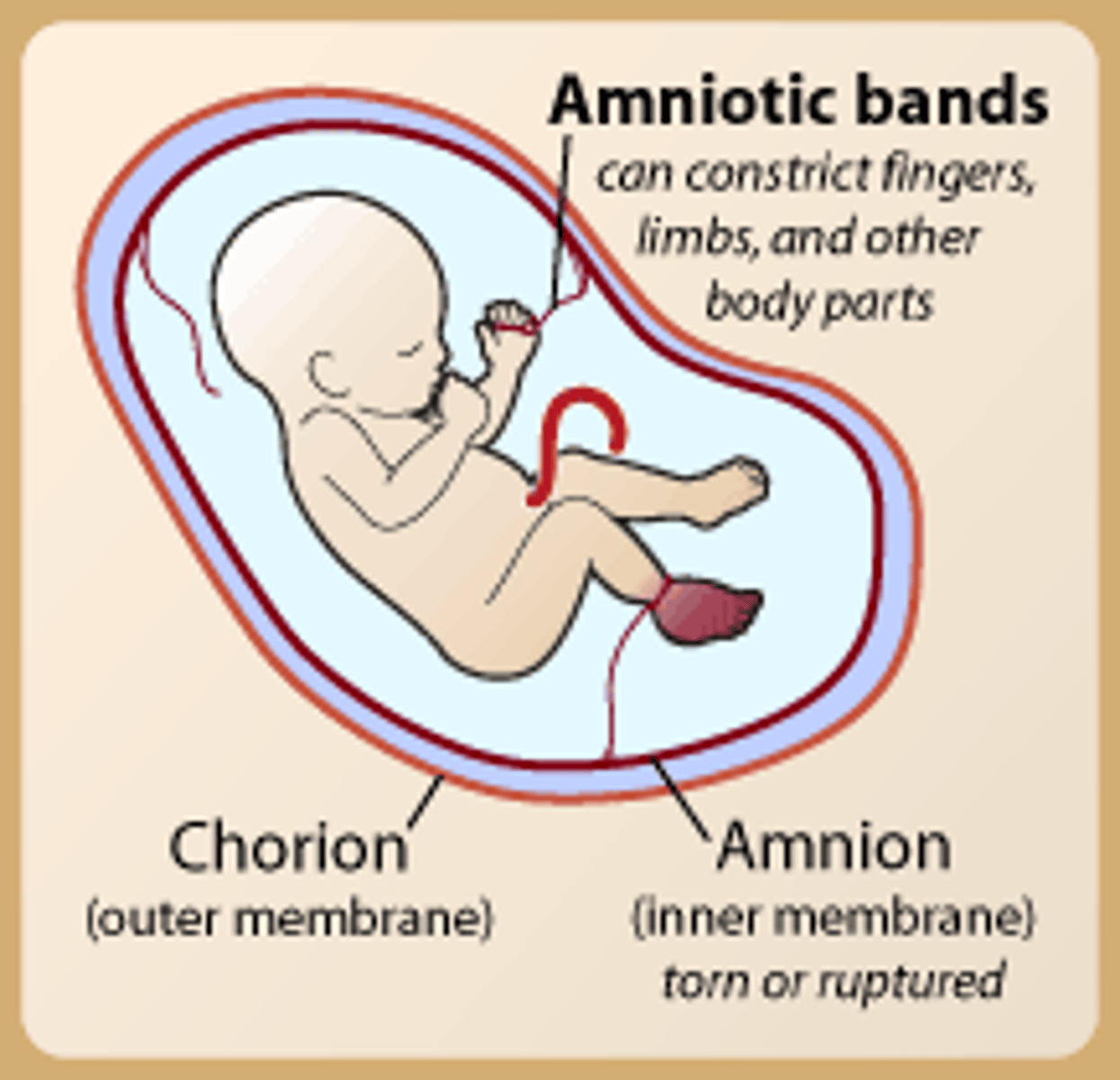
What structure develops from the trophoblast + extra-embryonic mesoderm layers in humans/most mammals?
chorion
What structure is formed from invagination of the epiblasts displacing the hypoblast in humans/most mammals?
intra-embryonic endoderm