conservation bio midterm material
 Studied by 0 people
 Call Kai
 Learn
Learn Practice Test
 Spaced Repetition
 Match
Match Flashcards
 Knowt Play
1/84

There's no tags or description
Looks like no tags are added yet.
Name | Mastery | Learn | Test | Matching | Spaced | Call with Kai |
|---|
No analytics yet
Send a link to your students to track their progress
85 Terms
science
the relentless pursuit of TRUTH about how the natural world is structured and operates
the scientific method
the primary tool for discovering the truth
conservation biology
an applied science concerned with preserving and restoring biodiversity
biodiversity
diversity of life at all levels
we will focus on species & ecosystem diversity
steps of the scientific method
ask a question, gather background info, formulate one or more hypotheses, make testable predictions, test predictions using observational data, analyze results
dominant narrative
a story that becomes the only permitted explanation about a topic among most elites and mainstream media, independent of it truthfulness
how gov. agencies & media enforce false dominant narratives
ignore contrary evidence, lie, smear/belittle or falsely label contrary science and its advocates, scare people
how social media enforces false dominant narratives
false/misleading "fact checks", demonetization, banning/removing content/creator, shadow banning
censorship industrial complex
government organizations partner with media to censor americans going against the dominant narrative
reasons to preserve species
medicine, food, ecotourism
red list categories
extinct, extinct in the wild, critically endangered, endangered, vulnerable, near threatened, least concern, data deficient, not evaluated
761 in Northern America and Austrailia and surrounding islands
how many extinctions in the past 500 years
megafauna
general term for the large game animals hunted to extinction by pre-holocene and early holocene humans
passenger pigeon 1914 & carolina parakeet 1918
local species now extinct
71% of species
habitat destruction is the dominant threat for ...
60% of species
terrestrial habitat loss threatens ... of species
1.8% of species
climate change is the least significant threat, only ...
land use
various ways humans use the land such as agricultural, industrial, residential, or recreational
2/3rds of most terrestrial ecosystems are projected to be gone by 2050
1 billion people every 12 years
how many people are we adding to the planet?
environmental sustainability
using resources in a manner that meets the needs of current and future generations while leaving enough for other species and ecosystems to survive and thrive as well
the 2 prongs
prioritize threats, prioritize solutions
"solutions" to lower ranked threats should not make more serious threats worse
80% of all species
terrestrial habitats contain ...
water withdrawal/water footprint
eliminates water habitat by dropping water levels/volume
dams
change hydrology and prevent anadromous fish from migrating upstream to spawn
anadromous fish
fish that migrate from the ocean to freshwater to spawn
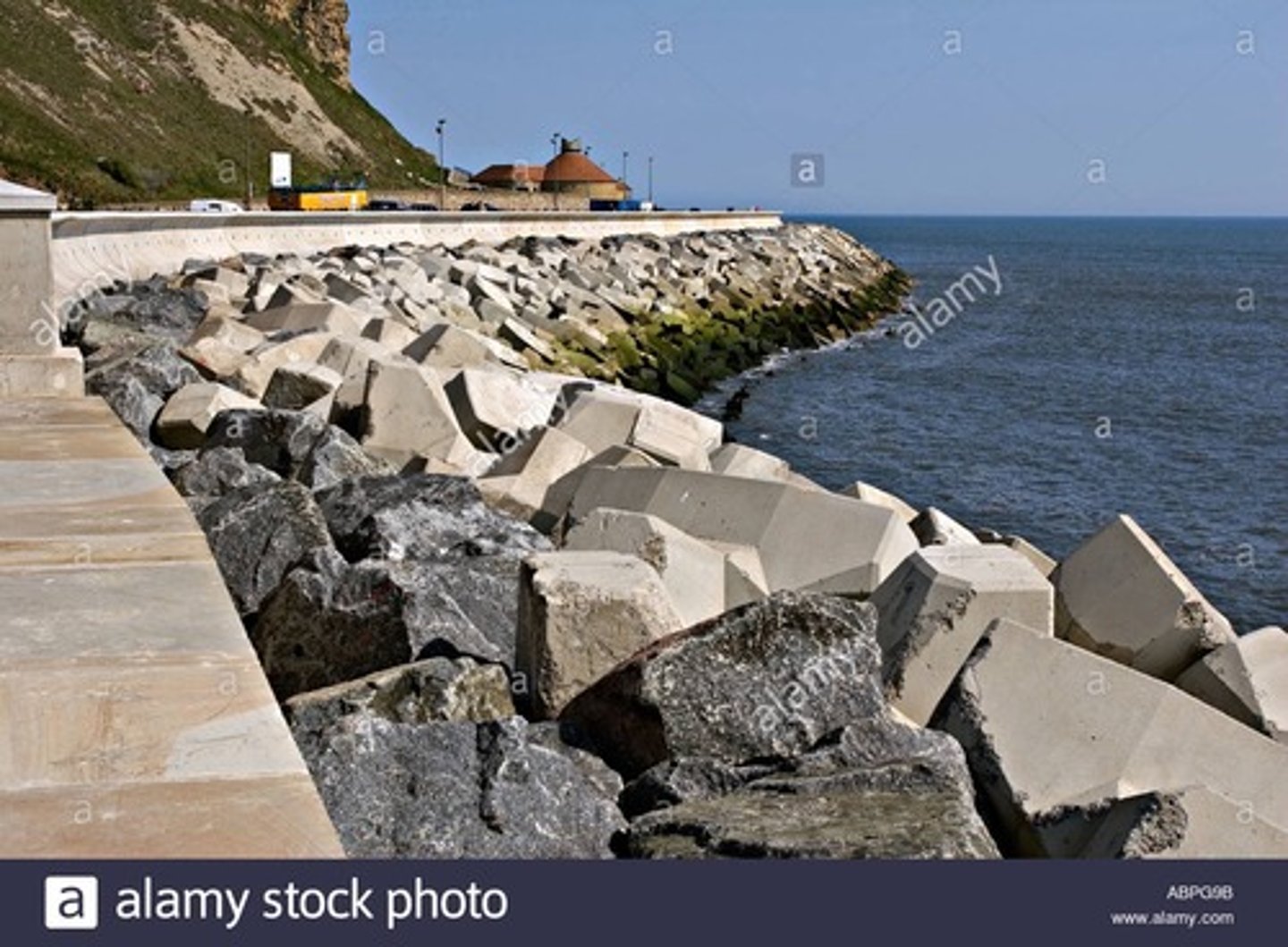
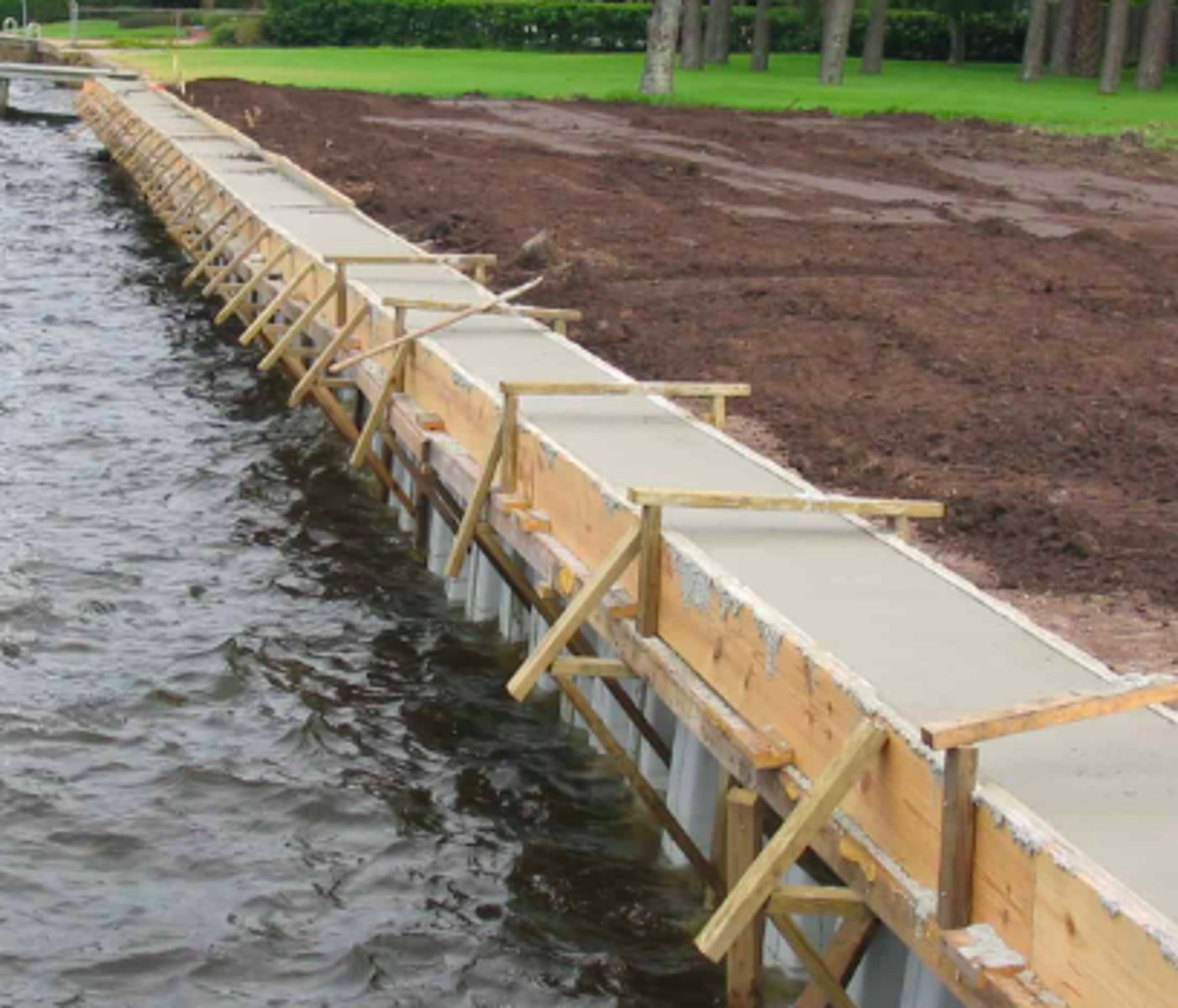
hardening shoreline
with rip rap, bulkheads, etc. also alter hydrology
rip rap
large rocks or broken concrete used in erosion control
bulkheads
walls
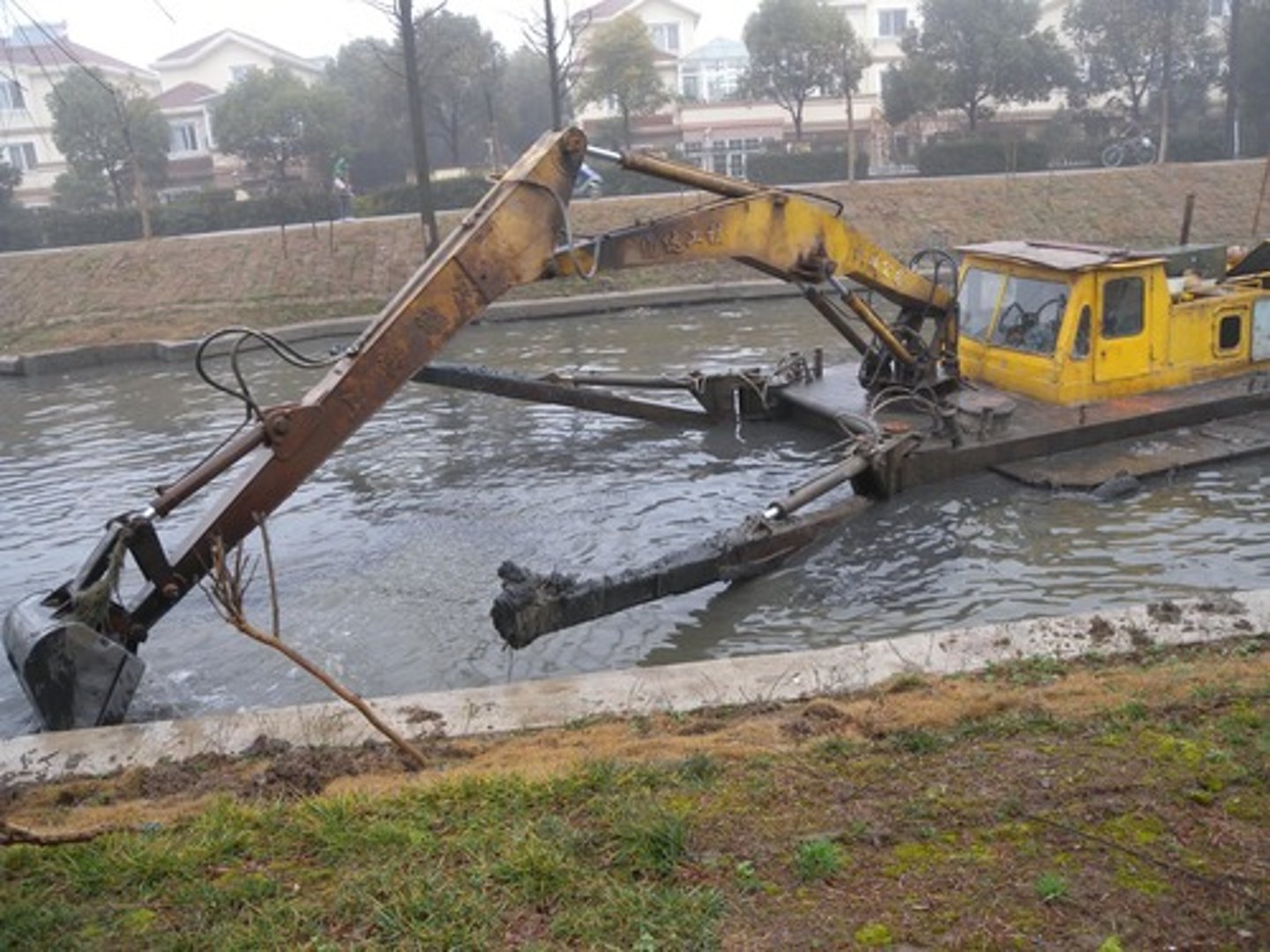
dredging
making a river deeper or wider by digging up sand and mud from the bottom
water footprint
measures the annual volume of freshwater used by countries, individuals etc
meat production
the raising of cattle, chickens, turkey, pigs, sheep, goats, or any other livestock for consumption by humans
3/4 of our global water footprint is for this
colorado river example
supplies water to large population centers and agricultural lands in several US states
as a result of the 49 dams and massive water diversion, the river regularly fails to reach the sea
this has destroyed the colorado river delta ecosystem in mexico
aral sea example
dropped 59 feet since 1960
left behind polluted waste on seabed
winds blow salty grit and toxic chemicals to croplands
drip irrigation
a method of supplying irrigation water through tubes that literally drip water onto the soil at the base of each plant
reduces evaporation and salt accumulation
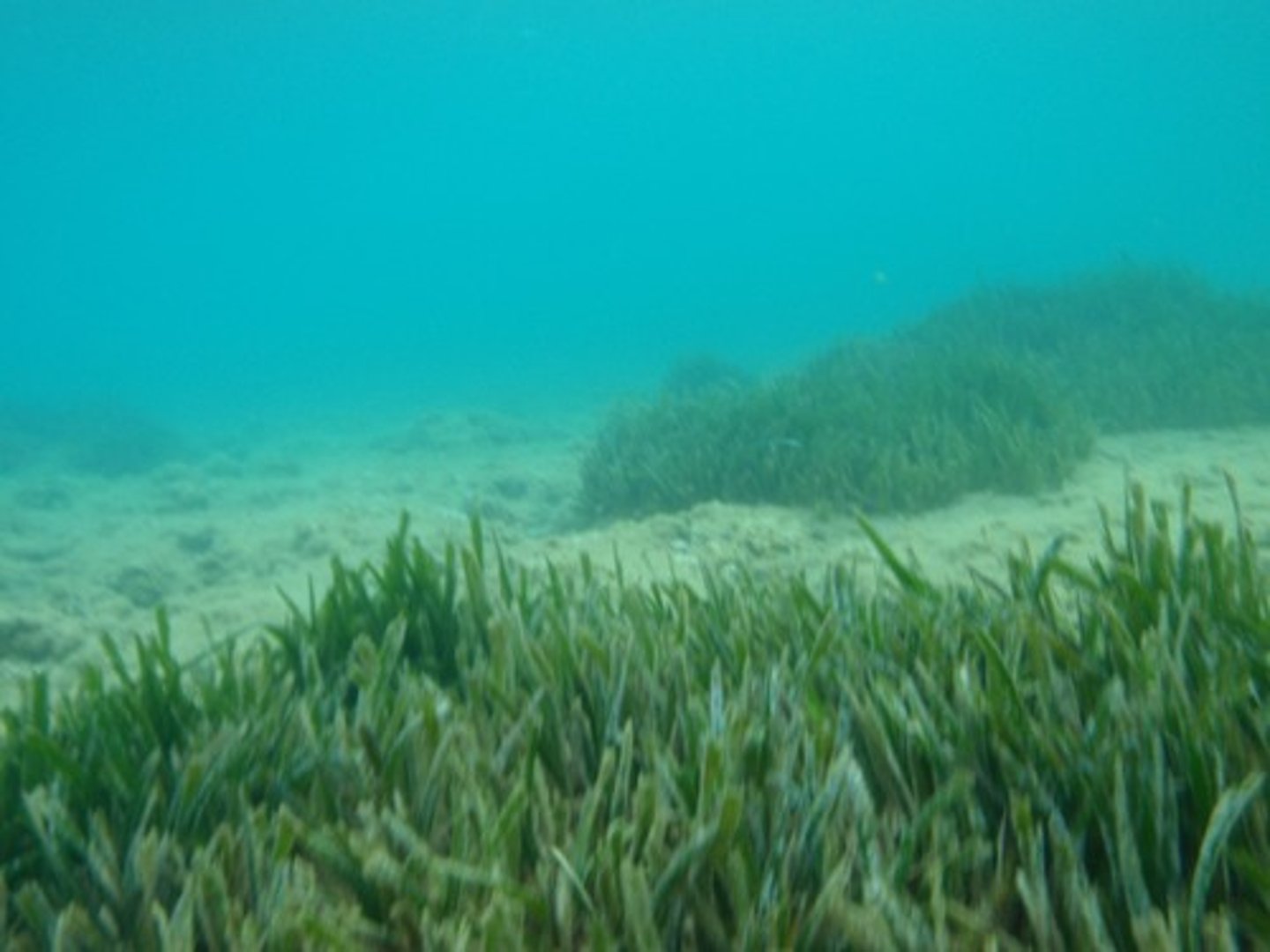
benthic zone habitat destruction
trawl bags and other bottom fishing techniques most significant
blast fishing particularly along coral reefs
dredging, anchors
pelagic zone habitat destruction
boats/shipping
fishing debris (nets, fishing line) ... may fall under pollution
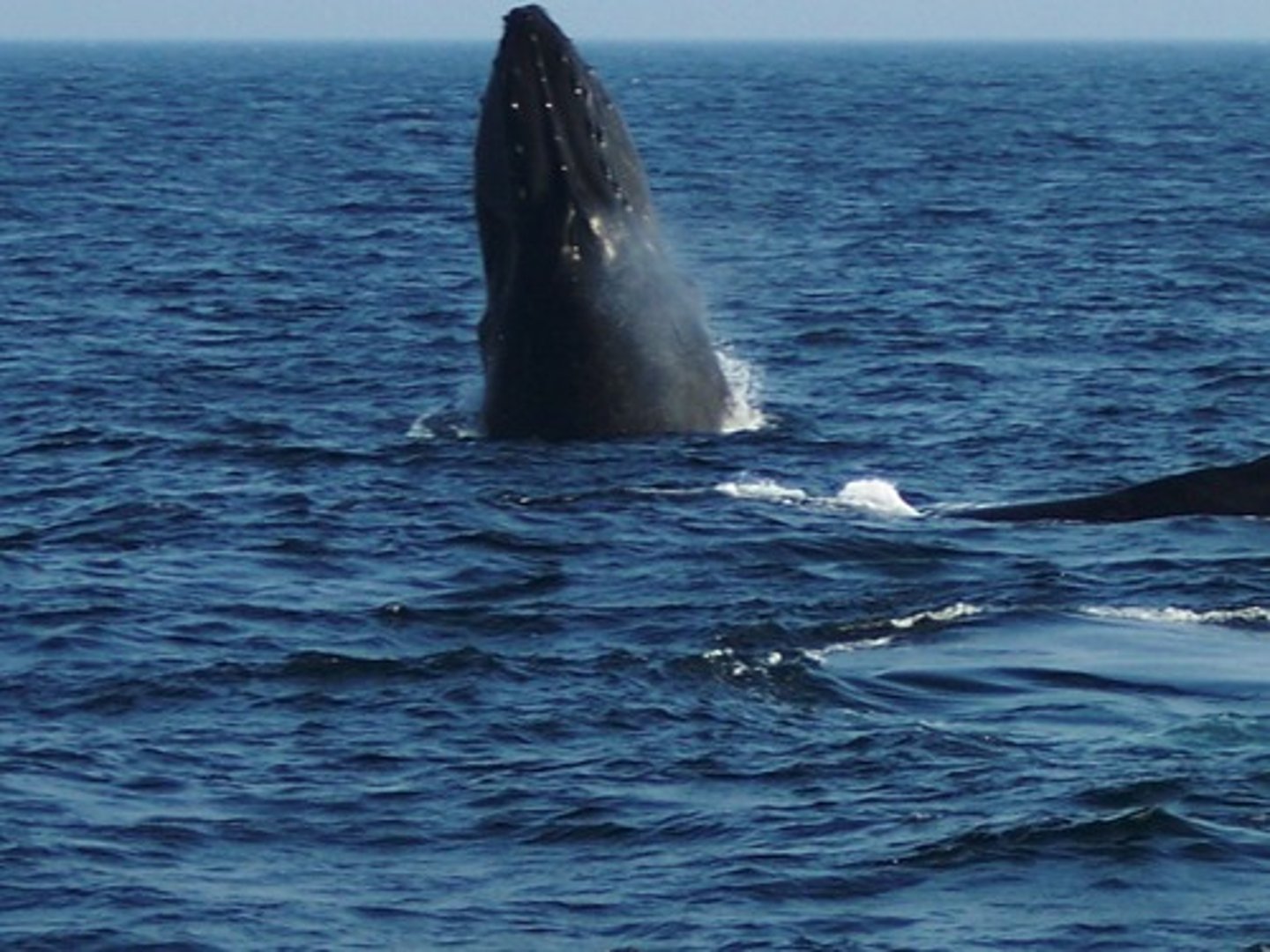
intertidal zone habitat destruction
shoreline hardening, recreation
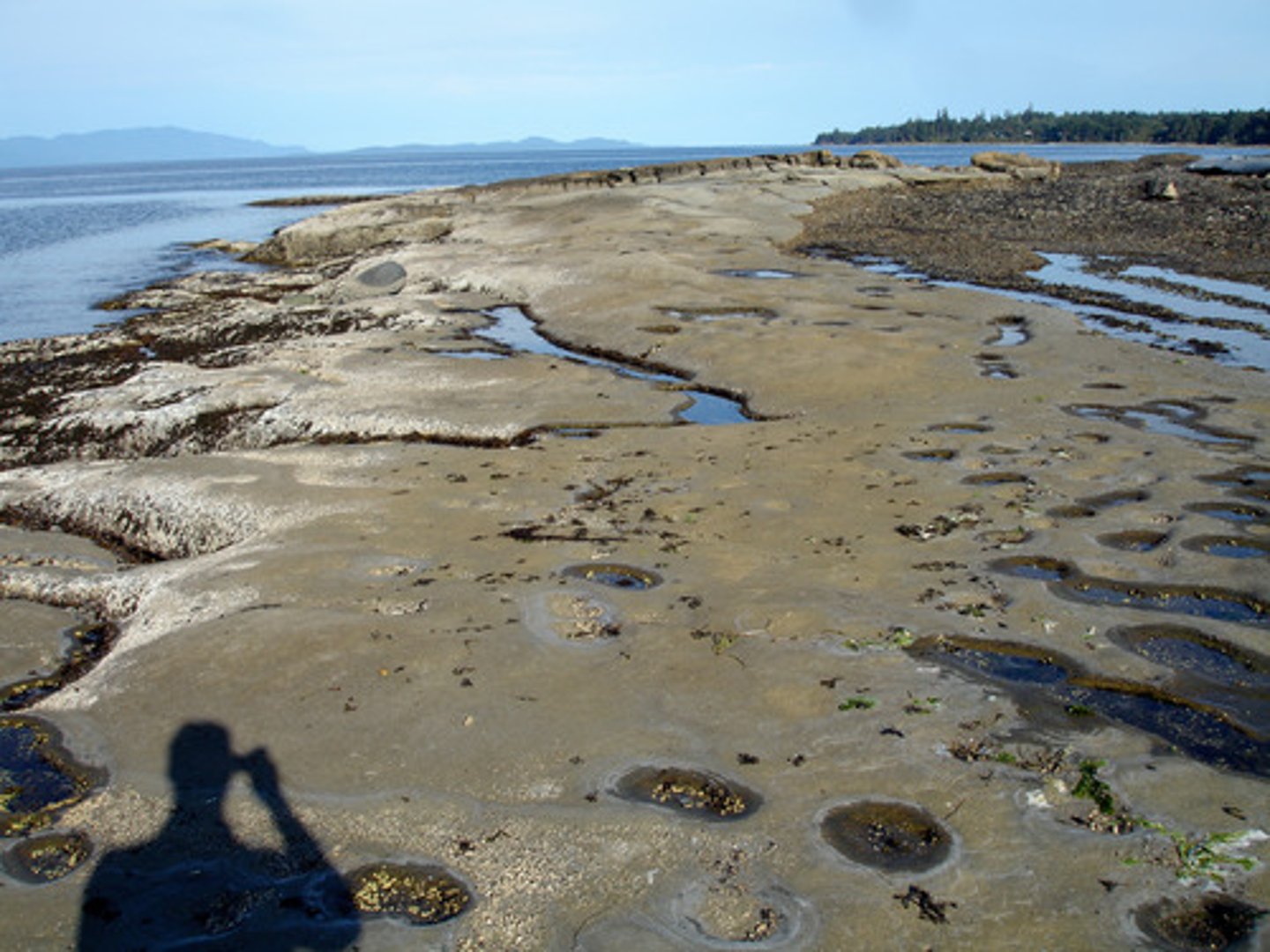
solving marine habitat destruction
create expansive marine protected areas that strictly limit fishing
regulate and reduce global commercial fishing
reduce consumption of commercially caught seafood
half
more than ... of global forests are now gone
mostly tropical rain and dry forests
many species have small distributions in the tropical rainforests and there are thousands of species per hectare
why tropical rainforest deforestation is especially bad
agriculture
85% of permanent tropical deforestation is due to ...
slash and burn agriculture
another name for shifting cultivation, so named because fields are cleared by slashing the vegetation and burning the debris
meat deforestation
because of the rapid loss of soil fertility, many former rainforests are turned into grazing land for cattle, never to return to forest
biofuel deforestation
the exception to this low soil fertility in the tropics is in forest underlain by peat (accumulation of thousands of years of organic material) as in many of the lush forests of indonesia
forest degradation
decreasing the ecological value and biodiversity of forests by burning, harvesting plants and animals, or other changes to natural forest conditions
old growth (primary) forests
are dominated by enormous trees, hundreds of years old and are more biodiverse and ecologically complex than second growth forests
monoculture
single species of fast growing, easily cut trees like pine or eucalyptus
in many cases the trees aren't even native, they may even use herbicides to kill other plants that could offer more diverse habitat
soil erosion
the loss of top soil by water or wind, this leads to lower soil fertility and desertification in extreme cases
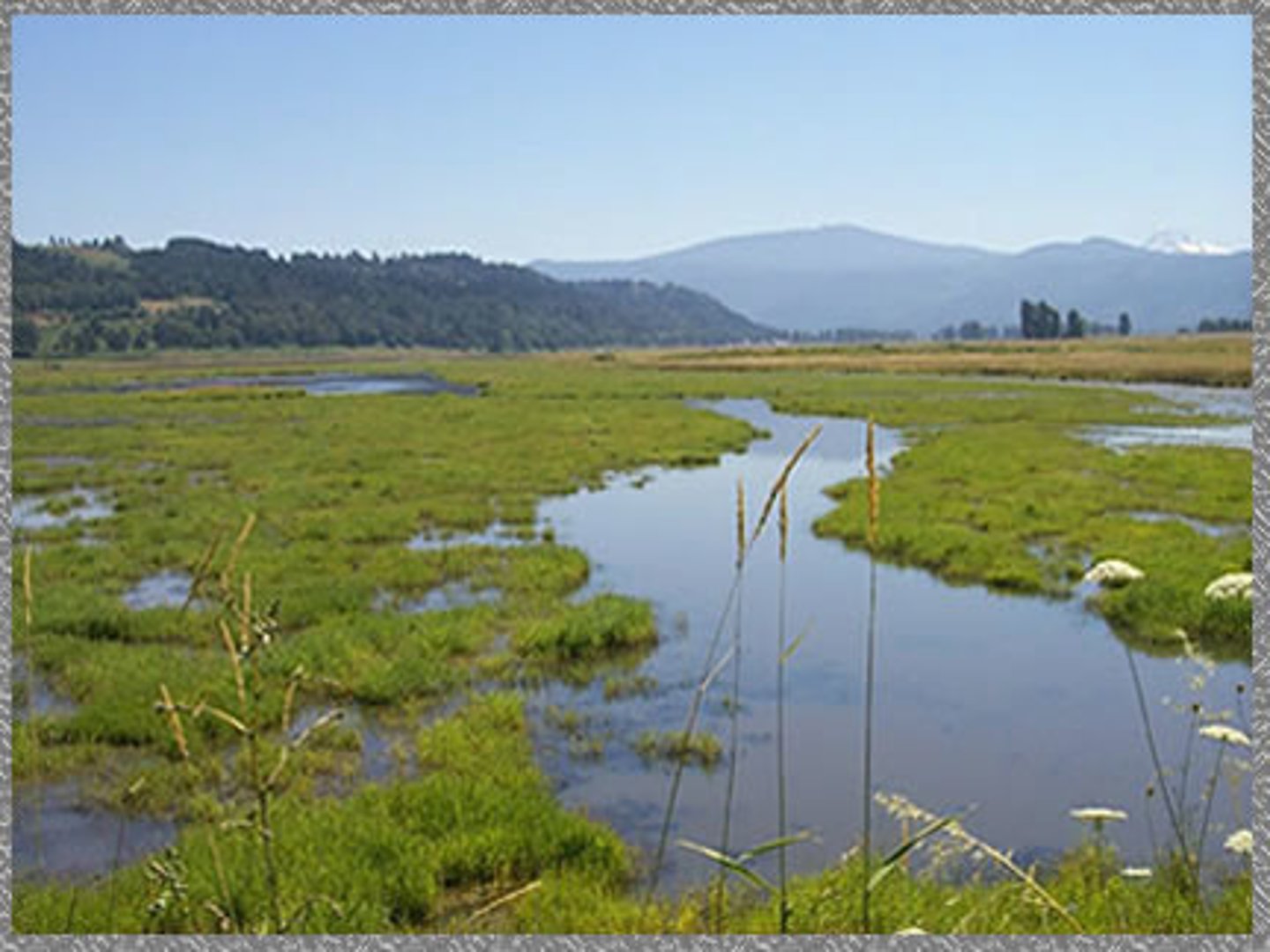
wetlands
a lowland area, such as a marsh or swamp, that is saturated with moisture, especially when regarded as the natural habitat of wildlife
have been shrinking 24,300 acres per year since 1985
habitat fragmentation
chopping original land into fragments
edge effects
a change in species composition physical conditions or other ecological factors at the boundary between two ecosystems
problems with habitat fragmentation
populations lack adequate space for sufficient population size in fragments which places them at risk of inbreeding depression
greater vulnerability to overexploitation, disease, invasive species, domesticated predators
how to combat destruction
create and expand large protected areas
restore degraded habitats and reconnect fragmented habitats
reduce the direct and indirect causes of destruction
restoration ecology
study of the historical condition of a damaged ecosystem, with goal of returning it to its former state
combating habitat fragmentation
have bigger fragments, have more circular fragments, connect fragments with corridors (ex. vegetative overpass so species can cross)
endemic species
species that are native to and found only within a limited area
energy solutions
1. increased energy efficiency and conservation
2. low footprint renewables (solar, geothermals heat pump under existing infrastructure ONLY algae & waste biofuels, NOT crops like corn and soy
3. nuclear power
4. continued but decreasing fossil fuel use, emphasizing natural gas
urban sprawl
urban developments that fan out over the landscape
1. meat/animal products
2. plant-based foods
3. wood, fiber
4. development
5. biofuels
most devastating land footprint categories
monoculture plantation
an agricultural plantation specializing in the large-scale production of a single crop to be sold on the market
wood and paper companies are trying to maximize profits by replacing natural diverse forests with these
devastating to wildlife
use less paper
use reusable and recyclable plastics & synthetic products but REJECT trend replacing plastics with paper
wood & fiber solutions
sustainable forest management
the management of forests as ecosystems wherein the primary objective is to maintain the biodiversity and function of the ecosystem
longer harvest cycles to allow mature forest conditions to emerge
the green revolution
a large increase in crop production in developing countries achieved by the use of fertilizers, pesticides, and high-yield crop varieties
conventional agriculture
the farming systems that include the use of synthetic chemical fertilizers, pesticides, herbicides, other continual inputs, mechanization, and genetically modified organisms
organic farming
food produced without synthetic pesticides & fertilizers
yields 75% of conventional yields - meaning more land is needed to grow the same amount of food
organic fertilizer
typically requires fertilizer from other land, which dramatically increases the total amount of land needed to produce the same amount of food
twice
organic farming requires roughly ... as much land to produce the same amount of food as high intensity conventional agriculture
land sharing
farming practice that integrates agriculture with nature conservation and is also known as wildlife-friendly farming
alternative to industrial agriculture
shade grown coffee
coffee grown in the shade of tropical trees
example of land sharing
people claim it is more sustainable but it is not
industrial agriculture
intensive farming practices involving mechanization and mass production
genetic engineering
manipulating the genetic information in a species, often by inserting beneficial genes from one species into another
concerns of genetic engineering
that the inserted genes will spread to wild populations and have unanticipated negative consequences or pose threats to human health
benefits of GM foods
increase crop yields so less land is needed for same amount of food
consume less water, reducing water diversion from aquifers and rivers and preventing crop failures
INCREASE CROP YIELDS BY 22%
REDUCE PESTICIDE USE BY 37%
integrated pest management
holistic, science-based approach that first seeks to determine if a pest problem exists, then uses multiple techniques tailored to eliminating that specific pest while minimizing adverse environmental/health impacts
3/4
meat/animal products make up nearly ... of our footprint
roughly 90% of the energy is lost between each trophic level
the problem with eating meat
30%
... of the earth's ice-free land is used for meat
~10
it takes ... times more land, water, and fossil fuels to produce one pound of meat protein compared to one pound of vegetable protein
vegetable protein
soy products
meat
consume less meat/animal products
food
reject store-bought organic food &/or grow your own food in your yard/home
energy
reject biofuels, emphasize nuclear and low impact renewables
development
fight for smart growth (oppose suburban sprawl)
wood/paper
recycle paper, reject replacing plastics with paper products & reject monoculture wood
virus is NOT from Wuhan lab
masks prevent getting/spreading it
6 feet social distancing
C19 dominant narratives
 Note
Note  Flashcards (150)